
Meta description: Discover renter-friendly decorating ideas that transform your apartment without damaging walls or risking your security deposit. Damage-free, budget-smart, designer-approved.
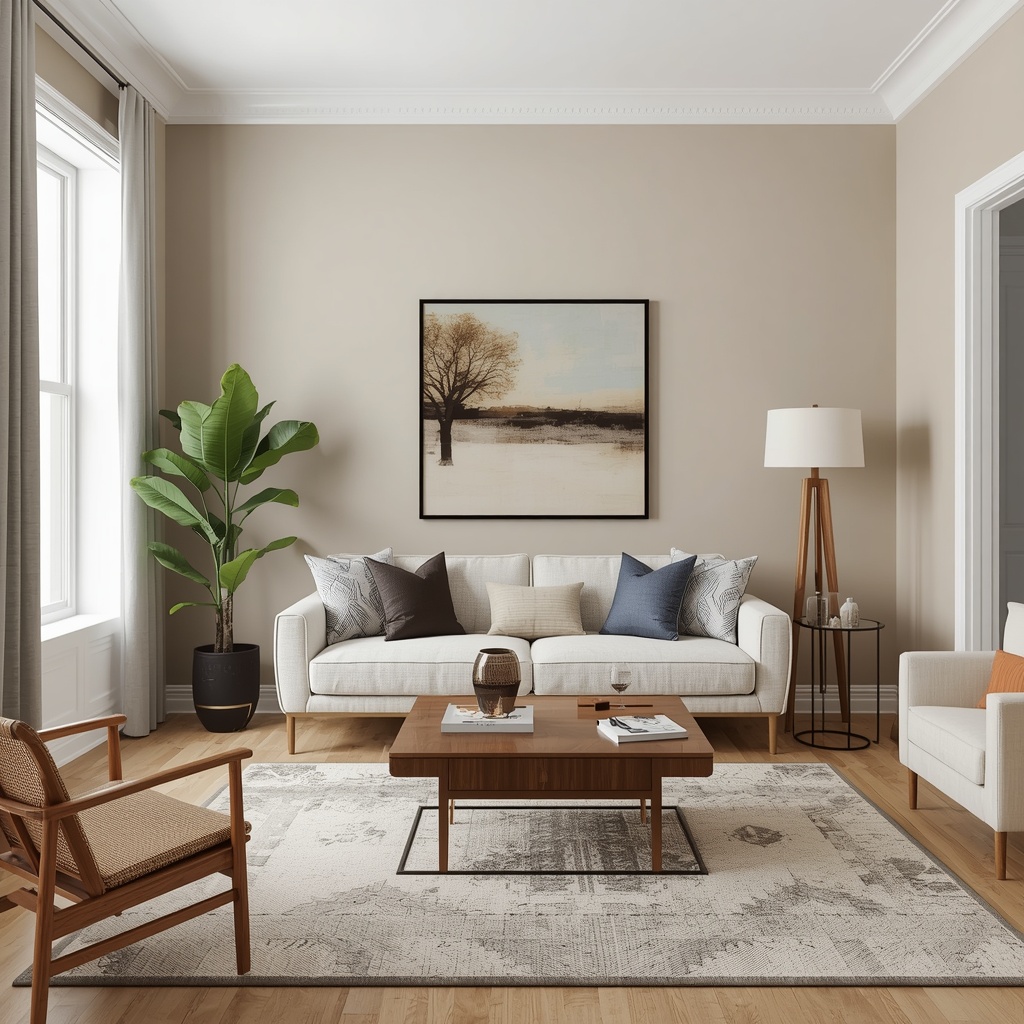
Renting doesn’t have to mean living with beige walls, builder-grade lighting, and a bare, impersonal space. As an interior designer, I’ve helped hundreds of renters turn cookie-cutter apartments into homes that feel personal, layered, and put-together, all without losing a dime of their security deposit.
The secret is knowing which changes are reversible and which ones aren’t. With the right products, a little planning, and a smart approach to temporary home decor, you can create a space you love and still hand back the keys with confidence. Let’s walk through the best rental-friendly decor hacks, room by room.
Why Your Security Deposit Is on the Line (and What Counts as “Normal Wear”)
In the U.S., a security deposit typically equals one to two months’ rent, which makes it a significant chunk of cash. Landlords can deduct for damage that goes beyond “normal wear and tear,” but the line between the two isn’t always obvious. Faded paint after several years is usually normal wear. Gouged drywall or a wall painted dark purple without permission is usually damage.
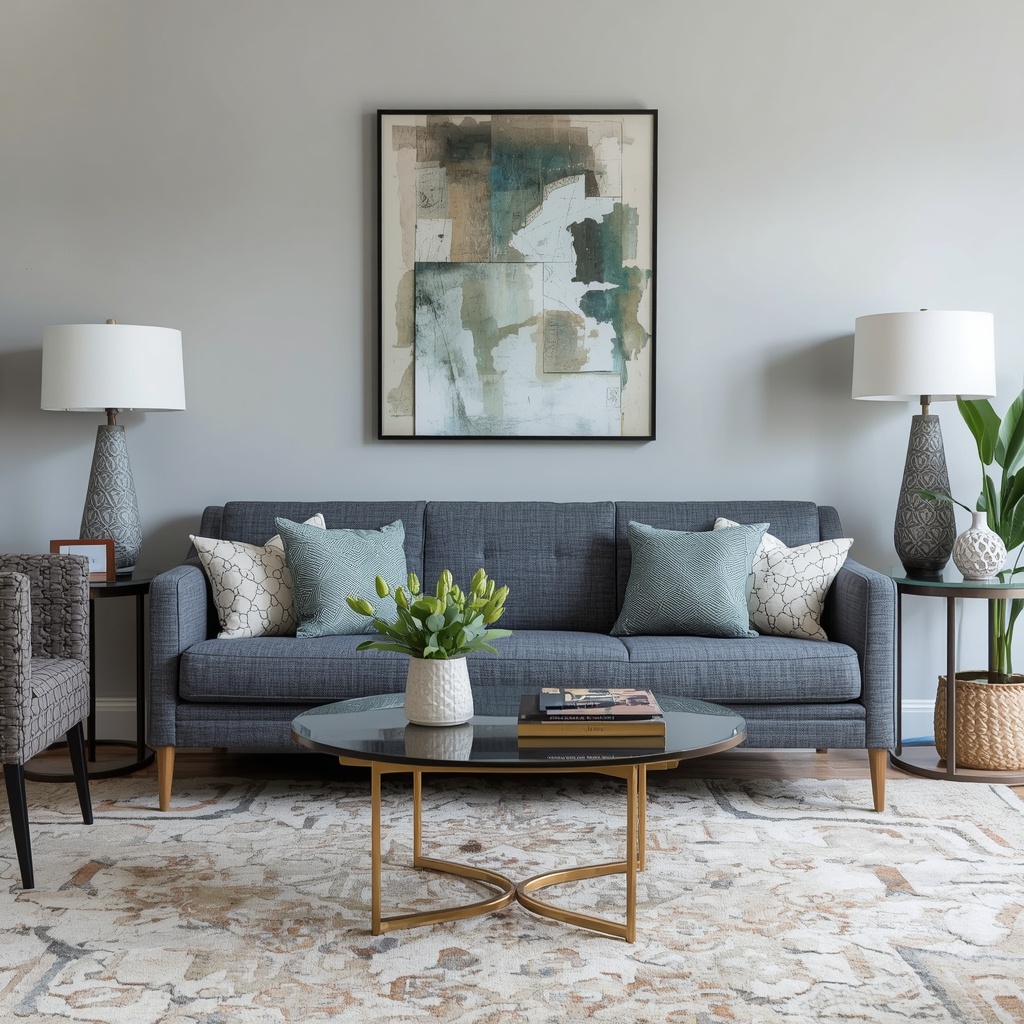
Deposit rules vary by state, including how long landlords have to return your money and what they can charge for. The U.S. Department of Housing and Urban Development offers general tenant resources, and your state attorney general’s website will have the specifics for your area. Knowing your rights helps you decorate boldly but wisely.
Designer’s rule of thumb: If you can undo it in an afternoon with no trace left behind, it’s rental-friendly. If it needs spackle, primer, or a professional, ask first.
Step One: Read Your Lease Before You Touch a Wall
Before you buy a single roll of removable wallpaper, read your lease carefully. Many leases spell out what’s allowed, including nails, paint, light fixture swaps, and even adhesive hooks. Some landlords permit small nail holes. Others ban anything stuck to the walls. A five-minute read can save you hundreds of dollars.
If the lease is vague, get permission in writing. A quick email asking, “Is it okay if I use removable adhesive hooks and peel-and-stick wallpaper?” creates a paper trail that protects you at move-out. Many landlords say yes, especially when you promise to restore everything. Keep that email in a folder with your lease.
Your pre-decorating checklist:
- Read the lease sections on alterations, paint, nails, and fixtures
- Take dated photos and videos of every room at move-in
- Email your landlord to confirm any gray-area changes
- Save all receipts for removable products you buy
- Store original hardware, bulbs, and fixtures in labeled bags
Pro Tip: Do a slow video walkthrough on move-in day, narrating existing scuffs, stains, and chips. Email it to yourself and your landlord so the timestamp is documented. This one habit is the single best deposit insurance policy there is.
Hang Art Without Holes: Damage-Free Wall Solutions
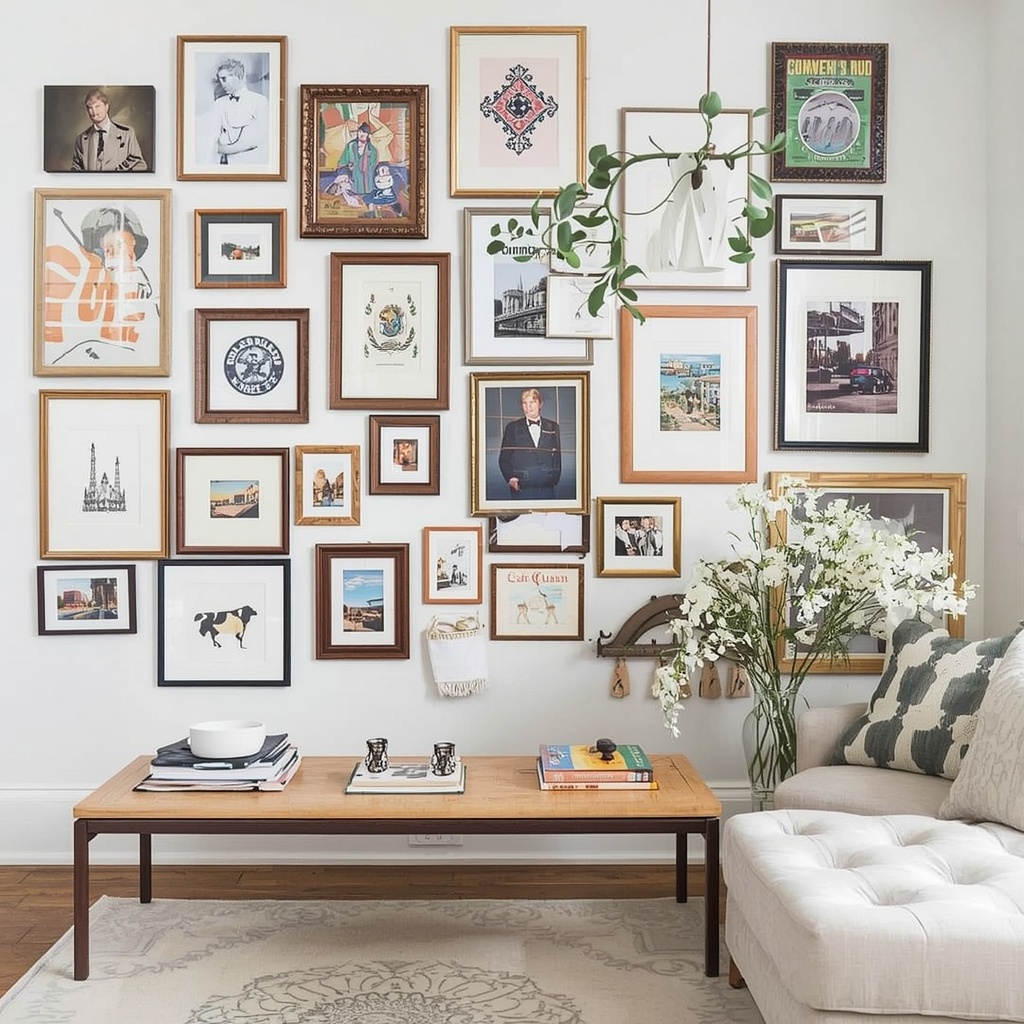
A gallery wall is the fastest way to give a rental personality, and you don’t need a hammer to do it. Adhesive strips and removable hooks have come a long way, and when used correctly, they hold framed art securely and peel off cleanly. Brands like Command publish weight guides that make choosing the right product simple.
The key to success is surface prep and patience. Clean the wall with rubbing alcohol, let it dry fully, press the strip firmly for 30 seconds, and wait an hour before hanging anything. To remove, pull the tab straight down along the wall, not outward, and the strip releases without lifting paint. Rushing any of these steps is the most common reason adhesives fail or damage walls.
| Solution | Best For | Holds Up To | Damage Risk |
|---|---|---|---|
| Adhesive picture strips | Lightweight frames, posters | 16 lbs (varies by pack) | Low if removed correctly |
| Removable hooks | Wreaths, light frames, keys | 3–7.5 lbs | Low |
| Over-the-door hooks | Towels, bags, robes | Varies | None |
| Leaning art on shelves or floor | Large mirrors, oversized prints | Floor-supported | None |
| Picture ledges (small nail holes) | Rotating art displays | Heavier | Minor (patchable) |
| Washi tape and clips | Prints, photos, kid art | Very light | Very low |
Don’t overlook leaning. A large floor mirror or oversized canvas leaned against a wall looks intentional and expensive. Layer a smaller frame in front for a styled, editorial feel. It’s one of my favorite renter hacks because it needs zero adhesive.
Peel-and-Stick Wallpaper and Removable Paint Alternatives
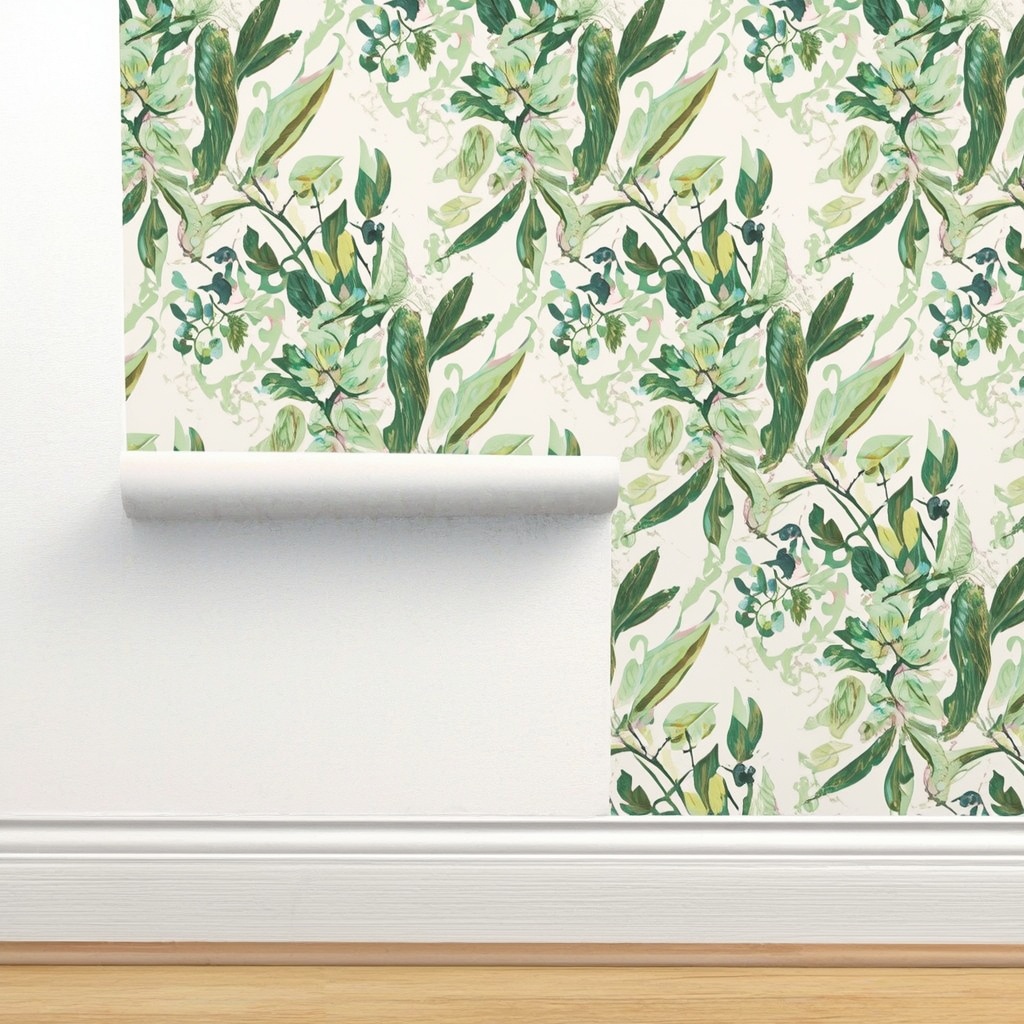
Nothing transforms a room like an accent wall, and temporary wallpaper makes it possible without painting. Quality peel-and-stick options come in everything from classic botanicals to bold geometrics. They work best on smooth, satin, or semi-gloss painted walls. Textured walls and flat, cheap builder paint can cause bubbling or lifting.

Test a small, hidden spot first, like inside a closet, and leave it for a week before committing. Removal is usually painless when you peel slowly at a low angle, but old or low-quality paint can come off with the paper. If your landlord allows painting, ask whether you must repaint to the original color at move-out, and keep the paint name and brand on file. A site like Benjamin Moore can help you match existing colors.
Smart uses for removable wallpaper:
- Behind a bed as a faux headboard
- Inside open shelving or bookcases
- On the back of a bookshelf or credenza
- Inside closet doors or drawers
- On a stair riser or entryway wall
“Wallpaper in a rental is a design cheat code. One wall, one weekend, and the whole room feels custom.”
Pro Tip: Order one extra roll. Pattern repeats can run out mid-wall, and dye lots vary between batches. Extra paper also lets you patch any bubbles later.
Lighting Upgrades That Transform a Rental
If I could change only one thing in a rental, it would be the lighting. Harsh overhead fixtures and cold bulbs flatten a room and make even good furniture look dull. The fix doesn’t require touching your landlord’s wiring. Floor lamps, table lamps, and plug-in wall sconces add warmth, dimension, and style in minutes.
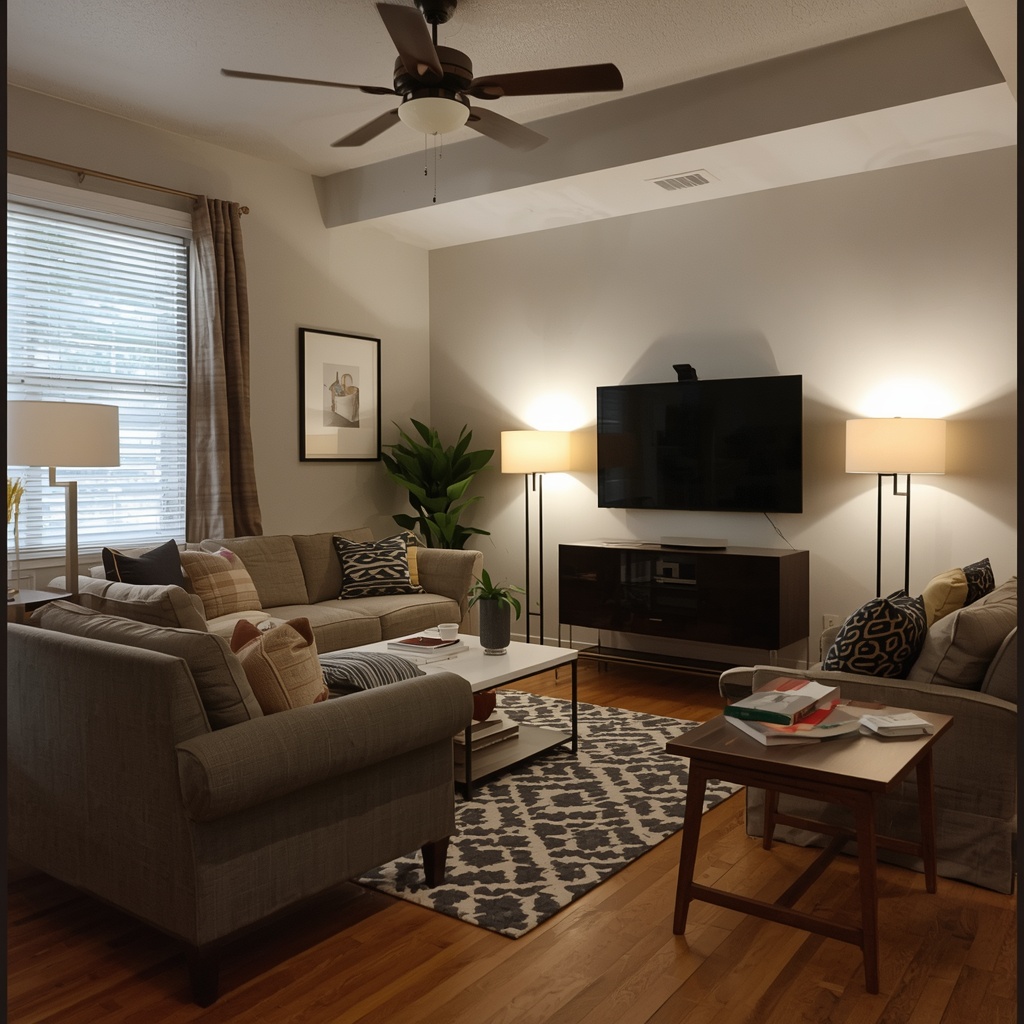
Aim for three layers of light in every room: ambient (general), task (reading or cooking), and accent (mood). Swap cool-white bulbs for warm white, roughly 2700K, for a cozy, residential glow. Smart bulbs are another easy upgrade, letting you adjust color temperature and brightness from your phone without any rewiring.
| Lighting Type | Where to Use It | Why It Works |
|---|---|---|
| Plug-in wall sconces | Bedroom, living room | Mimics hardwired fixtures, no electrician |
| Arc floor lamps | Beside sofa or reading nook | Fills dark corners with soft light |
| String or fairy lights | Shelves, headboard wall | Adds soft ambient sparkle |
| LED strip lights | Under cabinets, behind TV | Task and accent light, removable |
| Table lamps | Nightstands, consoles | Adds height, personality, warmth |
| Fabric or paper shades | Over ugly ceiling fixtures | Diffuses harsh glare |
Swapping a ceiling fixture? Some landlords allow it if you store the original and reinstall it before moving out. Photograph the wiring first, turn off the breaker, and consider hiring a licensed electrician. If your lease doesn’t mention fixtures, get written approval before you start.
Rugs, Textiles, and Layering for Instant Warmth
Textiles are the renter’s best friend because they add color, softness, and pattern without a single permanent change. A large area rug does more than any other single piece to define a space, hide worn flooring, and absorb sound, which matters in apartments with thin walls and downstairs neighbors.
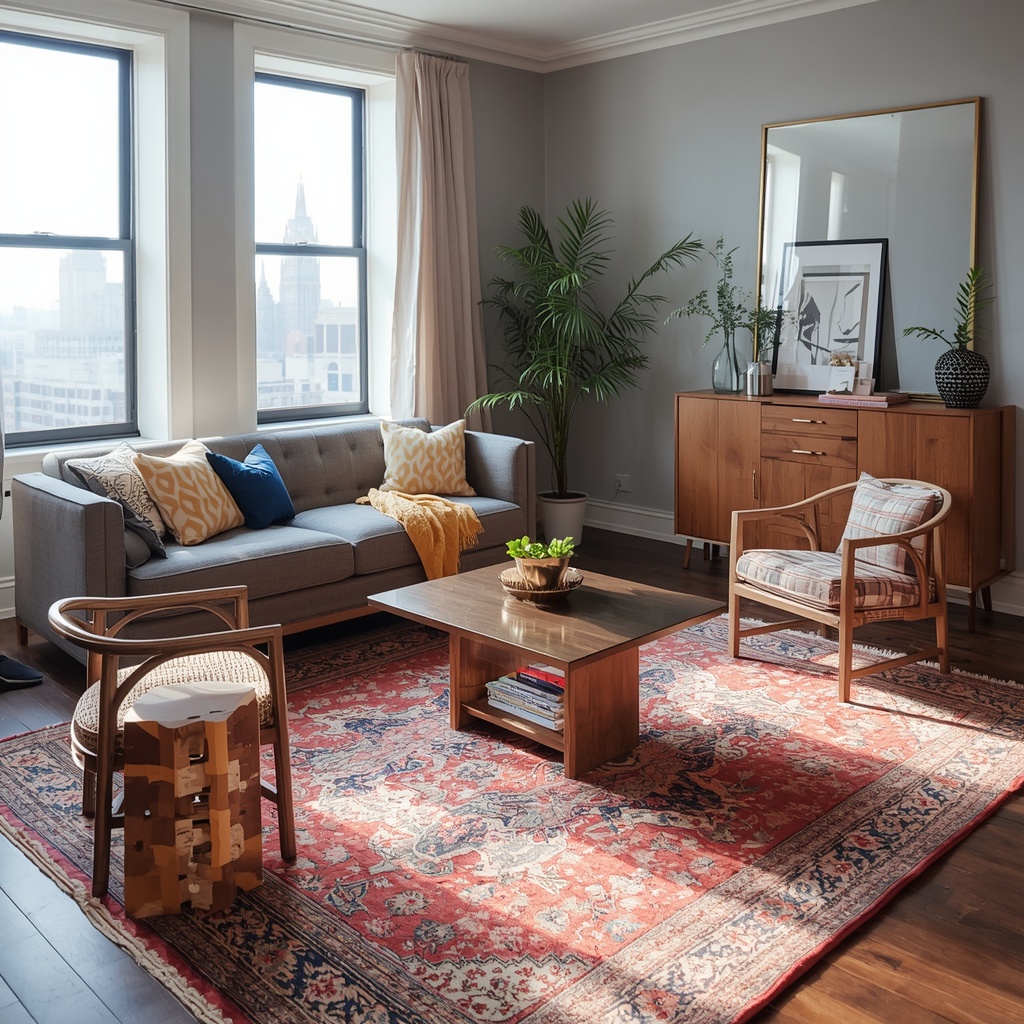
Size matters more than most people realize. In a living room, the front legs of your sofa and chairs should sit on the rug. In a bedroom, the rug should extend at least 18 to 24 inches beyond the sides and foot of the bed. Use a non-slip rug pad, and make sure it’s safe for your flooring type, since some rubber backings can discolor vinyl and hardwood over time.
Textile layers that elevate any rental:
- A large area rug in a neutral base, layered with a smaller patterned one
- Throw blankets in varied textures, such as chunky knit, linen, or velvet
- Throw pillows in mixed sizes, using odd numbers
- Duvet covers that add pattern and color to a plain bed
- Tablecloths or runners to disguise dated surfaces
“Texture is the secret ingredient. A room with five textures will always feel richer than a room with five colors.”
Window Treatments Without Drilling
Windows set the tone of a room, and bare ones with flimsy blinds can look unfinished. Fortunately, you can add curtains without drilling into the frame or wall. Tension rods fit inside window frames and hold lightweight curtains. Adhesive curtain rod brackets and over-the-door styles work for lighter panels.
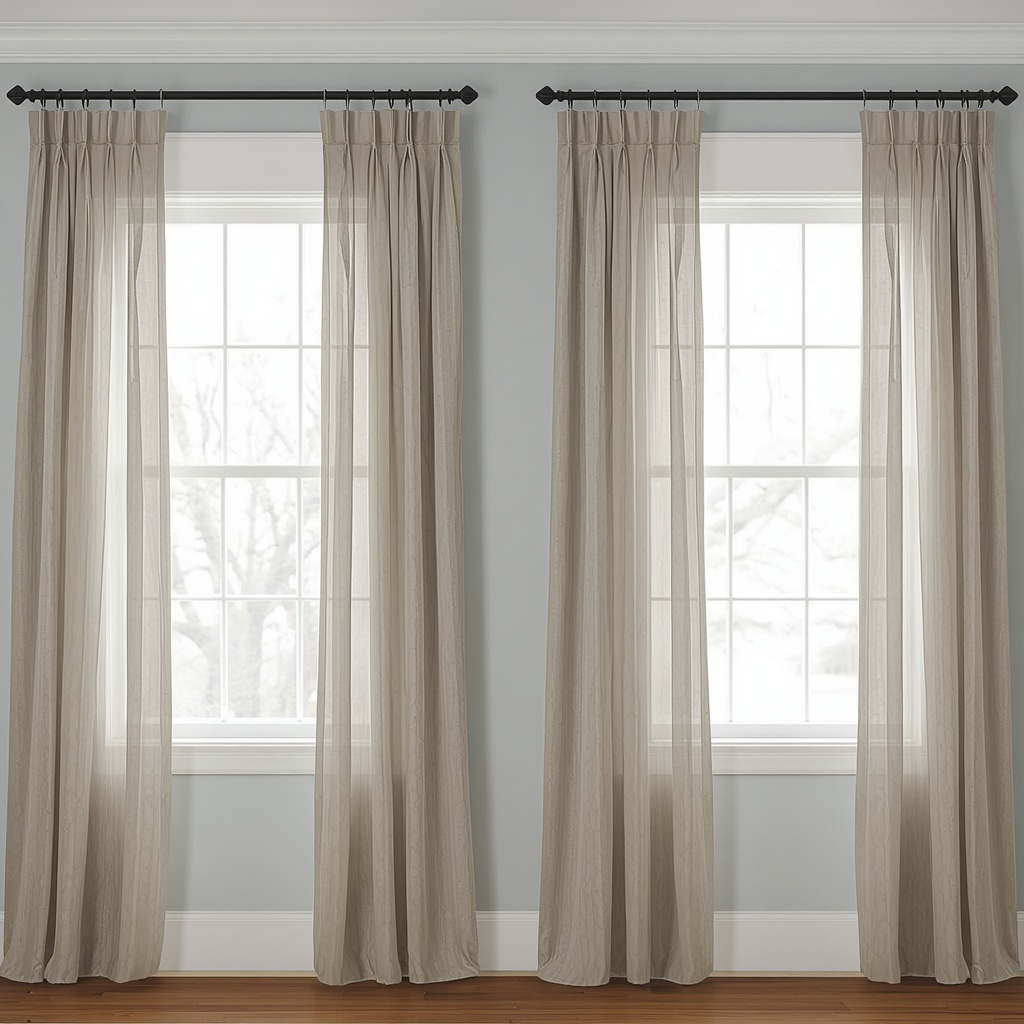
For a high-end look, hang curtains higher and wider than the window itself, mounting them close to the ceiling when your setup allows. This makes ceilings feel taller and windows appear larger. Choose floor-length panels that just kiss the ground. If privacy is a concern, add a removable window film, which gives a frosted look and lets light through without any adhesive residue when removed properly.
Pro Tip: Layer sheer panels behind heavier drapes. The sheers soften daylight and give you privacy by day, while the drapes block light and drafts at night. Layering also hides cheap or ugly blinds your landlord installed.
Fix Dated Fixtures: Cabinets, Hardware, and Backsplashes
Outdated kitchens and bathrooms are the most common renter complaint, and they’re also where creative hacks pay off most. Peel-and-stick tile backsplashes can cover tired walls in an afternoon. Removable contact paper can refresh countertops and shelf liners. Even small swaps like new cabinet pulls make a measurable difference.
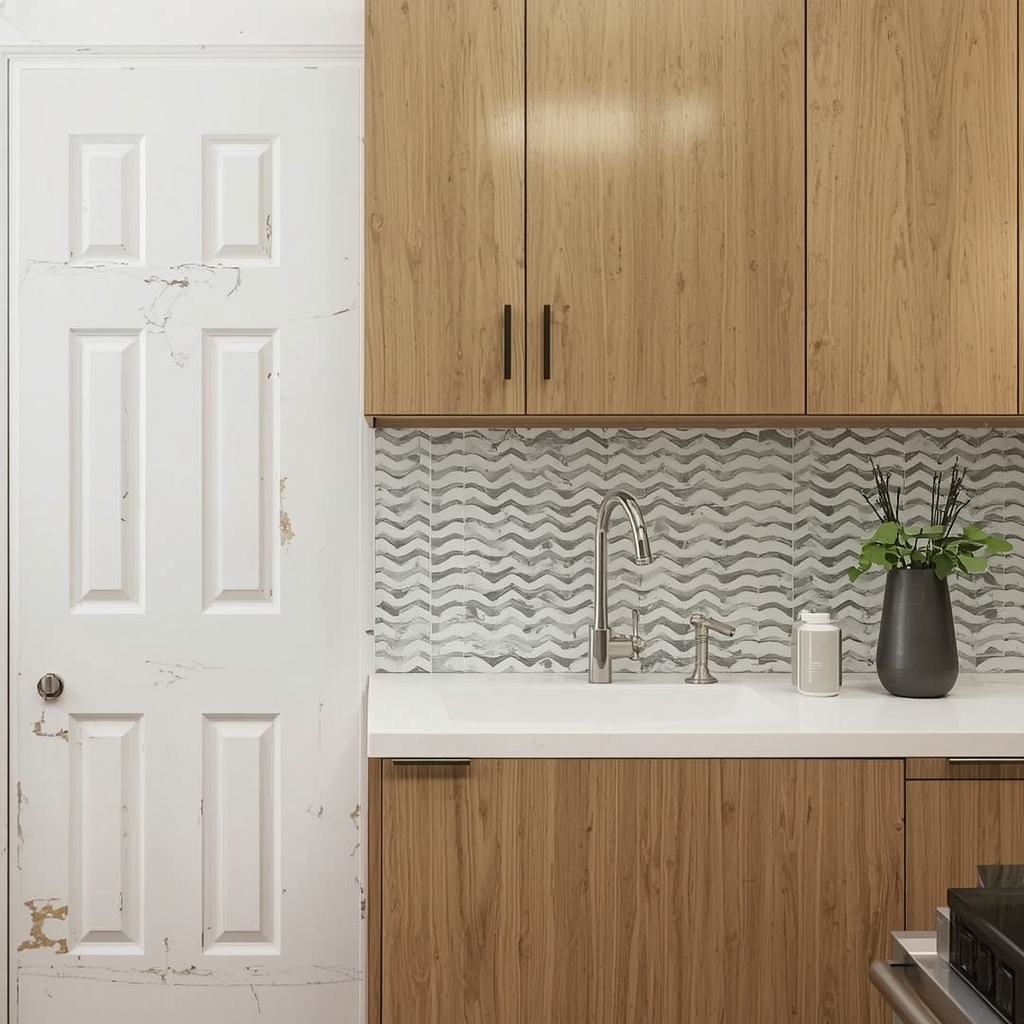
Swapping cabinet hardware is one of the best renter upgrades, as long as you keep the originals. Place the old knobs and pulls in a labeled bag, and reinstall them before move-out. Check that new hardware uses the same screw spacing, or you’ll end up drilling new holes. Similarly, a new showerhead, toilet seat, or faucet aerator is easy to swap and reverse, as long as you save the originals.
| Upgrade | Difficulty | Reversible? | Estimated Cost |
|---|---|---|---|
| Peel-and-stick backsplash | Easy | Yes, with care | $30–$120 |
| New cabinet pulls | Easy | Yes, keep originals | $20–$80 |
| Contact paper on counters | Easy | Mostly | $15–$40 |
| Showerhead swap | Easy | Yes | $20–$60 |
| Removable floor tiles | Moderate | Usually | $50–$200 |
| Light fixture swap | Moderate | Yes, with permission | $40–$150 |
Furniture, Storage, and Small-Space Tricks
Rentals often come with awkward layouts, tiny closets, and no built-ins. Smart furniture choices solve this without construction. Freestanding bookcases, shelving units, and open wardrobes add storage and architectural interest. Choose pieces with vertical emphasis to make the most of ceiling height, and prioritize multifunctional items like storage ottomans and nesting tables.
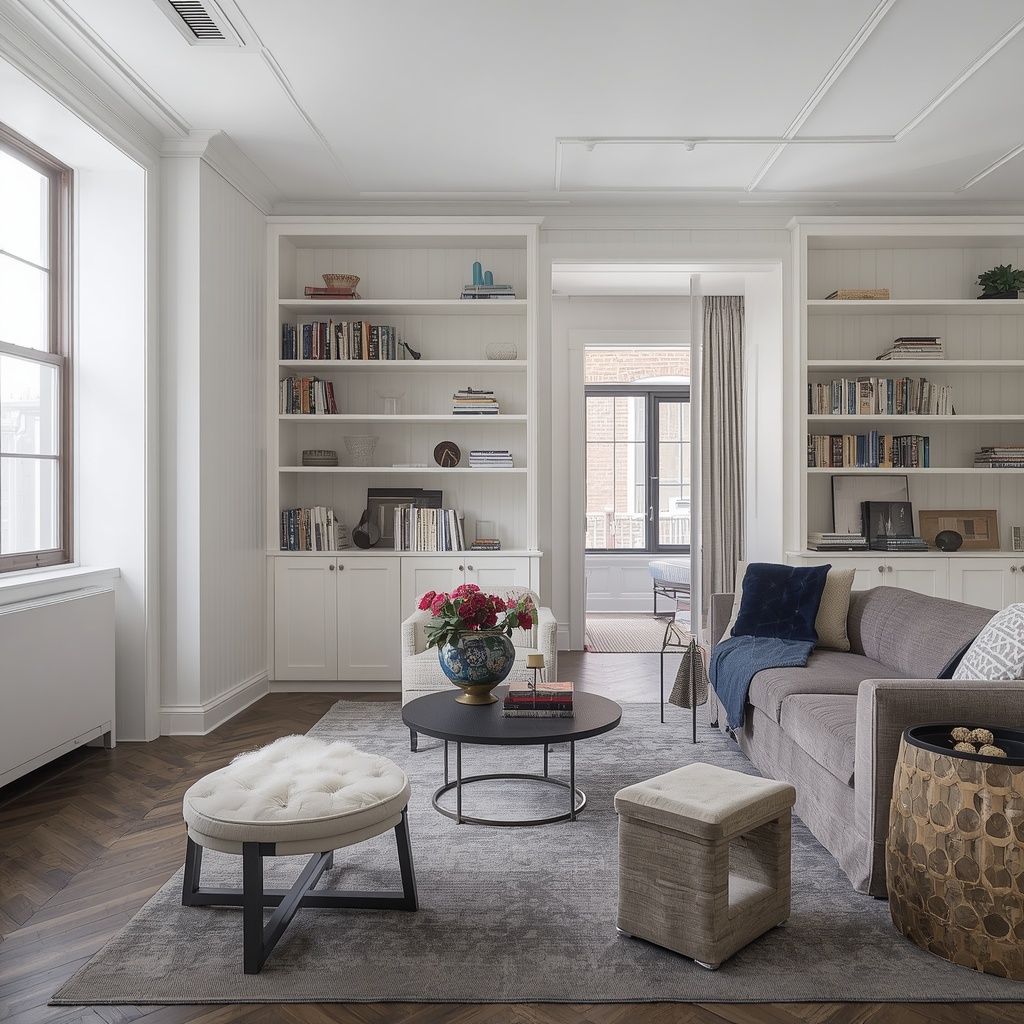
Use furniture to create zones in open-plan apartments or studios. A bookshelf can act as a room divider, a rug can anchor a living area, and a console table behind a sofa defines the edge of a space. For small spaces, choose furniture with exposed legs, which keeps sightlines open and makes rooms feel bigger. Mirrors placed opposite windows amplify natural light and visually expand a space.
Small-space essentials:
- Storage ottomans and benches with hidden compartments
- Floating-look furniture on slim legs
- Over-the-toilet and over-the-door organizers
- Tension-pole shelving and corner shelves
- Rolling carts for kitchen, bathroom, or office storage
- Under-bed storage bins on wheels
Plants, Greenery, and the Finishing Touches
Greenery is the easiest way to make a rental feel alive. Low-light plants like pothos, snake plants, and ZZ plants thrive in dim apartments and forgive neglect. Use cache pots with drainage saucers, and place plants on stands or hooks to protect floors and window sills from water damage and rings. If you travel often, faux plants in quality planters look convincing and need zero care.
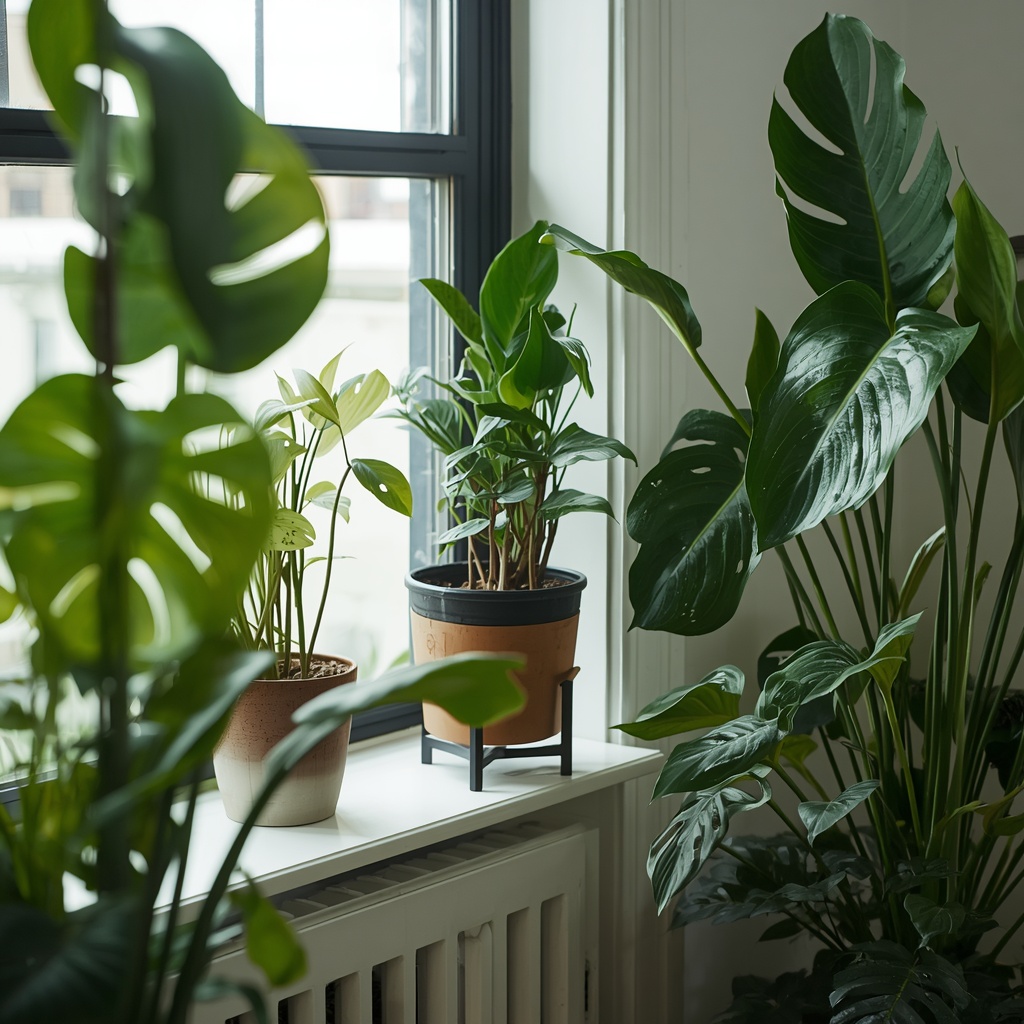
Finish each room with personal, collected objects: stacked books, ceramics, candles, framed photos, and a curated tray on a coffee table. Styling in odd numbers and varying heights creates visual rhythm. Restraint matters too. A few meaningful pieces will always look more designed than a crowded surface. Think about your home decor ideas as an edit, not a collection.
“A home isn’t finished when everything matches. It’s finished when everything means something.”
The Renter’s Risk Chart: Safe vs. Risky Decor Moves
Not every project carries the same level of risk, so use this quick reference when deciding what to try. When in doubt, ask for written approval or choose the safer alternative.
| Decor Move | Risk Level | Safer Alternative |
|---|---|---|
| Painting walls a bold color | High | Peel-and-stick wallpaper, large art |
| Drilling into walls or tile | High | Adhesive hooks, leaning art, tension rods |
| Removing or replacing flooring | High | Large area rugs, rug layering |
| Swapping hardwired light fixtures | Medium | Plug-in sconces, lamps, smart bulbs |
| Adhesive on textured walls | Medium | Test spot first, use removable clips |
| Removable wallpaper | Low–Medium | Test first, buy quality |
| Rugs, curtains, plants, textiles | Low | Always safe |
Move-Out Day: Restoring Everything and Protecting Your Deposit
Move-out is where your preparation pays off. Start at least two weeks before your lease ends. Remove all adhesives slowly, reinstall original hardware and fixtures, and patch any tiny nail holes with lightweight spackle if your lease permits. Deep clean every surface, including appliances, baseboards, and grout, since cleaning fees are among the most common deposit deductions.
Then repeat your move-in ritual. Take a new, detailed walkthrough video, photograph every room, and compare it to your move-in documentation. Request a final walkthrough with your landlord if possible, and get any agreed-upon deductions in writing. If your landlord withholds money unfairly, your state’s tenant laws usually give you a path to dispute it, and your move-in versus move-out evidence will be your strongest asset.
Your move-out checklist:
- Remove all adhesive strips, hooks, and wallpaper
- Reinstall original knobs, fixtures, bulbs, and shower heads
- Patch minor holes and touch up paint only if permitted
- Deep clean appliances, floors, bathrooms, and windows
- Photograph and video every room after cleaning
- Return all keys and request written confirmation
Frequently Asked Questions
Can I paint a rental apartment? Only with written permission. Some landlords allow it if you return walls to the original color, while others forbid it entirely. Removable wallpaper is the safest alternative.
Do adhesive strips really damage walls? Used correctly on clean, smooth, painted surfaces, they usually don’t. Damage typically happens when strips are removed outward instead of pulled straight down, or applied to textured or poorly painted walls.
What are the best renter-friendly upgrades for the biggest impact? Lighting, rugs, curtains, and art deliver the most transformation per dollar, with zero risk to your deposit.
What if I already made a mistake? Fix it before move-out. Small holes can be patched with spackle, and minor scuffs can often be cleaned or touched up. Photograph the repair, and be honest with your landlord if needed.
Final Thoughts: Make It Yours, Without the Risk
A rental can feel just as personal and polished as a home you own. The formula is simple: read your lease, document everything, choose reversible products, and focus on the elements that deliver the most visual impact, like lighting, textiles, art, and greenery. Temporary doesn’t mean boring, and removable doesn’t mean low quality.
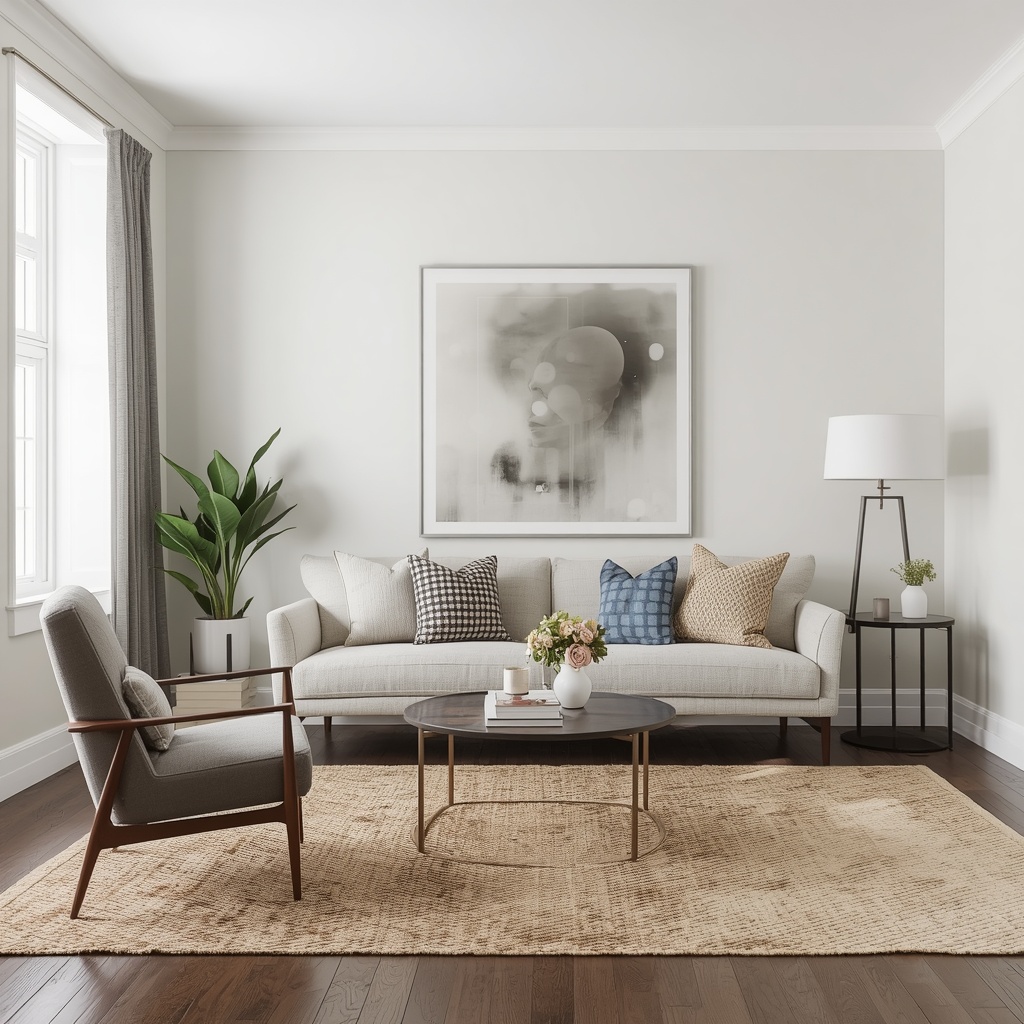
Start with one room, one weekend, and one small change. Maybe it’s a warm lamp and a layered rug, or a leaning mirror and a few plants. Each upgrade makes your space feel more like you, and when it’s time to move, you’ll leave behind a clean slate and take your full deposit with you.