
Square footage is expensive, and most American homes, from city condos to suburban starter houses, have at least one room doing two jobs. The guest room is also the office. The dining nook is also the homework station. The living room becomes a yoga studio on Saturday morning.
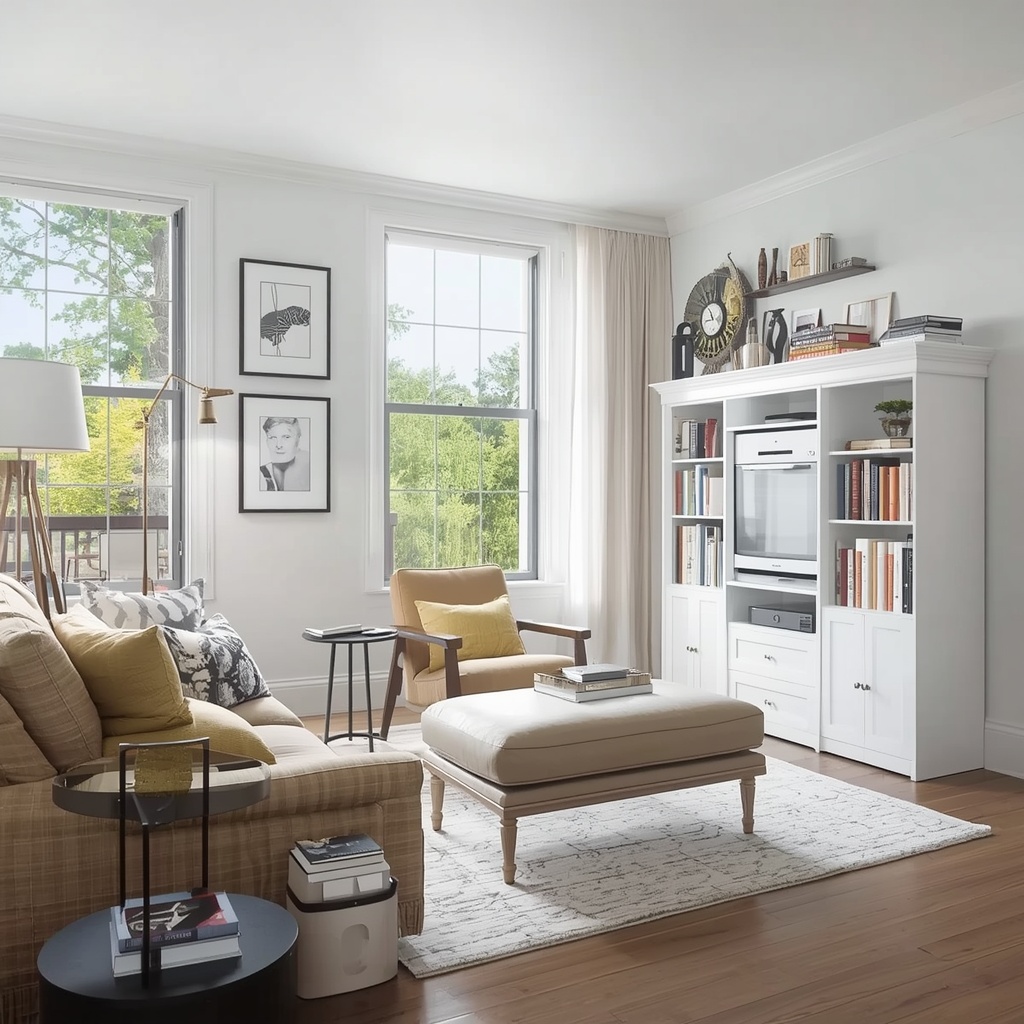
The good news is that folding furniture has grown up. Gone are the wobbly card tables and clunky futons of dorm-room memory. Today’s best pieces look like built-in cabinetry, sculptural wall art, or a handsome console until the moment you need them. This guide covers how to choose, style, and place space-saving furniture so it supports your decor instead of fighting it.
Why Folding Furniture Is Having a Design Moment
Remote work, rising rents, and smaller floor plans have changed how we live. The median new US apartment is smaller than it was a decade ago, and homeowners are rethinking formal rooms that sit empty most of the week. Multifunctional furniture lets every square foot earn its keep, which is why searches for “murphy bed,” “fold-down desk,” and “convertible furniture” keep climbing.
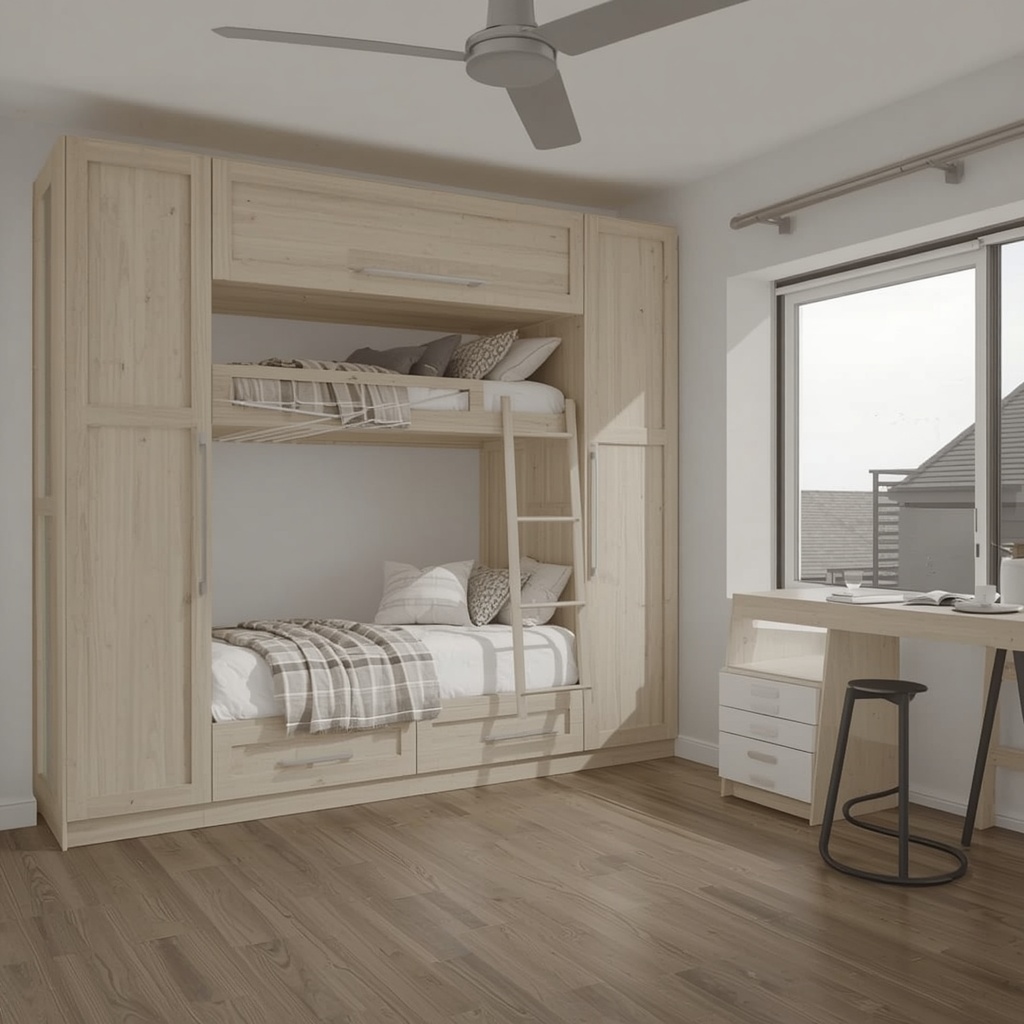
Design has caught up too. Manufacturers now use solid hardwoods, powder-coated steel, soft-close hinges, and designer finishes that match mainstream interiors. A wall bed can wear the same oak veneer as your living room shelving, and a drop-leaf table can read as a sleek console. Folding furniture is no longer a compromise. It’s a design strategy.
The Golden Rule: Design for Disappearance
Think of every folding piece as having two lives: the open state and the closed state. Most people only evaluate the open state, then feel disappointed when the folded piece looks like equipment parked in the corner. A truly seamless piece looks intentional in both modes.
Design principle: The best compact furniture isn’t hidden. It’s integrated, so that its closed form looks like something you would have chosen on purpose.
To achieve that, match the closed form to something familiar. A folded desk can look like a framed panel, a folded bed like a bookcase, and a collapsed table like a narrow console. When the closed shape borrows from furniture you already understand, the eye reads it as decor rather than a workaround.
Murphy Beds and Wall Beds That Look Like Cabinetry
The modern wall bed is the hero of small-space living. Today’s models fold up behind panels that look like shaker cabinets, bookshelves, or even a gallery wall. Gas-piston mechanisms make them easy to lower with one hand, and many include integrated shelving, reading lights, and USB charging. Brands like Resource Furniture and many custom cabinetry shops offer high-end options.
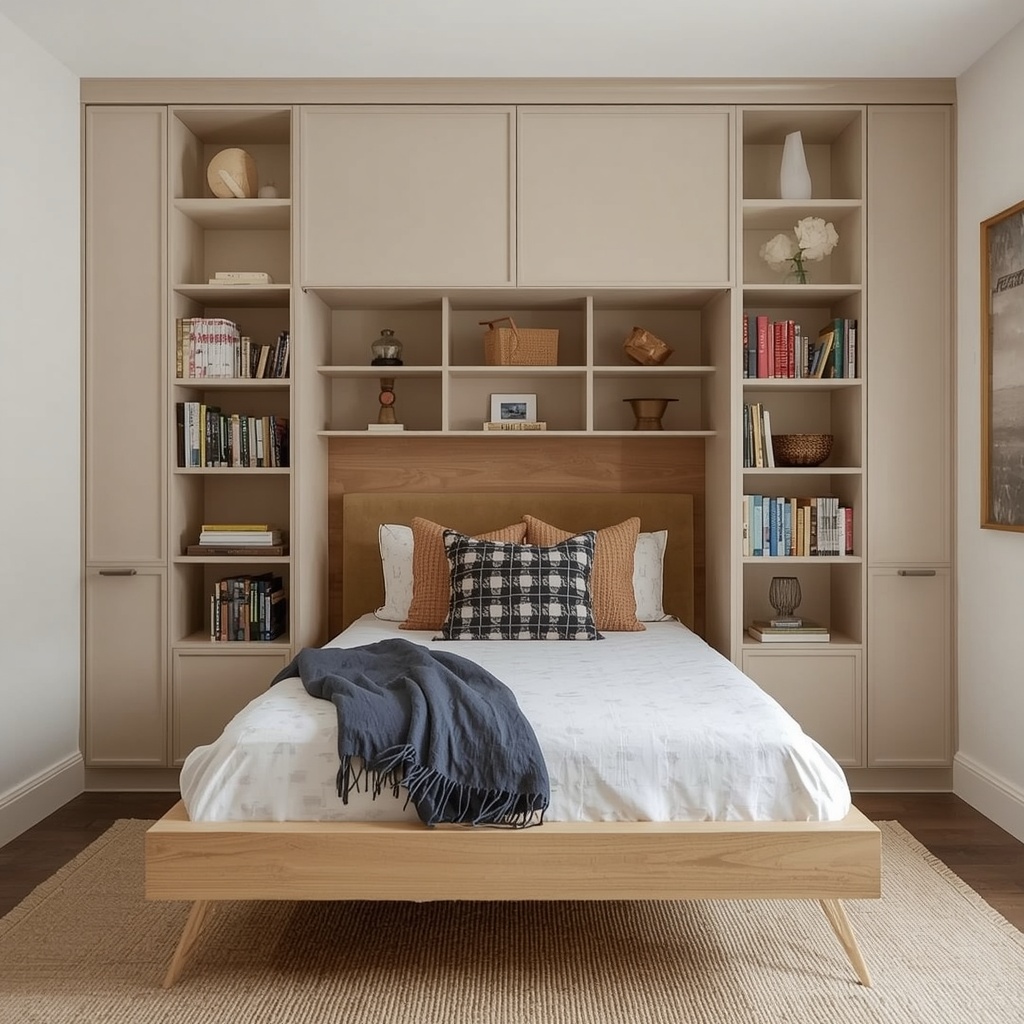
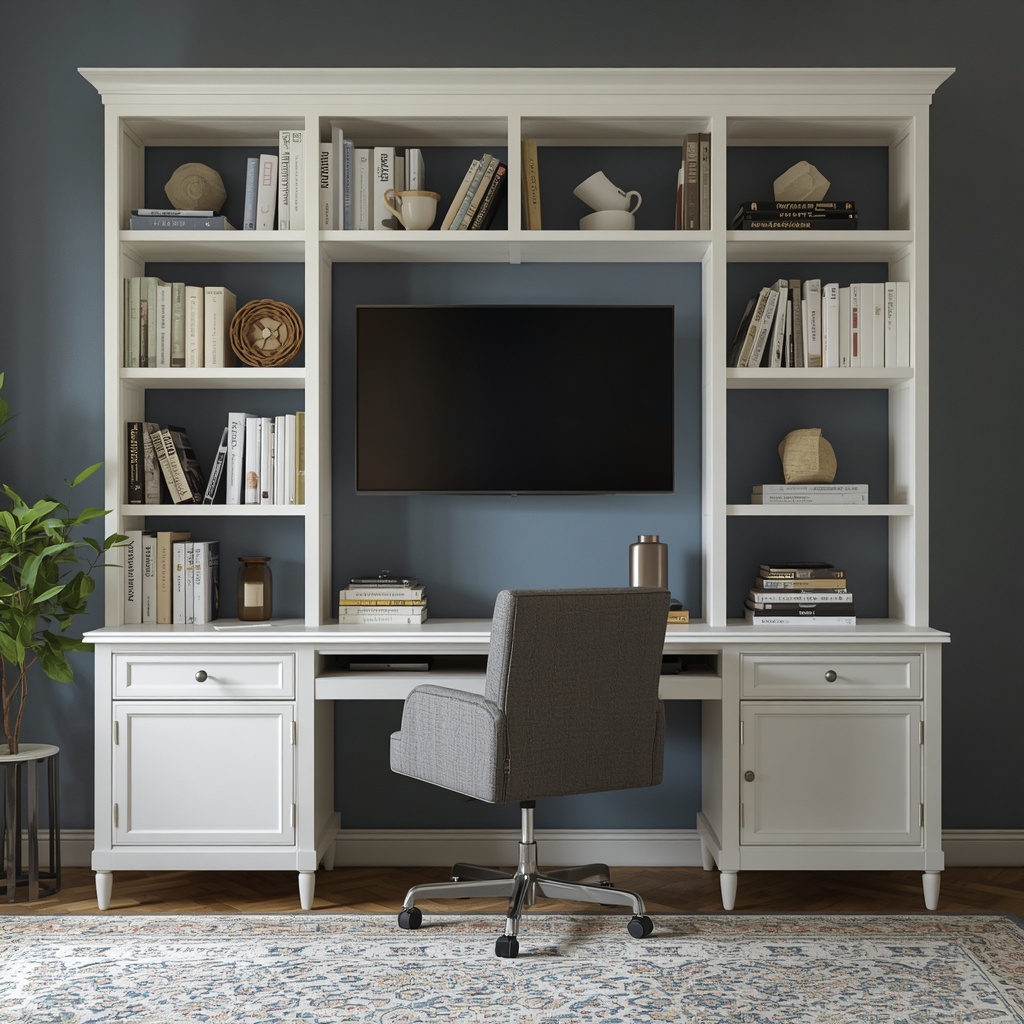
For the best blend, finish the bed’s front panel to match surrounding built-ins or wall color. A painted panel in the same shade as your walls nearly vanishes, while flanking bookcases make the unit look architectural. If you’re renting, freestanding wall bed kits from retailers like IKEA give you the same trick without construction.
What to look for in a wall bed:
- A vertical (portrait) or horizontal (landscape) orientation suited to your ceiling height and room width
- A true mattress rather than a thin fold-out pad
- Soft-close, counterbalanced mechanisms rated for daily use
- Side cabinets or a desk-combo option for added function
- Wall-stud or floor-anchor installation instructions you can follow confidently
Fold-Down Desks and Wall-Mounted Workstations
If you work from home but hate seeing your laptop at 9 p.m., a fold-down desk is a game changer. These wall-mounted surfaces close flat against the wall, often hiding behind a cabinet door or a decorative panel. Open them for work, close them for dinner, and the room instantly feels like a living space again.
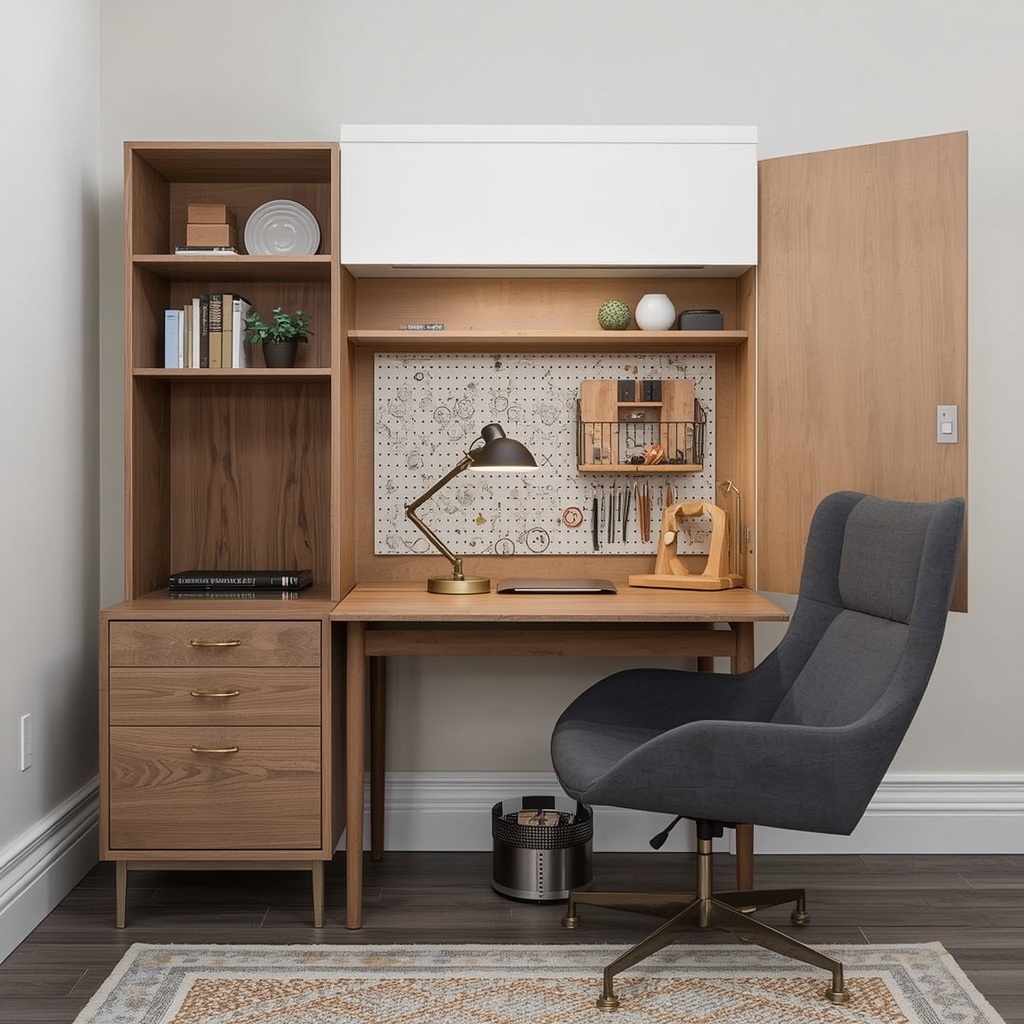
Style them the way you’d style a cabinet. A walnut desk that closes into a clean rectangle reads as mid-century wall art, while a white lacquer version disappears into a modern, minimalist room. Add a pegboard, a slim shelf, or a task light above the work surface so the open state feels as polished as the closed one.
Fold-down desk tips:
- Mount at 29 to 30 inches high for standard seated work.
- Allow at least 20 inches of depth for a laptop and notebook.
- Use heavy-duty hinges rated beyond your expected load.
- Run a cable channel or power strip inside the cabinet for a clean setup.
- Pair it with a stackable or folding chair that tucks away too.
Drop-Leaf and Extendable Dining Tables
Few folding furniture pieces are as classic as the drop-leaf table, and for good reason. With leaves down, it’s a slim console or entry table. With leaves up, it seats four to six for dinner. Many modern designs add rounded corners, tapered legs, and warm wood tones that suit farmhouse, Scandinavian, and transitional interiors alike.
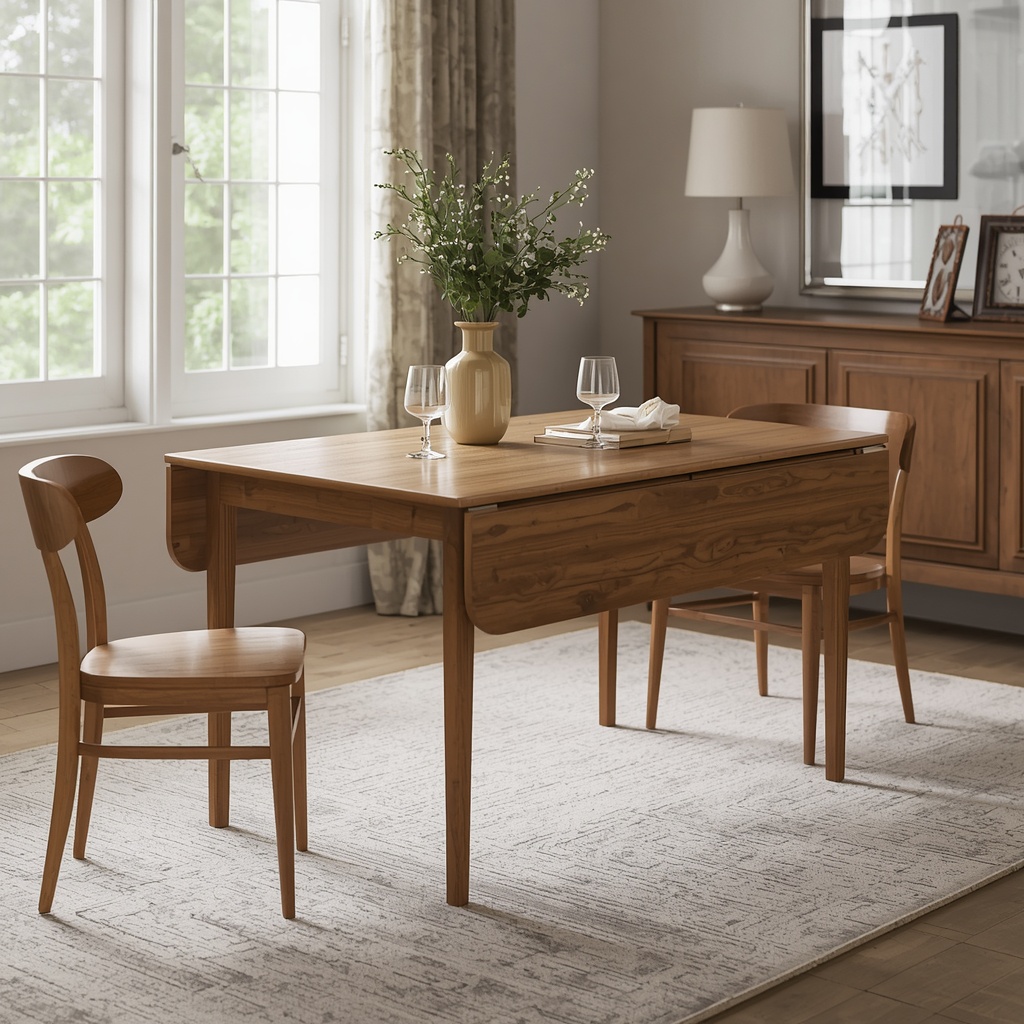
Extendable tables and gateleg designs work the same way for larger gatherings. A round table that expands to an oval is especially useful because it softens tight rooms and avoids sharp corners. If you host Thanksgiving once a year but live in a one-bedroom the rest of the time, this is the smartest dining investment you can make. Browse styles at Wayfair or Houzz to compare finishes and sizes.
Folding Chairs and Stools That Deserve to Be Seen
Folding chairs have a reputation problem, but designers have been quietly fixing it. Wooden slat chairs, bentwood folding chairs, and minimalist metal bistro styles now look right at home around a dining table. Their secret is that they’re attractive enough to hang on a wall hook or lean in an entryway, so storage doubles as display.
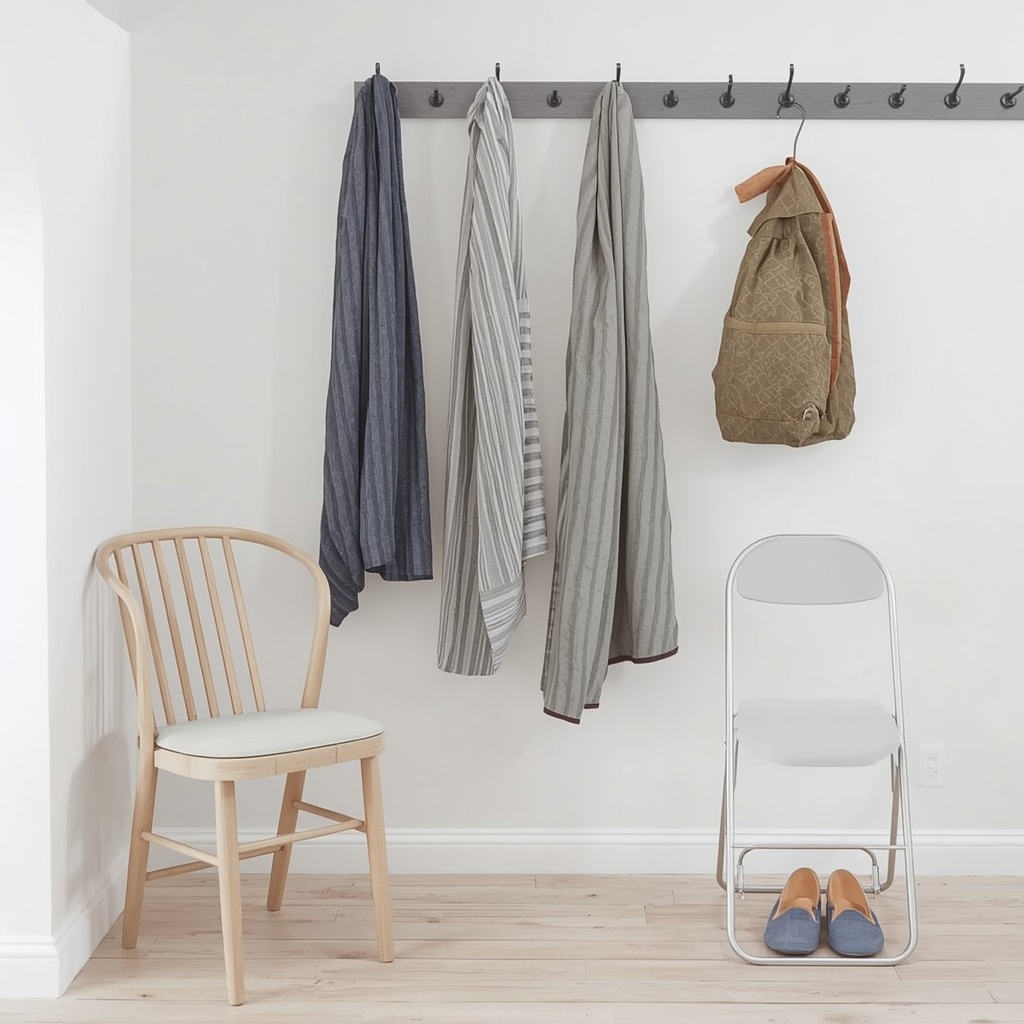
Use this approach to your advantage. Mount a row of hooks in a mudroom or kitchen and hang folding chairs like sculpture. In a dining area, keep two extra chairs on the wall as art and pull them down when guests arrive. Folding stools, especially leather-sling and wood designs, also double as plant stands, side tables, or extra seating by the fireplace.
Convertible Sofas and Sleeper Solutions
A sofa bed is the most familiar convertible piece, yet it’s often the least graceful. Modern versions are improving, with sleeker arms, tighter upholstery, and mattresses that don’t leave you with a sore back. Look for clean-lined designs where the bed mechanism isn’t visible, so the sofa looks like a normal sofa all day.
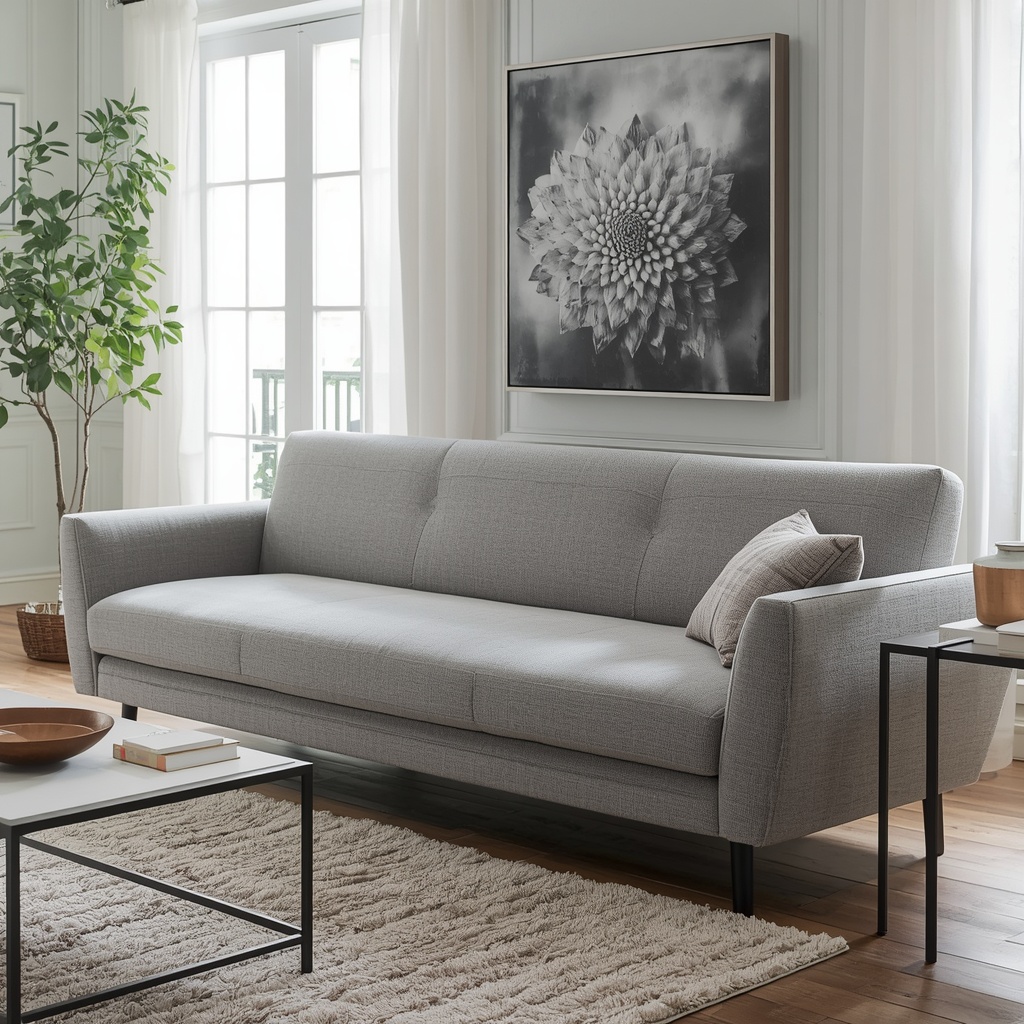
Other clever options include daybeds with trundles, ottoman beds, and modular sectionals that rearrange into sleeping surfaces. Choose performance fabrics such as tight-weave polyester blends or stain-resistant velvet, since convertible sofas take more wear than standard seating. Neutral tones like oatmeal, charcoal, or warm gray blend easily into most color palettes and hide the daily wear of dual-duty use.
Folding Furniture at a Glance
Use this table to match the right piece to your space and lifestyle.
| Furniture Type | Best For | Typical Closed Depth | Approx. Price Range (US) | Style Versatility |
|---|---|---|---|---|
| Murphy / wall bed | Guest rooms, studios, home offices | 12–18 inches | $1,500–$6,000+ | High (customizable fronts) |
| Fold-down wall desk | Nooks, bedrooms, hallways | 3–6 inches | $150–$900 | High |
| Drop-leaf table | Small kitchens, dining nooks | 10–16 inches | $200–$1,200 | Medium–High |
| Folding dining chairs | Apartments, occasional hosting | 1–2 inches (stacked/hung) | $40–$200 each | Medium |
| Convertible sofa bed | Living rooms, dens | Standard sofa depth | $700–$3,500 | Medium–High |
| Folding console/bar cart | Entryways, entertaining | 8–14 inches | $100–$600 | High |
Prices vary by brand, material, and region, so treat these as planning ranges rather than exact quotes.
Matching Materials, Color, and Hardware to Your Style
Seamless integration comes down to repetition. Repeat a wood tone, a metal finish, or a paint color from elsewhere in the room, and your folding piece will feel like it was always meant to be there. If your coffee table is white oak, choose a drop-leaf table in a similar grain. If your cabinet pulls are brushed brass, echo that on your fold-down desk.
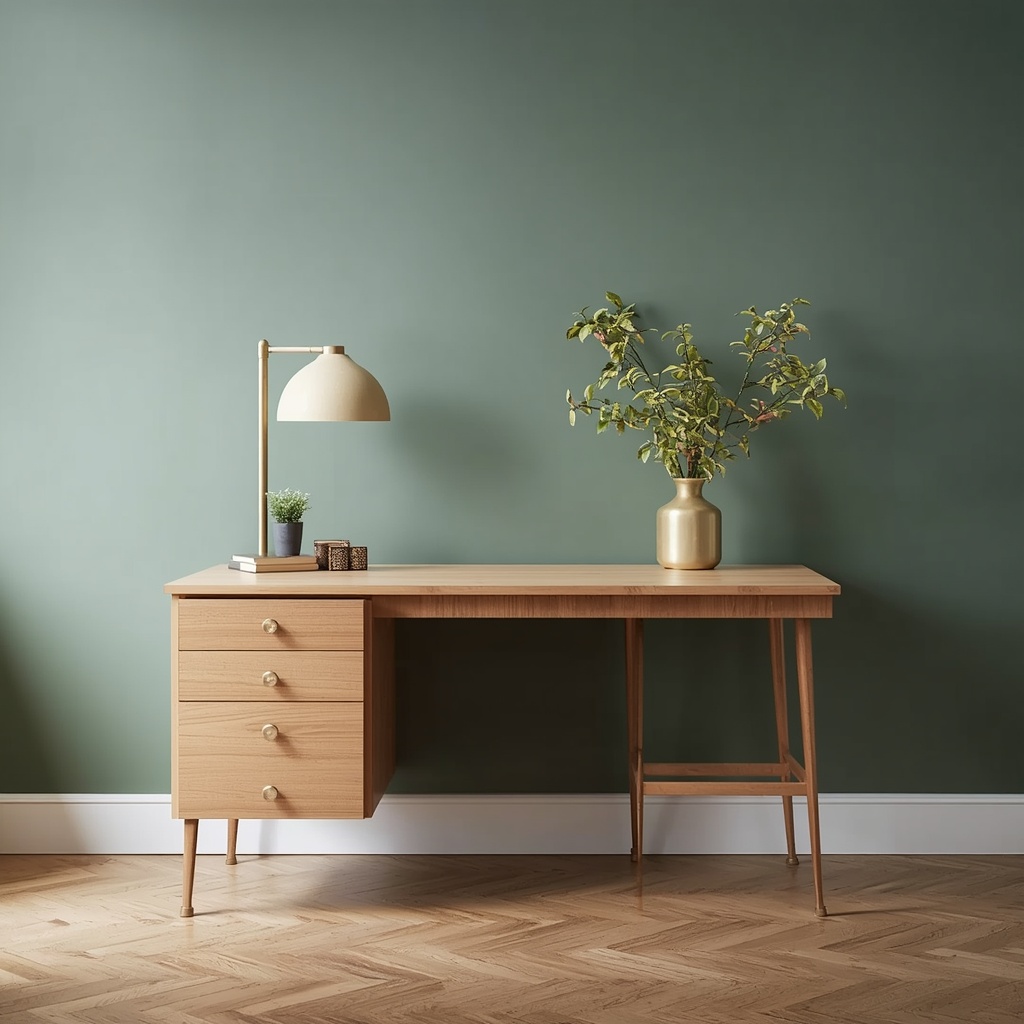
Here is a quick style guide for common American decor looks:
| Decor Style | Best Folding Materials | Color Cues | Hardware Finish |
|---|---|---|---|
| Modern minimalist | Lacquer, matte laminate | White, black, warm gray | Push-to-open or hidden |
| Scandinavian | Light oak, birch, ash | Cream, pale wood, soft blue | Matte black or brass |
| Farmhouse | Reclaimed wood, painted pine | Whites, sage, barn red | Black iron, antique bronze |
| Mid-century modern | Walnut, teak veneer | Warm browns, mustard, olive | Brass, tapered wood pulls |
| Industrial | Steel, dark wood | Charcoal, rust, concrete gray | Blackened steel |
| Coastal | Whitewashed wood, rattan | White, sand, seafoam | Brushed nickel |
When in doubt, lean on a single dominant material per room and let the folding piece join the family rather than starting its own.
Room-by-Room Ideas for Seamless Folding Furniture
Every room has a different challenge, so the solution should change with the context. In a small bedroom, a wall-mounted fold-down desk or a floating shelf that doubles as a vanity keeps the floor open. In a living room, nesting tables and a drop-leaf console let you reconfigure the space for movie night, game night, or a house party.
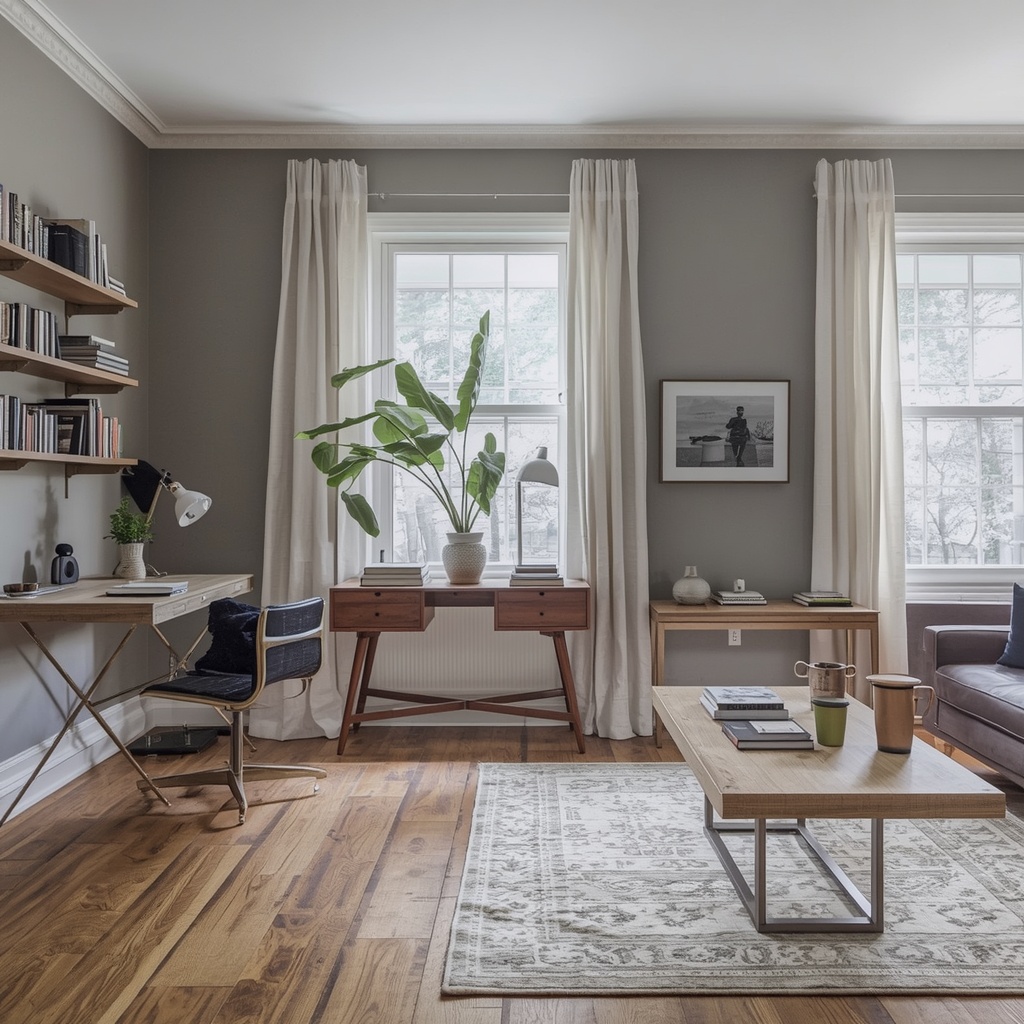
Kitchens and dining areas benefit most from drop-leaf tables, wall-mounted bar tables, and folding stools that slide into narrow gaps. In entryways, a fold-down bench or wall-mounted console gives you a drop zone without eating into walking space. Even bathrooms can use a fold-down shelf or a collapsible laundry station.
Quick wins by room:
- Studio apartment: A wall bed with a sofa in front, and a rolling bar cart for dining
- Guest room/office: A Murphy bed with a built-in desk panel
- Nursery: A fold-away changing table that tucks flat when not in use
- Garage or laundry room: A wall-mounted folding table for crafts and folding clothes
- Patio or balcony: A drop-leaf bistro table and stackable chairs
Pro Tip: Treat the Folded Piece Like Wall Art
💡 Pro Tip from the Designer’s Desk: Before you buy, decide what the closed piece will visually become. Frame a fold-down desk with a picture ledge and a few prints, and it reads as a gallery wall. Paint a Murphy bed panel the same color as your wall and add sconces on either side. Give your folding furniture a “job” in the closed state, and the eye stops noticing that it’s furniture at all.
One more trick: use lighting. A small LED strip or picture light above a closed wall unit makes it feel like a deliberate focal point. Layered lighting is one of the cheapest ways to make a utilitarian piece look custom.
Smart Buying Checklist Before You Commit
Folding furniture lives or dies by its mechanics, so a little homework up front prevents expensive disappointment later. Measure the open footprint, not just the closed one, and make sure there’s clear space to swing, drop, or extend the piece without bumping into doors or other furniture. Tape the dimensions on the floor with painter’s tape and walk around it for a day.
Check the weight ratings, warranty, and return policy, especially for anything wall-mounted. Ask whether the hardware is replaceable, since hinges and gas pistons are the parts most likely to wear. And if you’re unsure about installation, hiring a licensed handyman is money well spent for heavy wall beds and desks.
Before you buy, confirm:
- Open and closed dimensions, including clearance for doors and walkways
- Wall construction (studs, drywall, plaster, or masonry) and the right anchors
- Weight capacity and daily-use cycle rating
- Material quality, such as solid wood, plywood, or MDF, and finish durability
- Assembly requirements and whether professional installation is recommended
- Return, warranty, and replacement-part policies
Common Mistakes to Avoid
The most common error is buying for the open state only. A gorgeous table that leaves a bulky stack of leaves in a closet isn’t really a solution. Always plan where the folded pieces, spare chairs, or extra leaves will actually live.
Another mistake is ignoring scale. Oversized wall beds in low-ceilinged rooms, or chunky folding chairs in a petite dining nook, throw off proportions and make a small room feel smaller. Finally, don’t skimp on mechanisms. Cheap hinges squeak, sag, and fail, and a piece you dread opening is a piece you’ll stop using.
Sustainability and Long-Term Value
Quality folding furniture is also a sustainable choice. Fewer pieces mean fewer resources, less clutter, and lower moving costs, and solid wood or steel designs can last decades. Look for FSC-certified wood, low-VOC finishes, and manufacturers that sell replacement parts rather than forcing you to toss the whole unit.
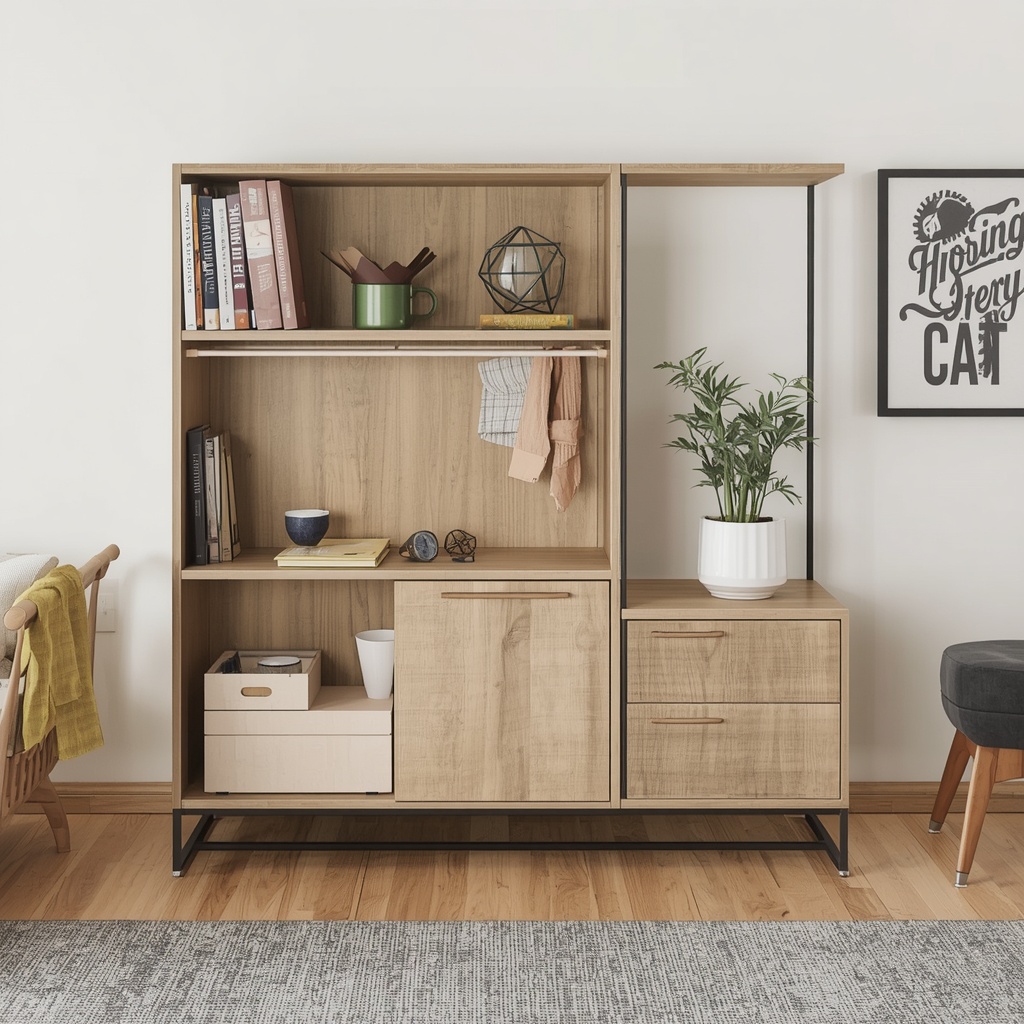
Because multifunctional pieces adapt as your life changes, they also hold their value better than single-purpose furniture. The desk you use today can become a craft station, a vanity, or a sewing table tomorrow. That flexibility is the real luxury of small-space design: your home evolves with you instead of demanding that you move when your needs shift.
Final Thoughts: Make Every Square Foot Beautiful
Folding furniture works best when it’s chosen with the same care as any other design element. Start with the room’s style, repeat its materials and colors, and pick pieces that look good both open and closed. When you do, you get the practicality of a compact home with the polish of a custom-designed one.
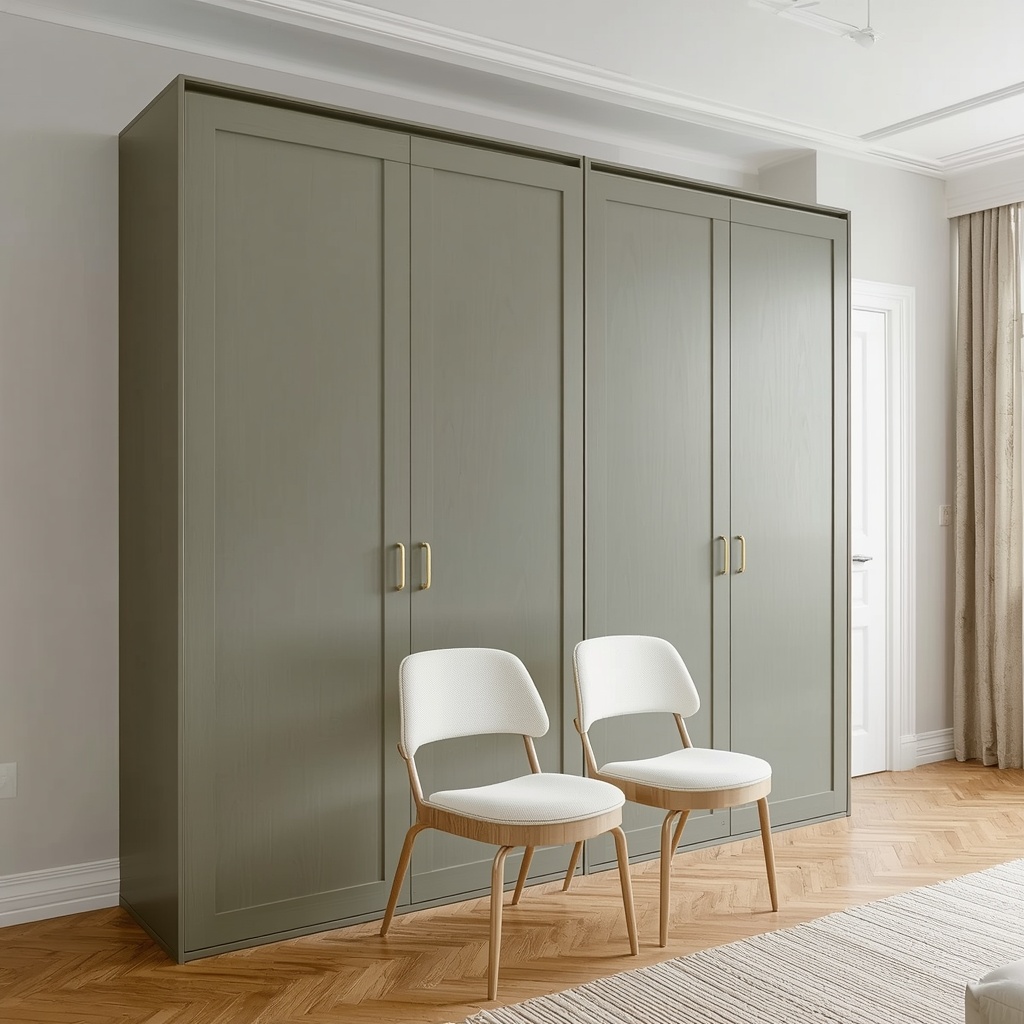
Whether you’re furnishing a studio, converting a spare room, or simply tired of clutter, there’s a folding solution that fits. Measure carefully, invest in solid mechanics, and style the closed piece like art. Your space will feel bigger, calmer, and more flexible, and no one will guess how hard it’s working.
Frequently Asked Questions
Are Murphy beds comfortable enough for daily sleeping?
Yes, if you choose one with a full-thickness mattress and a sturdy slat or box-spring base. Many modern wall beds are as comfortable as standard beds.
Can I install folding furniture in a rental?
Absolutely. Freestanding wall bed kits, drop-leaf tables, folding chairs, and over-the-door desks need no drilling. For wall-mounted pieces, check your lease or use removable-friendly mounting options.
What’s the best folding furniture for a very small apartment?
A wall bed or sofa bed, a drop-leaf table, and a fold-down desk give you sleeping, dining, and working space without permanent floor clutter.
How do I keep folding furniture from looking temporary?
Match its materials and finishes to your existing decor, add lighting or framing around it, and choose quality hardware and finishes.