
Walk into any professionally designed living room and you’ll notice something subtle but powerful: even the smallest surfaces have been considered. Side tables and end tables often get treated as afterthoughts — a place to set a coaster and call it done — but in reality, they’re some of the hardest-working style opportunities in your entire home decor scheme.
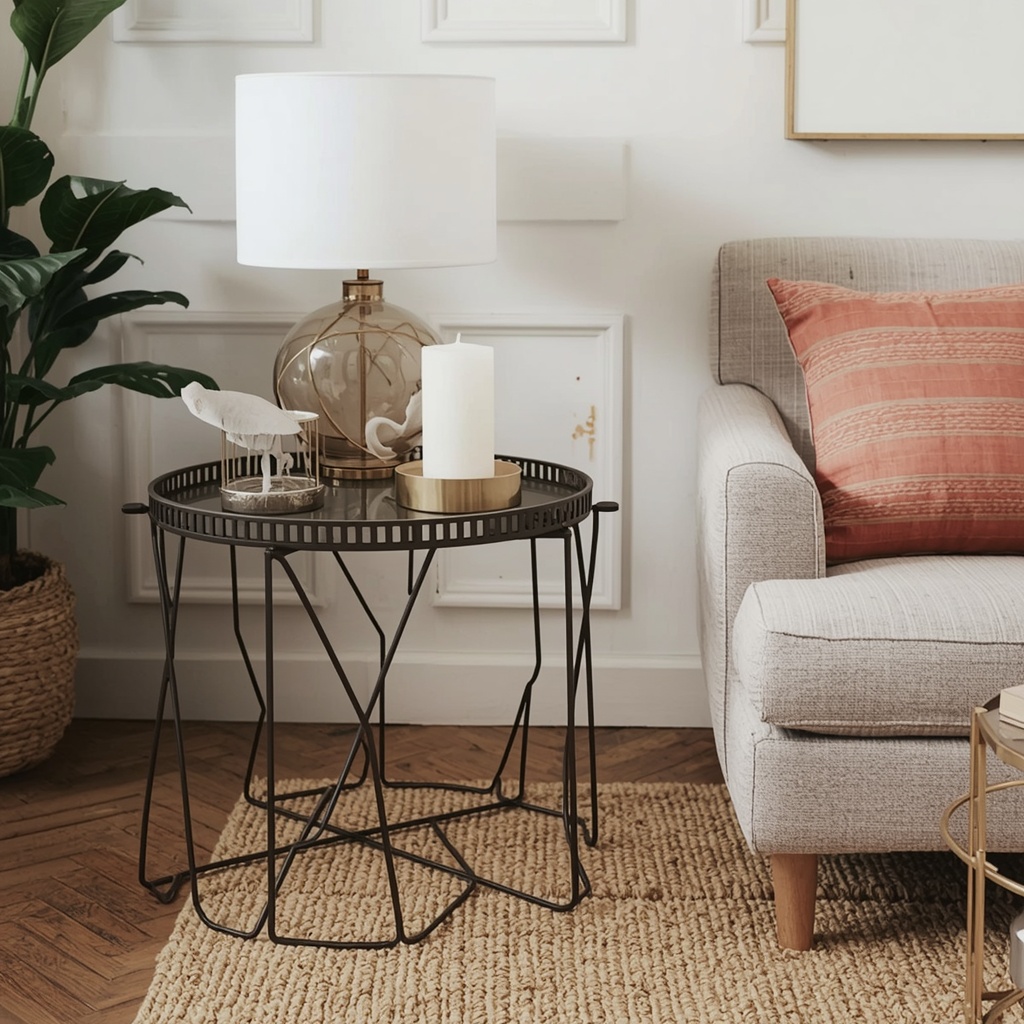
As an interior designer, I tell clients constantly that a well-styled end table can do more for a room’s personality than an expensive sofa. It’s proof of intentional design, and it’s one of the easiest, most budget-friendly upgrades you can make this weekend. Below, I’ll walk you through the exact framework I use with clients — from choosing the right table to the styling formulas that never fail.
Why Side Table Styling Matters More Than You Think
Side tables and end tables sit at eye level when you’re seated, which means they’re constantly in your field of vision during everyday life. Unlike a coffee table styled for guests, these surfaces are lived-in and looked at daily, so their styling needs to feel effortless rather than staged.
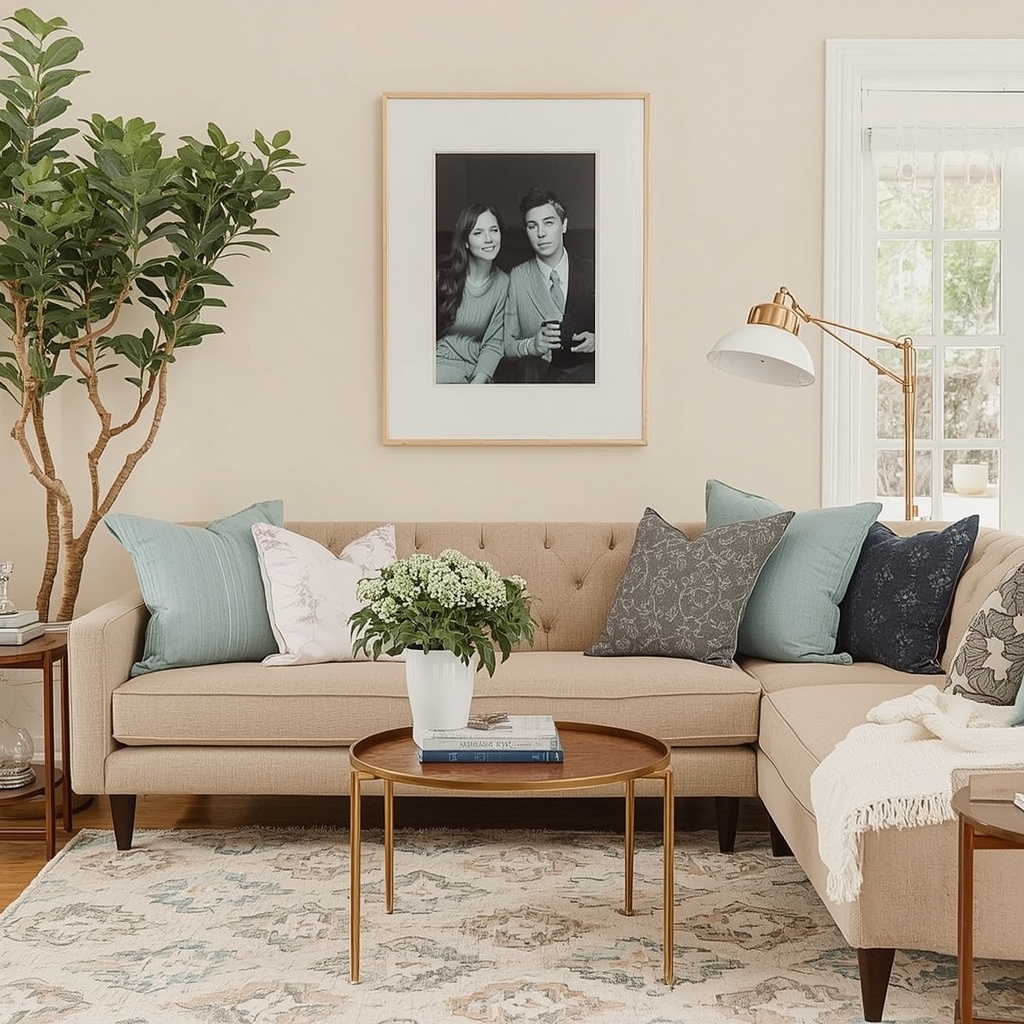
Good end table decor also creates visual rhythm throughout a room. It balances taller furniture pieces, softens hard edges near seating, and gives your eye a place to rest between larger focal points like sofas, media consoles, or floor lamps. When styled thoughtfully, these small tables tie your entire living room decor together.
“Small surfaces are where personality lives. A side table tells your guests more about who you are than almost any other spot in the room.” — a principle I share with every client during a design consult.
Choosing the Right Table Before You Style It
Before we talk styling, let’s talk foundation. Not every side table or end table suits every space, and choosing correctly saves you from a redo later.
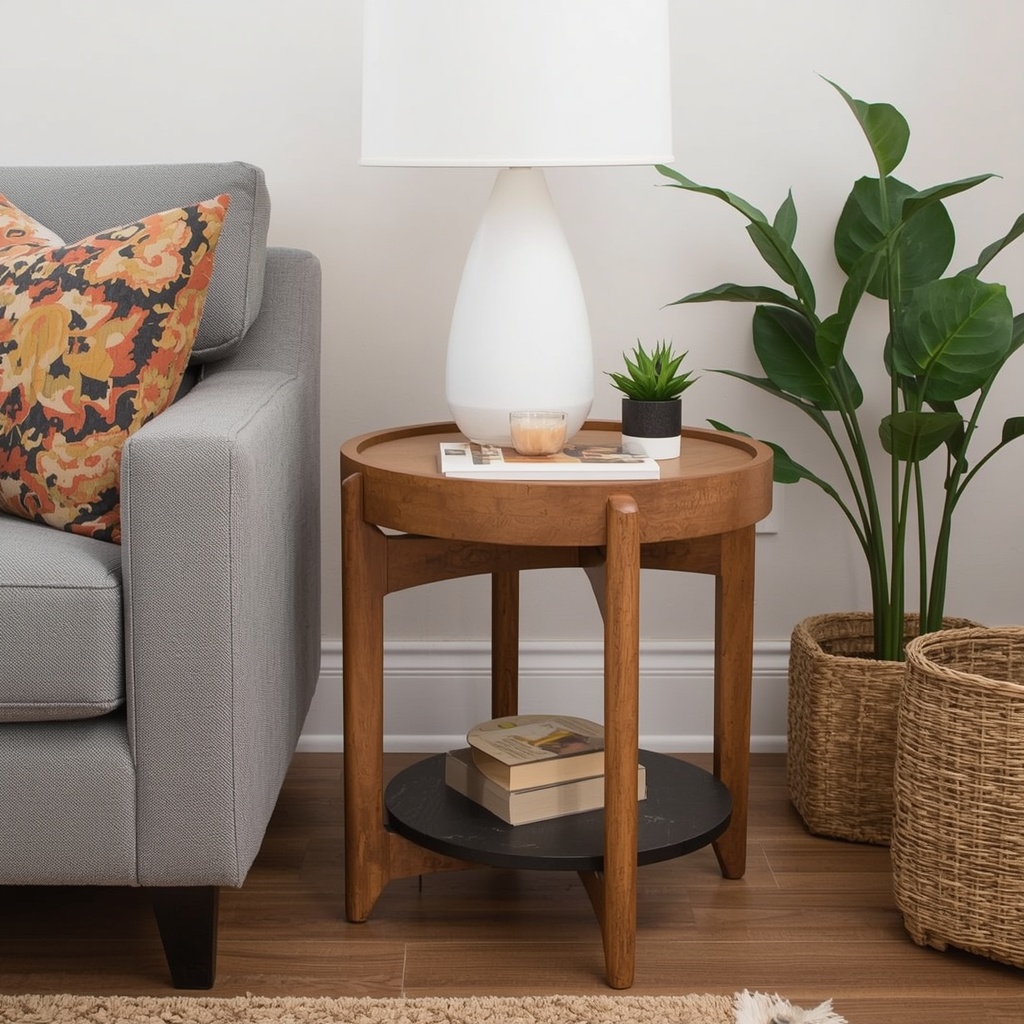
Key factors to consider:
- Height — the tabletop should sit roughly level with or slightly below the arm of your sofa or chair
- Scale — a table too small looks lost; too large feels clunky and blocks flow
- Shape — round tables soften sharp room layouts; square or rectangular tables suit symmetrical arrangements
- Material — wood, metal, glass, rattan, and stone each bring a different textural note
- Storage needs — drawers or shelves matter if you need functional storage nearby
| Table Type | Best For | Typical Height | Popular Materials |
|---|---|---|---|
| Classic end table | Beside sofas/armchairs | 22–26 inches | Wood, metal |
| Round accent table | Softening square layouts | 20–24 inches | Marble, glass, wood |
| Nesting tables | Small spaces, flexibility | Varies (set of 2–3) | Metal, wood, acrylic |
| C-shaped side table | Overhanging seating, laptop use | 24–28 inches | Metal, wood |
| Drum table | Transitional/traditional rooms | 22–26 inches | Wood, rattan, brass |
The Pro Styling Formula: Rule of Three (and When to Break It)
If you remember one styling rule from this entire article, make it this one: group items in odd numbers, varying height, and mixed texture. Designers call this the “rule of three,” and it works because asymmetry feels more natural and dynamic than perfectly matched pairs.
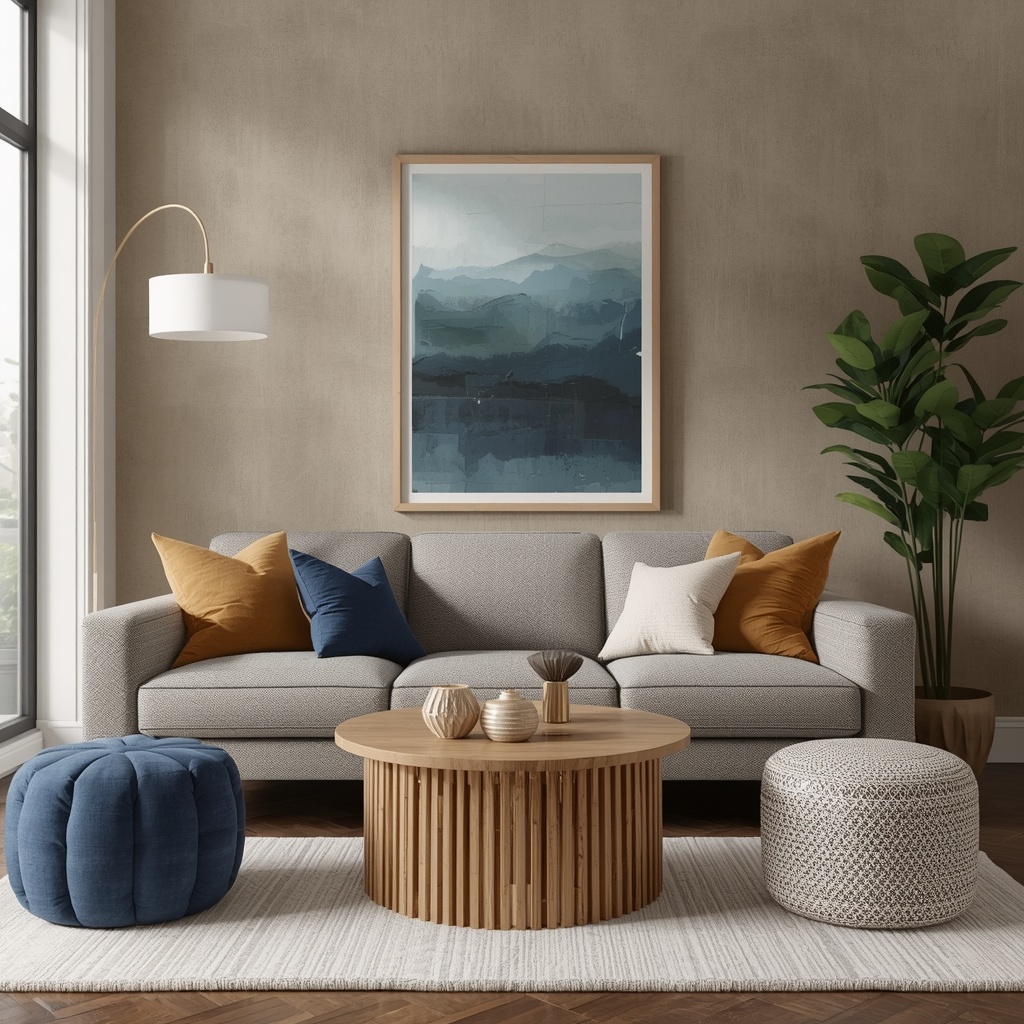
A simple formula looks like this: one tall item (lamp or vase), one medium item (stack of books or small plant), and one small item (a tray, dish, or object). This creates a visual triangle that your eye naturally enjoys tracing. Once you’ve mastered three items, you can experiment with five for a slightly more layered, collected-over-time look.
Pro Tip: When in doubt, style for triangles, not lines. Lay your items out and imagine connecting their tops with a line — if it forms a zigzag or triangle shape rather than a flat horizontal line, your grouping will read as intentional rather than cluttered.
Building Blocks: What Actually Goes on a Side Table
Every well-styled table draws from the same core “ingredient list,” just remixed to suit your personal style. Here’s the breakdown I use when shopping for clients:
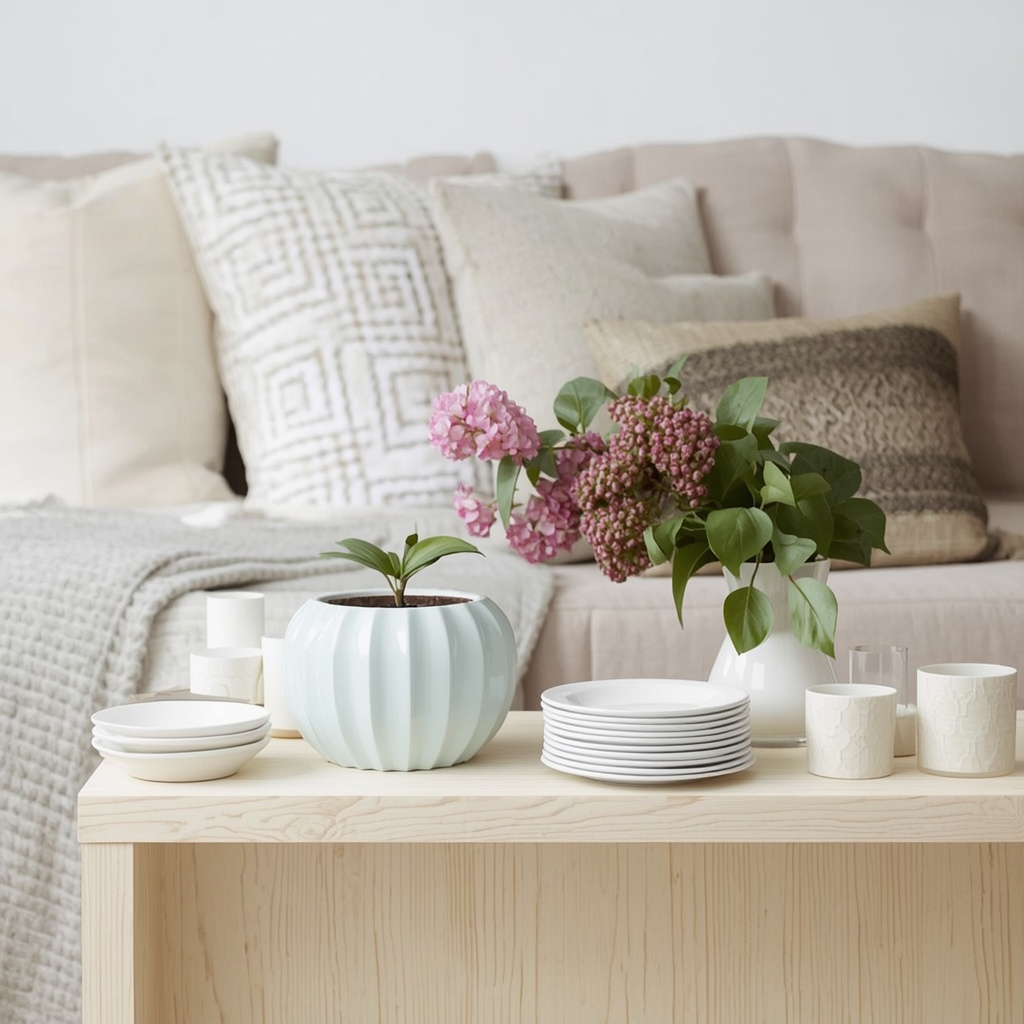
- A lighting element — table lamp, small sculptural light, or candle
- A living element — a plant, fresh flowers, or a well-made faux stem
- A reading element — a stack of 2–3 coffee table books
- A personal element — a framed photo, travel find, or meaningful object
- A functional element — a coaster, small tray, or dish for keys and remotes
- A textural element — something with a different material than the rest (ceramic, brass, woven fiber)
You don’t need all six on every table. Two to four elements is usually the sweet spot — anything more starts to feel busy, especially on smaller tabletops.
Styling by Table Size
Small tables (under 20 inches wide) can only support one hero item plus one small accent — think a lamp and a single small object. Medium tables (20–26 inches) can handle the full three-item formula. Larger tables or wide drum tables have room for a tray to anchor a small collection, which keeps multiple items feeling organized rather than scattered.
Room-by-Room: How Styling Changes by Space
Side table styling isn’t one-size-fits-all — the function of the room should guide your choices.
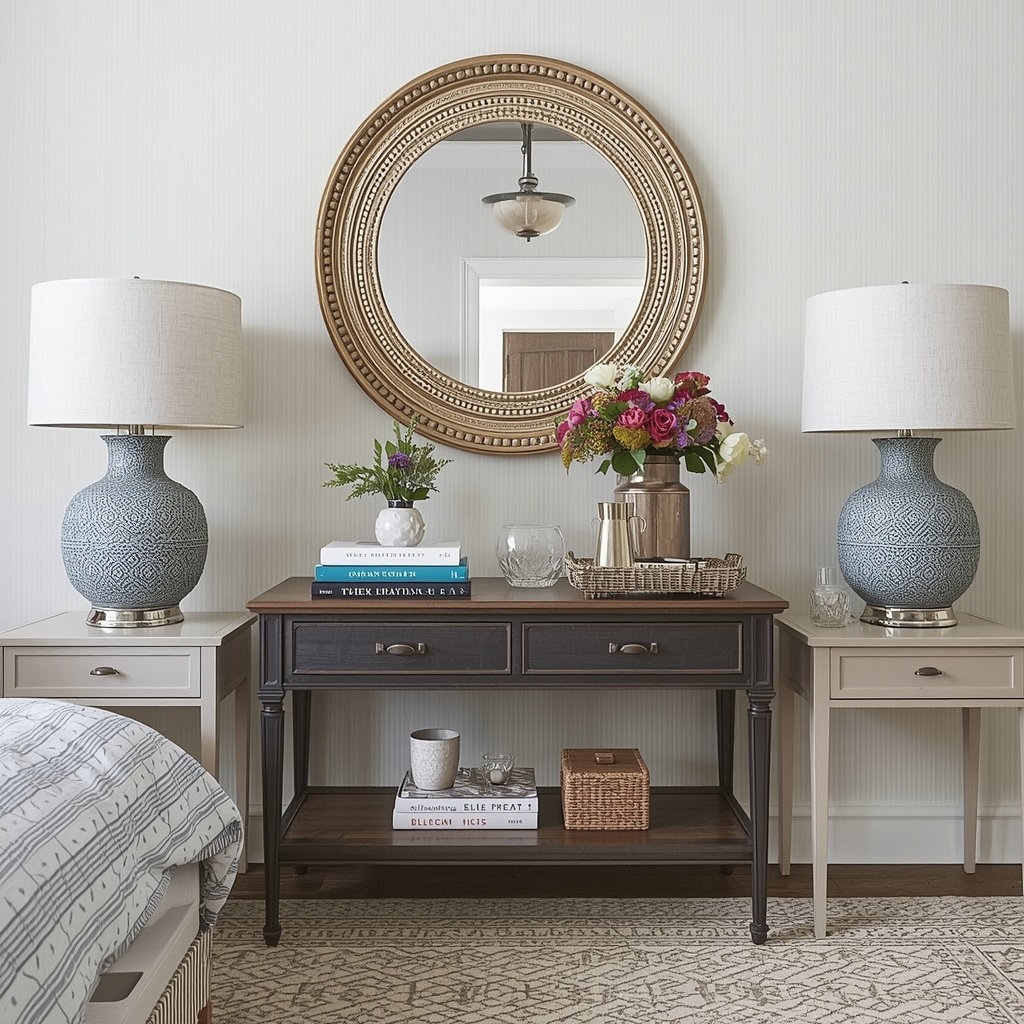
Living room end tables typically prioritize lighting and hosting-ready surfaces, since this is where guests set down drinks and reach for a book. Bedroom nightstands (a close cousin of the side table) lean more functional: a lamp, a small dish for jewelry, a book, and a carafe or glass. Entryway accent tables favor a catch-all tray, a mirror or art above, and seasonal touches like flowers, since this is the first impression of your home.
| Room | Priority Function | Suggested Items |
|---|---|---|
| Living room | Ambient lighting, hosting | Lamp, tray, books, plant |
| Bedroom | Personal nighttime routine | Lamp, dish, book, water carafe |
| Entryway | First impression, function | Tray, mirror above, flowers |
| Reading nook | Focused task lighting | Task lamp, bookstack, coaster |
Color, Material, and Texture Layering
One mistake I see constantly: every object on the table matches in color and finish, which flattens the whole vignette. Instead, aim to layer at least three textures — for example, a matte ceramic vase, a woven rattan tray, and a glossy brass candlestick. This textural mixing is what separates a “styled” table from one that just has stuff on it.
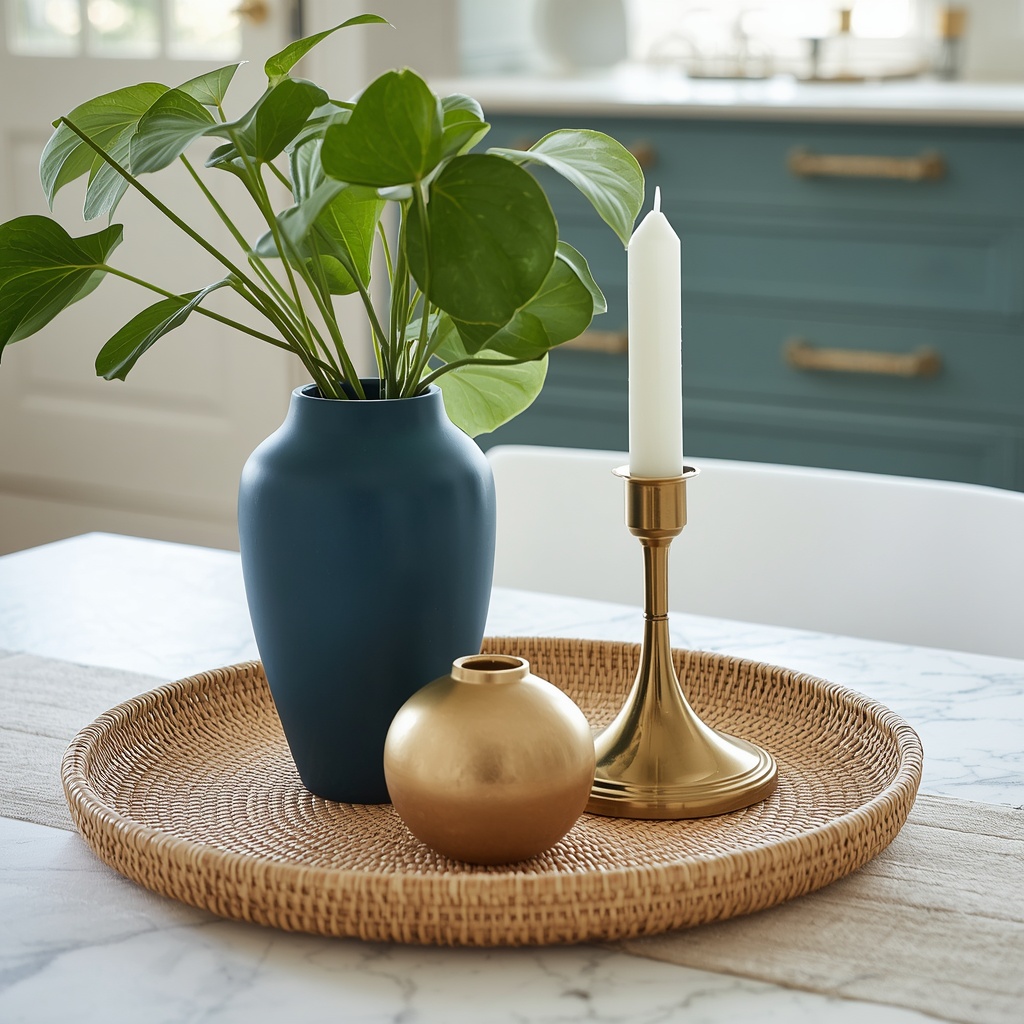
Color-wise, I recommend anchoring your table decor to your room’s existing accent palette, then adding one unexpected pop. If your living room leans neutral with warm woods, a single terracotta or deep green ceramic piece on the side table draws the eye without overwhelming the space. This is also where seasonal decor comes in easily — swap that one accent color piece throughout the year without touching anything else.
Pro Tip: Keep one “anchor” item on the table permanently (like a lamp or a favorite vase) and rotate everything else seasonally. This gives you a consistent design foundation while still letting your home decor feel fresh throughout the year.
Common Side Table Styling Mistakes to Avoid
Even well-intentioned homeowners fall into a few predictable traps. Here’s what to watch for:
- Overcrowding the surface — if you can’t set down a drink without moving three things, it’s too full
- Matching everything perfectly — a matched lamp-and-vase set from the same collection often looks less intentional than mixed pieces
- Ignoring scale — a tiny bud vase on a large drum table gets visually lost
- Skipping lighting entirely — a side table without any light source misses a major styling and functional opportunity
- Forgetting the underside — an empty lower shelf under a table is prime real estate for a woven basket or stacked books
- Choosing decor before furniture — always confirm the table itself fits the scale of the room before shopping for accessories
Lamp Selection: The Unsung Hero of Table Styling
A great table lamp does double duty as both function and sculpture. When choosing one for your side table, consider proportion first: the lamp base plus shade should generally total about 1.5 times the height of the table itself, and the shade width should be slightly narrower than the tabletop to avoid overwhelming it.
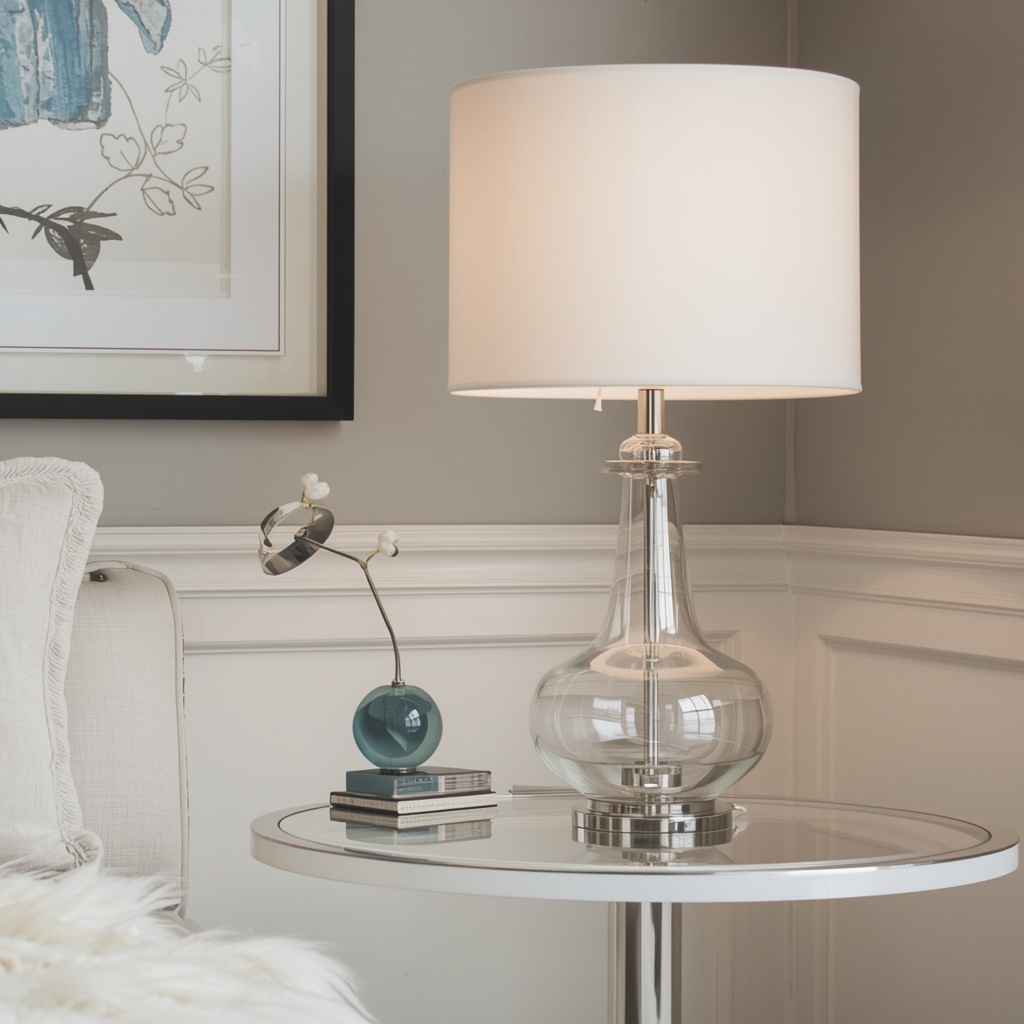
Material contrast matters here too. If your table is a warm wood tone, a lamp in matte black, brushed brass, or ceramic creates nice contrast rather than blending in. Dimmable bulbs are worth the small upgrade cost — ambient, warm lighting (look for bulbs around 2700K) instantly makes a side table vignette feel cozier and more curated than harsh, bright light.
Seasonal and Occasion-Based Styling Tips
Because side tables are small, low-commitment surfaces, they’re the easiest place in your home to update seasonally without a full room refresh.
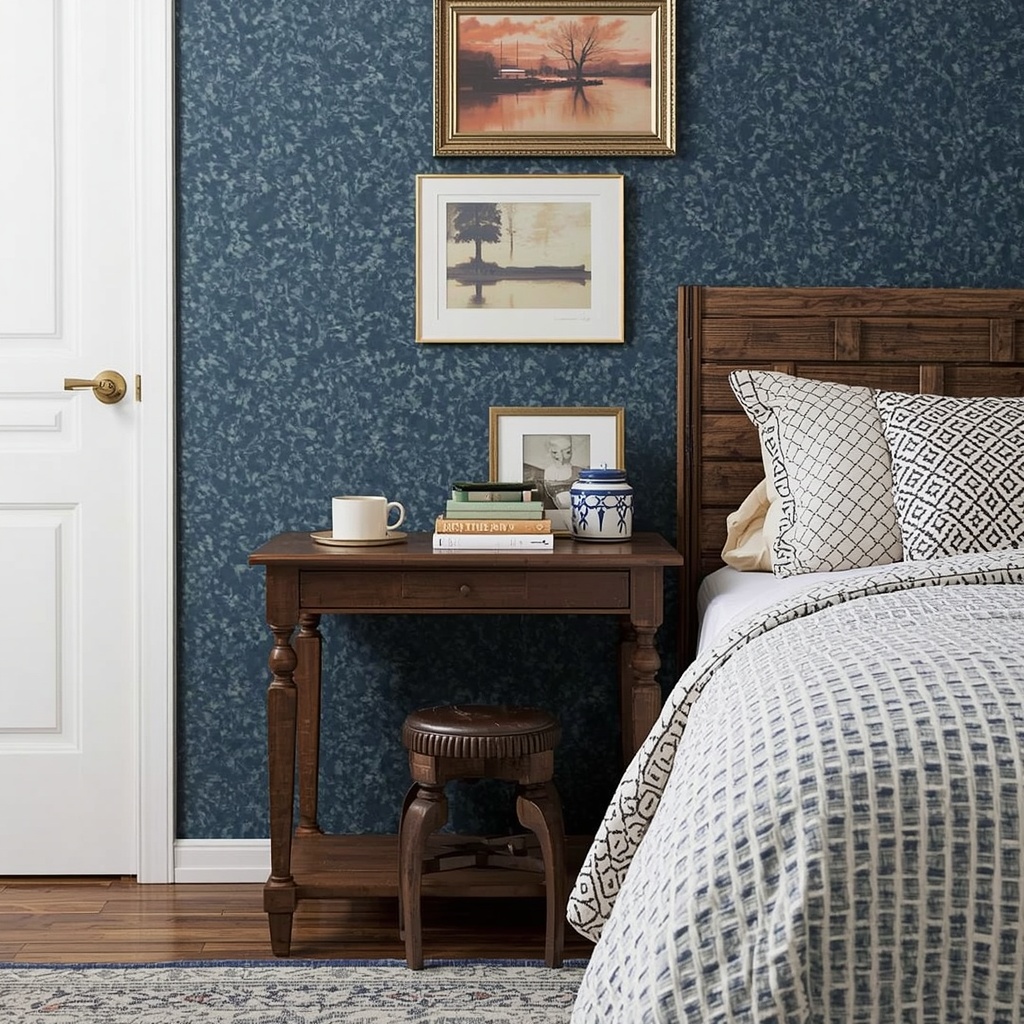
For fall: swap in a stoneware vase with dried pampas grass or branches, and add a warm-toned candle. For the holidays: a small stack of festive books plus a single greenery sprig goes a long way without cluttering the space. For spring/summer: fresh flowers in a lightweight glass or ceramic vase and lighter, brighter accent colors keep things feeling airy.
A Quick Styling Checklist
Before you consider your side table “finished,” run through this list:
- [ ] Does the table height work with the seating beside it?
- [ ] Is there at least one lighting element?
- [ ] Have I used the rule of three (or five) with varied heights?
- [ ] Are there at least two different textures represented?
- [ ] Is there breathing room — negative space — around each object?
- [ ] Does it still function practically (room for a drink, remote, etc.)?
- [ ] Does the color palette connect to the rest of the room?
If you can check every box, your table is doing exactly what a professionally styled surface should: looking beautiful while still being genuinely usable.
Final Thoughts: Small Tables, Big Impact
Side tables and end tables are proof that great interior design isn’t about grand gestures — it’s about consistent, thoughtful decisions applied throughout your home. Once you internalize the rule of three, prioritize varied height and texture, and choose a lamp that pulls its visual weight, you’ll find that styling any table in your home becomes second nature.
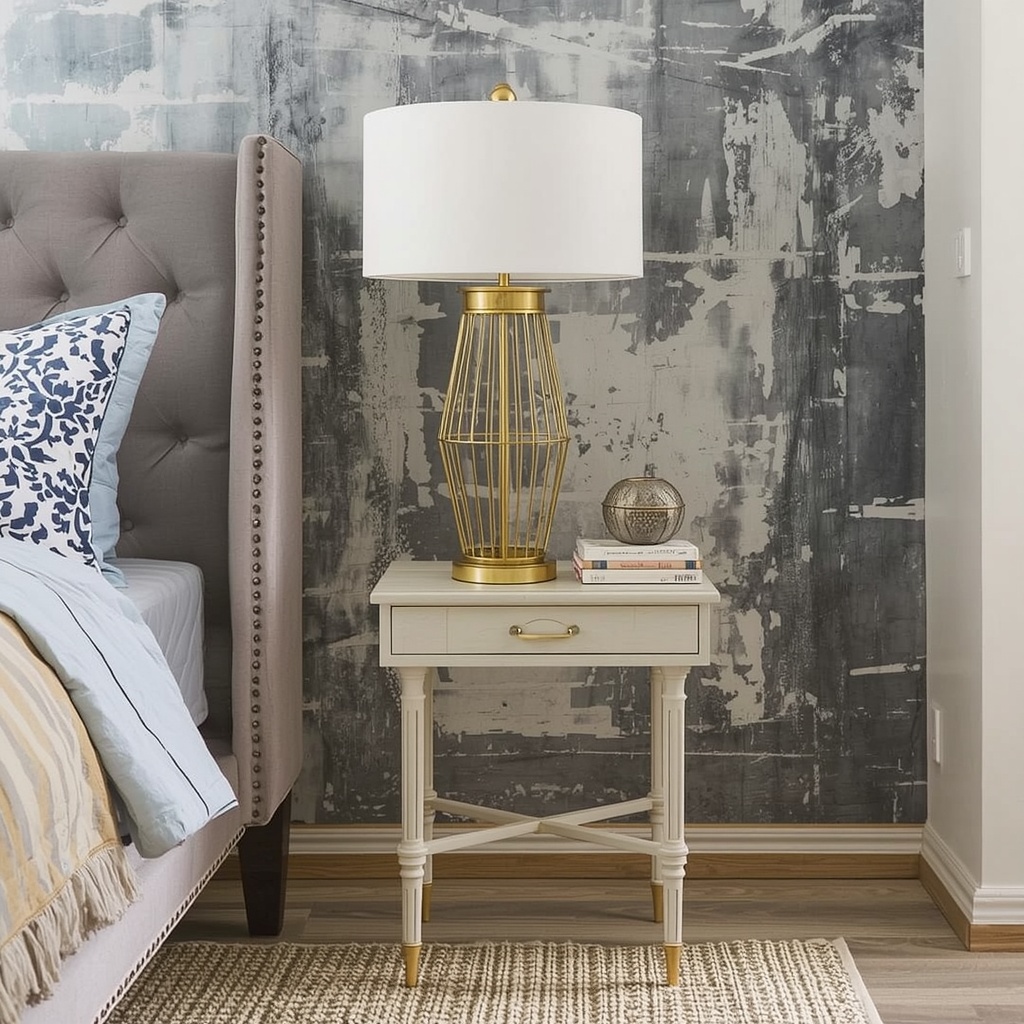
The best part? Because these are small surfaces, experimenting is low-risk and low-cost. Swap a vase, add a tray, try a new book stack — you can reinvent the entire feel of a room in the time it takes to have your morning coffee.
Looking for more room-by-room styling guides? Explore our related posts on coffee table styling, bookshelf decorating ideas, and how to layer lighting throughout your living room for a fully cohesive, designer-level home.