
Walk into a living room lit by a single ceiling fixture and you’ll feel it immediately: something’s off. The room feels flat, a little clinical, and not at all like the cozy retreat you pictured on your mood board. Now walk into a living room with three or four light sources working together — a floor lamp glowing in the corner, a table lamp casting a soft pool near the sofa, a few candles flickering on the coffee table — and the whole space suddenly feels alive.
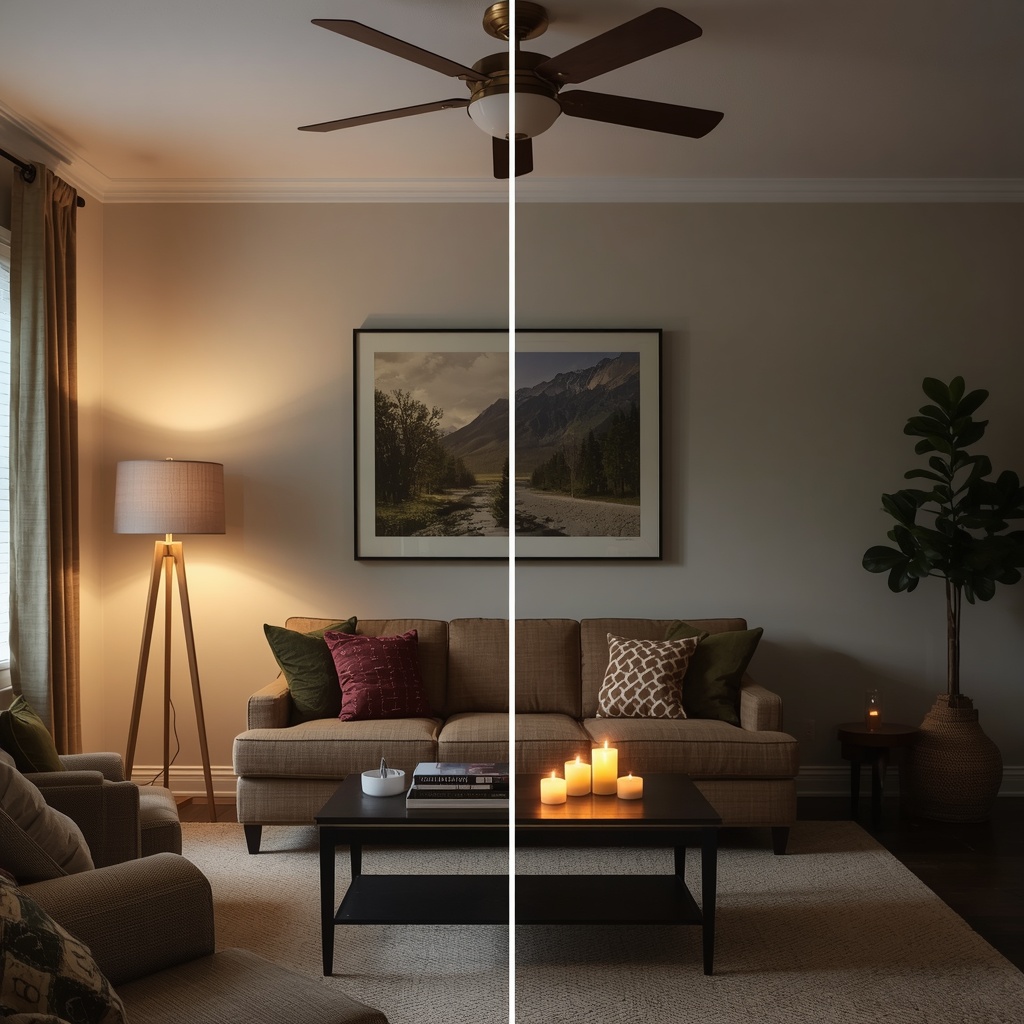
That difference has a name: lighting layering. It’s the single most underrated tool in home decor, and as an interior designer, it’s the first thing I fix in almost every living room makeover. You don’t need a renovation budget or an electrician on speed dial. You need a plan, a few well-chosen fixtures, and an understanding of how light, warmth, and mood actually work together.
In this guide, I’ll walk you through the exact lighting layering hacks I use with clients to turn cold, uninviting living rooms into warm, magazine-worthy spaces — without ripping out drywall or blowing your decor budget.
What Is Lighting Layering, and Why Does It Matter?
Lighting layering means combining multiple types of light — ambient, task, and accent — at different heights and intensities throughout a room, instead of relying on one overhead fixture to do all the work. Think of it the same way you’d think about layering textiles on a bed: no single blanket does everything, but together they create depth, texture, and comfort.
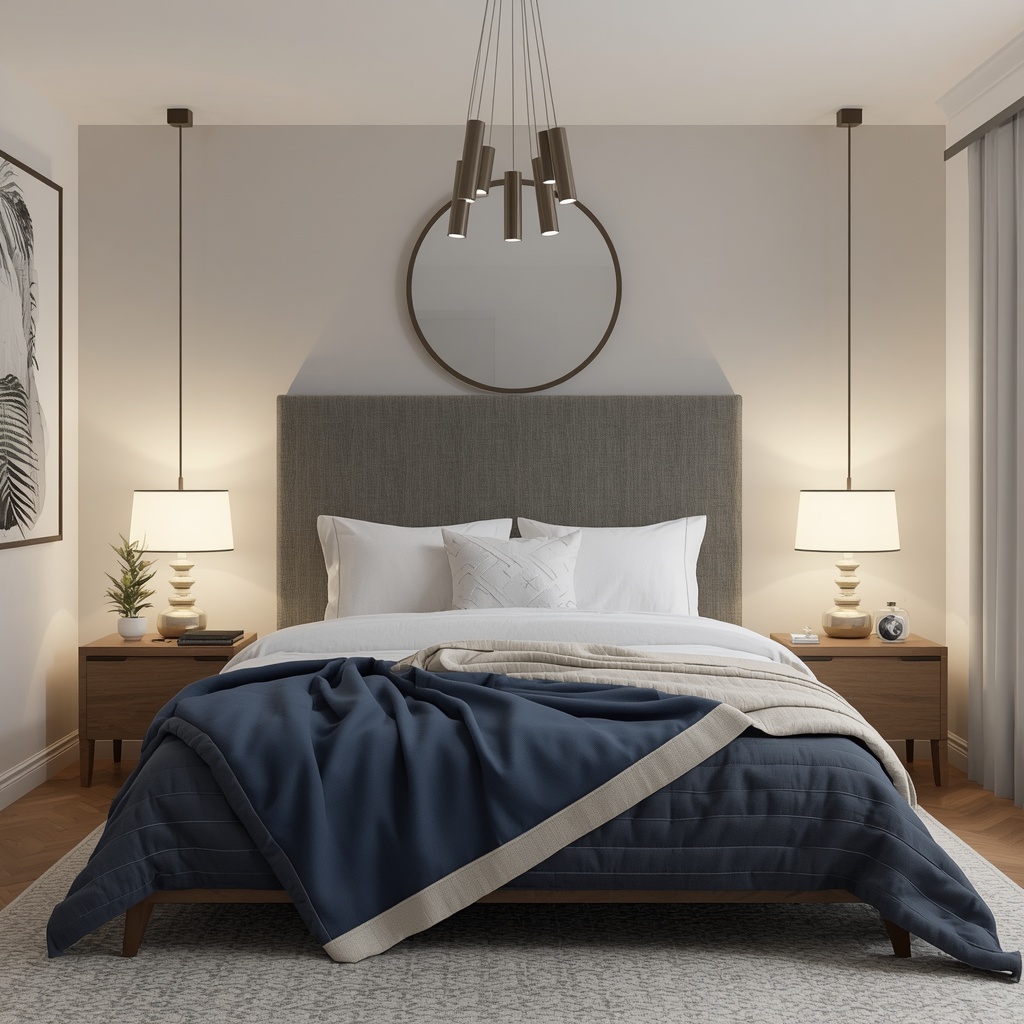
A living room lit by a single overhead light source tends to flatten furniture, wash out warm undertones in your paint and decor, and create harsh shadows under noses, cabinets, and coffee tables. Layered lighting eliminates that flatness. It lets you dial a room from “bright and functional” during the day to “soft and intimate” for movie night, all without touching the architecture.
“Lighting is the jewelry of the room — it’s what catches the eye and makes everything else in the space look more expensive than it is.” This is a design philosophy I share with clients on nearly every project, because it’s true: the same sofa and rug can look budget or boutique depending entirely on how you light them.
The Three (Really Four) Layers of Living Room Lighting
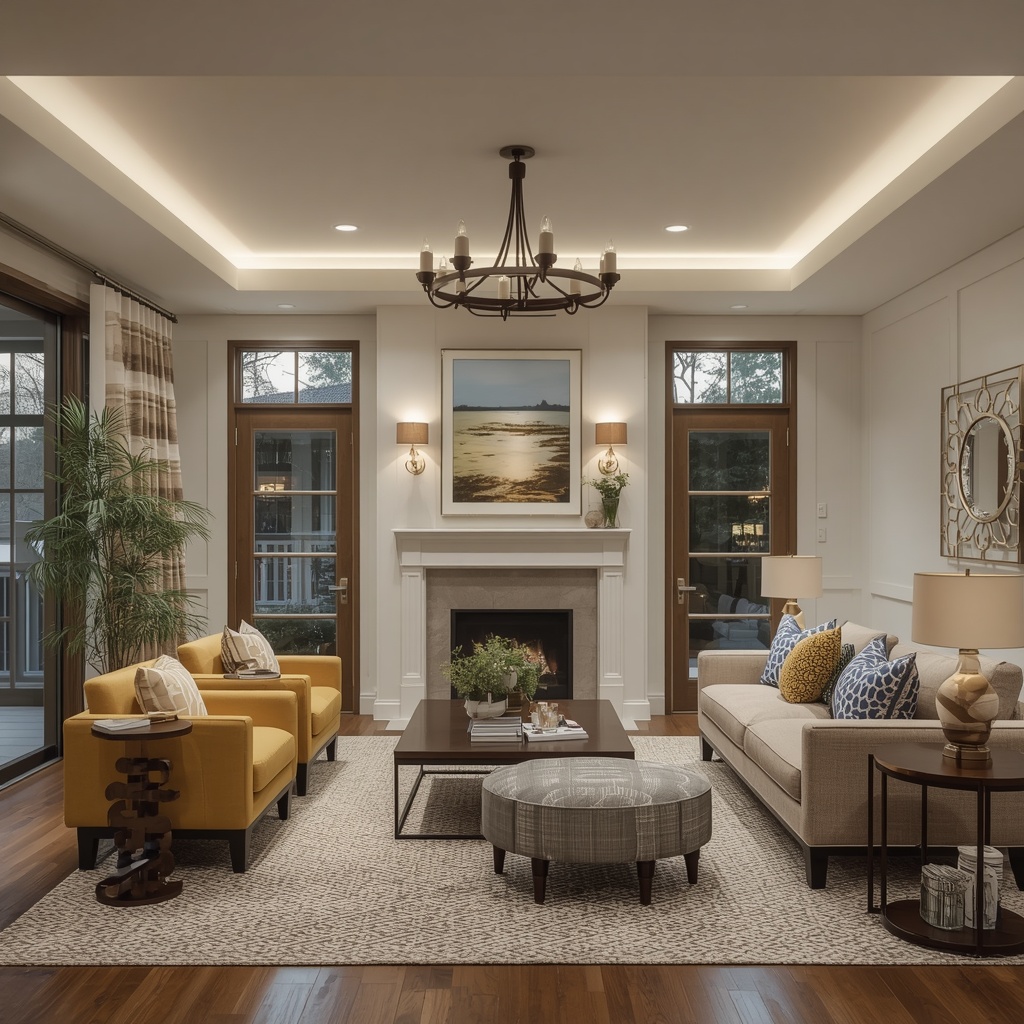
Professional lighting design typically breaks down into three core layers, though I always add a fourth — decorative lighting — because it’s what gives a room its personality.
| Layer | Purpose | Common Fixtures | Best Placement |
|---|---|---|---|
| Ambient (General) | Provides overall, even illumination | Ceiling fixtures, recessed lights, torchiere floor lamps | Center of room, corners |
| Task | Supports specific activities like reading or working | Table lamps, floor lamps, adjustable sconces | Beside seating, near desks |
| Accent | Highlights art, architecture, or focal points | Picture lights, wall sconces, LED strips | Bookshelves, art walls, mantels |
| Decorative | Adds ambiance, texture, and personality | Candles, string lights, lanterns, statement pendants | Coffee tables, mantels, windows |
The goal isn’t to max out every layer — it’s to have at least three light sources at three different heights in every living room, so no matter where you sit or what time it is, the room feels intentional rather than accidental.
Ambient Lighting Hacks for Warmth
Ambient lighting sets the emotional tone of the entire room before anyone even notices the decor. Getting it warm and even, rather than harsh and clinical, is the foundation everything else builds on.
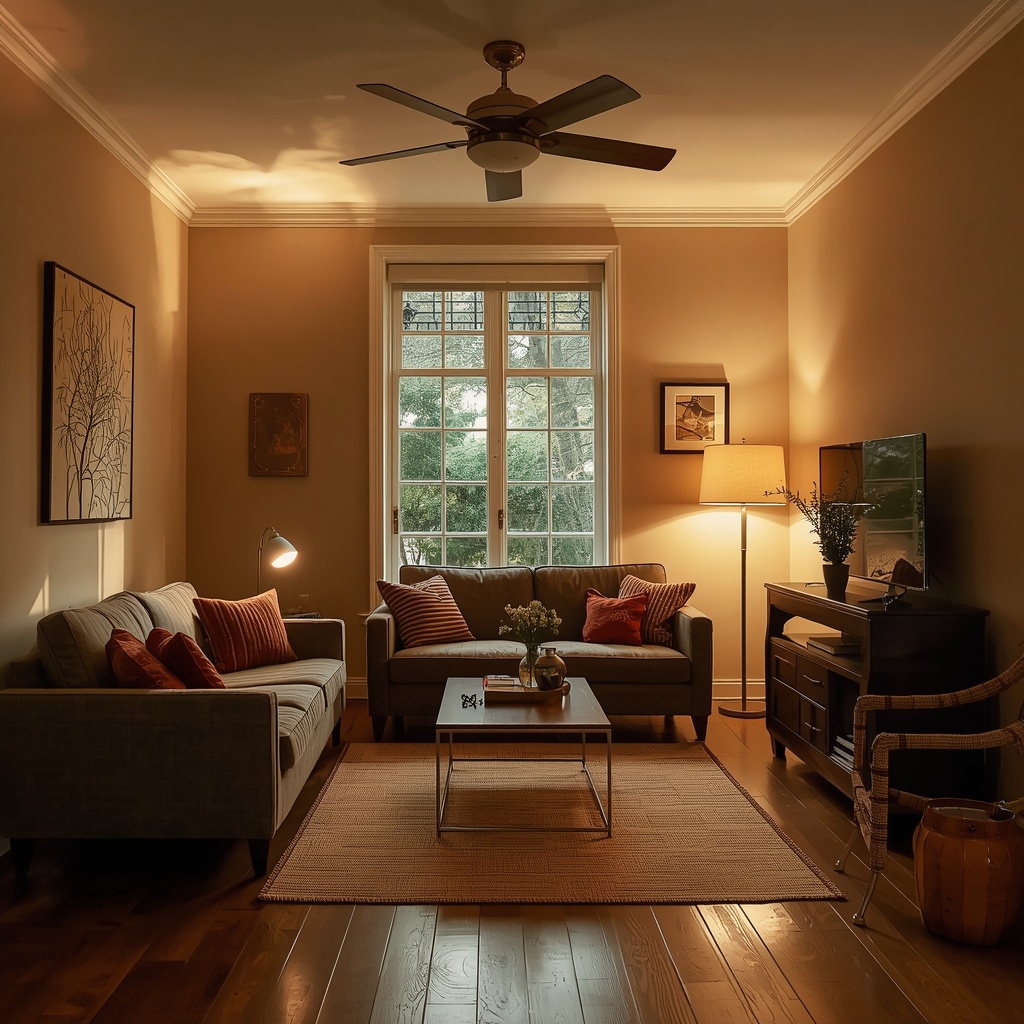
Start by swapping any bright white or daylight bulbs for warm white ones — this single change instantly makes a room feel cozier without moving a single piece of furniture. Skip a single central overhead light in favor of two or three softer ambient sources spread around the perimeter of the room, which flatters both your furniture and your walls far more evenly.
- Replace bare or dated ceiling fixtures with a semi-flush mount that diffuses light rather than beaming it straight down
- Add a torchiere floor lamp in a corner to bounce warm light off the ceiling
- Use dimmable LED recessed lights instead of standard flush-mounted fixtures
- Install a smart bulb system so ambient brightness adjusts throughout the day
Pro Tip: If you can only make one lighting upgrade this month, install a dimmer switch on your main ambient fixture. A $15–$30 dimmer gives you more control over a room’s mood than almost any other decor purchase, letting the exact same fixture go from bright and functional to soft and romantic with a single turn of a dial.
Task Lighting: Function Meets Coziness
It’s tempting to think of task lighting as purely practical — the lamp you read by, the light over your work-from-home corner — but in a warm living room, task lighting is also where you can layer in some of the coziest, most intimate light sources in the whole space.
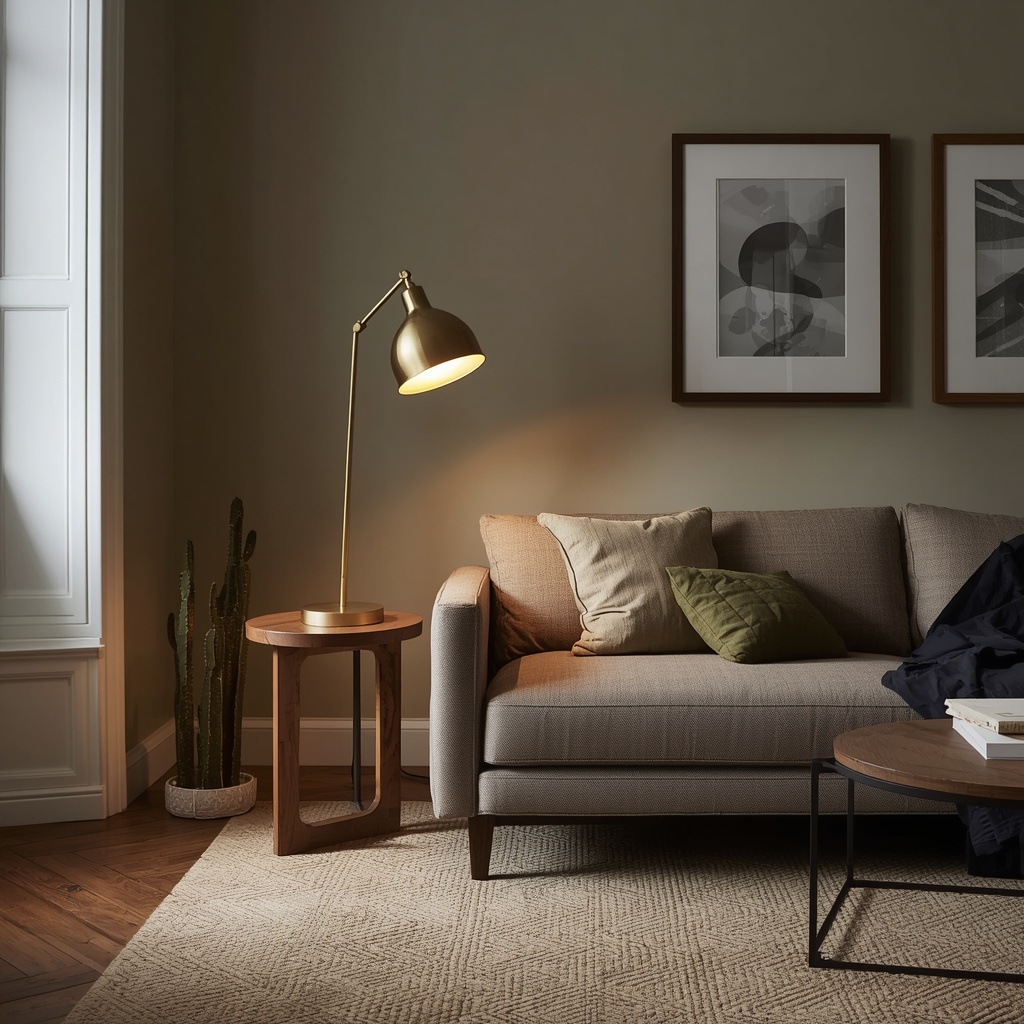
A well-placed table lamp beside an armchair does double duty: it gives you enough light to read a book or scroll your phone comfortably, and it creates a warm pool of light at eye level that instantly softens the room. The key is choosing fixtures with fabric or paper shades rather than exposed bulbs, since diffused light through a shade always reads warmer and more flattering than a bare bulb ever will.
| Task Lighting Type | Ideal Location | Warmth Tip |
|---|---|---|
| Table lamp | End tables, console tables | Choose linen or fabric shades |
| Floor lamp | Beside reading chairs, sofas | Use an adjustable arm for direction |
| Desk lamp | Home office nook | Pick warm white (2700K–3000K) bulbs |
| Arc lamp | Over sofa or seating group | Position off-center for a softer glow |
Accent Lighting: Creating Depth and Drama
Accent lighting is the layer most homeowners skip entirely, which is a shame, because it’s the layer that gives a room dimension. Without it, everything in the room sits at the same visual “volume.” With it, your favorite art print, your bookshelf, or your fireplace mantel suddenly becomes the focal point it was always meant to be.
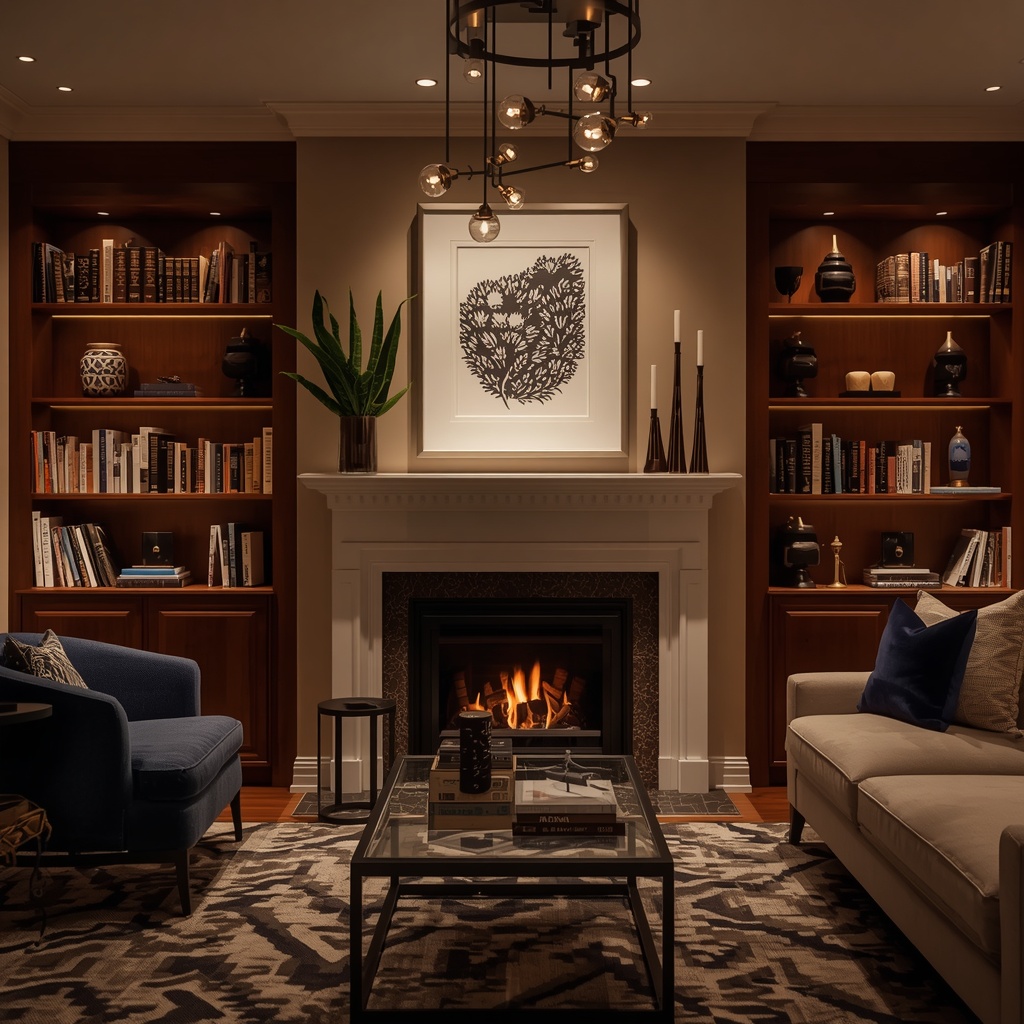
Small, inexpensive additions make the biggest difference here. A picture light mounted above a piece of framed art draws the eye immediately and makes the whole gallery wall feel curated rather than cluttered. LED strip lighting tucked behind a floating shelf or under a media console creates a soft glow that makes furniture look like it’s floating, which reads as high-end even on a modest budget.
- Mount a picture light above your largest piece of wall art
- Add battery-operated LED strips behind or under bookshelves
- Use uplighting behind a large plant to cast dramatic leaf shadows on the wall
- Install a wall sconce beside a fireplace to highlight the mantel
The Kelvin Scale: Choosing the Right Warm Bulb
If there’s one technical detail worth understanding, it’s color temperature — measured in Kelvin (K) — because it has more influence over how “warm” your room feels than almost any paint color or fabric choice.
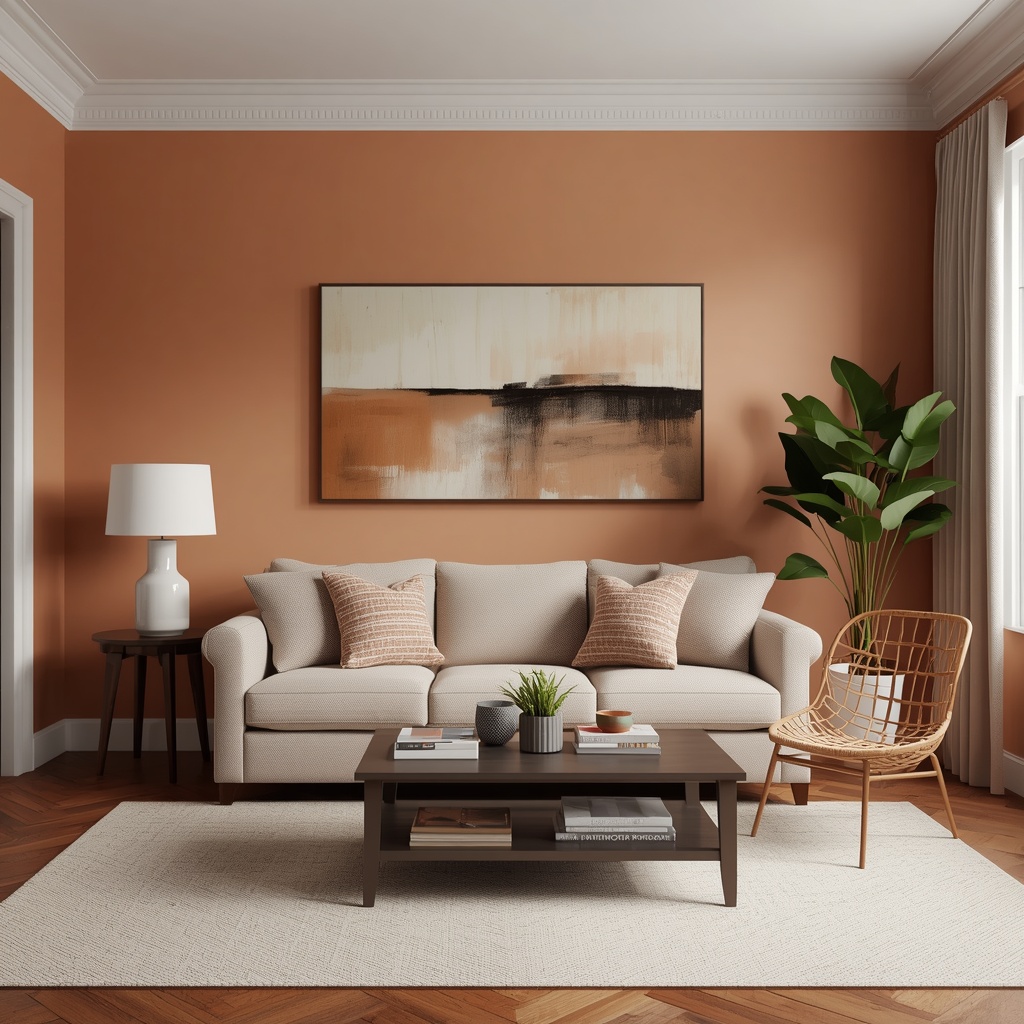
According to ENERGY STAR’s lighting guidance, color temperature is measured on the Kelvin scale, ranging from about 2200K to 6500K, with lower Kelvin numbers producing a warm, yellow light that most people prefer for living rooms and other spaces where a relaxing mood is the goal — typically around 2700K. Higher Kelvin numbers push toward cool white and blue-white light, which suits kitchens, bathrooms, and task-heavy workspaces better than a living room you want to feel like a hug.
| Kelvin Range | Light Appearance | Best For |
|---|---|---|
| 2200K–2700K | Warm, amber glow (like candlelight) | Living rooms, bedrooms, cozy nooks |
| 2700K–3000K | Soft white | General living room ambient lighting |
| 3500K–4100K | Cool white | Kitchens, bathrooms, home offices |
| 5000K–6500K | Daylight, bluish white | Task areas, garages, security lighting |
When shopping for bulbs, check the Kelvin rating on the packaging, since lower numbers appear more yellow while higher numbers appear whiter or bluer. For a genuinely warm living room, stick to bulbs in the 2200K–3000K range across every fixture — mixing color temperatures in the same room is one of the fastest ways to make a space feel disjointed rather than curated.
Layout Matters: Placing Your Light Sources for Maximum Warmth
Even the warmest bulbs in the world won’t save a room if your fixtures are placed poorly. Good lighting layout follows the same logic as good furniture arrangement: think in terms of zones, sightlines, and how people actually move through and use the space.
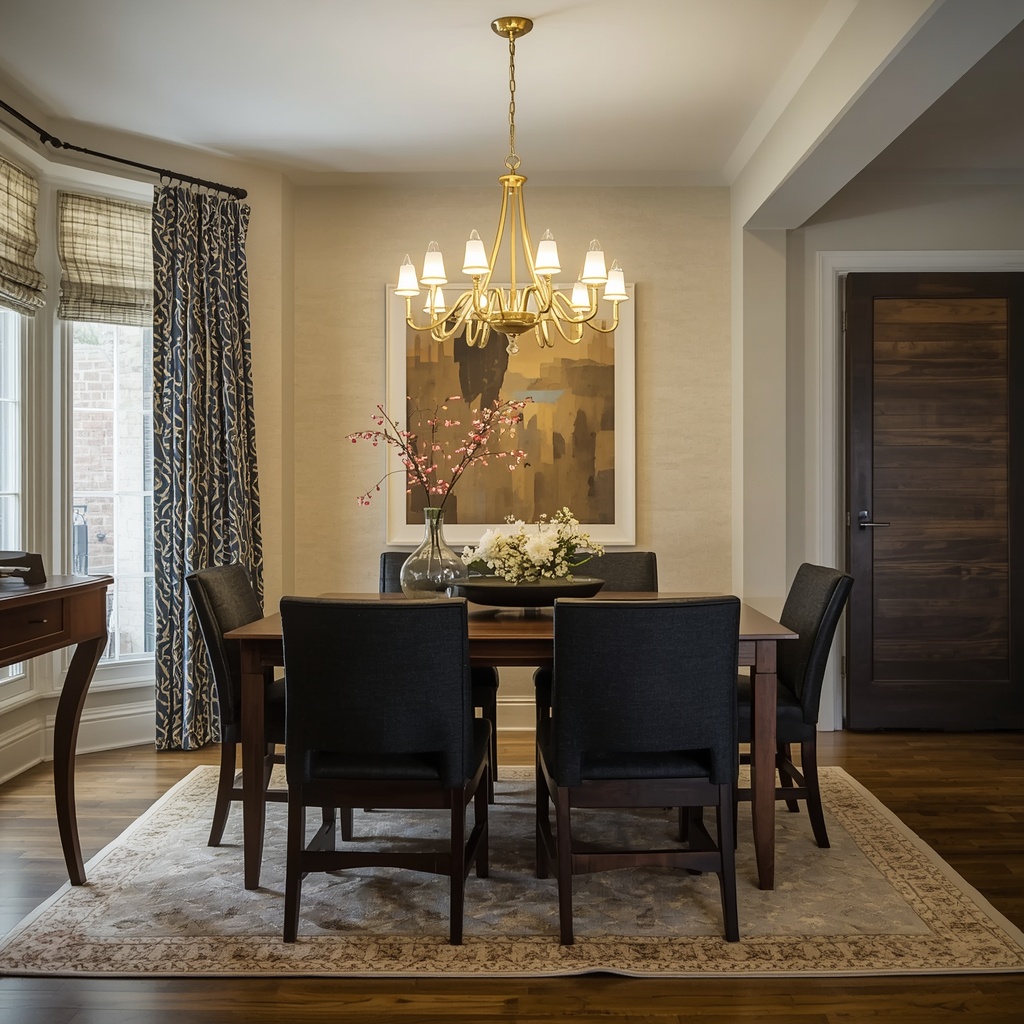
Aim to place at least one light source in every “activity zone” of your living room — the reading corner, the conversation area around the sofa, the media console. Stagger the heights of your fixtures too, since a room where every light sits at the same eye level feels flat, while a mix of floor-height, table-height, and wall-height sources creates the layered depth that makes a space feel professionally designed.
- Map out how you actually use the room — reading, TV, conversation, work
- Assign at least one light source to each activity zone
- Vary fixture heights: floor lamps low, table lamps mid, sconces or pendants high
- Position lamps so their light overlaps slightly, avoiding dark gaps between pools of light
- Save your brightest source for the zone you use most in the evening
Smart Controls and Dimmers: The Warmth Multiplier
Layering fixtures gets you halfway there; controlling them gets you the rest of the way. A room with five perfectly warm light sources that are all either fully on or fully off still isn’t as flexible as a room with dimmable controls on every layer.

Smart bulbs and plug-in smart dimmers let you create “scenes” — a bright, ambient-heavy setting for cleaning and daytime activities, and a low, accent-heavy setting for evenings and movie nights — without buying a single additional fixture. Many smart bulb systems also let you adjust color temperature on the fly, so the same bulb can shift from a crisp 3000K in the morning to a candle-like 2200K after sunset.
Pro Tip: Group your lamps and fixtures onto smart plugs controlled by one app or voice command. Instead of walking around switching on four separate lamps every evening, you get an instant, fully layered “cozy mode” with a single tap — the kind of small convenience that makes a warm living room something you actually use, not just admire.
Common Lighting Layering Mistakes to Avoid
Even well-intentioned lighting plans go wrong in predictable ways. Here are the mistakes I see most often in living rooms that feel “almost” warm but not quite there yet.
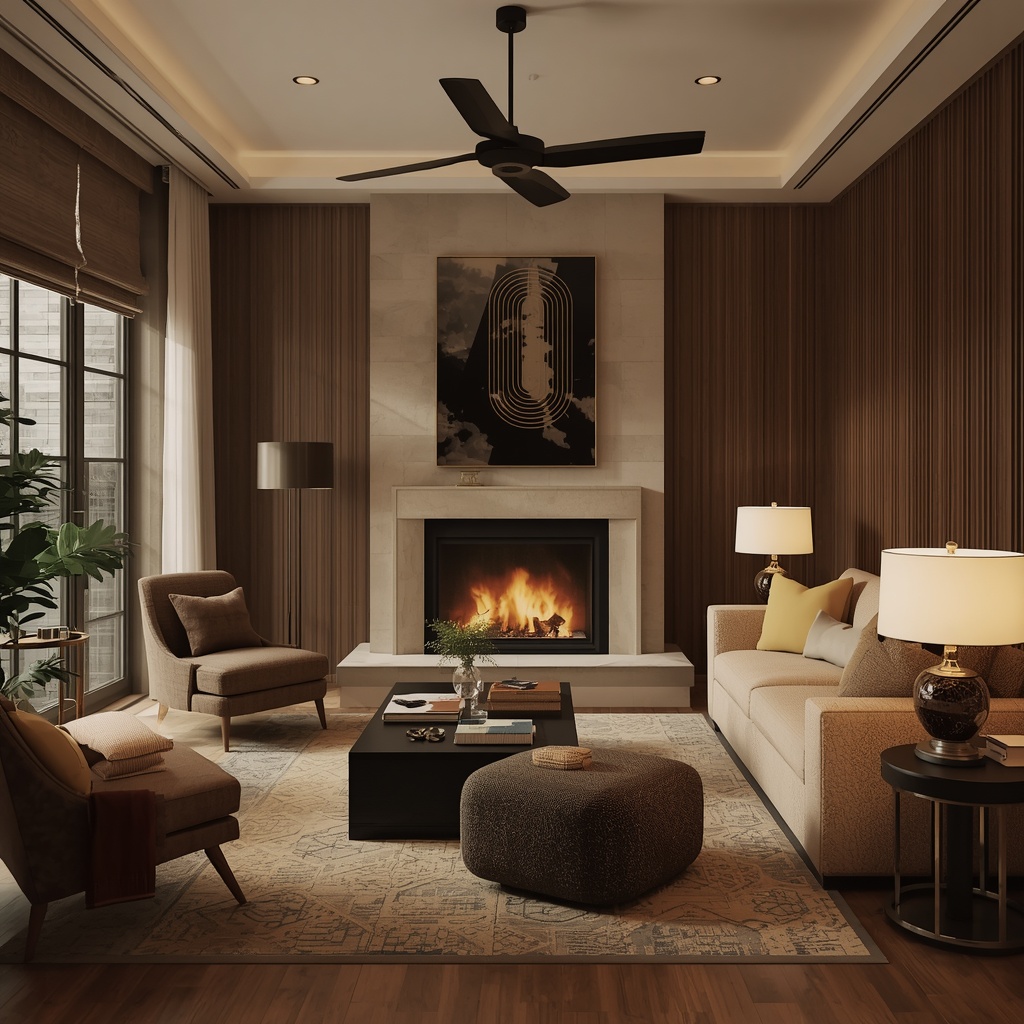
- Relying on a single overhead fixture as the only light source in the room
- Mixing cool white and warm white bulbs in the same space
- Placing lamps too far from seating, leaving dark, unused corners
- Choosing exposed bulbs or clear shades that create harsh glare
- Skipping accent lighting entirely and missing out on depth and drama
- Forgetting dimmers, which limits a room to one mood, day and night
Quick Shopping List for a Layered, Warm Living Room
If you’re starting from scratch, here’s a practical starter list that covers all four lighting layers without overwhelming your budget:
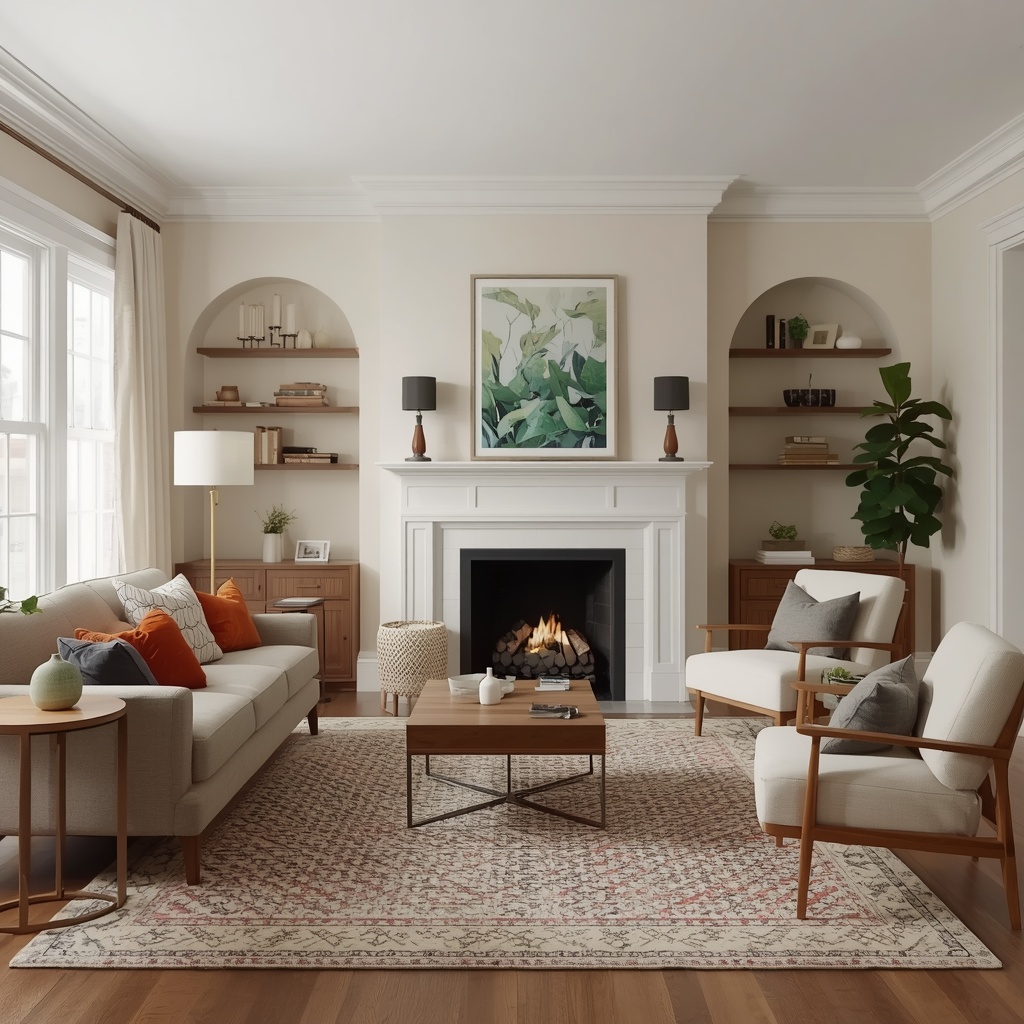
- One dimmable ambient fixture (flush mount, semi-flush, or torchiere floor lamp)
- Two table lamps with fabric shades in warm white (2700K) bulbs
- One floor lamp with an adjustable arm near your main seating area
- One picture light or set of LED strips for accent lighting
- A pack of warm white smart bulbs or a smart plug for scene control
- A few flameless candles or a lantern for decorative, flexible ambiance
Frequently Asked Questions
What’s the best Kelvin temperature for a cozy living room? Most designers, myself included, recommend staying between 2200K and 3000K for living rooms. This range mimics the warm, golden glow of candlelight and incandescent bulbs, which feels inherently more relaxing than cooler, bluer light.
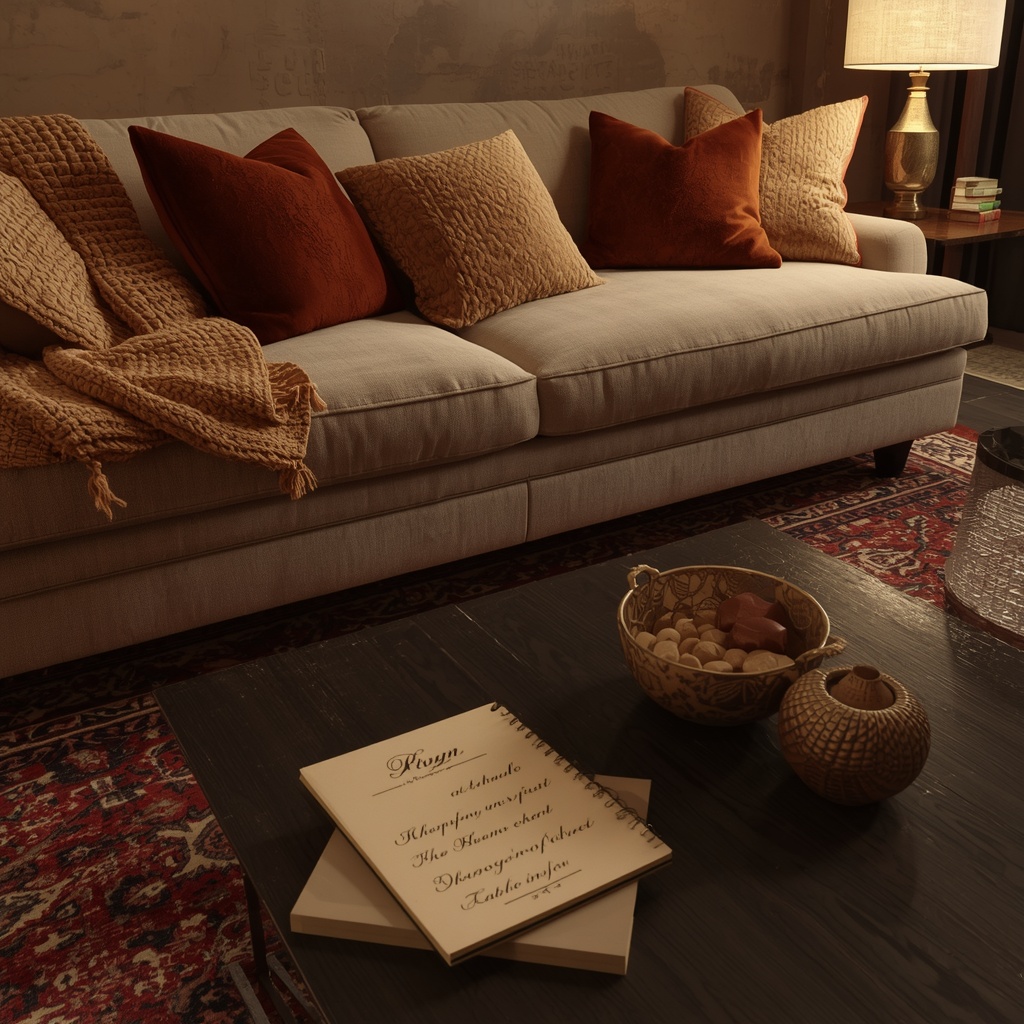
How many light sources should a living room have? As a general rule, aim for at least three distinct light sources at three different heights — for example, a floor lamp, a table lamp, and an accent light — rather than depending on a single ceiling fixture.
Can I layer lighting without hardwiring new fixtures? Absolutely. Plug-in floor lamps, table lamps, battery-operated LED strips, and smart bulbs let you build a fully layered lighting scheme in a rental or existing home without any electrical work.
Do all my bulbs need to match in color temperature? Yes, ideally. Mixing warm and cool bulbs in the same room is one of the most common reasons a space feels visually chaotic. Stick to one warm range — typically 2700K–3000K — throughout the living room for a cohesive look.
Bringing It All Together
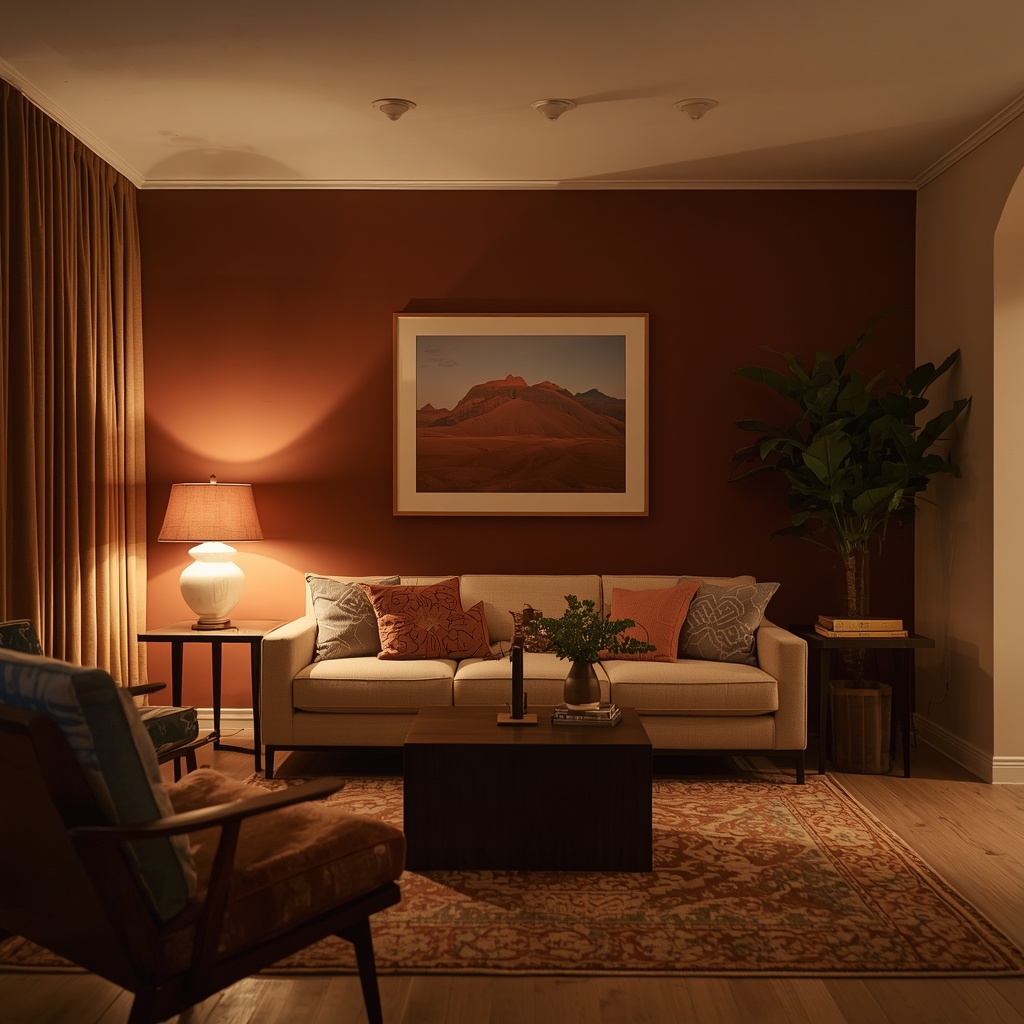
A warm, inviting living room isn’t the result of one perfect lamp or one lucky paint color — it’s the result of layers working together: ambient light setting the base mood, task light supporting how you actually use the room, accent light adding depth and drama, and decorative light bringing in personality and warmth. Add dimmers or smart controls, stay consistent with your Kelvin temperature, and place your fixtures thoughtfully across the room’s activity zones, and you’ll have a space that feels considered at every hour of the day.
Start small if you need to — a warm bulb swap and one new table lamp can transform a room in an afternoon — and build outward from there. Lighting layering isn’t about spending more; it’s about spending smarter, one warm, well-placed light source at a time.