
If you’ve ever wished you had a dedicated spot to breathe, decompress, and simply be, you’re not alone. As an interior designer who specializes in home decor for wellness-focused clients across the US, I’ve noticed a clear shift over the past few years: people don’t just want beautiful homes anymore — they want homes that make them feel calmer, grounded, and restored. A meditation corner is one of the simplest, most affordable ways to bring that intention into everyday living.
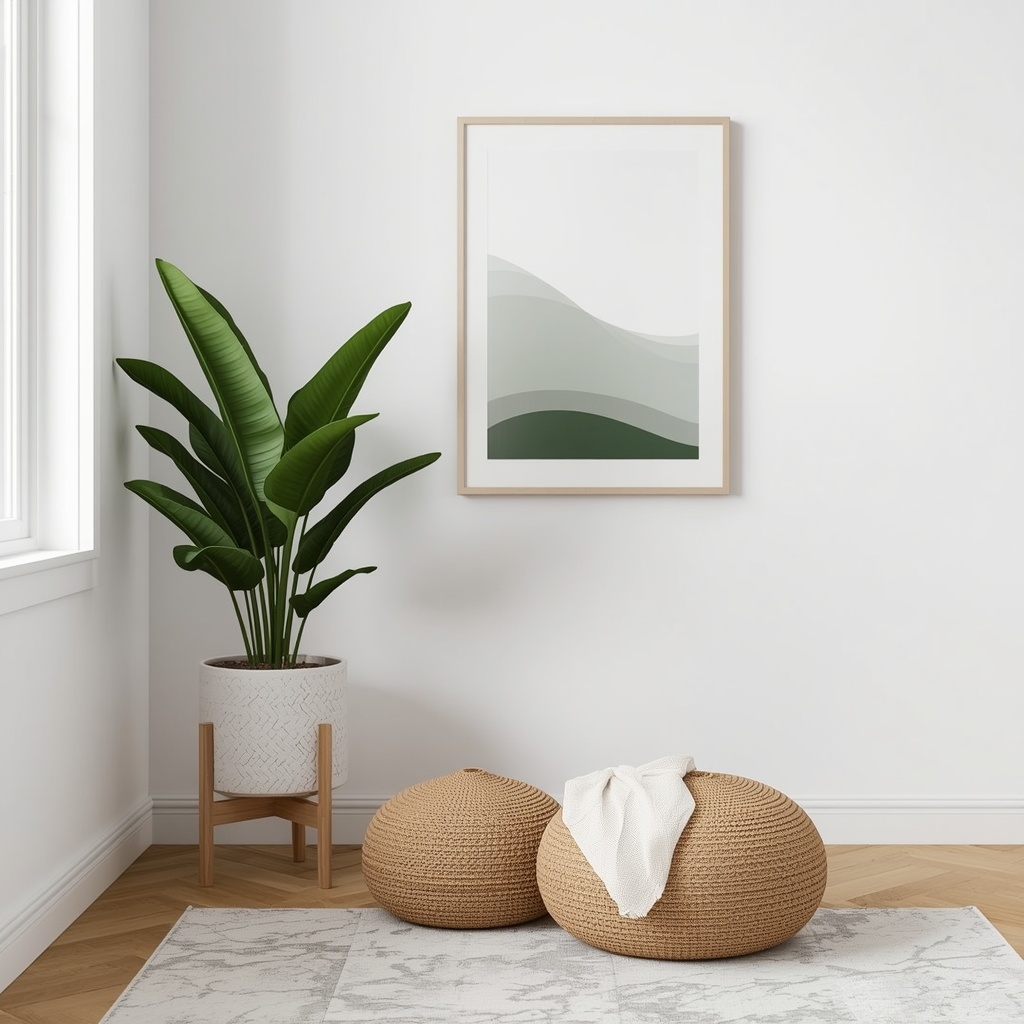
You don’t need a spare room, a five-figure renovation budget, or a Pinterest-perfect zen garden to make this work. What you need is a thoughtful approach to space, light, texture, and sound. In this guide, I’ll walk you through exactly how to design a meditation nook that fits your lifestyle, your square footage, and your personal sense of calm.
Why a Dedicated Meditation Space Matters
There’s a psychological reason a designated space works better than meditating wherever you happen to be sitting. Our brains associate specific environments with specific behaviors — it’s the same reason sleep experts tell you not to work from bed. When you consistently return to the same corner to meditate, your mind starts to recognize that spot as a cue for stillness, making it easier to drop into a relaxed state faster each time.
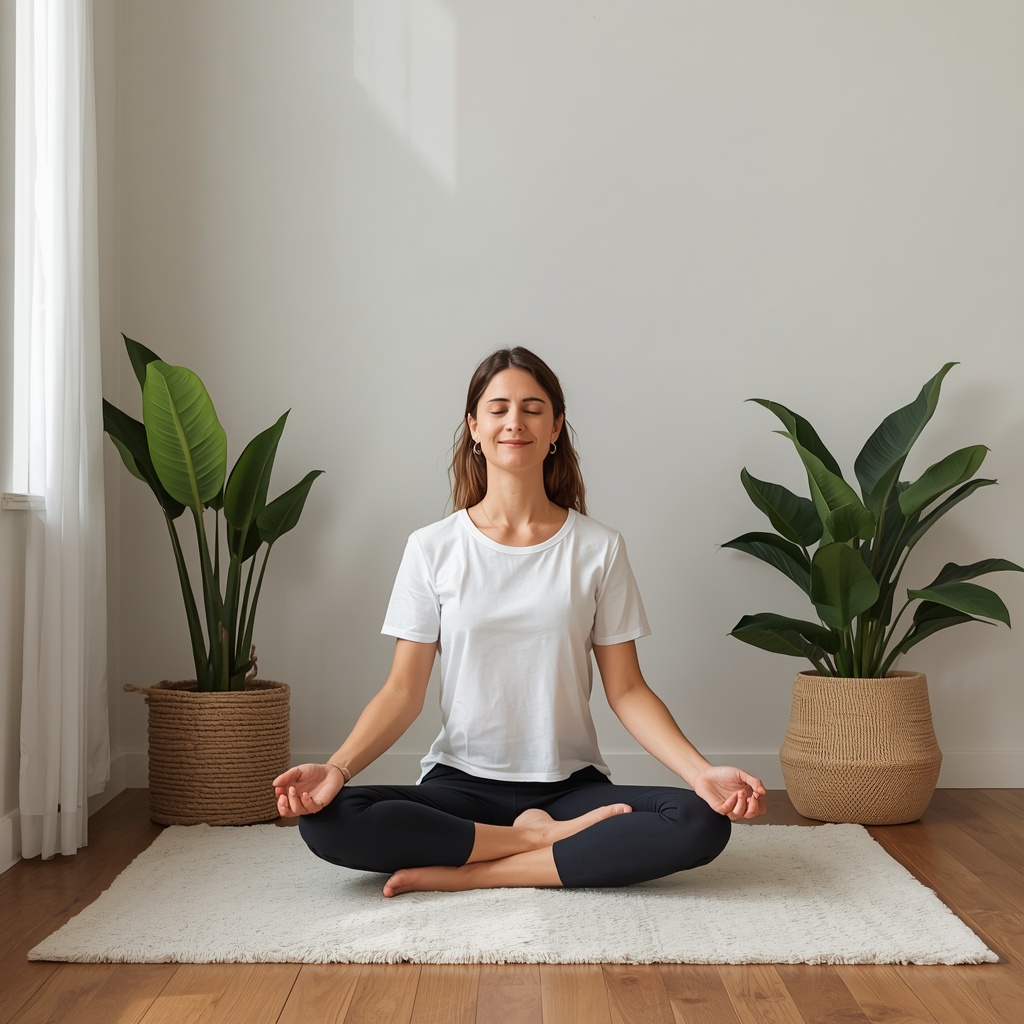
There’s also a growing body of research behind the practice itself. According to survey data compiled by the National Center for Complementary and Integrative Health (NCCIH), the share of U.S. adults who meditate more than tripled between 2012 and 2017. NCCIH-backed studies also point to a range of potential health benefits from regular meditation and mindfulness practice, including possible support for people managing anxiety and everyday stress. Designing a space that actually gets used is one way to help a good habit stick.
“A meditation corner isn’t about creating a shrine — it’s about creating a pause button you can press every single day.” — A principle I share with nearly every client who asks for a wellness space.
Choosing the Right Location in Your Home
Not every home has a spare room to convert into a full-blown wellness retreat, and that’s completely fine. The best meditation corner is the one you’ll actually use consistently, even if it’s tucked into a bedroom, a closet, or a quiet hallway alcove.
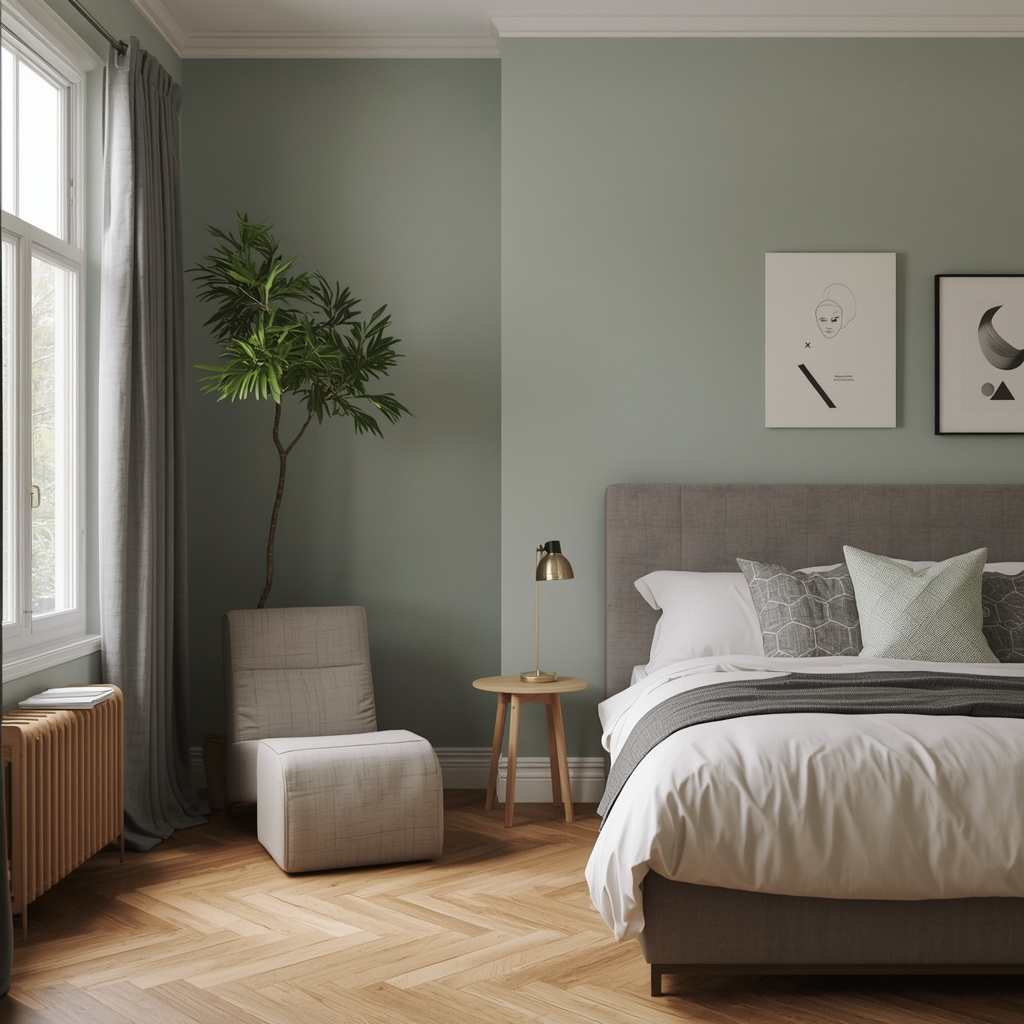
Look for a spot that gets minimal foot traffic and, ideally, some natural light. Corners near a window are wonderful because daylight naturally supports your circadian rhythm and mood. Avoid placing your space directly across from a TV, home office desk, or anything that visually signals “work” or “distraction” — the goal is a clean mental break from those associations.
Popular meditation corner locations for US homes:
- A quiet bedroom corner near a window
- An underused walk-in closet, cleared out and repurposed
- A nook beneath a staircase
- A covered porch, patio, or balcony corner
- A corner of a home office, separated visually with a screen or rug
- A converted reading nook or window seat
Pro Tip
Test a potential spot before committing furniture or decor to it. Sit there for five to ten minutes at different times of day — morning, midday, evening — and notice the light, noise level, and temperature. The right location should feel calm at the times you’re most likely to actually use it.
Essential Elements of a Wellness-Focused Meditation Space
Good meditation corner design isn’t about clutter or excess — it’s about curating a handful of elements that support stillness. Below is a quick-reference table of the core categories I recommend prioritizing when budgeting your space, along with why each one matters.

| Element | Purpose | Budget-Friendly Option | Higher-End Option |
|---|---|---|---|
| Seating | Physical comfort and posture support | Floor cushion or zabuton | Custom meditation bench |
| Lighting | Sets mood, supports circadian rhythm | Salt lamp or string lights | Dimmable smart lighting system |
| Textiles | Softens the space, adds warmth | Throw blanket, small rug | Wool area rug, linen drapery |
| Scent | Signals relaxation to the brain | Stick incense | Essential oil diffuser |
| Sound | Masks distraction, supports focus | Free meditation app | Tabletop sound machine or singing bowl |
| Storage | Keeps the space clutter-free | Small woven basket | Built-in cabinetry or floating shelf |
| Personal Touch | Makes the space feel meaningful | A single plant or photo | Curated art piece or altar |
Each of these categories doesn’t need to be expensive to be effective. In fact, some of the most peaceful meditation corners I’ve designed relied on secondhand furniture, a $20 rug, and excellent natural light rather than anything from a high-end catalog.
Color Psychology and Material Choices
Color has a measurable effect on mood, and this is where interior design and wellness genuinely intersect. For meditation spaces, I typically steer clients away from high-energy, saturated colors like bright red or neon orange, which can feel stimulating rather than calming.
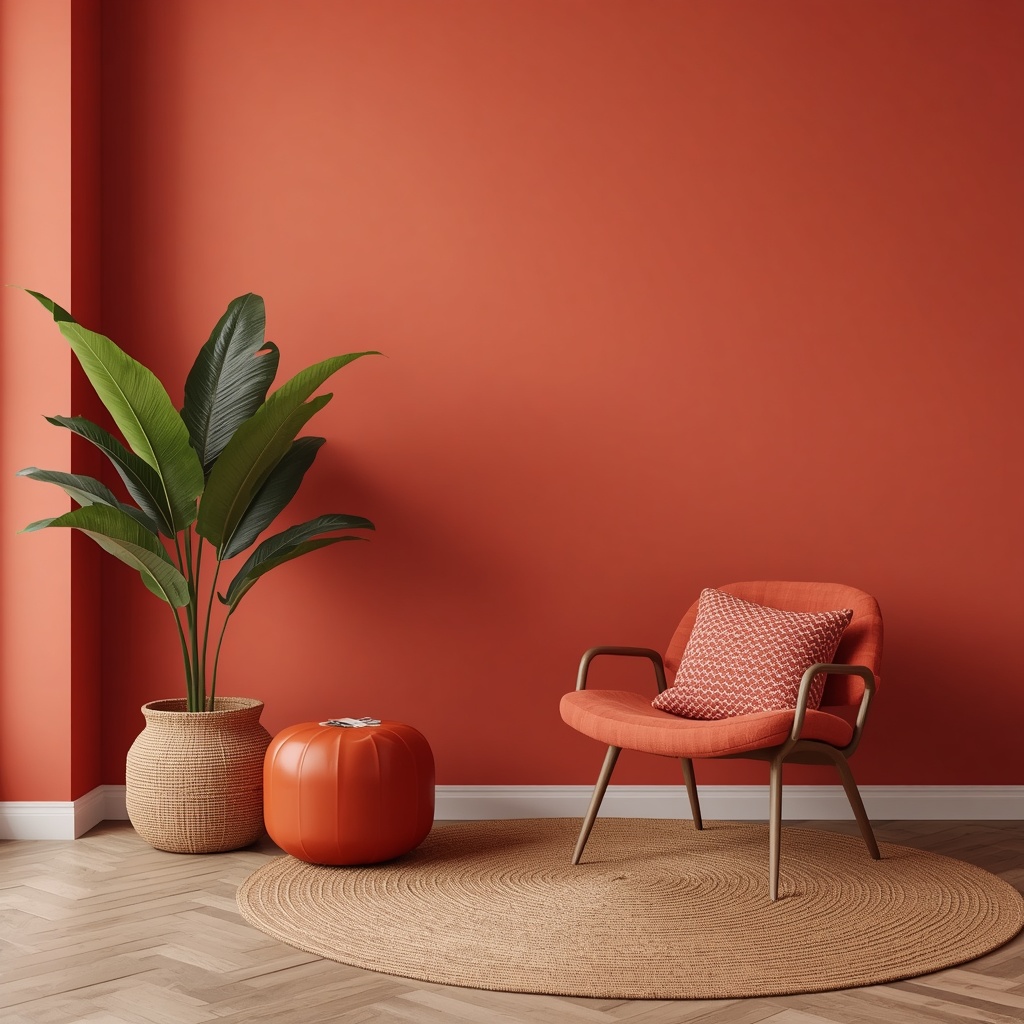
Instead, lean into a palette of muted, earthy, or soft neutral tones. These colors tend to lower visual stimulation and support a slower nervous system response, which is exactly what you want before or after a meditation session.
Recommended calming color palettes:
- Warm neutrals — cream, oatmeal, soft taupe
- Earth tones — terracotta, clay, sage green
- Cool blues and greens — dusty blue, eucalyptus, seafoam
- Muted lavender or dusty rose for a softer, feminine feel
- Deep charcoal or espresso as a grounding accent, used sparingly
Materials matter just as much as color. Natural, tactile materials — think linen, cotton, wool, unfinished wood, rattan, and stone — tend to feel more grounding than glossy, synthetic surfaces. When your hand touches a woven throw or a smooth wooden bowl, it reinforces the sensory experience of slowing down.
Lighting: The Most Underrated Design Element
If I had to pick the single most impactful design choice for a meditation corner, it would be lighting. Harsh overhead lighting is one of the fastest ways to make a wellness space feel clinical instead of calming.
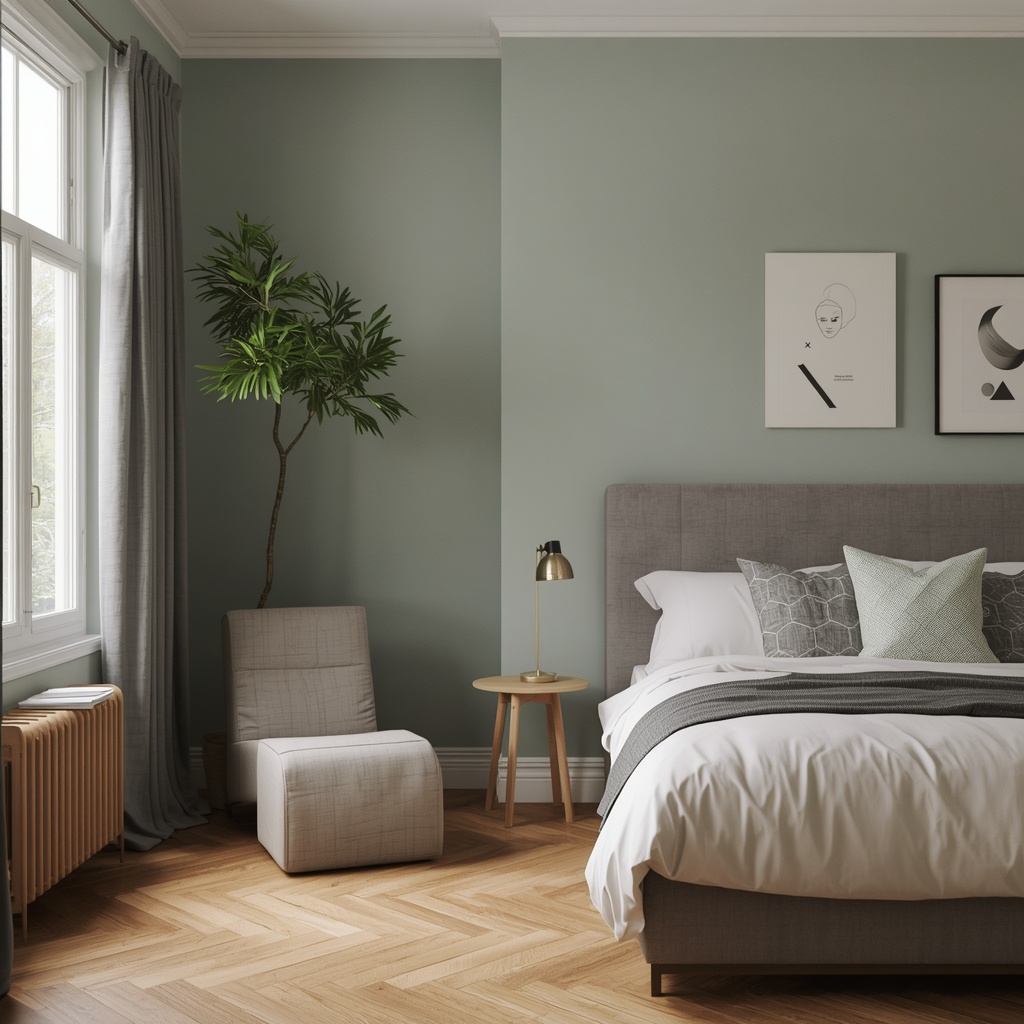
Prioritize layered, soft lighting instead of one bright overhead source. A combination of natural daylight, a warm-toned floor or table lamp, and perhaps a flickering candle or string lights creates visual depth without overstimulating your eyes. If your budget allows, a dimmable smart bulb lets you adjust brightness based on time of day or mood — bright and clear for a morning practice, dim and warm for an evening wind-down.
Sheer curtains are another excellent addition. They soften harsh daylight, add privacy, and give the corner a slightly ethereal, cocooned feeling that many people find instantly calming.
Sound, Scent, and Sensory Layering
A meditation corner engages more than just your eyes. The best wellness spaces layer multiple senses so that stepping into the space feels like an immediate shift in state.
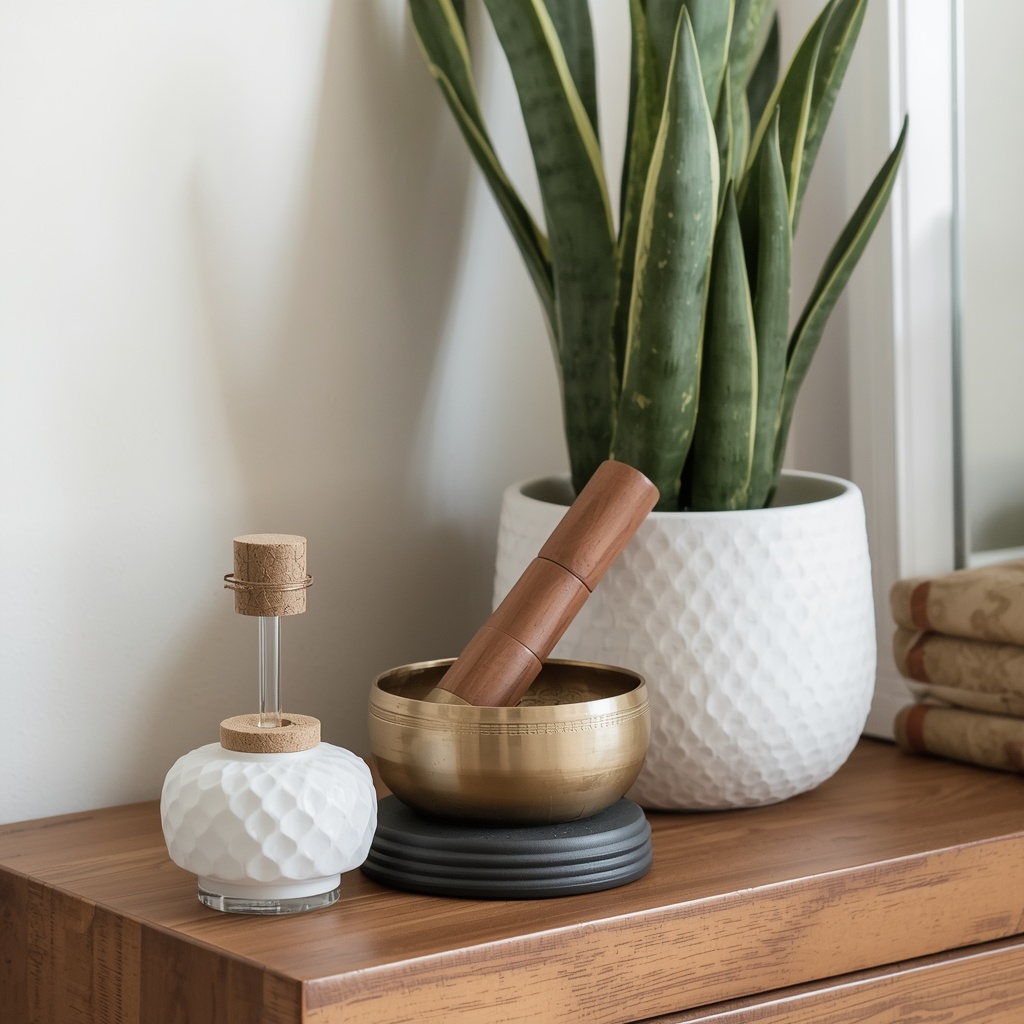
For sound, consider a small tabletop water fountain, a white noise machine, or a Tibetan singing bowl you can strike before and after your session. These act as sensory bookends that mark the beginning and end of your practice, similar to a meditation bell in a studio setting.
Scent is equally powerful because of how directly it’s tied to memory and emotion. Using the same calming scent — lavender, sandalwood, or palo santo, for example — every time you meditate can train your brain to associate that smell with relaxation, making it easier to settle in faster over time.
Pro Tip
Keep your sensory choices consistent. Using the same scent, sound, or lighting sequence every time you enter your meditation corner reinforces the mental association between “this space” and “time to relax,” similar to how a bedtime routine signals sleep to your body.
Furniture and Seating Options
Comfort is non-negotiable, but comfort doesn’t mean a plush recliner or a mountain of pillows. Meditation seating should support an alert, upright posture while still feeling soft enough to sit in for ten to thirty minutes without discomfort.
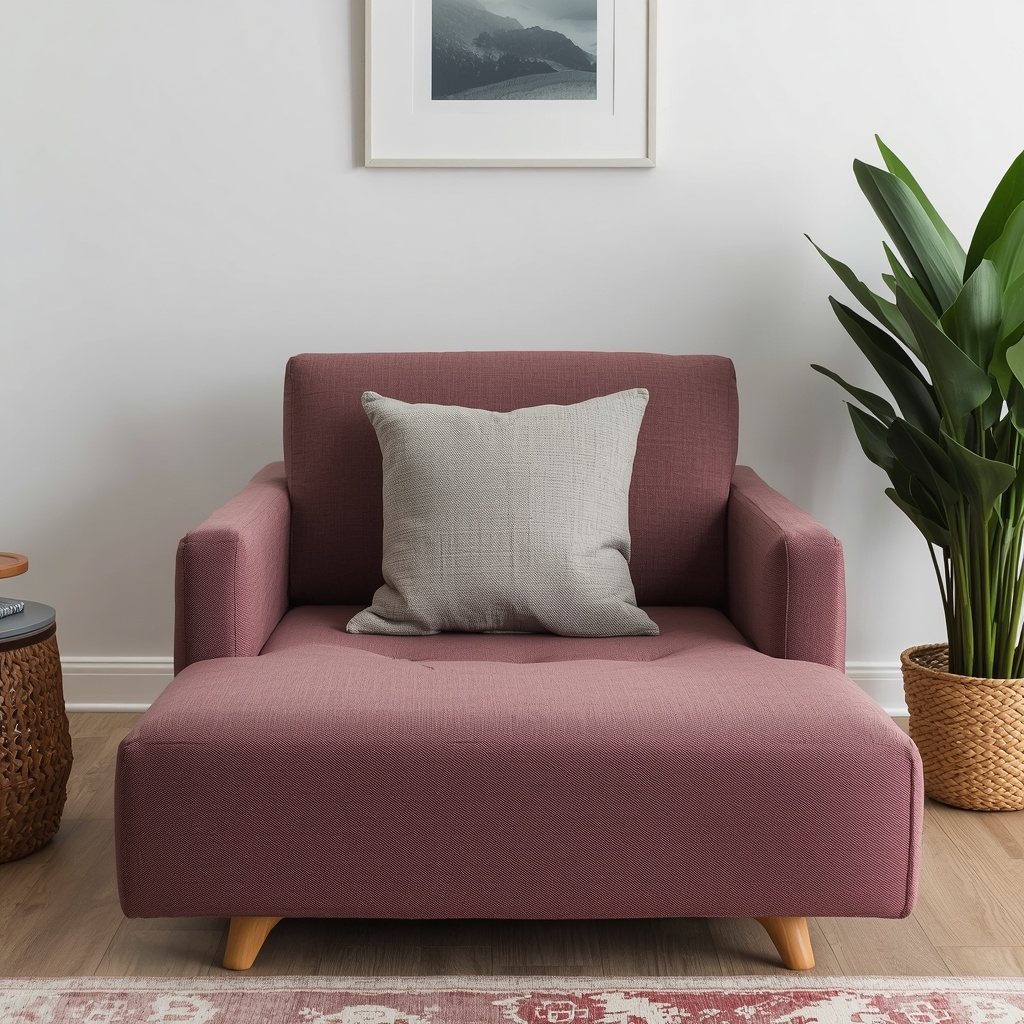
Here are the most common seating options I recommend to clients, depending on their flexibility, space, and existing mobility considerations:
- Meditation cushion (zafu): Ideal for floor-sitting with crossed legs; elevates the hips for better spinal alignment
- Meditation bench (seiza): A kneeling-style bench that takes pressure off the knees and ankles
- Low armless chair: A great option for those who find floor-sitting uncomfortable
- Window seat or built-in bench: Doubles as storage and seating in smaller homes
- Floor pouf paired with a folded blanket: An affordable, flexible option that can be moved or stored easily
Whatever you choose, make sure the seat height and firmness genuinely work for your body. A meditation corner that causes back or knee pain will get used exactly once.
Adding Personal and Spiritual Touches
This is where your meditation corner becomes truly yours rather than a generic showroom vignette. Some clients want a completely secular, minimalist space with nothing but a cushion and a plant. Others want a small altar with candles, crystals, or meaningful objects tied to a spiritual or religious practice.

Neither approach is more “correct” than the other — what matters is that the space reflects what actually helps you feel centered. A few ideas that tend to resonate across different backgrounds and preferences:
- A single meaningful photograph or piece of art
- A small plant, such as a peace lily, snake plant, or eucalyptus branch
- A handwritten intention or affirmation card
- A collection of stones, crystals, or shells from meaningful places
- A small bell, bowl, or object used to mark the start and end of practice
Keep this layer light. The goal is a few intentional objects, not a display shelf. Too many items pull focus and can make the space feel more like a curio cabinet than a place of stillness.
Small-Space Solutions for Apartments and Shared Homes
Not everyone has a spare room, and that’s genuinely fine — some of the coziest meditation corners I’ve designed have been carved out of studio apartments and shared bedrooms. The trick is using visual boundaries rather than physical walls to define the space.
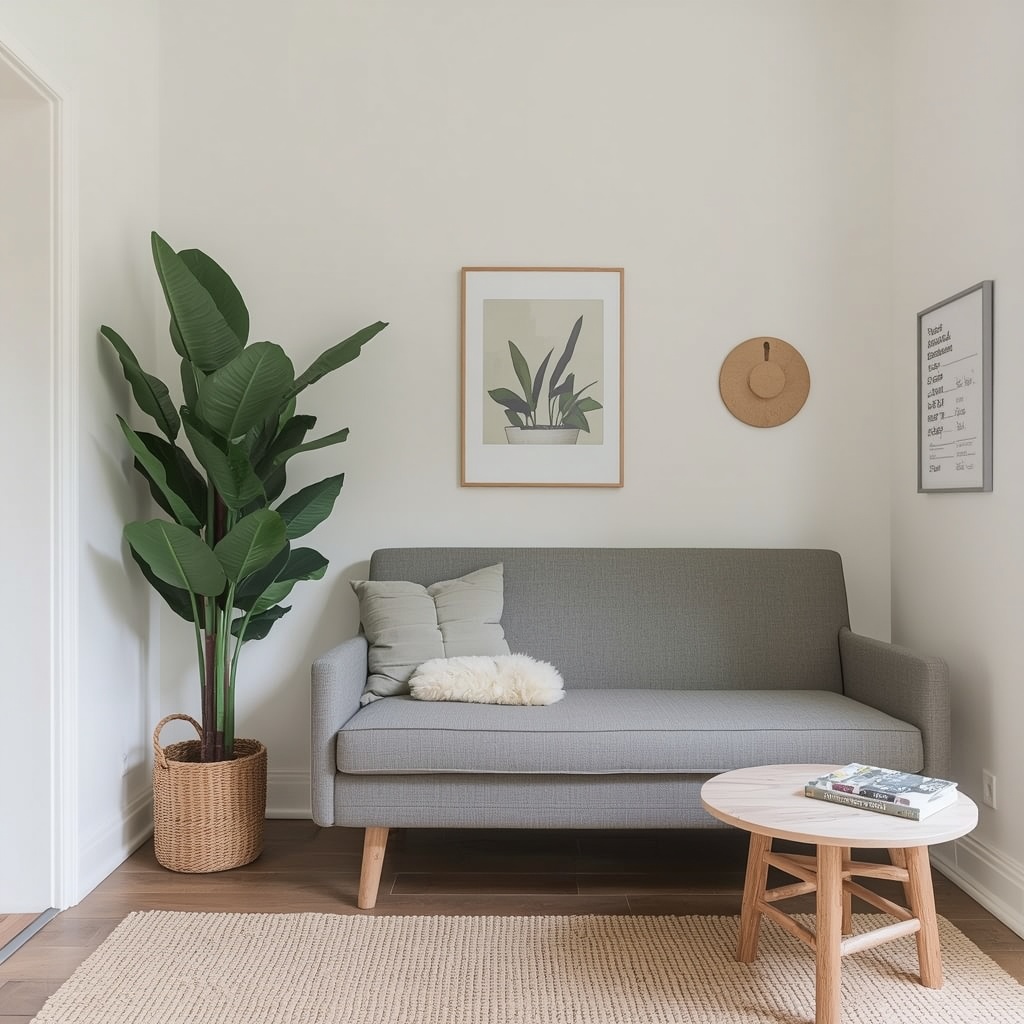
A folding screen, a hanging plant, a rug that clearly marks “this zone is different,” or even just a curtain on a tension rod can psychologically separate a meditation corner from the rest of a room. Vertical space is your friend too — a wall-mounted shelf for candles or a plant frees up floor space while still adding warmth.
| Small-Space Challenge | Design Solution |
|---|---|
| No spare room | Use a bedroom or closet corner |
| Roommates or shared living | Define space with a folding screen or curtain |
| No natural light | Add a warm-toned lamp and mirror to bounce light |
| Limited floor space | Choose a window seat or wall-mounted shelf |
| Noise from neighbors | Add a rug, curtains, and a small sound machine |
Maintaining Your Meditation Corner Long-Term
A wellness space only works if it stays inviting, which means it needs a little ongoing care — not unlike tending a small garden. Dust and clutter accumulate quickly in corners, and a messy meditation nook sends the opposite signal of the one you’re going for.
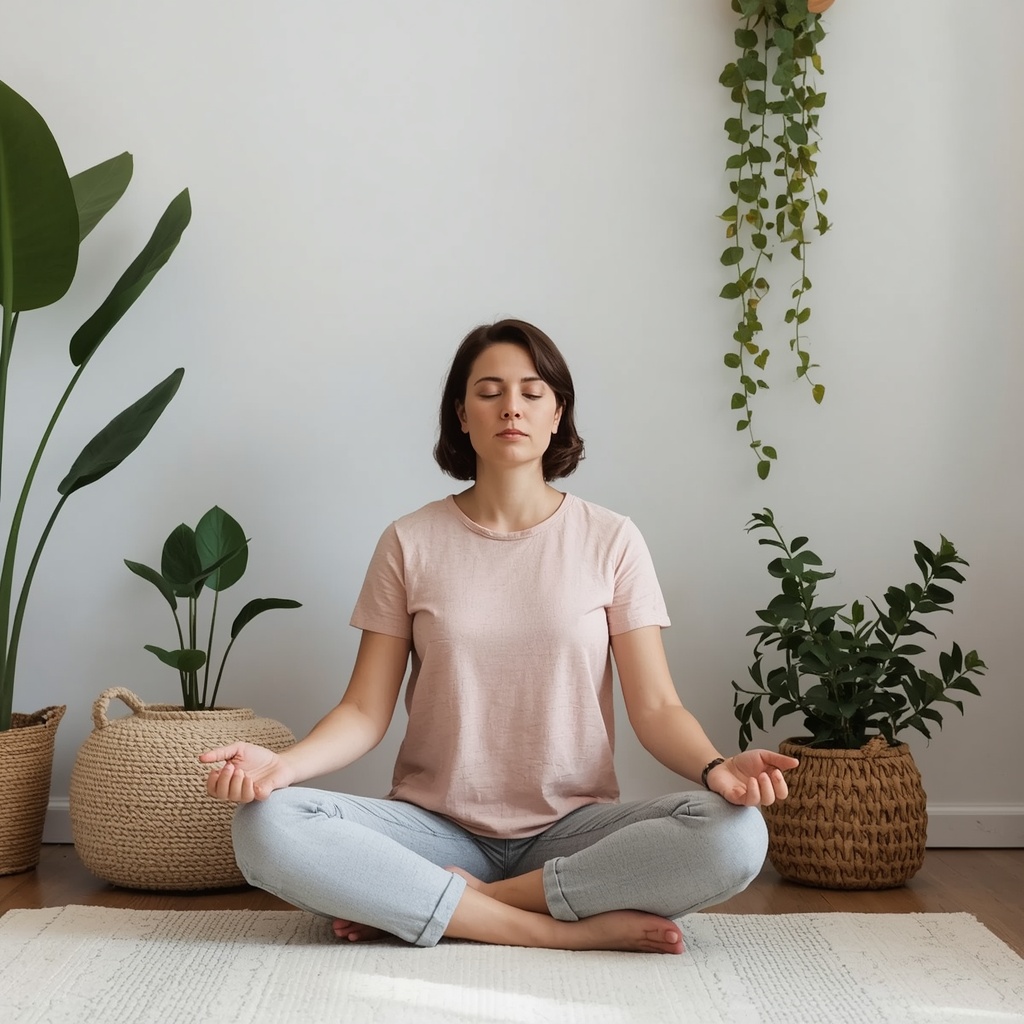
Set a simple weekly habit: tidy the space, refresh water in any plants, and swap out candles or diffuser oils as needed. If you notice you’ve stopped using the corner, treat that as useful information rather than a failure — it usually means something about the location, lighting, or comfort needs adjusting rather than that meditation “isn’t for you.”
Research backs up the value of consistency here too. <cite index=”4-1″>A 2017 review of research on meditation and physiological markers of stress found that focused attention meditation reduced blood pressure and cortisol levels</cite>, and <cite index=”6-1″>a study funded by the National Center for Complementary and Integrative Health found that participants using mindfulness-based stress reduction saw continued improvement in chronic low-back pain at 52 weeks</cite> — well past the initial eight-week program. The benefits of meditation tend to compound with regular practice, which is exactly why a dedicated, welcoming space matters so much.
Final Thoughts
Designing a meditation corner isn’t about following a strict formula — it’s about paying attention to what genuinely helps your mind and body settle. Start small. Choose one quiet corner, add a comfortable seat, soften the lighting, and layer in a scent or sound that feels calming to you. You can always build from there.
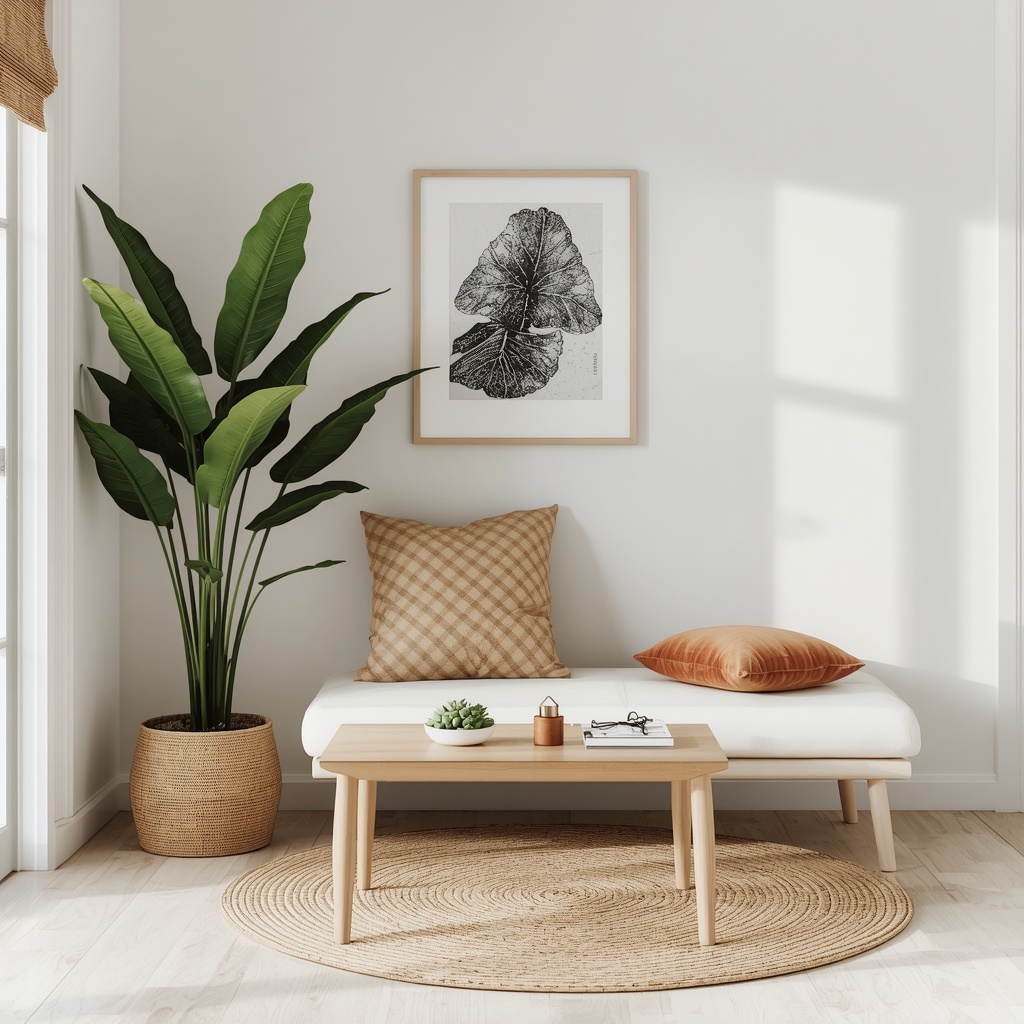
The most successful wellness spaces I’ve designed for clients weren’t the most expensive or elaborate — they were the ones that felt personal, uncluttered, and easy to return to again and again. Your meditation corner doesn’t need to be Instagram-perfect. It just needs to be a place where you feel, even for a few minutes a day, genuinely at ease.