
If you’ve been scrolling home decor inspiration and stopping every time you see a bold, angular accent wall, you’re not alone. Geometric accent walls have become one of the most requested features in American homes over the last few years, and for good reason. They deliver designer-level impact without designer-level cost, and — best of all — you can create one yourself with nothing more than painter’s tape, a level, and a weekend afternoon.

As an interior designer who has guided countless homeowners through DIY wall makeovers, I can tell you that geometric painted walls are one of the highest-ROI projects in home decor. They cost a fraction of wallpaper or accent tile, they’re endlessly customizable, and they photograph beautifully for anyone who loves sharing their space online. In this guide, I’ll walk you through everything from planning your layout to executing crisp, professional-looking lines using tape and paint.
Why Geometric Accent Walls Are Trending in Modern Home Decor
Interior design trends move quickly, but geometric patterns have real staying power because they work with almost any style — mid-century modern, Scandinavian minimalism, boho eclectic, or contemporary farmhouse. Unlike a single block of paint color, a geometric accent wall introduces movement, rhythm, and visual interest to a room without requiring you to change furniture or flooring.

Geometric walls also solve a common design dilemma: how do you make a statement without overwhelming a small space? A well-placed triangle motif or diagonal stripe pattern can elongate a room, draw the eye upward, or create the illusion of added square footage. This is especially valuable in apartments, rentals, and starter homes where structural changes aren’t an option, but visual transformation is very much on the table.
“A geometric accent wall is essentially wearable art for your home — it lets you express personality and design confidence using tools you probably already own.”
Choosing the Right Wall and Room for Your Geometric Design
Before you pick up a roll of tape, take stock of the room. Not every wall is a good candidate for a geometric feature, and choosing correctly will save you time and paint.
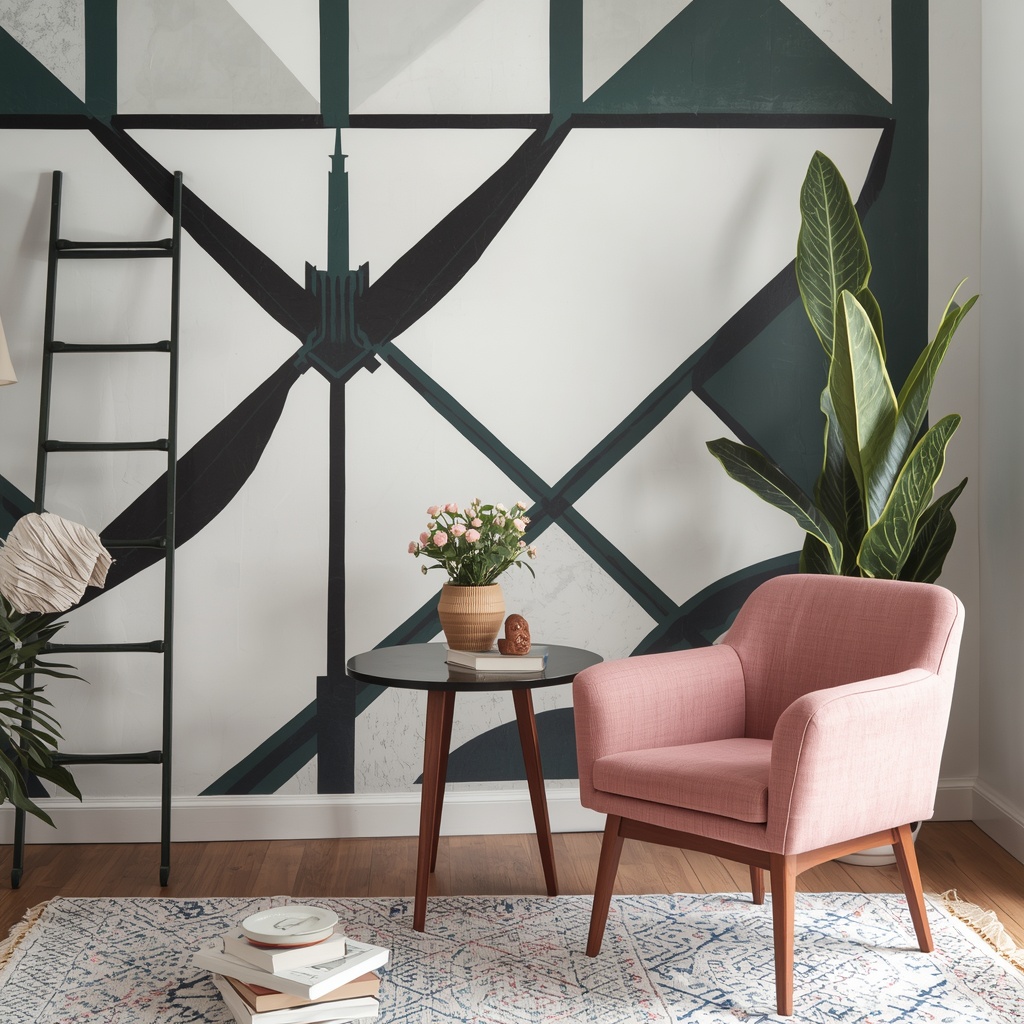
Best candidates for a geometric accent wall:
- A wall free of windows, outlets, or heavy trim work
- The wall your eye naturally lands on when entering the room
- A wall behind a bed, sofa, or dining table (natural focal points)
- Walls in home offices, nurseries, or entryways that could use personality
- Stairwell walls, which are perfect for chevron or diagonal stripe patterns
Walls to avoid or approach carefully:
- Walls with textured or heavily uneven drywall (tape won’t seal cleanly)
- Walls interrupted by multiple doors or windows
- Very small walls under 4 feet wide, where geometric patterns can feel cramped
Once you’ve selected your wall, think about the room’s existing color palette. Geometric accent walls work best when they pull one or two shades from your existing decor — a throw pillow, a rug, or even a piece of art — so the wall feels intentional rather than disconnected.
Essential Tools and Materials for a Flawless Finish
Professional-looking results come down to preparation and the right supplies. Skimping here is the number one reason DIY geometric walls end up with bleed marks or crooked lines.
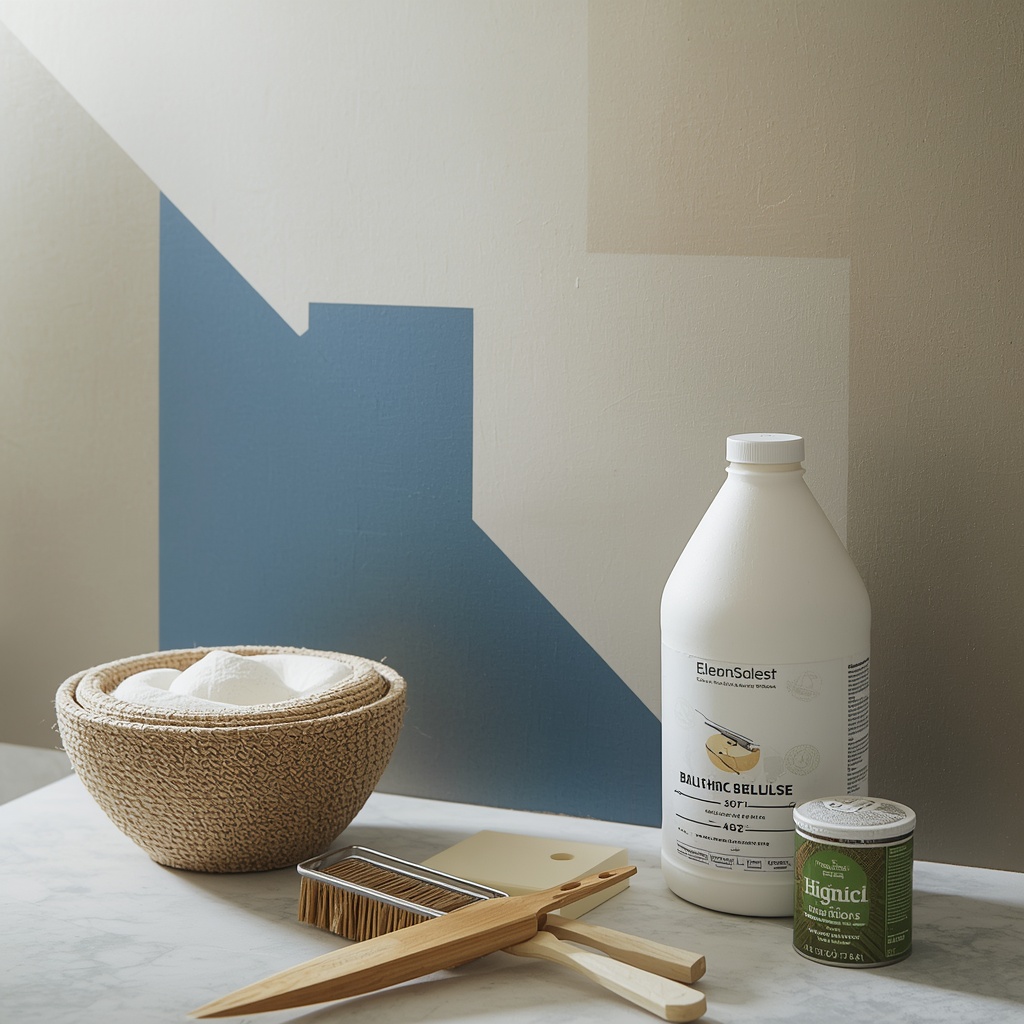
| Tool/Material | Purpose | Recommended Type |
|---|---|---|
| Painter’s tape | Creates clean paint lines | Sharp-edge or “no bleed” tape (2 inch width for straight lines) |
| Laser level | Ensures straight, true lines | Self-leveling cross-line laser |
| Chalk line or yardstick | Marks long straight guides | Standard carpenter’s chalk line |
| Pencil | Marks measurements lightly | HB or #2 pencil |
| Sample-size paint pots | Test colors before committing | Matte or eggshell finish |
| Angled paint brush | Cuts in edges precisely | 2-inch angled sash brush |
| Small foam roller | Smooth application in tight geometric shapes | 4-inch mini roller |
| Burnishing tool | Seals tape edges to prevent bleed | Plastic putty knife or old gift card |
| Drop cloth | Protects flooring | Canvas or plastic sheeting |
Semantic keyword note for readers researching materials: you’ll often see this project referred to as a “tape and paint wall,” “DIY geometric mural,” “accent wall stencil alternative,” or “angular paint design.” They all describe the same core technique.
Planning Your Geometric Pattern: Sketch Before You Tape
This is the step most DIYers skip — and the one that separates a Pinterest-worthy wall from a lopsided mess. Before any tape touches the wall, sketch your design on paper or in a free design app, and measure your actual wall dimensions so your pattern scales correctly.
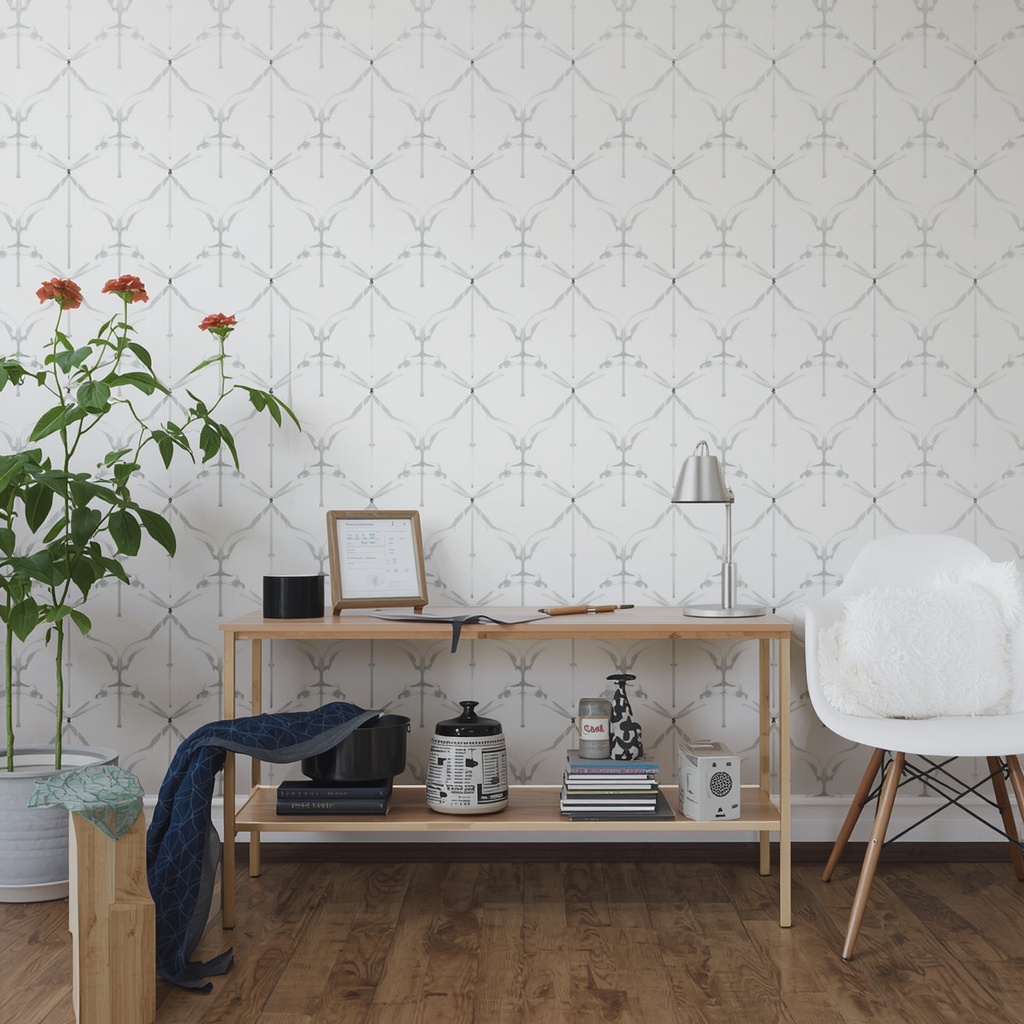
Popular geometric layouts for accent walls include:
- Triangle mountain range — asymmetric triangles in graduating shades, popular in nurseries and bedrooms
- Chevron or herringbone stripes — diagonal zigzag patterns that add energy to hallways
- Color-blocked diamonds — large-scale diamond shapes in two or three tones
- Sunburst or rays — radiating lines from a central point, striking behind a bed headboard
- Grid or windowpane — clean rectangular sections, ideal for modern and minimalist interiors
- Ombre triangles — a gradient effect using three to five shades of the same color family
Pro Tip: Photograph your wall, then use a free design tool (like Canva or even PowerPoint) to draw shapes directly over the photo. This lets you preview scale and color placement before committing to a single strip of tape — and it’s the single best way to avoid “wall regret.”
Step-by-Step: Tape and Paint Technique for Crisp Geometric Lines
Once your design is finalized and your base coat has fully cured (at least 24 hours), it’s time to execute.

Step 1: Prep the wall. Clean the surface with a damp cloth to remove dust, then apply your base color if the wall isn’t already painted in your desired background shade. Let it dry completely — painting geometric lines on a still-curing base coat is a leading cause of tape pulling up wet paint.
Step 2: Mark your design. Using a laser level, yardstick, and pencil, lightly transfer your sketched geometric pattern onto the wall. Work in small sections and double-check angles with a level as you go; even a two-degree tilt becomes very noticeable across a full wall.
Step 3: Apply painter’s tape along your pencil lines. Press the tape down firmly, then run a burnishing tool (or old gift card) along every edge. This step is non-negotiable — it seals microscopic gaps in the tape that would otherwise let paint bleed underneath.
Step 4: Seal the tape edge with your base color. This technique, often called “paint bleed-proofing,” involves painting a thin layer of your existing base color directly over the taped edge before switching to your accent color. Since the base color matches what’s already there, any bleed-through is invisible. Let this seal coat dry for 15–20 minutes.
Step 5: Apply your accent color(s). Using a foam roller for larger geometric shapes and an angled brush for tight corners, apply two thin coats rather than one thick coat. Thin coats dry more evenly and reduce the risk of paint pooling at tape edges.
Step 6: Remove the tape at the right time. Pull tape slowly at a 45-degree angle while the final coat is still slightly tacky (usually 20–30 minutes after painting, not after full drying). This prevents flaking and gives you the sharpest possible line.
Step 7: Touch up with a small artist’s brush. Even careful taping occasionally leaves a tiny imperfection. A fine brush and steady hand fix this in minutes.
“The secret every professional painter knows is that the seal coat step is what separates amateur accent walls from ones that look custom-built. Skip it, and you’ll see it.”
Color Palette Strategies for Geometric Accent Walls
Color selection can make or break your geometric design. Here are combinations that consistently work well in American homes, based on current interior color trend data and classic design theory:
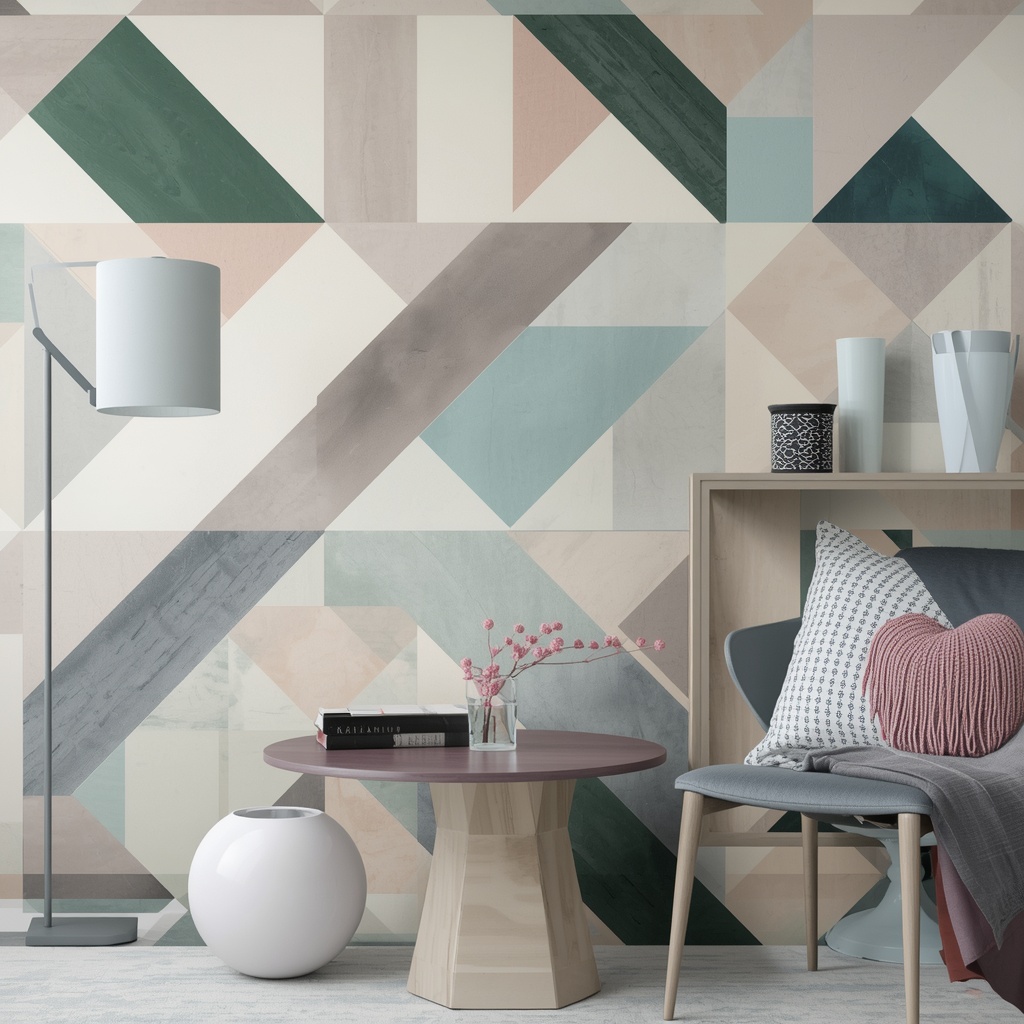
- Monochromatic gradient: Three to five tonal shades of the same hue (e.g., navy to powder blue) for a sophisticated, calming effect
- Complementary contrast: Terracotta and sage green, or mustard and charcoal, for bold, energetic spaces
- Neutral plus one accent: Warm white or greige base with a single saturated color (deep forest green, burnt orange, or clay) for maximum versatility
- Black and white geometric: High-contrast graphic patterns for modern, gallery-style interiors
- Metallic accent line: A thin painted line in metallic gold or copper along shape edges for a glam upgrade
| Room Type | Recommended Palette Style | Suggested Colors |
|---|---|---|
| Living Room | Neutral plus one accent | Greige + deep terracotta |
| Bedroom | Monochromatic gradient | Dusty rose to blush |
| Nursery | Ombre triangles | Sage green tones |
| Home Office | Complementary contrast | Navy + mustard |
| Entryway | Black and white geometric | Charcoal + warm white |
| Dining Room | Metallic accent line | Deep green + brushed gold |
Common Mistakes to Avoid
Even experienced DIYers run into these pitfalls, so keep an eye out:
- Skipping the base-color seal coat, resulting in visible paint bleed
- Using low-quality or old painter’s tape that has lost adhesion
- Not accounting for baseboards, outlets, and trim in the pattern layout
- Applying paint too thick, causing drips along tape lines
- Removing tape too late, which can peel dried paint away with it
- Choosing a pattern that’s too small-scale for a large wall (it can read as busy rather than intentional)
- Forgetting to test your color combination in the room’s actual lighting before painting the full design
Maintaining and Refreshing Your Geometric Wall
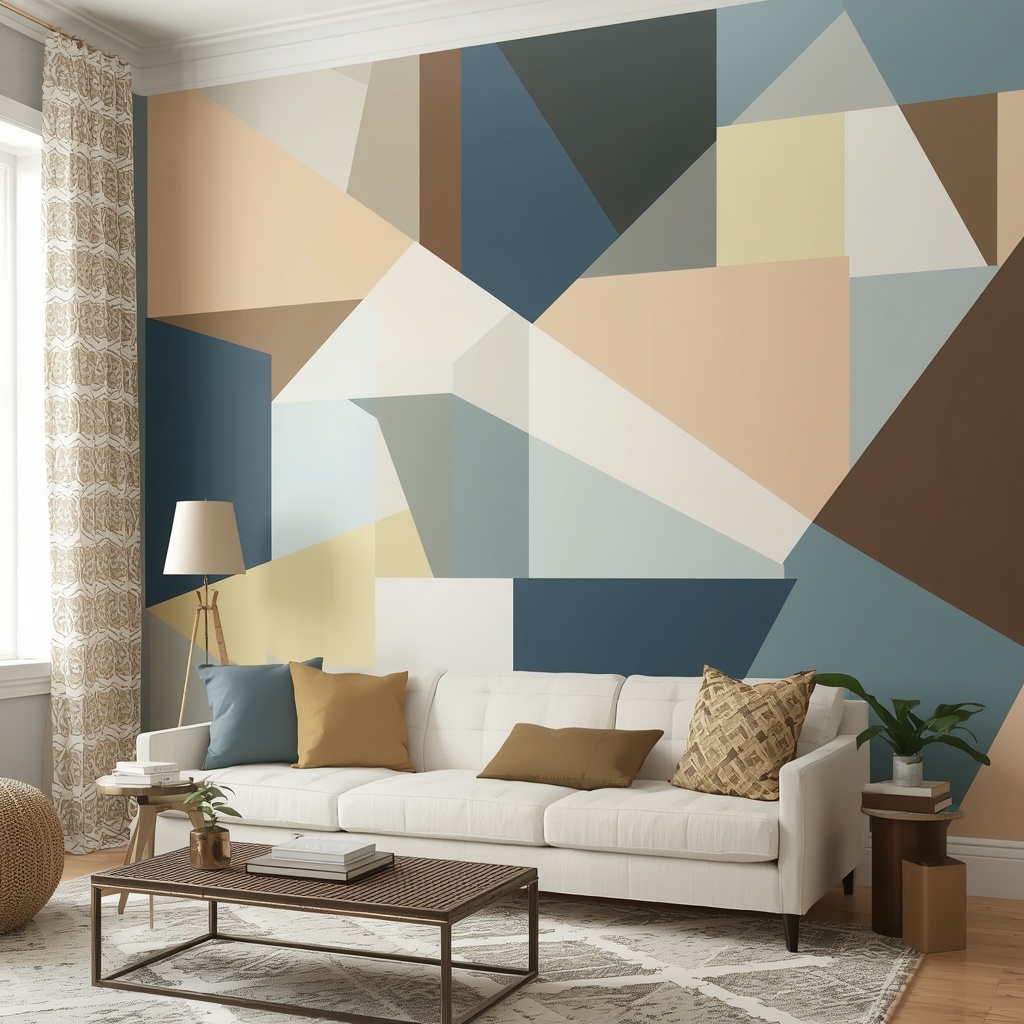
Because this is a painted finish rather than wallpaper, geometric accent walls are low-maintenance and easy to touch up. Keep leftover paint labeled and stored for quick fixes to scuffs or nicks. If you want to refresh the look seasonally, consider designing your geometric pattern so that only one or two shapes need repainting to shift the color story — a smart way to update your home decor without redoing the entire wall.
Final Thoughts
A geometric accent wall is one of the most rewarding weekend projects in home decor: affordable, fully customizable, and dramatic in its before-and-after impact. With a clear plan, quality painter’s tape, and a little patience during the seal-coat step, you can achieve a finish that looks like it came from a professional design studio — all while keeping full creative control over color, pattern, and scale.
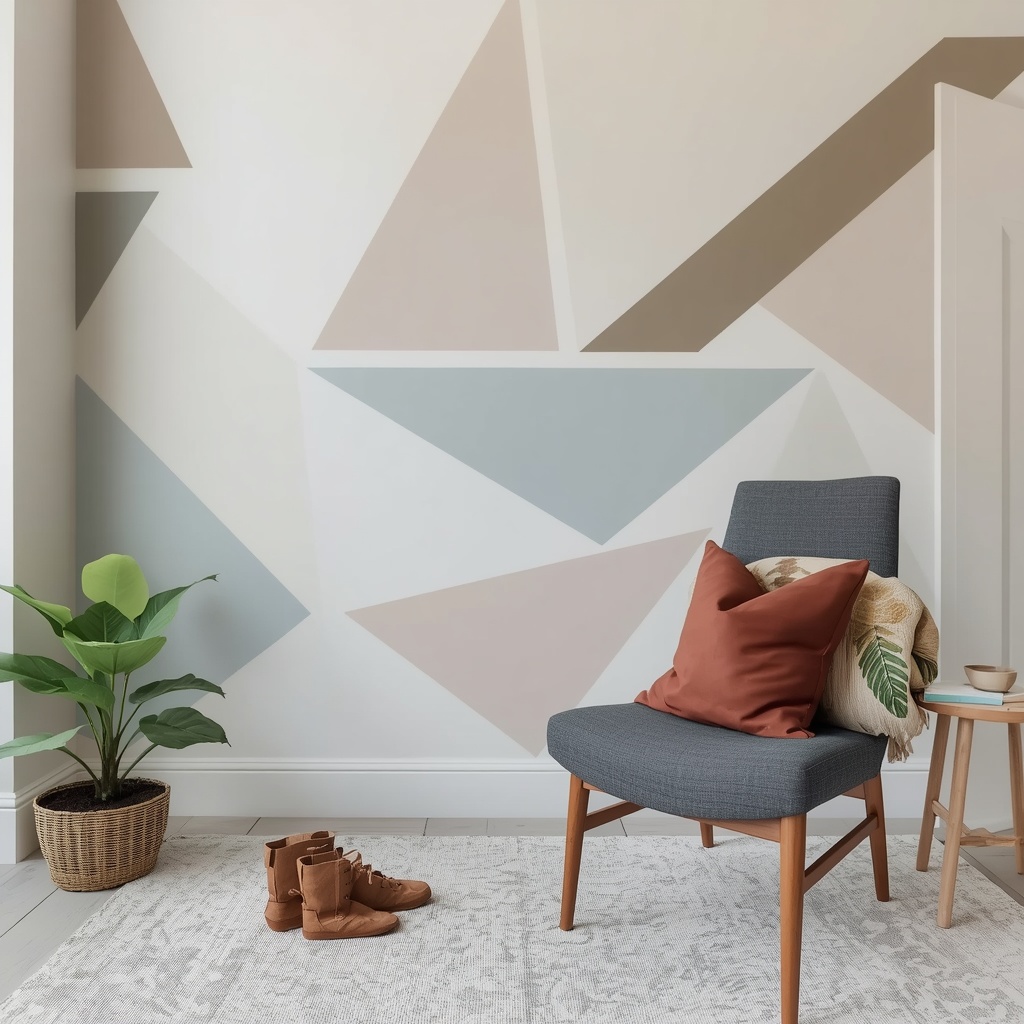
Whether you’re drawn to a soft ombre triangle motif in a nursery or a bold color-blocked diamond pattern in a living room, the tape-and-paint method remains one of the most accessible ways to bring high-impact, on-trend design into any American home.