
Your outdoor space works just as hard as any room inside your home, yet it’s often the last place homeowners think to design intentionally. Once the sun goes down, a beautifully landscaped patio or a charming front porch can fade into darkness, losing all the warmth and personality you worked so hard to create.
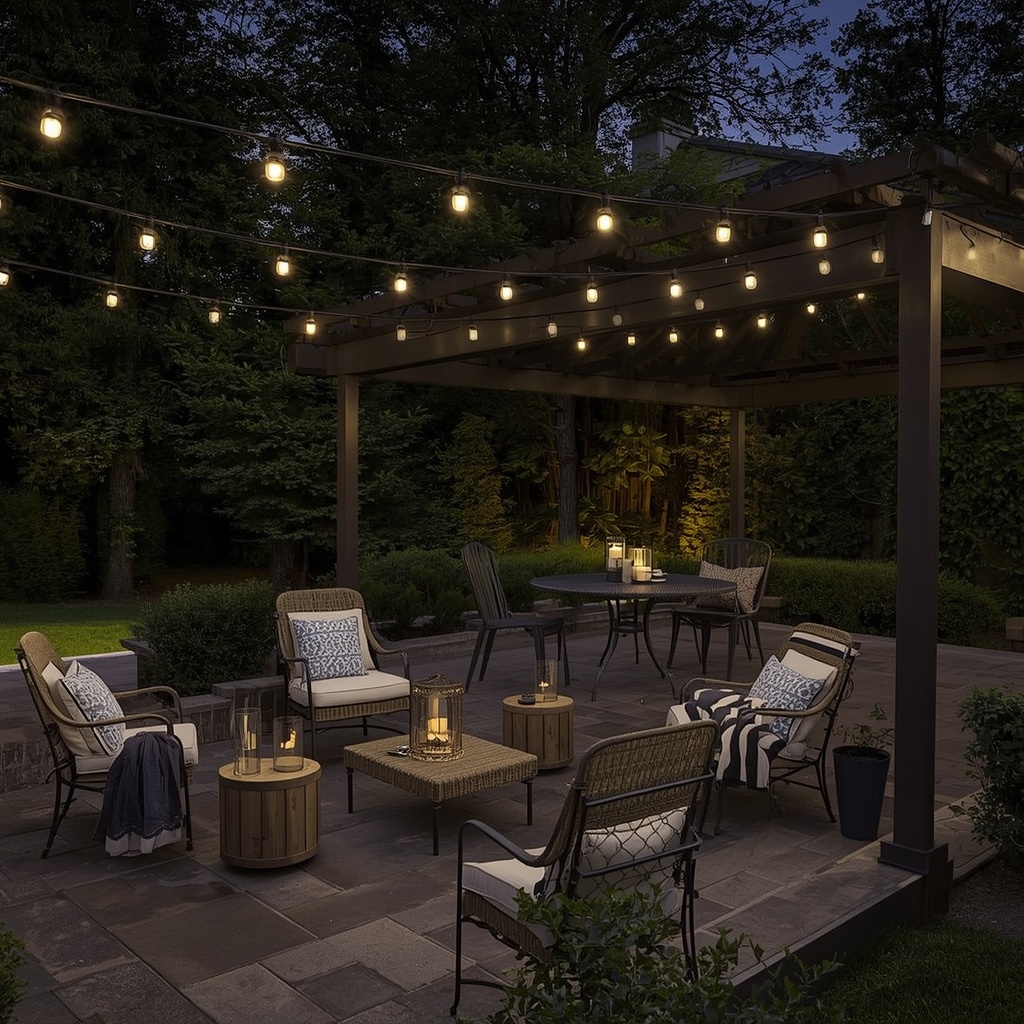
As an interior designer who spends a lot of time helping clients extend their home’s style outdoors, I can tell you that lighting is the single most transformative upgrade you can make to any exterior space. It’s not just about visibility or safety anymore. Outdoor lighting has become a design category all its own, and choosing the right mix of sconces, string lights, and lanterns can turn a plain backyard into a destination.
In this guide, I’ll walk you through everything you need to know about layering outdoor lighting like a professional, including fixture types, placement strategies, and the small details that make a big visual difference.
Why Outdoor Lighting Deserves the Same Attention as Indoor Design
Many homeowners treat outdoor lighting as an afterthought, something purely functional meant to help you find your keys or avoid tripping on the steps. But exterior lighting design follows the same principles as interior lighting design: layering, warmth, and intentional placement.
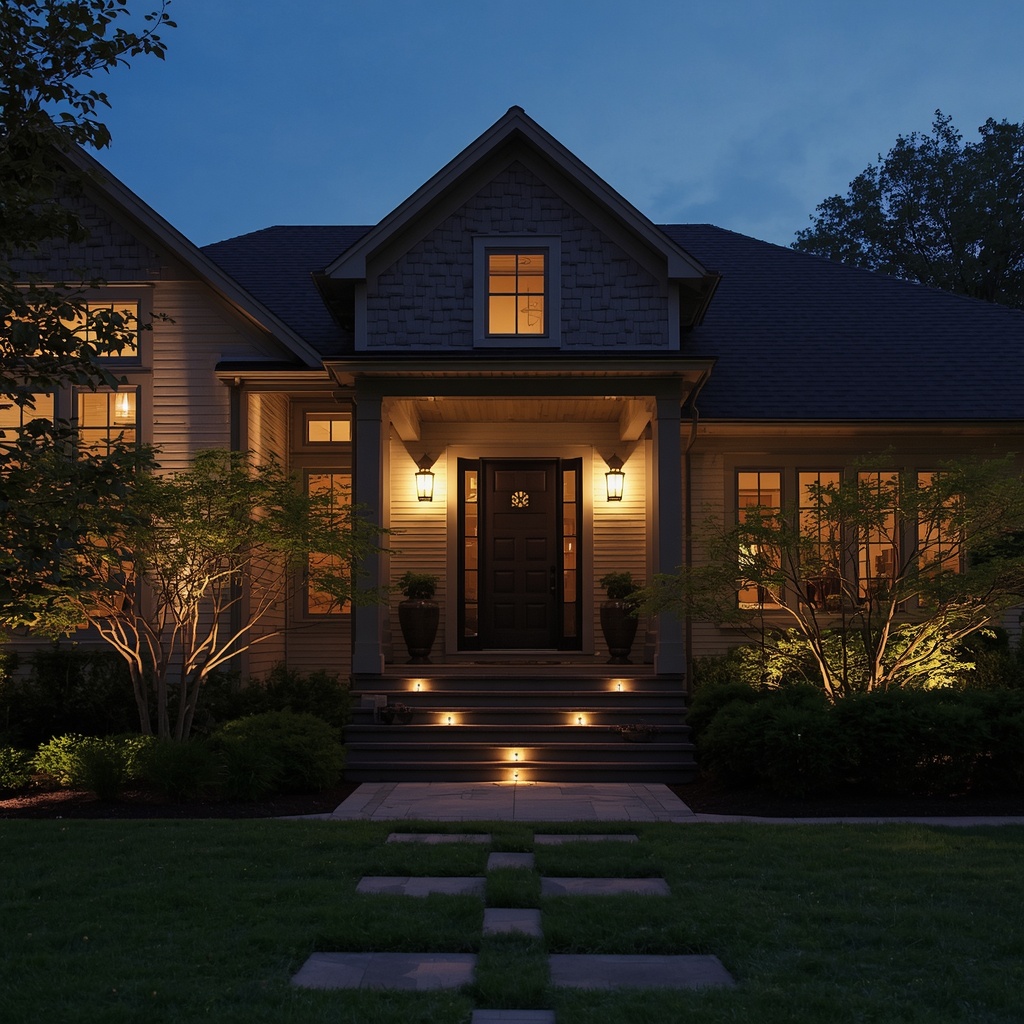
Good outdoor lighting does three things at once. It extends your living space into the evening hours, highlights your home’s architecture and landscaping, and creates the kind of ambiance that makes guests want to linger a little longer. Think of your patio furniture, garden beds, and walkways as a stage, and your lighting as the spotlight that brings it all to life after dark.
“Lighting is the jewelry of a home. Outdoors, it’s what makes the architecture and landscaping feel finished instead of forgotten.” This is a principle I share with nearly every client planning a backyard renovation.
Semantic keywords worth understanding as you plan your project include layered lighting, ambient lighting, task lighting, accent lighting, warm white light temperature, weatherproof fixtures, and low-voltage landscape lighting. These terms will help you communicate clearly with electricians, landscapers, and lighting retailers.
The Three Pillars: Sconces, String Lights, and Lanterns
Before diving into placement and styling, it helps to understand what each fixture type brings to your outdoor design toolkit.
| Fixture Type | Best For | Light Quality | Typical Placement |
|---|---|---|---|
| Wall Sconces | Architectural accents, entryways, garage walls | Focused, directional | Flanking doors, along exterior walls |
| String Lights | Ambiance, entertaining spaces, festive appeal | Soft, diffused | Pergolas, patios, fences, trees |
| Lanterns | Pathway guidance, tabletop decor, portable accents | Warm, flickering or steady | Porch floors, steps, tablescapes, hanging hooks |
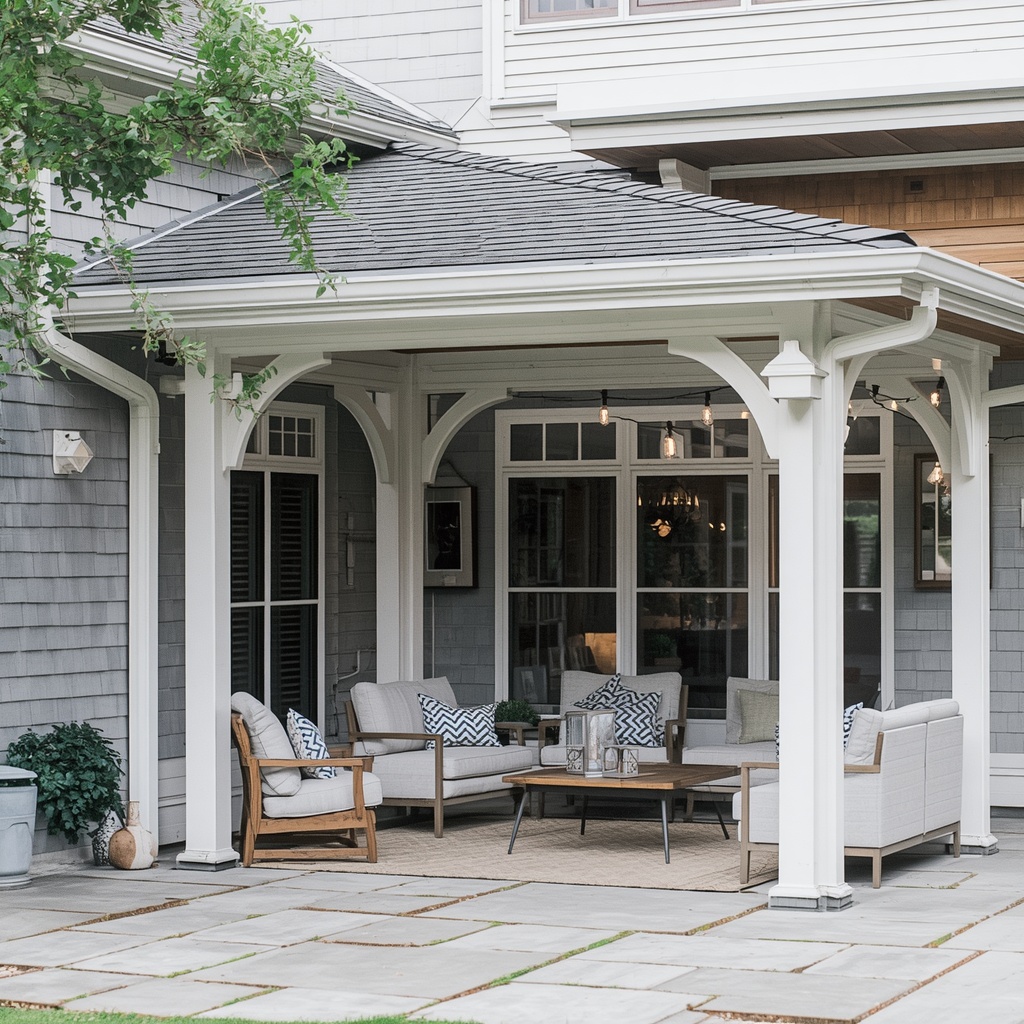
Each of these fixture types serves a distinct purpose, but the real magic happens when you layer them together thoughtfully rather than relying on just one.
Wall Sconces: Architectural Anchors for Your Home’s Exterior
Sconces are the workhorses of outdoor lighting. They’re mounted directly to your home’s exterior walls, which means they provide consistent, reliable illumination without cluttering your yard with cords or stakes. A well-chosen sconce does more than light up a doorway; it acts as a design element that complements your home’s architectural style.
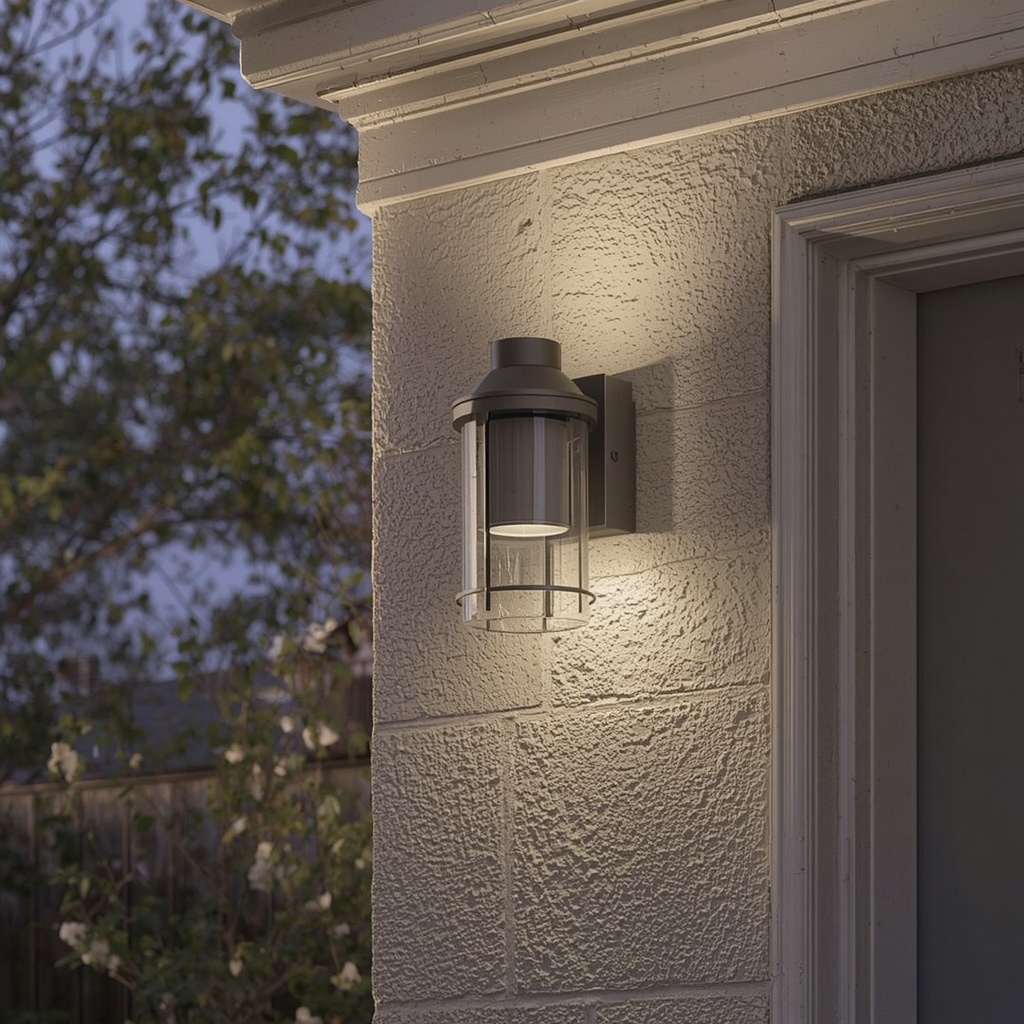
For a classic look, black or bronze finished sconces with clear or seeded glass pair beautifully with brick, stone, or traditional siding. If your home leans modern, consider sleek cylindrical or geometric sconces in matte black or brushed nickel. Farmhouse-style homes often look stunning with cage-style or lantern-inspired sconces that nod to vintage barn lighting.
Placement matters just as much as style. As a general rule, sconces should be mounted at eye level, roughly 66 to 72 inches from the ground, and spaced evenly on either side of doors, garage entries, or focal architectural features like columns or archways.
Pro Tip: When flanking a front door, choose sconces that are roughly one-quarter to one-third the height of your door for proportional balance. A door that’s 80 inches tall pairs well with sconces around 20 to 24 inches high.
String Lights: Instant Ambiance for Entertaining Spaces
If sconces are the architectural backbone of your outdoor lighting plan, string lights are the soul. Few things transform a patio, deck, or backyard party space faster than a canopy of warm, glowing bulbs strung overhead. String lights signal relaxation and celebration, which is why they’ve become a staple in outdoor entertaining design.

The key to using string lights well is restraint and intention. Rather than draping them randomly, think about creating a defined “ceiling” of light over your primary gathering area, whether that’s a dining table, lounge seating, or fire pit zone. This draws the eye upward and makes the space feel enclosed and cozy, even without a literal roof.
Here are a few popular string light configurations to consider for your space:
- Straight lines: Run parallel strands across a pergola or between two posts for a clean, modern look.
- Crisscross pattern: Layer strands diagonally overhead for a fuller, more dramatic canopy effect, ideal for larger patios.
- Perimeter draping: Outline a fence, railing, or garden bed to define the edges of your outdoor “room.”
- Tree wrapping: Wind string lights around trunks and branches for a whimsical, garden-party feel.
When shopping, opt for globe bulbs for a retro, bistro-style vibe, or fairy lights (also called micro lights) for something more delicate and twinkly. Always check that your string lights are rated for outdoor or weatherproof use, and look for shatterproof or LED bulbs, which run cooler and last significantly longer than incandescent options.
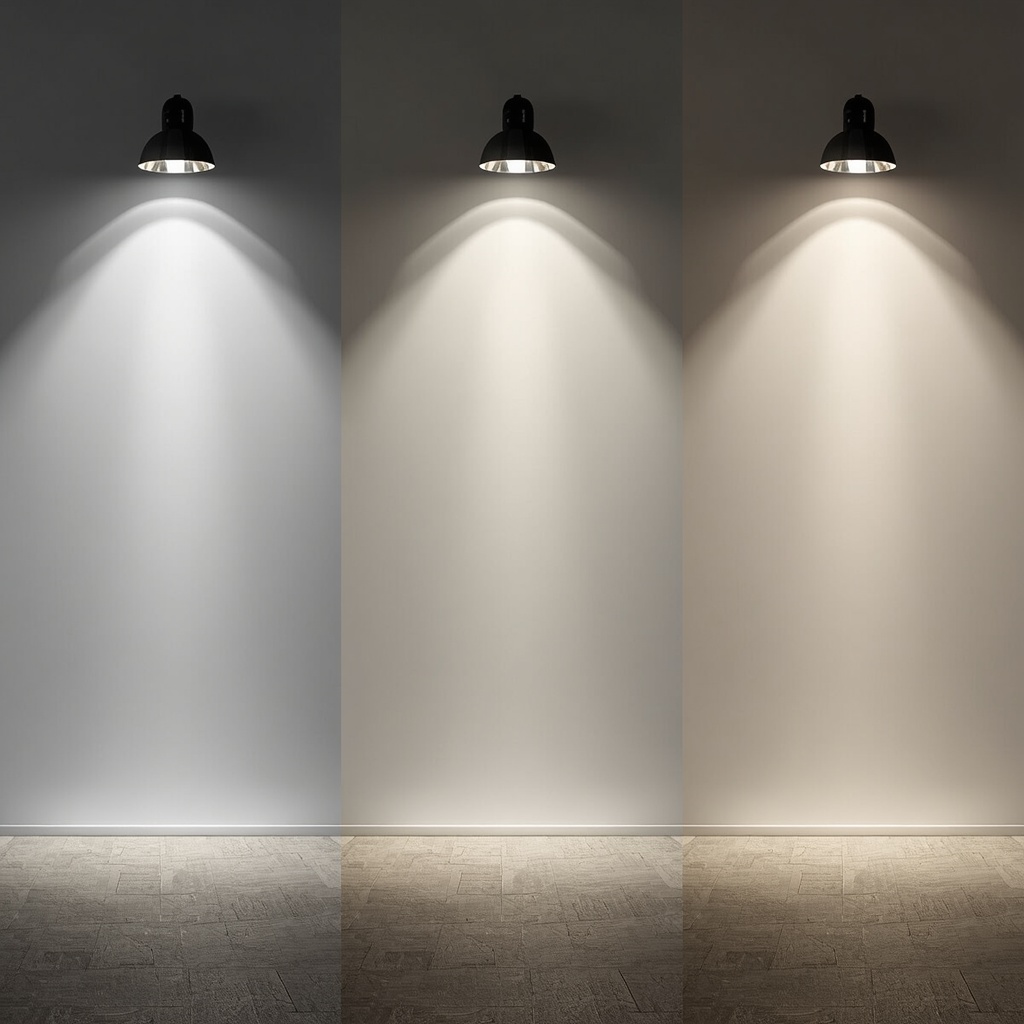
Pro Tip: Warm white light (around 2700K to 3000K on the color temperature scale) reads as cozy and inviting outdoors, while cooler white tones can feel clinical or overly bright in a backyard setting. Stick to warm white for that classic golden-hour glow all evening long.
Lanterns: Portable Warmth and Timeless Charm
Lanterns bring a layer of texture and flexibility that fixed lighting simply can’t match. Because they’re portable, you can move them seasonally, use them for special occasions, or rearrange your setup on a whim, something you can’t do with hardwired sconces or permanently installed string lights.

Lanterns work beautifully in three main ways: lining a pathway or staircase, sitting atop an outdoor dining table as a centerpiece, or hanging from a shepherd’s hook, porch beam, or tree branch. Battery-operated LED lanterns have come a long way in recent years, offering realistic flickering flame effects without any fire risk, making them a practical choice for families with kids or pets.
For a cohesive design, choose lanterns that echo materials found elsewhere in your outdoor space. Galvanized metal lanterns pair well with modern industrial landscaping, while woven rattan or bamboo lanterns suit coastal or bohemian-style patios. Classic glass-paned lanterns in black or oil-rubbed bronze finishes work almost anywhere and tend to age gracefully with your home.
How to Layer All Three for a Designer-Level Result
The secret that most professional lighting designers rely on is layering multiple light sources at different heights and intensities rather than depending on a single fixture type. This creates depth, dimension, and visual interest, much like layering floor lamps, table lamps, and overhead fixtures does indoors.
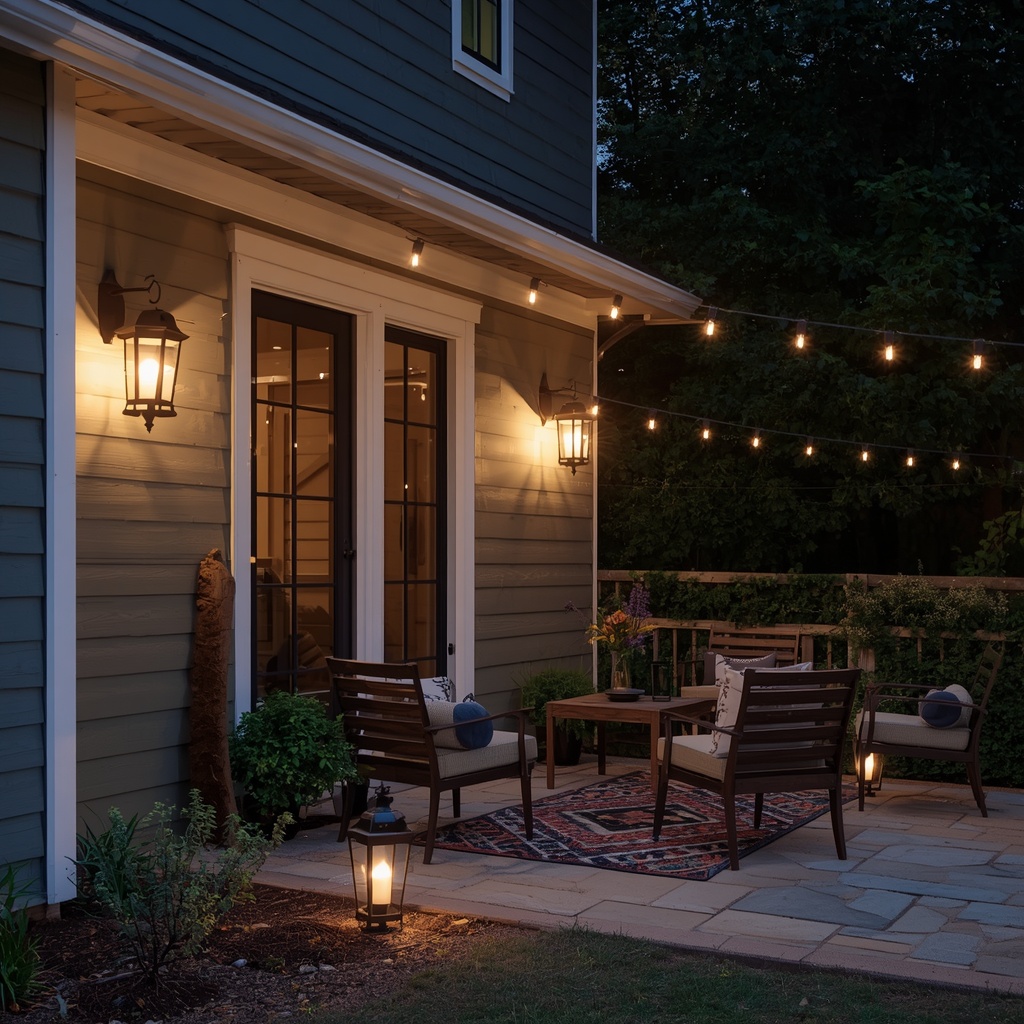
Start with sconces as your foundational, functional layer near entry points and architectural features. Add string lights as your ambient layer over gathering spaces to create that enclosed, cozy feeling after dark. Finally, incorporate lanterns as your accent layer, placed at varying heights along pathways, steps, or tabletops to guide movement and add warmth at eye level.
A simple way to plan this out is to walk your outdoor space at dusk and note where your eye is naturally drawn, and where it feels like something is missing. Those gaps are usually where an additional lantern or a repositioned sconce will make the biggest difference.
Choosing Bulbs, Finishes, and Materials That Last
Outdoor fixtures face a very different set of challenges than anything indoors, including rain, humidity, UV exposure, and temperature swings. This makes material selection just as important as style when shopping for sconces, string lights, and lanterns.
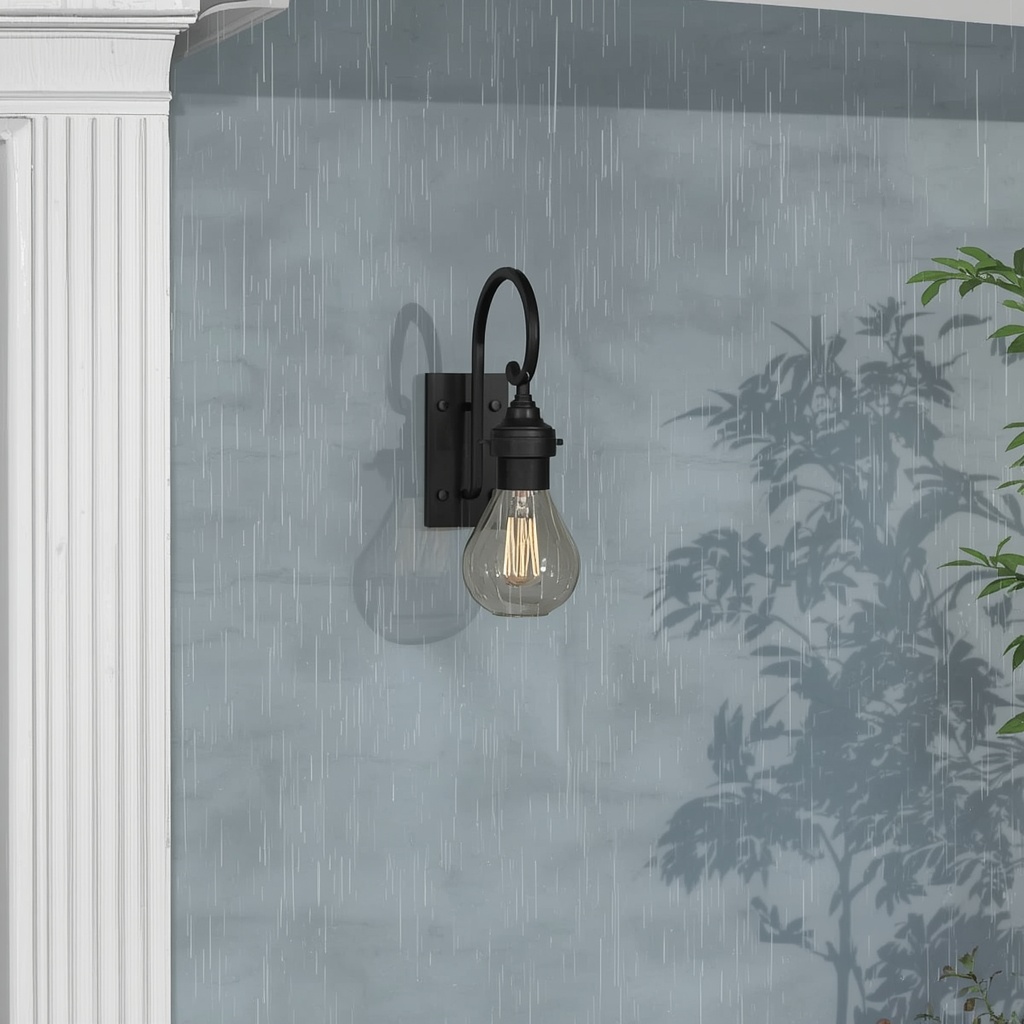
Look for fixtures labeled for “wet location” use if they’ll be directly exposed to rain, such as sconces on an open porch or lanterns hanging from a pergola without a roof. “Damp location” fixtures are suitable for covered, sheltered areas that see humidity but not direct rainfall.
| Material | Durability | Maintenance | Best Climate Fit |
|---|---|---|---|
| Stainless Steel | Excellent | Low | Coastal, humid regions |
| Bronze/Brass | Very Good | Low, develops patina | Most climates |
| Powder-Coated Aluminum | Very Good | Very Low | Hot, sunny climates |
| Wrought Iron | Good | Moderate, may rust untreated | Dry climates |
| Copper | Excellent | Low, patinas over time | Coastal, all climates |
For bulbs, LED is almost always the smarter choice outdoors. LEDs consume less energy, generate less heat, and hold up far better against weather-related wear and tear compared to traditional incandescent bulbs.
Smart and Solar Options Worth Considering
For homeowners who want flexibility without complicated wiring, solar-powered and smart lighting options have become genuinely reliable alternatives to hardwired fixtures. Solar lanterns and pathway lights charge during the day and automatically illuminate at dusk, which is especially convenient for areas of the yard without easy access to electrical outlets.

Smart outdoor lighting systems, meanwhile, let you control sconces and string lights from your phone, set timers or schedules, and even sync colors for holidays or special events. Many systems integrate with existing smart home platforms, so your outdoor lighting can follow the same routines as your indoor smart bulbs.
Pro Tip: If you’re investing in a mix of hardwired and battery-powered fixtures, put everything on a schedule or smart plug so all your lights turn on and off together automatically at dusk and dawn. It creates a far more polished, intentional look than lights turning on at random times throughout the evening.
Common Outdoor Lighting Mistakes to Avoid
Even well-intentioned lighting plans can fall short if a few key details get overlooked. Here are the mistakes I see most often when reviewing outdoor spaces with clients:

- Using cool white or overly bright bulbs, which can make a backyard feel more like a parking lot than a relaxing retreat.
- Skipping weatherproof ratings, leading to fixtures that corrode, fog up, or fail within a season or two.
- Over-lighting the entire yard evenly, instead of creating pools of light and shadow that add depth and drama.
- Forgetting pathway and step lighting, which is both a safety issue and a missed design opportunity.
- Mismatching fixture finishes, such as pairing bright chrome sconces with rustic wooden lanterns, which can make a space feel disjointed rather than curated.
Bringing It All Together
Outdoor lighting is one of the most rewarding upgrades you can make to your home, both for how it looks and how it makes your outdoor space function after sunset. Sconces anchor your home’s architecture, string lights create that irresistible entertaining ambiance, and lanterns add warmth, texture, and flexibility wherever you need it most.
Start small if you need to. Even adding a pair of well-chosen sconces by your front door or a single strand of warm white string lights over your patio can make a noticeable difference. From there, you can build out a layered lighting plan one fixture at a time until your outdoor space feels just as considered and inviting as any room inside your home.
Whatever direction you choose, remember that the goal isn’t just to see in the dark. It’s to create a space where you genuinely want to spend your evenings, long after the sun goes down.