
Walk into a home that feels effortlessly put-together no matter the month, and chances are you’re standing in a space styled with transitional decor. It’s the design philosophy that bridges the gap between the ornate warmth of traditional style and the clean simplicity of contemporary design — and it happens to be the perfect strategy for those in-between weeks when summer hasn’t quite let go of fall, or winter is stubbornly hanging on as spring tries to bloom.
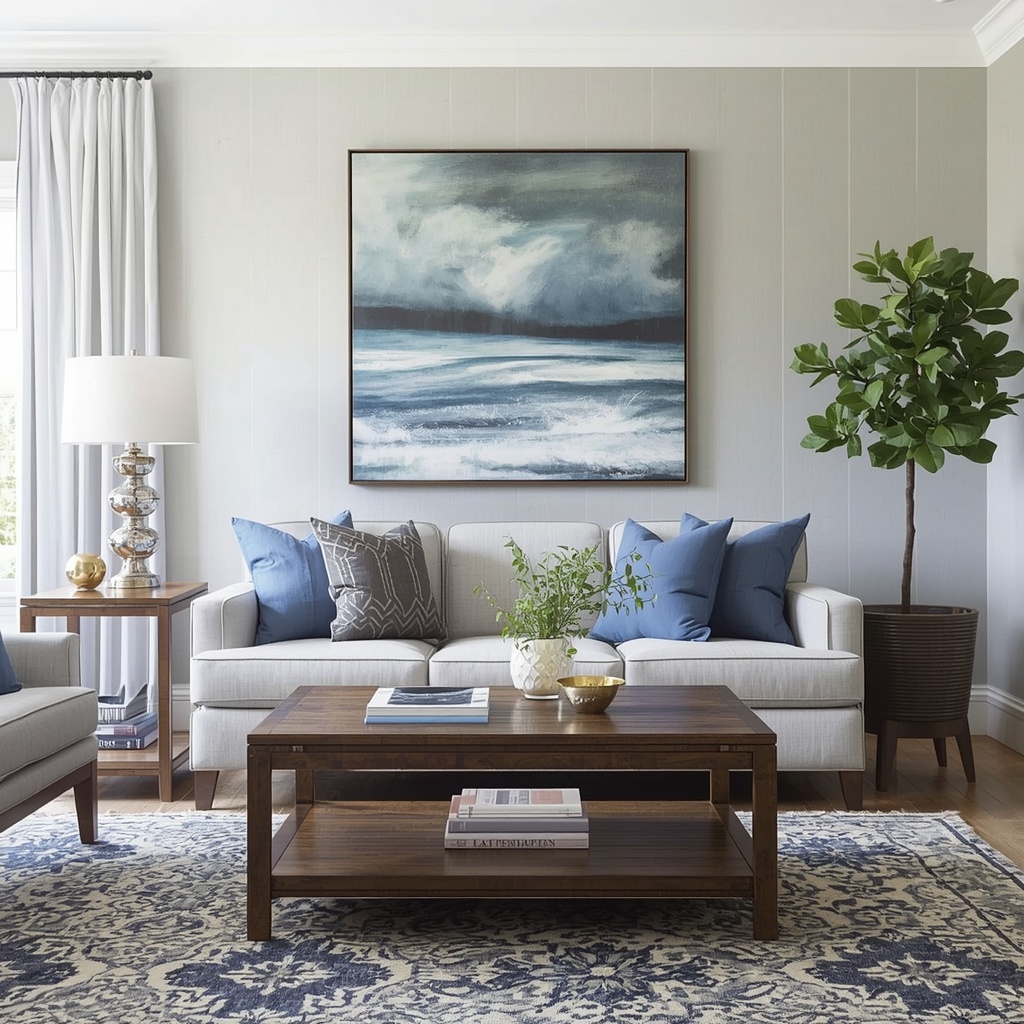
As an interior designer who works with homeowners across the country, I get the same question every March and September: “How do I update my home for the new season without redoing everything?” The answer is transitional decor. It’s flexible, timeless, and budget-friendly, which makes it one of the smartest home styling approaches for anyone who wants a space that adapts gracefully year-round.
What Is Transitional Decor?
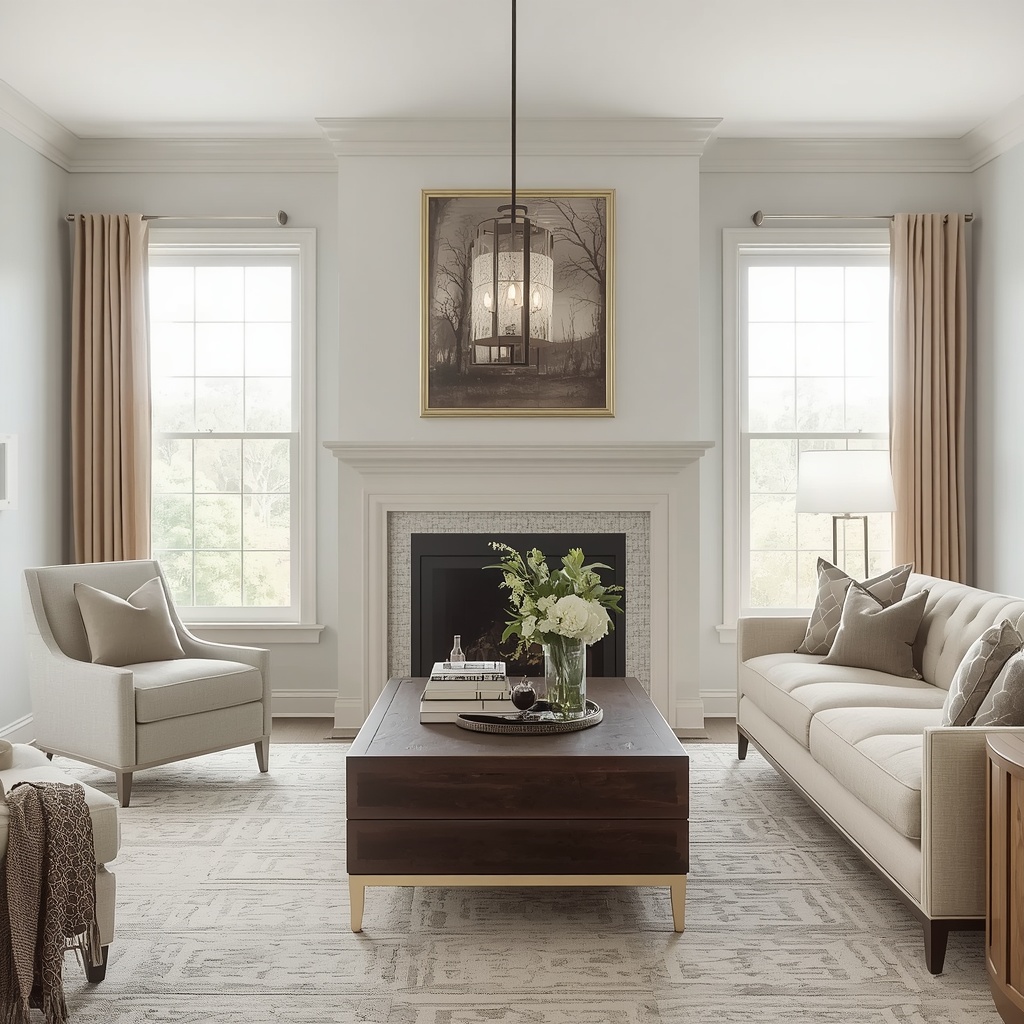
Transitional decor sits comfortably in the middle ground between two design worlds. It borrows the comfort and craftsmanship of traditional furniture and pairs it with the clean lines, neutral tones, and uncluttered spirit of modern interiors. The result is a balanced, livable aesthetic that never feels dated or overly trendy.
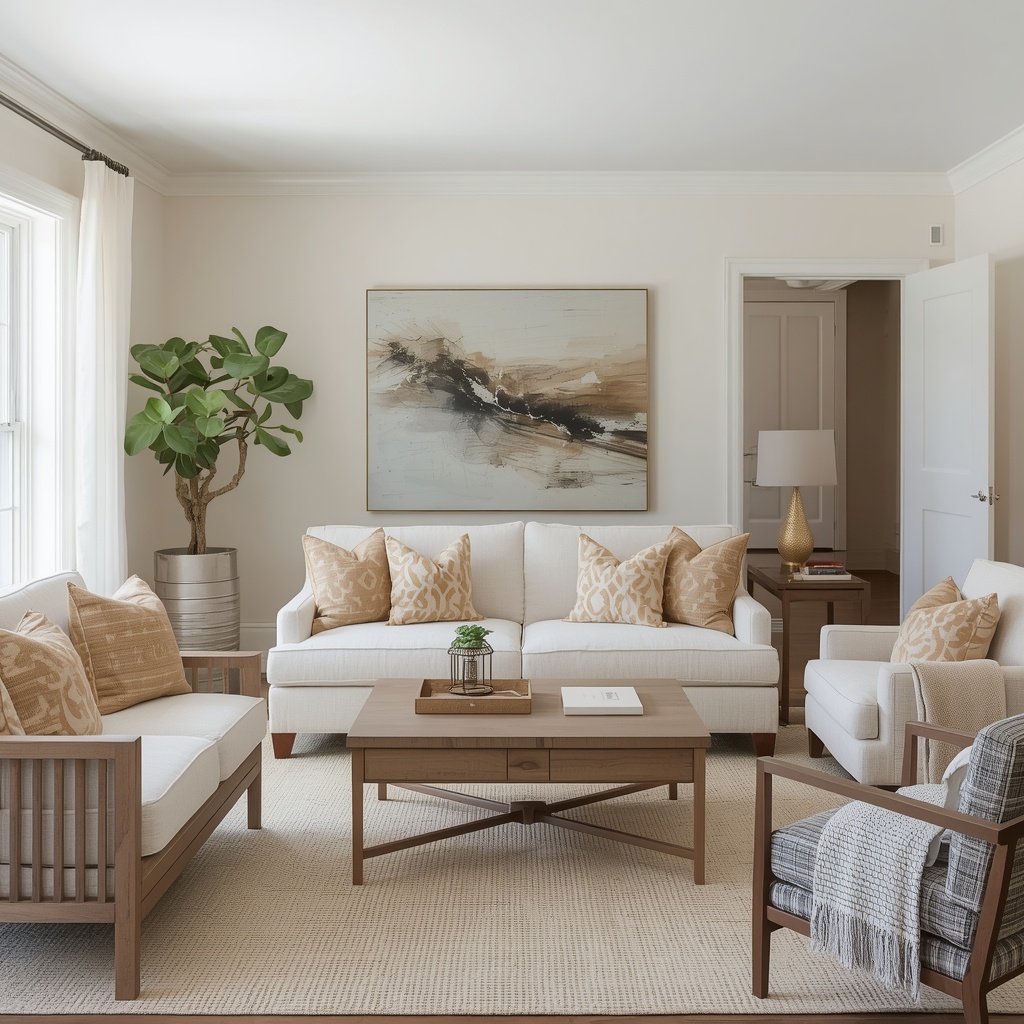
This style relies heavily on neutral color palettes, natural materials, and curated accents rather than bold statement pieces. Because the foundation is so versatile, transitional homes are remarkably easy to refresh with the seasons — you’re not overhauling a room, you’re simply layering, swapping, and rotating a few key elements.
Why Transitional Style Works Between Seasons
Seasonal home styling can feel overwhelming when your base decor is already loud or highly themed. Transitional interiors solve this problem by giving you a quiet, adaptable canvas. Because the bones of the room — furniture silhouettes, wall color, flooring — stay neutral year-round, seasonal changes can happen entirely through accessories.
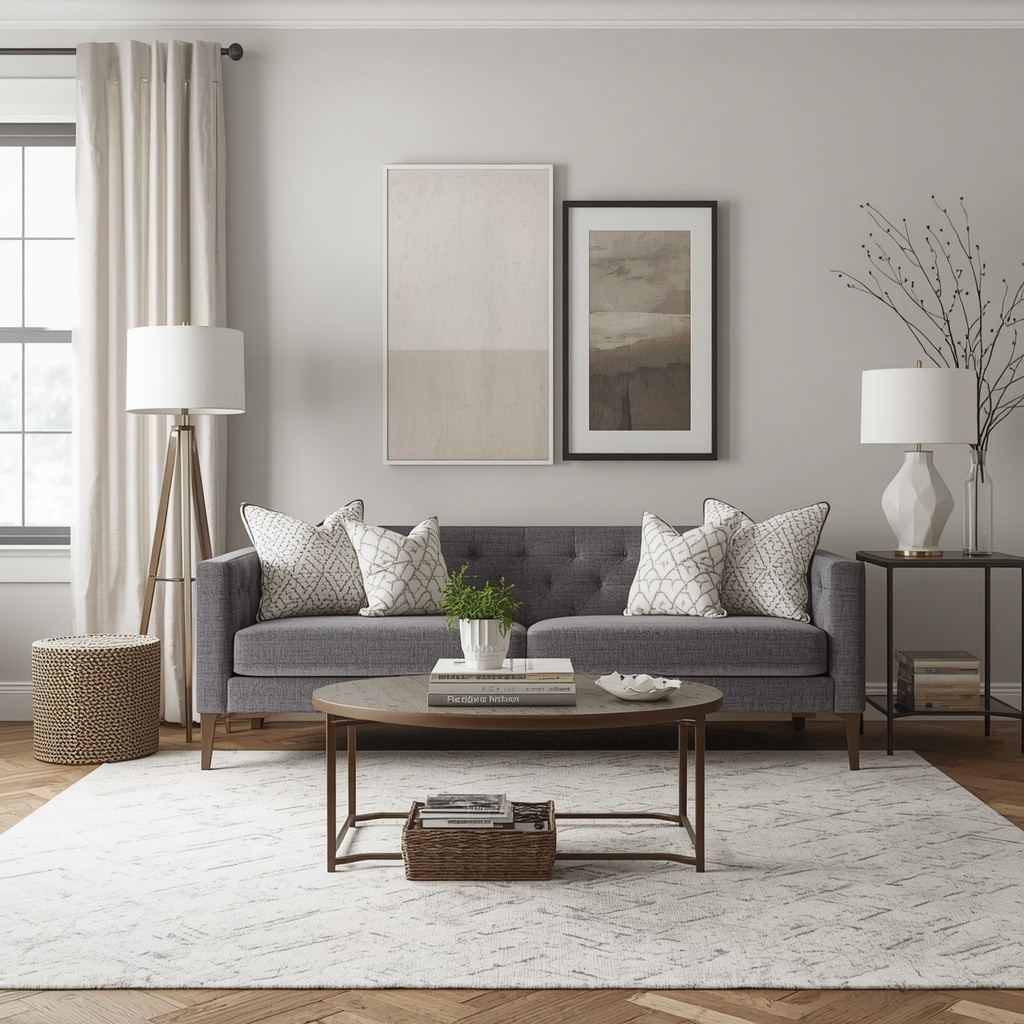
“Good design isn’t about starting over every few months — it’s about building a foundation flexible enough to carry you through every season with just a few thoughtful changes.”
That’s the real advantage here. Instead of buying new furniture or repainting walls every quarter, you’re working with soft textiles, seasonal accents, and lighting adjustments that take an afternoon, not a full renovation.
Key Elements of Transitional Decor
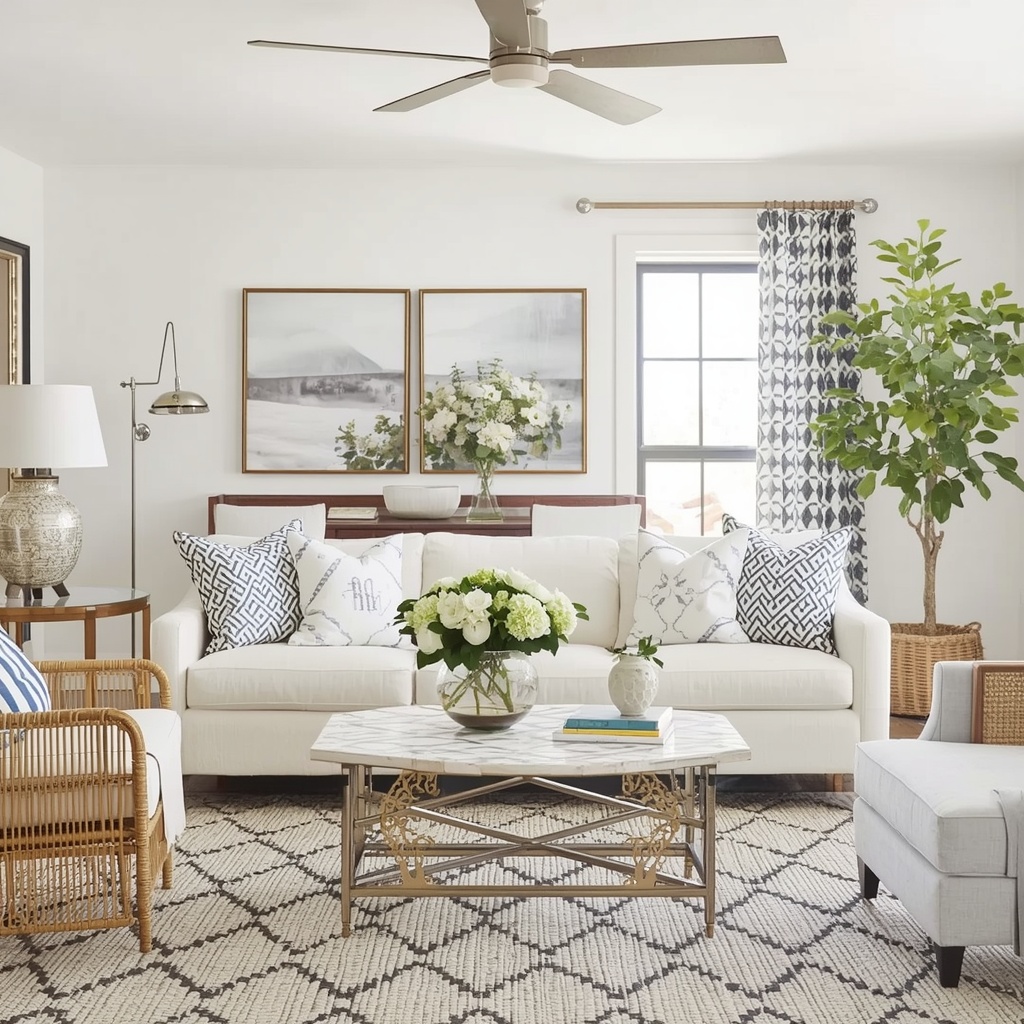
Before diving into seasonal swaps, it helps to understand the core building blocks that define this style. These elements form the backbone of any transitional space and should stay consistent throughout the year.
| Element | Traditional Influence | Contemporary Influence | Transitional Result |
|---|---|---|---|
| Furniture shapes | Curved, carved details | Sleek, straight lines | Softened silhouettes with clean edges |
| Color palette | Warm, rich tones | Cool, minimal neutrals | Balanced neutrals (greige, cream, taupe) |
| Materials | Wood, brass, velvet | Metal, glass, linen | Mixed natural and industrial textures |
| Patterns | Florals, damask | Solids, geometric | Subtle texture over bold print |
| Lighting | Ornate chandeliers | Minimalist fixtures | Streamlined statement lighting |
Room-by-Room Guide to Seasonal Transitional Styling
Living Room
The living room usually sets the tone for your entire home, so it’s the best place to start when the seasons shift. Focus on textiles first — throw pillows, blankets, and area rugs are the easiest and most affordable way to signal a seasonal change.

In cooler months, swap linen or cotton pillow covers for chunky knits, boucle, or faux fur in warm neutrals like camel, rust, or deep cream. When warmer weather arrives, transition to lighter cotton and linen blends in soft sage, dusty blue, or ivory to keep the room feeling airy and fresh.
Bedroom
Bedding is your bedroom’s version of a seasonal wardrobe change. A few simple swaps can make the entire room feel realigned with the time of year without touching the furniture or wall color at all.
- Layer a lightweight quilt over your everyday duvet for spring and summer
- Add a heavier knit throw and extra floor rug for fall and winter
- Rotate accent pillows between linen (warm months) and velvet or corduroy (cool months)
- Adjust window treatments — sheer curtains in summer, layered drapery in winter
Kitchen and Dining Room
Dining spaces respond beautifully to small, low-cost updates. A seasonal table runner, a bowl of in-season produce or gourds, and a rotating centerpiece can completely shift the mood of the room.
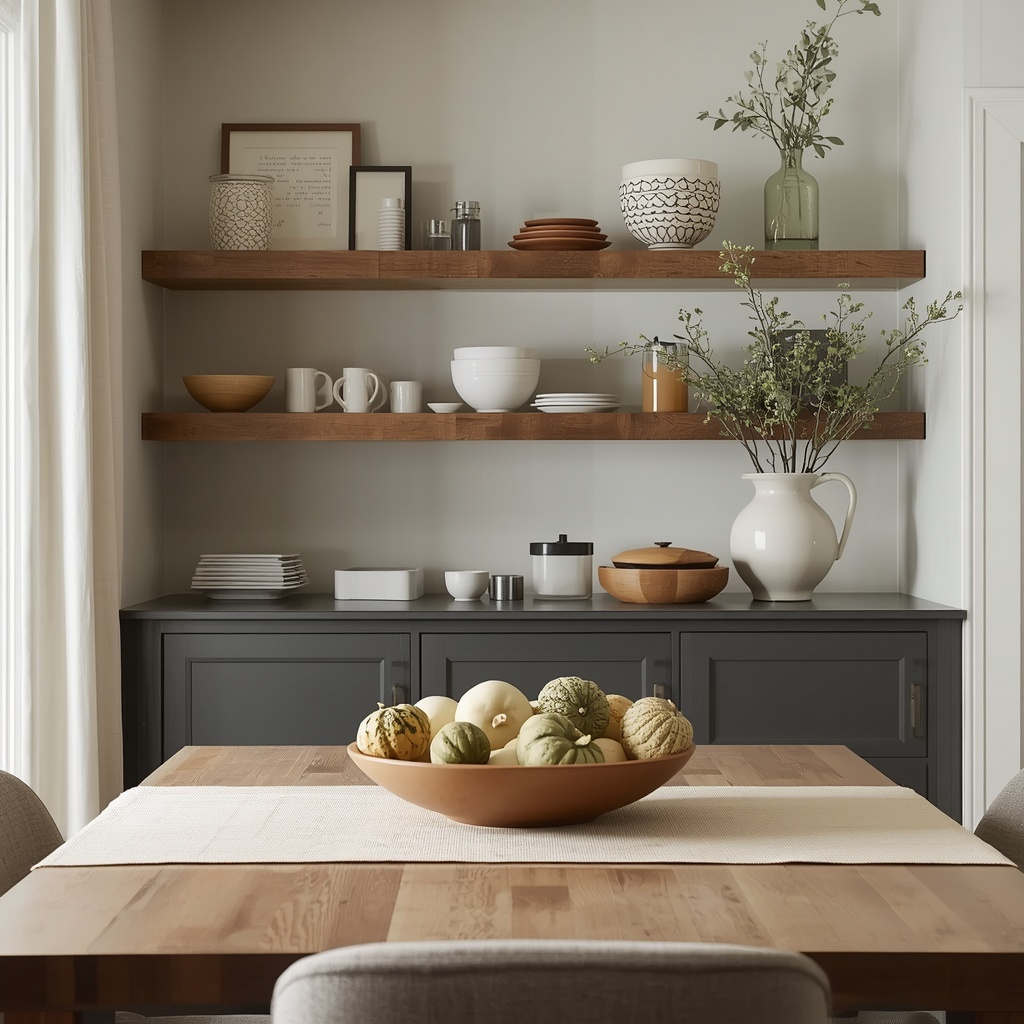
Open shelving is especially useful here — swap out a few ceramic pieces, add seasonal greenery, or bring in a stoneware pitcher for fall and a glass vase with fresh stems for spring. These small styling choices keep the kitchen feeling current without cluttering your counters.
Entryway
Your entryway is the first impression of your home’s seasonal shift, so don’t overlook it. A console table styled with a seasonal candle, a textured tray, and a small vignette of natural elements (pinecones, dried florals, or fresh greenery) does a lot of visual work in a small footprint.
Color Palettes for Every Season
Transitional decor thrives on neutral foundations, but the accent colors you choose can subtly shift the seasonal feel of a room. Here’s a quick reference for layering seasonal color into a transitional base.
| Season | Accent Colors | Best Materials | Mood |
|---|---|---|---|
| Spring | Sage green, blush, soft yellow | Linen, cotton, rattan | Light, airy, renewed |
| Summer | Ocean blue, sandy beige, white | Woven jute, sheer fabrics | Breezy, relaxed |
| Fall | Rust, terracotta, olive | Boucle, wool, corduroy | Warm, cozy, grounded |
| Winter | Deep charcoal, cream, burgundy | Velvet, faux fur, knits | Rich, layered, intimate |
Pro Tip: Keep your large-scale items — sofas, rugs, drapery — in a neutral, season-agnostic color. Reserve bold seasonal color for small, swappable accessories like throw pillows, candles, and table linens. This approach keeps your seasonal refresh budget-friendly and prevents your home from feeling like it needs a full redesign every few months.
Fabrics and Textures to Layer
Texture does more heavy lifting in transitional decor than color ever will. Because the palette stays fairly neutral throughout the year, varying fabric weight and texture is what actually communicates the season to the eye.
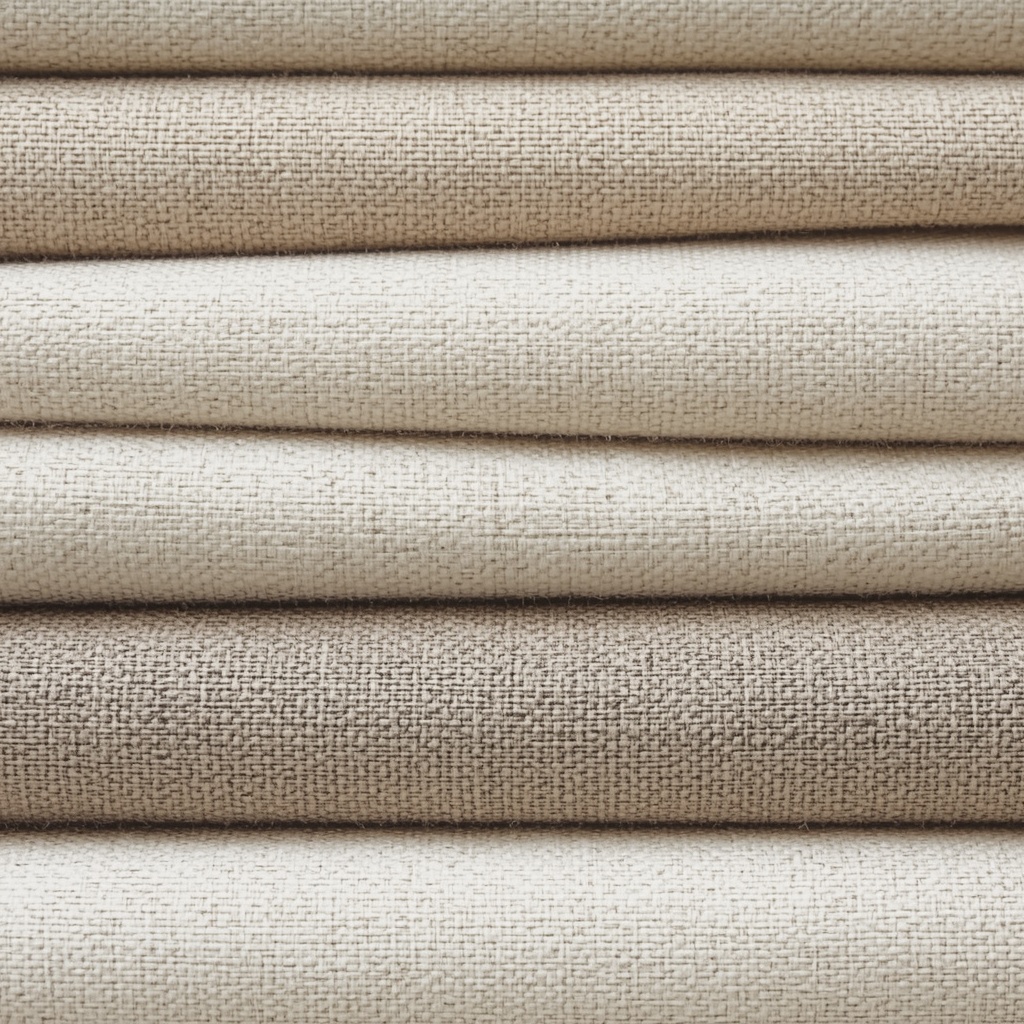
Think of it as dressing your home the way you’d dress yourself — light layers for warm months, heavier layers for cold ones. A linen slipcover feels like summer even in a neutral cream tone, while a chunky wool throw in that same cream instantly reads as winter.
- Spring/Summer textures: linen, cotton, rattan, jute, sheer voile
- Fall/Winter textures: wool, velvet, corduroy, boucle, faux fur
- Year-round staples: leather, natural wood, brushed brass, stone
Common Mistakes to Avoid
Even experienced homeowners can fall into a few traps when attempting seasonal transitional styling. Avoiding these missteps will save you both money and decorating headaches.
- Overbuying seasonal decor — Stick to a curated capsule of accent pieces rather than filling every surface.
- Ignoring scale — A tiny accent pillow or single candle can get lost in a large room; buy pieces proportional to your space.
- Ignoring lighting — Warm bulb tones in fall and winter, and cooler, brighter light in spring and summer, dramatically affect mood.
- Skipping storage — Invest in bins or baskets to store off-season textiles so your closets don’t become chaotic.
- Clashing textures — Mixing too many heavy textures (velvet, fur, wool) in a warm-weather room can feel visually stuffy.
Budget-Friendly Transitional Decor Tips
You don’t need a large budget to keep your home feeling seasonally current. A few smart, low-cost strategies can stretch your existing decor across the entire year.
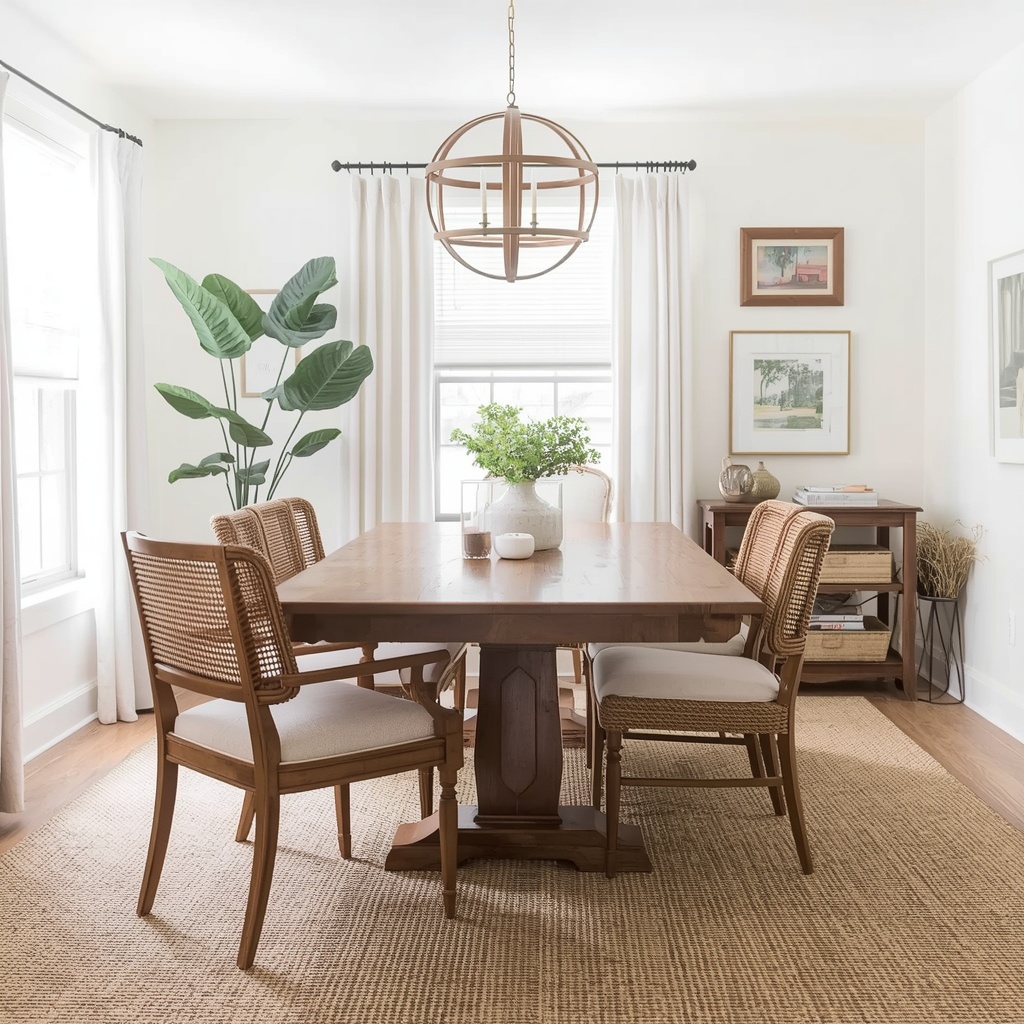
Start by shopping your own home before buying anything new — move pieces between rooms, reupholster a single chair cushion, or repurpose a summer table runner as a dresser scarf in winter. Thrift stores, seasonal clearance sales, and DIY dye projects are also excellent ways to build a seasonal accessory collection without overspending.
- Buy pillow inserts once and rotate covers only
- Shop end-of-season sales for the following year’s accents
- Use fresh or dried greenery instead of costly permanent florals
- Repaint a single accent piece (like a side table) instead of buying new furniture
- Borrow or swap seasonal decor with friends or neighbors
Bringing It All Together
Transitional decor works because it respects a simple design truth: your home doesn’t need to be reinvented every season, it just needs to be responsive. By keeping your large furniture and color foundation neutral and timeless, you free yourself up to have fun with the smaller, swappable details — pillows, throws, table settings, and lighting — that actually carry seasonal meaning.
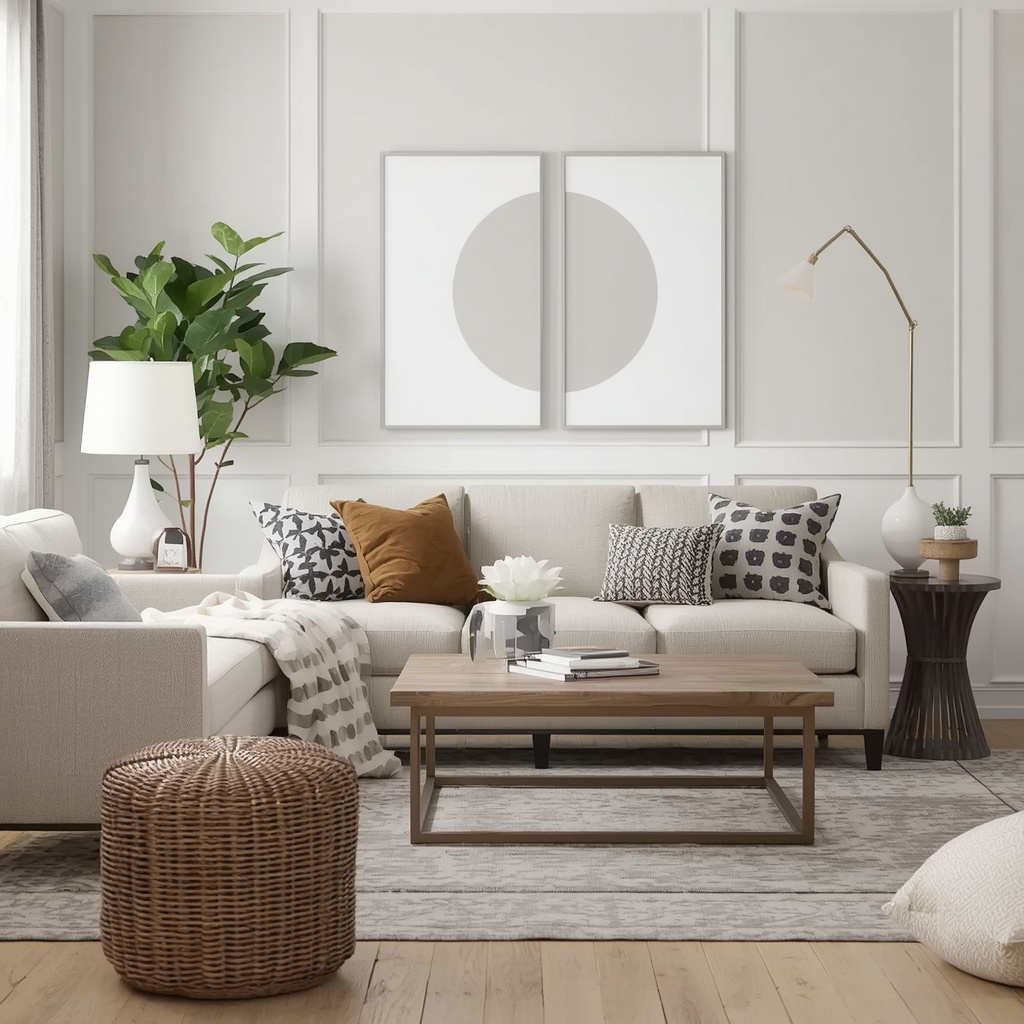
The beauty of this approach is that it grows with you. As your taste evolves or a new color trend catches your eye, you can incorporate it in low-risk, low-cost ways without committing to a full room redesign. That’s the real power of transitional style: it’s not a static look, it’s a flexible framework built to move with the seasons — and with you.
Whether you’re refreshing a single room or your entire home, start small. Choose one or two seasonal textiles, one accent color, and one styling vignette, then build from there. Before long, you’ll have a home that feels intentional, current, and comfortable in every season.