
There’s a particular kind of magic that happens the moment summer light starts slanting a little lower in the sky. As a professional interior designer who has helped hundreds of homeowners across the US move through every seasonal shift, I can tell you that autumn is, hands down, the most emotionally satisfying season to decorate for. It isn’t about pumpkins on every surface or an overwhelming wall of orange — it’s about warmth, texture, and a sense of home that wraps around you like a knitted throw.
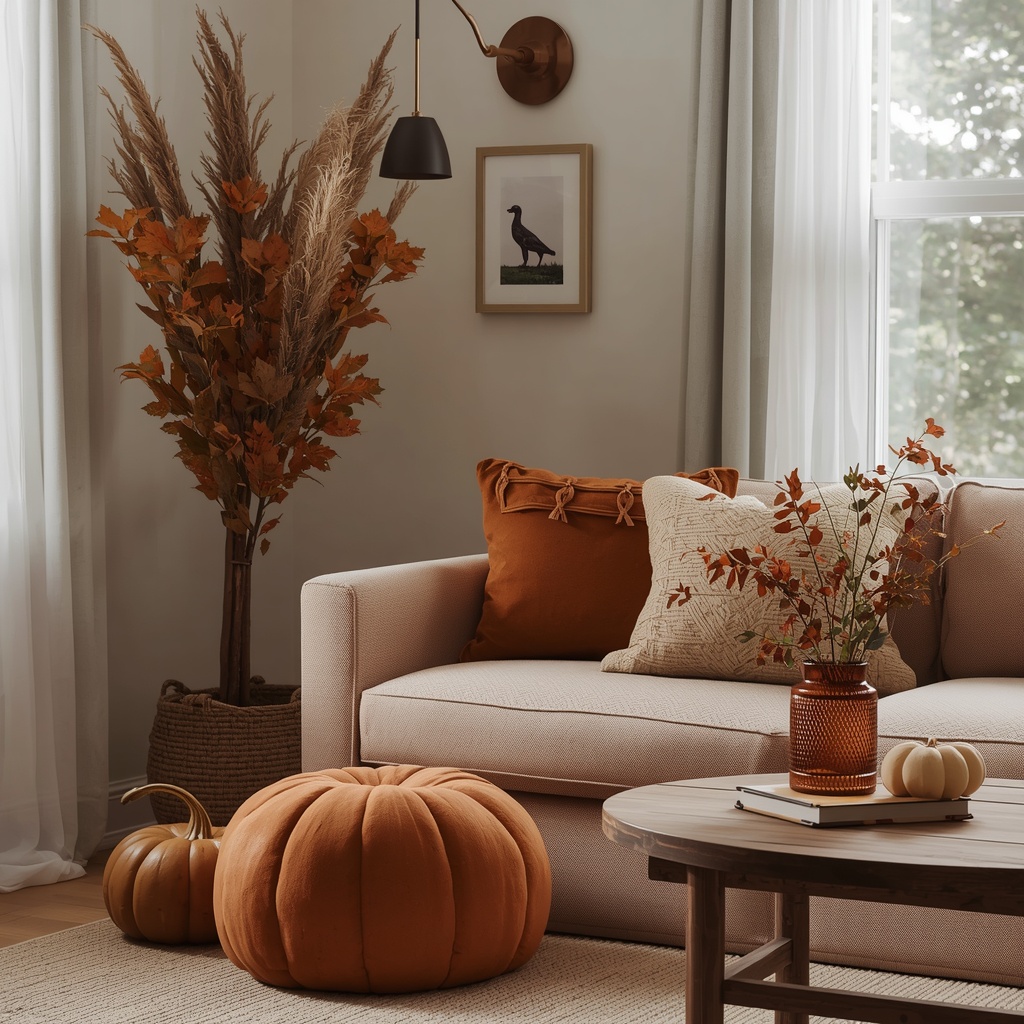
This guide walks you through how to transition your space into a cozy autumn aesthetic using intentional color palettes, layered textiles, seasonal lighting, and smart styling techniques. Whether you’re working with a small apartment or a sprawling farmhouse, these fall home decor ideas are designed to be functional, budget-conscious, and genuinely beautiful.
Why Seasonal Transitions Matter for Your Home’s Atmosphere
Our homes are emotional anchors. When the seasons change outside, our interiors often feel stagnant if we don’t adjust them in kind. Seasonal decorating isn’t just an aesthetic trend — it’s a psychological reset that helps your nervous system recognize the shift in daylight, temperature, and mood.
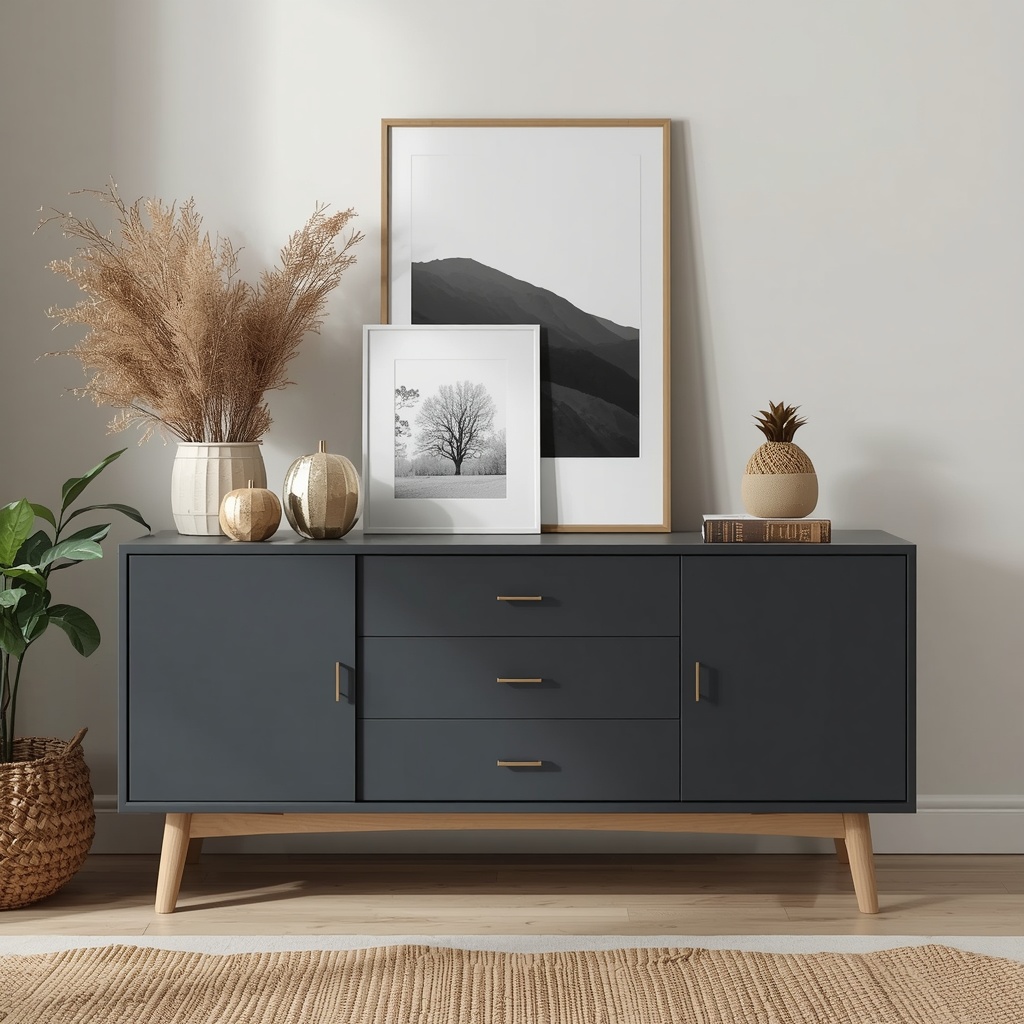
Autumn home decor works because it leans into biophilic design principles: bringing natural elements like wood, wool, and warm-toned botanicals indoors to mirror what’s happening outside. This connection to nature has been shown to reduce stress and increase feelings of comfort, which is exactly why a well-executed fall refresh feels so good.
“Good design doesn’t shout for attention — it makes you want to stay a little longer.” This is the philosophy I return to every autumn when clients ask how to make their homes feel more inviting without a total renovation.
Step 1: Start With a Warm, Layered Color Palette
The foundation of any cozy autumn aesthetic is color. You don’t need to repaint every wall — small, intentional color layering does the heavy lifting.
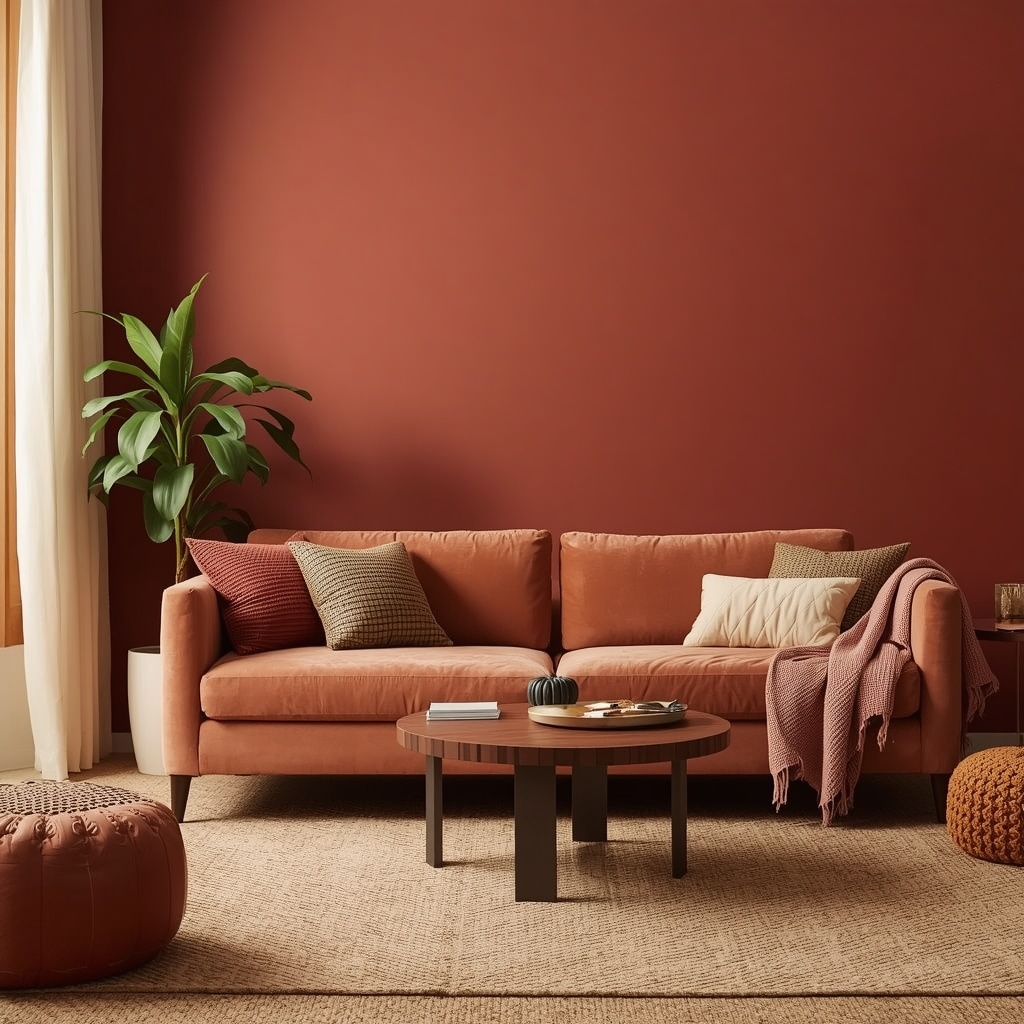
Core autumn palette categories to consider:
- Terracotta, rust, and burnt sienna for accent pieces
- Deep olive, sage, and forest green for grounding tones
- Warm camel, oatmeal, and toffee for neutrals
- Charcoal and espresso brown for depth and contrast
- Muted mustard or ochre as a bold accent
| Palette Style | Best For | Key Accent Colors |
|---|---|---|
| Warm Neutral | Minimalist or Scandinavian homes | Camel, oatmeal, walnut |
| Rich & Moody | Traditional or farmhouse homes | Rust, olive, espresso |
| Jewel-Toned Autumn | Eclectic or maximalist homes | Mustard, burgundy, forest green |
| Coastal Fall | Beach or transitional homes | Sandy taupe, driftwood grey, soft rust |
Pro Tip: Choose one dominant accent color and two supporting neutrals. Repeating the same three-color story across throw pillows, candles, and rugs creates a cohesive look instead of a cluttered, mismatched one.
Step 2: Layer Textiles for Instant Warmth
Texture is the unsung hero of autumn styling. When temperatures drop, our homes should feel tactile — think chunky knits, brushed cotton, and nubby wool.
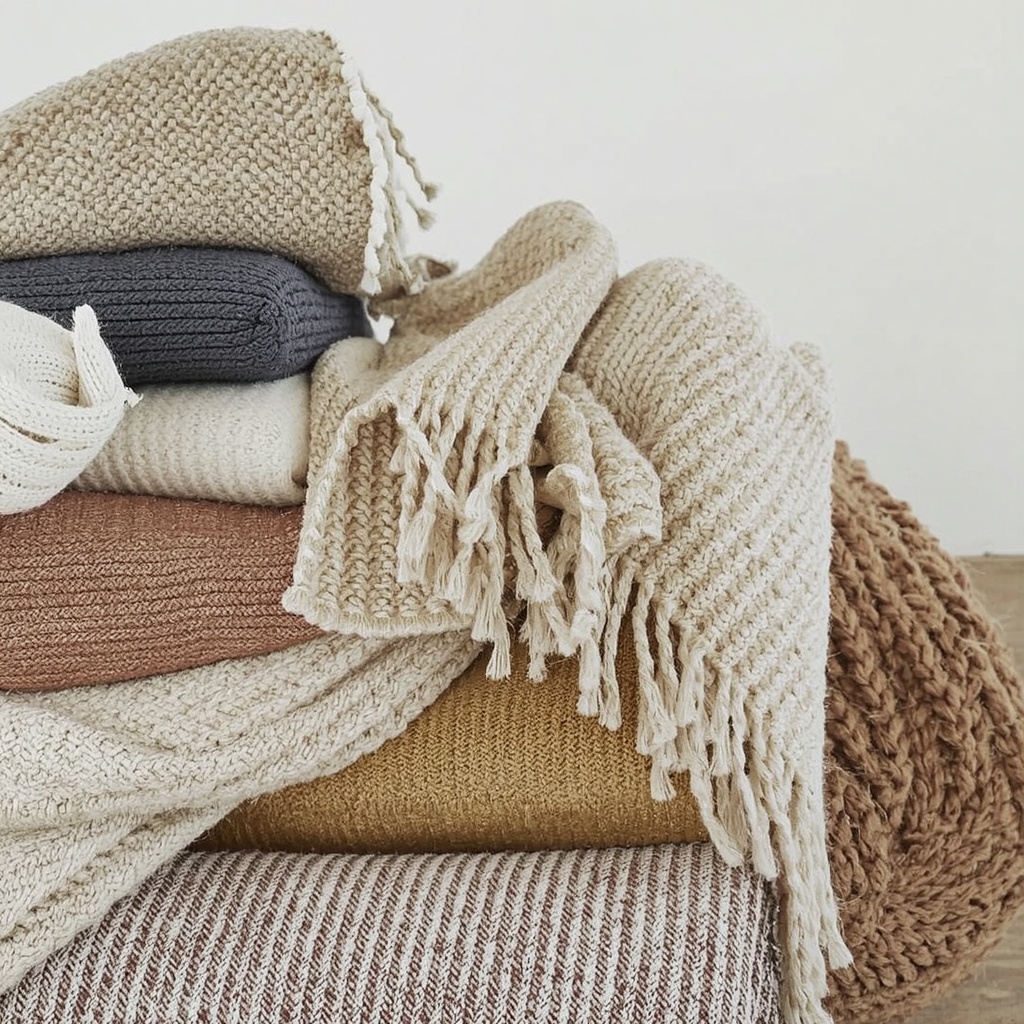
Swapping out lightweight linen throw pillows for boucle, corduroy, or wool blends instantly changes the temperature of a room, both literally and visually. Layer a substantial knit throw over the arm of your sofa or the foot of your bed, and don’t be afraid to mix textures within the same color family for depth.
Easy textile swaps for fall:
- Replace linen or cotton pillow covers with wool, velvet, or corduroy
- Add a chunky knit throw blanket to your sofa or reading chair
- Swap sheer curtains for heavier linen or velvet drapery
- Layer a wool or jute area rug over your existing rug for added texture
- Introduce a textured table runner in a warm neutral tone
Step 3: Bring in Natural, Seasonal Elements
Nothing says autumn home decor quite like natural materials that echo the outdoors. This is where you avoid the trap of looking “seasonal” in a costume-like way and instead create something that feels elevated and intentional.
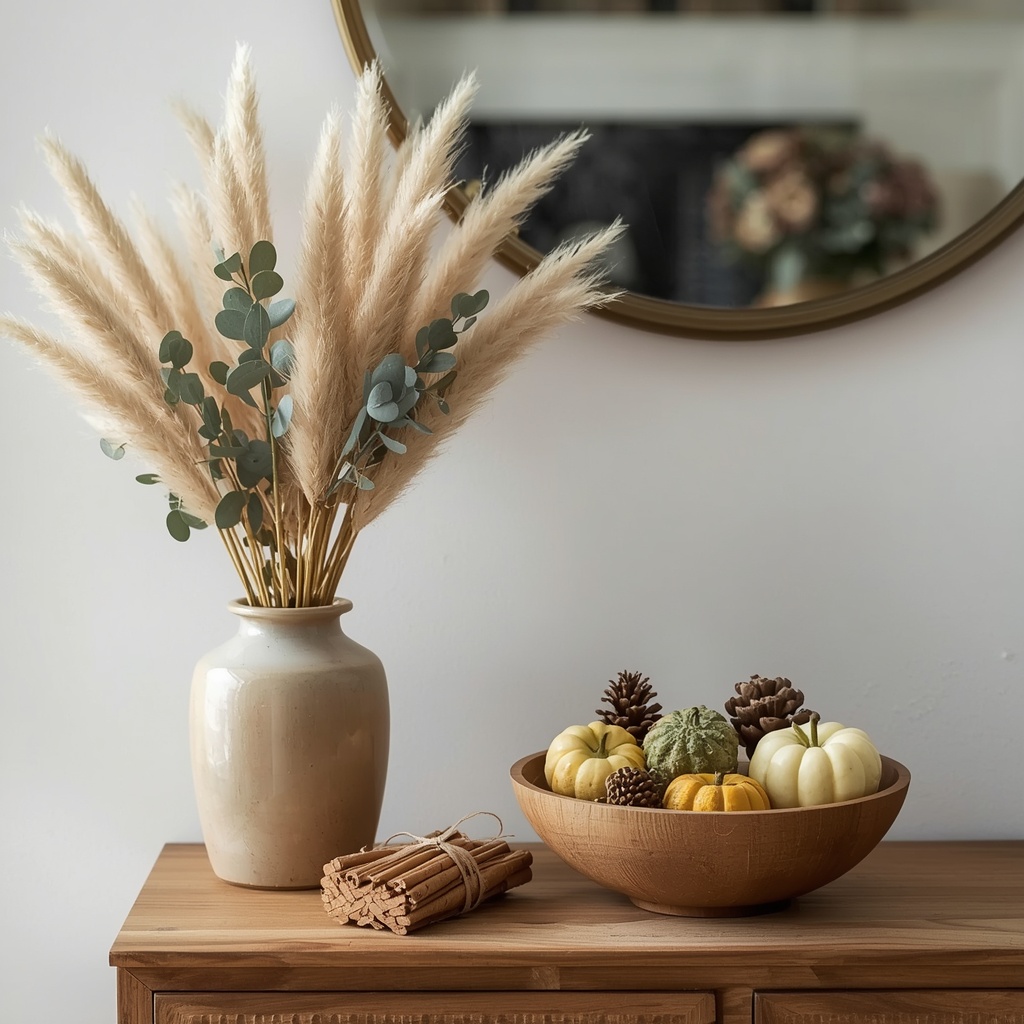
Consider dried pampas grass, eucalyptus stems, or wheat bundles in a ceramic or stoneware vase. Wooden bowls filled with real or faux gourds, pinecones, and cinnamon sticks bring a sensory, tactile element to coffee tables and console styling. Even a simple bowl of apples or a bundle of cinnamon sticks tied with twine can do more for your home’s atmosphere than an entire aisle of plastic decor.
Natural elements checklist:
- Dried florals: pampas grass, wheat, bunny tail grass
- Wood accents: cutting boards, bowls, candle risers
- Stoneware and ceramic vessels in matte earth tones
- Foraged branches or preserved eucalyptus
- Natural fiber baskets for blanket or firewood storage
Step 4: Master Autumn Lighting for Ambiance
As daylight hours shorten, lighting becomes one of the most important design tools in your home. Harsh overhead lighting can make a space feel cold and clinical — exactly the opposite of the cozy autumn aesthetic you’re after.
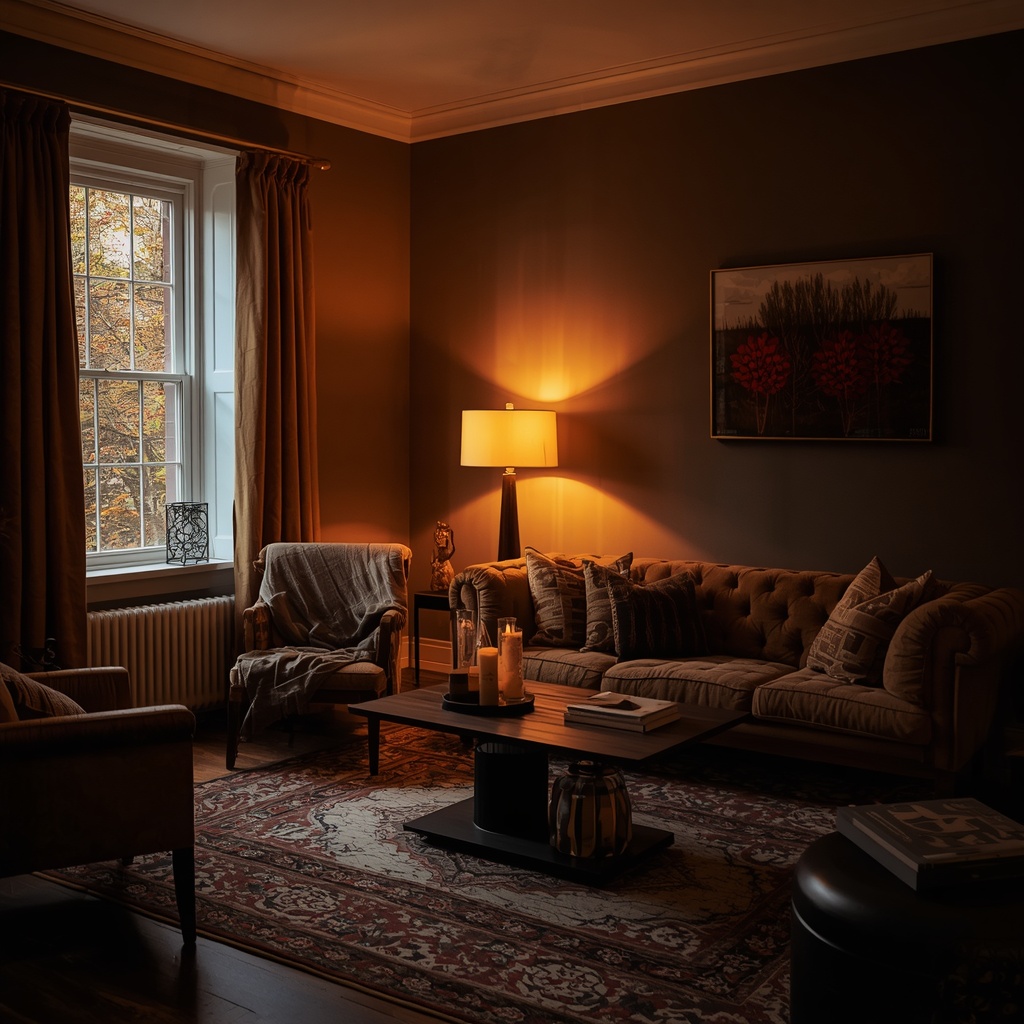
Layer your lighting with a mix of table lamps, floor lamps, and candlelight to create pools of warm light throughout a room rather than relying on a single overhead source. Choose bulbs in the 2700K–3000K range, which produce a soft, amber glow reminiscent of candlelight, rather than the cool, blue-toned light of daylight bulbs.
| Lighting Element | Purpose | Recommended Placement |
|---|---|---|
| Table Lamps | Ambient warmth | Side tables, console tables |
| Floor Lamps | Fills dark corners | Reading nooks, behind sofas |
| Candles (soy/beeswax) | Scent + soft glow | Coffee tables, mantels, bathrooms |
| String Lights | Subtle warmth | Bookshelves, window frames |
| Dimmer Switches | Adjustable mood | Living rooms, dining rooms |
Pro Tip: Group candles of varying heights on a wooden tray for an editorial, layered look, and choose scents like cedarwood, clove, or amber instead of overly sweet pumpkin-spice fragrances if you want a more sophisticated, less “seasonal cliché” feel.
Step 5: Refresh Your Entryway and Front Porch
Your entryway sets the emotional tone before guests even step inside. A few thoughtful updates here go a long way toward establishing your home’s autumn aesthetic from the very first impression.
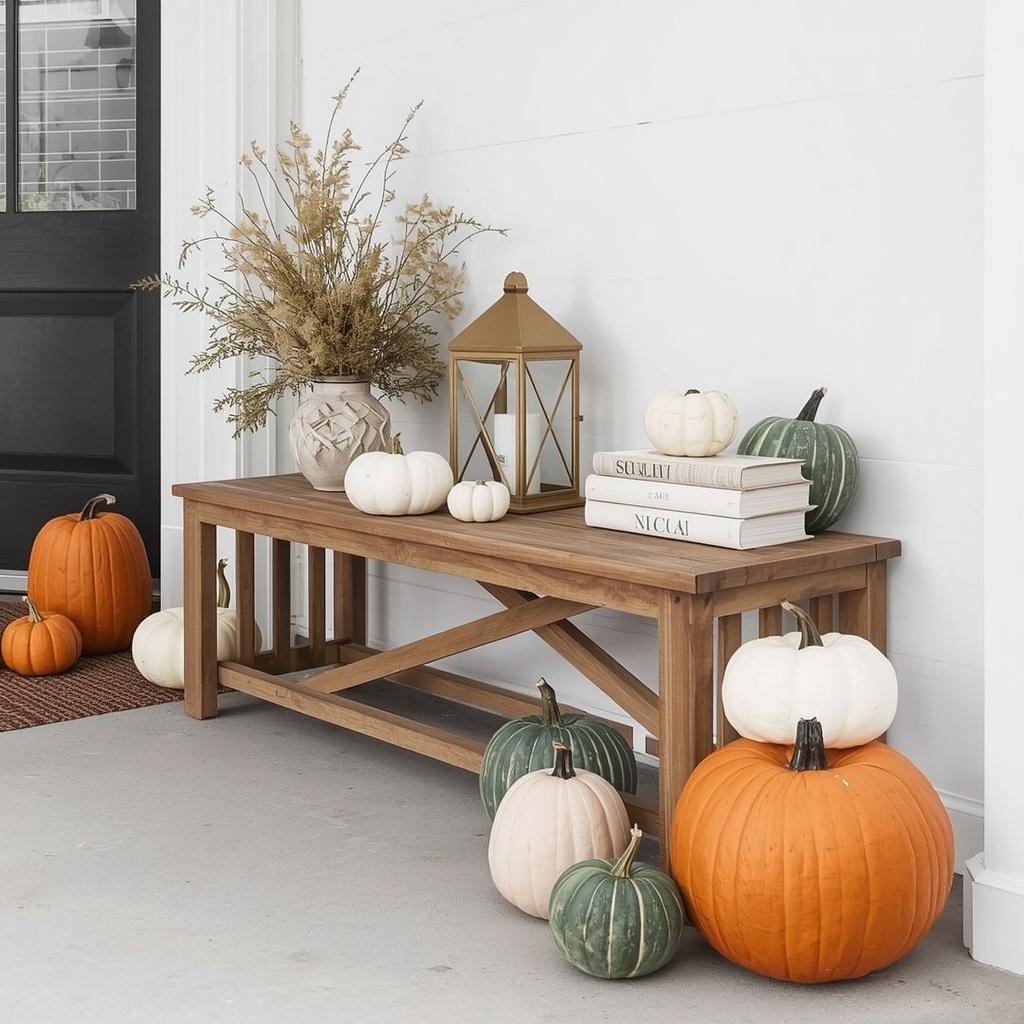
Add a seasonal doormat with a subtle, non-cartoonish pattern, and place a low wooden bench or console table with a curated vignette of dried florals, a lantern, and a stack of neutral-toned books. On your porch, opt for a mix of heirloom pumpkins in white, green, and warm orange rather than uniform bright-orange varieties, which tend to read as more decorative and less costume-like.
Step 6: Update Your Dining and Kitchen Spaces
The kitchen and dining room are where autumn gatherings happen, making them essential spaces to refresh. Small styling changes here support both function and atmosphere for the entertaining season ahead.
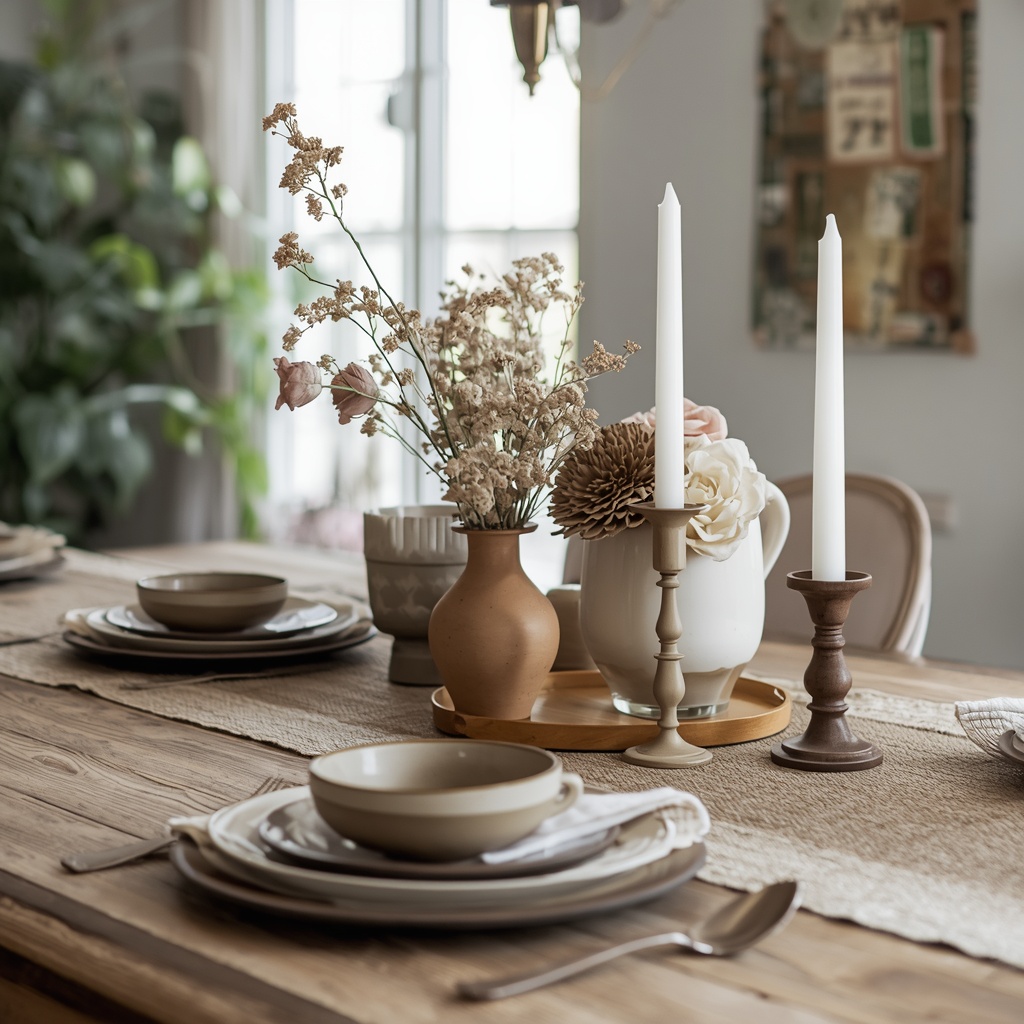
Swap your table linens for a heavier, textured runner in a warm neutral, and introduce stoneware dinnerware in matte, earthy glazes for a grounded, seasonal table setting. A simple centerpiece of dried florals, taper candles, and mismatched ceramic vessels creates an effortlessly styled table without requiring a full tablescape overhaul.
Kitchen and dining refresh list:
- Stoneware or ceramic dinnerware in matte earth tones
- Linen or waffle-weave napkins in rust or olive
- Wooden serving boards and utensils
- Taper candles in brass or ceramic holders
- A rotating fruit bowl styled with seasonal produce
Step 7: Don’t Forget the Bedroom
Cozy autumn styling shouldn’t stop at your main living spaces. The bedroom is where warmth and texture matter most, since it’s where comfort is most literally experienced.
Layer your bedding with a heavier duvet, a knit throw at the foot of the bed, and a mix of textured European shams and lumbar pillows. Consider swapping out lightweight curtains for a heavier linen or velvet option that also helps insulate the room as temperatures cool.
Common Mistakes to Avoid When Decorating for Fall
Even well-intentioned autumn decorating can go wrong. Here are the most frequent missteps I see as a designer, and how to avoid them.
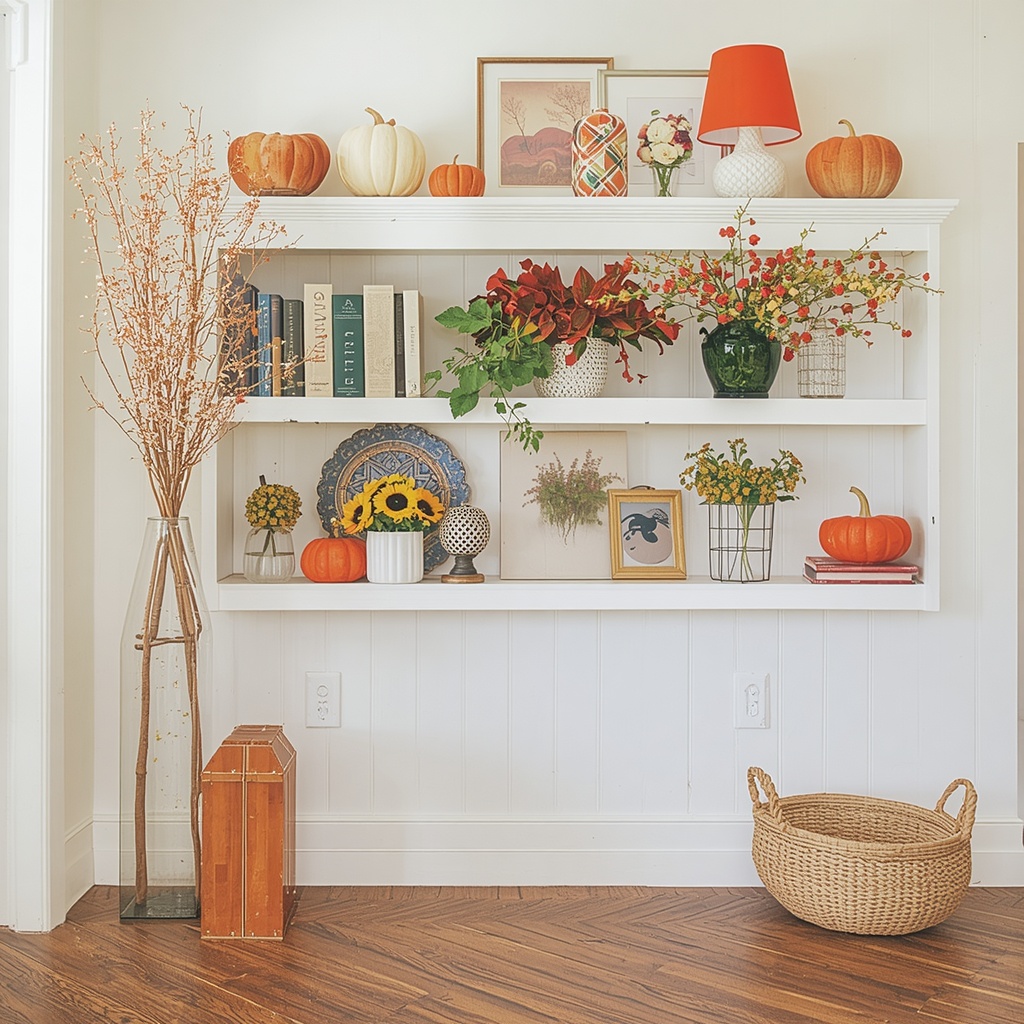
- Over-relying on orange: Too much bright orange can feel more Halloween than autumn. Balance it with neutrals and deeper tones.
- Buying disposable decor: Cheap plastic gourds and faux leaves rarely photograph or age well. Invest in a few quality pieces that can be reused yearly.
- Ignoring scent: Atmosphere is multisensory. A cluttered visual scheme paired with an overpowering candle scent can feel chaotic rather than cozy.
- Skipping the edit: Adding fall decor on top of your existing summer styling without editing down creates visual clutter. Remove before you add.
- Forgetting scale: Oversized dried florals or tiny accessories thrown into a large room can throw off visual balance.
A Simple Room-by-Room Autumn Checklist
| Room | Quick Update | Optional Upgrade |
|---|---|---|
| Living Room | Swap pillow covers, add throw blanket | New area rug layer |
| Entryway | Seasonal doormat, dried floral vignette | Bench or console table |
| Kitchen | Stoneware bowls, seasonal produce | New dinnerware set |
| Dining Room | Textured table runner, taper candles | New centerpiece vessel |
| Bedroom | Heavier duvet, knit throw | Blackout or linen curtains |
| Porch | Mixed heirloom pumpkins, lantern | Wreath refresh |
Final Thoughts: Building a Home That Feels Like Autumn
Transitioning your home for fall doesn’t require a complete redesign or a big budget. It requires intention — choosing a cohesive color story, layering meaningful textures, and bringing in natural elements that echo what’s happening outside your window. The goal isn’t to decorate for the season, but to let your home genuinely feel like it belongs to it.

Start small: swap a few textiles, adjust your lighting, and edit before you add. Over time, these thoughtful seasonal transitions will become second nature, and your home will feel like it’s always exactly where it should be — warm, welcoming, and ready for the months ahead.