
A hand-knotted wool area rug is more than floor covering — it’s an heirloom in the making. As an interior designer who has sourced, styled, and rescued more wool rugs than I can count, I can tell you this: the difference between a rug that looks stunning for thirty years and one that looks tired after three isn’t the price tag. It’s the maintenance routine.
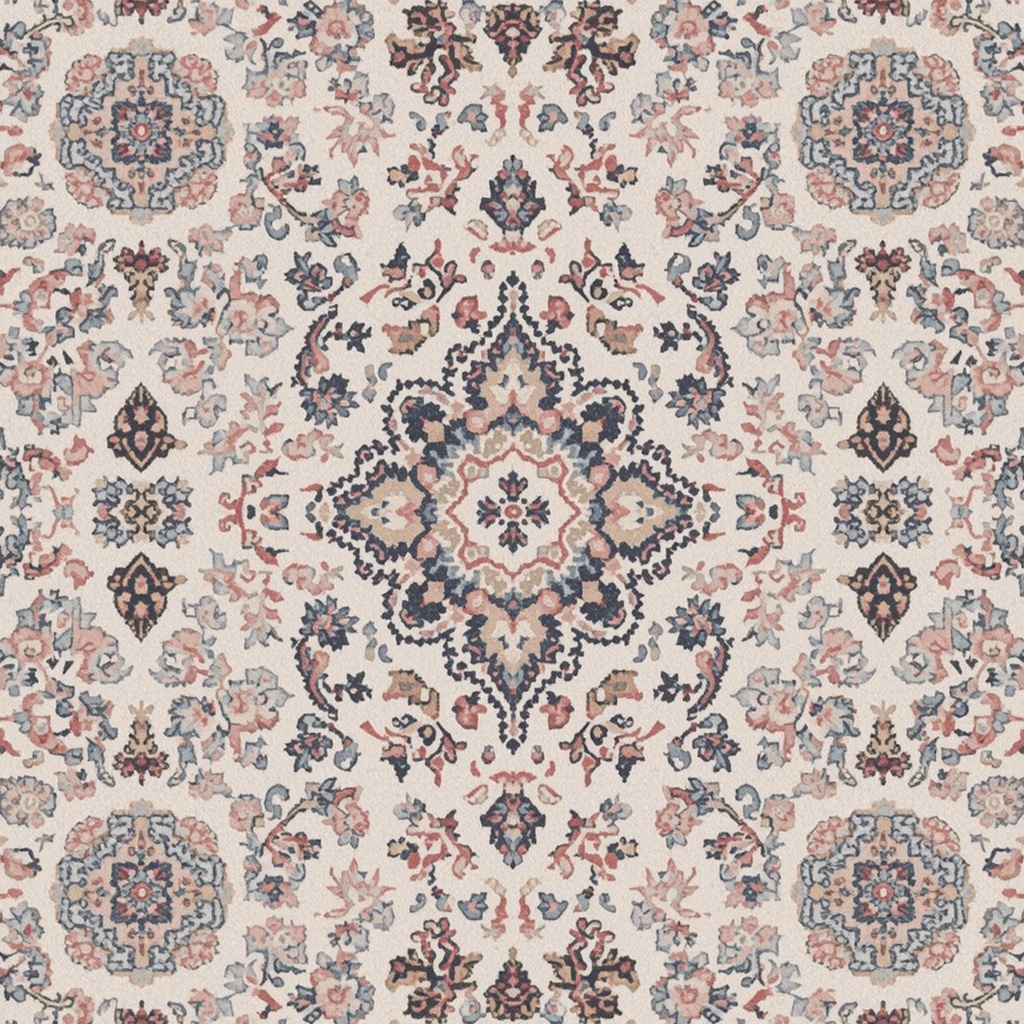
Wool is naturally resilient, stain-resistant, and self-cleaning to a degree that synthetic fibers simply can’t match. But “resilient” doesn’t mean “invincible.” Without the right care, even a $10,000 Persian or Turkish wool rug will dull, mat, and shed its beauty faster than it should. This guide walks you through everything you need to know — from daily upkeep to deep cleaning, stain removal, and long-term storage — so your investment stays gorgeous for generations.
Why Wool Rugs Need Different Care Than Synthetic Rugs
Wool is a protein fiber, not a plastic one. Each strand has a natural coating of lanolin, a waxy substance that repels liquid and dirt, and a layered outer structure of overlapping scales (similar to human hair) that hides soil deep within the pile rather than letting it sit on the surface. This is why wool rugs feel cleaner underfoot even between washes.
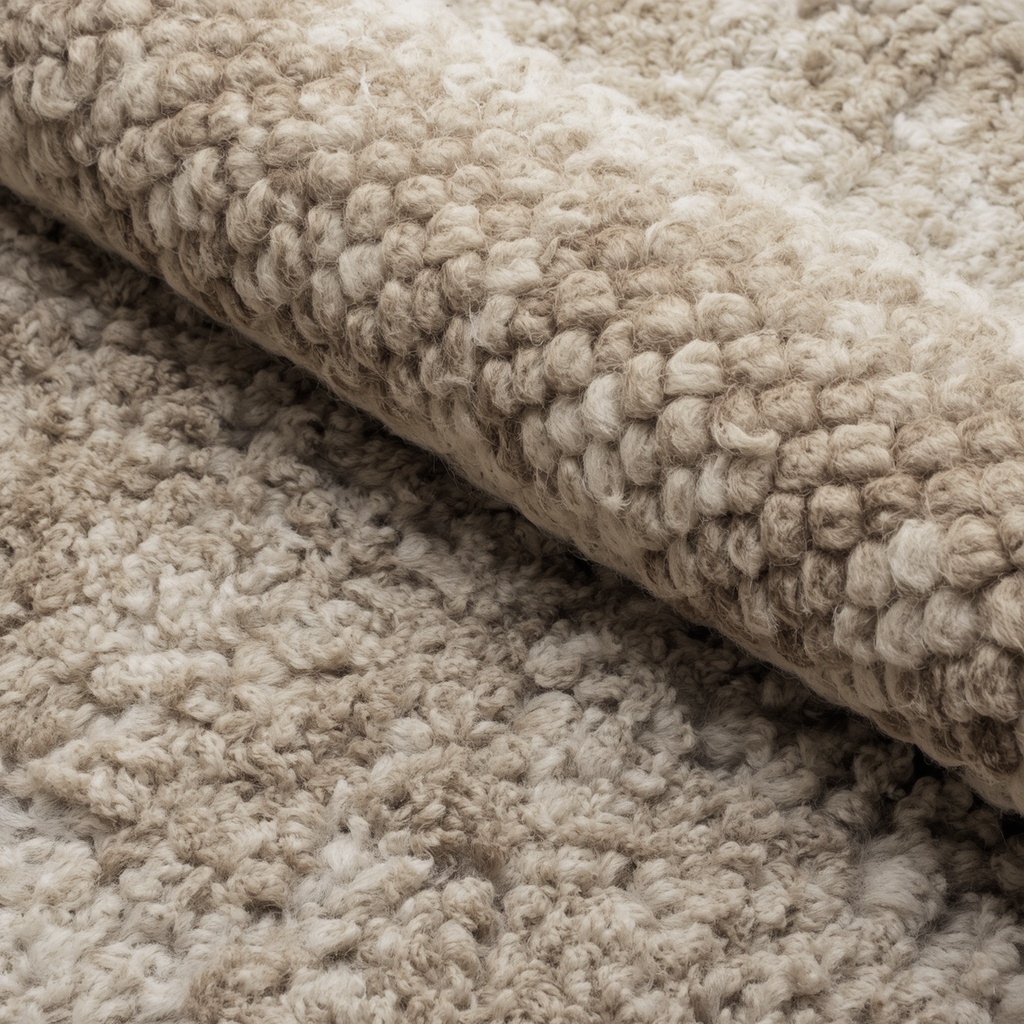
But that same organic structure makes wool sensitive to heat, harsh chemicals, and excess moisture. High heat can singe or felt the fibers permanently. Alkaline cleaners strip away the protective lanolin coating, leaving wool brittle and prone to fading. Oversaturating wool during cleaning can cause the foundation (often cotton or jute) to shrink unevenly, warping the rug. Understanding this biology is the foundation of every cleaning decision you’ll make.
“A wool rug is a living material — treat it like a fine wool sweater, not a doormat, and it will outlive most of your furniture.” — a principle passed down by rug artisans in Kashmir and Anatolia for generations.
Daily and Weekly Maintenance: The 80% That Matters Most
Most of a rug’s lifespan is determined by low-effort, high-frequency habits rather than occasional deep cleans. Grit and sand act like sandpaper on wool fibers every time someone walks across the rug, so removing that abrasive dirt regularly is the single most protective thing you can do.

Vacuuming is your best friend here, but technique matters. Use a vacuum without a rotating beater brush, or switch the beater bar off, since aggressive brushing can pull and fray hand-knotted fringe and loosen pile fibers over time. Vacuum in the direction of the pile, go over high-traffic areas twice weekly, and always vacuum both the front and the back of the rug every month to release deep-set grit.
Weekly wool rug care checklist:
- Vacuum high-traffic zones 2–3 times per week using suction-only or a low-pile setting
- Rotate the rug 180 degrees every 3–6 months for even wear and sun exposure
- Blot (never rub) spills immediately with a clean, white, absorbent cloth
- Shake out small rugs outdoors monthly to release surface dust
- Check fringe and edges for loose threads or fraying
- Use a rug pad underneath to reduce friction and prevent slipping
Pro Tip
Pro Tip: Buy a natural-fiber rug beater or simply hang your rug over a railing and gently tap it with a broom handle before you vacuum. This loosens embedded dust that vacuuming alone often can’t fully lift, and it’s the same low-tech method rug weavers have used for centuries — no machine required.
The Right Way to Vacuum a Wool Rug
Vacuuming sounds simple, but doing it wrong is one of the most common ways homeowners damage expensive wool rugs. The goal is suction, not agitation. Beater bars are designed for synthetic carpet fibers glued to a backing; on a hand-knotted or hand-tufted wool rug, that same brush action can loosen knots, pull pile, and shred delicate fringe.
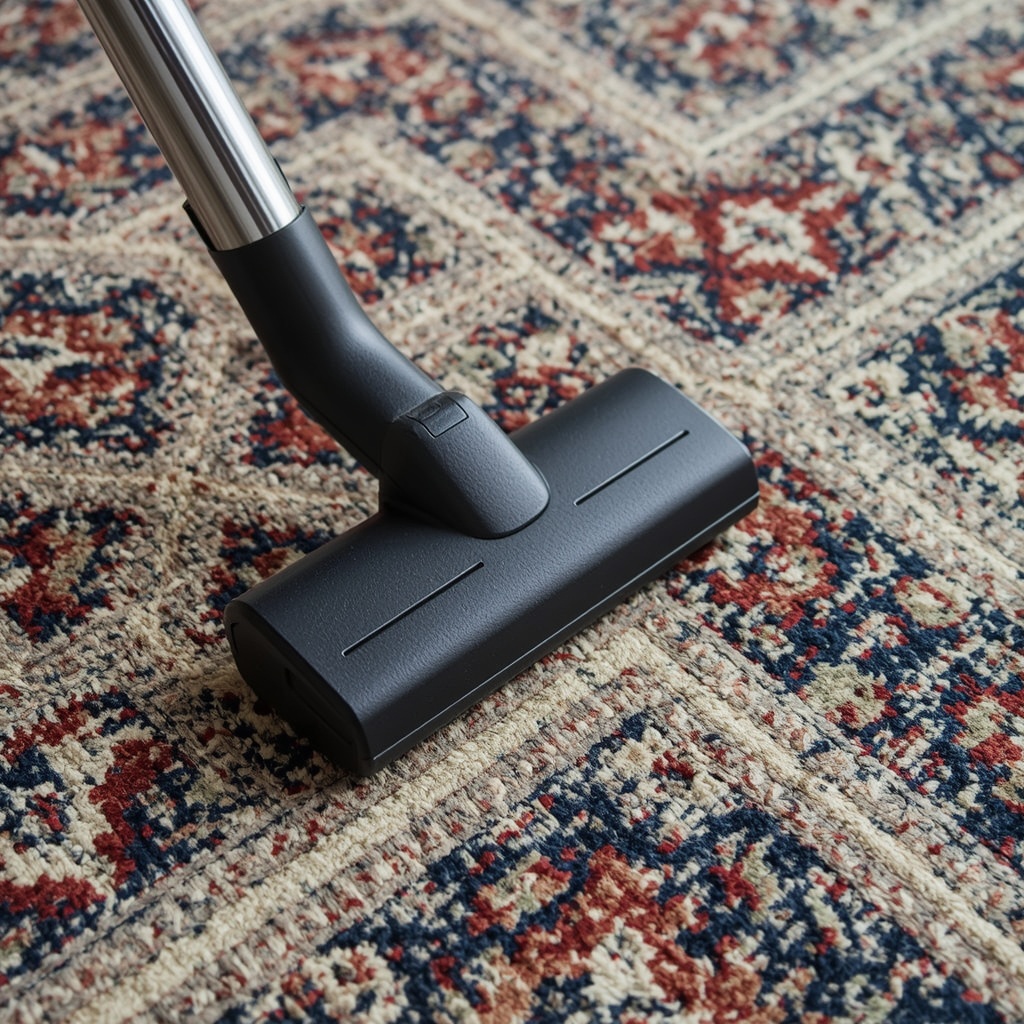
If your vacuum has adjustable height settings, raise it so the brush barely skims the surface, or use the bare floor/upholstery attachment instead. For rugs with fringe, vacuum the fringe separately by hand or with a hose attachment, always pulling in the direction the fringe lays flat. Never vacuum directly over a fringe edge with a rotating brush head, since this is the fastest way to unravel it.
| Vacuum Setting | Safe for Wool? | Notes |
|---|---|---|
| Suction only, no brush roll | Yes | Best overall choice for hand-knotted rugs |
| Low pile / bare floor setting | Yes | Good for machine-made or flatweave wool rugs |
| Beater brush on medium/high pile | Use caution | Only for thick, tufted wool rugs, never on fringe |
| High-power beater on hand-knotted rugs | No | Can loosen knots and fray fibers |
| Robot vacuum with brush roll | No | Fringe can catch and tangle in the roller |
Spot Cleaning and Stain Removal
Spills happen — wine at dinner parties, muddy paw prints, a toddler’s juice cup. Wool’s natural stain resistance buys you time, but only if you act correctly and quickly. The rule of thumb is simple: blot, don’t scrub, and always work from the outside of the stain toward the center to prevent it from spreading.
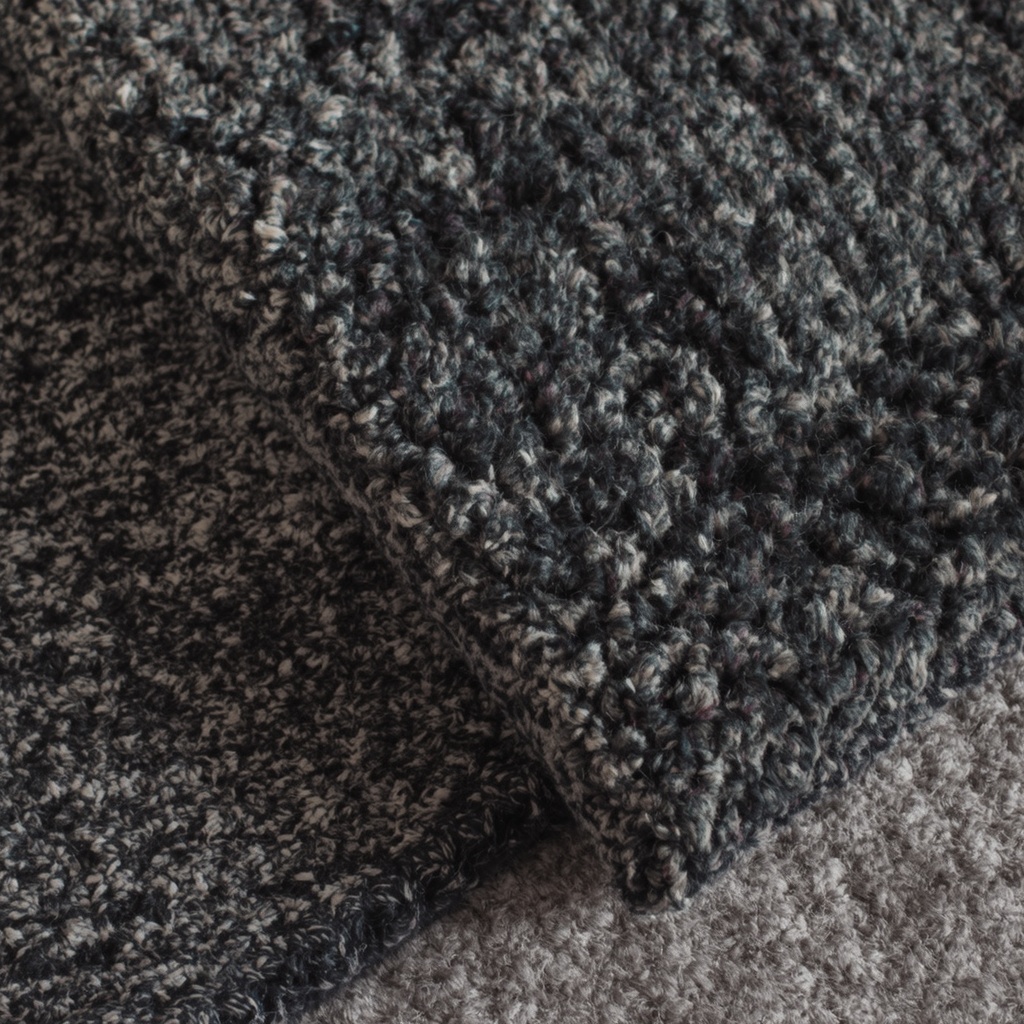
Start by removing any solid material with a spoon or dull knife. Then blot with a clean white cloth and cool (never hot) water. For most organic stains, a solution of one teaspoon of mild, pH-neutral dish soap in a cup of cool water works well; apply it to the cloth, not directly onto the rug, and blot gently. Rinse by blotting with a cloth dampened in plain water, then press a dry towel over the area and weigh it down with a heavy book to draw out remaining moisture.
Common stains and how to treat them:
- Red wine: Blot immediately, apply a small amount of club soda, blot again, then follow with the mild soap solution.
- Pet accidents: Blot thoroughly, treat with a wool-safe enzymatic cleaner, and rinse well to prevent lingering odor and re-soiling.
- Coffee or tea: Blot, treat with the diluted dish soap mixture, and rinse; avoid vinegar-based solutions on wool since acidity can affect certain dyes.
- Candle wax: Let it harden fully, gently scrape off the excess with a dull edge, then place a paper towel over the spot and press with a warm (not hot) iron to lift the rest.
- Grease or oil: Sprinkle cornstarch or baking soda on the spot, let it sit for several hours to absorb the oil, then vacuum and treat any residue with the soap solution.
Avoid ammonia, bleach, and hydrogen peroxide entirely, as these can strip wool’s natural luster and cause irreversible color loss, especially on rugs dyed with natural or vegetable-based pigments.
Deep Cleaning: DIY vs. Professional
Even with diligent weekly care, wool rugs need a deeper clean roughly every 12 to 18 months, or annually in high-traffic households with pets or kids. This is where many homeowners face a choice: attempt it themselves or call in a specialist.

For lighter, machine-made wool rugs, a gentle at-home deep clean is manageable. Vacuum thoroughly first, then use a wool-safe rug shampoo diluted according to the label, working it in with a soft brush in the direction of the pile. Rinse carefully with a hose or clean damp cloths until no soap residue remains, then dry the rug flat, elevated on a rack, in a well-ventilated area away from direct sun. For hand-knotted, antique, silk-blend, or oversized wool rugs, professional cleaning is strongly recommended, since these pieces require specialized submersion washing and controlled drying that most homes can’t replicate safely.
| Cleaning Method | Best For | Frequency | Risk Level |
|---|---|---|---|
| Weekly vacuuming | All wool rugs | 2–3x per week | Low |
| Spot cleaning | Fresh spills and stains | As needed | Low if done promptly |
| DIY shampoo deep clean | Machine-made, flatweave wool rugs | Annually | Moderate |
| Professional wool rug wash | Hand-knotted, antique, high-value rugs | Every 12–18 months | Low (when done by specialists) |
| Steam cleaning with home carpet cleaners | Not recommended for wool | N/A | High — avoid entirely |
Look for a rug cleaning specialist certified by an organization such as the Rug Cleaning Institute or one affiliated with the Institute of Inspection, Cleaning and Restoration Certification (IICRC), rather than a general carpet cleaning company. Wool rugs, especially hand-knotted ones, require dedicated dunking and drying facilities that most upholstery cleaners simply don’t have.
Sunlight, Fading, and Placement
Interior designers pay close attention to where a rug lives in a room, and light exposure is a major reason why. Wool is naturally UV-resistant compared to synthetic fibers, but prolonged direct sunlight will still fade dyes unevenly over time, especially on richly saturated jewel tones and reds.

If your rug sits in a sunlit room, consider UV-filtering window film or sheer curtains to diffuse direct rays during peak afternoon hours. Rotating the rug every few months ensures that fading, if it occurs, happens evenly rather than leaving an obvious sun-bleached patch on one side. This is a favorite trick among professional stagers and designers who want a rug’s color story to stay consistent for years, especially in living rooms and sunrooms where furniture rarely moves to reveal what’s underneath.
Protecting Against Moths and Pests
Because wool is a natural, protein-based fiber, it’s a potential food source for carpet moths and their larvae — something synthetic rugs never have to worry about. Moths are drawn to soiled, undisturbed areas, particularly under furniture or in storage, which is another reason regular vacuuming matters so much: it’s not just about dirt, it’s pest prevention.
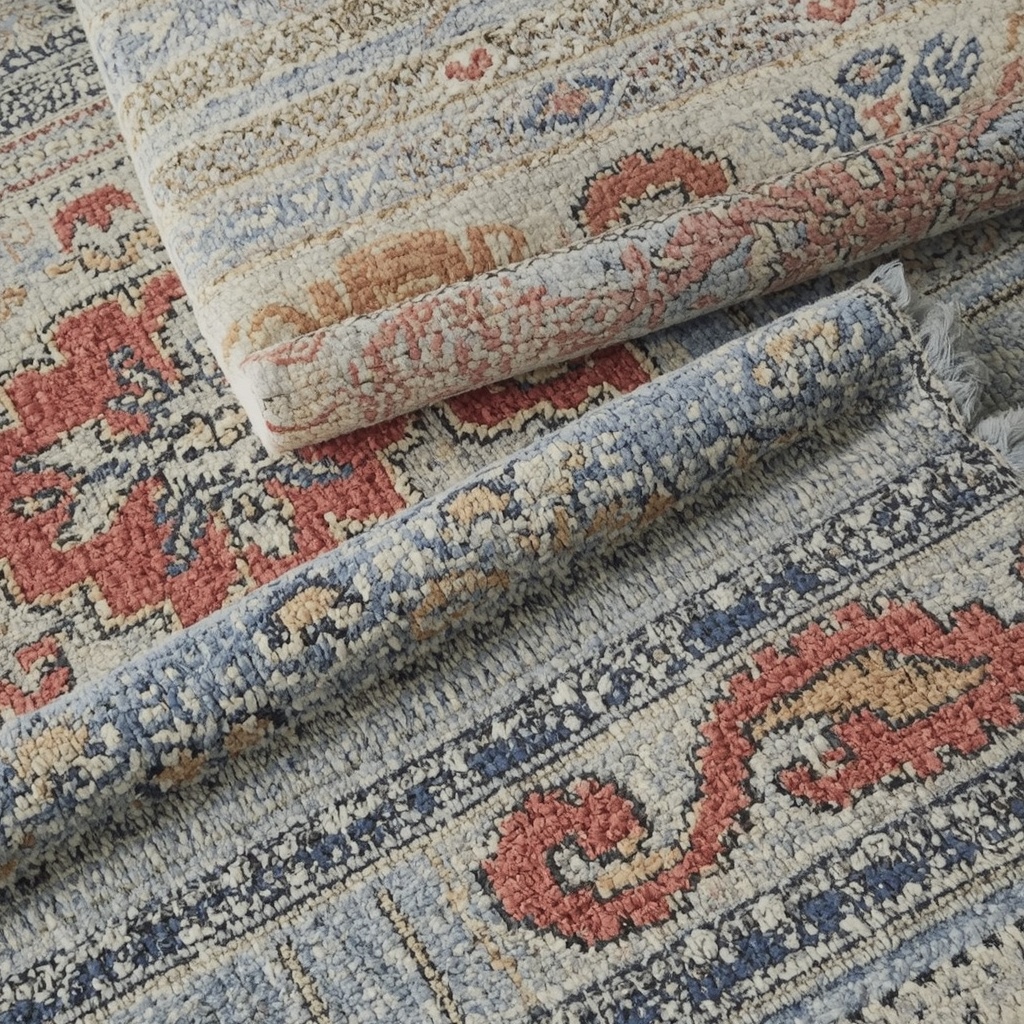
If you’re storing a wool rug seasonally or during a move, clean it thoroughly first, since moths are attracted to food residue, skin oils, and organic debris far more than to clean wool itself. Roll the rug (never fold it, to avoid creasing the foundation) with the pile facing inward, wrap it in breathable cotton or acid-free paper rather than plastic, and add cedar blocks or lavender sachets nearby. Store it in a cool, dry location, and unroll and inspect it every few months to ensure no moisture or pests have found their way in.
Long-Term Rug Health: A Quick Reference Table
| Task | Frequency | Why It Matters |
|---|---|---|
| Vacuum (suction mode) | 2–3x per week | Removes abrasive grit before it damages fibers |
| Rotate rug | Every 3–6 months | Ensures even wear and sun exposure |
| Blot spills | Immediately | Prevents staining and mold growth |
| Flip and vacuum underside | Monthly | Releases deep-set dust and debris |
| Professional deep clean | Every 12–18 months | Restores lanolin, removes embedded soil |
| Check for moth activity | Every 3 months | Prevents fiber damage in storage or under furniture |
| Use a rug pad | Ongoing | Reduces friction, slipping, and premature wear |
Common Mistakes That Shorten a Wool Rug’s Life
Even well-intentioned rug owners make avoidable errors. Knowing what not to do is just as important as knowing the proper cleaning steps, since a single mistake — like steam cleaning or scrubbing a stain aggressively — can undo years of careful maintenance in minutes.
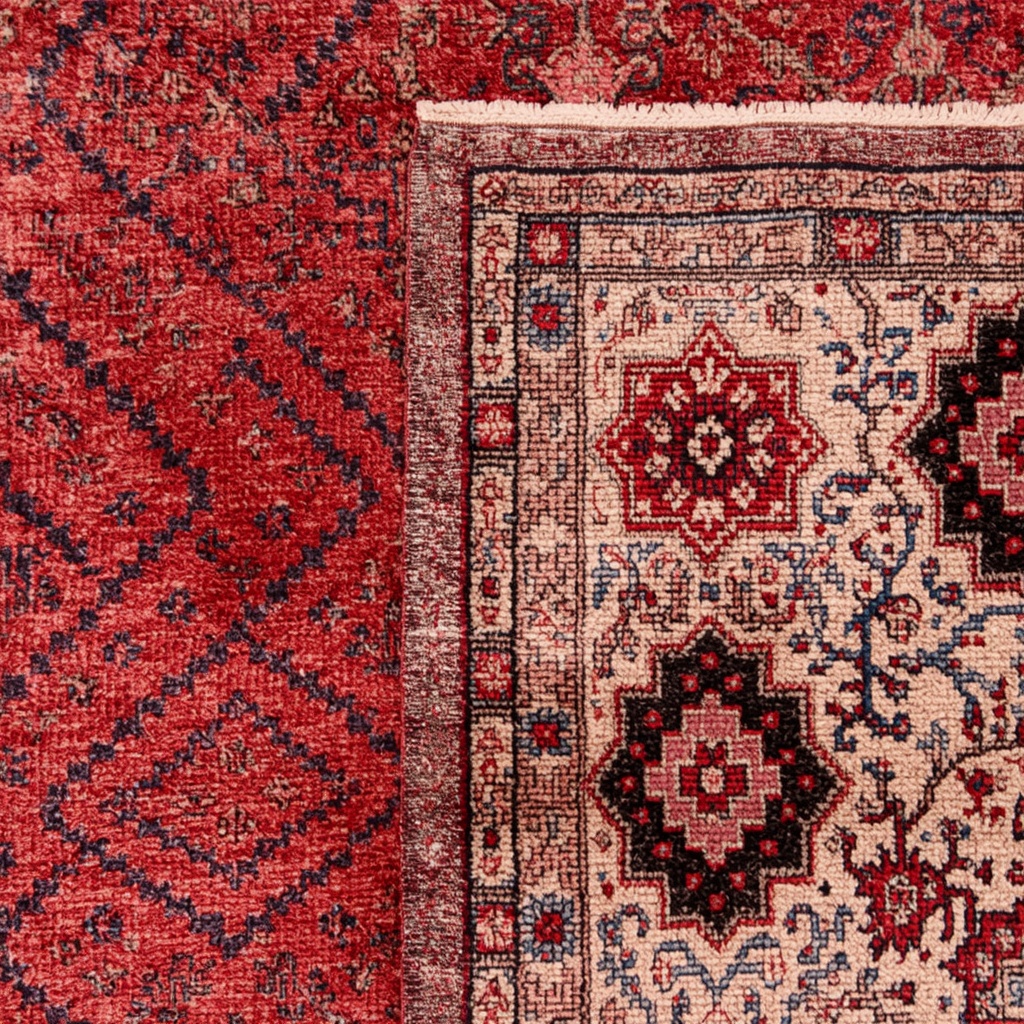
The most frequent issues designers see include using steam cleaners or carpet shampooers designed for synthetic carpet, which introduce too much heat and moisture into wool fibers; scrubbing stains vigorously, which pushes the stain deeper and damages fiber structure; skipping a rug pad, which accelerates wear and allows the rug to shift and buckle underfoot; and letting a rug sit wet for extended periods, which risks mold, mildew, and jute or cotton foundation shrinkage. Avoiding these five habits alone will meaningfully extend the life of any wool rug in your home.
Final Thoughts: Treat It Like the Investment It Is
A luxury wool area rug is a long-term design commitment, not a disposable accessory, and it rewards consistent, gentle care far more than occasional intensive effort. Vacuum often, blot spills immediately, rotate for even wear, and bring in professionals for deep cleaning rather than reaching for home carpet-cleaning equipment. Do this, and a well-made wool rug can genuinely last 25 to 100 years, aging beautifully rather than simply aging.

As with most things in interior design, the secret isn’t complicated — it’s consistency. Small, regular habits protect the fiber, the dye, and the craftsmanship far better than any single deep clean ever could, keeping your rug looking as rich and intentional as the day it was laid.