
An accent chair can transform a living room faster than almost any other single piece of furniture. It’s the punctuation mark at the end of a well-designed sentence — small in footprint, but loud in impact. Yet for something so visually powerful, the accent chair is one of the most commonly mis-bought pieces in American homes.
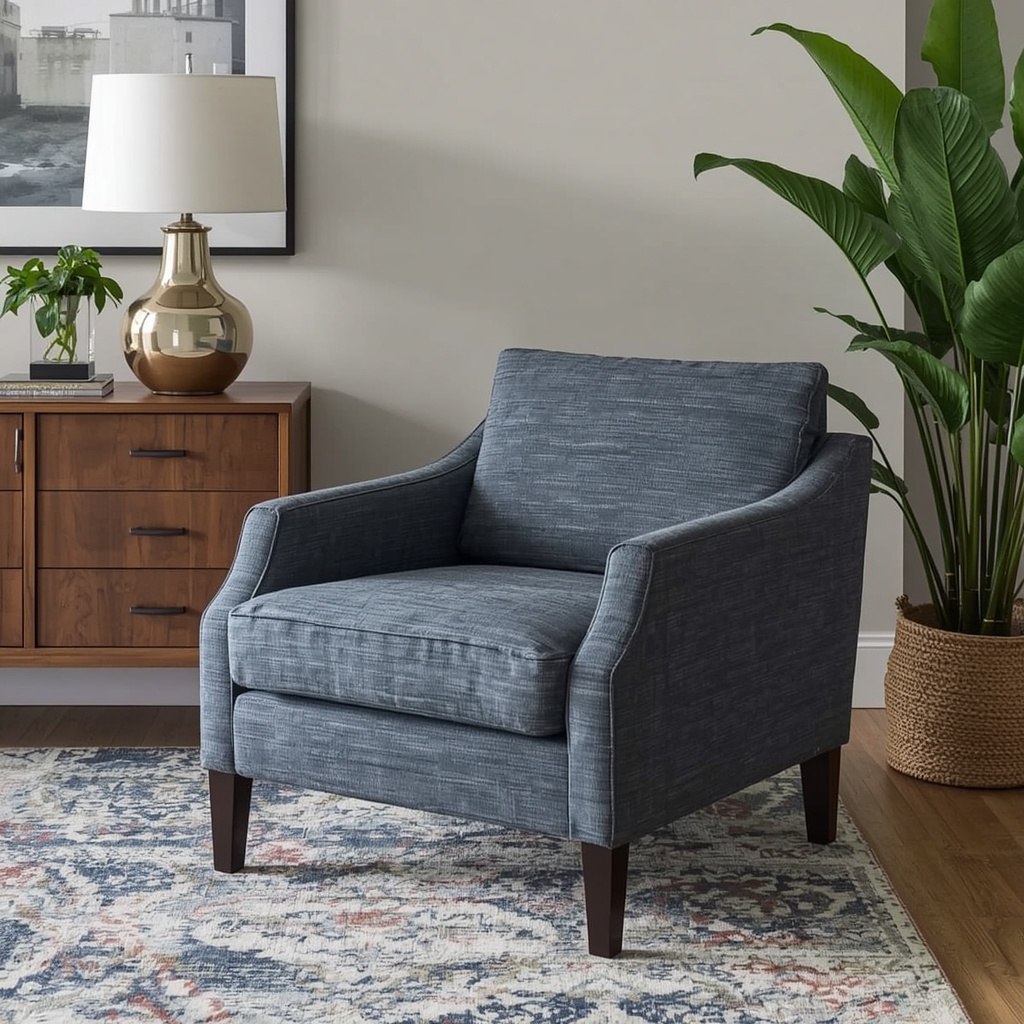
As an interior designer who has spent years helping clients furnish everything from cozy Brooklyn brownstones to sprawling Texas ranch homes, I can tell you that the “right” accent chair isn’t about trends — it’s about intention. Below, I’ll walk you through exactly how to choose an accent chair that elevates your living space instead of fighting it.
What Is an Accent Chair, Exactly?
An accent chair is a standalone seat designed to complement — not match — your existing sofa or sectional. Unlike your main seating, it’s meant to introduce contrast: a pop of color, an unexpected silhouette, or a different texture that gives the eye somewhere new to land.
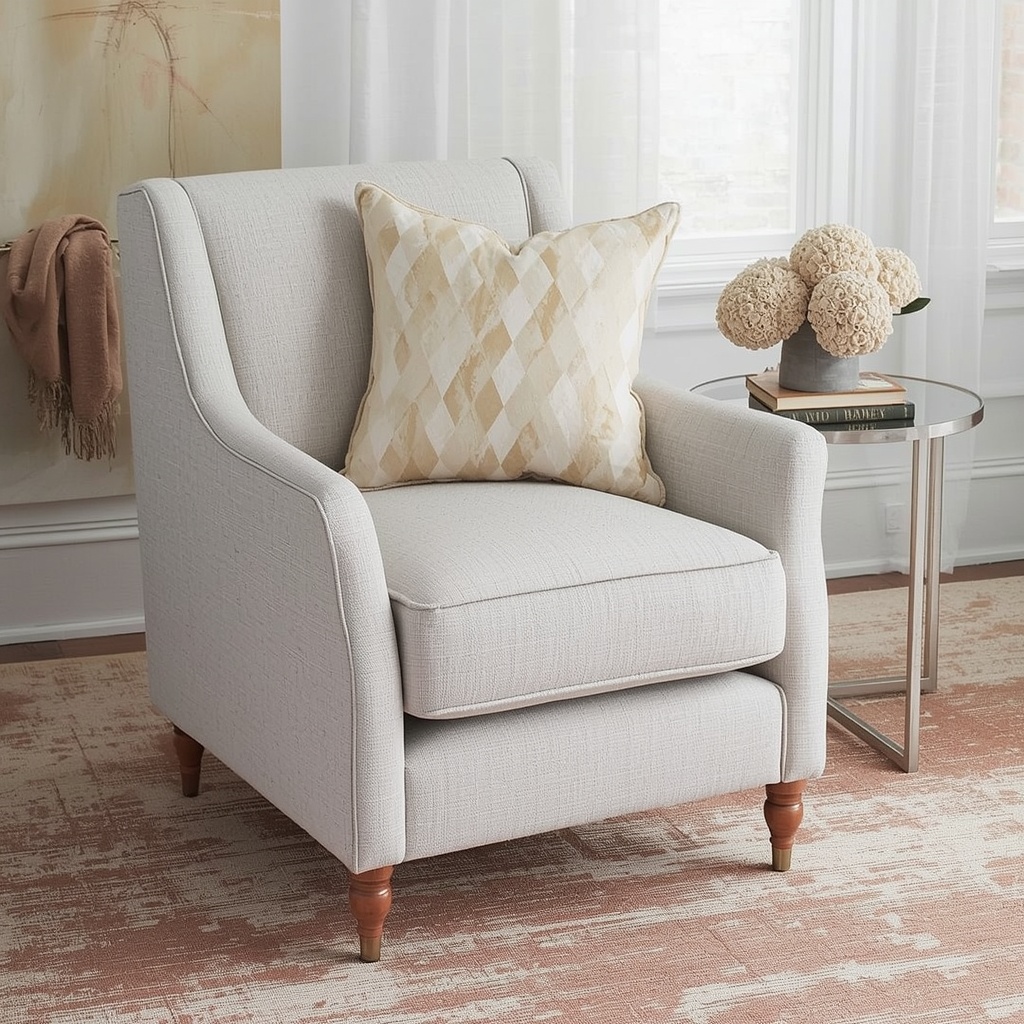
Think of your living room as an outfit. Your sofa is the foundation, like a well-tailored blazer. Your accent chair is the statement shoes or the bold accessory that makes the whole look feel curated rather than accidental. Done right, it signals personality and intention; done wrong, it can make a room feel disjointed or cluttered.
“A great accent chair doesn’t shout for attention — it earns it through proportion, texture, and placement.” — Design principle I share with every client
Step 1: Assess Your Living Space Before You Shop
Before falling in love with a chair on Pinterest or Instagram, take stock of the room itself. Measure the space where the chair will live, note your existing furniture’s color palette, and pay attention to natural light and traffic flow.
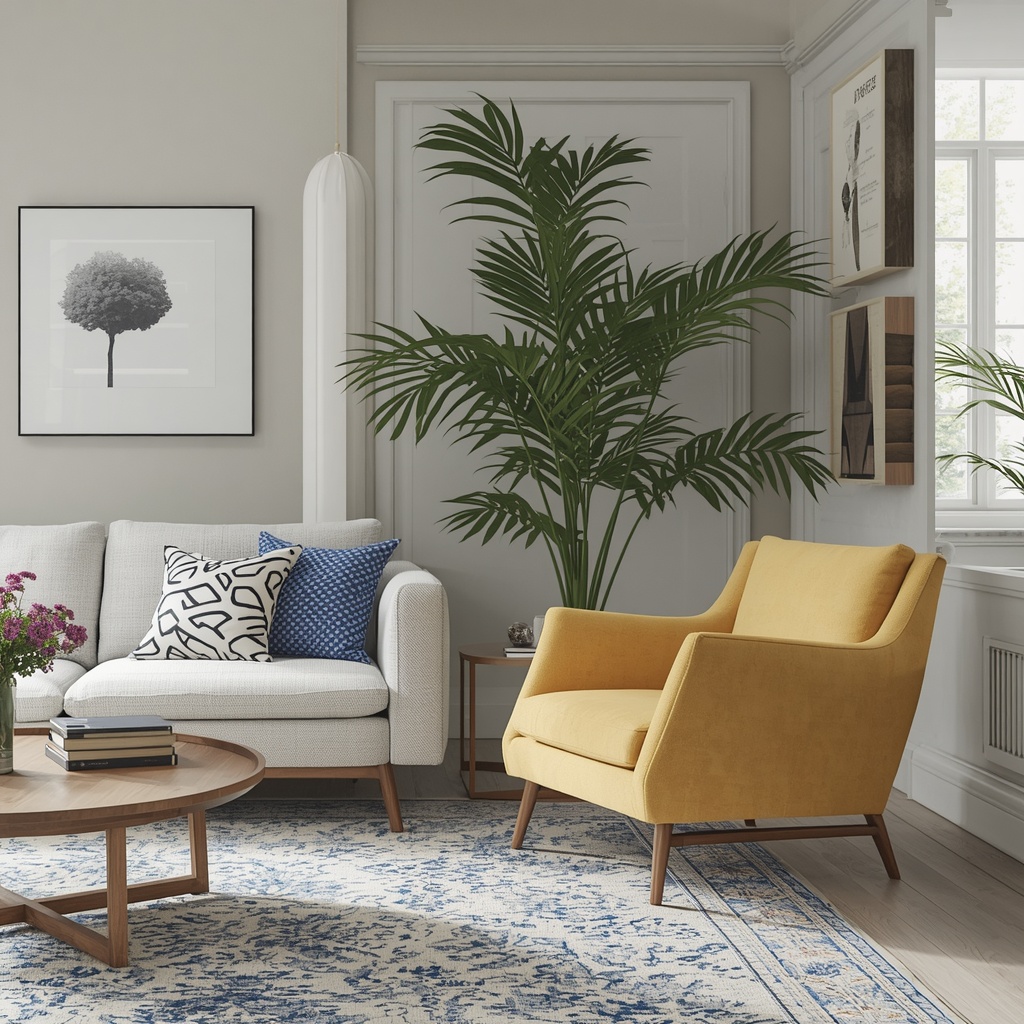
Walking into a furniture showroom without this information is how most accent chair regrets happen. A chair that looks stunning in a 2,000-square-foot showroom can swallow a small apartment living room whole, or conversely, get lost in a large open-concept space. Spend ten minutes with a tape measure before you spend a dime.
Questions to ask yourself before shopping:
- How much floor space can I realistically dedicate to this chair?
- What’s the dominant color and material already in the room (wood tone, sofa fabric, rug)?
- Will this chair be used daily for reading and relaxing, or mostly for occasional seating?
- Does the room lean traditional, transitional, modern, or eclectic?
Pro Tip
Pro Tip: Use painter’s tape on your floor to outline the chair’s approximate footprint (check the product dimensions online first). Live with that outline for a day or two. It sounds simple, but it’s the single best way to avoid buying a chair that’s too bulky — or too small — for the space.
Step 2: Define Your Style Direction
Accent chairs come in an enormous range of aesthetics, and choosing one that aligns with your home’s overall design language is crucial. You don’t need to match your décor perfectly, but you do need a thread of cohesion — whether that’s a shared color family, a complementary wood tone, or a consistent design era.
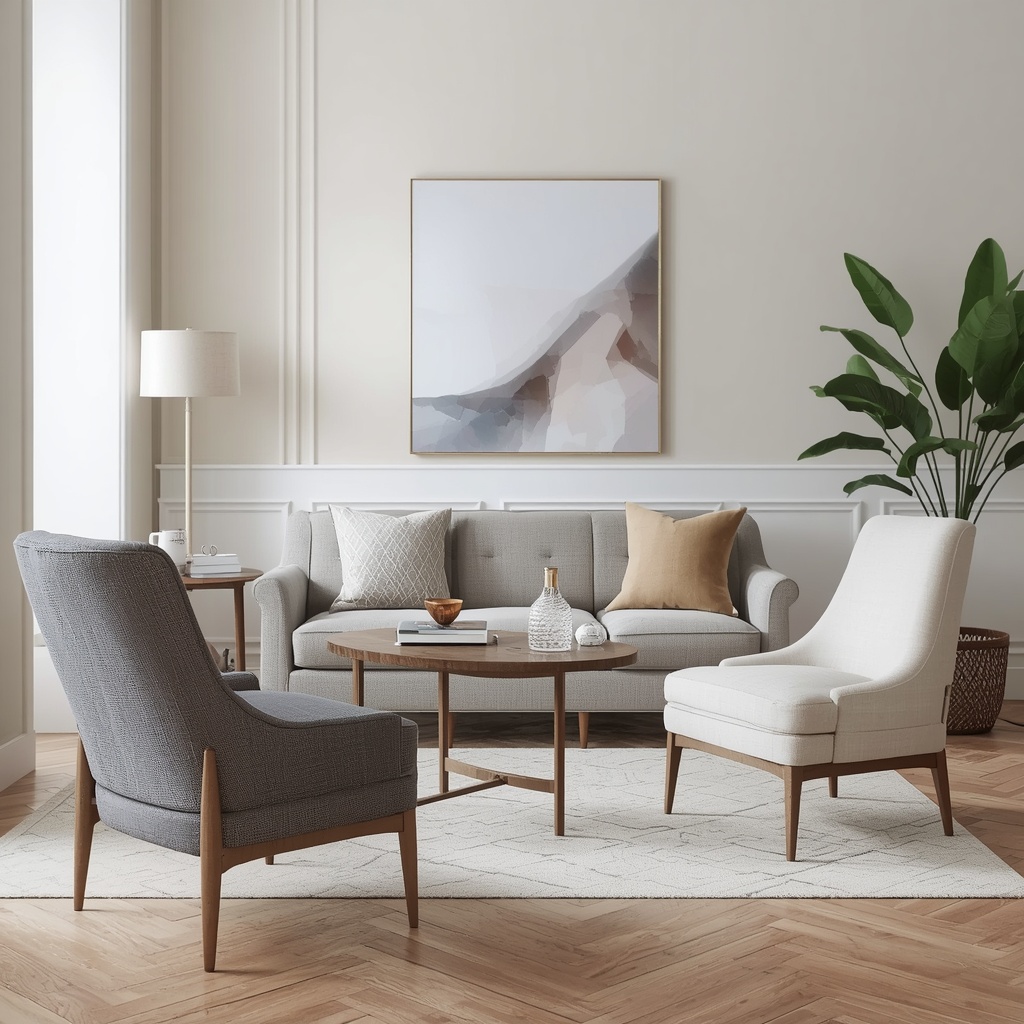
Here’s a quick-reference table to help you map common interior styles to the accent chair silhouettes that tend to work best with them:
| Interior Style | Best Accent Chair Types | Common Materials |
|---|---|---|
| Modern / Contemporary | Slipper chairs, low-profile armchairs | Leather, boucle, metal frames |
| Traditional | Wingback, club chairs | Tufted velvet, linen, dark wood |
| Transitional | Barrel chairs, swivel chairs | Performance fabric, mixed metals |
| Mid-Century Modern | Egg chairs, tapered-leg armchairs | Wool, walnut, tweed |
| Farmhouse / Rustic | Rocking chairs, wingback with slipcovers | Cotton, linen, distressed wood |
| Bohemian | Papasan, rattan peacock chairs | Rattan, jute, woven textiles |
| Coastal / Hamptons | Wicker chairs, relaxed slipcover chairs | Cotton-linen blends, white-washed wood |
This table isn’t a rulebook — it’s a starting point. Many of the best-designed living rooms actually blend an unexpected chair style into a room that doesn’t “match” on paper, creating that lived-in, curated feel high-end designers love.
Step 3: Get the Scale and Proportion Right
Scale is the single biggest factor separating an accent chair that looks intentional from one that looks like it was randomly grabbed off a showroom floor. The chair needs to relate proportionally to your sofa, your coffee table, and the room’s overall volume.
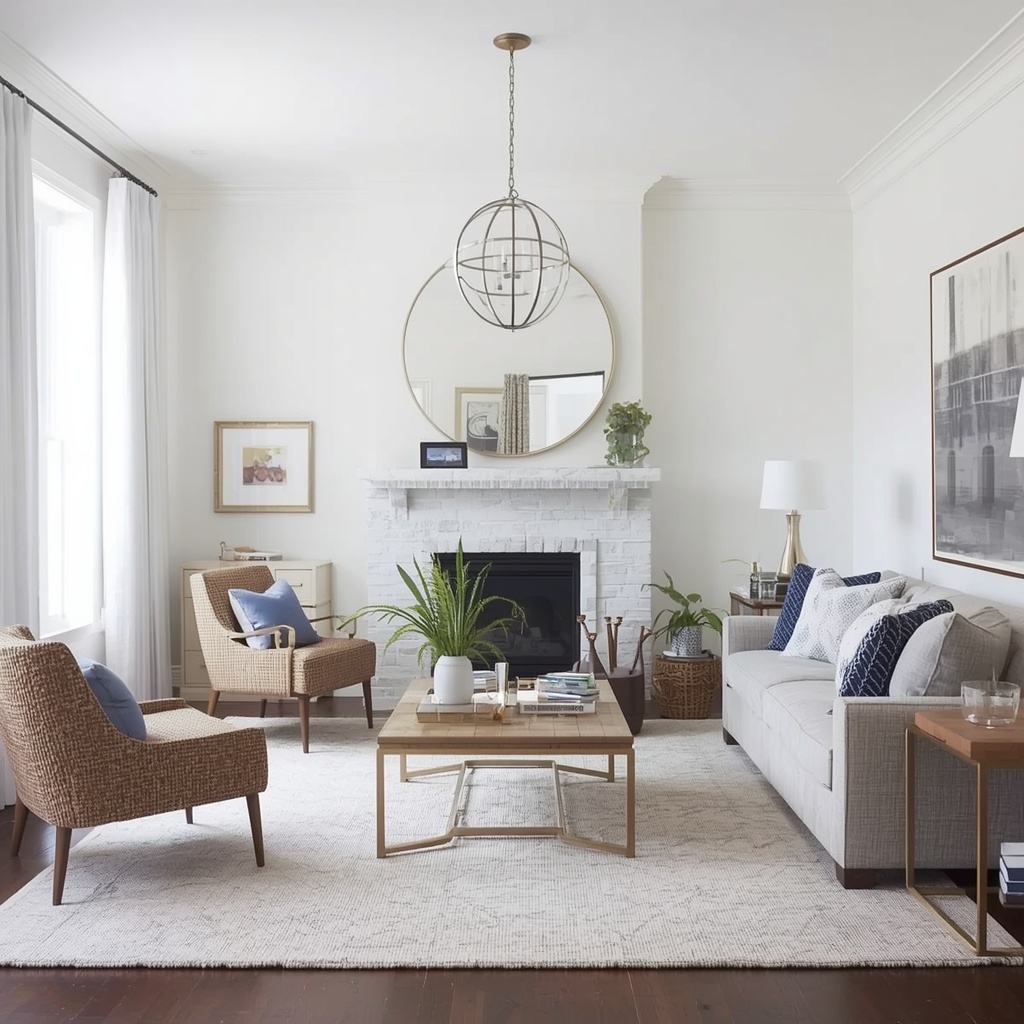
As a general guideline, an accent chair’s seat height should sit within an inch or two of your sofa’s seat height, and its arm height should feel visually balanced rather than towering over or sinking below nearby pieces. If your ceilings are high (think 9 feet or more), you can comfortably go with a chair that has a taller back and bolder presence; in a room with standard 8-foot ceilings, a lower-profile chair will breathe much better.
Quick scale checklist:
- Sofa seat height should roughly match the accent chair’s seat height (within 1–2 inches).
- Leave at least 30–36 inches of walking clearance around the chair for traffic flow.
- In small rooms (under 200 sq ft), choose chairs under 30 inches wide.
- In large or open-concept rooms, don’t be afraid of a chair with a higher back or wider stance — it helps anchor the space.
Step 4: Choose the Right Fabric and Material
Material choice affects both the look and the longevity of your accent chair, and it’s where function and beauty really intersect. This is especially important for U.S. households juggling pets, kids, and busy lifestyles.
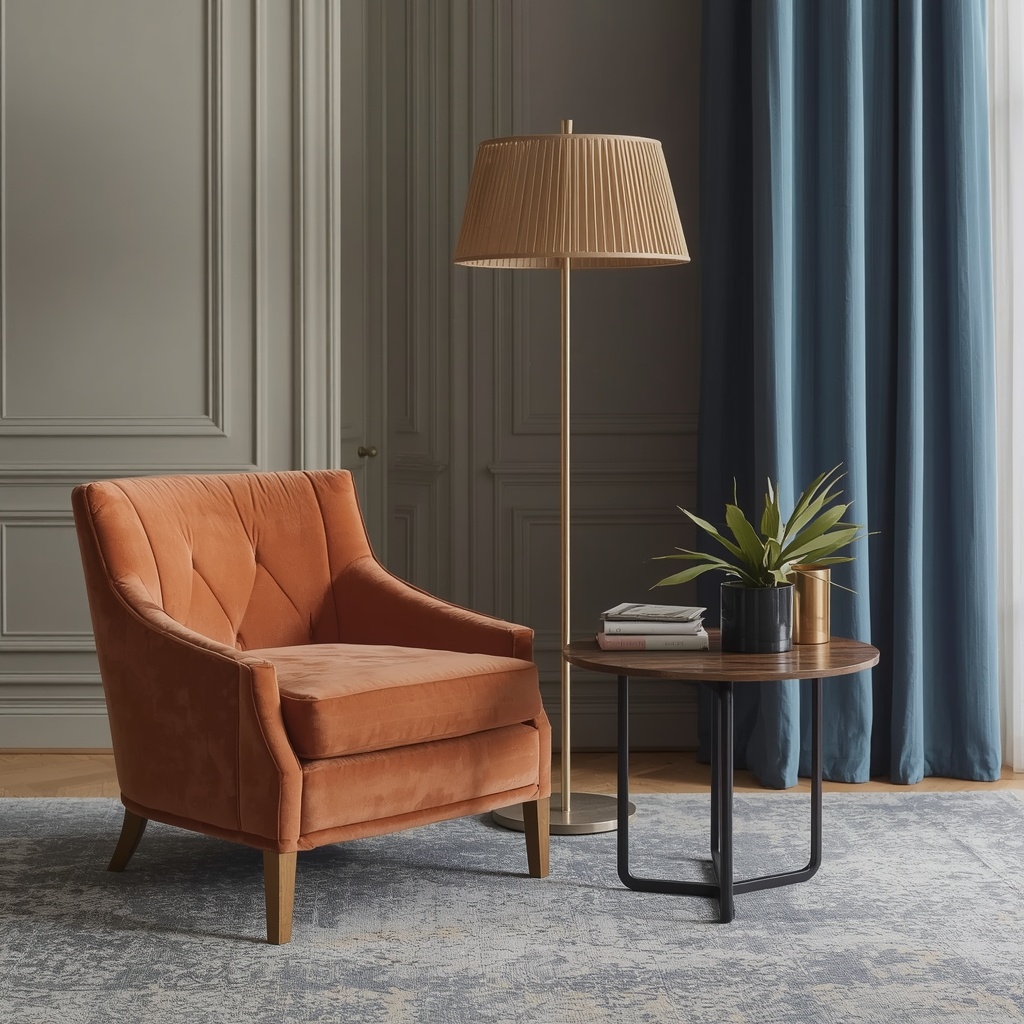
Performance fabrics have come a long way and are now a go-to recommendation for nearly every client with an active household. Brands developing stain-resistant, family-friendly textiles — similar to what you’ll find through resources like Sunbrella’s performance fabric guide — have made it possible to get a beautiful velvet-look chair that still wipes clean.
| Material | Best For | Maintenance Level |
|---|---|---|
| Velvet (performance) | Living rooms, formal spaces | Low–Medium |
| Linen | Light, airy, traditional rooms | Medium (prone to wrinkling) |
| Leather / Faux Leather | High-traffic homes, pet owners | Low |
| Boucle | Modern, textural statement pieces | Medium |
| Rattan / Wicker | Sunrooms, coastal, boho spaces | Low |
| Wool blends | Cold climates, cozy reading nooks | Medium |
Pro Tip
Pro Tip: If you have kids, pets, or host frequently, always ask for the fabric’s “double rub count” before buying. Anything above 15,000 double rubs is considered durable for residential use; fabrics rated above 30,000 are ideal for heavy daily use.
Step 5: Decide Between a Statement Piece or a Subtle Complement
This is where your accent chair earns its name. You have two design paths: go bold and let the chair be the room’s visual centerpiece, or keep it quiet and let it support the existing color story.
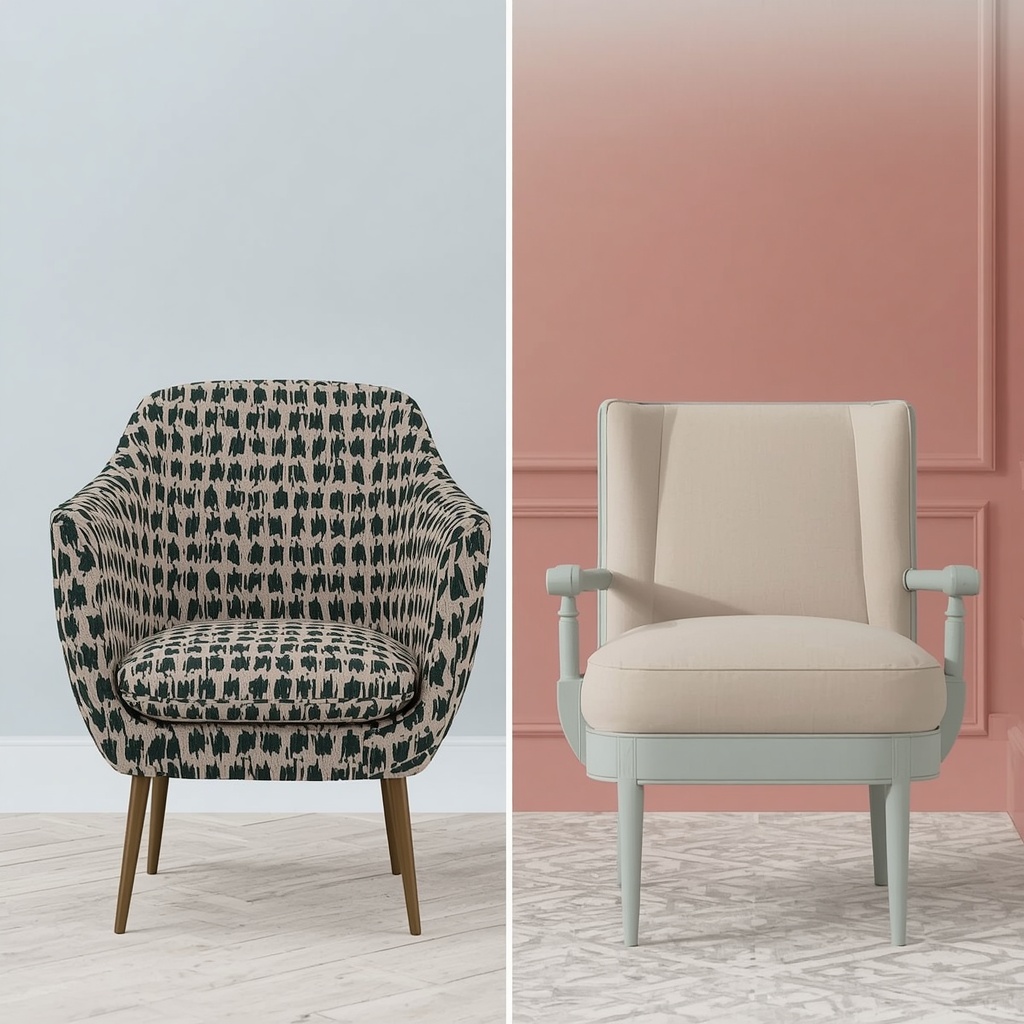
A statement chair typically uses a saturated color (think emerald, rust, or mustard), a bold pattern, or an architectural silhouette that immediately draws the eye. A subtle accent chair, on the other hand, uses a neutral tone — oatmeal, greige, soft blue — and lets its texture or shape do the talking instead. Neither approach is “more designer” than the other; it depends entirely on what your room is missing.
When to choose a bold statement chair:
- Your room currently feels flat, beige, or overly neutral
- You want a focal point that draws the eye when entering the space
- You’re working with a smaller room and want one chair to do a lot of visual work
When to choose a subtle, neutral chair:
- Your space already has strong pattern or color elsewhere (rug, art, wallpaper)
- You want flexibility to redecorate around the chair later
- You’re aiming for a calm, restorative living room atmosphere
Step 6: Prioritize Comfort, Not Just Looks
It’s tempting to choose an accent chair purely for its visual impact, but remember — this piece still needs to function as actual seating. Sit in any chair for at least five full minutes before purchasing, whether in-store or via a return-friendly online retailer.
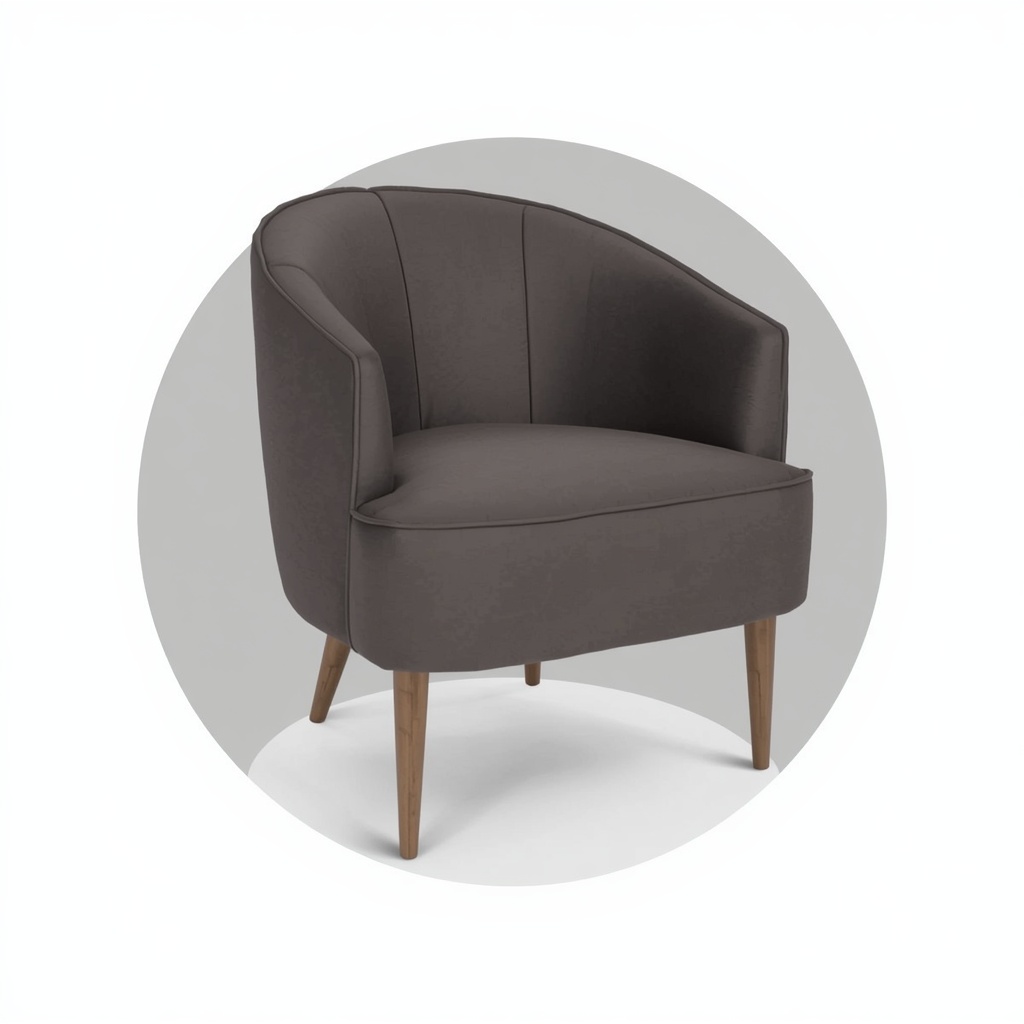
Pay close attention to seat depth, cushion firmness, and back support. A chair that looks architecturally stunning but causes back pain after ten minutes isn’t doing its job. The best accent chairs strike a balance: a sculptural silhouette on the outside, genuine ergonomic support on the inside.
“Beauty that isn’t livable isn’t good design — it’s a photo prop.” This is a phrase I repeat often to clients drawn purely to aesthetics over function.
Step 7: Decide Where the Chair Will Actually Live
Placement determines whether your accent chair feels purposeful or like an afterthought. The most common and effective placements include:
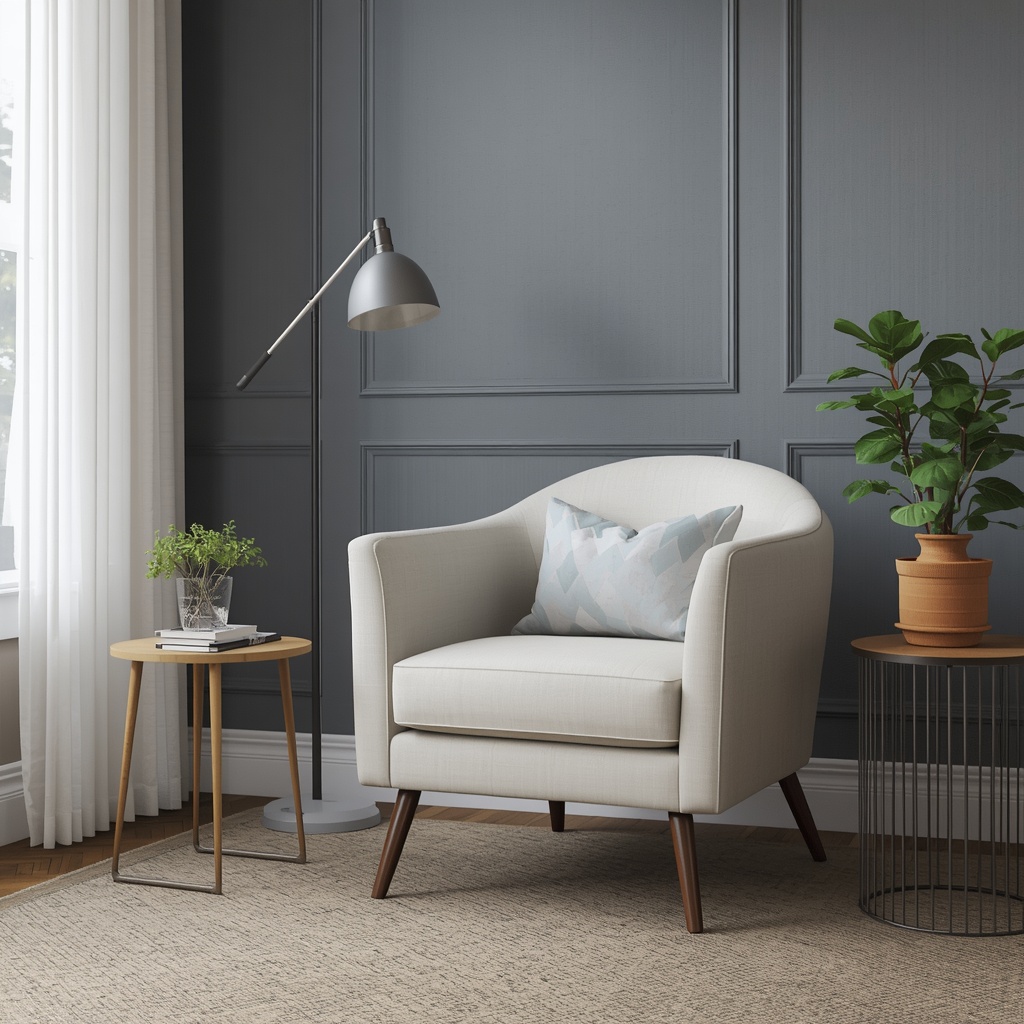
- Conversation corner: Paired with a side table, angled toward the sofa to create a natural seating cluster.
- Reading nook: Positioned near a window with good natural light, often paired with a floor lamp and small side table.
- Entryway or living room threshold: A striking chair near the entry creates a welcoming, designer-showroom feel.
- Empty corner anchor: Many living rooms have an awkward, underused corner — an accent chair instantly gives it purpose.
Pro Tip
Pro Tip: Always angle your accent chair slightly (10–15 degrees) toward the center of the seating area rather than placing it dead straight against a wall. This small adjustment makes the entire layout feel more intentional and conversational.
Step 8: Set a Realistic Budget
Accent chairs span an enormous price range, and where you should invest versus save depends on usage and durability needs. As a general budgeting framework for U.S. shoppers:
| Budget Tier | Price Range (USD) | What to Expect |
|---|---|---|
| Budget-friendly | $150–$400 | Solid basic options, limited fabric choices, lighter-weight frames |
| Mid-range | $400–$900 | Better frame construction, performance fabrics, more silhouette variety |
| Investment piece | $900–$2,000+ | Designer brands, premium materials, exceptional durability |
If the chair will see daily use — reading, working, lounging — it’s worth investing in a higher-quality frame (solid wood or steel, not just particleboard) and a performance fabric. If it’s primarily decorative or used occasionally, a budget-friendly option can absolutely deliver great style without the splurge.
Common Accent Chair Mistakes to Avoid
Even design-savvy homeowners fall into a few predictable traps. Here are the mistakes I see most often during in-home consultations:
- Buying without measuring doorways and hallways — many beautiful chairs simply won’t fit through standard 30-inch doorframes once assembled.
- Choosing a chair that exactly matches the sofa fabric — this eliminates the contrast that makes an accent chair effective in the first place.
- Ignoring scale relative to ceiling height — a tall wingback in a low-ceiling room can feel oppressive.
- Prioritizing trend over timelessness — a chair shaped like a passing trend often feels dated within a couple of years.
- Skipping the sit-test — online photos can’t tell you how a cushion actually feels.
Final Thoughts: Trust the Process, Not Just the Trend
Choosing the perfect accent chair isn’t about finding the most photographed piece on social media — it’s about understanding your space, your lifestyle, and the subtle design language already living in your room. When you start with measurements, define your style direction, and prioritize both comfort and craftsmanship, the “perfect” chair tends to reveal itself naturally.
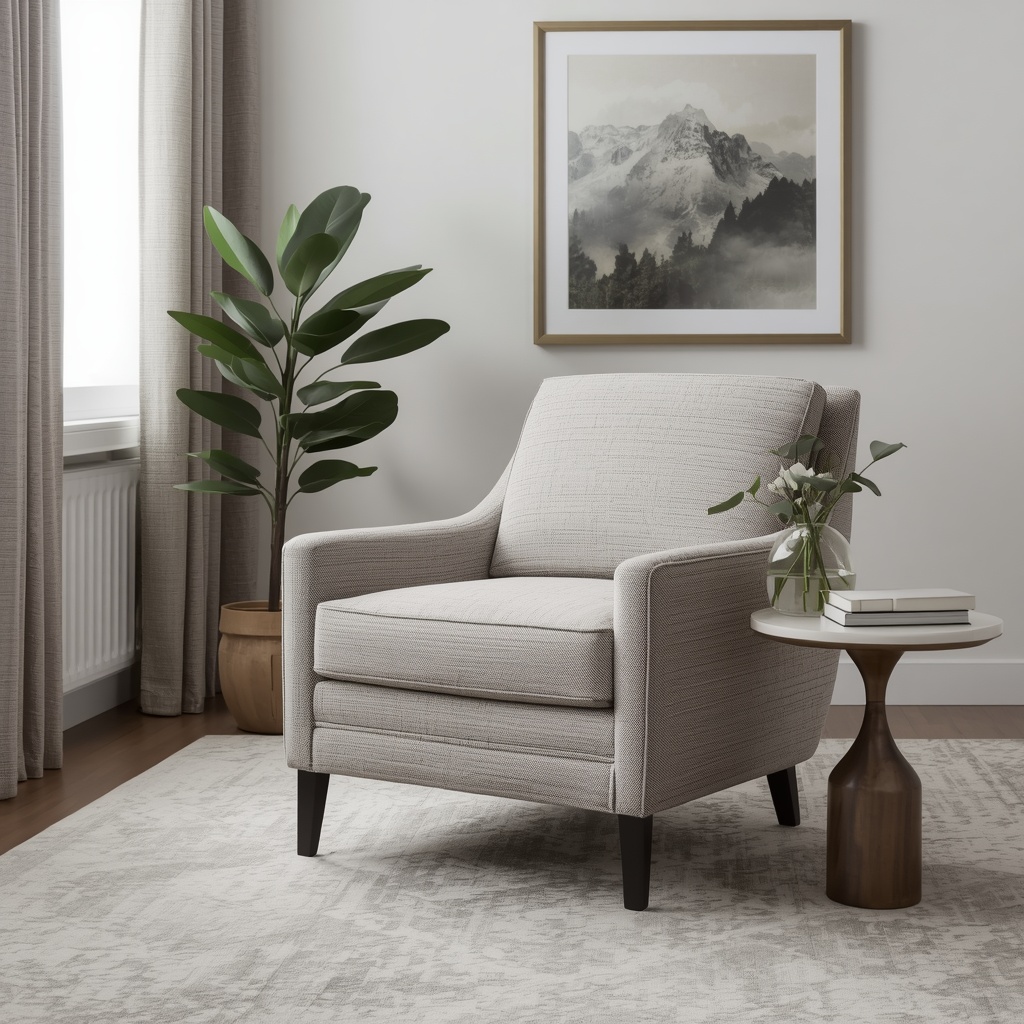
A well-chosen accent chair does more than fill empty floor space; it becomes a daily, tactile reminder that your home was designed with intention. Take your time, sit in a few options, and don’t be afraid to choose a piece that feels just a little unexpected — that’s usually where the best design magic happens.
For further inspiration on pairing furniture finishes and color palettes, resources like the Sherwin-Williams color trends hub can be a helpful starting point as you finalize your room’s full design story.