
Gold, brass, bronze, and copper are no longer reserved for chandeliers and curtain rods. Discover how to use these rich, luminous tones in ways that feel fresh, modern, and deeply personal.
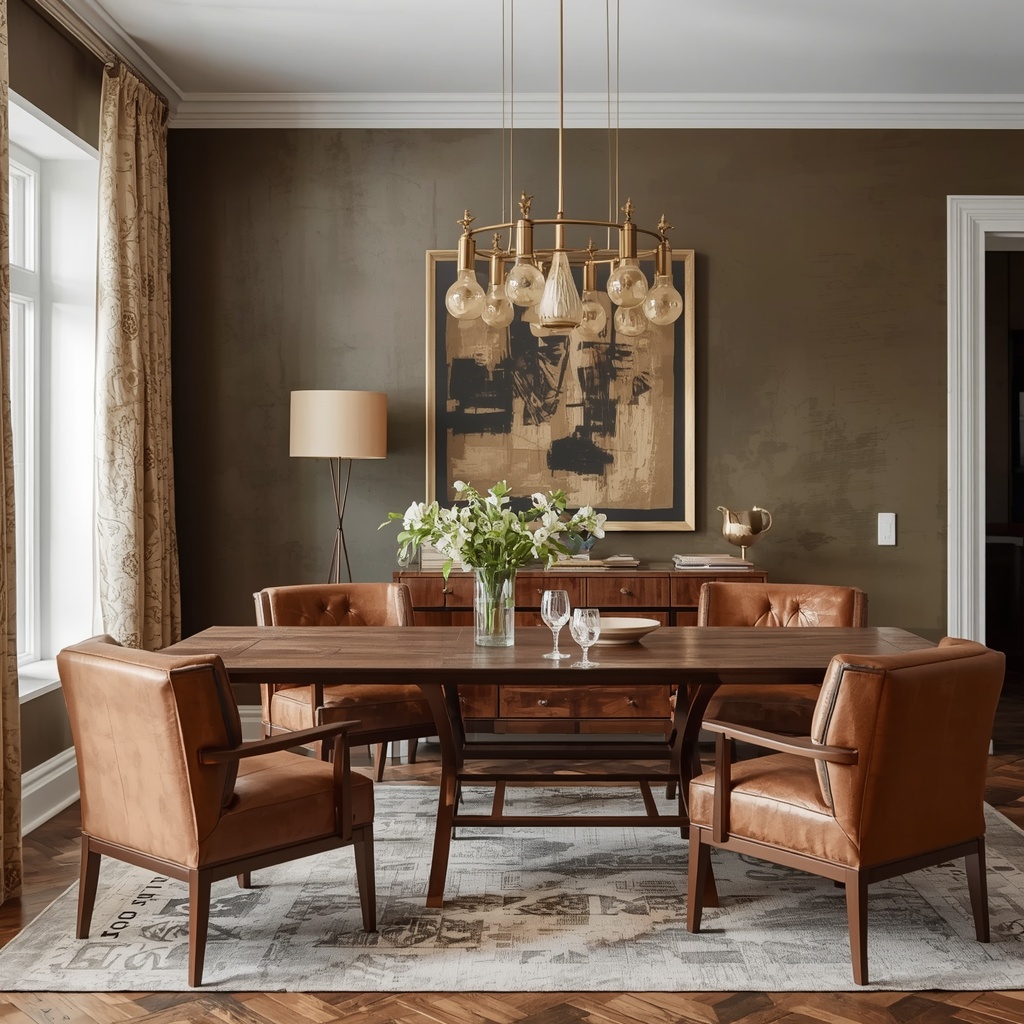
If you’ve been scrolling through design inspiration boards lately, you’ve probably noticed that warm metallics are absolutely everywhere — and for good reason. Gold, brass, bronze, and copper tones bring a sense of warmth, richness, and timeless sophistication to any space. But here’s what most decorating articles won’t tell you: the real magic happens when you use warm metallics in unexpected places.
As an interior designer who has worked with hundreds of American homeowners — from New York apartments to sprawling Texas ranch homes — I’ve seen firsthand how a well-placed metallic accent can completely transform a room’s energy. It’s not about going full glam or channeling a Vegas hotel lobby. It’s about understanding the subtle, surprising ways that warm metal tones interact with light, texture, and your existing palette.
In this guide, I’m pulling back the curtain on the creative, unexpected applications that my clients rave about most. These are the ideas that make guests pause mid-conversation to say, “Wait — what is that? I love it.” Ready to add some golden warmth to your home? Let’s dive in.
✦ Gold✦ Brass✦ Bronze✦ Copper✦ Rose Gold
Metallic Grout: The Kitchen & Bathroom Game-Changer
When was the last time you thought seriously about grout? If your answer is “never,” you’re not alone — and you’re also missing one of the most underrated metallic decorating opportunities in the entire home. Metallic grout, particularly in gold or bronze tones, turns ordinary tile work into something that feels intentionally luxurious.
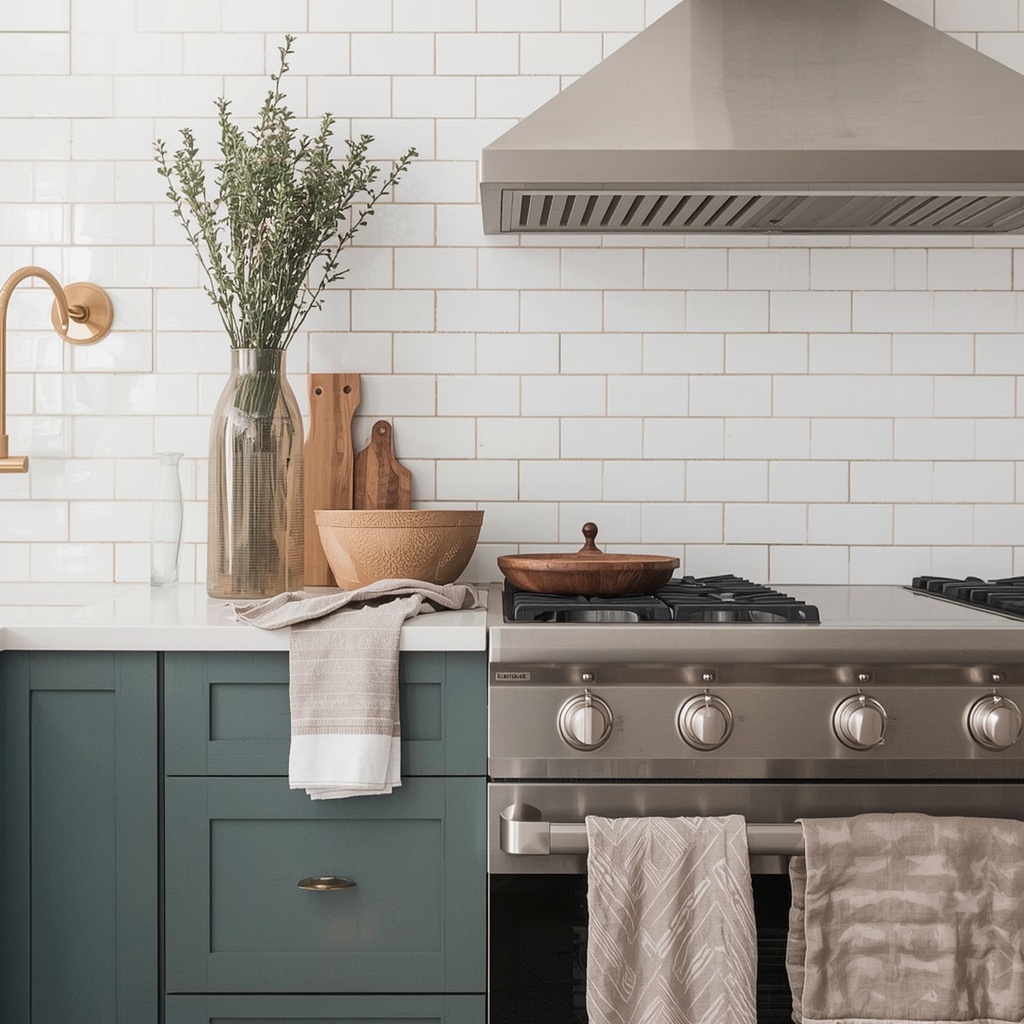
Picture your classic white subway tile backsplash, but instead of sterile white grout, imagine it lined with thin veins of warm gold. The effect is subtle during the day, but when evening light hits, the kitchen suddenly glows. This technique works beautifully in bathrooms too — especially with matte black, deep navy, or even soft sage green tiles. The warm metallic grout adds contrast without jarring color clashes, and the organic shimmer it creates elevates the entire room’s perceived value. Best of all, metallic grout is widely available at home improvement stores across the US and can often be applied as a DIY project.
⚡ Pro Tip
Use gold or bronze metallic grout with dark-toned tiles (charcoal, navy, forest green) for maximum visual impact. On lighter tiles, opt for a champagne or antique brass grout to keep the look refined rather than flashy. Seal metallic grout every 12–18 months to preserve its warm luster.
Warm Metallic Paint on Unexpected Surfaces
Most people think of metallic paint only for accent walls or furniture. But some of my most memorable projects have involved applying warm metallic paint to surfaces nobody would ever expect — and that’s precisely what makes them so striking. Think: the inside of a bookcase, the back panel of a fireplace, stair risers, or even the ceiling of a powder room.
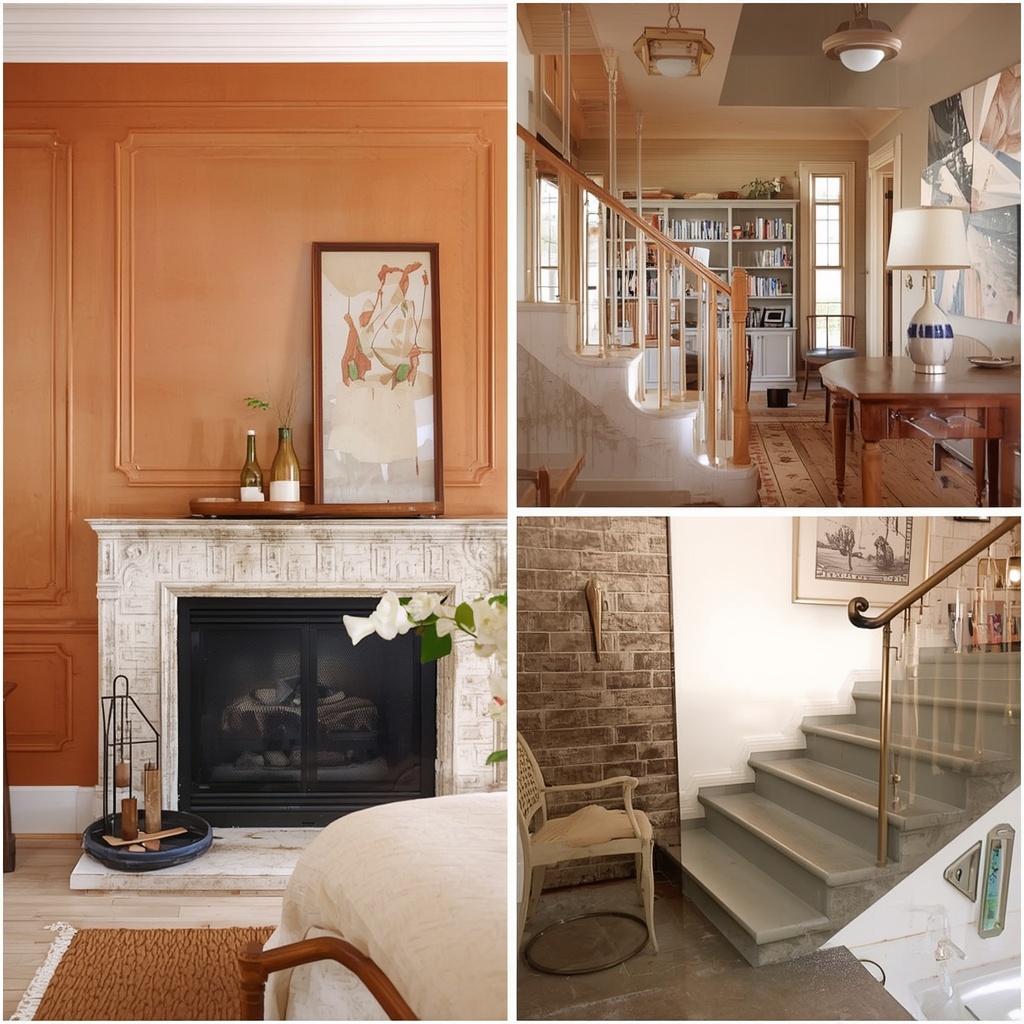
The interior of a bookcase painted in a deep burnished gold creates a jewel-box effect that makes your books and decorative objects pop like a curated gallery display. A powder room ceiling painted in antique bronze immediately transforms a utilitarian space into something intimate and atmospheric. These are the kinds of details that signal a truly thoughtful, designed home. When selecting metallic paint for these applications, look for finishes described as “warm metallic,” “antique gold,” or “hammered bronze” — these have undertones that interact beautifully with warm artificial lighting, which is how most of these surfaces will be seen.
“Warmth in design is not about temperature — it is about light. Warm metallics don’t just reflect the room; they amplify its soul.”— Kelly Wearstler, Interior Designer
Metallic Textiles: Beyond the Throw Pillow
Metallic throw pillows are a fine start, but if that’s where your textile game begins and ends, you’re leaving a lot of decorative potential on the table. The real opportunity lies in metallic textiles used at larger scale: drapery with a woven gold thread, a bronze-toned velvet ottoman, a jute rug with a subtle copper warp thread running through it.
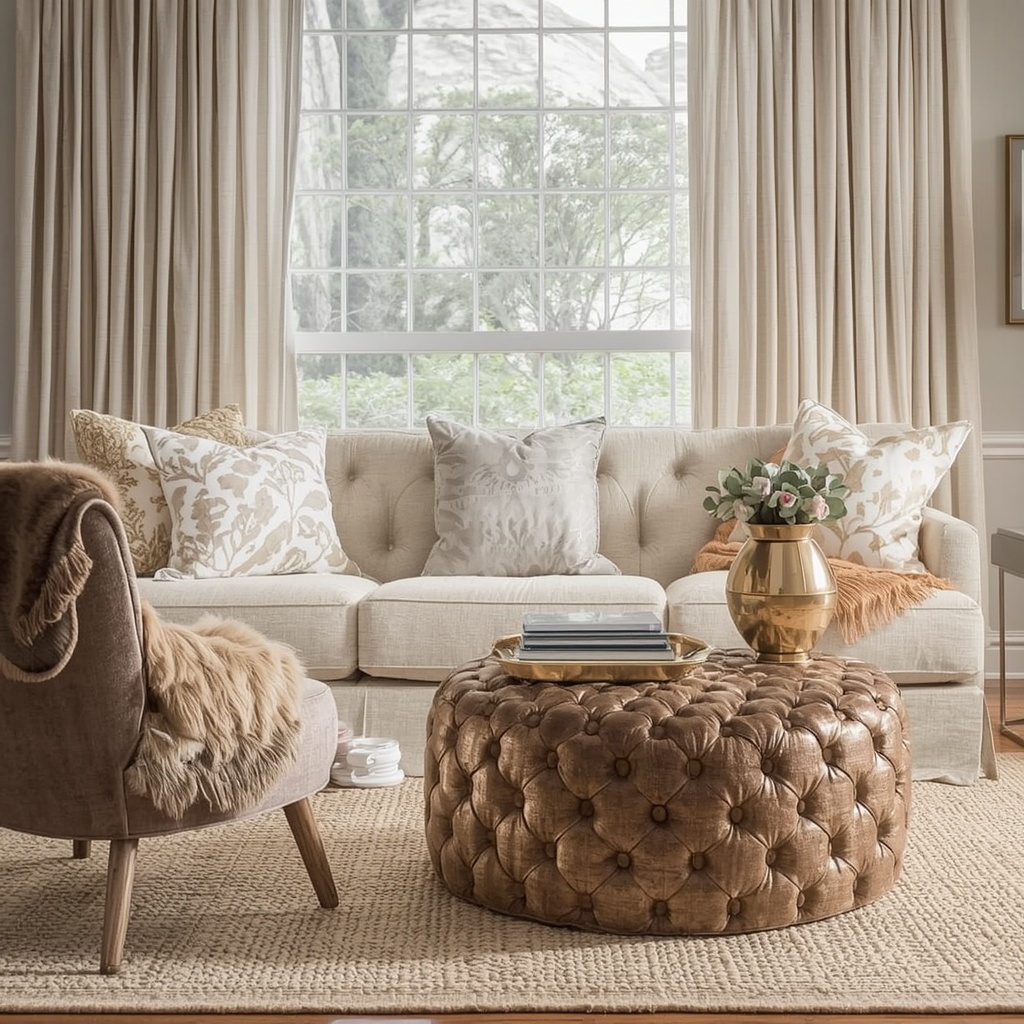
What makes metallic textiles so special is their duality — in low light they read as rich, earthy neutrals, but catch direct light and they suddenly reveal their luminous quality. A linen curtain with a barely-there gold weave, for instance, will behave like a completely different fabric depending on the time of day. This dynamic quality creates rooms that feel alive and ever-changing. For those nervous about commitment, start with a metallic table runner on your dining table or a hammered copper tray layered onto your coffee table vignette — low investment, high reward.
Woven Drapes
Gold-thread linen curtains shift from earthy daytime neutrals to glowing evening backdrops.
Metallic Area Rugs
Copper-threaded jute or wool rugs ground a room while adding understated warmth underfoot.
Bronze Velvet Ottoman
A velvet ottoman in deep bronze reads as both neutral and luxurious — endlessly versatile.
Table Linens
A hammered gold table runner elevates even casual weeknight dinners into something special.
Warm Metallics in the Bathroom: Unexpected but Essential
The bathroom is where warm metallics truly earn their place — and yet, so many American homeowners still default to chrome everything. Chrome is cool-toned, clinical, and frankly, a little outdated in a world that has fallen in love with the warmth of brass, brushed gold, and unlacquered bronze. The shift to warm metallic bathroom fixtures is one of the single most impactful changes you can make.
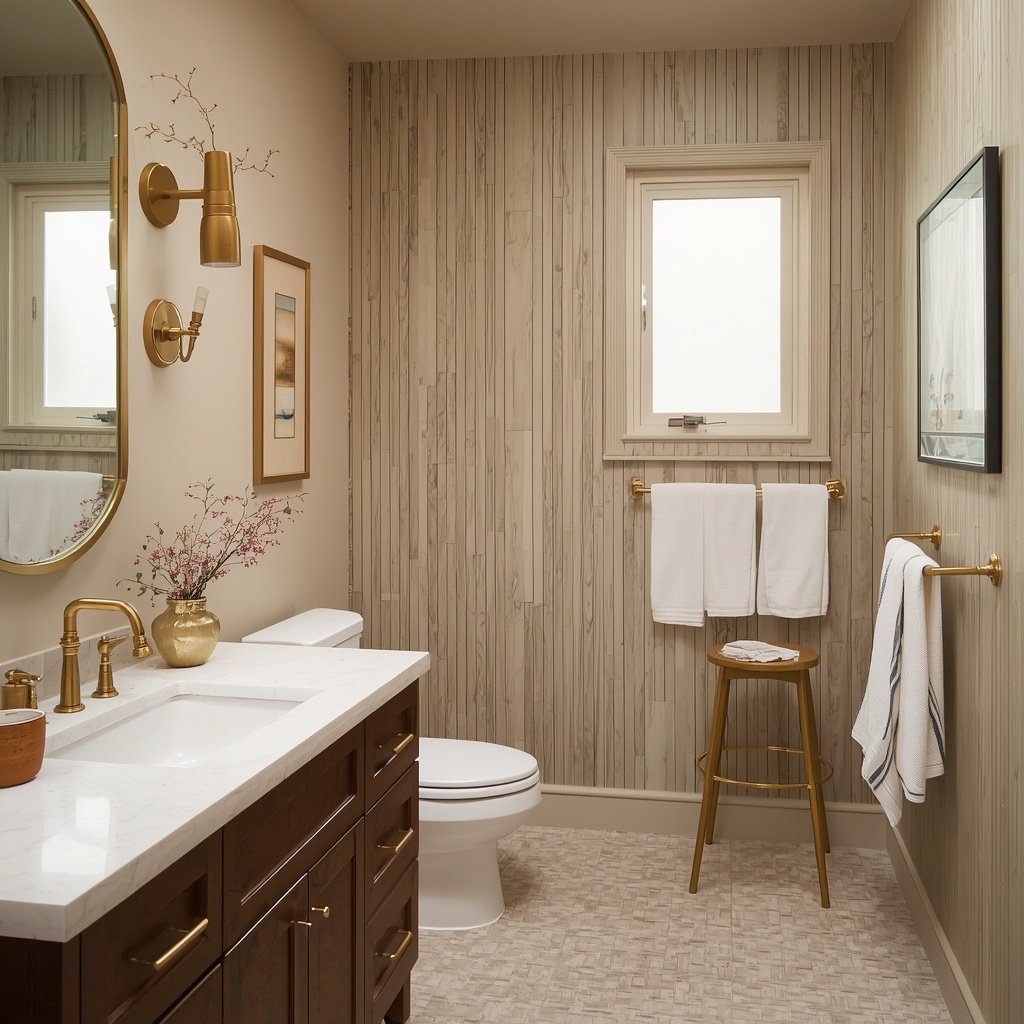
But beyond the obvious faucet and towel bar swap, consider these unexpected applications: a brass-framed mirror (even a $40 thrift store find spray-painted in warm gold transforms overnight), copper cabinet hardware on a dark vanity, or a bronze finish on your toilet paper holder and robe hook. These small pieces collectively create a cohesive, curated bathroom that feels like a high-end hotel. Layer in a few warm-toned accessories — a brass soap dispenser, a copper tray — and you have a complete, intentional look.
| Metallic Finish | Best Bathroom Pairing | Mood / Style | Maintenance Level |
|---|---|---|---|
| Unlacquered Brass | White marble, sage green tile | Vintage, eclectic, lived-in luxury | Medium (patinas naturally) |
| Brushed Gold | Matte black, navy, terracotta | Modern glam, transitional | Low (PVD coated) |
| Oil-Rubbed Bronze | Cream, warm gray, wood vanity | Traditional, rustic, Arts & Crafts | Low to medium |
| Satin Copper | Black tile, concrete, wood | Industrial chic, warm bohemian | Medium (some polishing) |
| Rose Gold | Blush, dusty pink, white | Soft modern, feminine minimalist | Low |
The Living Room: Metallic Accents Beyond the Lamp
In the living room, warm metallics often show up as table lamps and picture frames — and while both are lovely, they’re also the most expected applications. The living room actually offers tremendous opportunity for metallic moments that feel truly original and personal. Consider these approaches that I recommend most often to my design clients.
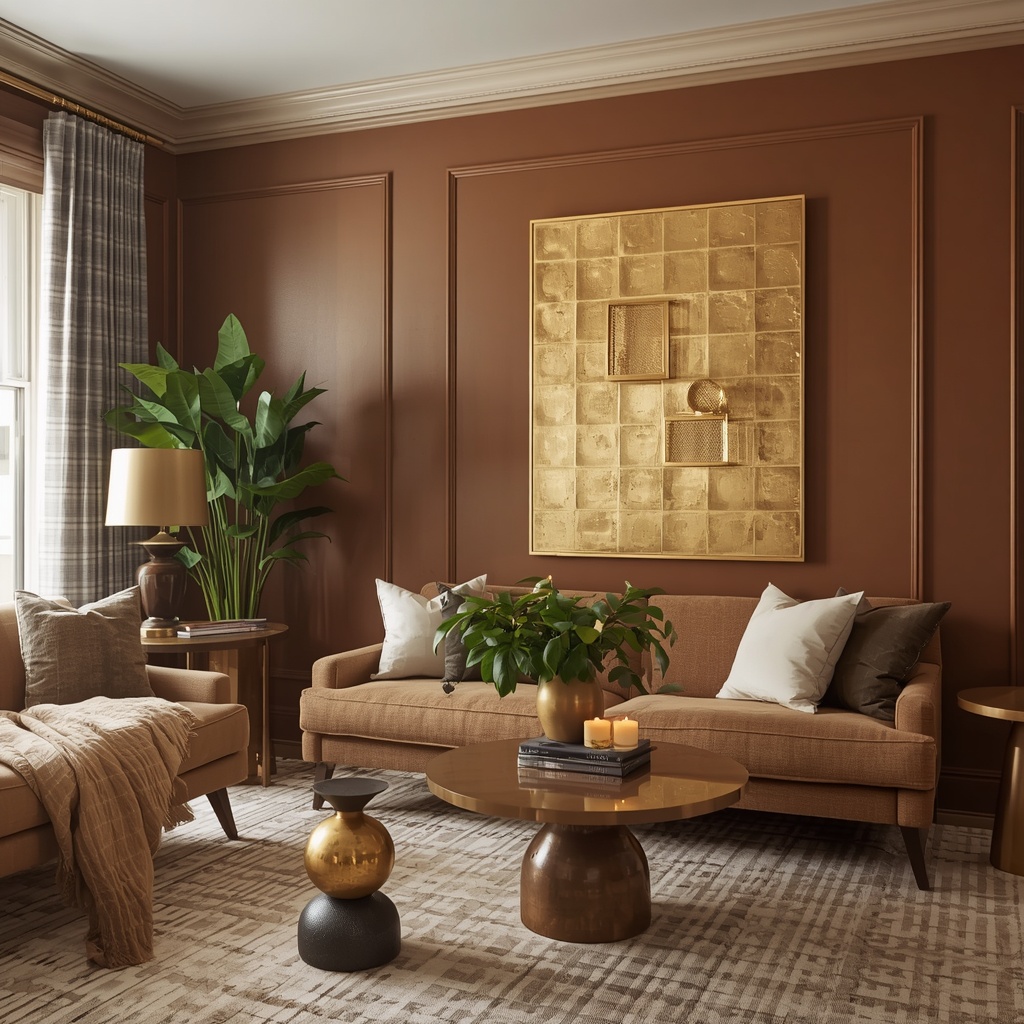
First, think about your architectural details. A door painted in a deep bronze or antique gold, or crown molding touched up in a warm metallic glaze, creates a built-in richness that no amount of furniture can replicate. Second, explore metallic wall art — not prints with gold frames, but actual metal art: hammered copper panels, brass wall sculptures, or a large-scale gold-leaf abstract piece. These add dimensionality and a warmth that canvas art simply cannot achieve. Third, use mixed metallics intentionally — contrary to old decorating “rules,” mixing gold, brass, and bronze in the same room is not only acceptable in 2024, it’s encouraged. The key is ensuring all your metals share warm undertones.
- Brass door hinges and handles — Often overlooked, door hardware is one of the easiest metallic upgrades in any home.
- Metallic candle holders — Group three in varying heights in gold, bronze, and copper for an instant curated vignette.
- Gold-leaf decorative objects — Ceramic vases with gold-leaf detailing add tactile richness to bookshelves and coffee tables.
- Brass planter stands — Elevate your indoor plants with mid-century-inspired brass plant stands for a warm, organic look.
- Warm metallic side tables — A hammered gold or bronze side table doubles as sculpture and function.
- Copper fire tools — If you have a fireplace, copper or brass fireplace tools are a striking, purposeful metallic addition.
✦ ✦ ✦
The Kitchen: Warm Metallics Beyond the Hardware
Kitchen cabinet hardware in brass or gold has had its well-deserved moment, and it’s not going anywhere. But the kitchen offers several other surfaces where warm metallics can make a significant statement. The range hood, for instance, is one of the most architecturally prominent elements in a modern kitchen — and a custom copper or bronze range hood transforms it from a functional necessity into a true focal point.
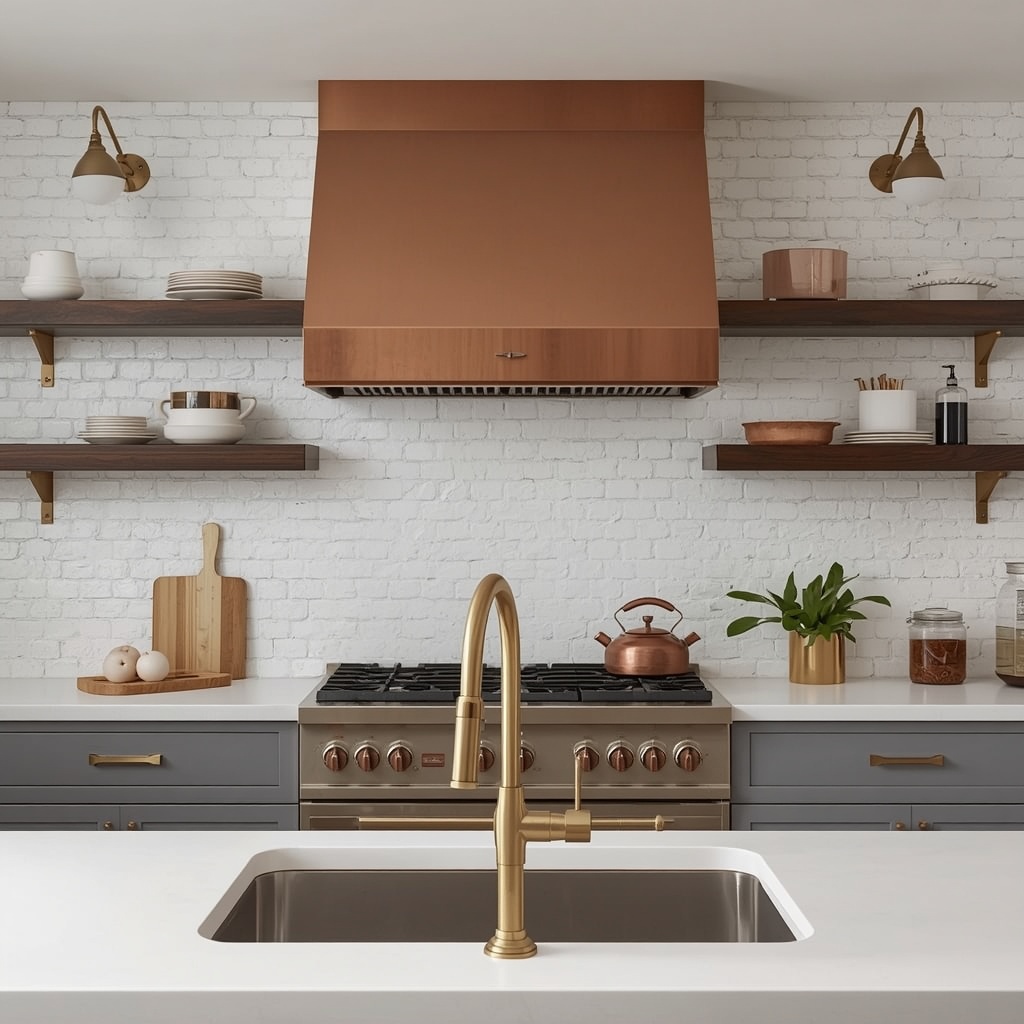
Similarly, consider a metallic kitchen sink (copper farm sinks are breathtaking and develop a beautiful patina over time), brass pot racks hung from the ceiling for both function and visual drama, or open shelving with brass brackets. For those who can’t commit to permanent changes, a copper or brass-toned kitchen faucet is an incredibly affordable swap — most can be installed in under an hour — and the visual impact is disproportionate to the cost. Pair it with matching soap dispensers and even a warm-toned copper kettle on the stovetop to complete the look.
⚡ Pro Tip
Don’t fear the patina. Unlacquered brass and copper will develop a natural patina over time, which many designers — myself included — consider more beautiful than the original finish. If you prefer a consistent look, choose PVD-coated (Physical Vapor Deposition) finishes in brushed gold or warm bronze; they’re highly durable and maintain their finish for years with minimal maintenance.
Outdoor Spaces: Bringing Warm Metallics Outside
One of the most overlooked applications for warm metallics is in outdoor living spaces. Most homeowners assume metal fixtures outside means stainless steel or wrought iron — but warm metallic elements on a porch, patio, or garden can extend the inviting energy of your interior design into your outdoor rooms. Brass lanterns flanking a front door, copper outdoor light fixtures, bronze garden sculptures, or even a hammered copper birdbath create a sense of intentional design that most front yards simply lack.
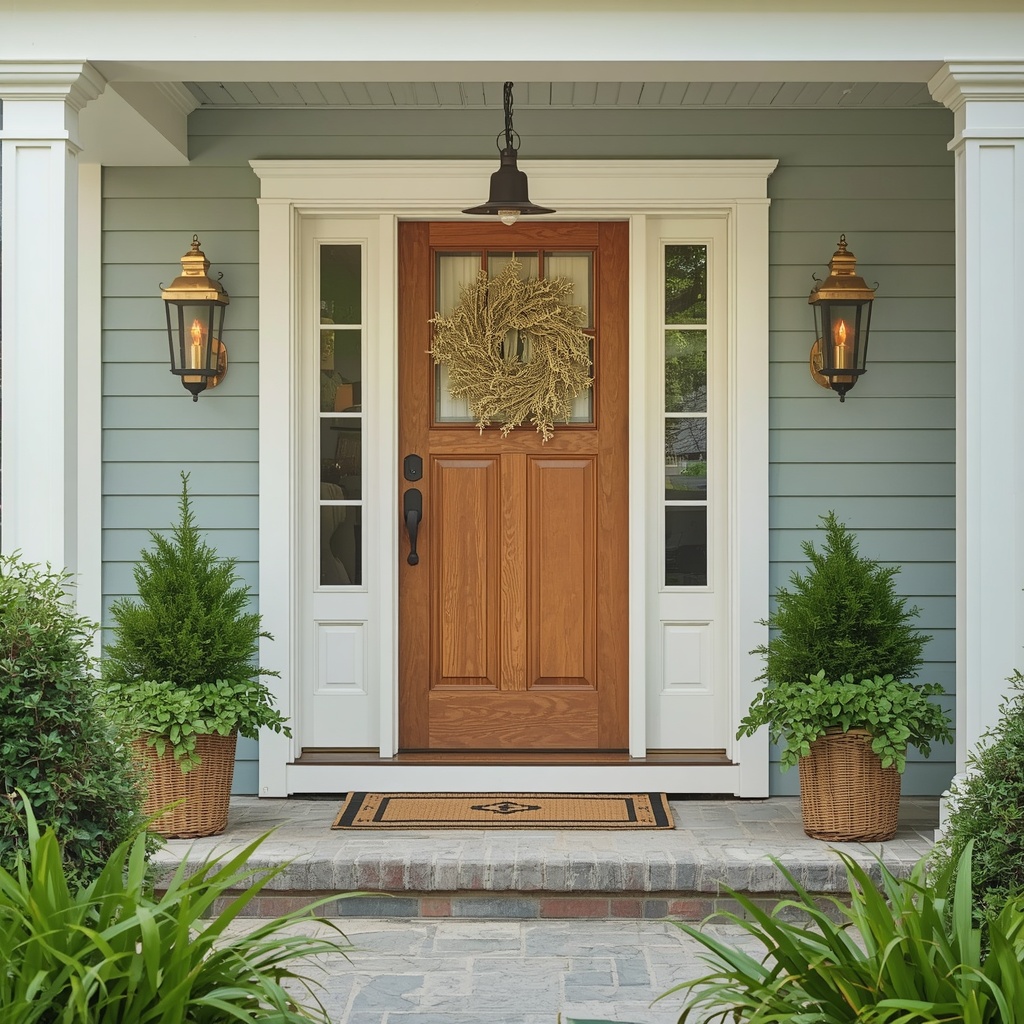
For covered outdoor living rooms and screened porches, consider bringing in brass-framed outdoor mirrors, which do double duty by reflecting light and making the space feel larger. Bronze-finish outdoor furniture frames have become increasingly available from retailers like Wayfair and Pottery Barn, and they bring an elevated quality to any patio setup. When selecting outdoor metallic fixtures, always check that they’re rated for exterior use — look for solid brass or powder-coated finishes that are specifically designed to resist weathering.
Room-by-Room Quick Reference: Where to Use Warm Metallics
| Room | Unexpected Metallic Application | Recommended Finish |
|---|---|---|
| Bedroom | Metallic grasscloth wallpaper on headboard wall | Antique gold, champagne |
| Home Office | Brass desk accessories, metallic lamp base | Brushed brass, matte gold |
| Entryway | Bronze console table legs, brass umbrella stand | Oil-rubbed bronze, brass |
| Dining Room | Gold-leaf painted ceiling medallion, brass chandelier | Gold leaf, polished brass |
| Kids’ Room | Rose gold wall hooks, warm metallic letter art | Rose gold, satin champagne |
| Laundry Room | Brass utility shelf brackets, copper pendant light | Warm brass, copper |
Mixing Warm Metallics: The Golden Rules
A question I get almost daily from clients: “Can I mix gold and brass? What about bronze and copper together?” The answer is almost always yes — with one non-negotiable condition. All of your metallics must share warm undertones. Mixing warm gold with cool silver or chrome creates visual tension that reads as unintentional rather than artful. But layering gold, brass, bronze, copper, and rose gold together? That’s a rich, sophisticated, and deeply inviting palette.
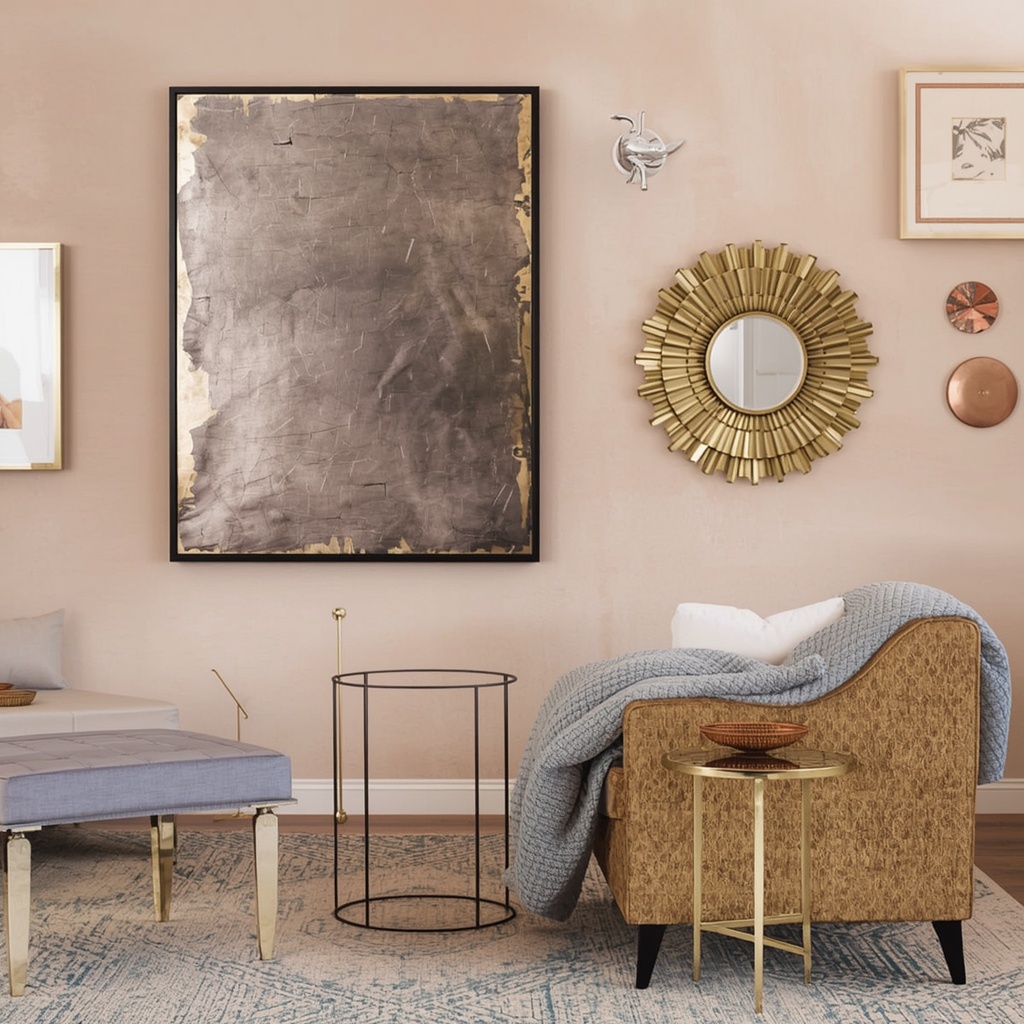
The hierarchy that works best: choose one dominant metallic that appears in your largest or most prominent elements (say, brass cabinet hardware throughout the kitchen), one secondary metallic in medium-scale accents (copper pendant lights), and one or two tertiary metallics in small decorative objects (a gold candleholder, a bronze tray). This ensures cohesion without monotony — the room feels curated, not matchy-matchy.
- Dominant metallic — Appears in fixtures, hardware, largest visible elements
- Secondary metallic — Used in lighting, larger decorative objects, furniture accents
- Accent metallic — Small decorative objects, trays, candle holders, vases
- The binding rule — All finishes must share warm (yellow or red) undertones
- Contrast matters — Mix polished and matte finishes within the same warm tone family for depth
Final Thoughts: Your Home Deserves This Warmth
Warm metallics are one of the most versatile, enduring, and emotionally resonant tools in the interior designer’s toolkit. Whether you’re starting with a single brass picture frame or committing to a full copper range hood, every warm metallic addition moves your space toward a feeling of richness, intentionality, and comfort.
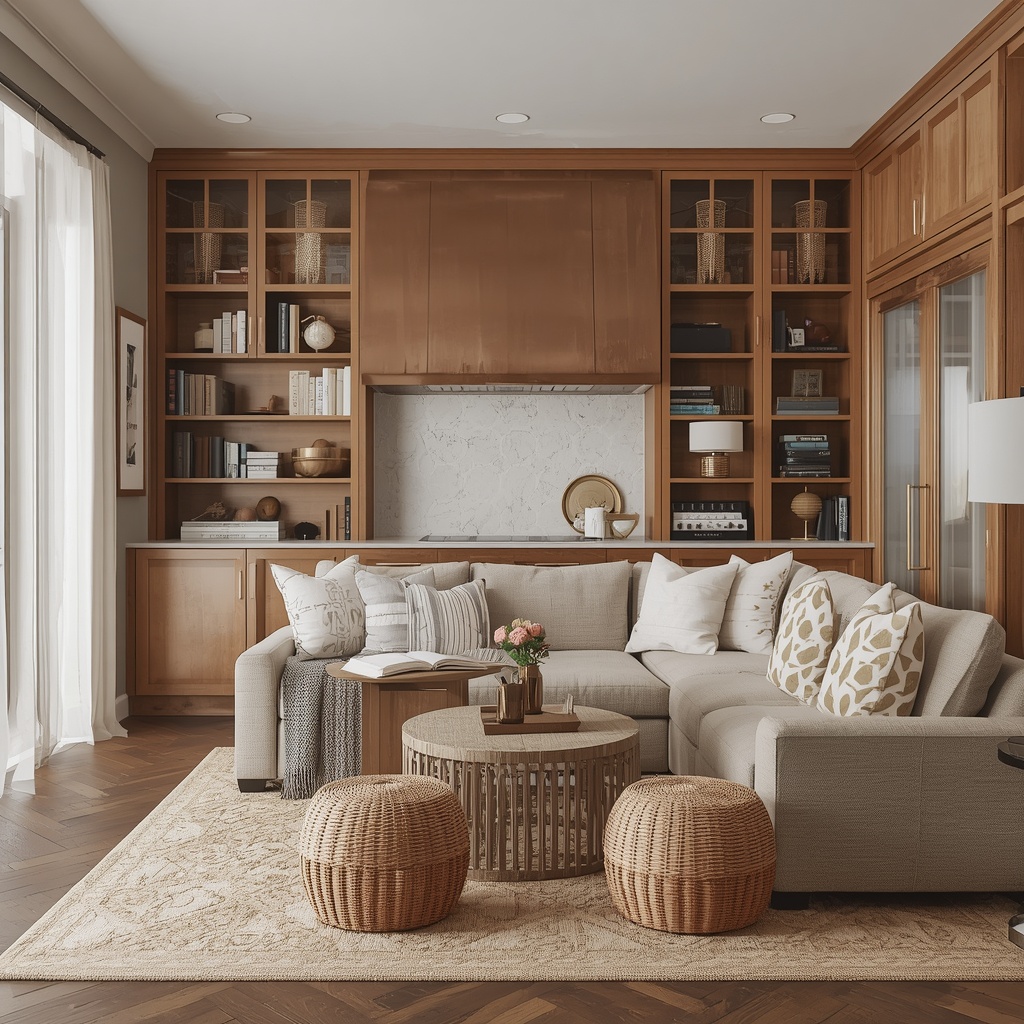
The unexpected applications — metallic grout, painted bookcase interiors, woven textile accents, outdoor brass lanterns — are where the real magic lives. These are the choices that make a home feel truly designed rather than simply decorated. And the best part? Many of these ideas cost far less than you’d expect.