
If you’ve spent any time scrolling through Pinterest, TikTok, or Instagram lately, you’ve probably stumbled across rooms that seem to defy every rule a design editor ever wrote. Walls lined with mismatched frames, shelves overflowing with ceramics and candles, vintage finds crowding every corner — and somehow, impossibly, it all looks intentional. Welcome to cluttercore, the maximalist interior design aesthetic that’s taking American homes by storm and quietly rewriting the rulebook on what “good taste” even means.
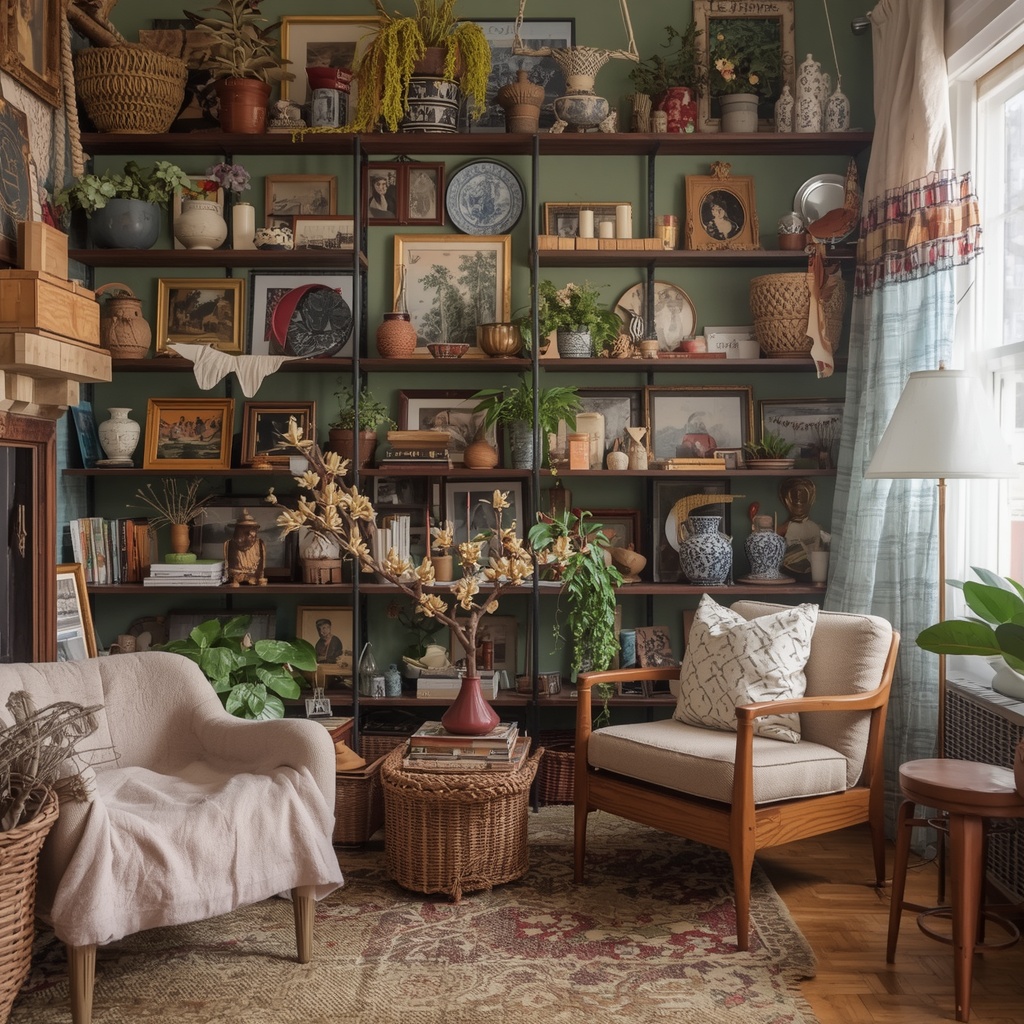
As an interior designer who has worked with hundreds of US homeowners over the past decade, I’ve watched cluttercore evolve from a niche internet subculture into a full-blown decorating movement. It’s not just a trend. For many people, it’s a deeply personal act of self-expression — a rebellion against the cold, sparse interiors that dominated the 2010s and a reclaiming of the home as a space that truly reflects who you are.
But here’s what most cluttercore enthusiasts get wrong: there’s a very important difference between curated maximalism and just… mess. The goal of this article is to show you exactly how to embrace the cluttercore aesthetic in a way that feels expressive, intentional, and livable — without turning your home into a chaotic stressor. Read on, because I’m going to walk you through everything you need to know.
What Exactly Is Cluttercore? Understanding the Aesthetic
Cluttercore is a maximalist home decor aesthetic rooted in the idea that more is more — and that the things you surround yourself with should reflect your personal history, passions, and personality. Think cozy chaos: layered textiles, eclectic collections, mixed patterns, abundant plants, vintage treasures, and personal mementos displayed proudly rather than hidden away. It sits somewhere between cottagecore, grandmillennial style, and old-school maximalism, but with a distinctly modern, self-aware energy.
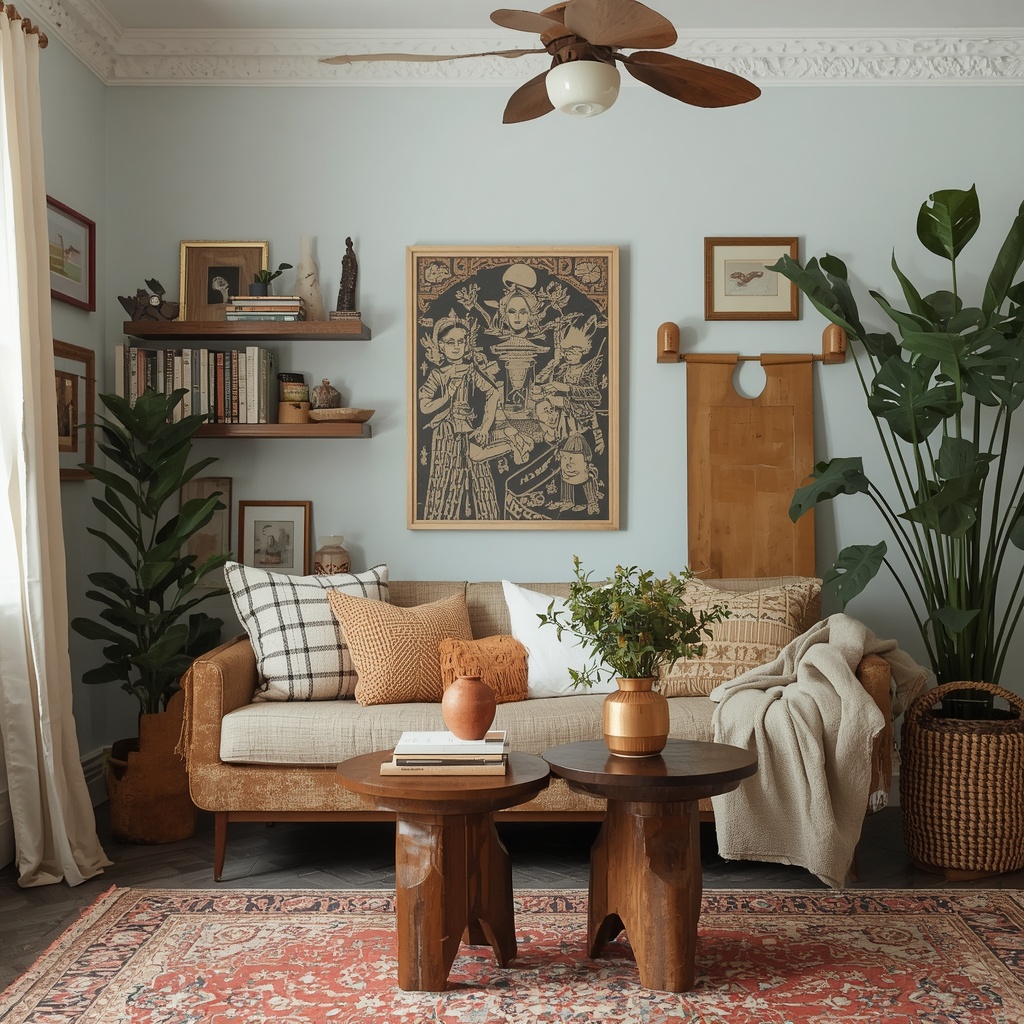
The term began gaining traction around 2020–2021 on social platforms, particularly as people spent more time at home and began rethinking what “cozy” actually looked like. Unlike the KonMari wave of a few years prior — which encouraged Americans to discard anything that didn’t “spark joy” — cluttercore argues that almost everything can spark joy, if it’s meaningful to you. It’s a direct response to the sterile, all-white, Instagram-minimalist aesthetic that felt beautiful in photographs but soulless to actually live in.
“A home should be a self-portrait. Every shelf, every surface, every corner should whisper something true about the person who lives there.”— Nate Berkus, Interior Designer & Author
The key semantic distinction here is the word curated. Cluttercore at its best is not randomness — it is the deliberate accumulation of meaningful objects arranged with an instinctive visual logic. That’s the difference between a home that feels gloriously lived-in and one that simply feels overwhelming.
Cluttercore vs. Minimalism: A Design Philosophy Showdown
To fully appreciate cluttercore, it helps to understand what it’s pushing back against. Below is a straightforward comparison of the two dominant design philosophies competing for space in American homes right now.
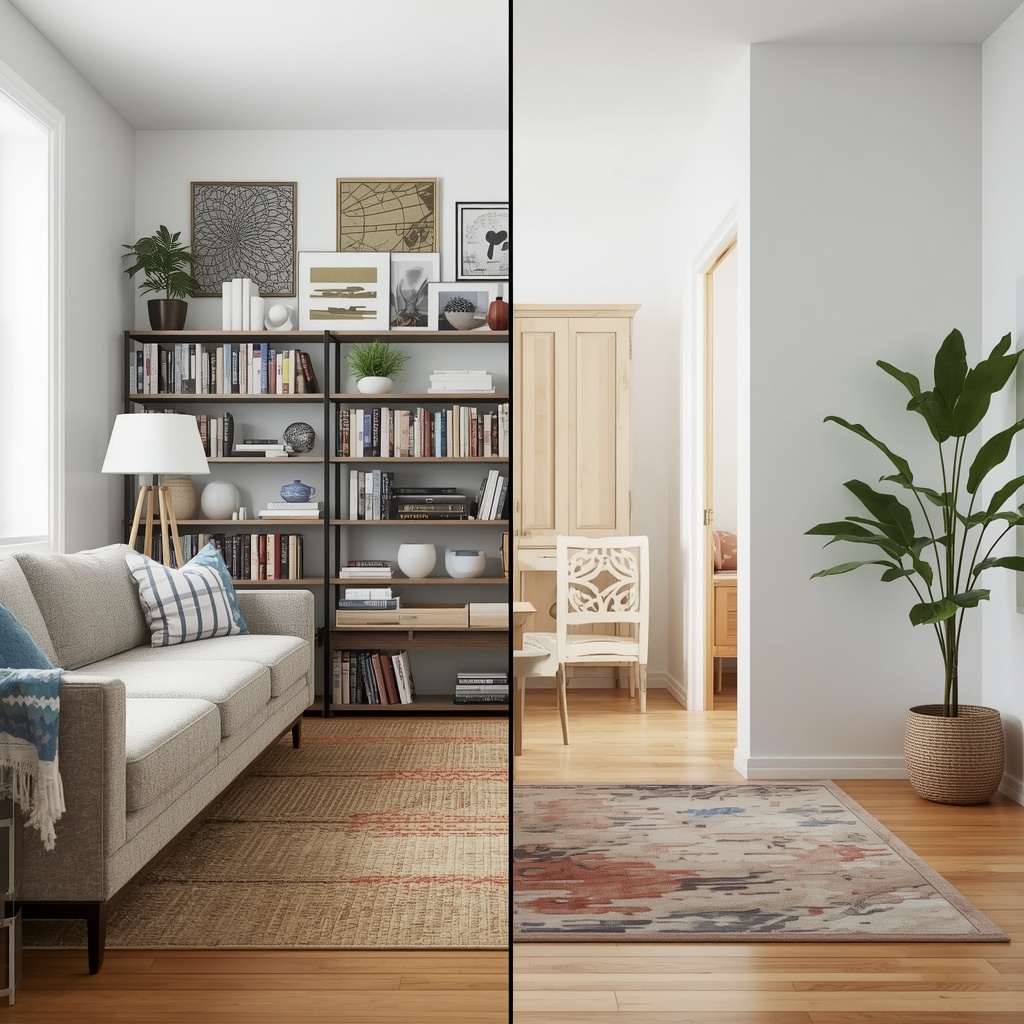
| Design Element | Minimalism | Cluttercore / Maximalism |
|---|---|---|
| Color Palette | Neutral whites, grays, beige | Rich, layered, eclectic color mixing |
| Surface Policy | Keep surfaces clear | Every surface tells a story |
| Art & Decor | One statement piece per room | Gallery walls, layered collections |
| Furniture Approach | Streamlined, multipurpose | Layered, mismatched, vintage-leaning |
| Textiles | One or two, matching tones | Many layered patterns and textures |
| Emotional Goal | Calm, clarity, breathing room | Warmth, personality, nostalgia |
| Ideal For | Anxiety reduction, focus | Self-expression, storytelling |
Neither philosophy is objectively superior. The best interior design always starts with an honest question: How do I want to feel when I walk through my front door? For some Americans, the answer is peaceful and uncluttered. For a growing number of us, the answer is something warmer, richer, and more full of life.
Why Cluttercore Is Having a Major Moment in American Homes
The timing of cluttercore’s rise is not accidental. Several cultural forces have converged to make this the perfect era for maximalist, personality-driven interiors. The pandemic years forced us to truly reckon with our living spaces — to sit with them, notice them, and decide whether they actually made us happy. For millions of Americans, the honest answer was no. Their homes looked like design showrooms but felt nothing like home.
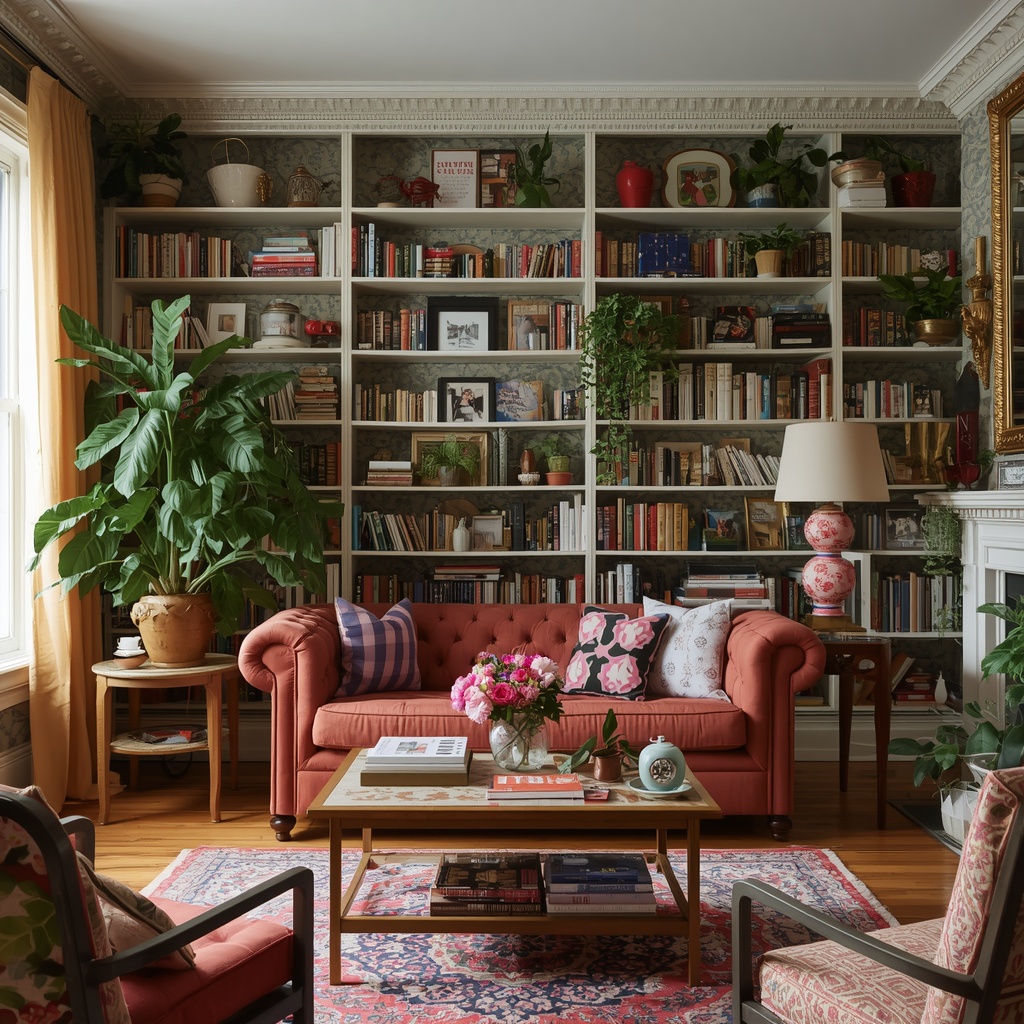
Social media has also played a fascinating dual role. While platforms like Instagram initially spread the gospel of minimalism, TikTok’s more democratic, personality-forward culture gave rise to a different kind of aspirational living. Suddenly, the most-shared home interiors weren’t immaculate white lofts — they were grandmotherly sitting rooms stuffed with houseplants, vintage ceramics, stacked books, and collections of quirky finds. The algorithm rewarded authenticity, and authenticity is cluttercore’s entire DNA.
There’s also an economic story here. With furniture prices and real estate costs putting traditional “aspirational” interiors out of reach, thrift-store finds, inherited pieces, and secondhand treasures have become badges of honor rather than sources of embarrassment. Cluttercore celebrates the mismatched and the well-loved, making it one of the most budget-friendly and sustainable design trends to emerge in years.
✦ Pro Tip from the Designer
Before you start adding more to your space, do a single focused pass through each room and identify the 10–15 objects you love most. These anchor pieces should form the emotional core of your cluttercore aesthetic. Everything else you bring in should have a visual or personal relationship to at least one anchor object. This simple exercise prevents random accumulation and gives your collected look a genuine throughline. For more on building a cohesive maximalist palette, the Architectural Digest maximalist guide is an excellent starting resource.
The Golden Rules of “Safe” Cluttercore: Looking Intentional, Not Chaotic
This is where I earn my keep as your designer. The most common fear I hear from clients drawn to cluttercore is this: “I love the look, but I’m terrified it’ll just look like a mess.” That fear is completely valid — and it points to the most important truth about this aesthetic: cluttercore requires just as much discipline and intentionality as minimalism. It’s just a different kind of discipline.
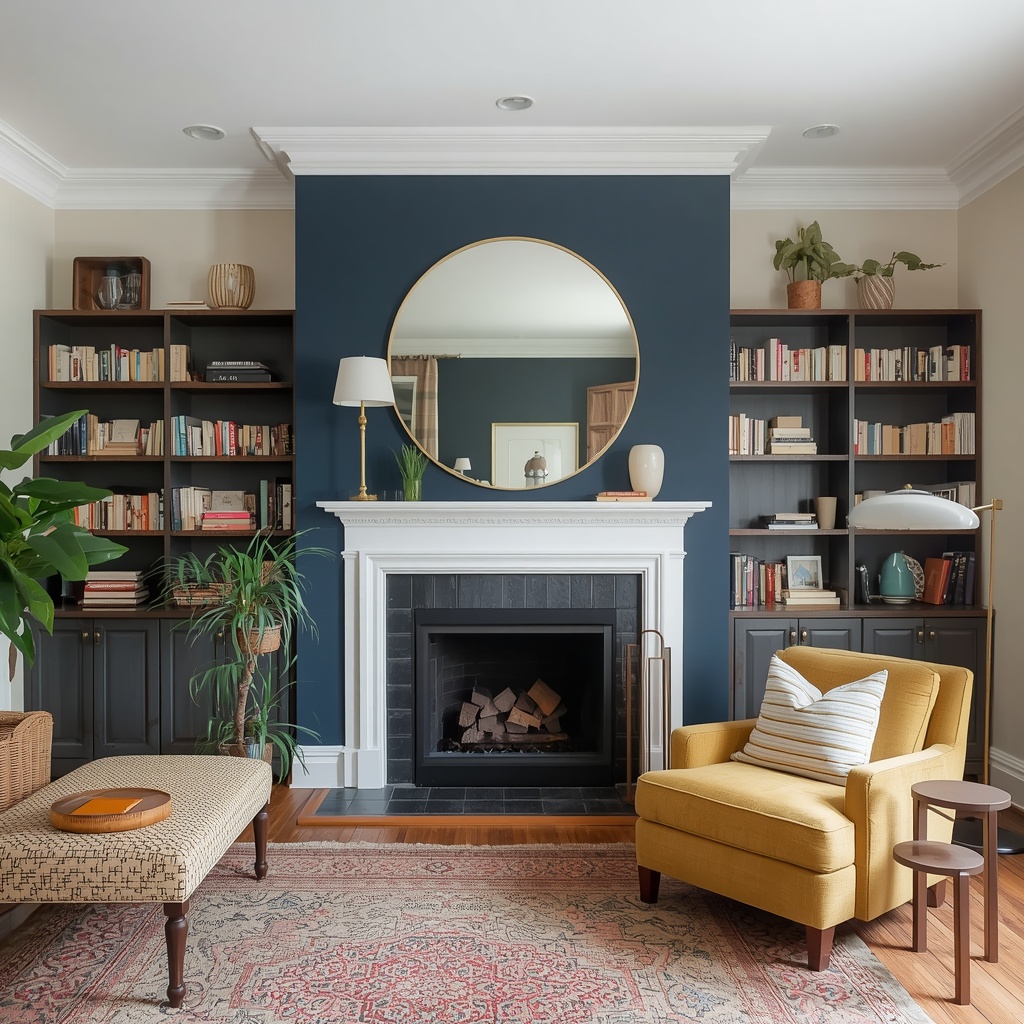
Here are the core principles that separate a beautifully curated maximalist space from an overwhelming one. Master these, and you can fill every shelf, wall, and surface in your home with total confidence.
🎨
Use a Unifying Color Story
Pick 2–3 dominant colors that repeat throughout your collections. Variation in objects is fine; variation in color palette needs a limit.
📐
Vary Height & Scale
Arrange objects in groupings that alternate between tall, medium, and small. This creates visual rhythm even when items are eclectic.
🪴
Use Plants as Anchors
Living greenery grounds a maximalist space and adds organic breathing room that prevents visual overwhelm.
🗂️
Negative Space Is Still Your Friend
Not every inch needs filling. Leave intentional gaps between collections so the eye has places to rest.
How to Build a Cluttercore Room: A Room-by-Room Guide
Applying cluttercore principles looks different depending on the room, its function, and how much visual stimulation you can comfortably live with day to day. Here’s my room-by-room breakdown for American homeowners ready to take the plunge.
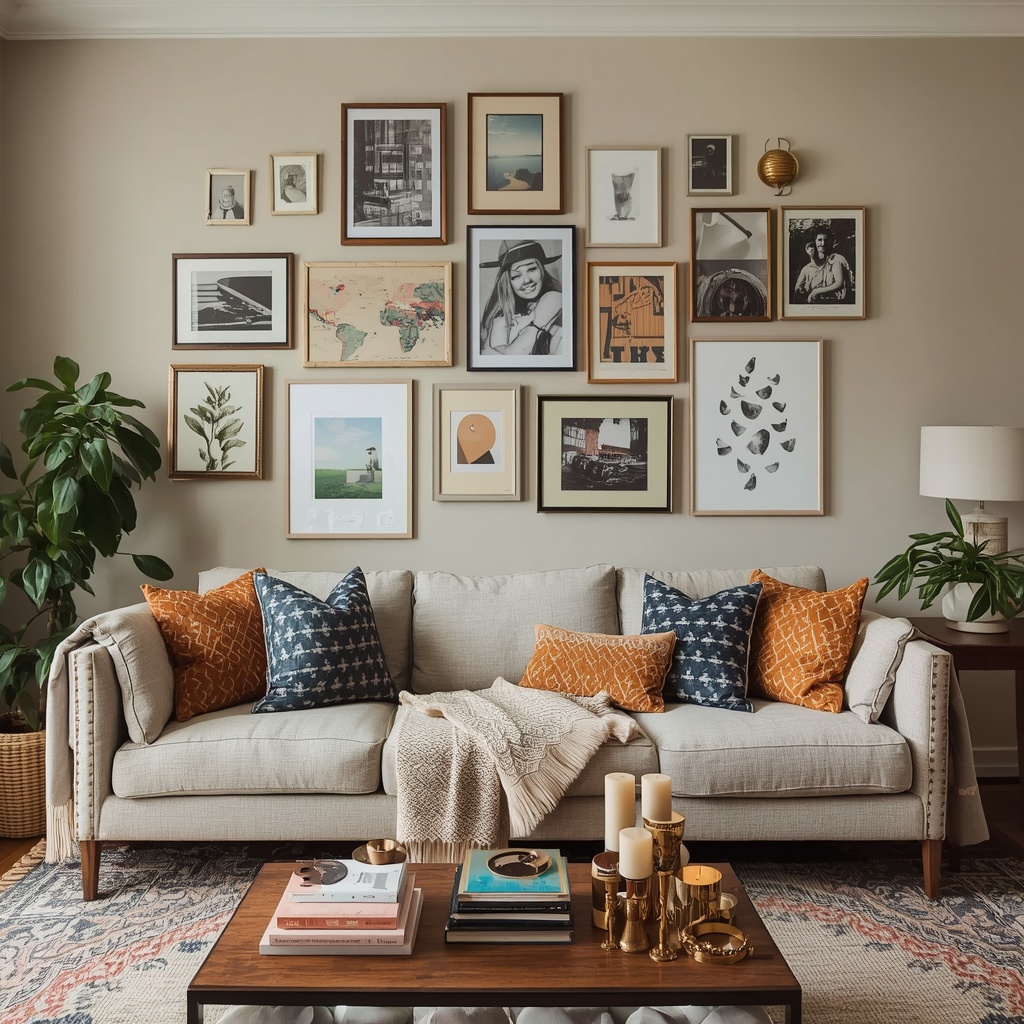
In the living room, the gallery wall is your best friend. A well-executed gallery wall — mixing frames of different sizes, materials, and styles — is the defining centerpiece of any cluttercore living space. Layer in throw pillows in clashing-but-cohesive patterns, stack books horizontally on shelves rather than vertically, and group candles, ceramics, and personal objects in odd-numbered clusters. The sofa itself can be a canvas: layer two or three throw blankets of different textures across its arms and back.
The bedroom is where cluttercore can feel most intimate and restorative. Layer your bedding with a mix of quilts, throws, and patterned pillowcases. Display your jewelry openly on vintage trays or wall-mounted hooks. Let your nightstand hold a small curated scene: a plant, a candle, two or three books currently in rotation, and something personally meaningful, like a photo or a found object from a trip.
In the kitchen and dining area, open shelving is the cluttercore designer’s dream. Display mismatched vintage dishes, stoneware mugs in varying glazes, and woven baskets alongside your practical everyday items. A kitchen that feels collected rather than curated-for-a-catalog is one of the most welcoming spaces a home can have. Hang copper pans, display a vintage cutting board collection, or arrange dried herb bundles alongside your cooking tools.
For the home office or reading nook, books are your primary decorating medium. Stack them horizontally and vertically, mix in small objects and artwork between groups, and let the shelves breathe just a little so they don’t feel oppressive. A maximalist desk can hold a meaningful lamp, a plant or two, a small framed photo, and your current project materials — without sacrificing functionality.
Clutter core on a Budget: Thrift, Thrift, Thrift
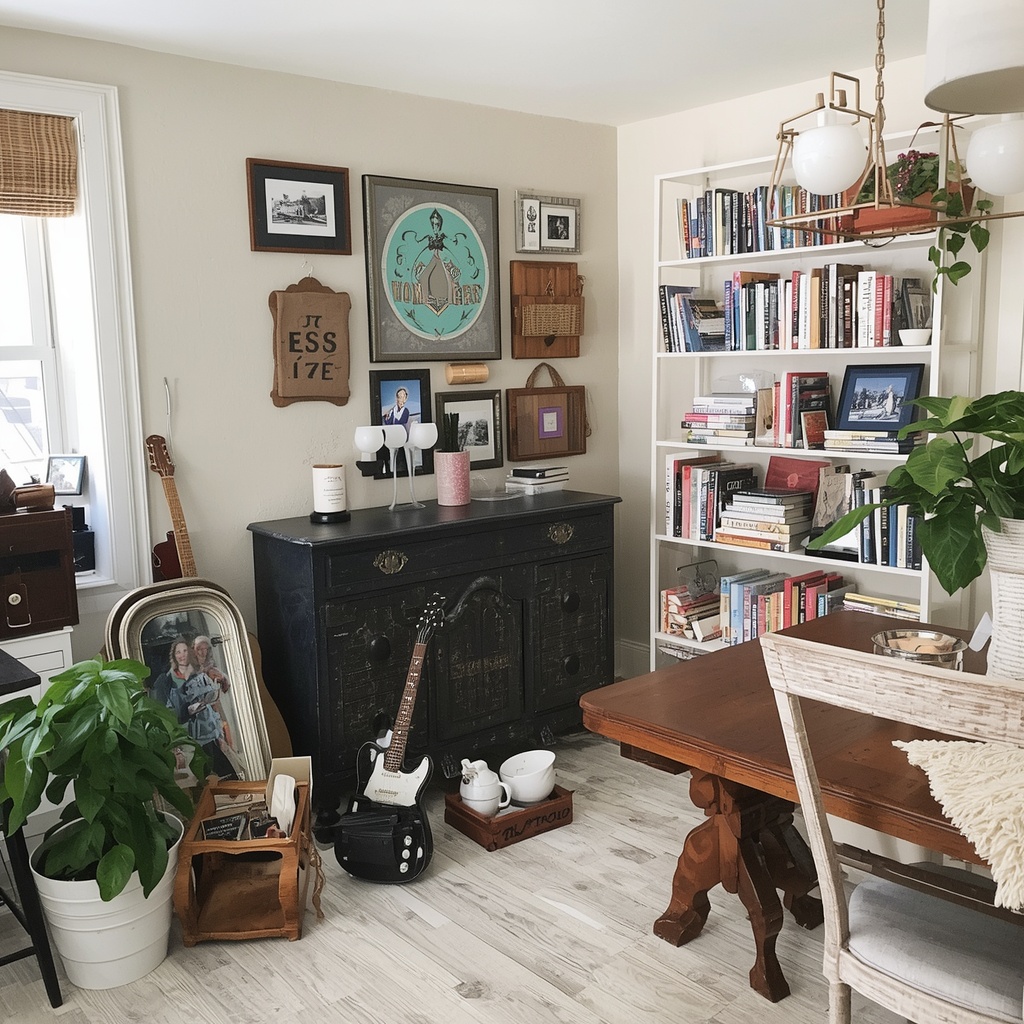
One of the most beautiful things about the cluttercore aesthetic is that it actively rewards the budget-conscious shopper. Unlike minimalist design, which often requires expensive, high-quality statement pieces with perfect proportions and finishes, cluttercore embraces the imperfect, the secondhand, and the inherited. Your grandmother’s mismatched china is not an embarrassment — it’s an asset.
| Source | Best Finds | Average Price Range |
|---|---|---|
| Thrift Stores (Goodwill, Salvation Army) | Frames, ceramics, books, textiles | $1 – $15 per item |
| Estate Sales | Furniture, vintage art, collections | $5 – $150 per item |
| Facebook Marketplace / OfferUp | Larger furniture, rugs, mirrors | $10 – $200 per item |
| Antique Fairs & Flea Markets | Unique collectibles, vintage prints | $5 – $80 per item |
| Family Heirlooms | Everything — and with built-in meaning | Free (priceless) |
“The rooms that feel most alive are the ones that show evidence of a real life being lived inside them. Objects that have been somewhere, that have meaning — those are the objects that make a home feel inhabited.”— Kelly Wearstler, Interior Designer
I always recommend starting your cluttercore journey at estate sales rather than retail stores. Estate sales offer cohesive collections — the belongings of one person’s entire life — which means the pieces often have a natural visual relationship to one another. You can walk away with ten objects that feel like they belong together because they were chosen, over decades, by someone with a consistent sensibility. That kind of effortless cohesion is very hard to manufacture by shopping new.
✦ Pro Tip from the Designer
When thrifting for cluttercore, shop for color before you shop for object type. If your room has a warm amber-and-green palette, scan the shelves for anything in those tones — regardless of what the object actually is. A cluttercore shelf becomes magical when a green ceramic frog, a green vintage hardback, and a green glass vase stand together, even though none of them were ever “meant” to be grouped. This is how maximalist rooms achieve their cohesion: through color-coded serendipity. For sourcing vintage finds online, Etsy’s vintage home decor section is consistently excellent.
The Safety Side of Cluttercore: What “Safe” Really Means
When we talk about expressing yourself “safely” through cluttercore, we mean this in two important senses. The first is practical home safety — because true maximalism, without thoughtful organization, can create real physical hazards. The second is emotional safety — making sure your collected home environment supports your mental wellbeing rather than adding to daily stress.
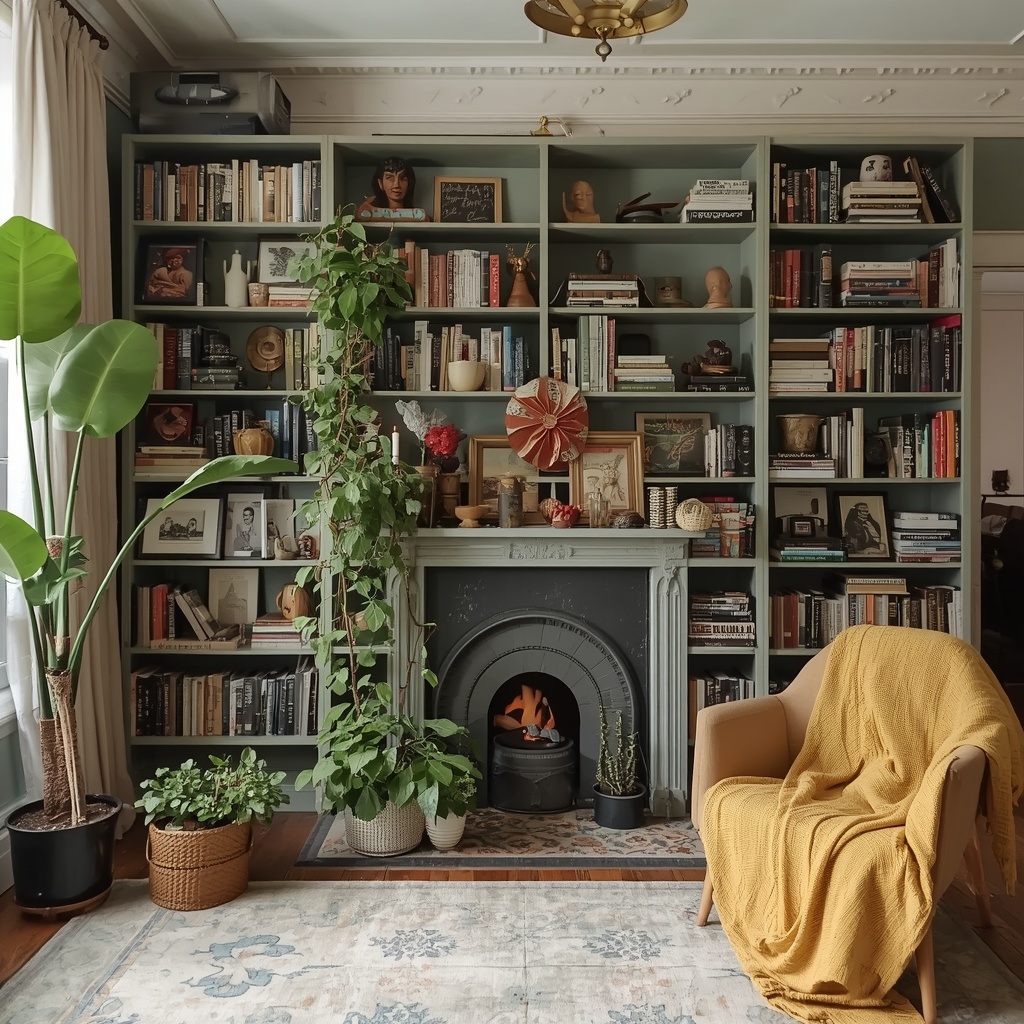
On the physical safety side, the key principles are straightforward. Heavy objects on high shelves should always be anchored or displayed with their center of gravity low. Candle collections — a cluttercore staple — must never be placed near textiles or in enclosed corners. Trailing plants and draping textiles should be kept away from heating vents and fireplaces. If you’re a collector of vintage electronics, books, or paper ephemera, maintaining clear pathways and practicing basic fire safety is non-negotiable.
Cluttercore Safety Checklist
- Anchor heavy shelves and tall furniture to wall studs using appropriate hardware
- Keep a 3-foot clearance around space heaters, radiators, and fireplace openings
- Never display candles within 12 inches of fabric, curtains, or hanging plants
- Maintain clear pathways of at least 36 inches through every room for safety egress
- Check vintage electrical items (lamps, clocks) before use — have them inspected or rewired
- Use proper hanging hardware for gallery walls — never rely on adhesive strips alone for heavy frames
- Dust and clean collections regularly — a visually rich space requires more frequent maintenance than a minimal one
On the emotional safety side, cluttercore should never feel like an obligation to keep accumulating. There’s a meaningful difference between a home full of things you love and a home full of things you felt unable to part with. The healthiest cluttercore practitioners I’ve worked with are also selective editors: they add freely but they also release freely, donating or selling pieces when something better or more meaningful comes along. Think of your home as an ongoing, evolving self-portrait — not a finished canvas.
Cluttercore Meets Functionality: Organizational Strategies That Disappear Into the Aesthetic
Here’s the interior designer’s secret weapon for maximalist spaces: hidden organization. The magic of a beautifully cluttered room is that it feels abundant, not chaotic — and that illusion is maintained by smart, invisible organizational systems working behind the scenes. You don’t need less stuff; you need better storage for the stuff that doesn’t need to be on display.
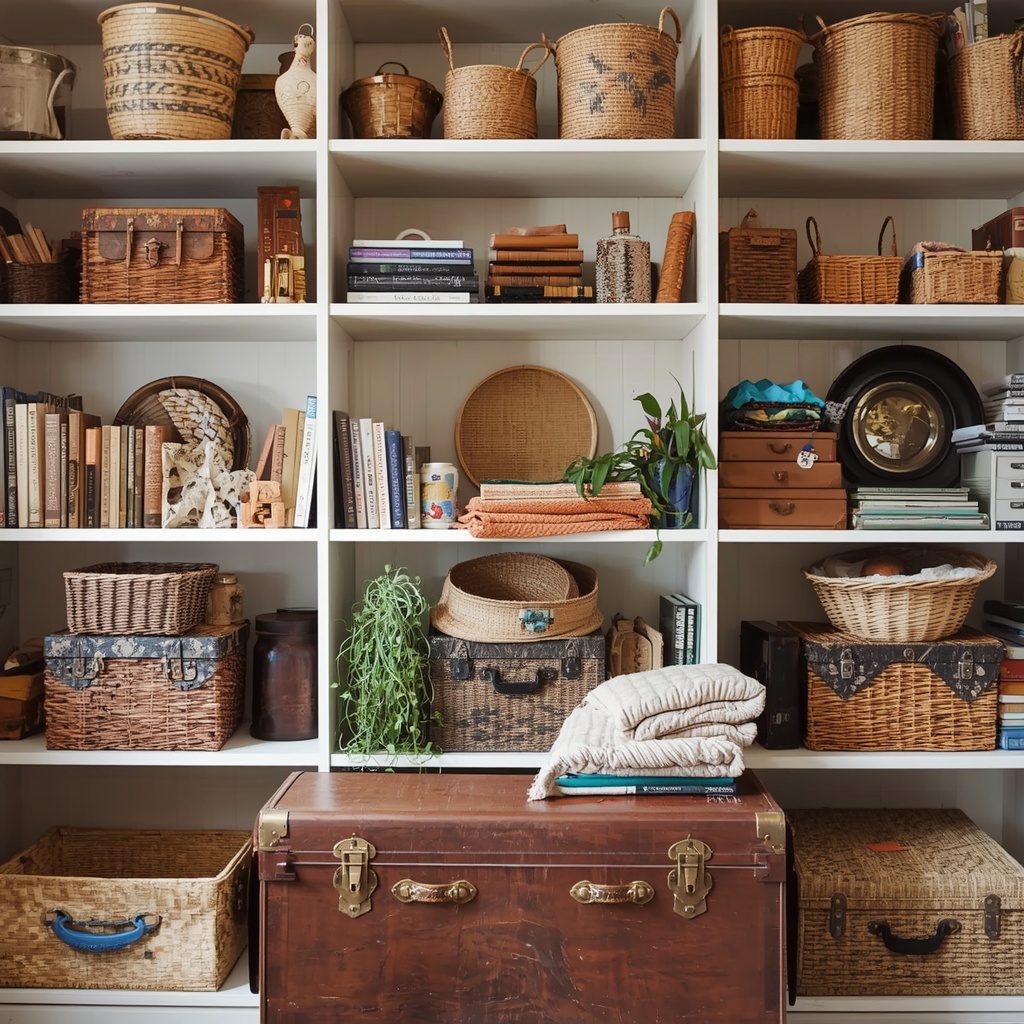
Baskets and woven containers are cluttercore’s greatest organizational ally. A row of different-sized woven baskets on a shelf looks like part of the aesthetic while quietly storing everything from extra blankets to charging cables to craft supplies. Vintage suitcases stacked in a corner double as storage and visual interest. A beautiful wooden chest at the foot of the bed solves dozens of organizational problems while looking intentionally styled.
The key rule is this: if it’s beautiful, display it; if it’s functional but not beautiful, store it in something beautiful. This single principle will allow you to maintain the lush visual richness of cluttercore while keeping your space genuinely functional and livable.
“I want people to walk into my room and feel like they’ve entered another world — one where every object has earned its place and nothing is there by accident.”— Common sentiment among cluttercore enthusiasts on r/maximalism
Is Cluttercore Right for You? Signs This Aesthetic Fits Your Lifestyle
Not everyone is suited to maximalist living, and that’s completely fine. The goal of any interior design philosophy is to support how you actually live — not to perform an aesthetic for Instagram. So how do you know if cluttercore is genuinely right for your home and personality?
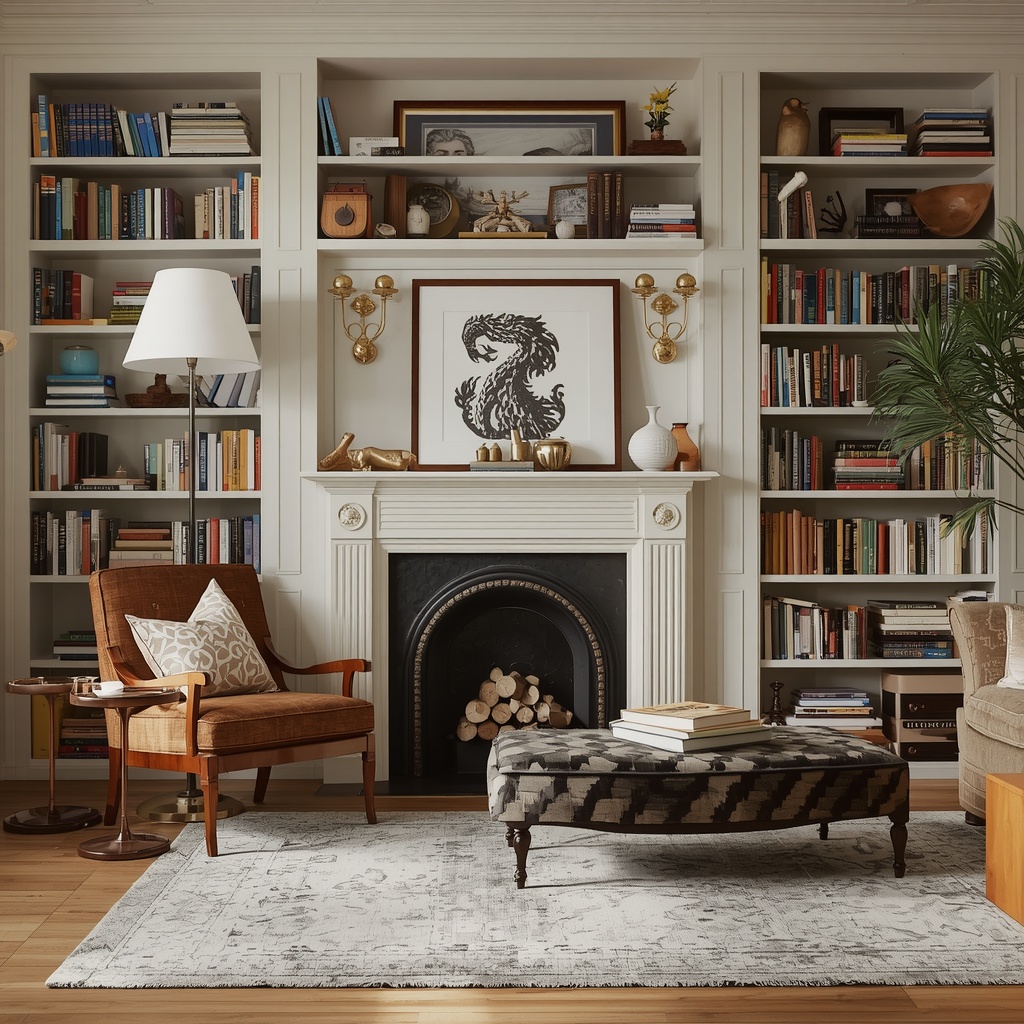
Cluttercore tends to work best for people who are naturally drawn to collecting, who have a sentimental relationship with objects, and who feel more energized than overwhelmed by visual richness. If you’ve ever looked at a bare white shelf and felt vaguely sad, or if you’ve accumulated meaningful objects over the years but felt guilty displaying them, cluttercore is likely a genuinely fitting aesthetic for you.
On the other hand, if you find that visual complexity raises your anxiety, if you feel calmer in sparse environments, or if you share your home with people who have very different sensory preferences, maximalism may work better as an accent approach — applied fully in one or two rooms, like a reading nook or a home office, while keeping shared spaces calmer and more neutral.
The Bottom Line: Your Home, Your Story
Cluttercore at its best is not about owning more things — it’s about being honest about the things that matter to you and giving them the visibility they deserve. The rise of this aesthetic is, at its core, a very human pushback against the idea that our living spaces should look like they belong to no one in particular. Your home should look like you. Embrace the collections, layer the textiles, build the gallery wall — just do it with intention, safety, and a clear-eyed sense of what you love. That’s the design philosophy that never goes out of style.