
If you’ve ever walked into a minimalist room and thought, “This feels more like a dentist’s waiting room than a home,” you’re not alone. Minimalism has a reputation problem in American households — and honestly, it’s not entirely undeserved. Done wrong, minimalist interior design can feel sterile, unwelcoming, and oddly depressing. But done right? It’s one of the most serene, functional, and deeply personal aesthetics you can bring into your home.
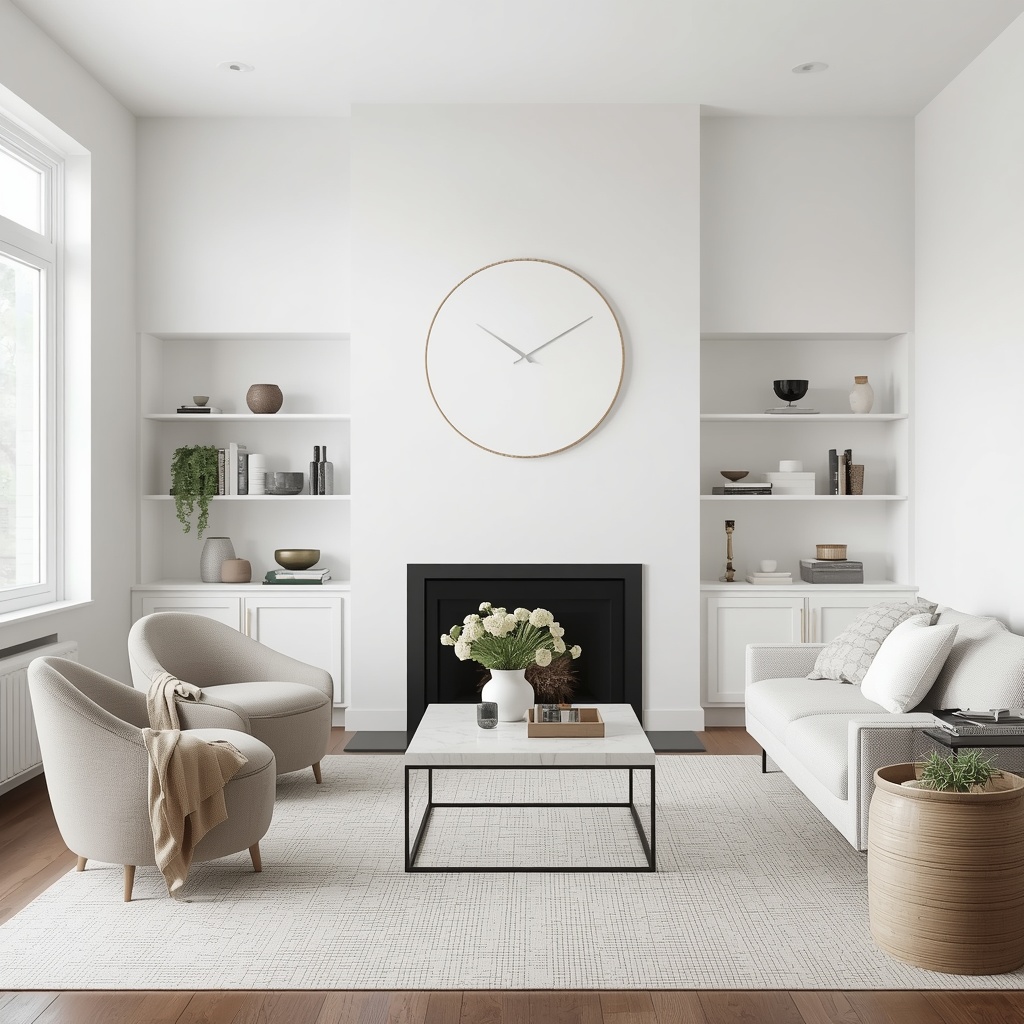
The secret is knowing that minimalism is not about emptiness — it’s about intention. Every object earns its place. Every material tells a story. And warmth? That’s not a feature you sacrifice at the altar of clean lines. It’s the whole point.
Let’s break down exactly how to nail warm minimalist decor in your home — from the furniture you choose to the textures you layer — so your space feels like a breath of fresh air instead of a blank void.
What Is Warm Minimalism, and Why Does It Matter?
Warm minimalism is a design philosophy that blends the “less is more” principle with sensory richness. It’s the sweet spot between clutter-free living and cozy, livable spaces. Think Scandinavian hygge meets Japanese wabi-sabi — both cultures have mastered the art of finding comfort in simplicity.
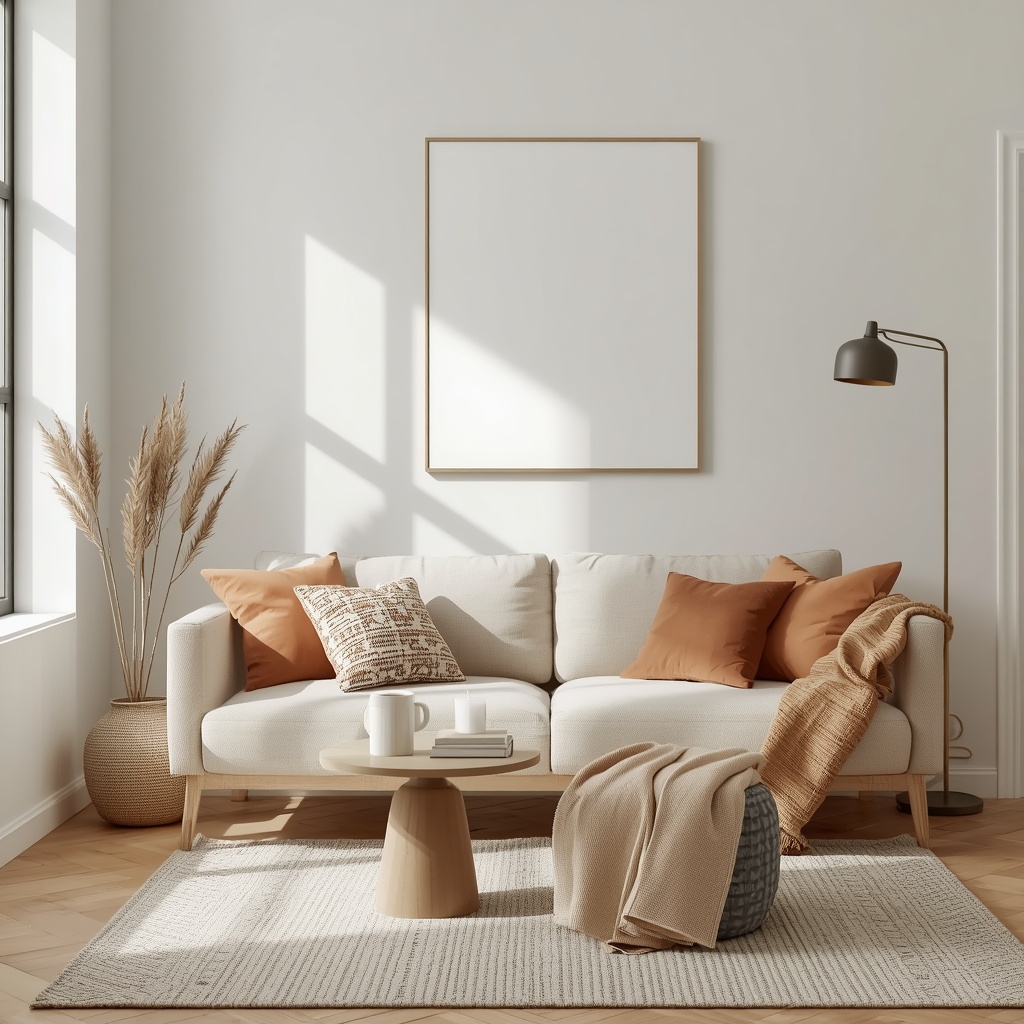
In the U.S., home decor trends have been shifting steadily toward this aesthetic. According to the National Kitchen & Bath Association (NKBA), “warm neutrals, natural materials, and organic forms” have topped design trend reports for several consecutive years. Homeowners are increasingly drawn to spaces that feel curated without feeling cold.
Warm minimalism matters because it directly impacts how you feel in your own home. A space that’s too sparse can trigger anxiety or disconnection. The goal is visual calm paired with emotional warmth — and that balance is completely achievable.
Start With a Warm, Neutral Color Palette
Color is the single most powerful tool in your minimalist design toolkit. And here’s the interior designer truth nobody tells you: pure white walls are often the culprit behind that cold, clinical feeling.
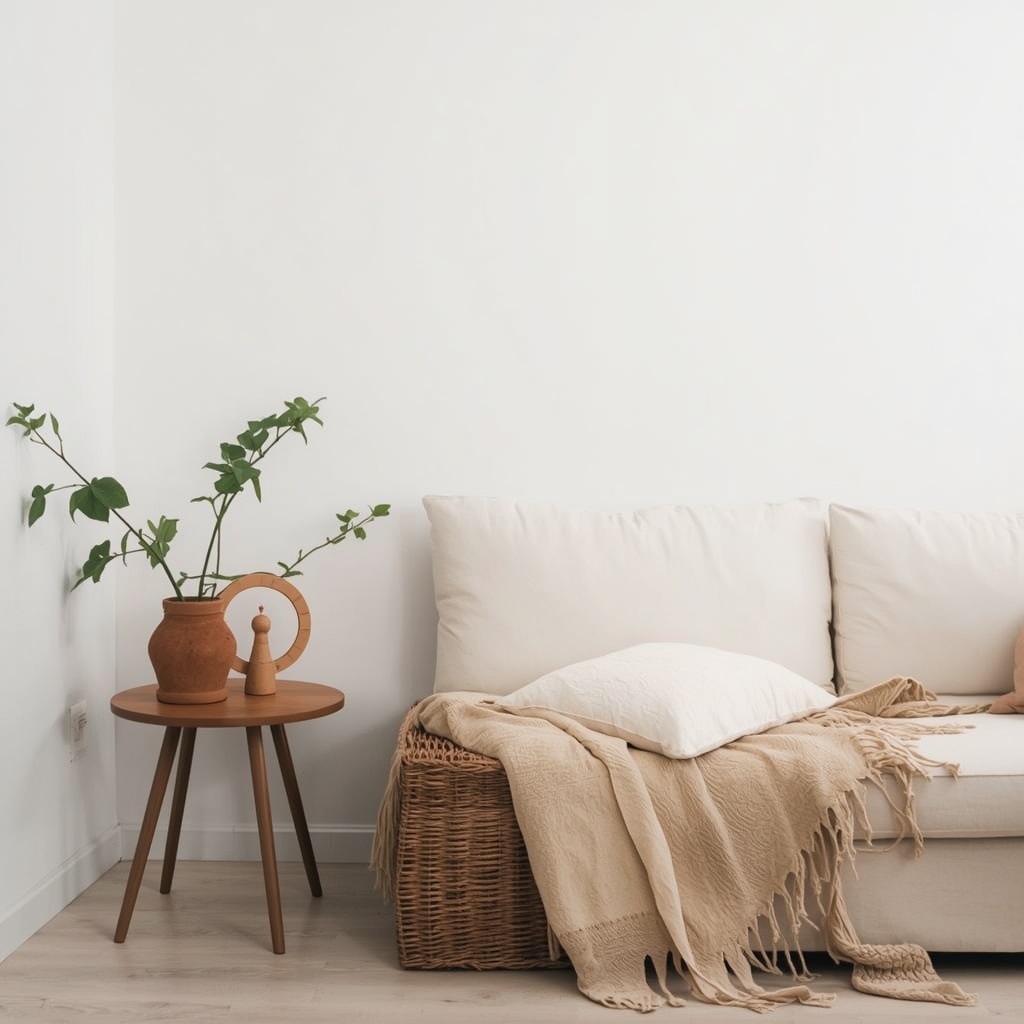
Instead of reaching for stark whites or cool grays, build your palette around warm neutrals. These are the shades that carry undertones of beige, terracotta, cream, sand, or blush — colors that naturally absorb and reflect light in a way that feels like a gentle hug.
Consider these warm neutral paint colors that work beautifully in minimalist spaces:
| Color Family | Example Shades | Best For |
|---|---|---|
| Warm White | Benjamin Moore “White Dove,” Sherwin-Williams “Alabaster” | Living rooms, bedrooms |
| Greige (Gray + Beige) | Behr “Wheat Bread,” SW “Agreeable Gray” | Open-plan spaces, hallways |
| Terracotta / Clay | Farrow & Ball “Dead Salmon,” BM “Tucson Tan” | Accent walls, dining rooms |
| Warm Taupe | SW “Accessible Beige,” PPG “Dusty Miller” | Offices, libraries |
| Soft Blush | BM “Pale Rose,” SW “Naive Peach” | Bedrooms, nurseries |
“Color is the keyboard, the eyes are the harmonies, the soul is the piano with many strings.” — Wassily Kandinsky
Apply your palette in layers: a dominant wall color (60%), complementary furniture and textiles (30%), and accent pieces that add depth (10%). This 60-30-10 rule is a classic interior design principle that keeps minimalist spaces from feeling flat.
Choose Natural Materials Over Synthetic Ones
One of the fastest ways to inject warmth into a minimalist room is through natural materials and organic textures. This is non-negotiable in my practice. The moment you swap out a glass coffee table for a live-edge walnut one, the entire energy of the room shifts.
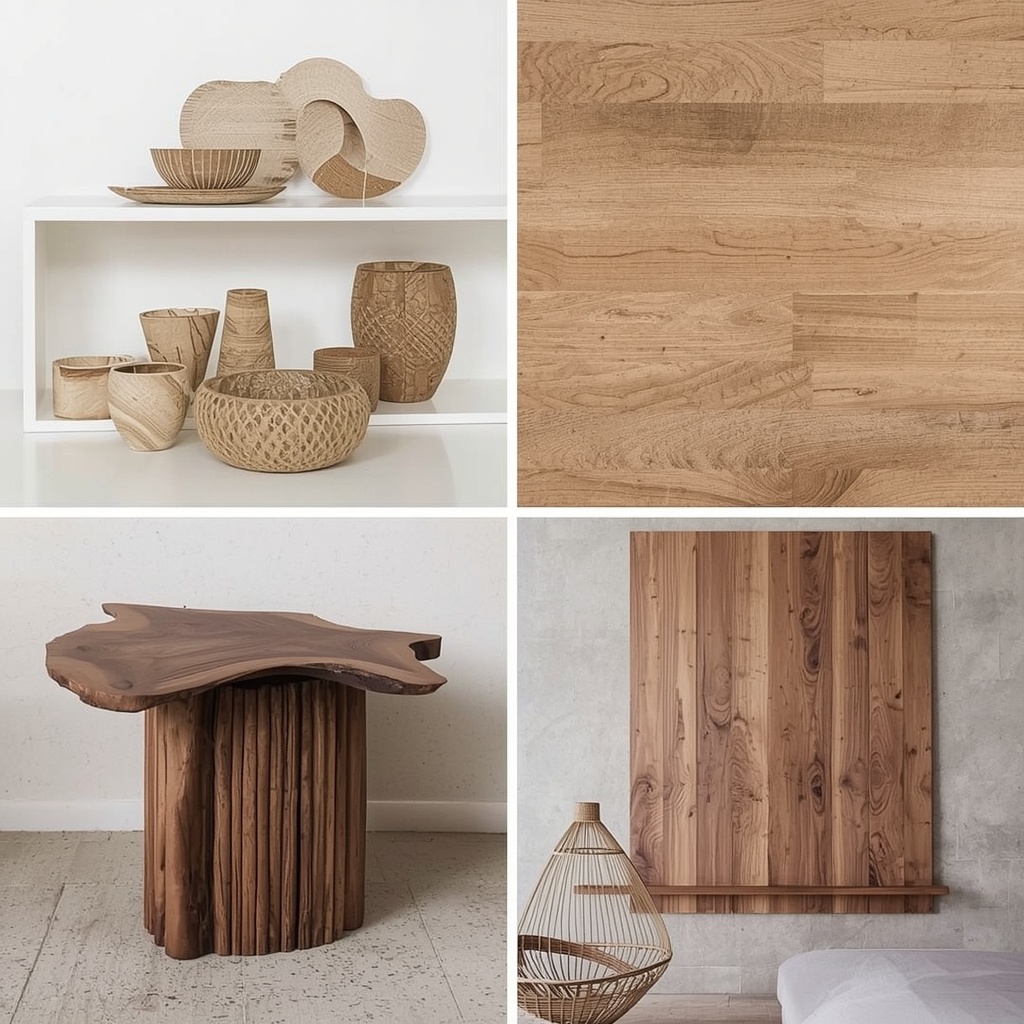
Here’s a hierarchy of materials to prioritize in warm minimalist interiors:
Wood
Nothing brings warmth into a space quite like wood grain. Go for lighter tones like white oak, ash, or birch for that Scandinavian-influenced warmth. Darker walnut adds sophistication and depth. Use wood in flooring, furniture legs, shelving, and decorative bowls.
Natural Stone
Travertine, limestone, and marble with warm veining (think honey-gold tones, not cool blue-gray) add texture and permanence. A travertine side table or marble tray on a nightstand elevates the space without adding clutter.
Linen and Cotton
Upholstery and textiles in natural fibers — linen sofas, cotton throw blankets, jute rugs — add tactile warmth. These materials also breathe well, making your space feel alive rather than museum-like.
Rattan and Cane
Furniture with rattan details (chair backs, lamp bases, side tables) adds an organic, handcrafted quality that softens even the strictest minimalist room.
Pro Tip: When shopping for minimalist furniture, flip it over or look closely at construction details. Pieces made with solid wood joinery and natural upholstery will age beautifully and maintain that warm, authentic feeling for decades. Fast-furniture alternatives may look good in photos but often contribute to that “cold” or “fake” quality over time.
Layer Textures Thoughtfully
Here’s something they don’t teach enough in design school (or on Pinterest boards): texture is more important than color in a minimalist space. Because you’re working with fewer objects, the surface quality of each piece becomes magnified.
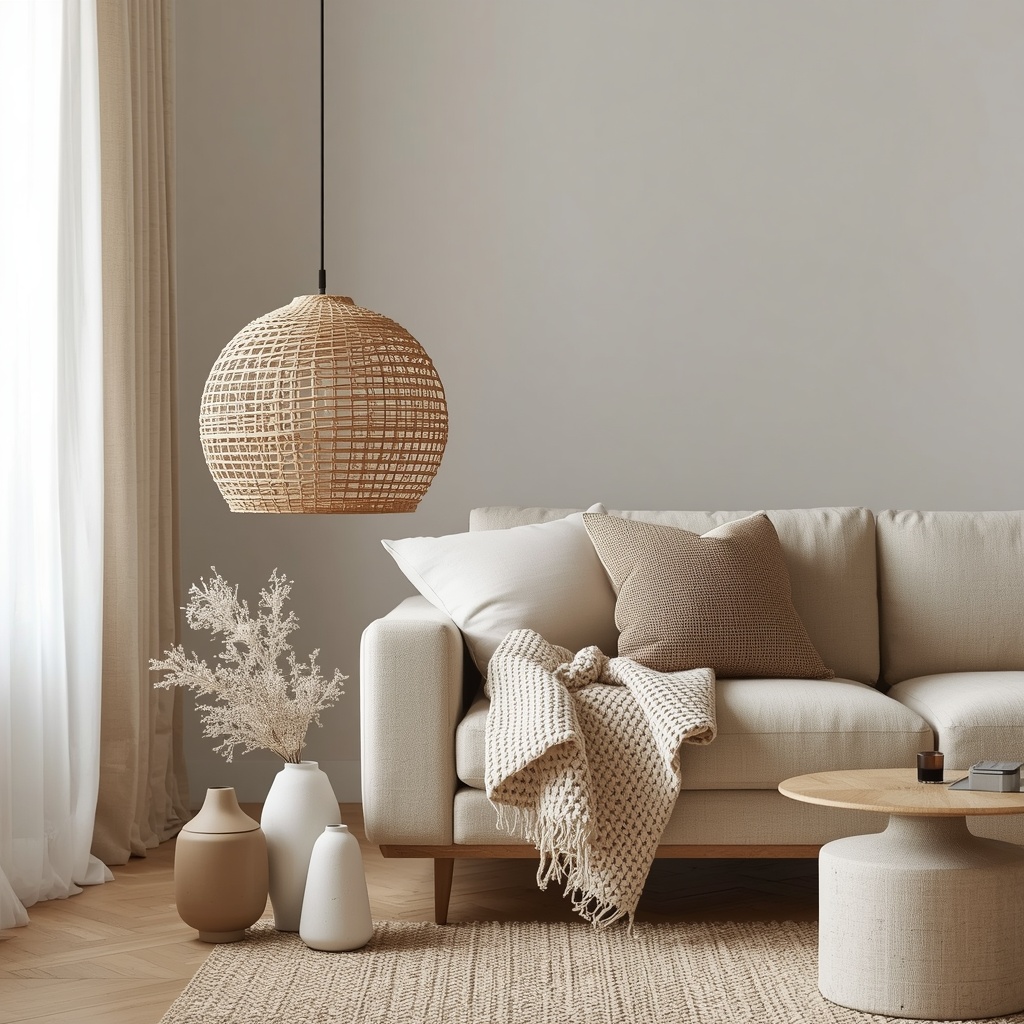
Layering textures creates visual and tactile interest without adding more stuff. It’s the art of doing more with less — which is, after all, the minimalist mantra.
A well-textured minimalist room might include:
- A chunky knit throw draped over the arm of a linen sofa
- A jute or wool area rug grounding the seating area
- Matte ceramic vases next to polished stone objects
- Raw linen curtains that pool slightly on the floor
- A woven rattan pendant light casting dappled shadow patterns
The contrast between rough and smooth, matte and shiny, soft and rigid — this is what gives a room dimension. Without it, even the most beautifully curated minimalist room will look flat in photos and feel flat in person.
Invest in Fewer, Better Furniture Pieces
Minimalist decorating isn’t about buying cheap and buying less. It’s about buying intentionally and buying well. This is the philosophy that separates true minimalism from just having an empty apartment.
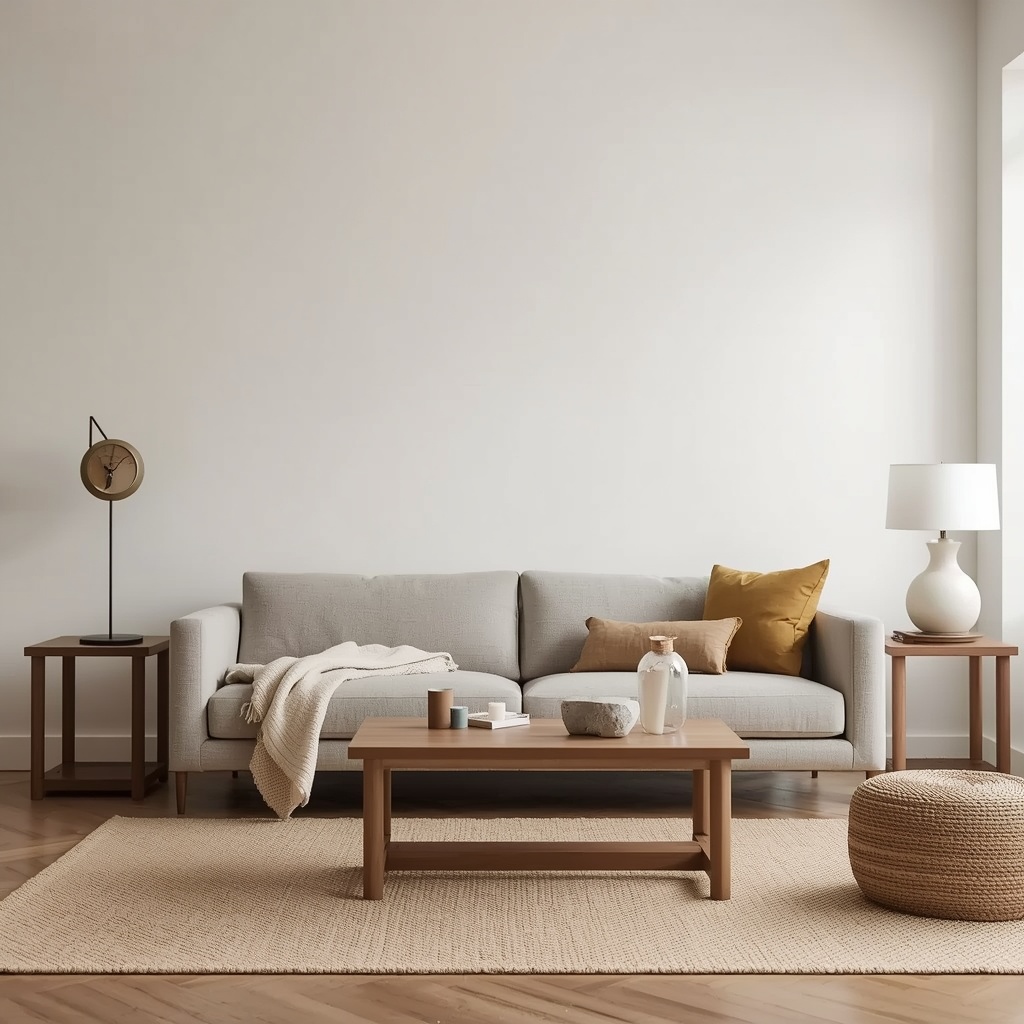
Each furniture piece in a minimalist home should serve multiple purposes or carry significant visual weight. A sofa shouldn’t just be a place to sit — it should anchor the room. A dining table shouldn’t just be functional — it should be an object of quiet beauty.
Here’s a guide to building a warm minimalist furniture palette:
| Room | Key Anchor Piece | Warming Additions |
|---|---|---|
| Living Room | Low-profile linen or velvet sofa | Chunky throw, wooden coffee table, woven rug |
| Bedroom | Upholstered platform bed | Linen bedding, wood bedside tables, ceramic lamp |
| Dining Room | Solid wood dining table | Upholstered chairs, linen napkins, candles |
| Home Office | Solid wood desk | Task lamp, wool rug, single piece of meaningful art |
| Bathroom | Freestanding soaking tub (if space allows) | Wood bath tray, stone soap dish, warm towels |
When selecting furniture, look for:
- Rounded edges rather than sharp corners (they feel more approachable)
- Low-to-the-ground profiles that create a relaxed, grounded energy
- Neutral upholstery in natural fibers that will age gracefully
- Handmade or artisanal details that add soul to simple forms
Use Lighting to Create Warmth and Dimension
Lighting is the most underestimated element in interior design — and in minimalist spaces, it does the heaviest lifting. Because there’s less visual noise competing for attention, how light moves through your space becomes the star of the show.
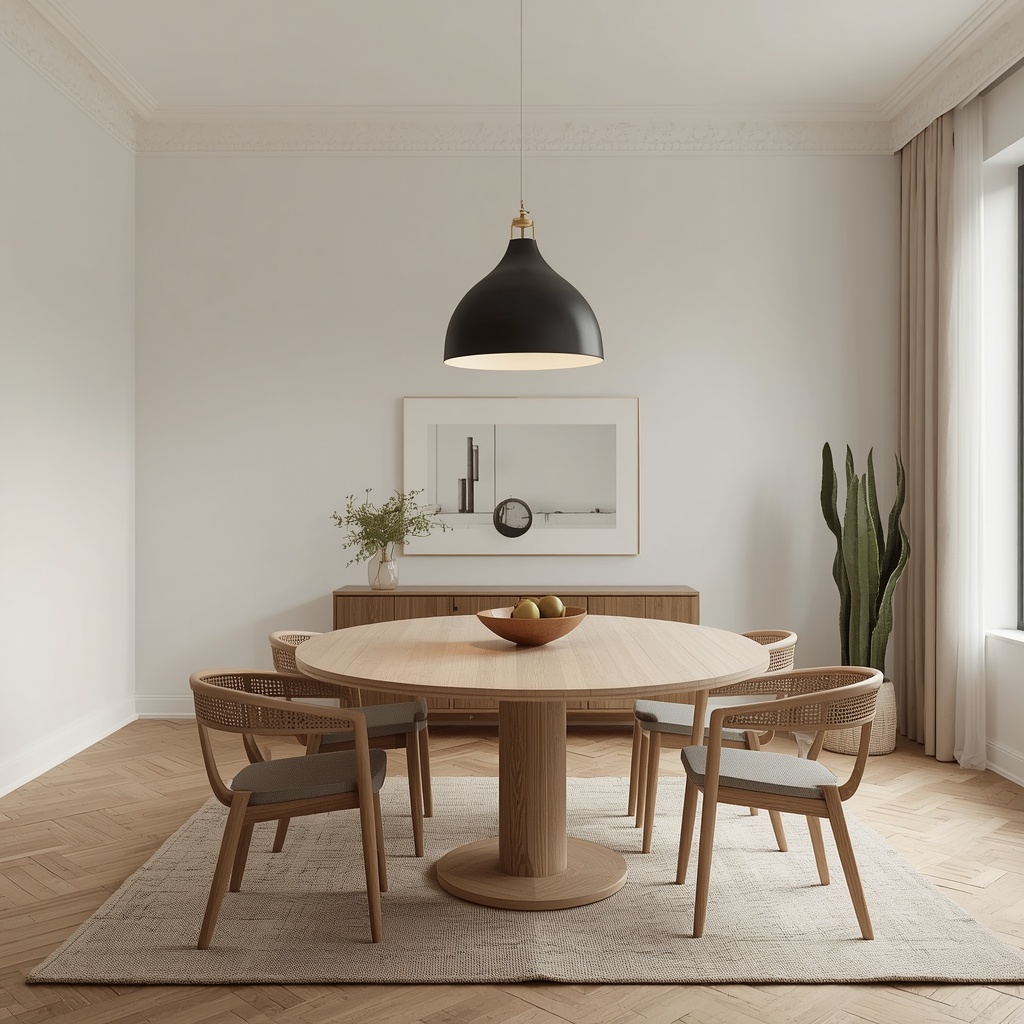
Layer Your Light Sources
Avoid relying on a single overhead fixture. Instead, layer:
- Ambient lighting — soft overhead fixtures or recessed lights on dimmers
- Task lighting — focused lamps for reading, working, cooking
- Accent lighting — picture lights, under-cabinet strips, candles
Choose Warm Bulb Temperatures
Always use bulbs in the 2700K–3000K range for living spaces. These produce a warm, golden light similar to incandescent bulbs. Bulbs above 4000K emit a cool, bluish light that’s perfect for hospitals — not homes.
Incorporate Natural Light Thoughtfully
In minimalist rooms, natural light is a design element in itself. Keep window treatments simple — sheer linen panels or wooden blinds — so light can enter freely. A beam of afternoon sun across a bare oak floor is worth more than any decorative object.
“The best rooms feel like they’ve been kissed by the sun.” — Kelly Wearstler, renowned American interior designer
Add Meaningful, Intentional Decor Pieces
This is where most people go wrong with minimalism: they interpret “less stuff” to mean “no personality.” But the truth is that a single meaningful object, displayed with care, says more about who you are than a shelf crowded with random trinkets.
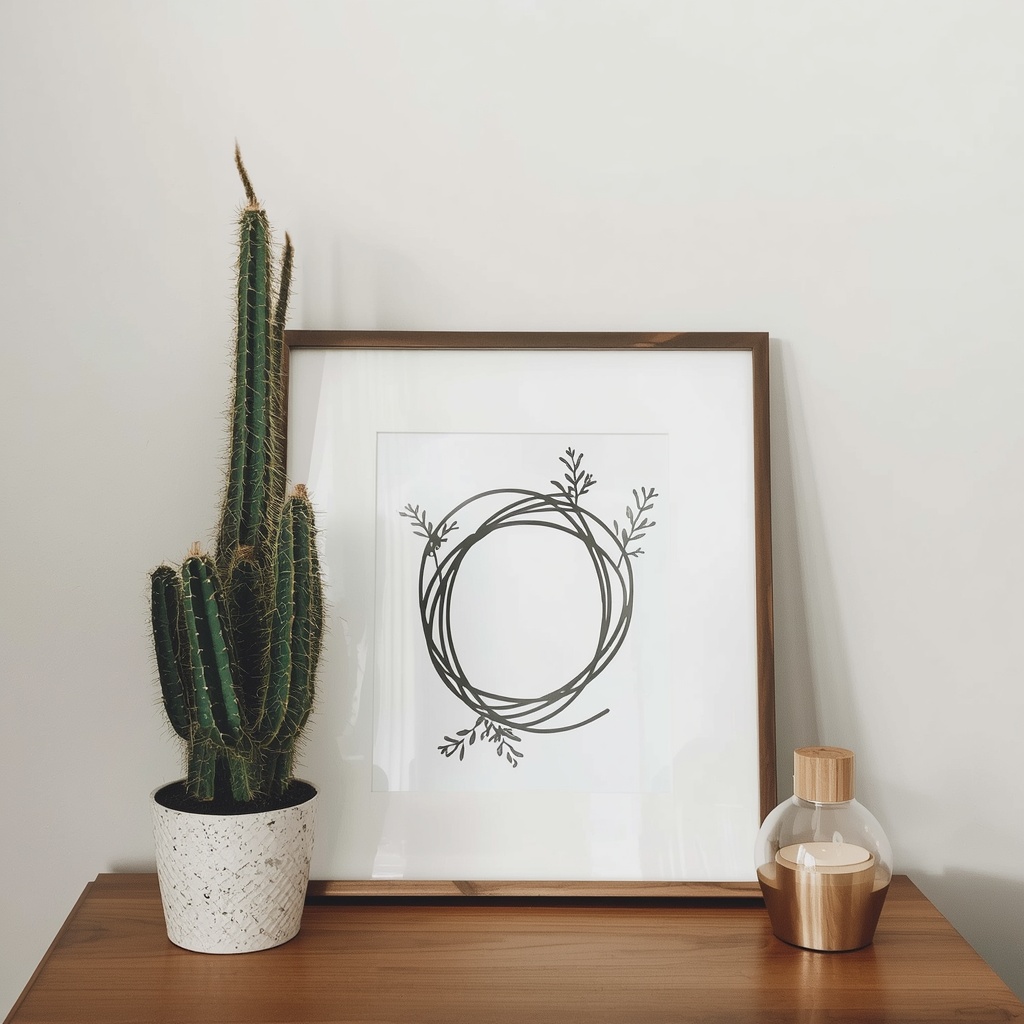
In a warm minimalist home, decor is edited, not absent. Every piece on display should meet at least one of these criteria:
- You love it deeply (emotional resonance)
- It’s beautiful in its own right (aesthetic value)
- It tells a story (personal or cultural meaning)
- It serves a purpose (functional beauty)
Decor Ideas That Add Warmth Without Clutter
- A single large piece of original art or a framed print that anchors a wall
- A sculptural ceramic vase with a few dried pampas grass stems or eucalyptus branches
- A stack of beautifully covered books on a coffee table or shelf
- A handwoven basket used for storage — functional and gorgeous
- Candles in simple holders — pillar candles, beeswax taper candles, or soy jar candles
Pro Tip: When in doubt, apply the “one in, one out” rule. Before adding any new decor item to a minimalist room, identify what you’ll remove to make space for it. This keeps the space from slowly creeping back toward clutter — what designers call “clutter creep.”
For curated, affordable minimalist decor, explore retailers like Article, West Elm, and McGee & Co. — all known for warm, quality-focused pieces that align with this aesthetic.
Bring in Biophilic Design Elements
Biophilic design — the practice of incorporating natural elements into interior spaces — is one of the most effective antidotes to cold minimalism. Nature is inherently warm, imperfect, and alive. Introducing it into your home instantly softens hard lines and adds an organic, breathing quality to the space.
Ways to Incorporate Biophilic Elements
- Houseplants in simple terracotta or ceramic pots — a fiddle-leaf fig, olive tree, or snake plant adds vertical interest
- Dried botanicals — pampas grass, cotton stems, and dried lavender add texture without requiring upkeep
- Natural stone objects — a marble tray, a quartz bookend, a river rock collection
- Wood bowls and boards used decoratively or functionally in the kitchen
- Water features — even a small tabletop fountain adds sound and movement
Research from Human Spaces shows that biophilic design elements improve mood, reduce stress, and increase productivity — powerful reasons to bring the outside in, even in the most stripped-back spaces.
Common Minimalist Mistakes to Avoid
Even with the best intentions, it’s easy to slip into design patterns that make minimalist spaces feel cold, sterile, or just plain boring. Here are the most common mistakes — and how to sidestep them:
| Mistake | Why It Feels Cold | The Fix |
|---|---|---|
| All-white color scheme | No warmth or depth | Add warm neutrals, creams, and natural tones |
| No soft furnishings | Hard surfaces dominate | Layer rugs, throws, and cushions |
| Only overhead lighting | Flat and harsh | Add floor lamps, table lamps, candles |
| No organic shapes | Too rigid and geometric | Mix in curves: round tables, organic ceramics |
| Bare walls everywhere | Feels unfinished | Choose 1–2 meaningful art pieces |
| Plastic or synthetic materials | Lacks authenticity | Prioritize wood, linen, stone, rattan |
| No plants or botanicals | Feels lifeless | Add at least one living element |
Final Thoughts: Minimalism Should Feel Like Coming Home
The best minimalist spaces don’t announce themselves. You walk in and feel a quiet exhale — a sense of order, of breathing room, of being surrounded only by what matters. That feeling isn’t accidental. It’s the result of deliberate choices about color, material, light, and meaning.
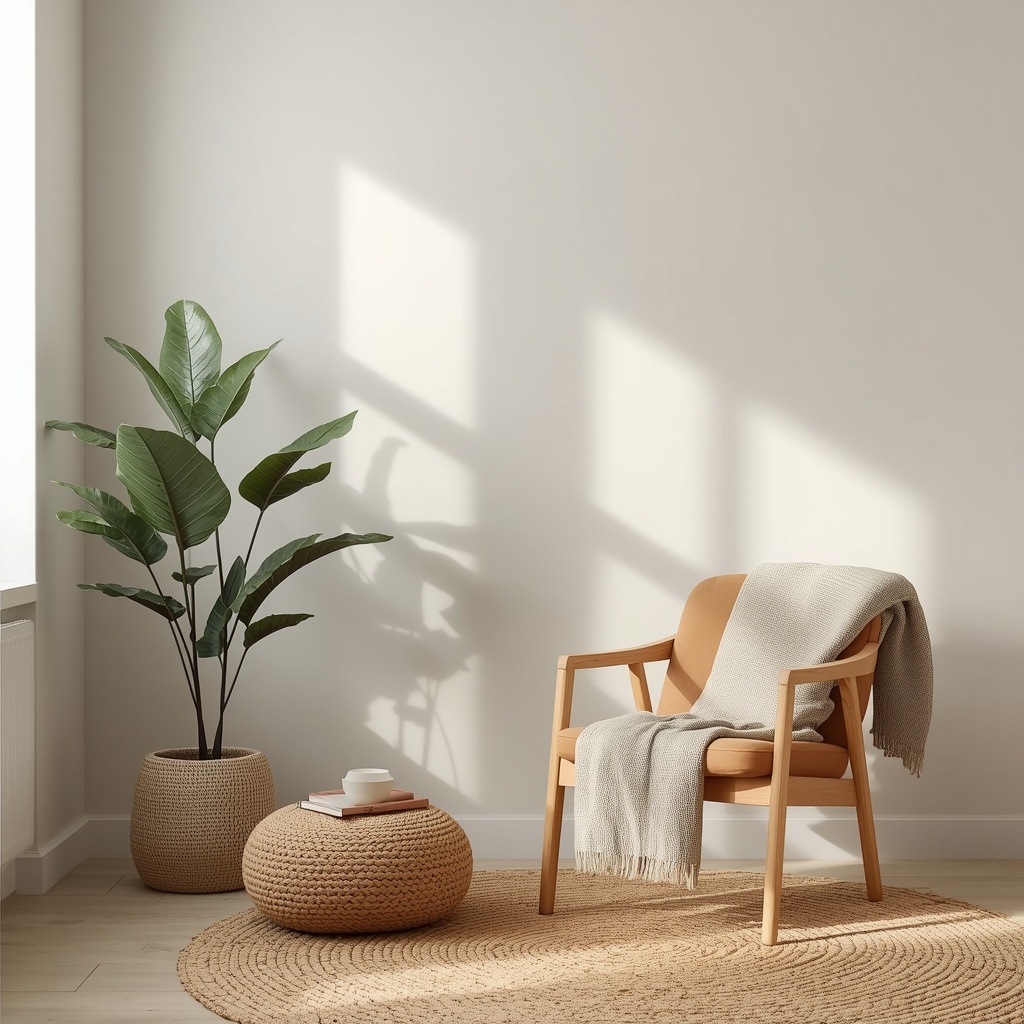
Warm minimalism isn’t about perfection or having the most Instagrammable home. It’s about creating a space that serves your life beautifully — one that feels just as good to live in as it looks in photos.
Start small. Pick one room. Swap your cool-toned bulbs for warm ones. Add a chunky throw and a natural fiber rug. Let one beautiful plant breathe in the corner. You’ll be amazed how much life you can add by taking things away.
Your home should feel like you — only quieter.
Have questions about transforming your space? Drop them in the comments below. And if you found this guide helpful, share it with someone who’s been struggling to make minimalism feel livable.
Related Reading:
- How to Choose the Right Area Rug for Every Room
- The Beginner’s Guide to Scandinavian Interior Design
- 10 Biophilic Design Ideas for Small Apartments
- How to Decorate With Neutral Colors Without Being Boring