
Walk into any beautifully styled home and chances are you’ll spot a lush plant tucked into a corner, spilling off a bookshelf, or anchoring a sunny windowsill. Houseplants aren’t just a design trend — they’re one of the fastest, most affordable ways to soften a room, add texture, and bring life (literally) into your interior. But here’s the catch: not everyone has a green thumb, and nothing kills design confidence faster than a $40 fiddle leaf fig turning into a crispy stick within a month.
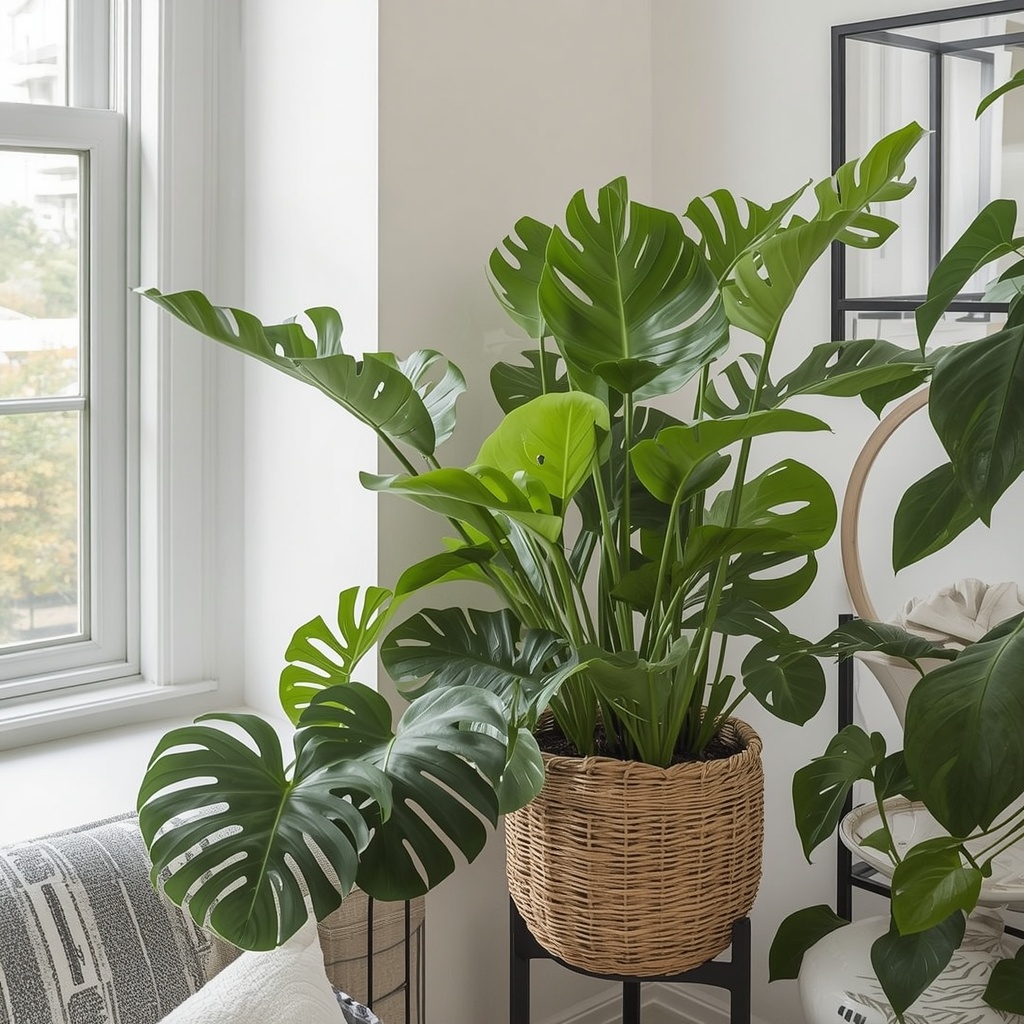
As an interior designer who works with clients across the US, the question I hear most often isn’t “which plant is trendiest?” It’s “which plant will actually survive in my house?” The good news is that you don’t need a horticulture degree to bring greenery into your home. You just need the right low-maintenance houseplants, placed thoughtfully, and a few basic care habits. This guide walks you through the best beginner-friendly indoor plants, how to style them like a pro, and the common mistakes that quietly sabotage even the most well-intentioned plant parents.
Why Houseplants Matter in Interior Design
Plants do something furniture and paint can’t: they add movement, organic shape, and a living quality to a space. A room full of straight lines and hard surfaces — sofas, tables, shelving — instantly feels warmer and more collected once you introduce a trailing pothos or an upright snake plant. Designers often call this “biophilic design,” a style philosophy centered on incorporating natural elements into built environments to improve mood, air quality, and overall wellbeing.
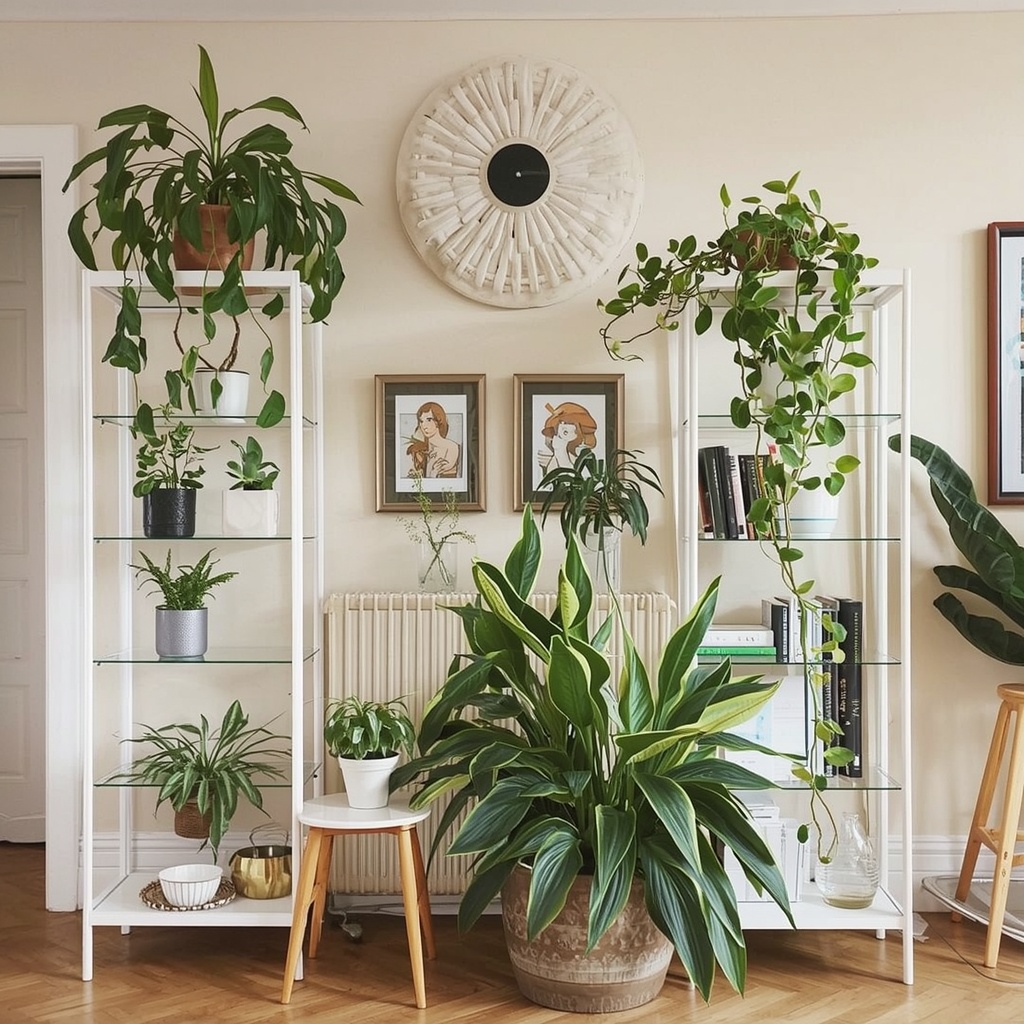
Beyond aesthetics, houseplants offer real functional benefits. They can help balance humidity, act as natural room dividers, and fill awkward empty corners that furniture alone can’t solve. For beginners, the key is starting with resilient, low-light-tolerant species that forgive inconsistency — because let’s be honest, most of us aren’t misting our plants on a perfect weekly schedule.
“Plants are the easiest, most forgiving way to finish a room. Even a single well-placed snake plant can make a space feel intentional.” — a sentiment shared by many professional stagers and designers when advising first-time homeowners.
What Makes a Houseplant “Hard to Kill”
Before diving into specific plants, it helps to understand what actually makes a species low-maintenance. Beginner-friendly houseplants typically share these traits:
- Drought tolerance – they store water in thick leaves, stems, or roots
- Low-light adaptability – they photosynthesize efficiently even without direct sun
- Pest resistance – naturally less appealing to common houseplant pests
- Slow, predictable growth – less frequent repotting or pruning needed
- Wide humidity tolerance – unbothered by dry heating systems or humid bathrooms
Understanding these traits helps you shop smarter, whether you’re browsing a local nursery or scrolling an online plant shop.
The Best Hard-to-Kill Houseplants for Beginners
Below are the most reliable, design-friendly houseplants for anyone just starting their indoor jungle journey.
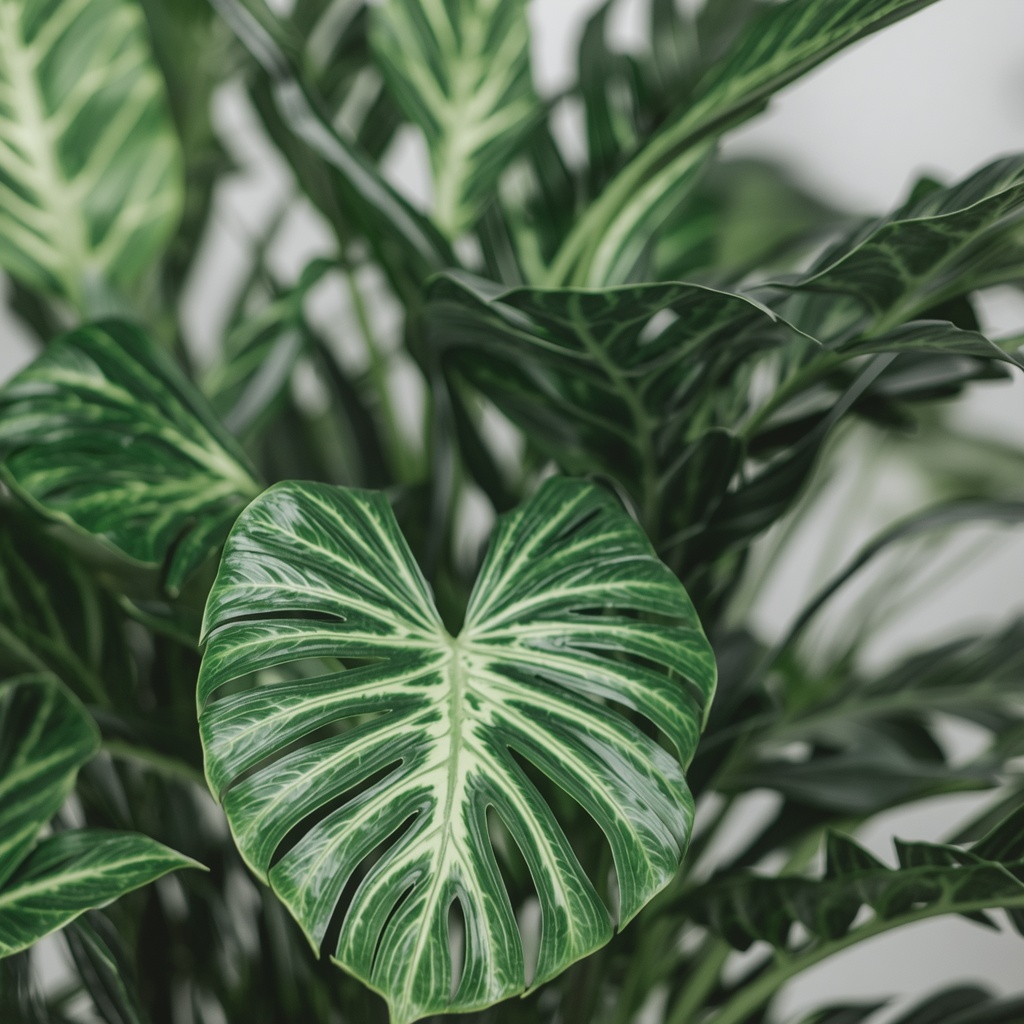
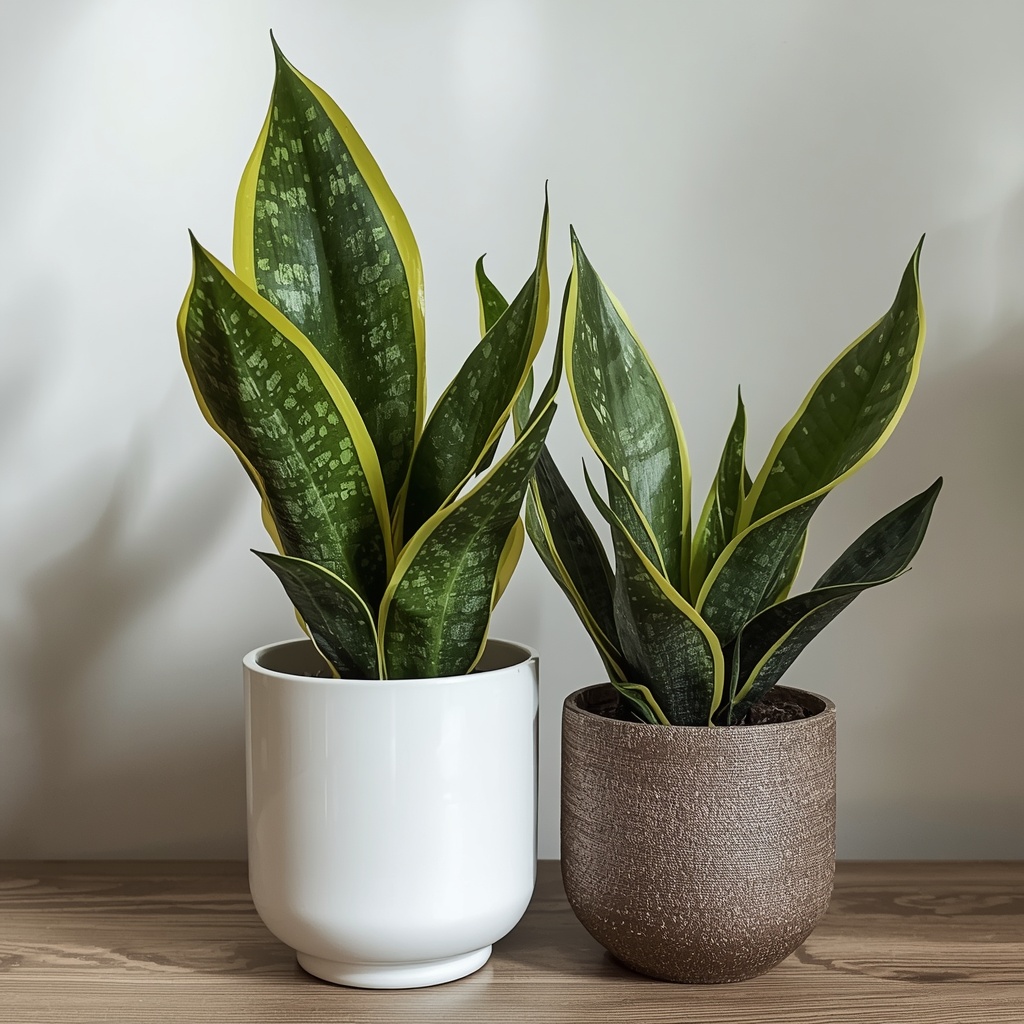
1. Snake Plant (Sansevieria / Dracaena trifasciata)
The snake plant is the ultimate beginner plant. Its architectural, upright leaves make it a favorite among interior designers because it works in nearly any style — modern, minimalist, boho, or traditional. It tolerates low light, irregular watering, and dry indoor air without complaint.
Snake plants thrive on neglect, making them perfect for busy households or offices. They also happen to be one of the more effective natural air purifiers, quietly filtering toxins while you sleep.
Care basics: Water every 2–4 weeks, letting soil dry out completely between waterings. Tolerates low to bright indirect light.
2. Pothos (Epipremnum aureum)
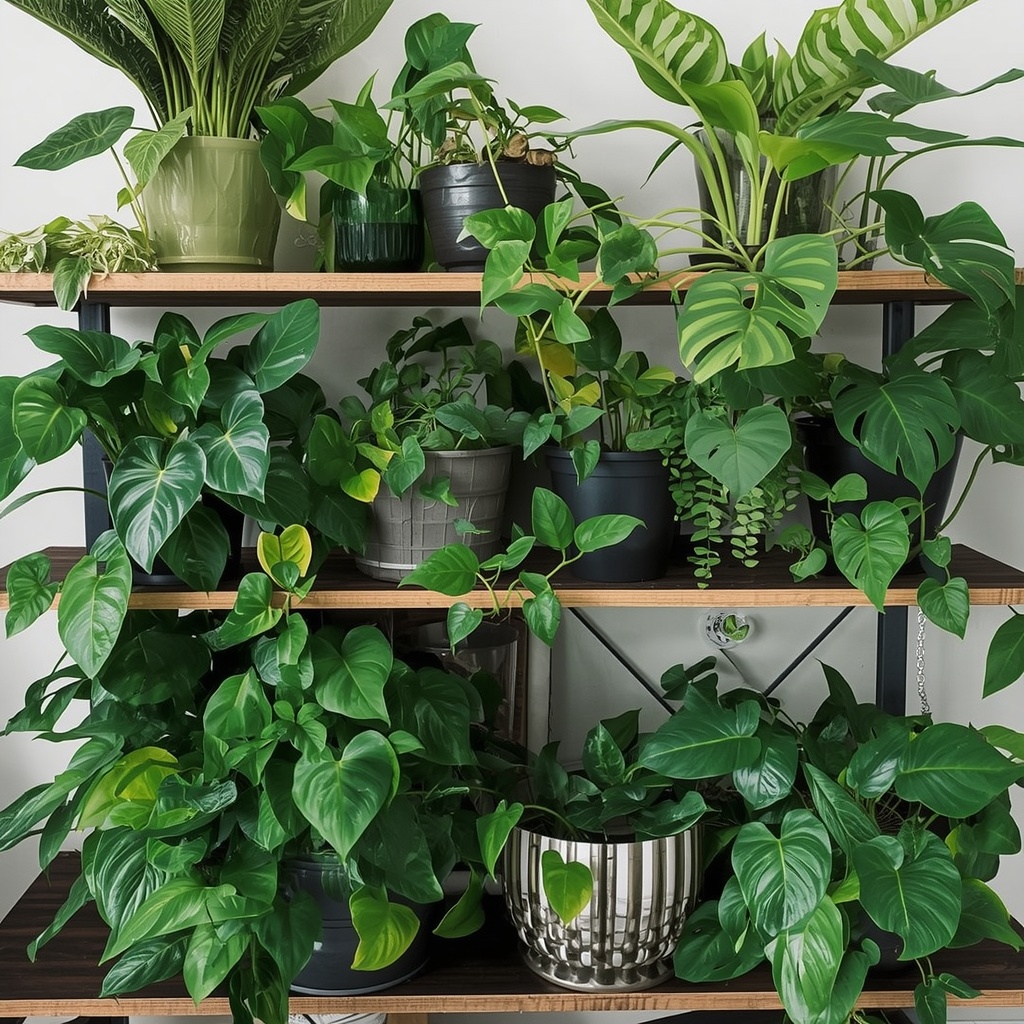
Pothos is the trailing vine you’ve seen draped over bookshelves and kitchen cabinets in nearly every design magazine. It grows quickly, roots easily in water, and adapts to almost any lighting condition, from dim hallways to bright living rooms.
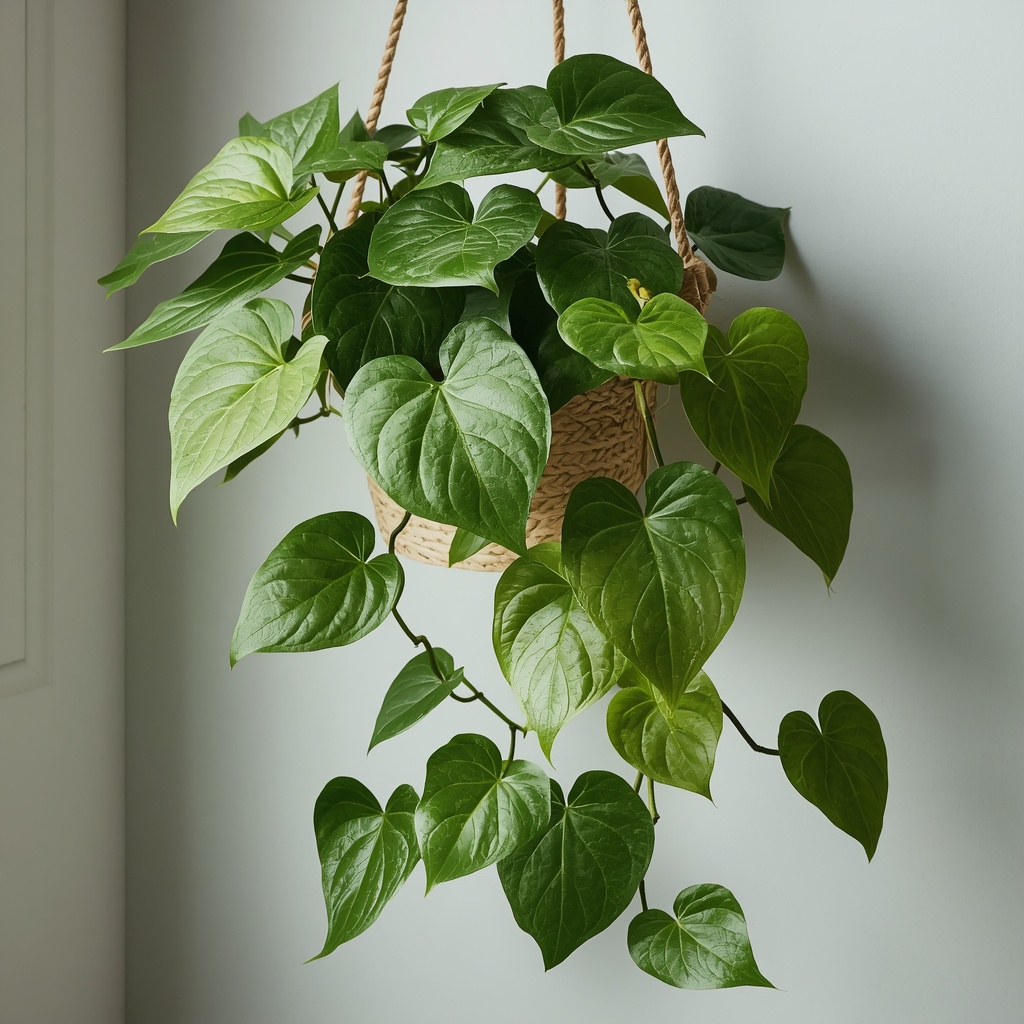
Its heart-shaped leaves come in several varieties — golden, marble queen, neon, and jade — giving you design flexibility depending on your color palette. Pothos is also incredibly forgiving if you forget to water it for a week or two.
Care basics: Water when the top 2 inches of soil feel dry. Thrives in low to bright indirect light.
3. ZZ Plant (Zamioculcas zamiifolia)
If you want a plant that looks expensive but costs almost nothing to maintain, the ZZ plant is it. Its glossy, dark green leaves reflect light beautifully, making it a striking addition to modern and Scandinavian-style interiors. ZZ plants store water in their rhizomes, so they can go weeks without watering.
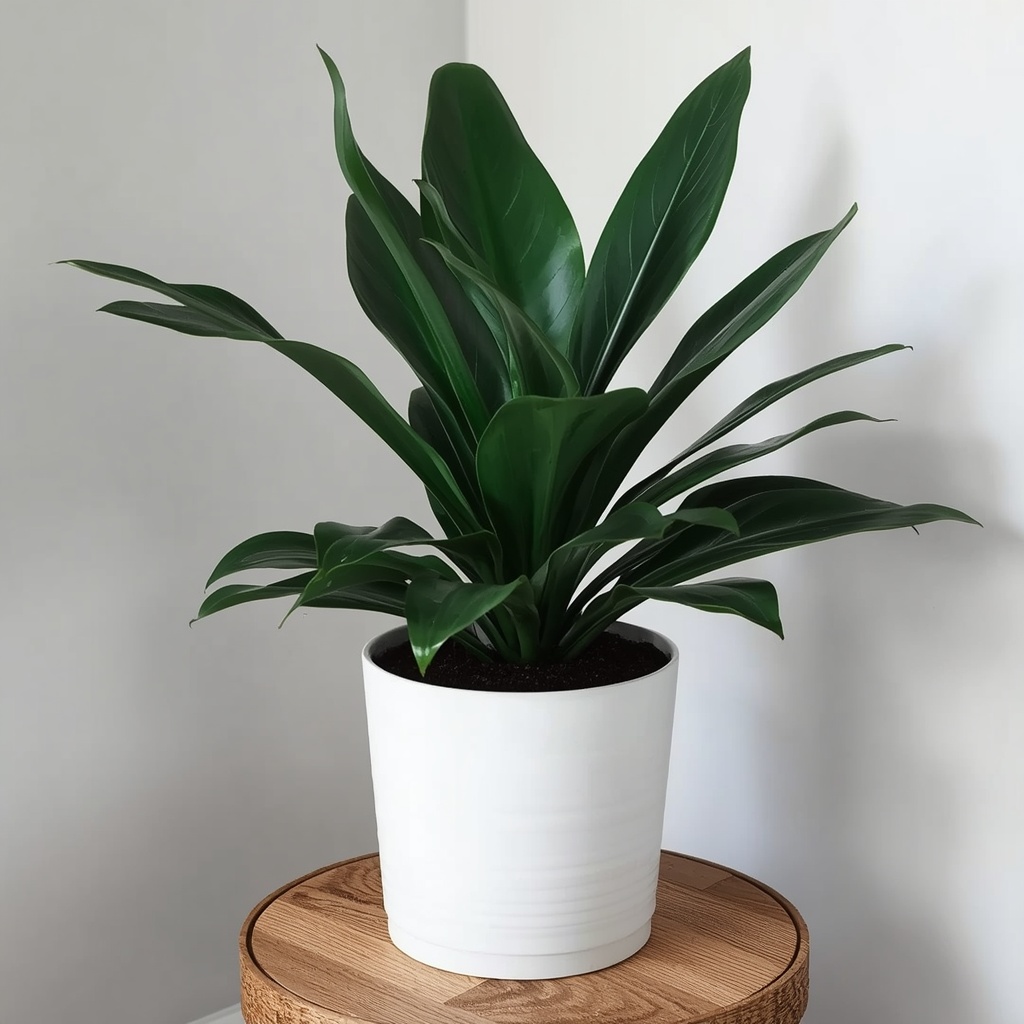
This plant is nearly impossible to overwater-kill unless you consistently leave it sitting in soggy soil. It’s an excellent choice for offices, apartments with minimal natural light, or anyone who travels frequently.
Care basics: Water every 2–3 weeks. Tolerates low light exceptionally well.
4. Pothos’ Cousin: Philodendron (Heartleaf variety)
Often confused with pothos, heartleaf philodendron is another trailing beauty that thrives on neglect. Its leaves are slightly softer and thinner than pothos, giving it a more delicate, romantic look that pairs well with vintage or eclectic interiors.
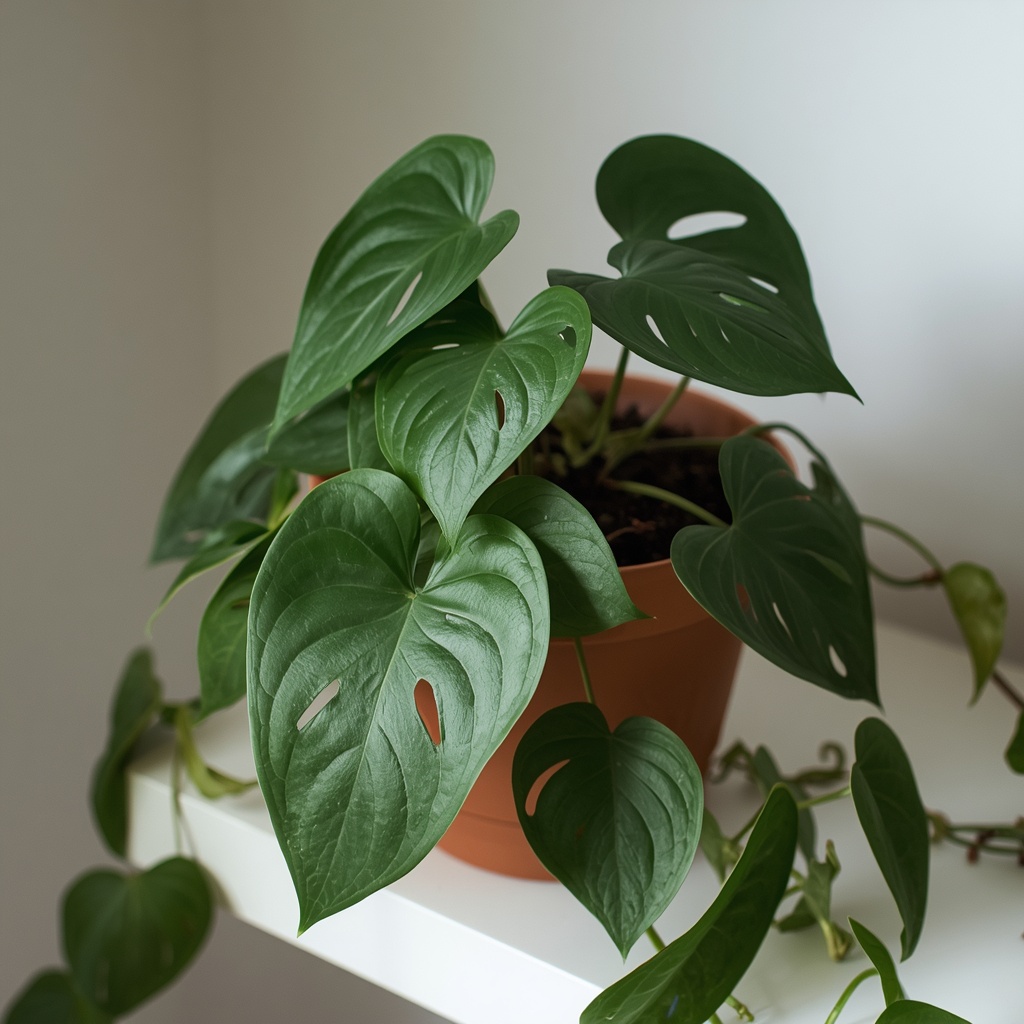
Philodendrons adapt to a wide range of light conditions and bounce back quickly even after a missed watering or two. They’re also fast growers, so you’ll see visible progress within weeks of bringing one home.
Care basics: Water weekly, allowing soil to dry slightly between waterings. Prefers medium to bright indirect light.
5. Cast Iron Plant (Aspidistra elatior)
As the name suggests, this plant is built to survive almost anything — low light, temperature swings, dust, and inconsistent watering. It was a Victorian-era favorite precisely because it could survive in dim parlors lit by gas lamps, and it remains a top pick for shaded corners today.
Its deep green, broad leaves add a lush, jungle-like texture without demanding much attention. It’s an ideal floor plant for dark hallways, north-facing rooms, or offices with minimal windows.
Care basics: Water every 2–3 weeks. Thrives in low light.
6. Spider Plant (Chlorophytum comosum)
Spider plants are a nostalgic favorite that’s making a strong comeback in modern interiors, especially in hanging planters or on high shelves where their arching leaves and “babies” (plantlets) can cascade freely. They’re incredibly adaptable and forgiving of both under- and overwatering.
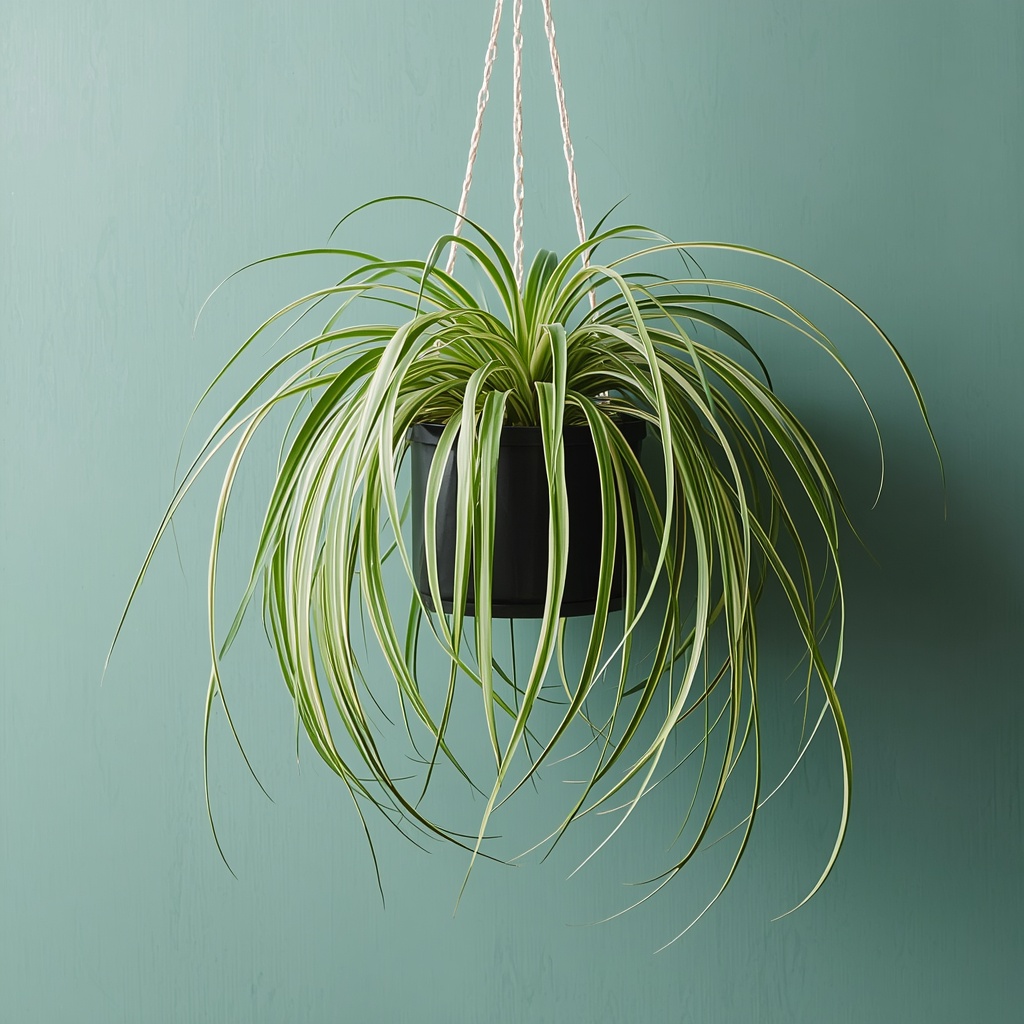
This plant is also non-toxic to pets, making it a smart choice for households with curious cats or dogs.
Care basics: Water weekly, keeping soil lightly moist. Prefers bright, indirect light.
7. Succulents (Echeveria, Jade, Aloe Vera)
Succulents are the poster children of low-maintenance plant design. Their sculptural shapes and muted color palettes make them a favorite in minimalist and mid-century modern interiors. They store water in their leaves, so infrequent watering actually keeps them healthier than frequent attention.
Aloe vera in particular doubles as a functional plant — its gel can soothe minor burns — making it both decorative and practical.
Care basics: Water every 2–3 weeks. Needs bright, direct or indirect light.
Quick-Reference Comparison Table
| Plant Name | Light Needs | Watering Frequency | Pet-Friendly | Best Placement |
|---|---|---|---|---|
| Snake Plant | Low to bright indirect | Every 2–4 weeks | No | Bedroom, office, hallway |
| Pothos | Low to bright indirect | Every 1–2 weeks | No | Kitchen, shelves, bathroom |
| ZZ Plant | Low light tolerant | Every 2–3 weeks | No | Office, dim living room |
| Heartleaf Philodendron | Medium to bright indirect | Weekly | No | Living room, entryway |
| Cast Iron Plant | Low light | Every 2–3 weeks | Yes | Dark corners, hallways |
| Spider Plant | Bright indirect | Weekly | Yes | Hanging baskets, shelves |
| Succulents | Bright direct/indirect | Every 2–3 weeks | Varies | Windowsills, desks |
Pro Tip
Pro Tip: When in doubt, underwater rather than overwater. More houseplants die from root rot caused by excess moisture than from being too dry. Stick your finger about two inches into the soil — if it’s still damp, wait a few more days before reaching for the watering can.
Styling Hard-to-Kill Plants Like a Designer
Owning a resilient plant is only half the equation — how you style it determines whether your space feels curated or cluttered. Here are a few designer-approved tips for incorporating these low-maintenance houseplants into your home decor:
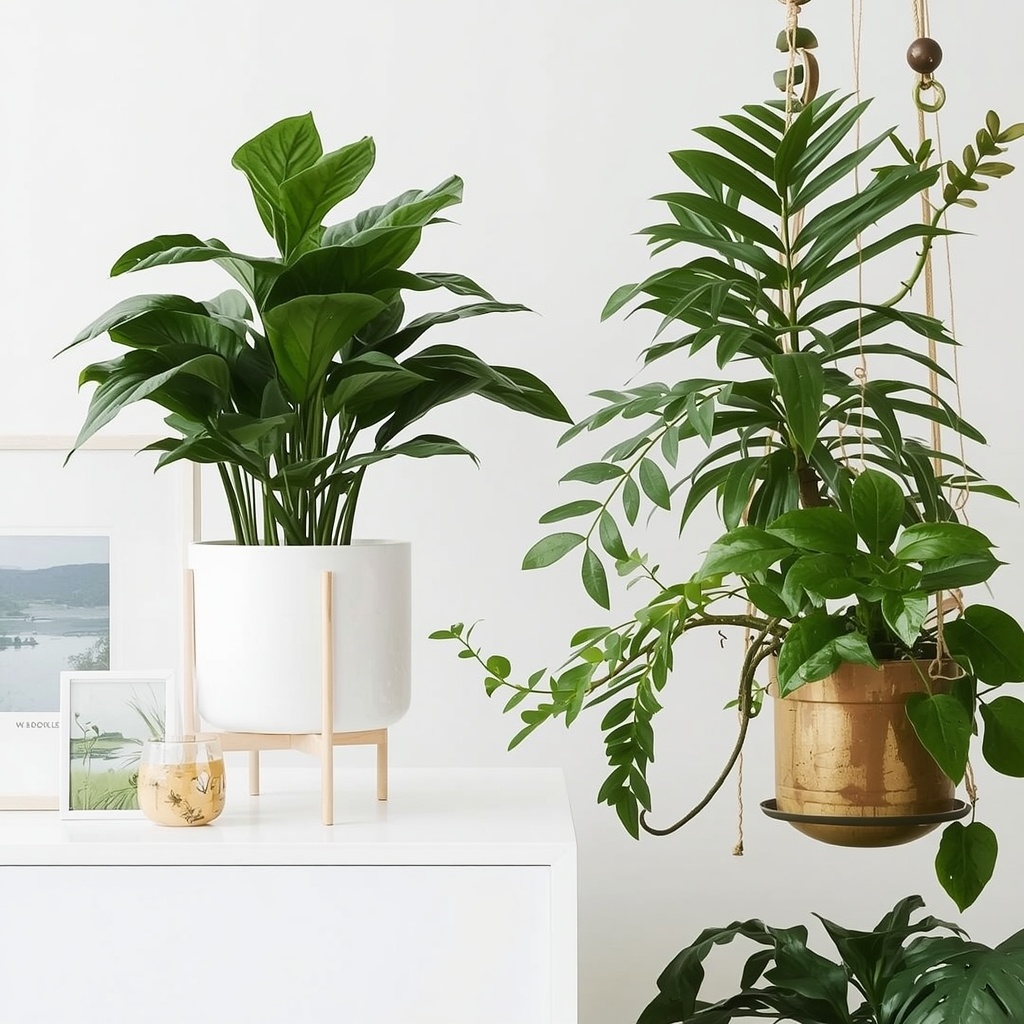
- Vary your heights. Combine a tall floor plant like a snake plant with a trailing pothos on a shelf and a small succulent on a side table to create visual layering.
- Choose planters that match your interior style. A woven rattan basket suits boho spaces, while a matte ceramic pot works better in modern or minimalist rooms.
- Group in odd numbers. Clusters of three plants at varying heights tend to look more intentional than a single lonely pot or an even pairing.
- Use plants to soften hard edges. Place trailing varieties near shelving corners, staircases, or exposed architectural lines to add a natural, organic contrast.
- Don’t overcrowd small spaces. One or two well-placed statement plants often make a bigger design impact than a dozen scattered around a room.
Common Beginner Mistakes to Avoid
Even the most forgiving houseplants can struggle if a few basic mistakes go unchecked. Keep these in mind as you build your indoor plant collection:
- Overwatering out of love. More attention isn’t always better — most low-maintenance plants prefer to dry out between waterings.
- Ignoring drainage. Always use pots with drainage holes, or a nursery pot inside a decorative planter, to prevent water pooling at the roots.
- Placing plants too far from any light source. Even low-light plants need some ambient or indirect light to survive long-term.
- Skipping the acclimation period. New plants need a week or two to adjust to your home’s specific light and humidity before you judge their health.
- Repotting too soon. Most beginner plants prefer to be slightly root-bound and don’t need repotting for the first year.
Frequently Asked Questions
Which houseplant is truly impossible to kill? The ZZ plant and snake plant are widely considered the two most forgiving options, tolerating low light, irregular watering, and general neglect better than almost any other species.
Can I keep houseplants in a room with no windows? Most plants need at least some indirect natural light or a nearby grow light. However, ZZ plants, snake plants, and cast iron plants can survive in very low ambient light for extended periods.
How do I know if my plant is dying versus just adjusting? Some yellowing or leaf drop is normal after bringing a plant home, as it acclimates to new light and humidity. Persistent wilting, mushy stems, or widespread yellowing usually signal overwatering or root rot.
Final Thoughts
Building a home filled with greenery doesn’t require a natural talent for gardening — it requires choosing the right plants for your lifestyle and space. Starting with resilient, low-maintenance houseplants like snake plants, pothos, and ZZ plants gives you the confidence to experiment with more demanding species down the road, all while your home immediately benefits from their texture, color, and calming presence.
Whether you’re decorating a first apartment, staging a home for sale, or simply looking to breathe new life into a tired room, these hard-to-kill houseplants are a reliable, budget-friendly starting point. Pick one or two, find them a happy spot, and let your indoor jungle grow from there.
For further reading on plant care basics, resources like the University of Vermont Extension’s houseplant care guides and the Missouri Botanical Garden’s plant finder offer trustworthy, research-backed information to expand your plant knowledge further.