
There’s a particular kind of tired that no amount of coffee fixes — the groggy, heavy-headed feeling you wake up with even after eight full hours of sleep. More often than not, the culprit isn’t your mattress or your screen time. It’s your air.
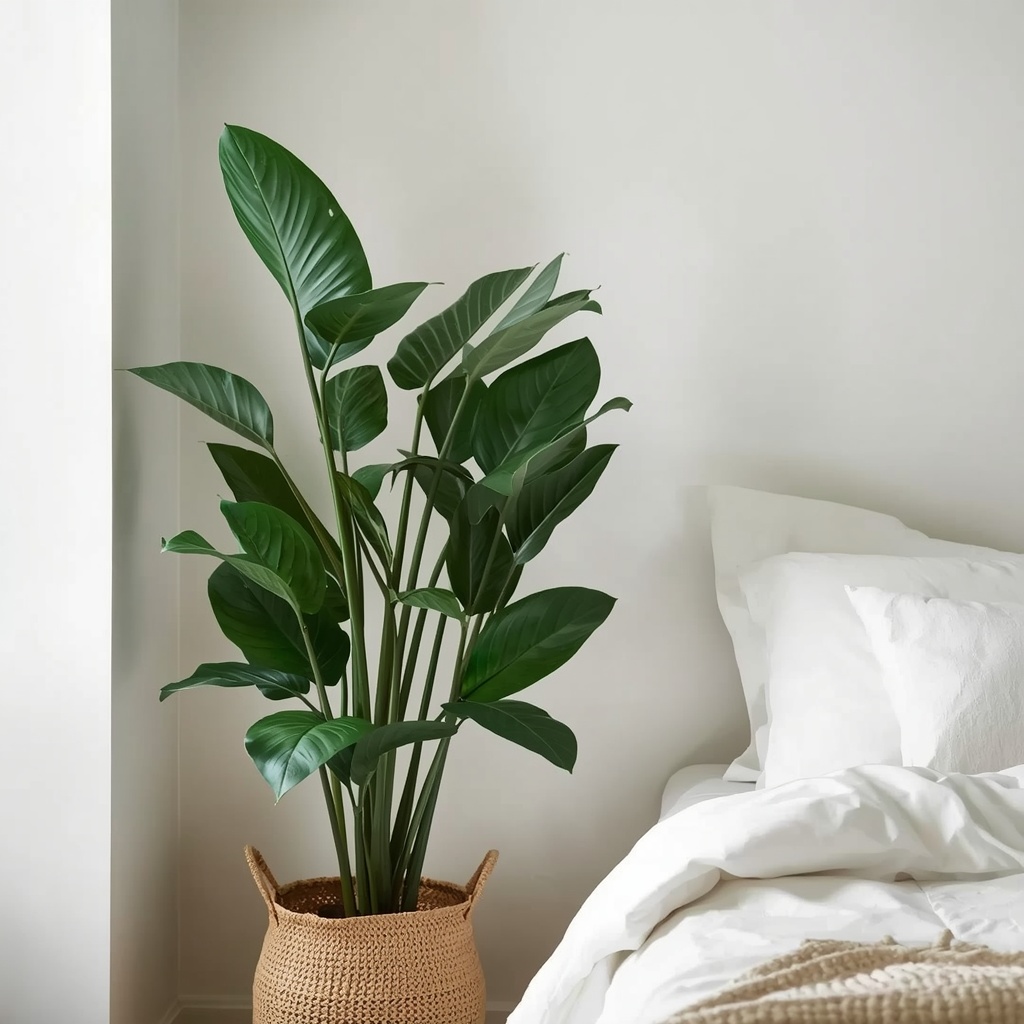
Modern bedrooms are sealed tight for energy efficiency, which means the volatile organic compounds (VOCs) off-gassing from your paint, carpet, furniture, and cleaning products have nowhere to go. As a home decor specialist who’s staged hundreds of bedrooms across the country, I can tell you that the single most underrated design upgrade isn’t a new headboard or a fancy diffuser — it’s a well-chosen houseplant. Plants don’t just look good on a nightstand; they quietly work while you sleep.
In this guide, we’re covering the exact species worth your windowsill space, how to style them so they don’t clash with your decor, and the placement rules that actually matter for air quality.
Why Indoor Air Quality Matters More Than You Think
Here’s a sentence that surprises most homeowners: indoor air can be two to five times more polluted than the air outside, according to the U.S. Environmental Protection Agency. Bedrooms are especially vulnerable because we spend roughly a third of our lives in them, breathing in whatever has accumulated in that closed space overnight.
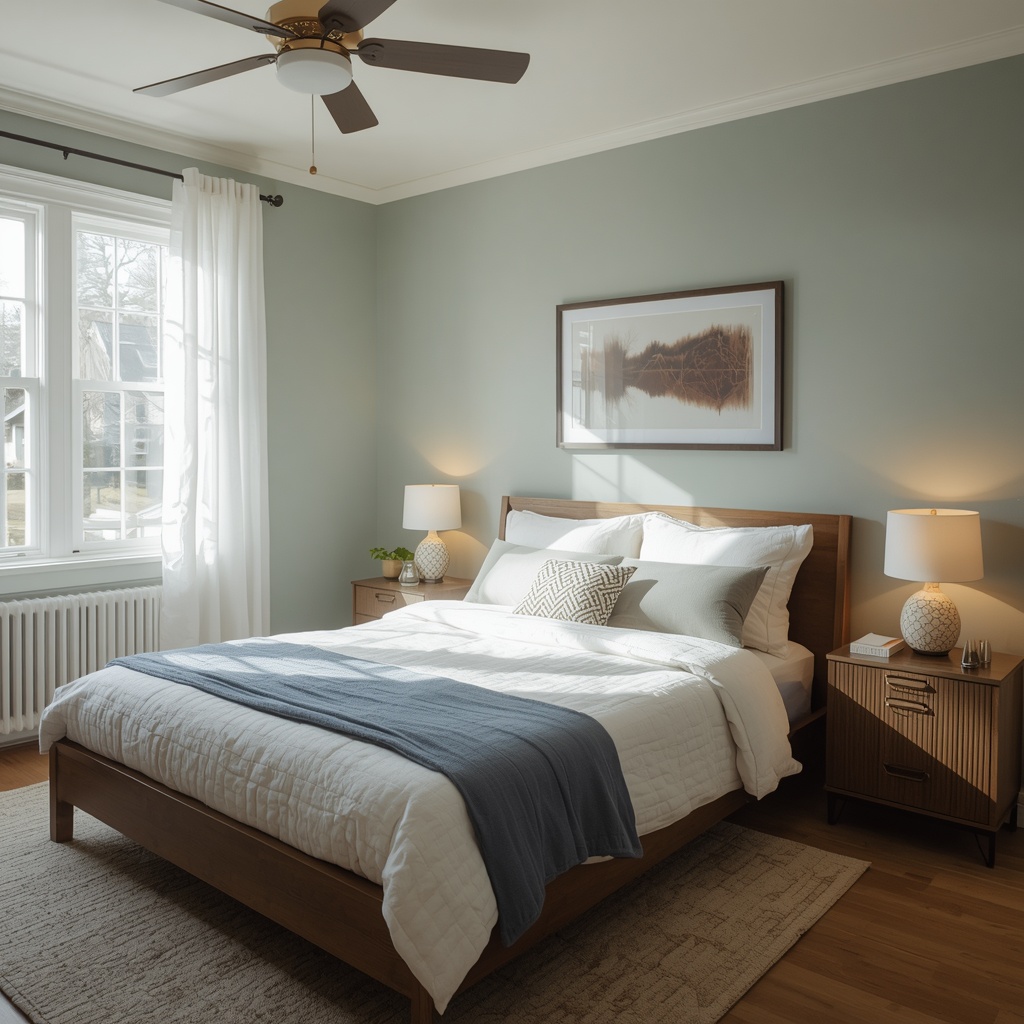
Common household VOCs like formaldehyde, benzene, and trichloroethylene come from surprisingly ordinary sources — laminate furniture, synthetic rugs, dry-cleaned clothing, and even the glue in your favorite paperback. The famous NASA Clean Air Study tested how effectively common houseplants filtered these compounds from sealed chambers, and several bedroom-friendly varieties consistently ranked at the top.
“Plants are the original air purifiers. Long before we had HEPA filters, nature figured out how to scrub the air clean — we’re just borrowing the technology.” — a sentiment echoed by horticulturists across the National Gardening Association
Beyond filtration, greenery in a bedroom has a documented psychological effect. Studies on biophilic design consistently link indoor plants to lower cortisol levels, reduced anxiety, and improved sleep quality. It’s not just about oxygen — it’s about creating a space that feels alive.
The Best Air-Purifying Plants for Your Bedroom
Not every plant belongs in a bedroom. Some release carbon dioxide at night instead of oxygen, and others need bright light your room simply doesn’t get. Below are the varieties I recommend to clients most often, chosen specifically for low-light tolerance, nighttime oxygen production, and pet and design compatibility.
Snake Plant (Dracaena trifasciata)
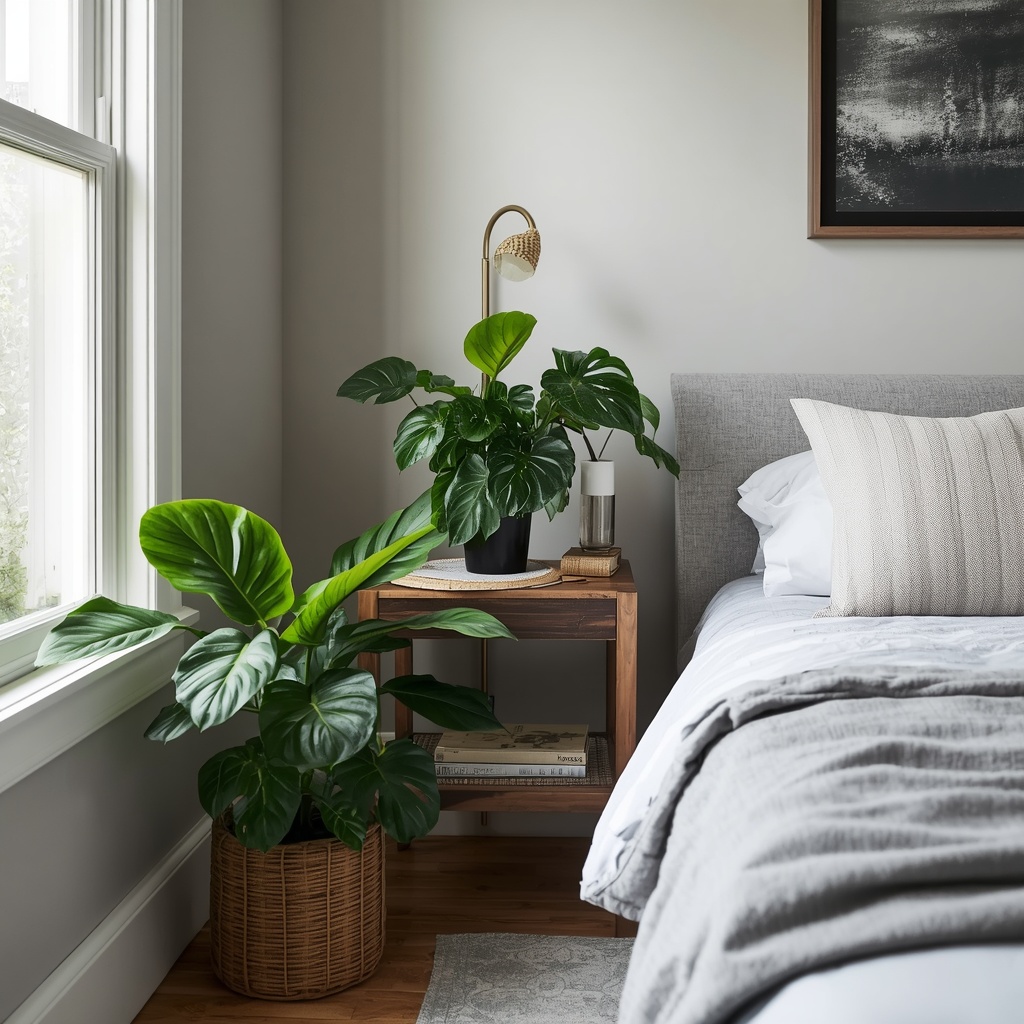
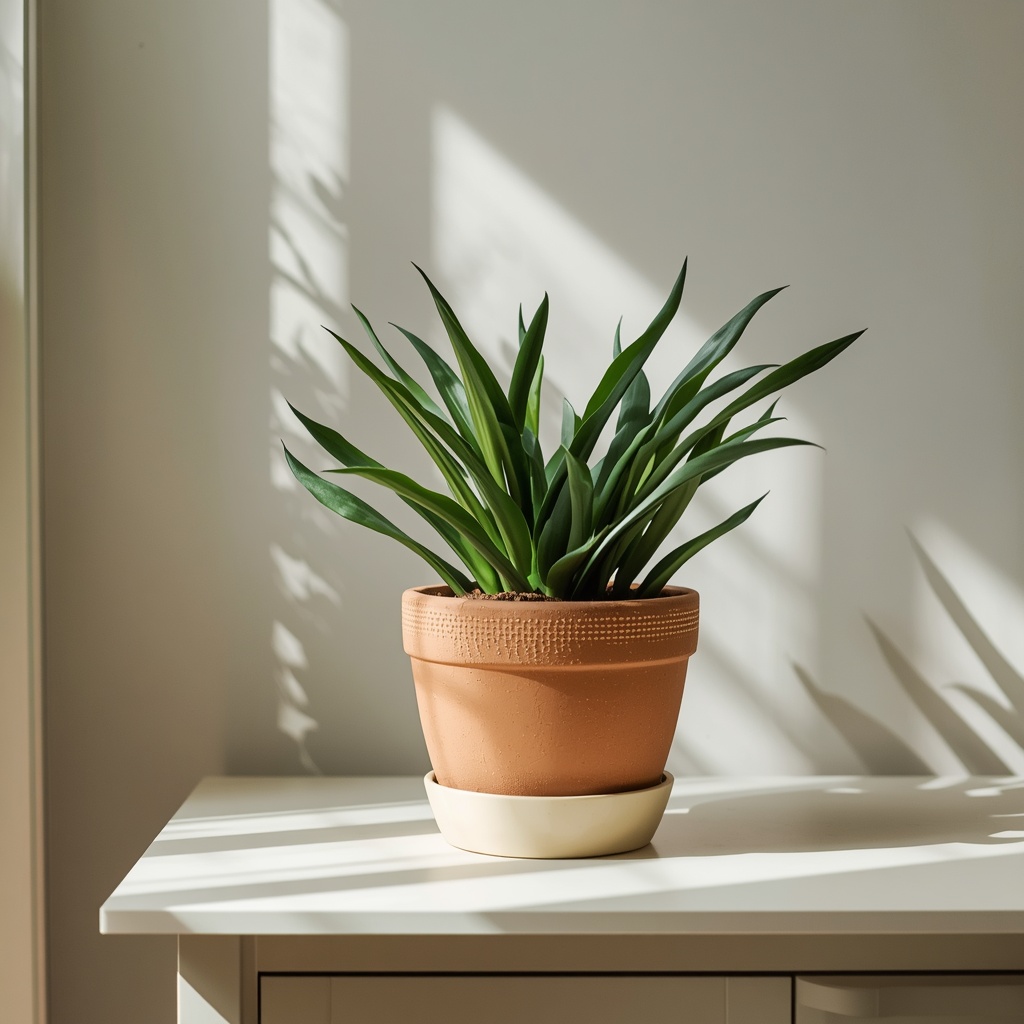
The snake plant is the workhorse of bedroom greenery, and for good reason. Its architectural, upright leaves add sculptural interest to a corner or nightstand without demanding much attention, and it’s famously one of the few plants that continues releasing oxygen at night through a process called CAM photosynthesis. It thrives in low light, tolerates weeks of neglect, and filters formaldehyde and benzene with remarkable efficiency.
Design-wise, snake plants pair beautifully with minimalist, Scandinavian, or mid-century interiors thanks to their clean vertical lines. Drop one into a matte ceramic planter and it instantly reads as intentional, not accidental.
Peace Lily (Spathiphyllum)
If your bedroom leans romantic or traditional, the peace lily earns its keep with glossy dark-green foliage and elegant white blooms. It was one of the top performers in NASA’s filtration testing, particularly for ammonia and trichloroethylene, and it’s also an excellent natural humidifier — useful if you deal with dry winter air or a scratchy throat come morning.
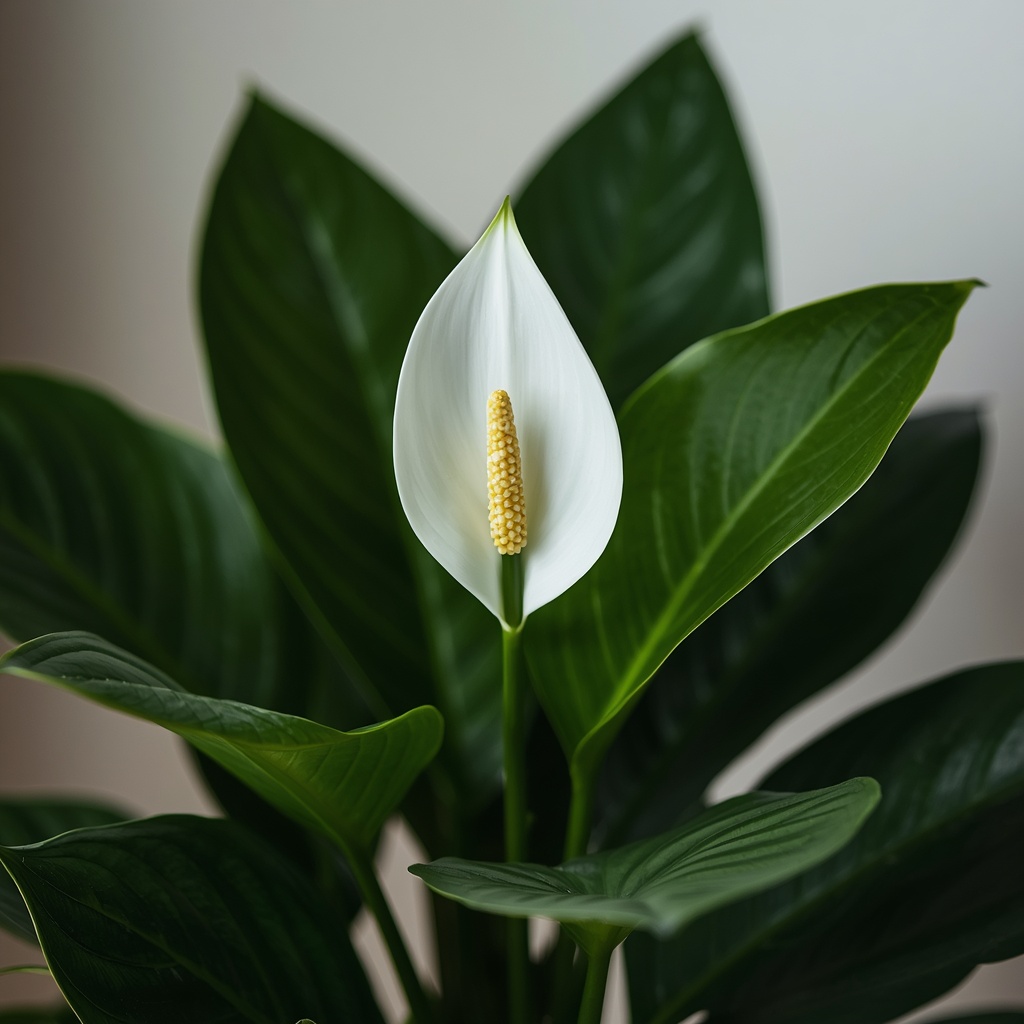
One caveat worth flagging upfront: peace lilies are toxic to cats and dogs if ingested, so they’re best kept on a high shelf or in pet-free rooms. Check the ASPCA’s toxic plant list before bringing one home if you share your space with animals.
Spider Plant (Chlorophytum comosum)
Spider plants are the friendliest entry point into plant parenting. They’re nearly impossible to kill, non-toxic to pets, and produce cascading “pups” that make them look fuller every month. Hung in a macramé holder near a window or perched on a dresser, their arching leaves soften hard furniture lines beautifully.
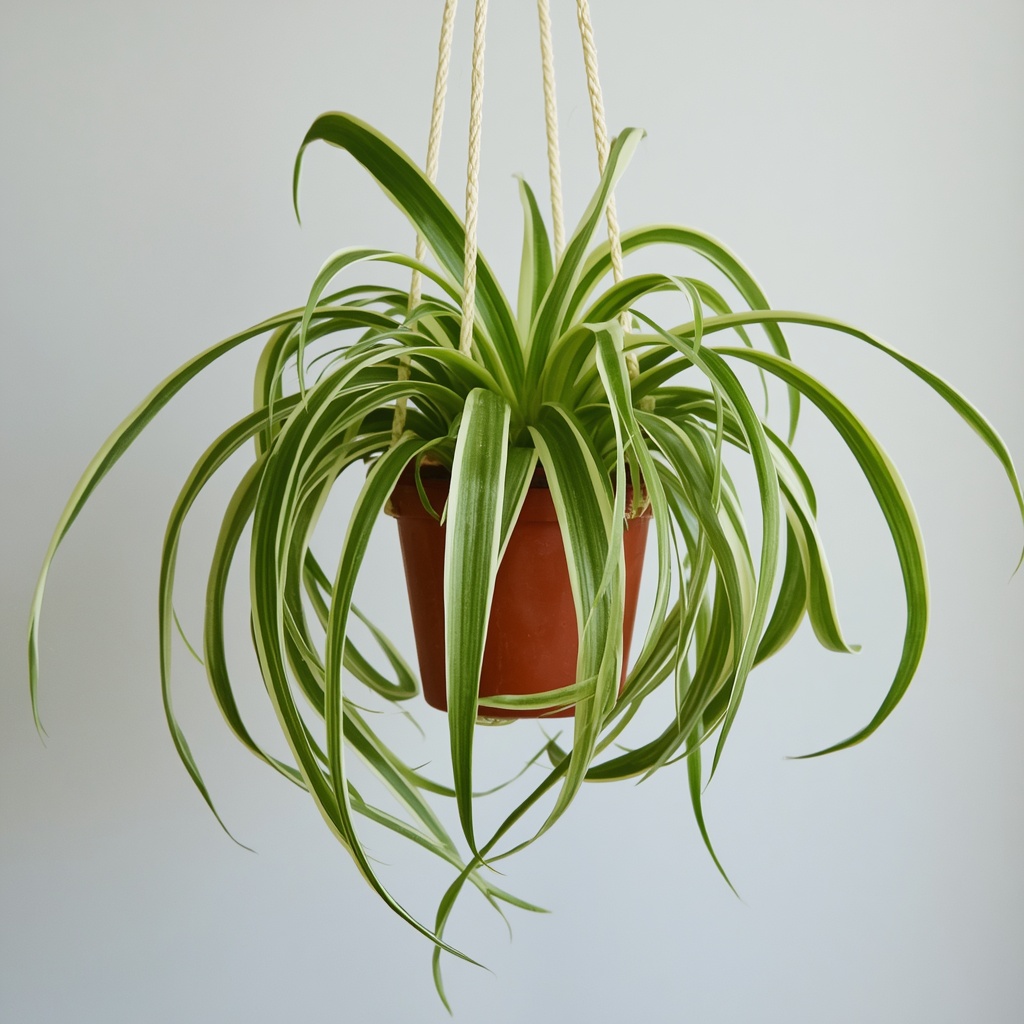
They’re particularly efficient at absorbing formaldehyde and xylene, two compounds commonly found in synthetic carpeting and pressed-wood furniture — both bedroom staples.
English Ivy (Hedera helix)
English ivy is a favorite among allergy sufferers because studies suggest it can reduce airborne mold spores in enclosed spaces. Trained along a trellis or left to trail from a hanging planter, it introduces the kind of soft, organic texture that balances a bedroom full of hard surfaces and straight lines.
It does best in bright, indirect light and consistently moist (not soggy) soil, so it’s a slightly more hands-on choice than the snake plant or spider plant.
Aloe Vera
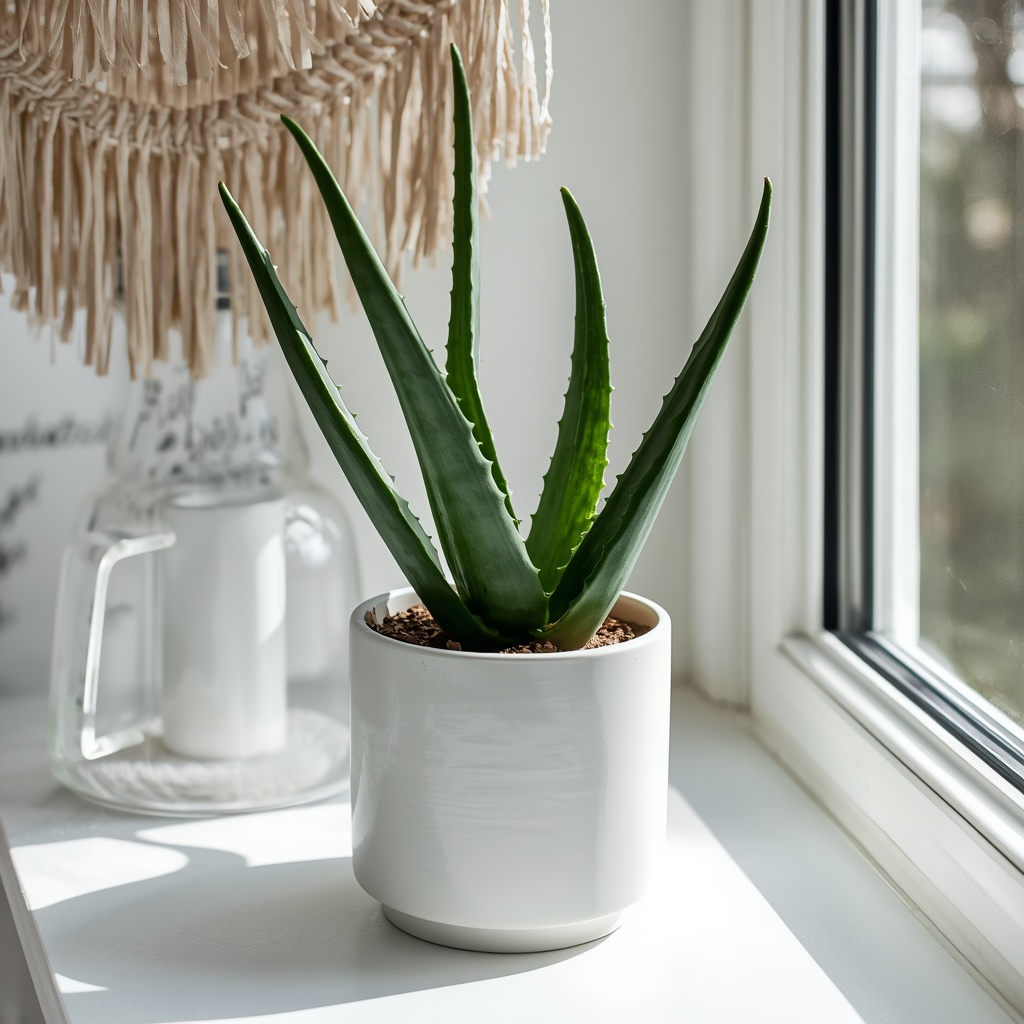
Aloe vera is a dual-purpose plant: a low-maintenance succulent by day and, like the snake plant, an oxygen producer at night. Its sculptural rosette shape works well on a sunny windowsill and adds a spa-like, wellness-forward aesthetic that’s trending hard in 2026 bedroom design. As a bonus, you’ll always have a leaf on hand for minor burns or dry skin.
Golden Pothos (Epipremnum aureum)
Few plants forgive neglect the way pothos does. Its trailing vines, marbled in gold and green, look stunning cascading from a high shelf or bookcase, and it’s one of the most efficient plants for removing formaldehyde from indoor air. It adapts to almost any light condition, making it ideal for bedrooms with small or north-facing windows.
Quick Comparison: Which Plant Fits Your Bedroom?
| Plant | Light Needs | Pet-Safe | Best For | Key Pollutants Filtered |
|---|---|---|---|---|
| Snake Plant | Low to bright, indirect | No | Nighttime oxygen, minimalist decor | Formaldehyde, benzene |
| Peace Lily | Medium, indirect | No | Humidity control, elegant style | Ammonia, trichloroethylene |
| Spider Plant | Bright, indirect | Yes | Beginners, pet owners | Formaldehyde, xylene |
| English Ivy | Bright, indirect | No | Allergy relief, mold reduction | Mold spores, benzene |
| Aloe Vera | Bright, direct | No | Sunny windowsills, wellness decor | Formaldehyde, benzene |
| Golden Pothos | Low to medium | No | Low-light rooms, shelves | Formaldehyde, carbon monoxide |
How to Style Air-Purifying Plants Without Cluttering Your Space
A bedroom full of plants can easily start feeling like a greenhouse if you’re not intentional about placement. As a designer, my rule of thumb is to treat plants the way you’d treat any other decor accessory — with restraint and purpose.
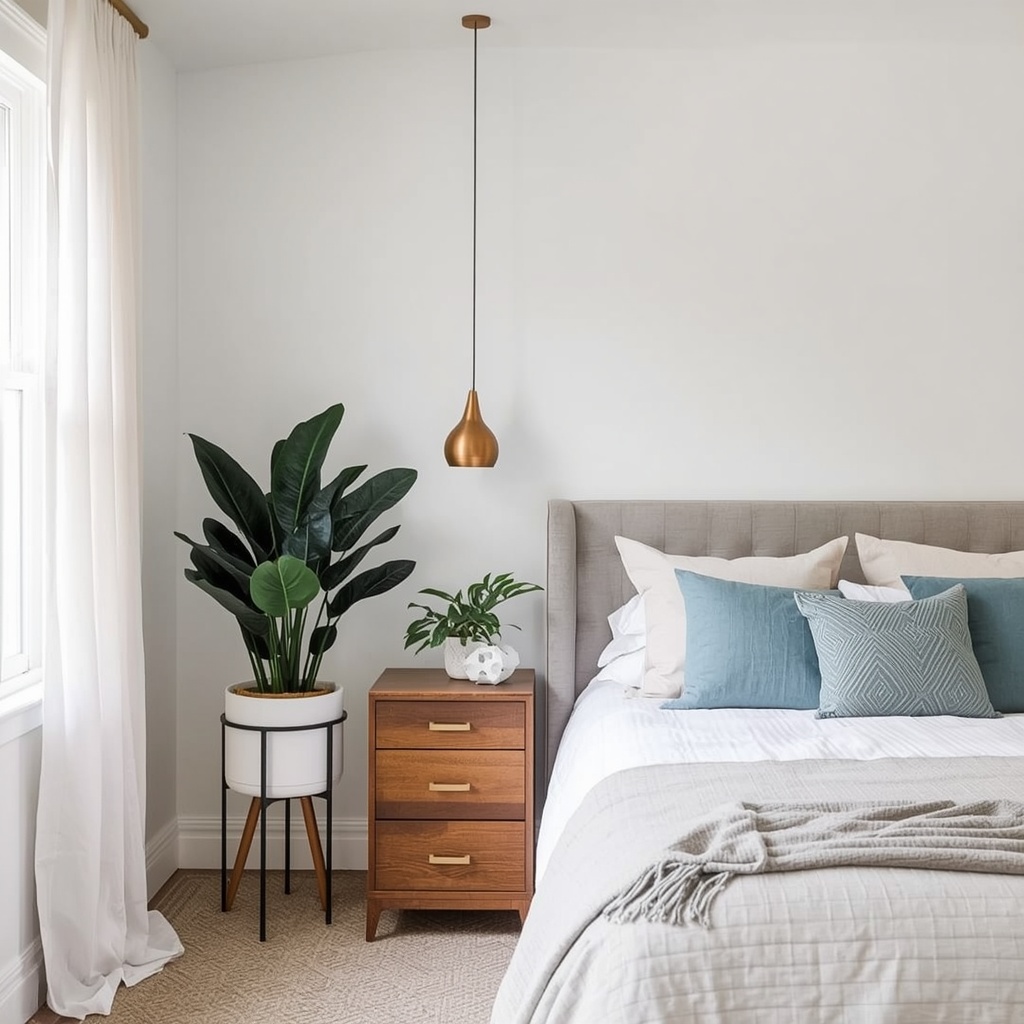
Start with one anchor plant, something larger like a snake plant or a floor-standing pothos on a plant stand, positioned in an underused corner. Then layer in one or two smaller accents on a nightstand or dresser to tie the greenery together without overwhelming the room. Odd numbers tend to look more natural than even ones, and varying the height of your planters — a tall stand next to a low dresser pot — creates visual rhythm instead of a flat, matchy display.
Planter choice matters just as much as the plant itself. A textured stoneware pot complements a boho or organic-modern bedroom, while a sleek matte black or white cylinder suits contemporary and minimalist spaces. If your decor leans traditional, look for brass or fluted ceramic vessels that echo antique detailing elsewhere in the room.
Pro Tip
Pro Tip: Group plants by care needs, not just looks. If you cluster a low-light snake plant next to a bright-light-craving aloe vera, one of them will inevitably struggle. Match plants with similar sunlight and watering requirements so your bedroom vignette stays lush instead of lopsided — and so you’re not juggling three different watering schedules for three feet of shelf space.
Placement Tips for Maximum Air-Purifying Benefit
Where you put a plant affects how much good it can actually do. Keep these guidelines in mind as you arrange your bedroom greenery:
- Keep plants within 6–8 feet of your bed so you’re within their effective air-filtering radius overnight.
- Avoid placing large plants directly beside the headboard; a nightstand or nearby dresser is close enough without crowding your sleep space.
- Rotate leafy plants toward the light source every week or two to keep growth even and full.
- Skip heavily fragranced or flowering varieties if you’re a light sleeper — strong scents can be stimulating rather than calming.
- Group two to three plants together rather than scattering single pots around the room; clustered plants raise humidity and filtration efficiency more than isolated ones.
- Dust the leaves monthly with a damp cloth — a dusty leaf can’t absorb pollutants as efficiently as a clean one.
Common Mistakes to Avoid
Even well-intentioned plant parents run into the same handful of missteps, so it’s worth naming them directly.
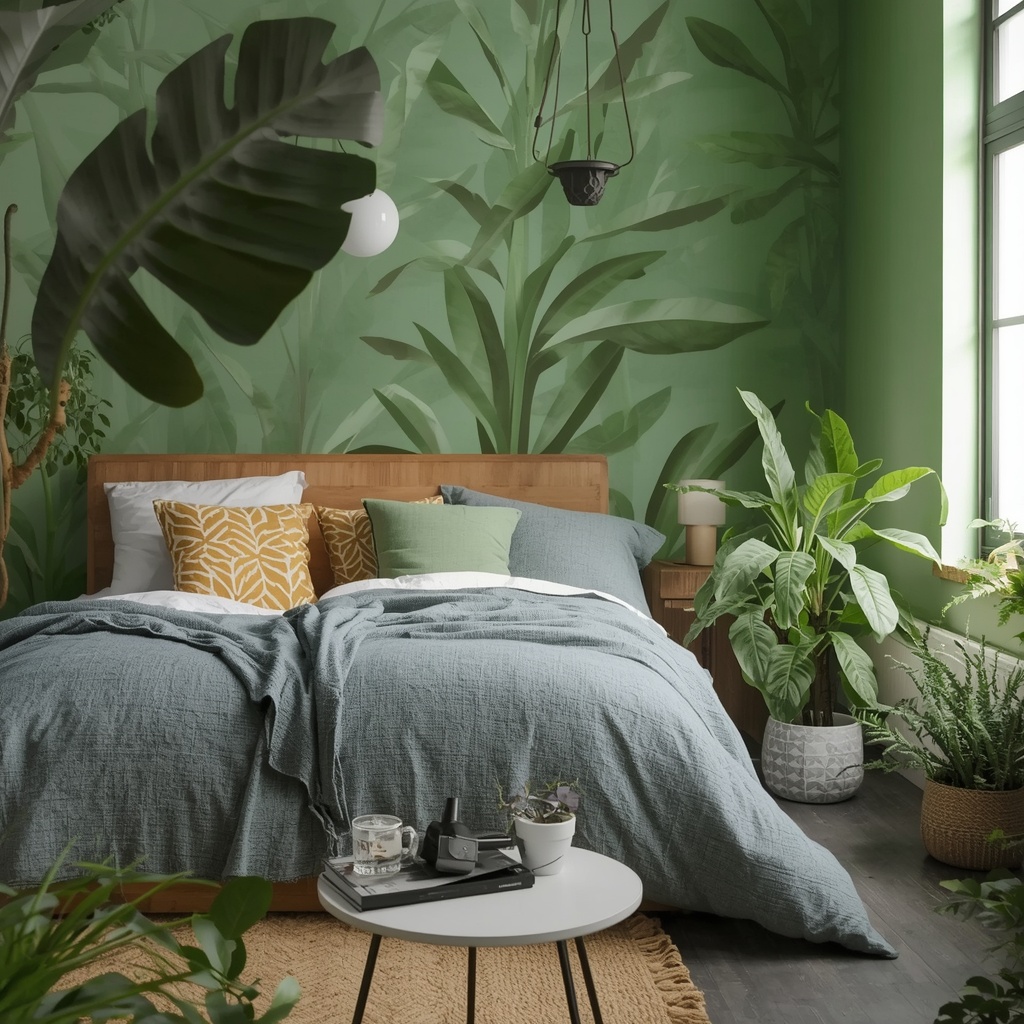
Overwatering is, by a wide margin, the most common way bedroom plants die, since indoor pots don’t dry out at the same rate as outdoor beds. Check soil moisture with a finger before watering rather than sticking to a rigid schedule. The second most common mistake is choosing a plant based on looks alone, without checking whether your bedroom’s light levels can actually support it — a fiddle leaf fig in a dim, north-facing room is a design magazine photo, not a realistic houseplant choice.
Finally, don’t overlook drainage. A beautiful ceramic planter with no drainage hole will trap excess water against the roots and quietly kill even the hardiest snake plant. Either drill a hole, use a plastic nursery pot as a hidden liner, or add a generous layer of pebbles at the base to keep roots out of standing water.
Bringing It All Together
A bedroom that supports good sleep is built from more than a comfortable mattress and blackout curtains — it’s built from the air you breathe for eight hours a night. Air-purifying plants like the snake plant, peace lily, spider plant, and golden pothos offer a rare combination in home decor: they’re functional, low-maintenance, and genuinely beautiful additions to almost any design style, from minimalist to maximalist.
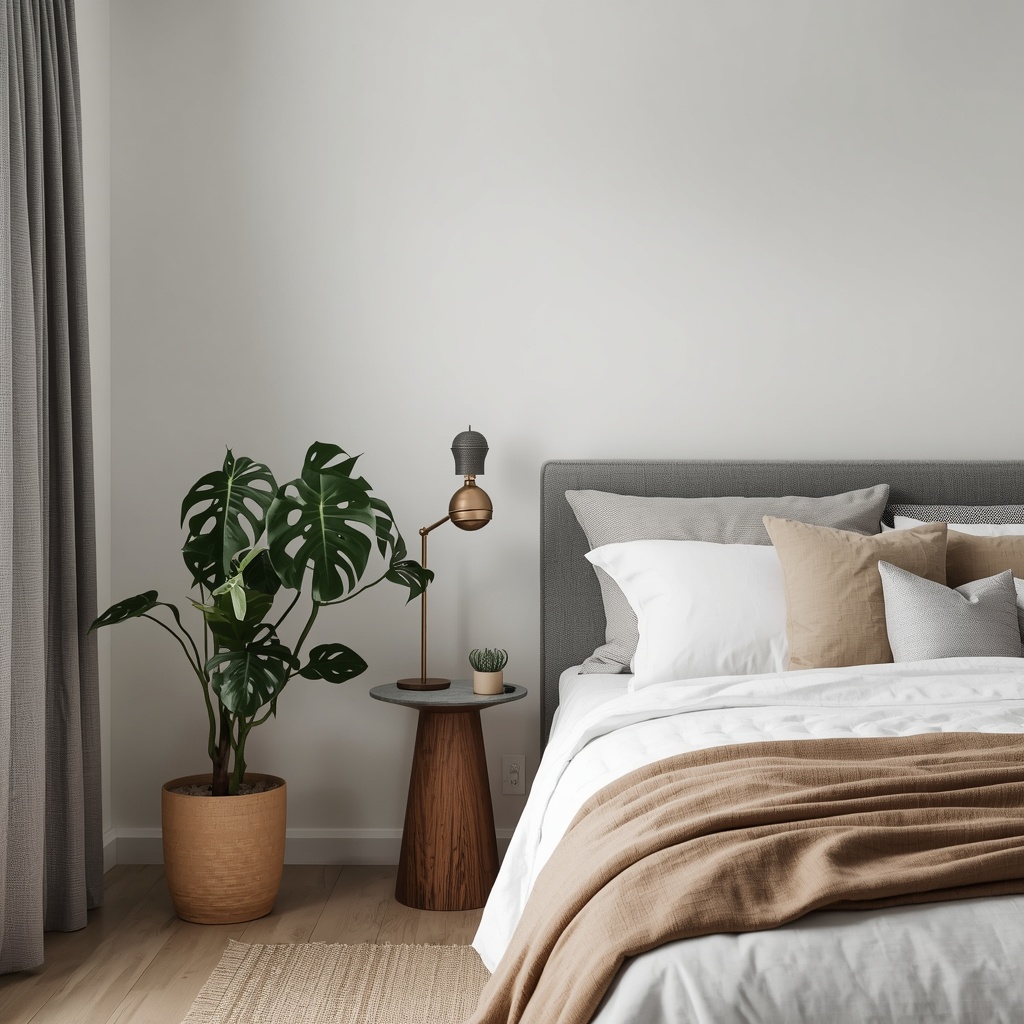
Start small. Pick one plant that matches your room’s light and your own bandwidth for care, give it a well-chosen planter, and place it thoughtfully near your bed rather than as an afterthought. You’ll likely notice the design payoff before you notice the air quality one — but both are working in your favor from day one.