
Plate Racks & Mug Hooks for Charm
How to turn everyday kitchen essentials into a stunning display that tells your home’s story — beautifully.
Home Decor Kitchen Styling Wall Decor10 Min Read
Walk into any home featured on HGTV or pinned a thousand times on Pinterest, and you’ll notice something the designers always get right: the kitchen feels alive. It has personality. It tells a story. And more often than not, that story is told through the simple, timeless art of displaying dishware — through plate racks and mug hooks that turn everyday objects into curated wall art.
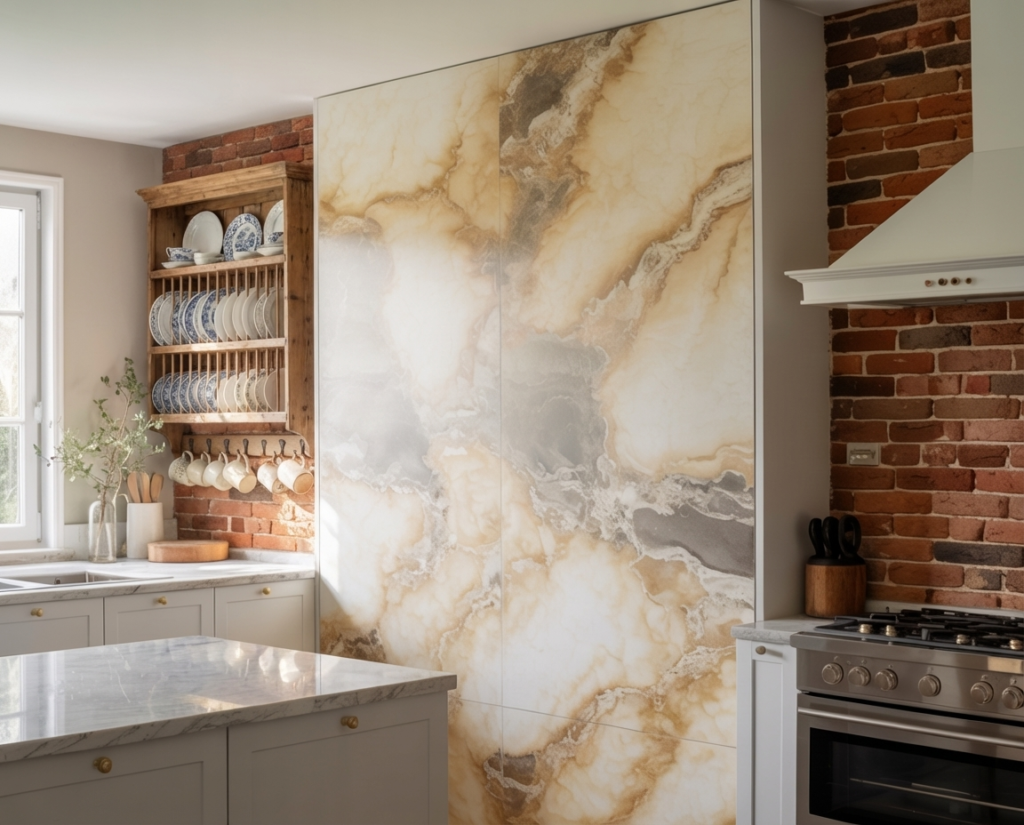
As an interior designer who has transformed hundreds of American kitchens and dining rooms, I can tell you that plate racks and mug hooks are among the most underrated tools in the home decorator’s toolkit. They’re affordable, they’re functional, and when done right, they deliver a level of charm that no cabinet door can replicate. Whether you’re working with a farmhouse kitchen in Tennessee, a Brooklyn brownstone galley, or a sunny California open-plan home, this guide will walk you through everything you need to know.
Why Plate Racks and Mug Hooks Are Having a Major Moment
Open shelving has dominated American kitchen design trends for years, and plate racks are its most charming, character-rich cousin. The movement toward displayed dishware is deeply connected to a broader shift in home design philosophy — one that values authenticity, sustainability, and personal storytelling over sterile minimalism.
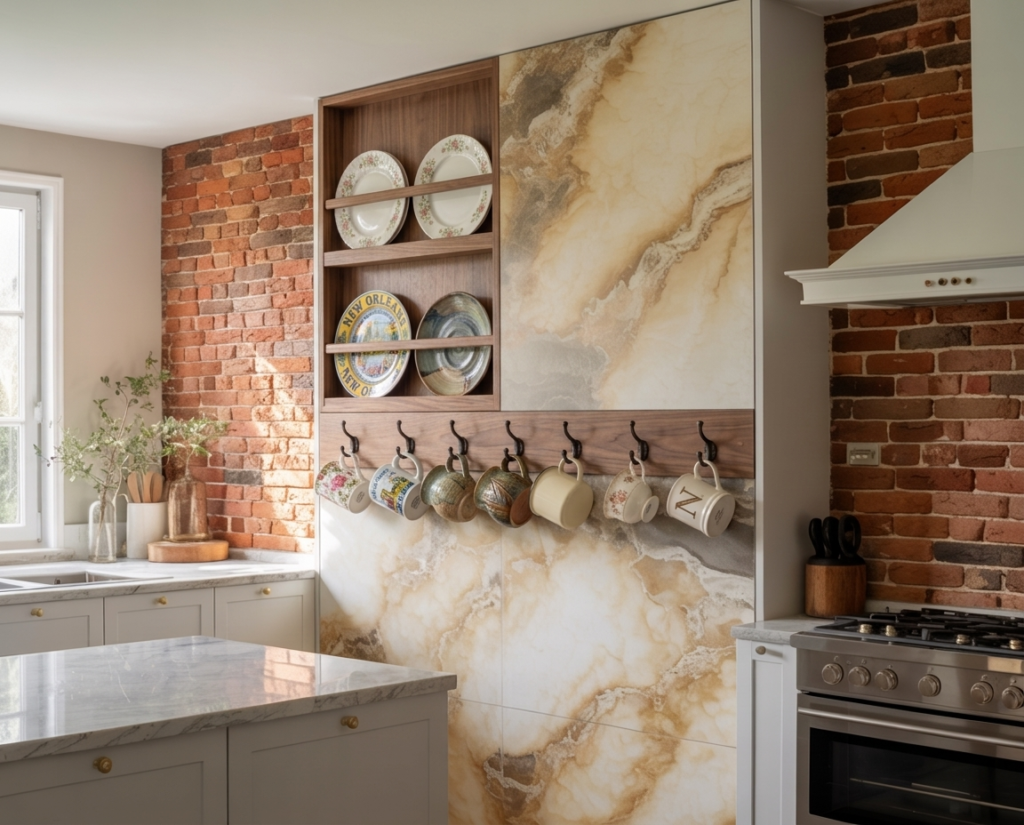
Homeowners across the US are embracing the idea that your grandmother’s floral china, your souvenir mug from New Orleans, or that hand-thrown pottery set you found at a local craft fair are worth showing off. Plate racks and mug hooks create a living gallery in your kitchen — one that evolves with you, costs nothing extra to update, and makes every morning feel a little more intentional.
Beyond aesthetics, there’s a practical argument too. Plate racks keep your most-used dishes accessible, reduce cabinet clutter, and actually make it easier to maintain an organized kitchen. Mug hooks free up an entire shelf or cabinet while putting your collection on beautiful display. Functional decor has never looked this good.
The design-savvy crowd is also drawn to the sustainability angle: displaying what you already own, rather than buying new decor, is a beautifully eco-conscious approach to home styling. According to Architectural Digest, “intentional displays of everyday objects” are among the top interior design trends redefining American kitchens this decade.
The most charming kitchens I’ve ever designed didn’t need a renovation — they just needed their stories told. A plate rack does exactly that.— A Reflection on 15 Years of Kitchen Design
Types of Plate Racks: From Wall-Mounted to Countertop
Before you start shopping, it helps to understand the different styles of plate racks available and which one suits your space, style, and lifestyle. Here’s a breakdown of the most popular types you’ll find in American homes and home decor stores:
| Type | Best For | Style Fit | Price Range |
|---|---|---|---|
| Wall-Mounted Plate Rack | Small kitchens, statement walls | Farmhouse Cottage | $25 – $120 |
| Countertop Plate Rack | Everyday dish drying + display | Modern Scandinavian | $20 – $80 |
| Cabinet-Mounted Rack | Inside cabinets, hidden display | Traditional | $15 – $50 |
| Free-Standing Baker’s Rack | Dining rooms, open kitchens | French Country Boho | $80 – $350 |
| Open Shelf with Plate Groove | Floating shelves, modern renos | Contemporary | $40 – $200 |
My personal favorite for most American homes? The wall-mounted plate rack. It creates a striking focal point above a sideboard, below a window, or flanking a range hood — and it works across styles from rustic farmhouse to coastal traditional.
💡
Pro Tip
When mounting a plate rack on drywall, always use wall anchors rated for at least 3x the weight of your full dish collection. A rack filled with ceramic plates is heavier than it looks. For older homes, locate studs using a stud finder and anchor directly into them for maximum security. Your grandmother’s heirloom china deserves better than a drywall anchor alone.
The Art of Styling a Plate Rack: Design Principles That Work
A plate rack filled haphazardly looks like a dish drying station, not a design moment. The difference between a rack that looks curated and one that looks cluttered comes down to a few key principles I apply in every kitchen I design.
Color Cohesion is Your Best Friend
Choose plates that share a color family, even if they’re different patterns or sizes. A mix of white, cream, and soft blue dishware always looks intentional. A random mix of every color in the rainbow looks chaotic. You can absolutely mix and match — just anchor the collection with a unifying color or finish, whether that’s matte white, terracotta, or navy blue transferware.
If you love eclectic collections, consider grouping by material instead of color. All-ceramic, all-wood, or all-vintage enamelware each creates a cohesive narrative even when individual pieces vary widely. This approach works especially well in bohemian, eclectic, and maximalist kitchens where personal history is the whole point.
Layer Sizes for Visual Interest
Always vary the diameter of the plates you display. Place your largest dinner plates (10–12 inches) at the back, medium plates or salad plates (8–9 inches) in the middle, and smaller accent plates or saucers at the front or to the side. This creates natural depth and dimension — the same layering technique used in floral arrangements and retail window displays.
- Anchor the display with 2–3 statement plates that have strong pattern or color
- Fill with simple, solid-colored plates in complementary neutral tones
- Add one or two textured plates (embossed, handmade, or patterned rims) for tactile interest
- Leave small gaps — perfect symmetry looks manufactured, not charming
- Incorporate non-plate elements: a small pitcher, a tiny framed print, a sprig of dried botanicals
Mug Hooks: Small Detail, Big Personality
If plate racks are the statement piece, mug hooks are the punctuation. They’re small, affordable, incredibly easy to install, and they deliver a disproportionate amount of charm for their size. In a kitchen where cabinet space is limited — think New York apartments, older ranch homes, or tiny house kitchens — mug hooks are nothing short of a design miracle.
Mug hooks can be installed practically anywhere: under floating shelves, under upper cabinets, on a dedicated mug rail, on the side of a kitchen island, or on a dedicated coffee station wall. That last option has become enormously popular in American homes as the dedicated home coffee bar trend continues its rise. A row of beautiful mugs hung on a wood-and-iron mug rail beside your coffee maker is one of the quickest, most effective kitchen upgrades you can make for under $50.
| Mug Hook Style | Material | Best Kitchen Style | Installation |
|---|---|---|---|
| S-Hook on Rail | Iron / Stainless | Industrial, Modern Farmhouse | No drilling required |
| Brass Cup Hook | Solid Brass | Traditional, English Country | Screw-in, 5 minutes |
| Wood Peg Rail (Shaker) | Hardwood | Farmhouse, Cottage, Boho | Wall-mounted rail |
| Ceramic Knob Hook | Ceramic + Metal | Eclectic, Maximalist, Boho | Bolt-through wall |
| Minimal Black Hook | Powder-Coated Steel | Scandinavian, Contemporary | Adhesive or screw |
✨
Pro Tip
When arranging mugs on hooks, alternate the heights of mugs if you have varied collection sizes — it creates a dynamic, intentional silhouette rather than a uniform row. Also consider rotating your displayed mugs seasonally: bring out your harvest-colored mugs in fall, your cheerful florals in spring. It’s the easiest seasonal refresh you’ll ever do.
How to Mix Plate Racks and Mug Hooks in One Space
The magic really happens when you combine plate racks and mug hooks into a single, cohesive wall display. This approach works beautifully as a kitchen gallery wall — a concept that’s been steadily replacing traditional art above the dining table in many American homes. The key is treating your dishware as art, your kitchen walls as gallery space, and yourself as the curator.
Start by mapping out your wall space. A great combination layout might feature a wall-mounted plate rack as the centerpiece, flanked by two vertical mug rails on either side. Or try a floating shelf with a plate groove on top and a row of mug hooks beneath — this creates a two-tier display that’s both beautiful and extremely practical. Don’t be afraid of asymmetry; some of the most charming displays I’ve designed have been delightfully off-center.
- Choose a focal point — a window, a blank wall, or the space above a sideboard or coffee station
- Select a finish that ties the two elements together (both in brass, both in black iron, both in wood)
- Install the plate rack first as the anchor, then add mug hooks at comfortable reach height
- Style with dishware before you hang anything — do a dry run on a table first
- Add soft lighting: a small picture light above the rack or under-shelf LED strips create a warm glow at night
- Step back and edit — remove one thing. Then remove one more. Restraint is always a compliment.
Design is not about filling every inch — it’s about knowing which inches to leave beautifully empty.— A Design Principle Worth Framing
Style Pairings: Which Aesthetic Suits Your Home?
One of the most common questions I get from clients is: “Will this work in my kitchen?” The answer is almost always yes — as long as you choose the right style of plate rack and mug hook for your home’s existing aesthetic. Here’s a quick reference guide:
🏡 Style-by-Style Pairings
- Modern Farmhouse: White ceramic plates on a dark-stained wood rack; black iron S-hooks on a pipe mug rail. Linen textures, shiplap walls.
- Cottagecore / English Country: Blue-and-white transferware on a white-painted plate rack; brass cup hooks beneath upper cabinets. Floral motifs, warm wood tones.
- Boho / Eclectic: Mixed global pottery on a rattan-trimmed rack; ceramic knob hooks with varied mugs. Macramé, terracotta, woven baskets.
- Scandinavian Minimalist: Matte white or grey plates on a simple pine rack; slim black powder-coated hooks. Clean lines, natural wood, no clutter.
- French Country: Faïence or hand-painted plates on a cream-painted baker’s rack; wrought iron hooks. Soft yellows, lavender, aged patina finishes.
- Contemporary / Urban: Geometric plates or bold color-blocked dishware on floating shelves with plate grooves; minimalist matte hooks. Marble, concrete, brushed brass.
Where to Shop: Best Sources for Plate Racks and Mug Hooks in the US
You don’t need to spend a fortune to create a stunning display. Here are some of my go-to sources, from budget-friendly finds to splurge-worthy pieces, all accessible to US shoppers:
- Wayfair — Enormous selection of wall-mounted plate racks in every style and price point. A great starting point.
- Anthropologie — Unique, artisanal ceramic hooks and eclectic plate collections for bohemian and maximalist kitchens.
- Etsy — Handmade wooden plate racks, custom engraved mug rails, and one-of-a-kind ceramic hooks from independent makers.
- Target & HomeGoods — Affordable, on-trend options that change seasonally. Great for building a collection on a budget.
- Antique Stores & Estate Sales — The absolute best source for authentic, character-rich vintage plate racks with real history and patina.
- Crate & Barrel — Clean, quality options for modern and Scandinavian aesthetics, with excellent durability.
Common Mistakes to Avoid
In fifteen years of designing kitchens, I’ve seen plate rack displays go wrong in predictable ways. Here are the most common pitfalls — and how to sidestep them with confidence:
- Overcrowding the rack: A full rack looks cluttered, not curated. Aim for 70–80% capacity and let your dishware breathe.
- Mismatched finishes between rack and hooks: If your plate rack is black iron, your mug hooks should also be black iron — mixing metal finishes in a small area reads as unintentional.
- Hanging mugs with heavy, decorative handles outward: Turn your mugs so the handle faces to one side — it creates a cleaner silhouette and prevents uneven weight distribution.
- Ignoring scale: A tiny plate rack on a vast kitchen wall looks lost. Choose a rack proportional to your wall space — when in doubt, go one size larger than you think you need.
- Forgetting to dust: Open display means open exposure to kitchen grease and dust. Wipe down your displayed dishware monthly. The charm isn’t worth the grime.
🎨
Pro Tip
Use removable Command strips for a low-commitment first attempt before committing to permanent hardware. This lets you test placement, spacing, and visual weight before drilling into your walls. Most plate rack manufacturers now offer adhesive-mount versions rated for 10–15 lbs — perfect for renters or anyone who loves to rearrange seasonally.
Final Thoughts
Your Kitchen Deserves to Have a Personality
Plate racks and mug hooks are small investments with outsized returns — in charm, in function, and in the daily joy of moving through a home that feels genuinely yours. They turn the ordinary ritual of morning coffee into a small aesthetic pleasure. They transform inherited dishes into honored heirlooms. They make your kitchen feel less like a workspace and more like the heart of your home.
Start simple: one wall-mounted plate rack, six of your favorite mugs on a simple rail, a little space to breathe between each piece. You’ll be surprised how much warmth that one decision can bring to your entire home.
Now go find your most beautiful plate — it belongs on the wall, not behind a cabinet door.