
By a Home Décor Specialist | Interior Design Guide for US Home owners There’s something undeniably magnetic about walking into a room that feels both edgy and inviting — where exposed brick meets a plush velvet sofa, or where weathered steel pipes run alongside a chunky knit throw. That’s the magic of industrial chic interior design, and it’s one of the most rewarding styles to pull off when you get the balance right. If you’ve ever scrolled through Pinterest wishing your home could look like a converted Brooklyn loft — warm, layered, and effortlessly cool — this guide is for you.
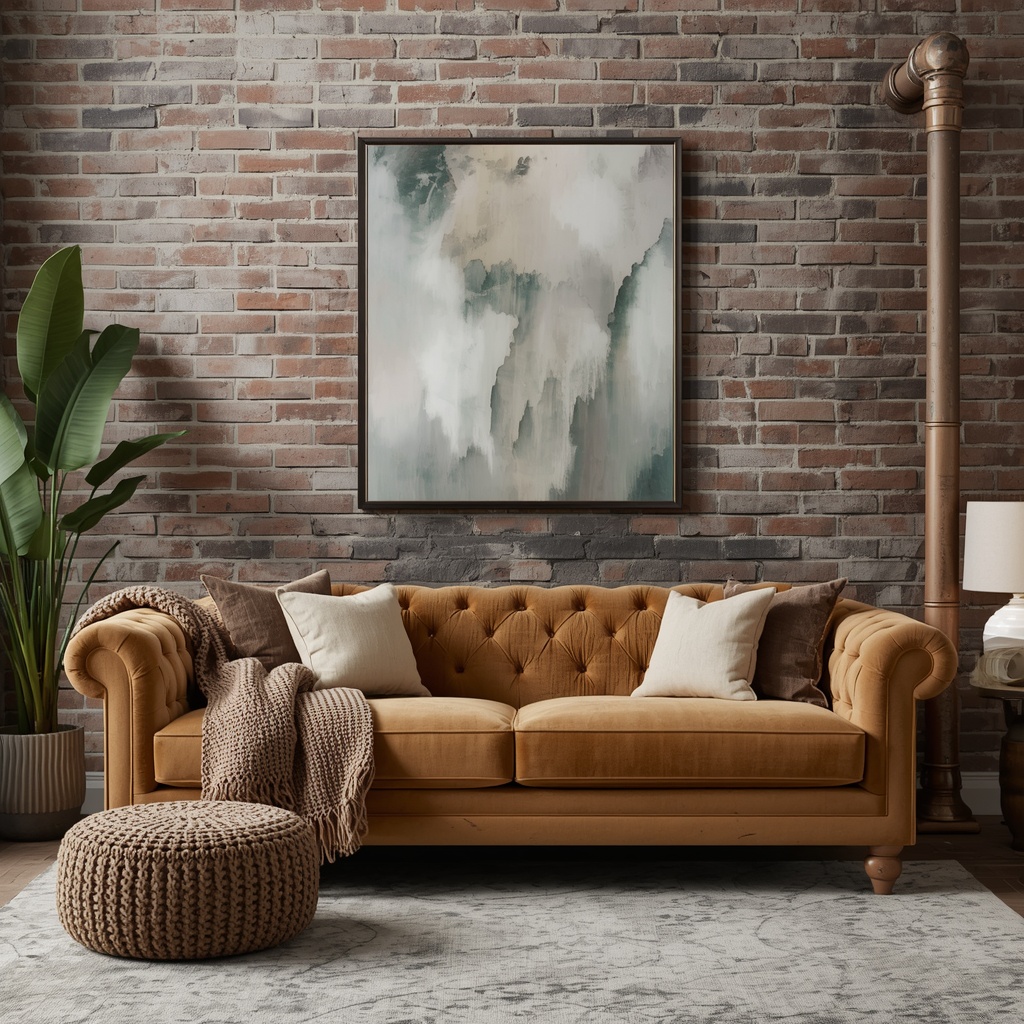
Industrial chic isn’t just a trend. It’s a full design philosophy rooted in authenticity, texture, and the art of contrast. And the best news? You don’t need to gut your home or spend a fortune to achieve it.
What Is Industrial Chic Style? (And Why Americans Are Obsessed With It)
Industrial chic design draws inspiration from repurposed factories, warehouses, and urban lofts — spaces that celebrate raw, unfinished materials rather than hiding them. Think exposed concrete ceilings, open ductwork, reclaimed wood beams, and metal accents. The style first gained popularity in New York and Chicago, where old manufacturing buildings were converted into living spaces, and it has since become one of the most sought-after aesthetics in American home décor.
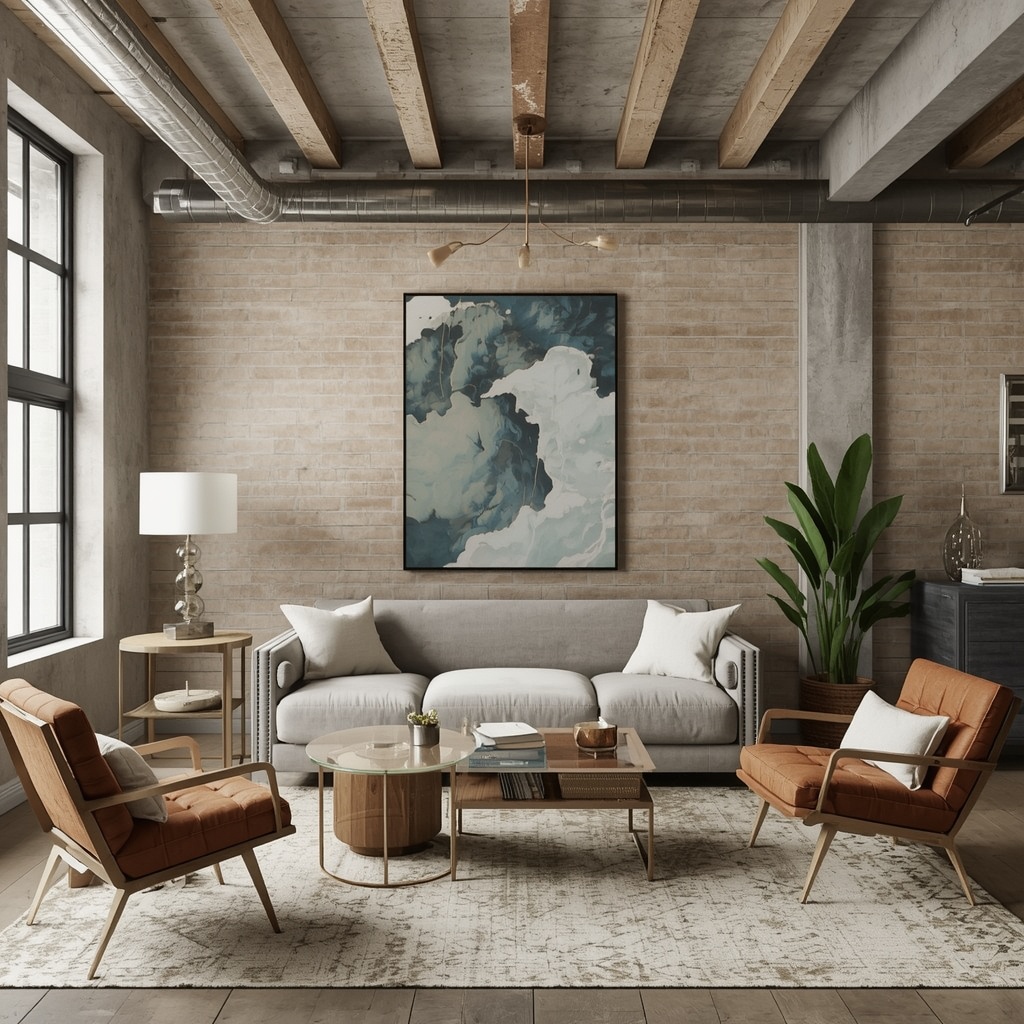
But here’s what separates a truly stunning industrial space from a cold, uncomfortable one: cozy textures. Without warmth, industrial rooms can feel stark and unwelcoming — more warehouse than home. The secret is in the balance. Every rough, raw element needs a soft, warm counterpart to create that layered, lived-in feel that makes people want to stay.
“The best industrial interiors feel like they have a story to tell — like someone actually lives and breathes in that space, not just poses for photos in it.” — Joanna Gaines, interior designer and TV host
The Core Raw Elements of Industrial Design
Before you can balance anything, you need to know what you’re working with. Industrial design has a signature set of raw materials and structural features that define the look.
Exposed Materials to Embrace
- Brick walls — Original or faux brick adds instant warmth and texture. Red brick reads warmer; gray brick reads cooler and more modern.
- Concrete floors and walls — Polished concrete floors are sleek; raw concrete walls feel urban and authentic.
- Metal accents — Matte black, brushed nickel, aged bronze, and raw steel are the go-to metal finishes in industrial spaces.
- Reclaimed wood — Salvaged barnwood, pallet wood, and distressed timber bring organic warmth that counterbalances cold metals.
- Open ductwork and piping — Instead of hiding HVAC systems, industrial design puts them on display, often painted black or left raw.
- Edison bulb lighting — Filament bulbs in cage pendants or vintage sockets are practically the mascot of the industrial aesthetic.
Key Structural Features
| Feature | Industrial Look | How to Achieve It |
|---|---|---|
| Ceilings | Exposed beams or ductwork | Install faux beams; leave HVAC visible |
| Flooring | Concrete, distressed wood | Polished concrete stain, wide-plank oak |
| Windows | Steel-framed, oversized | Black window frames, minimal curtains |
| Walls | Brick, concrete, shiplap | Brick wallpaper, textured paint, peel-and-stick panels |
| Lighting | Edison bulbs, industrial pendants | Cage pendants, pipe-style floor lamps |
Why Cozy Textures Are Non-Negotiable
Here’s the interior design truth that many DIYers miss: raw materials alone do not make a home feel good. Cold concrete, hard metal, and rough brick without any softness create a space that’s visually interesting but physically uninviting. You wouldn’t want to curl up on a concrete floor with a good book, right?
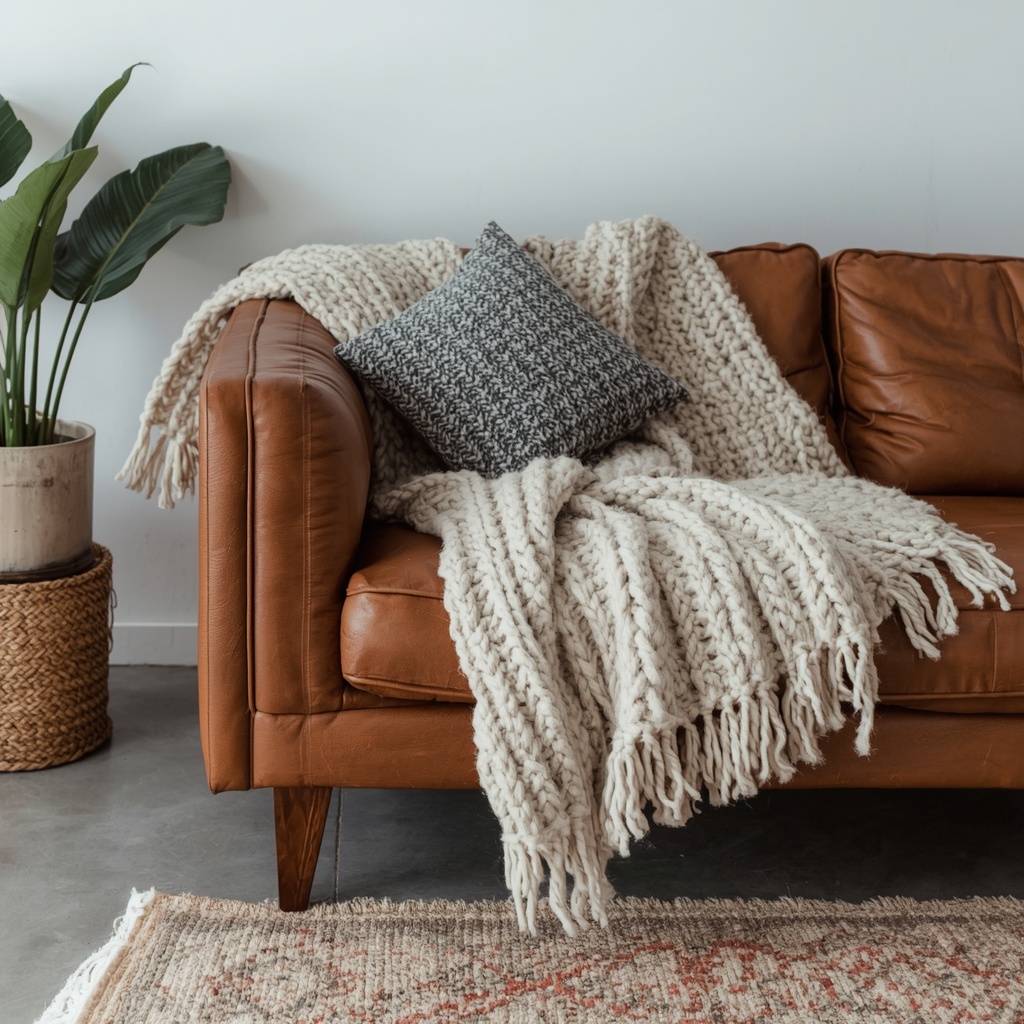
Cozy textures serve a psychological and physical function. They signal safety, comfort, and warmth — the very things that turn a house into a home. They also add visual weight and depth that prevent a room from feeling like a photo shoot set that nobody actually inhabits. The moment you drape a chunky wool throw over a leather sofa or layer a shaggy rug over concrete floors, the entire room breathes differently.
The textural contrast is also what makes industrial chic interesting. If everything in a room were the same temperature — all hard or all soft — it would be flat. It’s the interplay between rough and smooth, cold and warm, dark and light that creates visual tension and makes a space feel expertly designed.
“Texture is the secret ingredient in interior design. It’s what makes you want to touch things, to sit down, to stay.” — Emily Henderson, renowned interior stylist
How to Layer Cozy Textures Into an Industrial Space
This is where the real artistry begins. Layering textures in an industrial space is about intentional contrast — not randomness. Here’s a room-by-room breakdown of how to do it right.
Living Room: The Heart of the Balance
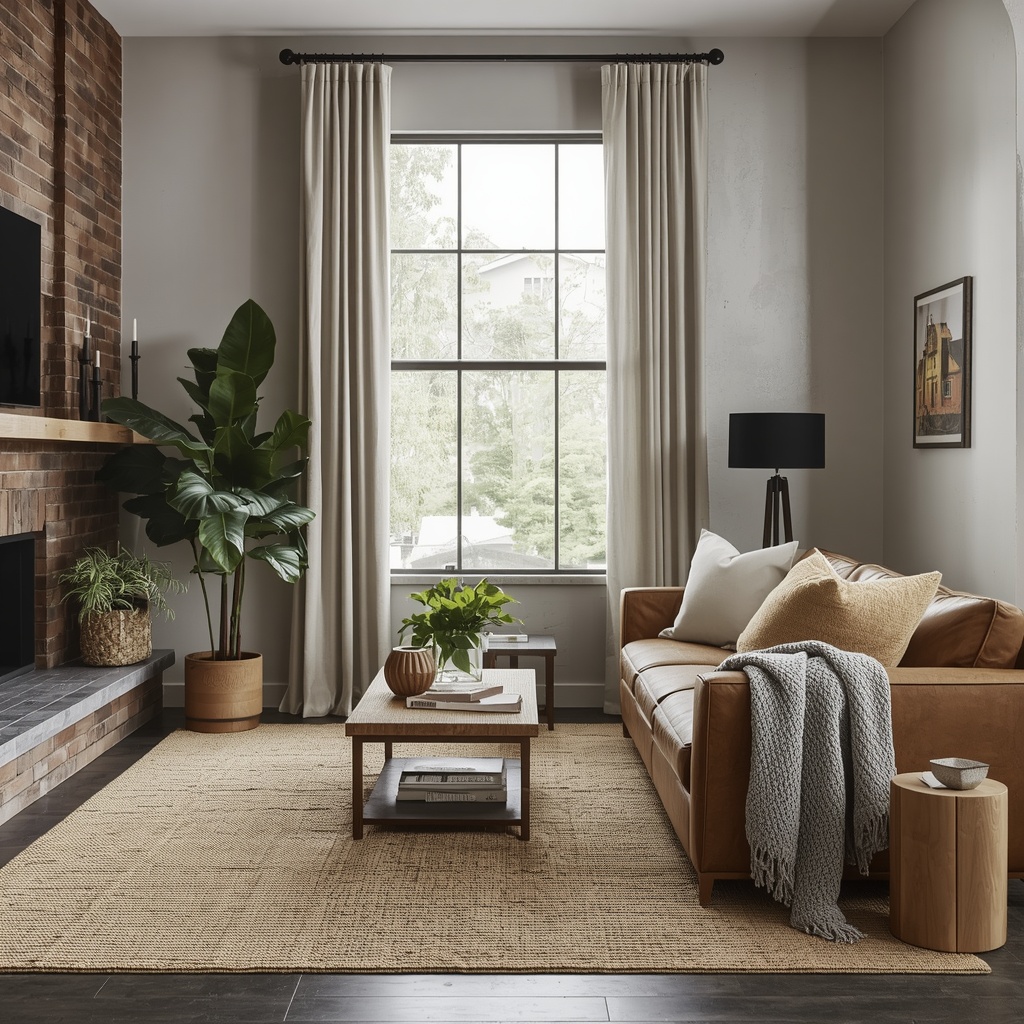
The living room is where industrial chic is most commonly executed — and most commonly botched. The key is anchoring the space with one dominant raw element and then building warmth around it.
Start with your anchor: Choose one hero raw element — a brick accent wall, a concrete fireplace surround, or a reclaimed wood entertainment center. Don’t try to do all three at once in a smaller room.
Layer your textures from the floor up:
- Area rug — A large, high-pile rug in jute, wool, or shaggy texture grounds the space and immediately softens concrete or hardwood floors. Go for neutrals: charcoal, cream, warm beige, or rust.
- Sofa — Leather or faux leather in cognac, caramel, or charcoal reads as both industrial and luxurious. Layer it with linen or velvet throw pillows.
- Throws — A chunky-knit or bouclé throw draped casually over the arm of your sofa adds instant coziness without looking staged.
- Curtains — Linen drapes in natural or off-white soften the hard lines of industrial windows while allowing light to filter warmly into the space.
- Plants — Greenery is an underrated texture layer. Large fiddle-leaf figs, trailing pothos, or a cluster of succulents bring life and organic warmth.
🛠️ PRO TIP: When choosing a rug for an industrial space, go at least 8’x10′ for a standard living room. A rug that’s too small will make the room feel disconnected and the furniture will “float” awkwardly. Always pull the front legs of your sofa and chairs onto the rug.
Bedroom: Industrial Loft Meets Sleep Sanctuary
The bedroom is where cozy textures must absolutely win — it’s a sleep space, after all. But that doesn’t mean you abandon the industrial aesthetic. It means you lean into it more subtly.
The industrial bedroom formula:
- Bed frame: A platform bed in dark walnut, matte black metal, or reclaimed wood sets the tone.
- Bedding: This is your biggest opportunity for cozy contrast. Layer a linen duvet with a faux fur or chunky-knit throw at the foot of the bed. Add Euro shams in velvet or washed cotton for depth.
- Nightstands: Industrial pipe nightstands or reclaimed wood bedside tables with metal hardware.
- Lighting: Exposed-bulb sconces or articulating metal arm lamps flank the bed — functional, stylish, and perfectly on-brand.
- Walls: A single exposed brick wall behind the headboard works beautifully. If you’re renting, peel-and-stick brick panels from Amazon offer a commitment-free solution that’s surprisingly convincing.
| Element | Raw Industrial Pick | Cozy Texture Counterpart |
|---|---|---|
| Bed frame | Matte black metal | Linen or velvet headboard panel |
| Flooring | Concrete or dark hardwood | Thick wool or sheepskin rug |
| Walls | Brick or concrete | Macramé wall hanging, woven art |
| Lighting | Cage pendant | Warm-toned Edison bulbs (2700K) |
| Windows | Minimal black frames | Linen blackout curtains |
Kitchen and Dining: Where Function Meets Atmosphere
Industrial kitchens are having a serious moment in American homes — and for good reason. Open shelving, matte black hardware, and butcher block countertops look like they belong in a restaurant, but feel personal and warm when done right.
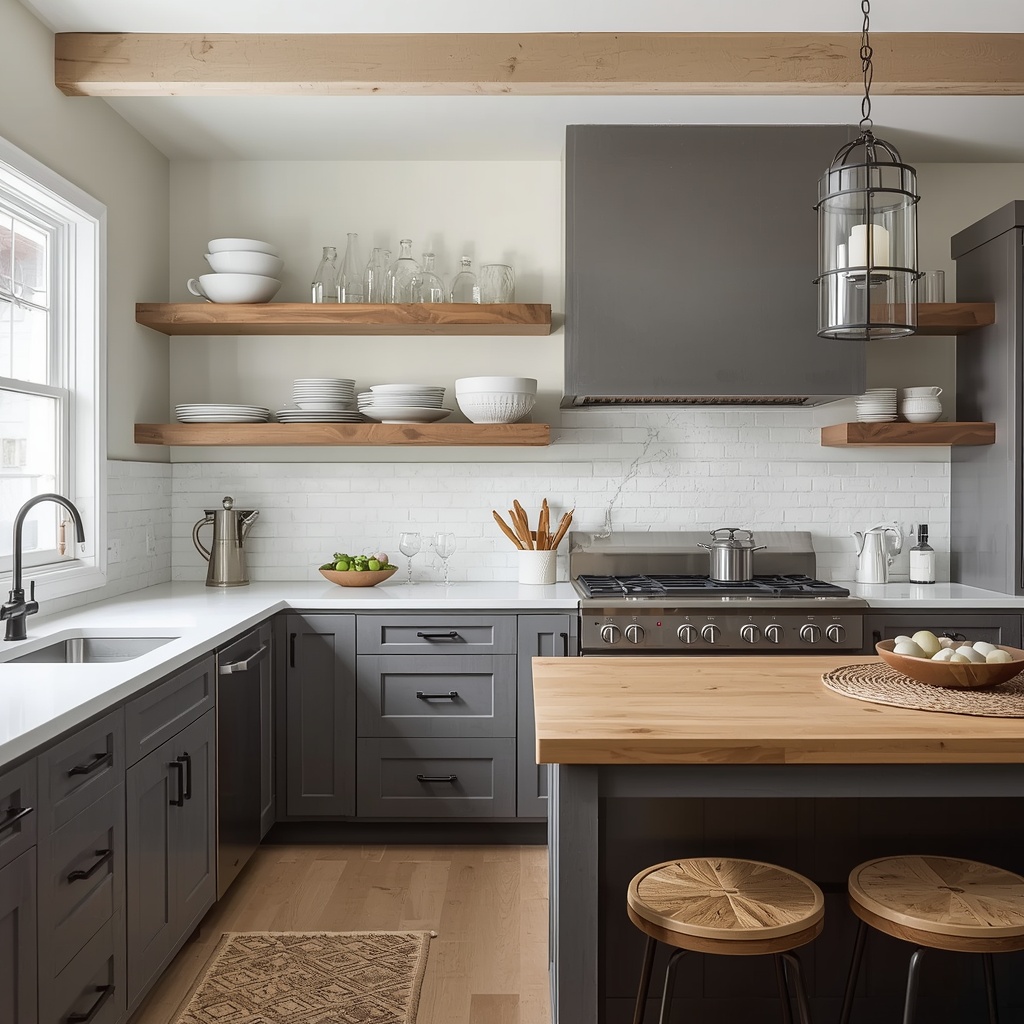
Key moves for an industrial kitchen:
- Replace standard cabinet hardware with matte black or aged brass pulls
- Open floating shelves in reclaimed wood display dishes and glassware while adding warmth
- A butcher block island brings natural wood texture into a space dominated by steel appliances and concrete countertops
- Pendant lights over the island in a cage or lantern style anchor the industrial look
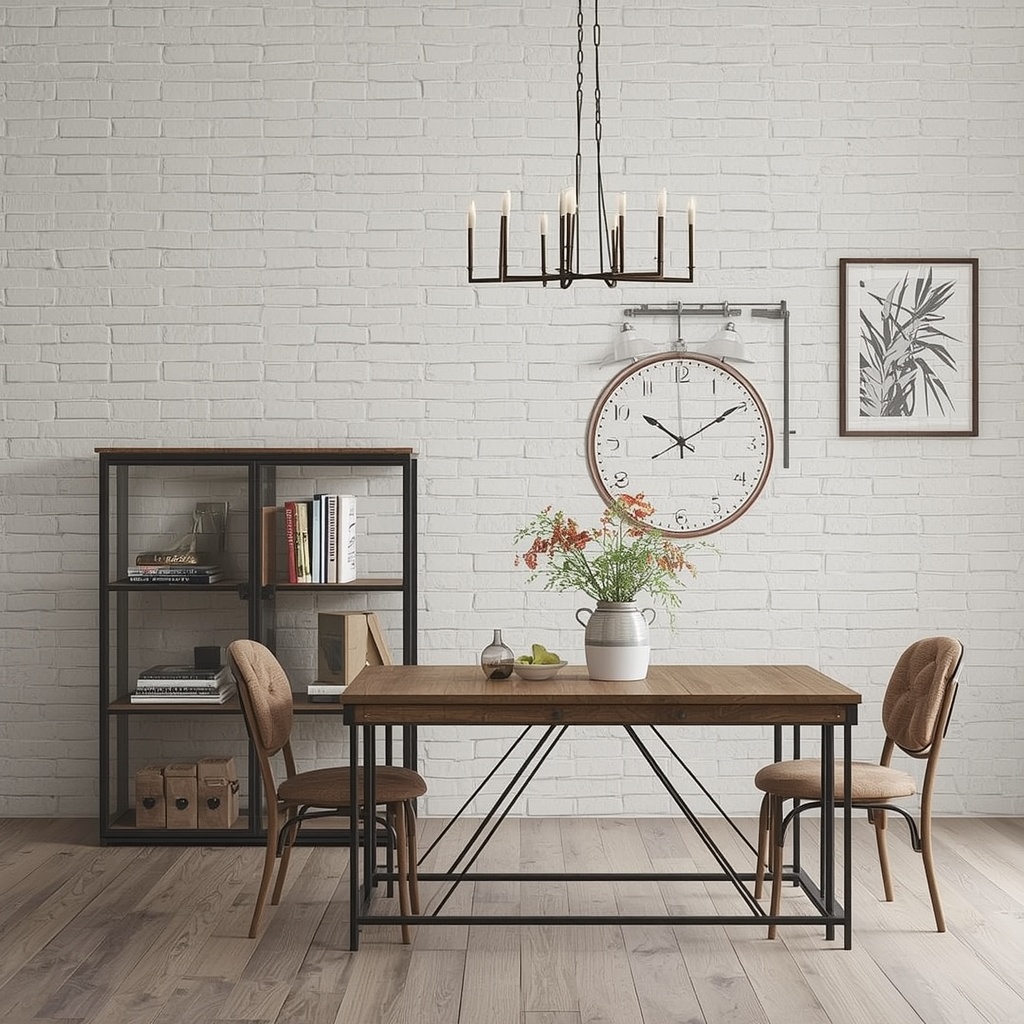
For the dining room: A raw-edge wood dining table paired with metal-legged chairs is the quintessential industrial chic combination. Layer a natural fiber table runner across the center, add a cluster of Edison pendants above, and place a simple linen napkin at each setting. The contrast between the table’s organic edge, the metal chairs, and the soft linen creates exactly the kind of warmth-meets-edge tension that makes this style so appealing.
🛠️ PRO TIP: To keep an open industrial kitchen from feeling cold, always incorporate at least two warm light sources — consider under-cabinet lighting with a warm (2700K–3000K) color temperature. This alone can transform the feel of the space dramatically during evening hours.
Color Palette: Getting Industrial Chic Colors Right
One of the most common mistakes homeowners make is going too dark with an industrial palette and ending up with a cave. The industrial chic color palette is actually quite nuanced.
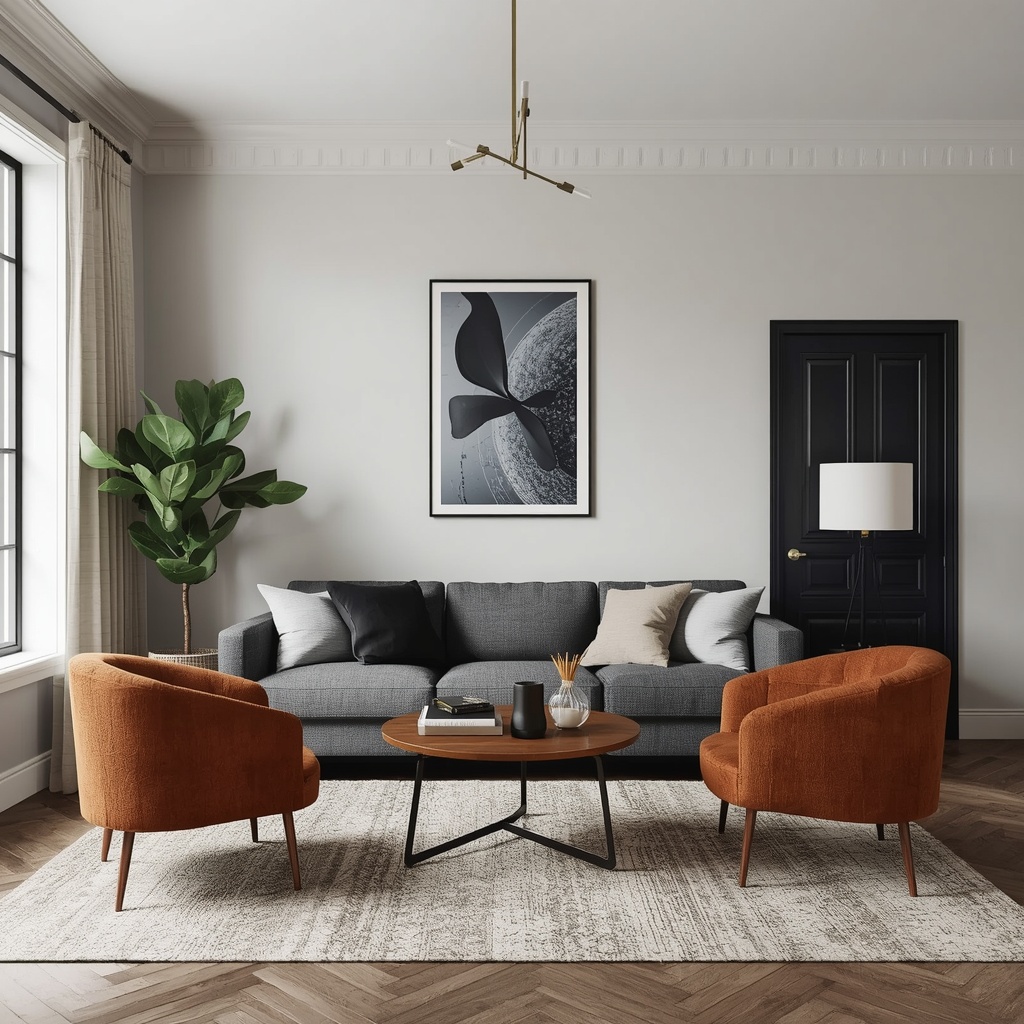
The Industrial Chic Color Formula
Base neutrals (60%): Warm whites, soft grays, charcoal, and greige (gray-beige). These come from walls, large furniture pieces, and flooring.
Mid-tones (30%): Warm browns, cognac, rust, terracotta, and deep navy. These appear in upholstery, rugs, cabinetry, and accents.
Accent pops (10%): Matte black (for hardware, frames, and fixtures), aged brass or bronze (for warm metallic contrast), forest green (for plants and occasional accent pieces).
Recommended Paint Colors for Industrial Spaces
- Sherwin-Williams Agreeable Gray (SW 7029) — The perfect warm greige base
- Benjamin Moore Wrought Iron (2124-10) — Dramatic and moody for accent walls
- Sherwin-Williams Accessible Beige (SW 7036) — Warm and versatile, pairs beautifully with wood tones
- Behr Cracked Pepper (790F-7) — A softer black that works beautifully on a single feature wall
Common Industrial Chic Mistakes (And How to Avoid Them)
Even experienced decorators slip up with this style. Here’s what to watch for:
- ❌ Too much metal — When every surface has a metallic component, the space feels cold and clinical. Cap metal accents at 30% of visible surfaces.
- ❌ Ignoring scale — Industrial furniture tends to run large. In a small apartment, oversized pieces overwhelm the space. Choose pieces with slimmer profiles.
- ❌ Skipping soft lighting — Overhead lighting alone creates a harsh, flat look. Layer floor lamps, table lamps, and sconces for warmth.
- ❌ Forgetting the ceiling — The ceiling is the fifth wall. In industrial design, it’s often one of the most striking elements. Even painting it a deep charcoal or adding faux beams can transform a room.
- ❌ No personal touches — Industrial spaces can veer toward generic if they lack personality. Books, vintage finds, collected objects, and art make the space feel lived-in and authentic.
Shopping Guide: Where to Find Industrial Chic Pieces in the US
You don’t need to scour architectural salvage yards (though that’s a fun weekend activity). These US retailers carry excellent industrial chic pieces:
- West Elm — Excellent for reclaimed wood furniture, metal accents, and cozy textiles
- Article — High-quality, modern industrial sofas and dining furniture at mid-range prices
- Wayfair — Wide selection of industrial lighting, shelving, and décor at all price points
- Etsy — Best source for handmade macramé, reclaimed wood signs, and one-of-a-kind industrial art
- IKEA — The KALLAX shelving unit, EKET cabinets, and LERBERG steel shelves are industrial chic essentials at unbeatable prices
Final Thoughts: The Art of Imperfect Balance
Industrial chic design is, at its core, about embracing imperfection. The raw materials that define this style — brick, concrete, weathered wood, aged metal — are inherently imperfect. They have scratches, patina, grain, and character. And that’s exactly why they feel so alive.
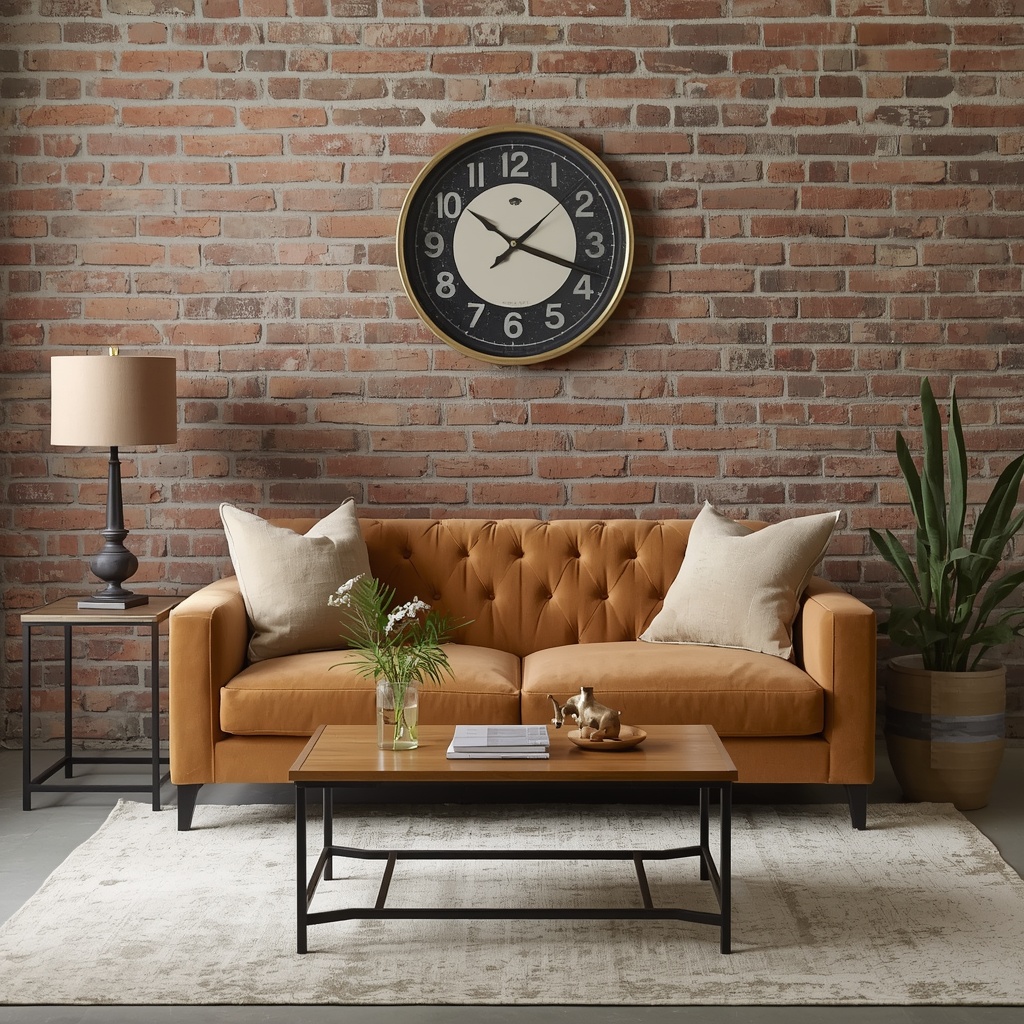
When you layer cozy textures over those raw elements, you’re not trying to hide them. You’re celebrating them. You’re saying: this space has depth, history, and warmth all at once. You’re creating a home that tells a story — one that’s equal parts gritty and gorgeous.
The best industrial chic spaces in America aren’t the ones that look like they were pulled straight from a catalog. They’re the ones that feel personal — where a vintage factory clock shares a wall with family photos, where a plush velvet sofa sits confidently on a concrete floor, and where every rough edge has a soft landing nearby.
Start with one room. Start with one raw element. Layer in the warmth. And trust that the contrast — that beautiful, intentional tension between hard and soft — is exactly what will make your home unforgettable.
Relevant search terms: industrial chic interior design, industrial home décor ideas, how to make industrial style cozy, raw materials home design, warehouse loft style living room, industrial bedroom ideas, cozy industrial aesthetic, urban loft decorating tips, exposed brick decor, reclaimed wood home décor.