
Acubi aesthetic soft minimalism Japandi decor cozy home neutral palette apartment styling TikTok interior .if you’ve been scrolling through Pinterest boards or TikTok “room tours” lately, you’ve probably stumbled across a look that feels impossibly calm — soft neutrals, lived-in textures, a wardrobe-meets-bedroom vibe that looks casual yet curated. That, my friend, is the Acubi home decor aesthetic. And yes, you can absolutely bring it into your own home without an interior designer on speed dial or a runway budget.
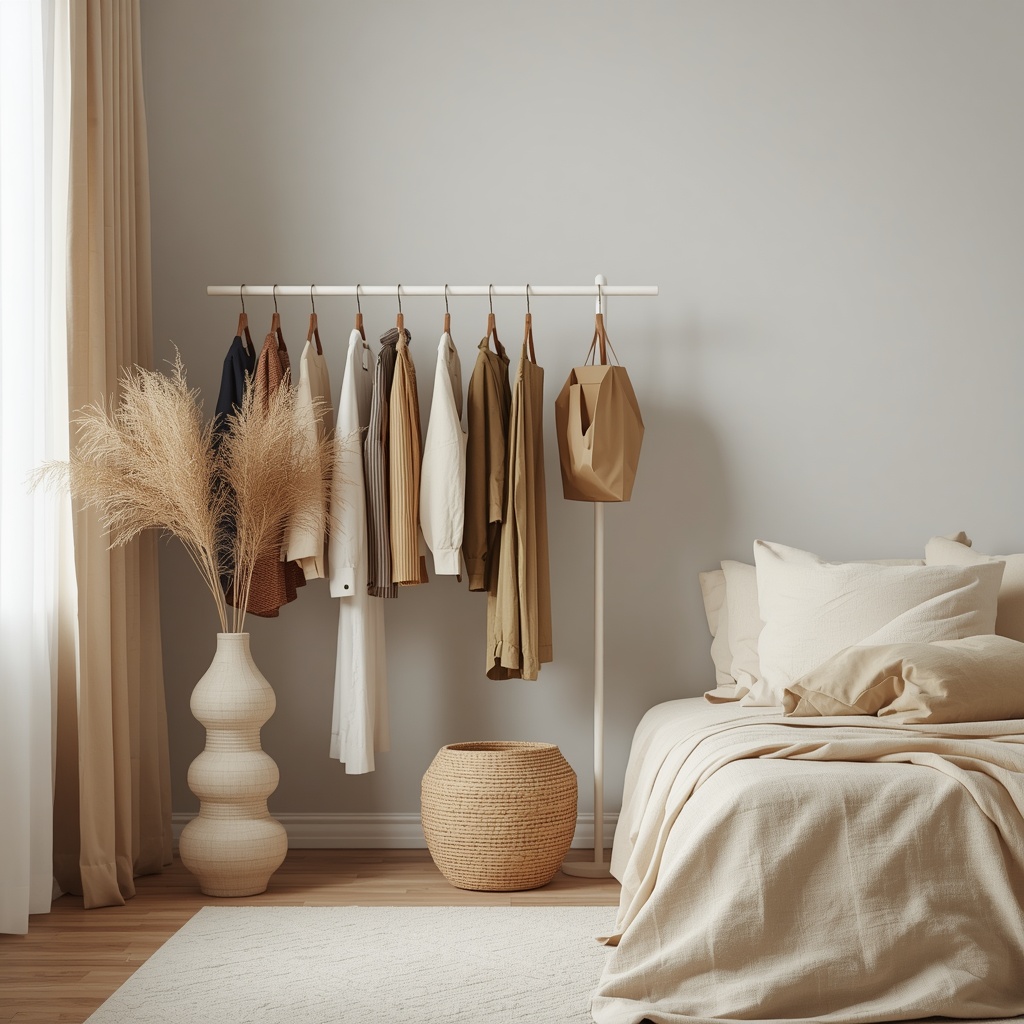
As an interior designer who works primarily with American homeowners, I’ve seen this aesthetic explode from niche fashion subculture into a full-blown home decor movement. The Acubi style is rooted in Korean streetwear fashion — specifically a soft, androgynous, layered look — and it has translated beautifully into interior spaces. Think muted earth tones, gentle textures, functional clutter that somehow looks intentional, and above all, a sense of personal expression that doesn’t scream for attention.
In this guide, I’ll walk you through everything you need to know to master the Acubi home decor aesthetic — from color palettes and furniture choices to styling tricks and where to shop for the right pieces in the US. What Exactly Is the Acubi Aesthetic?
The word “Acubi” comes from a South Korean fashion style characterized by layered, oversized, gender-neutral clothing in muted, natural tones. When this sensibility moves into the home, it creates spaces that feel like a soft exhale — intimate, personal, and deeply cozy without being cluttered or chaotic.
Unlike maximalist aesthetics that layer pattern on pattern, or stark Scandinavian minimalism that strips everything away, the Acubi home aesthetic sits comfortably in between. It embraces quiet imperfection — a slightly wrinkled linen throw, a stack of well-loved paperbacks, a ceramic mug with an organic form. Every object feels chosen for meaning, not just aesthetics.
“Acubi decor isn’t about perfection — it’s about personality expressed softly. Rooms should feel like they belong to someone real.”— Inspired by contemporary Korean slow-living design philosophy
Semantically related terms you’ll encounter in this space include soft minimalism, Japandi decor, quiet luxury interiors, wabi-sabi styling, and cottagecore-adjacent design. The Acubi aesthetic borrows from all of these while maintaining its own distinctly personal, youthful, and lived-in character.
The Acubi Color Palette: Your Foundation
Getting the color palette right is non-negotiable when building an Acubi-inspired space. The entire mood of this aesthetic rests on its tonal restraint. You’re not working with white walls and chrome — you’re working with the quiet warmth of aged paper, hazelnut, dusty sage, and the kind of gray that leans slightly lavender in afternoon light.
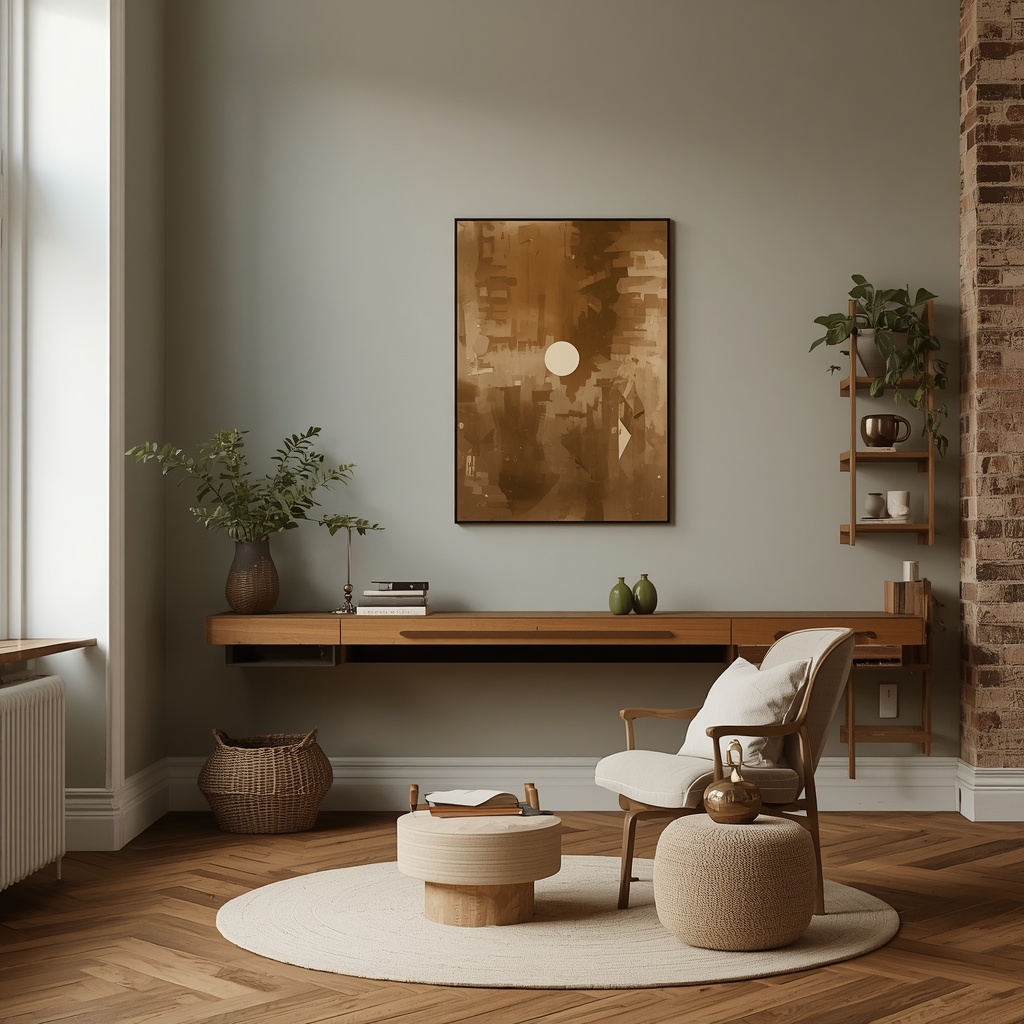
For American homeowners, this palette pairs exceptionally well with warm-toned wood floors common in older homes, and looks stunning against the exposed brick found in urban apartments from New York to Chicago to Portland. Don’t fight your architectural context — let the Acubi palette work with it.
Warm Linen
Hazelnut
Dusty Sage
Warm Stone
Clay Rose
Haze Gray
✦ Pro Tip
When painting your walls, go one shade warmer than you think you should. Acubi spaces always look best under warm lighting, and a tone that looks neutral in the paint store will read beautifully ivory or biscuit once it’s on your walls with soft bulbs. Benjamin Moore “White Dove” and Sherwin-Williams “Accessible Beige” are excellent starting points for the US market.
Key Furniture Pieces for an Acubi Interior
Furniture in an Acubi-styled home should feel like it has a history — even if it’s brand new. The silhouettes lean toward organic shapes: rounded edges, low profiles, and natural materials. You’re not shopping for sleek or angular. You’re looking for furniture that invites you to slow down and settle in.
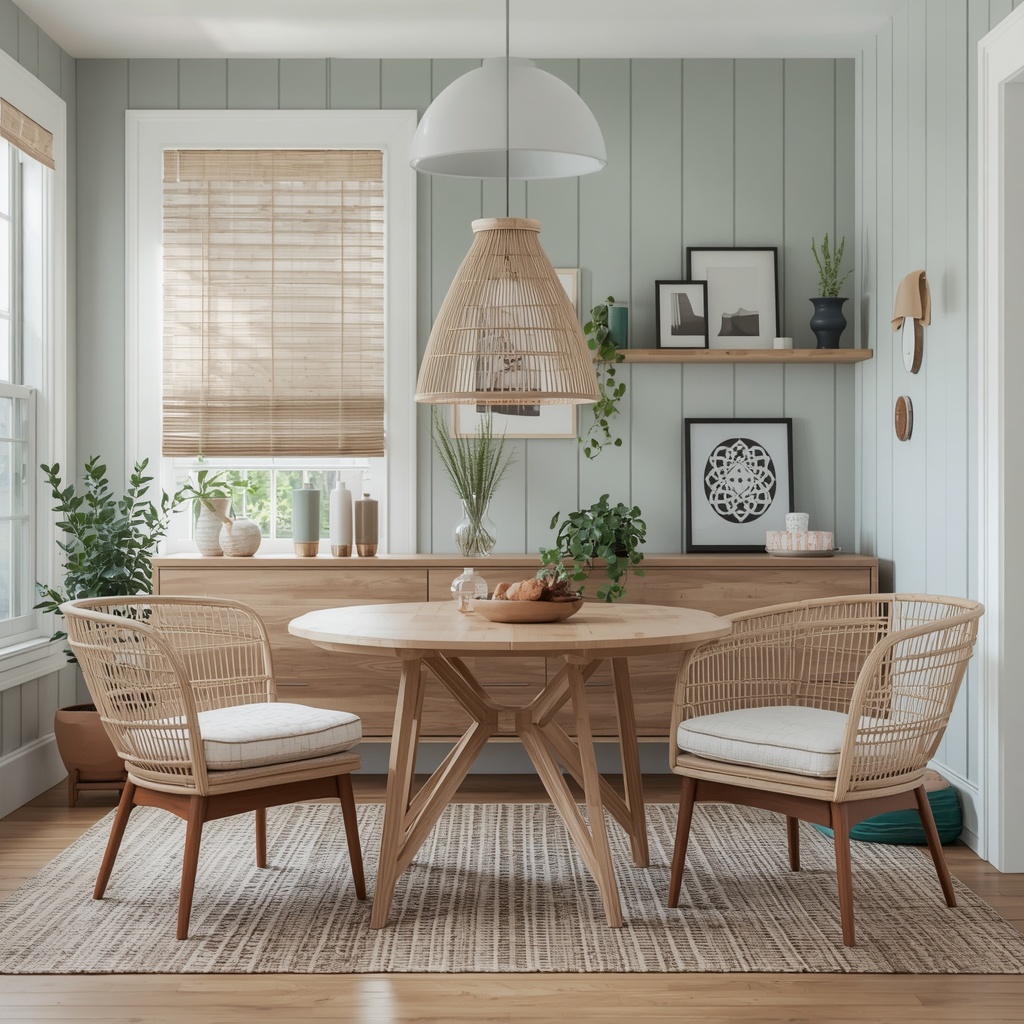
One of the most accessible ways American homeowners can embrace this look is through thoughtful secondhand sourcing. Thrift stores, Facebook Marketplace, and estate sales are goldmines for the kind of honest, well-worn pieces that anchor an Acubi space. A slightly imperfect rattan chair or a solid wood dresser with original hardware will do more for your room than anything flat-packed.
| Room | Key Furniture Pieces | Material to Prioritize |
|---|---|---|
| Bedroom | Low platform bed, oversized linen duvet, small wooden nightstand | Natural linen, solid oak, rattan |
| Living Room | Curved sofa in muted tone, floor cushions, slouchy armchair | Bouclé, cotton canvas, aged leather |
| Study / Nook | Vintage wooden desk, mismatched shelving, task lamp | Reclaimed wood, brushed brass |
| Kitchen | Open shelving for ceramics, wooden cutting boards on display | Earthenware, walnut, linen textiles |
| Bathroom | Wooden bath tray, woven basket storage, stone soap dish | Teak, seagrass, travertine |
Mastering Acubi Textures and Layering
If the color palette is the skeleton of the Acubi aesthetic, texture is the muscle. This style lives and breathes through the layering of tactile materials — rough linen against smooth ceramic, soft bouclé against weathered wood, a knitted throw over a leather bench. The goal is sensory richness without visual noise.
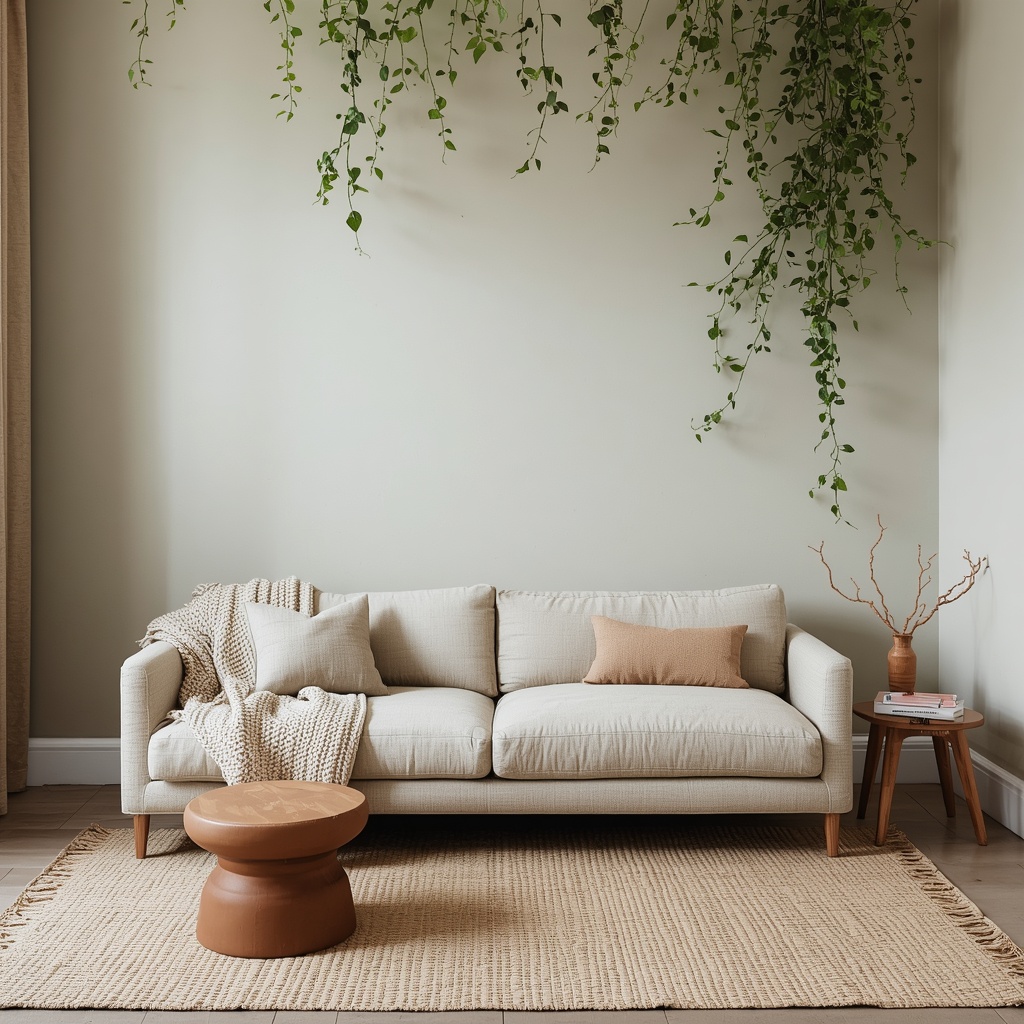
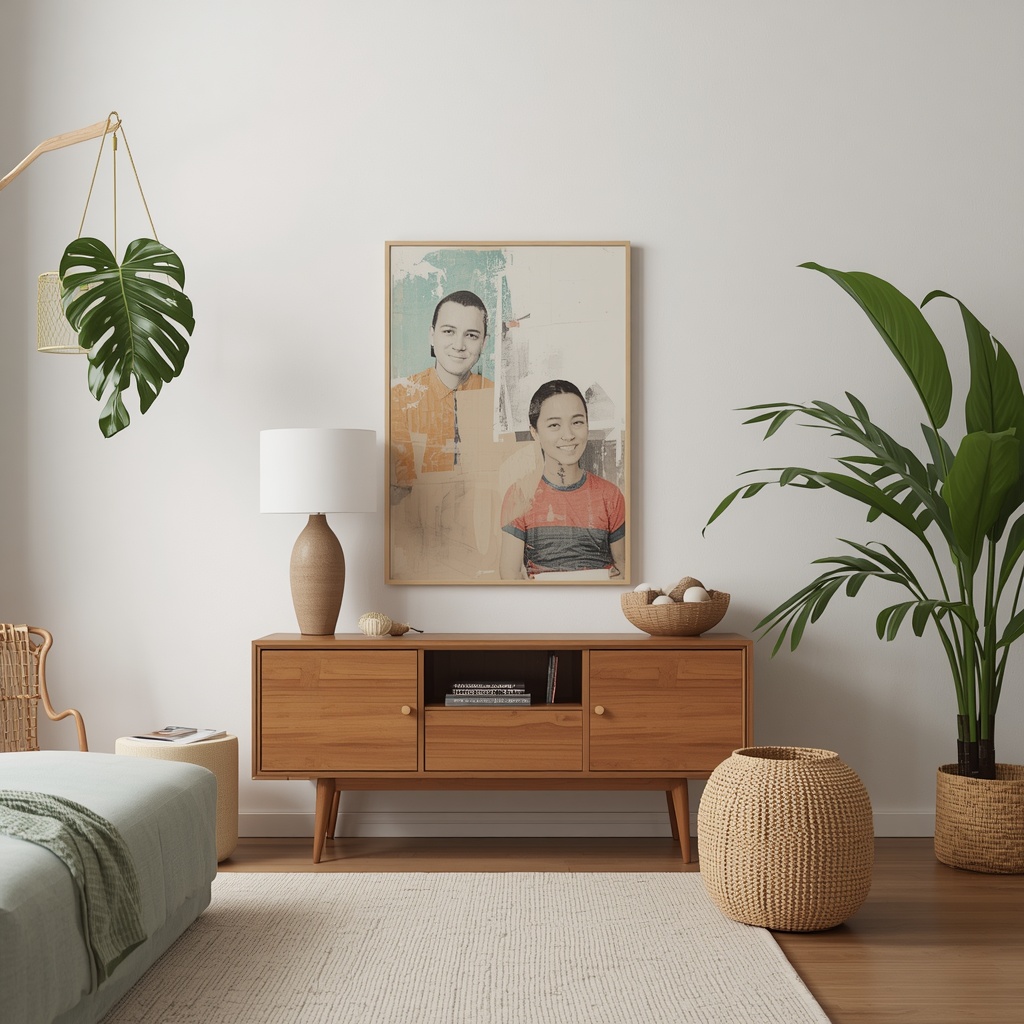
Think about your space in horizontal layers: what’s on the floor, what’s at seat height, what’s at eye level, and what draws the eye upward. Each layer should introduce a different material or texture. A woven jute rug grounds the room; a linen sofa sits above it; at eye level you have smooth plaster walls and matte ceramics; above, trailing plants or a linen lampshade soften the ceiling plane.
Here’s a layering checklist to work through room by room:
- Start with a natural fiber rug — jute, sisal, or a flatweave cotton in a muted tone
- Add a throw or blanket in a contrasting but harmonious texture (chunky knit over a smooth sofa)
- Introduce at least one ceramic or stoneware object with an organic, handmade feel
- Use linen or cotton curtains that pool slightly on the floor — not crisp, never synthetic
- Layer a smaller rug over the larger base rug for a collected, personal feel
- Add dried botanicals, pampas grass, or preserved florals for organic height and softness
- Let books, candles, and personal objects sit casually on surfaces rather than in rigid arrangements
Lighting: The Secret Ingredient
No interior aesthetic is complete without the right lighting strategy, and in Acubi spaces, lighting is everything. Overhead recessed lighting? Hard no. What you’re after is layered, low, warm ambient lighting that makes every surface feel like it’s glowing from within. The goal is a room that looks like golden hour — all the time.
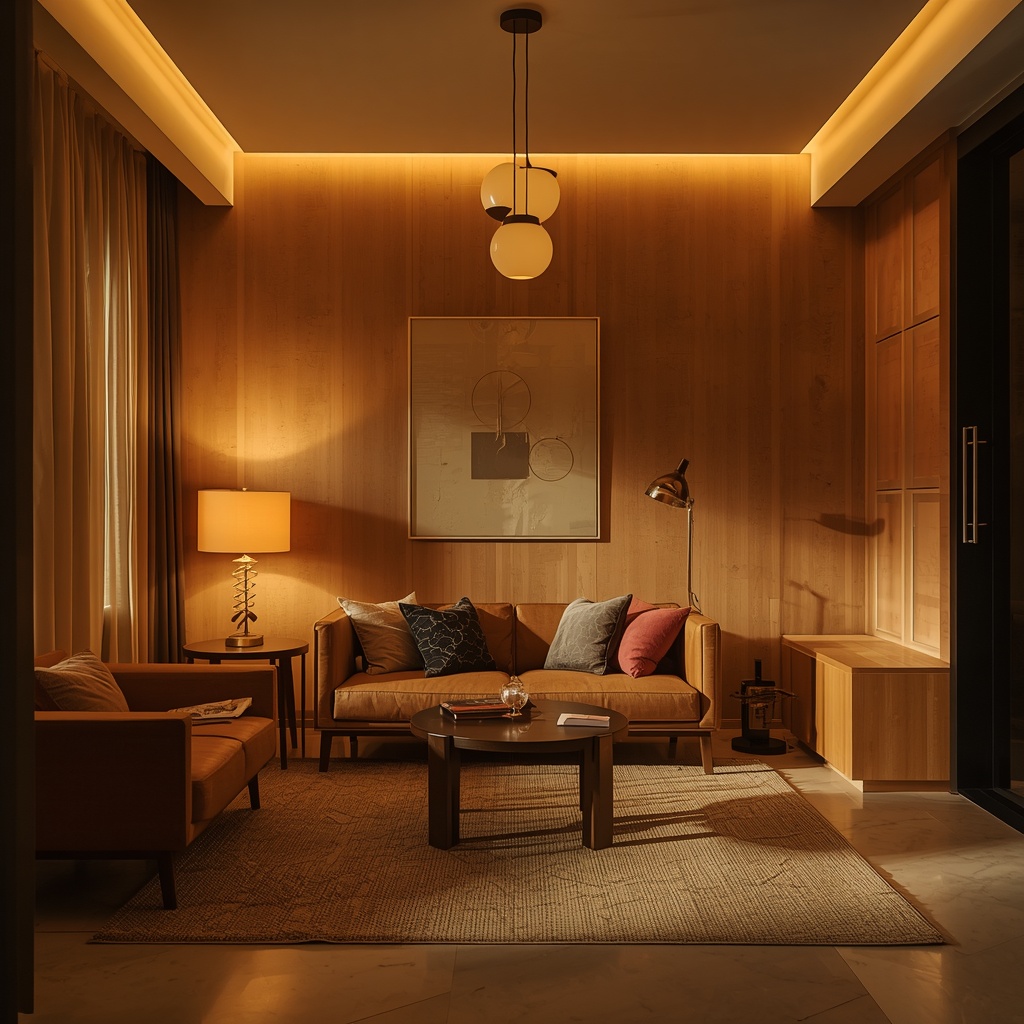
For American apartments and homes, the quickest upgrade you can make is replacing cool-white or daylight bulbs with warm Edison-style LEDs (2700K or lower). Add a mix of table lamps, floor lamps, and even battery-operated candle-style lights. Dimmer switches, where your rental or home allows, are transformative.
✦ Pro Tip
Skip the overhead light entirely in your bedroom and living room after sundown. Instead, rely on two or three lamp sources at different heights — a tall arc floor lamp, a low side-table lamp, and a small candle or LED puck light on a shelf. This triangle of light creates the soft, enveloping warmth that defines the Acubi mood. You’ll feel the difference immediately.
Where to Shop for Acubi Home Decor in the US
The good news for American decorators is that the Acubi aesthetic doesn’t require specialty imports or astronomical budgets. Once you know what you’re looking for — organic materials, muted tones, tactile textures, handmade qualities — you’ll start seeing it everywhere.
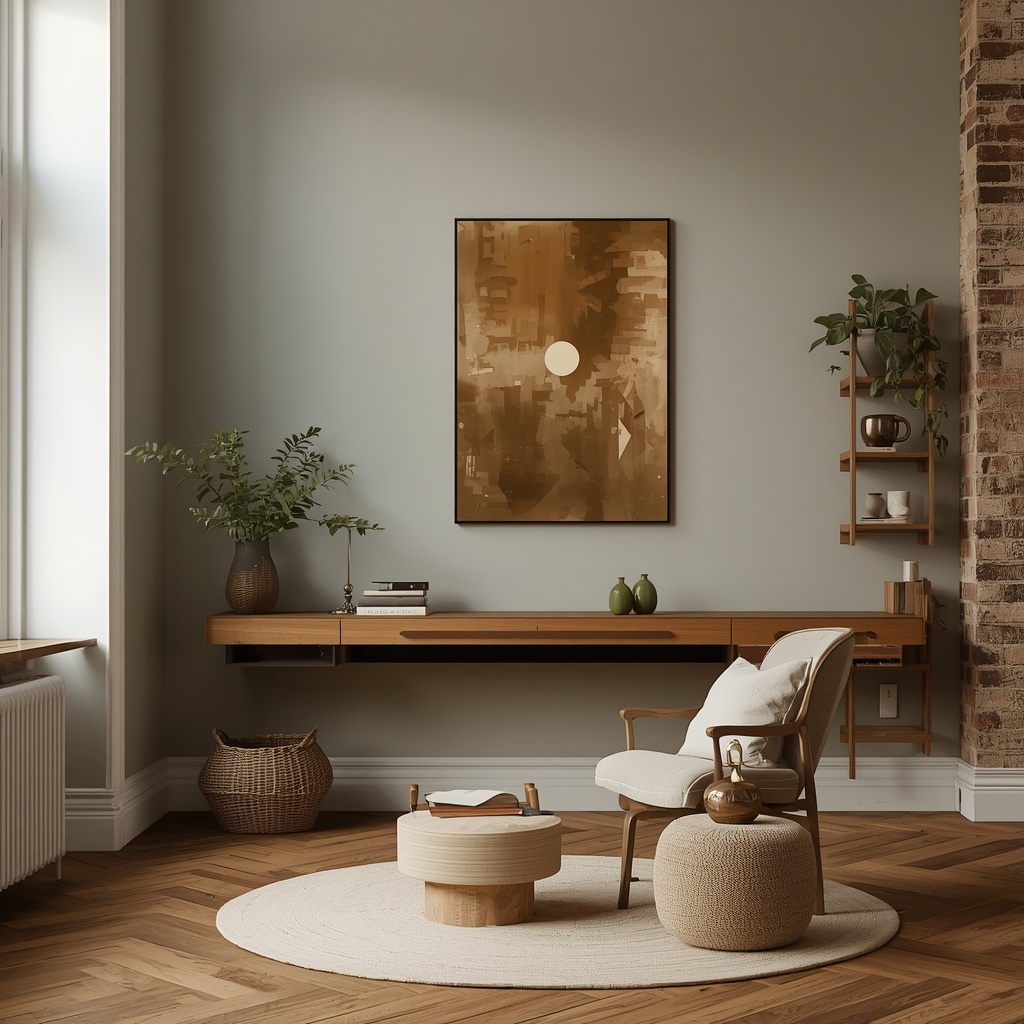
Below are my most-recommended sources for building an Acubi-inspired home in the United States, from accessible to investment-level:
| Budget Level | Where to Shop | Best For |
|---|---|---|
| Accessible ($) | IKEA, H&M Home, Amazon Handmade | Basic linen textiles, simple wooden frames, candles |
| Mid-Range ($$) | West Elm, Anthropologie Home, Crate & Barrel | Bouclé sofas, ceramic dishware, rattan furniture |
| Investment ($$$) | Pottery Barn, Article, Serena & Lily | Quality linen bedding, solid wood pieces, accent chairs |
| Thrift & Vintage | Facebook Marketplace, Chairish, local thrift stores | Unique ceramics, vintage rugs, worn leather chairs |
| Small Makers | Etsy, local craft fairs, farmers markets | Handmade pottery, woven textiles, dried botanicals |
Styling Your Shelves and Surfaces the Acubi Way
Acubi shelving is where the aesthetic gets genuinely personal and where most people struggle. The temptation is either to fill every inch (too chaotic) or to go sterile-sparse (too cold). The sweet spot is intentional imperfection — objects grouped by material or tone, with meaningful breathing room between groups.
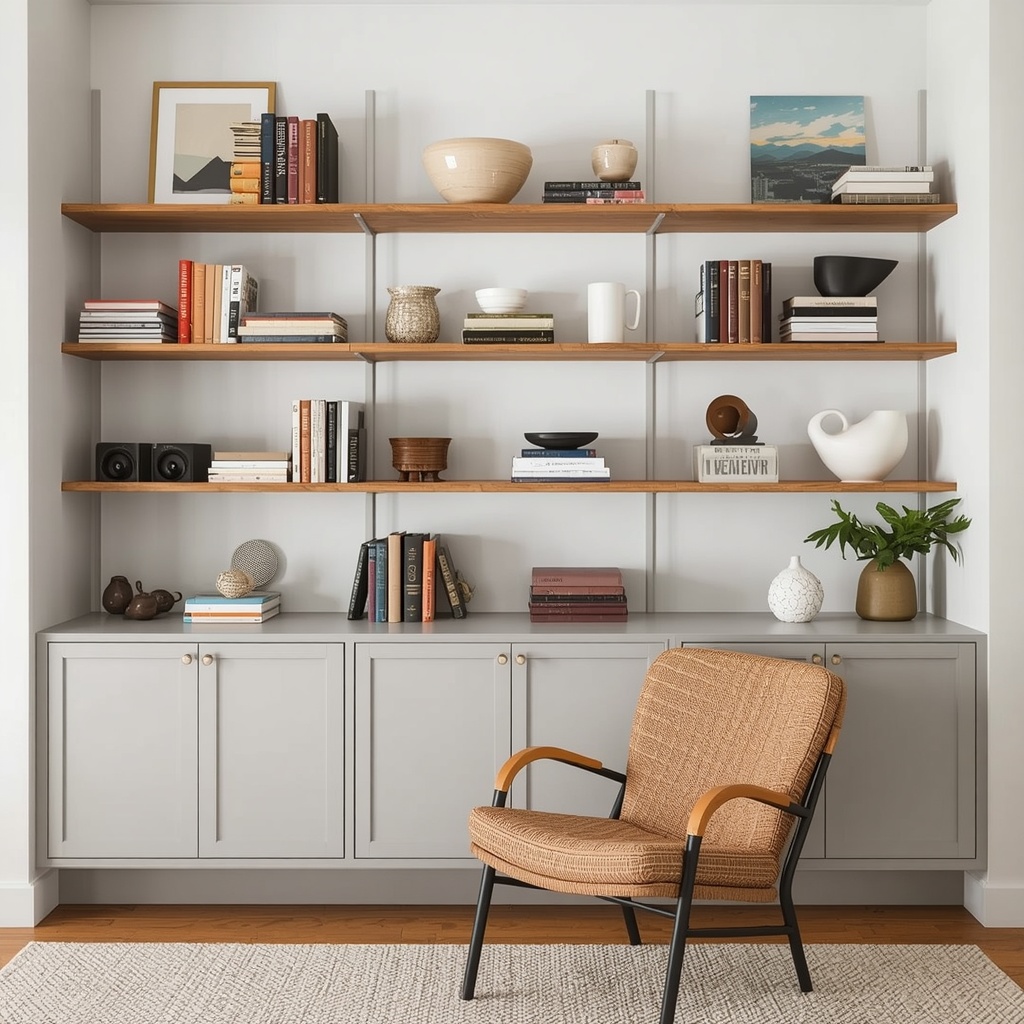
A rule I give every client: style in odd numbers. Three objects, five books, seven small ceramics. Even numbers feel arranged; odd numbers feel lived-in. Let books lie flat sometimes. Tuck a small plant behind a vase. Lean a print against the wall rather than hanging it. These small rebellions against formality are what give Acubi spaces their personality.
“The most beautiful shelves I’ve ever styled had at least one thing on them that didn’t match — and that was always the object that everyone asked about first.”— Personal design philosophy, studio practice
Acubi vs. Similar Aesthetics: What’s the Difference?
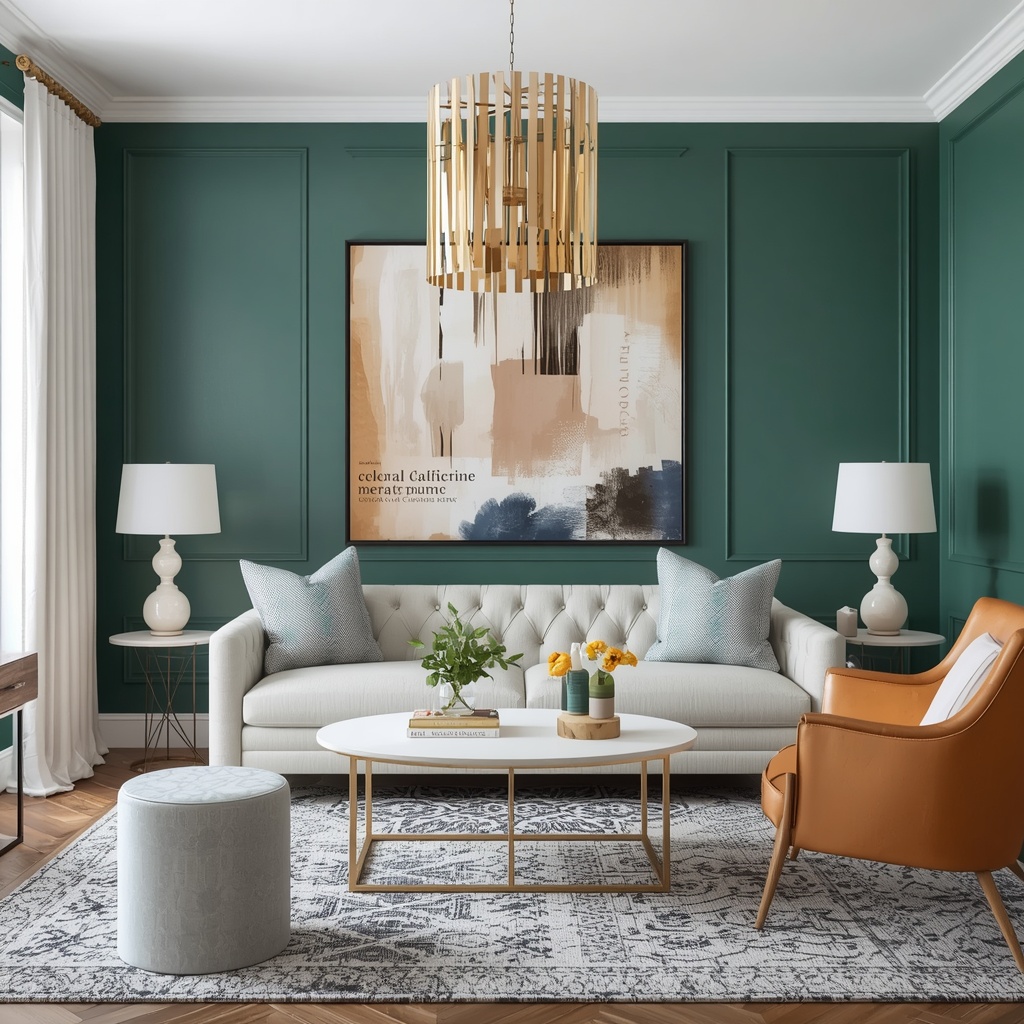
Because the Acubi aesthetic borrows DNA from several popular interior styles, it’s worth clarifying how it differs from its closest neighbors. Understanding these distinctions will help you make sharper choices when shopping and styling.
| Aesthetic | Feeling | Key Difference from Acubi |
|---|---|---|
| Japandi | Serene, structured minimalism | More rigid; Acubi allows personal clutter and warmth |
| Cottagecore | Whimsical, floral, rural nostalgia | More pattern and color; Acubi stays quieter and modern |
| Quiet Luxury | Understated wealth, polish | More formal; Acubi is casual and youthful |
| Wabi-Sabi | Imperfection, impermanence | Philosophical overlap, but Acubi is more fashion-forward |
| Dark Academia | Moody, literary, rich tones | Much darker; Acubi is always light and soft |
Common Mistakes to Avoid
After working with hundreds of clients across the US trying to nail this look, I’ve seen the same missteps come up again and again. Here are the ones to watch for:
- Going too gray. There’s a difference between Acubi’s warm neutrals and a generic gray palette. If your space feels cold or corporate, you’ve veered into “modern gray” territory. Warm everything up — a warmer rug, amber-toned wood, or a single honey-yellow textile can rescue the whole room.
- Over-styling the bookshelf. When every object looks perfectly placed, the room loses its personality. Remove three things from any shelf you’ve styled, then see how it feels. Usually better.
- Using synthetic materials. Polyester throws, plastic storage bins, and synthetic rugs are the aesthetic’s natural enemies. They’re immediately visible and undermine the organic warmth that makes Acubi work.
- Ignoring scent. Acubi spaces aren’t just visual — they feel a certain way. Beeswax candles, a cedar wood diffuser, or fresh eucalyptus in a simple vase all contribute to the full sensory experience. Don’t overlook this layer.
- Buying everything new. New furniture that has been mass-produced will rarely give you the character this aesthetic requires. Commit to sourcing at least 30% of your pieces secondhand.
Bringing It All Together: Your Acubi Room Checklist
Ready to get started? Here’s a simple room-by-room framework you can follow. You don’t need to do it all at once — the Acubi aesthetic is actually better built slowly, piece by piece, as you find objects that truly speak to you.
- ✦ Repaint or choose a warm neutral wall color (2700K lighting-compatible)
- ✦ Add a natural fiber rug as your base layer
- ✦ Source at least one vintage or secondhand furniture piece
- ✦ Layer linen or cotton textiles on seating and bedding
- ✦ Replace all overhead lighting with layered lamp sources
- ✦ Style shelves with handmade ceramics, books, and organic objects
- ✦ Introduce dried botanicals or trailing greenery
- ✦ Choose one meaningful personal object for each surface
- ✦ Add a sensory element — candle, diffuser, or fresh botanicals
- ✦ Edit ruthlessly: remove anything synthetic, harsh, or purely decorative
The Acubi aesthetic is ultimately about designing a home that feels like you — not a showroom, not an influencer’s backdrop, but an honest, cozy, personal space where you genuinely want to spend time. Take your time with it. Let the space evolve as you discover pieces that feel right. That slow accumulation of meaningful, beautiful things is exactly what this aesthetic is all about.