
Walk into any home featured on your favorite design blog and you’ll notice a common thread: plants aren’t just sitting on windowsills anymore. They’re floating overhead, trailing down bookshelves, and framing doorways like living curtains. Hanging planters have become one of the most talked-about home decor trends, and for good reason — they solve a problem that floor plants and tabletop pots simply can’t.
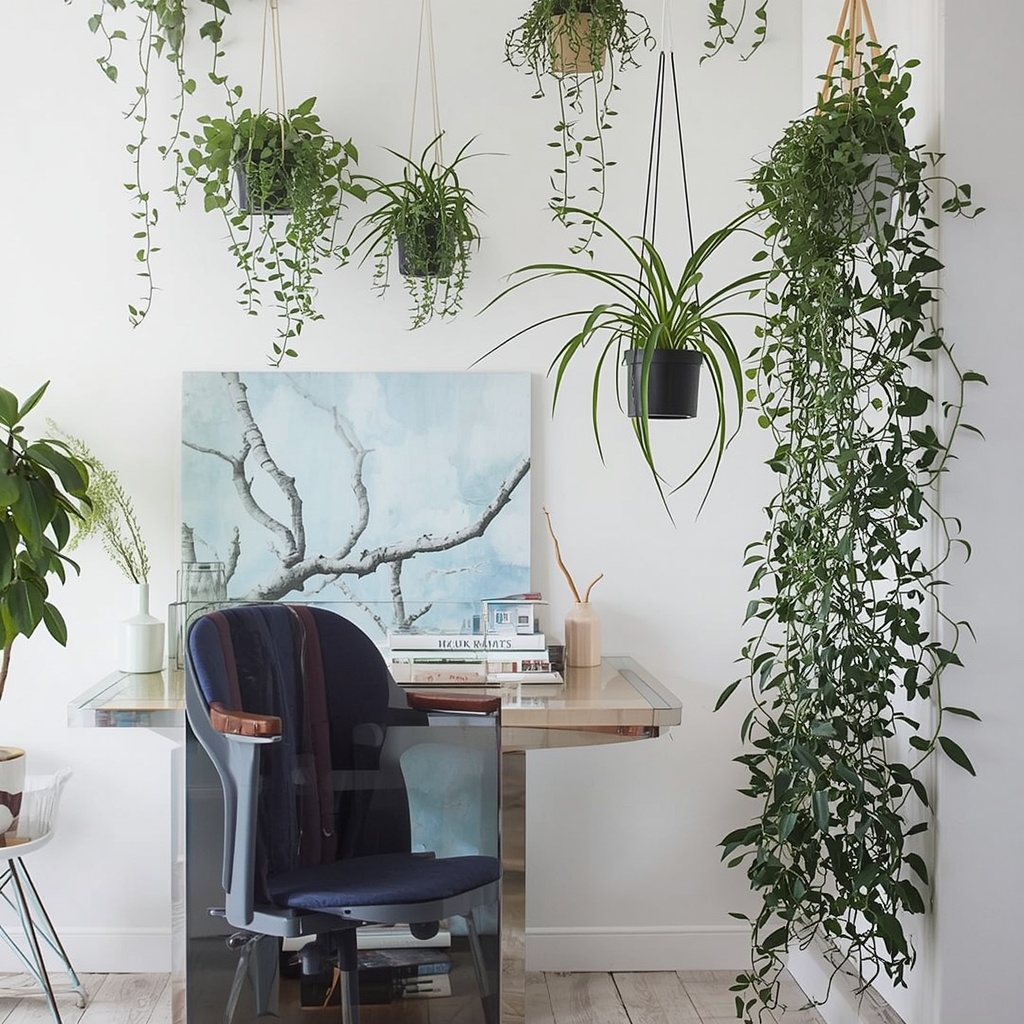
When greenery hangs at eye level, it does something psychologically powerful: it draws your gaze upward and outward, making rooms feel taller, softer, and more alive. As an interior designer, I’ve watched hanging planters transform sterile apartments into warm, editorial-worthy spaces in a single afternoon. This guide walks you through everything you need to know — from choosing the right planter to styling a jungle-inspired ceiling display that won’t collapse on your dinner guests.
Why Hanging Planters Are Having a Moment
Vertical gardening isn’t new, but its resurgence in American homes is tied directly to smaller living spaces and a renewed appreciation for biophilic design — the idea that humans function better when surrounded by natural elements. Hanging planters let renters and homeowners alike introduce lush greenery without sacrificing precious floor or counter space.
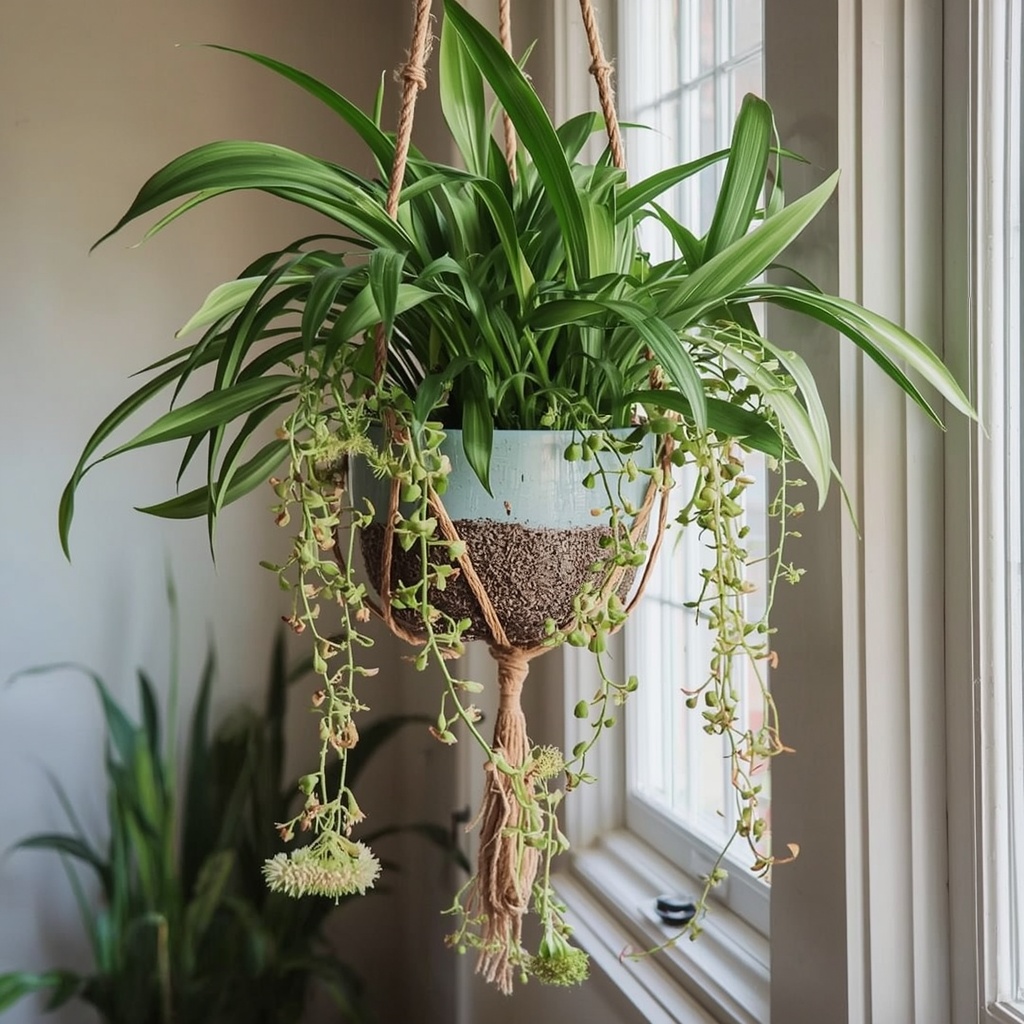
There’s also a visual storytelling element at play. A single trailing pothos in a macrame hanger can anchor an empty corner, soften a stark window, or add movement to an otherwise flat gallery wall. Unlike a potted plant that competes with furniture for attention, a hanging planter exists in its own layer of the room — literally and visually elevated above the clutter of daily life.
Choosing the Right Hanging Planter for Your Space
Not all hanging planters are created equal. Material, drainage, and weight all affect where and how you can install one. Before you buy, think about your room’s existing textures, your ceiling type, and how much maintenance you’re realistically willing to do.
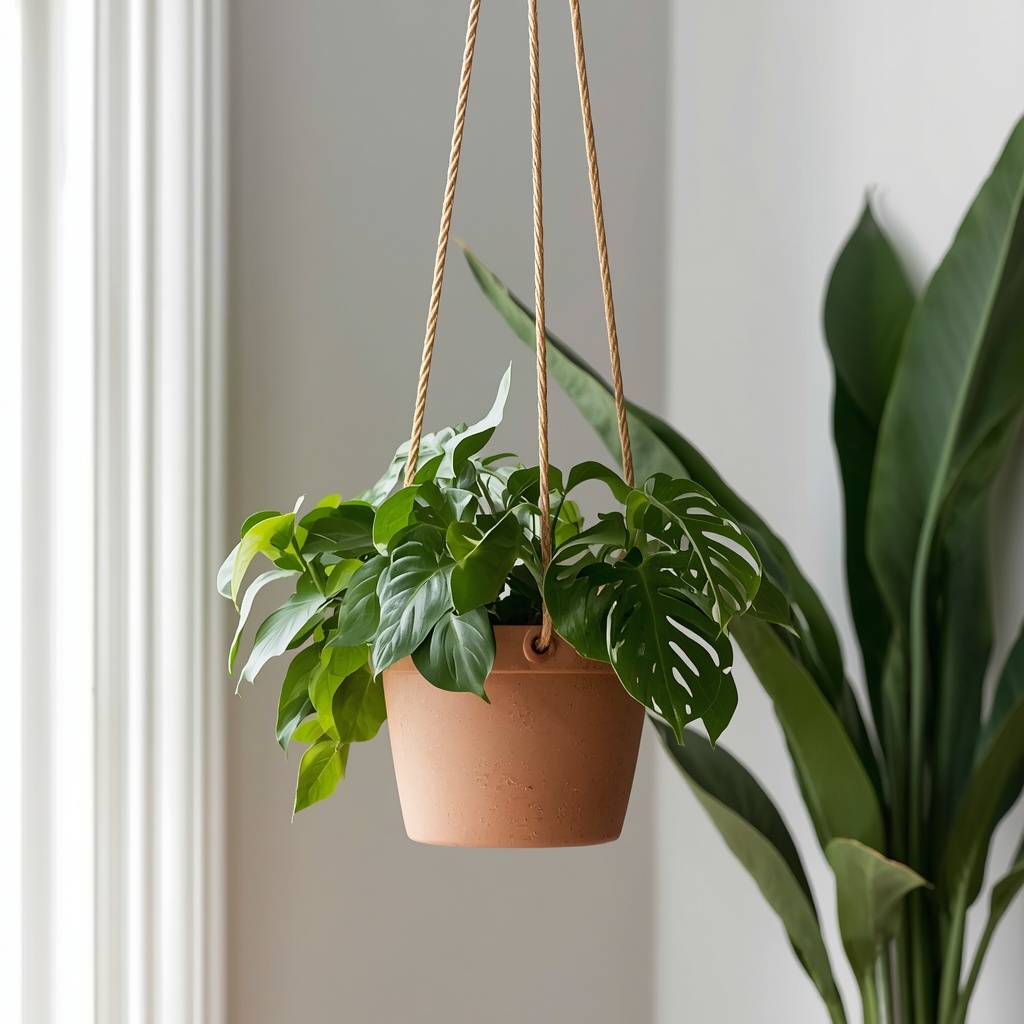
The table below breaks down the most popular styles so you can match the right planter to your decor style and skill level.
| Planter Type | Best For | Maintenance Level | Design Style |
|---|---|---|---|
| Macrame hangers | Lightweight pots, boho spaces | Low | Bohemian, coastal |
| Ceramic hanging pots | Statement pieces, living rooms | Medium | Modern, minimalist |
| Glass terrarium hangers | Succulents, air plants | Low | Contemporary, Scandinavian |
| Self-watering hanging planters | Busy households, offices | Very low | Transitional, modern |
| Metal wire baskets | Kitchens, patios | Medium | Farmhouse, industrial |
| Wall-mounted planter shelves | Small apartments, hallways | Medium | Eclectic, mid-century |
Semantic keyword note: whether you’re searching for indoor hanging plants, wall-mounted planters, or self-watering planters, the right pick always comes down to light exposure, ceiling structure, and your own watering habits.
Best Plants for Hanging Planters
Trailing and cascading plants are the natural stars of vertical gardening because their growth habit is designed to spill downward. Choosing the right species also determines how much sunlight, humidity, and attention your hanging garden will need.
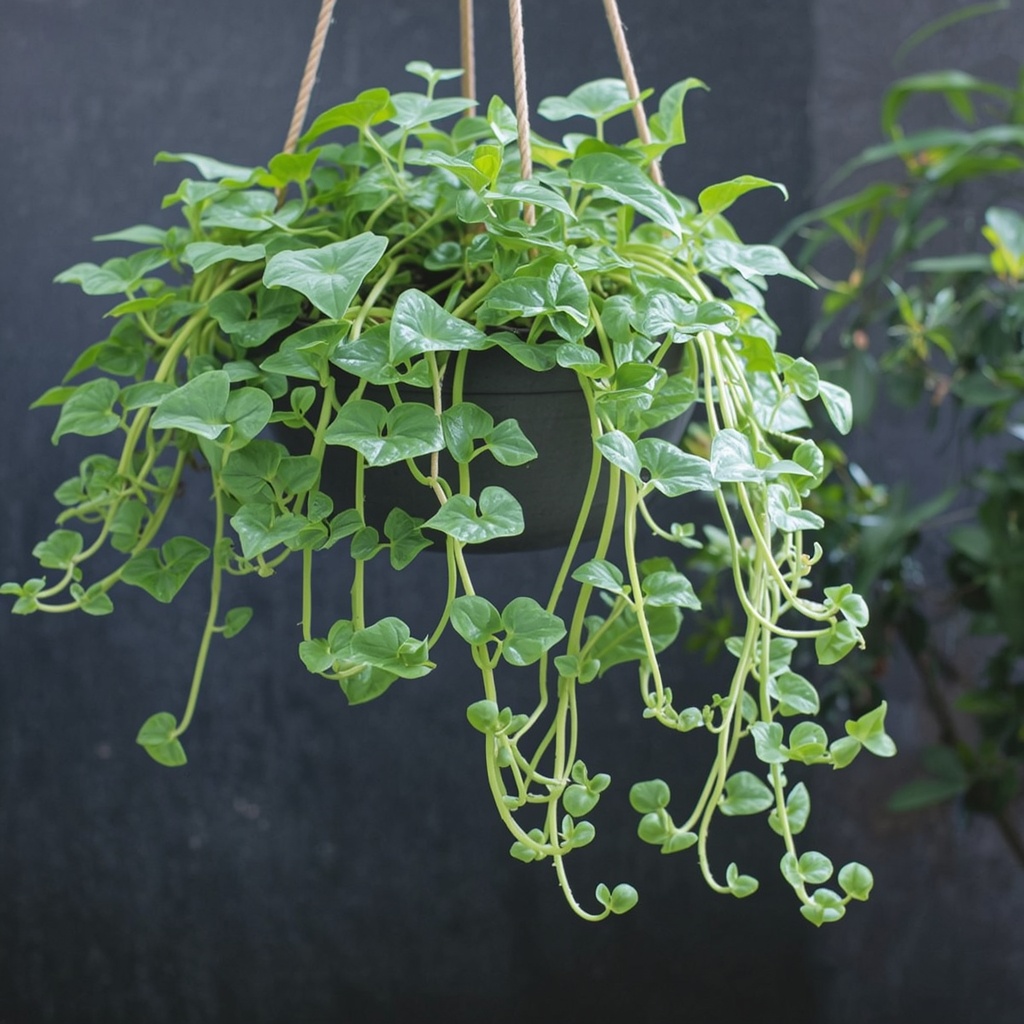
Here are reader-favorite options, organized by care difficulty:
- Beginner-friendly trailing plants: Pothos, philodendron, spider plant
- Intermediate options: String of pearls, string of hearts, English ivy
- Low-light champions: Heartleaf philodendron, ZZ plant (in a wide hanging bowl), pothos
- High-humidity lovers (great for bathrooms): Boston fern, maidenhair fern
- Drought-tolerant picks: String of bananas, burro’s tail, air plants in glass hangers
“The best hanging plant is the one you’ll actually remember to water. Start with a pothos — it’s nearly impossible to kill and looks intentional even when it’s thriving on neglect.” — a sentiment echoed by houseplant enthusiasts across gardening communities and one I repeat to every client who says they “don’t have a green thumb.”
Where to Hang: Creative Placement Ideas Room by Room
Eye-level greenery works because it interacts with your daily sightlines. The trick is identifying spots in each room where a plant will be seen often but won’t interfere with movement or function.
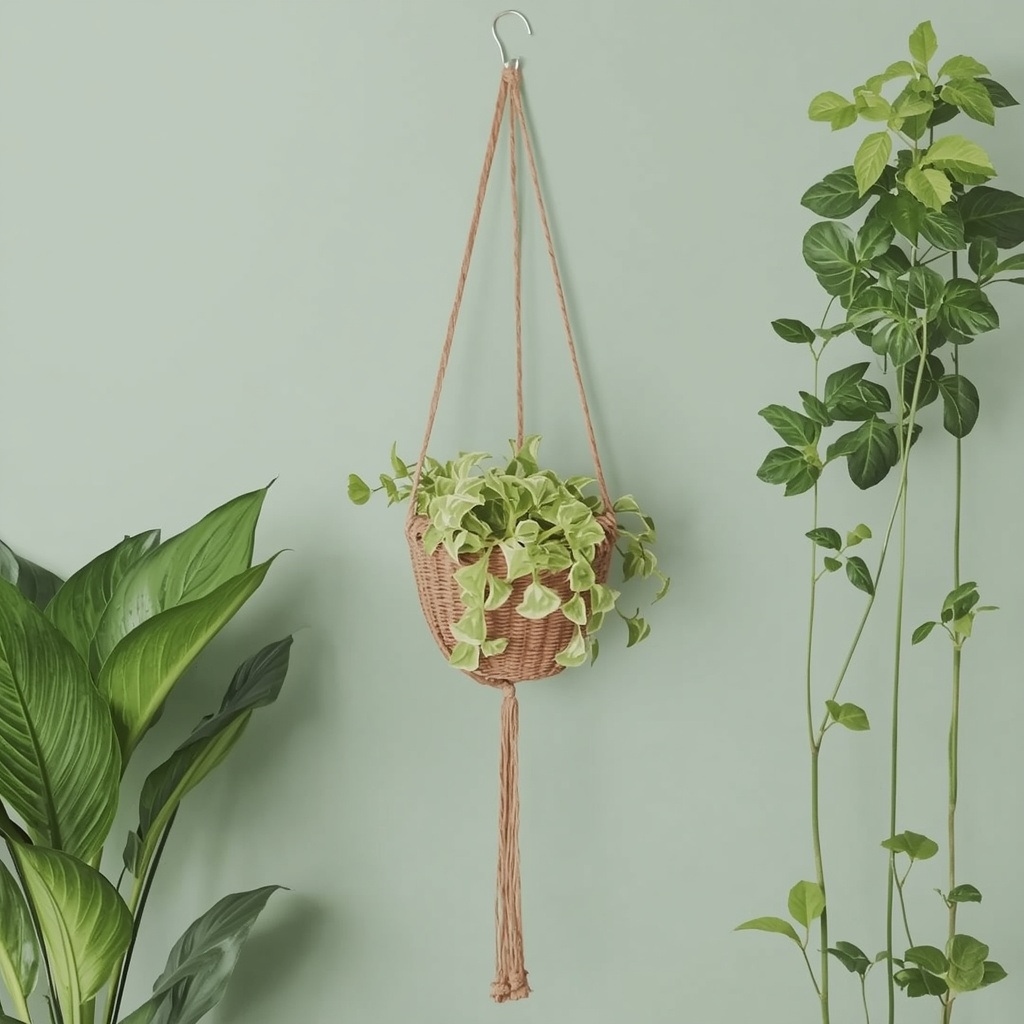
Living Room
- Flank a window with two symmetrical hanging planters for balance
- Suspend a trailing plant beside a bookshelf so vines can weave through the shelves
- Hang a single statement planter in an empty corner to soften hard angles
Kitchen
- Install a row of small hanging herb planters above a sunny counter
- Use S-hooks on an existing curtain rod for a no-drill herb garden
- Hang a trailing plant near (not directly over) the sink for humidity-loving varieties
Bathroom
- Ferns thrive near a shower where steam provides natural humidity
- Use a ceiling hook near the window for indirect but consistent light
- Choose plastic or ceramic pots that won’t warp from moisture
Bedroom
- Keep hanging plants low-maintenance since bedrooms often get less natural light
- Hang one planter near a reading nook for a cozy, layered feel
- Avoid placing anything directly above the bed
Home Office
- A hanging planter beside a desk adds a calming, biophilic touch during video calls
- Choose air-purifying varieties like pothos or spider plants for better indoor air quality
Macrame Magic: The Boho Revival
Few decor trends have made as strong a comeback as macrame plant hangers. Originally popular in 1970s homes, the knotted cotton cord aesthetic has returned with a more refined, neutral-toned twist that fits modern boho, coastal, and even minimalist interiors.
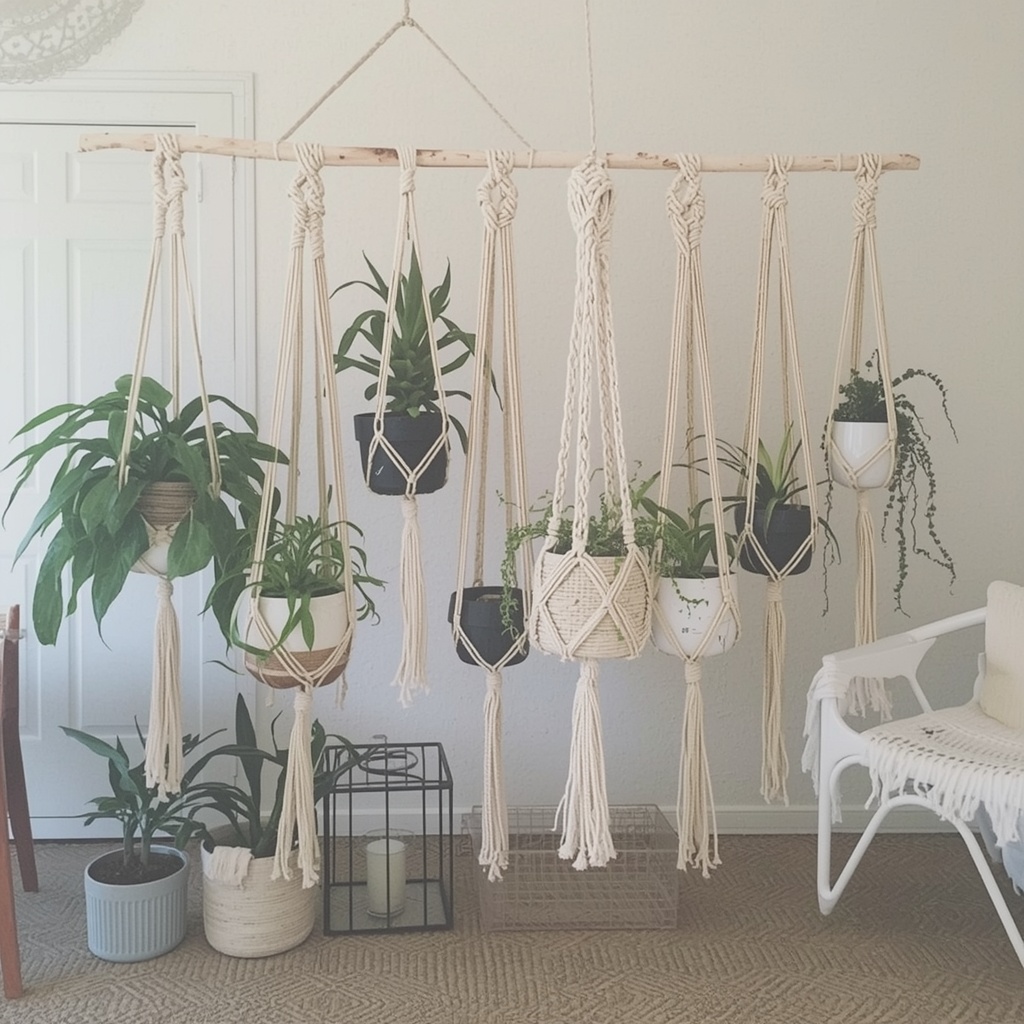
What makes macrame so versatile is its texture. Where a ceramic pot reads as sculptural and solid, a macrame hanger feels soft and organic, almost like the plant is being cradled rather than displayed. Pairing several macrame hangers at staggered heights creates a layered, gallery-like effect that costs a fraction of what a custom shelving unit would run.
Installation & Safety: Anchoring Your Greenery the Right Way
This is the step most homeowners rush — and the one that causes the most damage when done wrong. A wet, fully-grown hanging planter can weigh anywhere from 10 to 40 pounds, which means a flimsy adhesive hook simply won’t hold long-term.
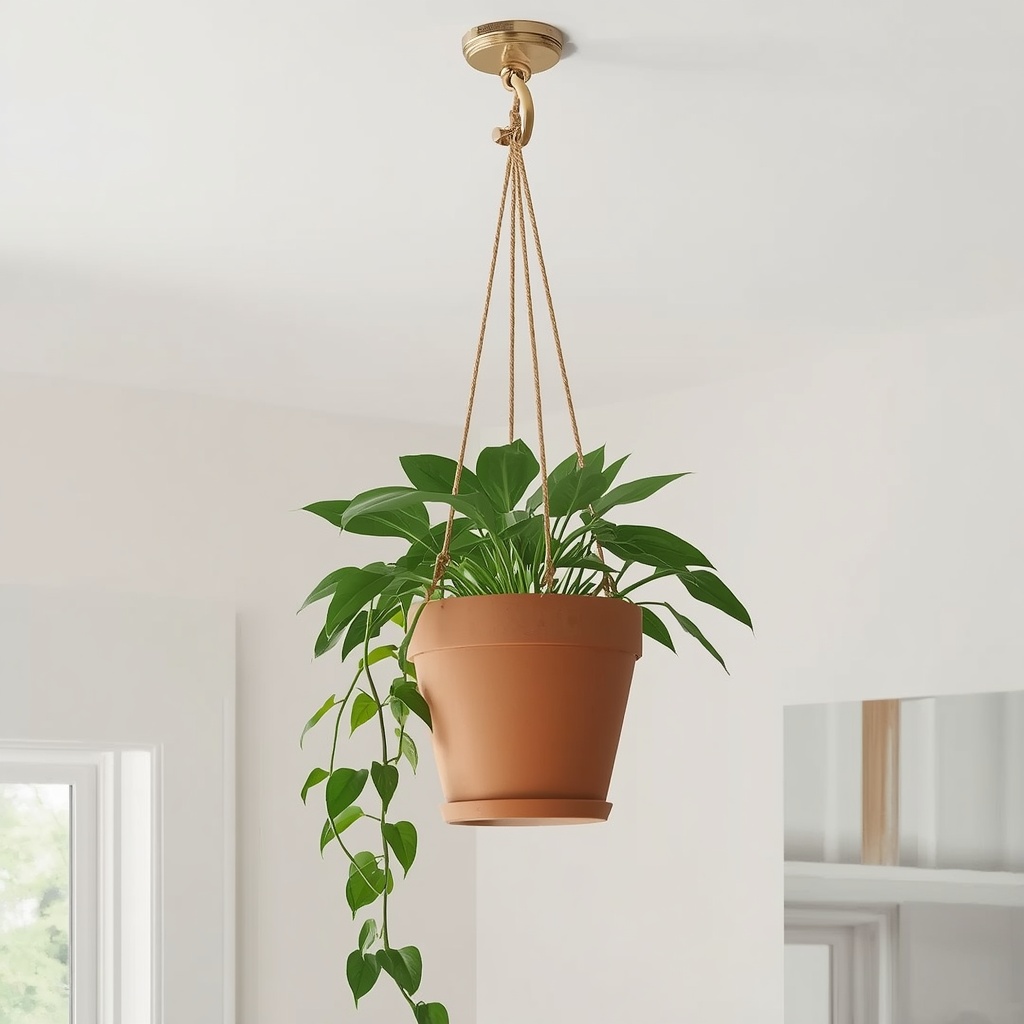
For drywall ceilings, always locate a joist or use a rated toggle bolt anchor designed for the specific weight of your planted pot. Renters can use tension rods between walls or freestanding plant stands with built-in hooks to avoid drilling altogether. Always test your installation with an empty pot first before adding soil and a fully grown plant.
Pro Tip: Before hanging any planter, weigh the pot with wet soil (water adds significant weight) and choose a hook or anchor rated for at least twice that weight. This buffer accounts for plant growth over time and prevents the sagging or ceiling damage that sends most DIY hanging gardens crashing down within the first year.
Styling Tips: Layering Heights and Textures
Interior design rule of thumb: odd numbers and varied heights create more visual interest than symmetry alone. When grouping hanging planters, stagger them at three different drop lengths — short, medium, and long — so the eye travels naturally through the display instead of hitting a flat, uniform line.
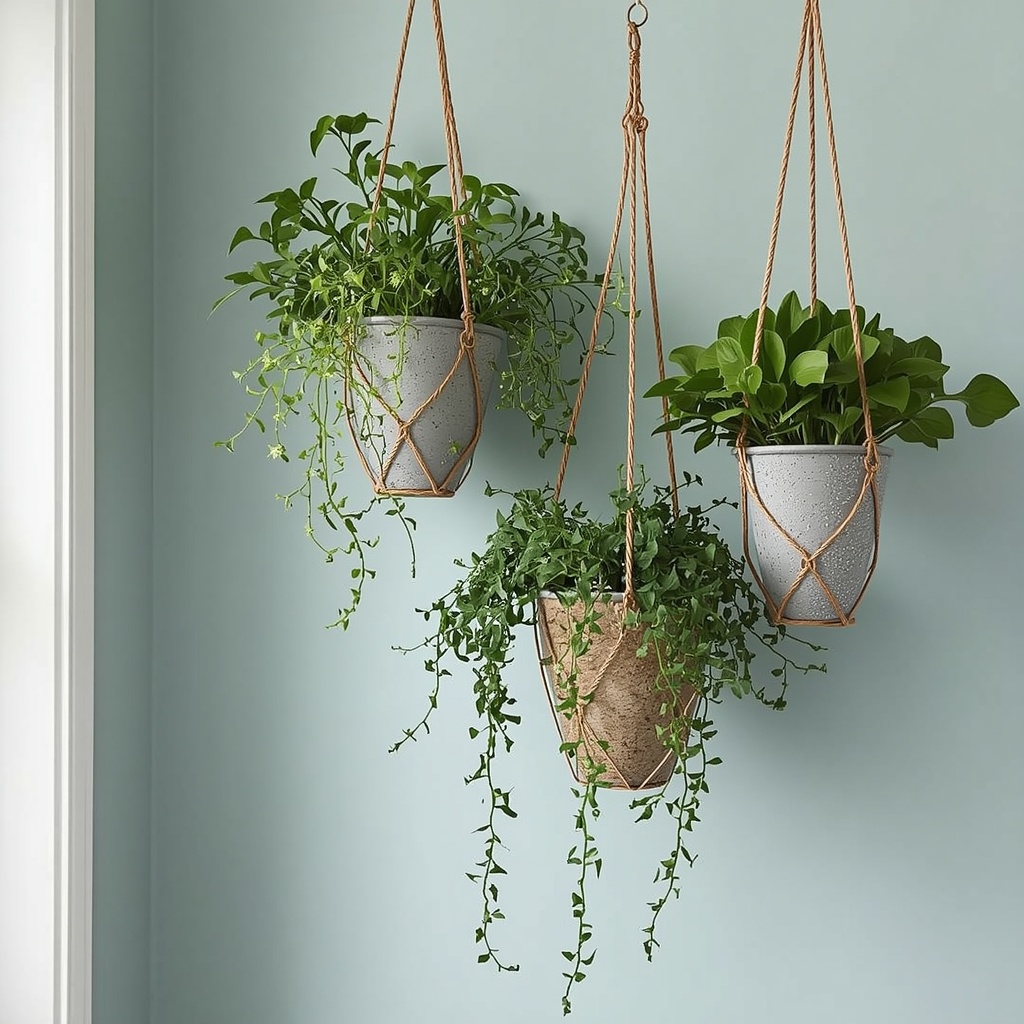
Mixing textures matters just as much as mixing heights. Pair a smooth ceramic planter with a textured macrame hanger and a sleek glass terrarium to keep the eye engaged. This layering technique is the same principle used in gallery wall design, just applied vertically instead of across a flat surface.
Low-Maintenance Hanging Gardens for Busy Homeowners
Not everyone wants to manage a watering schedule for six trailing plants. Self-watering hanging planters have become increasingly popular for exactly this reason — they use a reservoir system that wicks moisture to the roots gradually, often requiring refills only every two to three weeks.
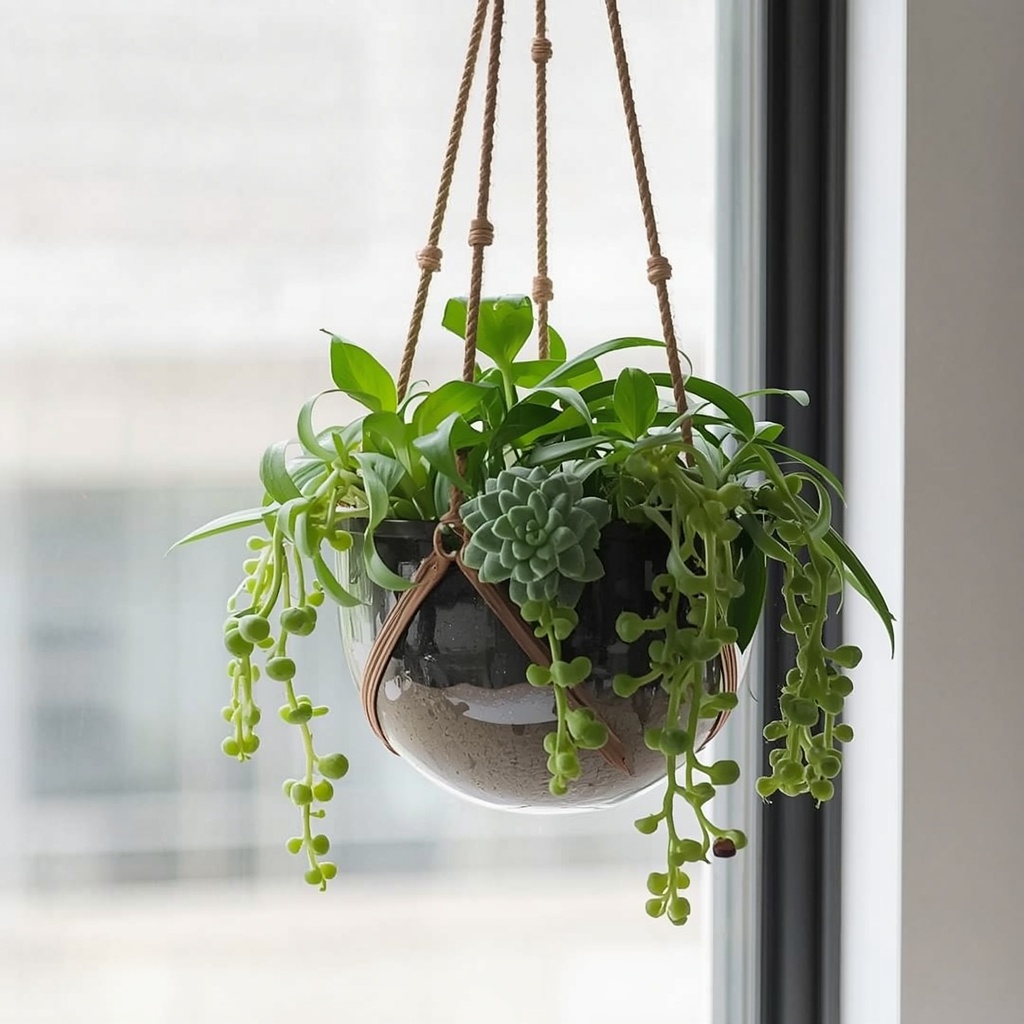
If you travel frequently or simply forget to water, consider grouping drought-tolerant succulents like string of bananas or burro’s tail in a single terrarium-style hanger near a bright window. These plants store water in their leaves and can comfortably go three to four weeks between waterings without stress.
Common Mistakes to Avoid
Even experienced plant parents run into the same pitfalls when moving greenery off the ground and onto the ceiling. Awareness of these issues upfront saves both your plants and your walls.
- Overwatering trailing plants because drainage is harder to monitor overhead
- Choosing the wrong light exposure — many trailing plants need bright, indirect light, not direct sun
- Ignoring weight limits on hooks, especially after watering
- Hanging plants too close together, which restricts airflow and invites pests
- Skipping drip trays, leading to water stains on floors and furniture below
Frequently Asked Questions
How high should I hang my planters? Aim for eye level or slightly above, typically 5 to 6 feet from the floor, so leaves can trail without brushing against furniture or heads.
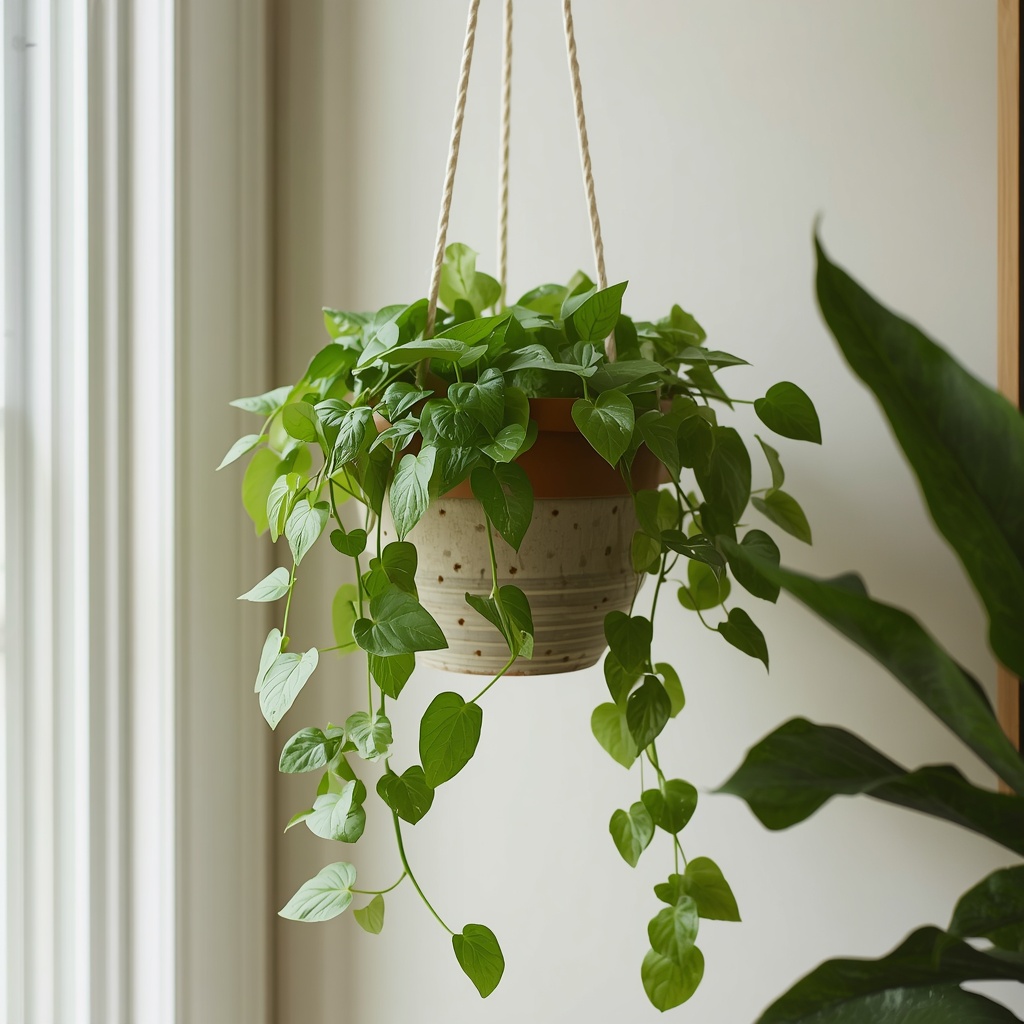
Do hanging planters need drainage holes? Yes, ideally. If your decorative planter lacks drainage, use a plastic nursery pot with holes inside it and remove excess water after each watering session.
Can I hang planters without drilling into the ceiling? Absolutely. Tension rods, adjustable curtain rods, and freestanding plant stands with hooks all work well for renters avoiding permanent installation.
What’s the best plant for a beginner’s first hanging planter? Pothos remains the most forgiving option — it tolerates inconsistent watering, low light, and general neglect while still producing long, trailing vines.
Bringing It All Together
Hanging planters aren’t just a passing decor trend; they’re a practical, design-forward solution for anyone who wants more greenery without sacrificing floor space. Whether you go full boho with layered macrame hangers or keep it minimal with a single self-watering pot by the kitchen window, the key is thoughtful placement and proper installation.
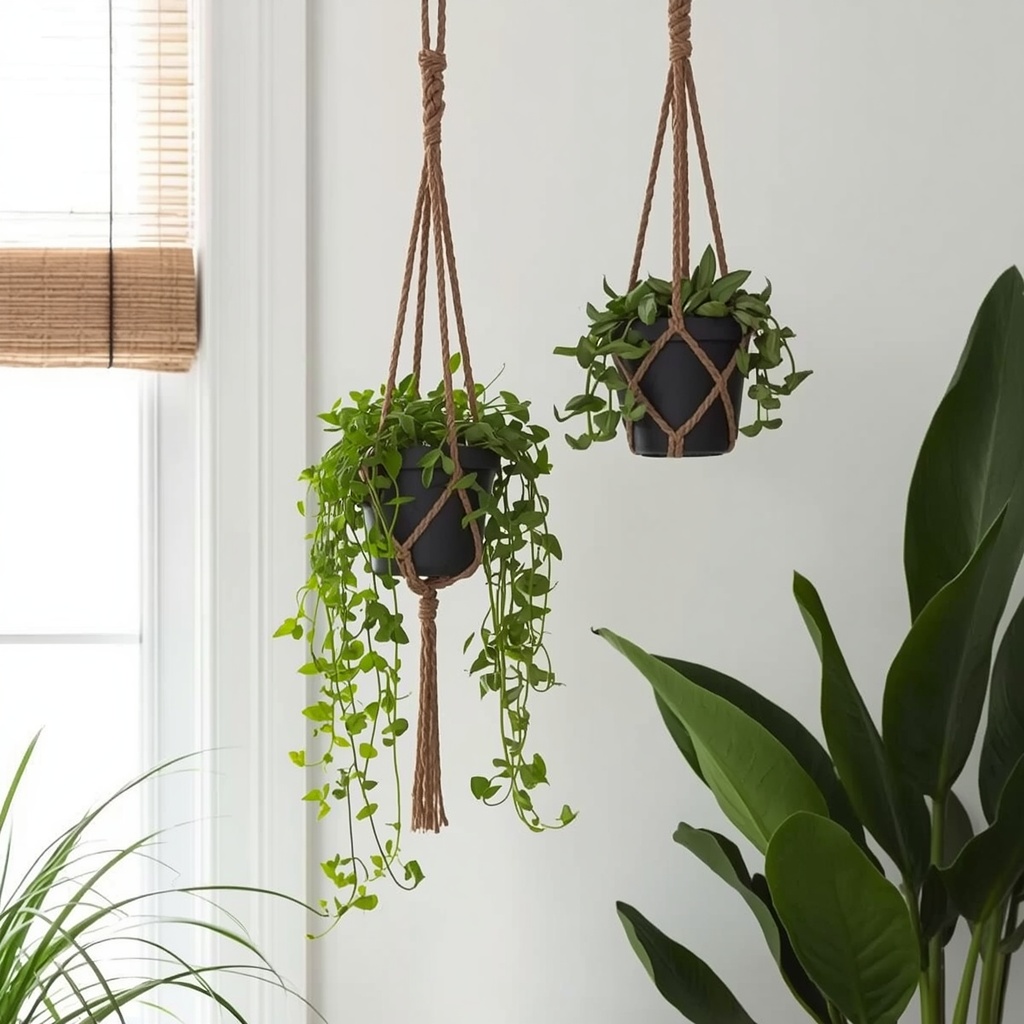
Start small. Choose one beginner-friendly trailing plant, anchor it properly, and see how quickly that single spot of eye-level greenery changes the feel of the room. Once you experience the difference, you’ll likely find yourself eyeing every empty corner in your home as its next hanging garden.