
Meta description: Discover how modular furniture systems help small homes work harder. Get designer tips, layouts, budgets, and buying advice for flexible, space-saving living.
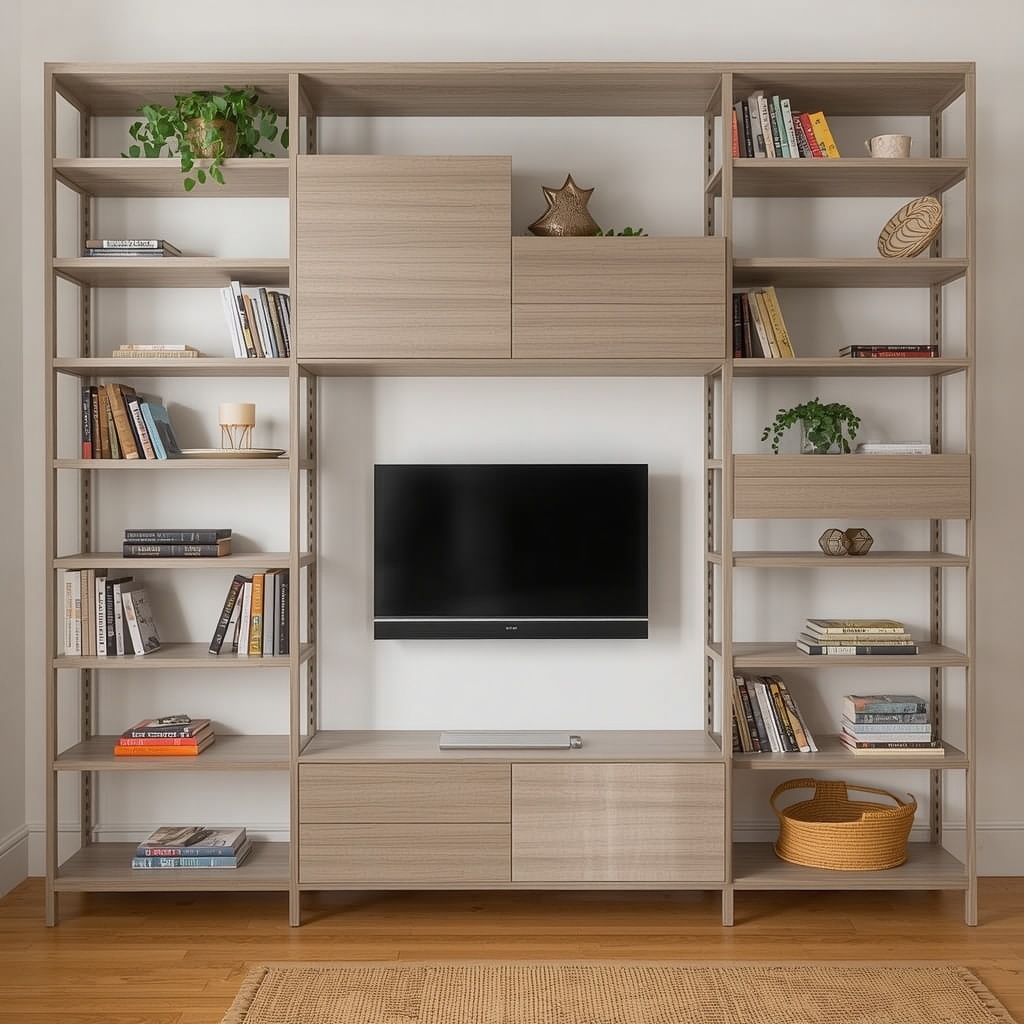
I’ve spent years helping clients make 600-square-foot apartments feel like 900. The secret is rarely a bigger footprint. It’s furniture that adapts to how you actually live.
Modular furniture systems are one of the smartest tools in the small-space toolkit. They let you reconfigure, expand, or shrink your setup as your needs change, so your home keeps up with your life instead of working against it.
Why Modular Furniture Is Perfect for Small Homes
Small homes in cities like New York, Chicago, and Seattle are asked to do a lot. A single room might serve as an office by day, a dining area by night, and a guest room on weekends. Traditional furniture locks you into one layout and one purpose.
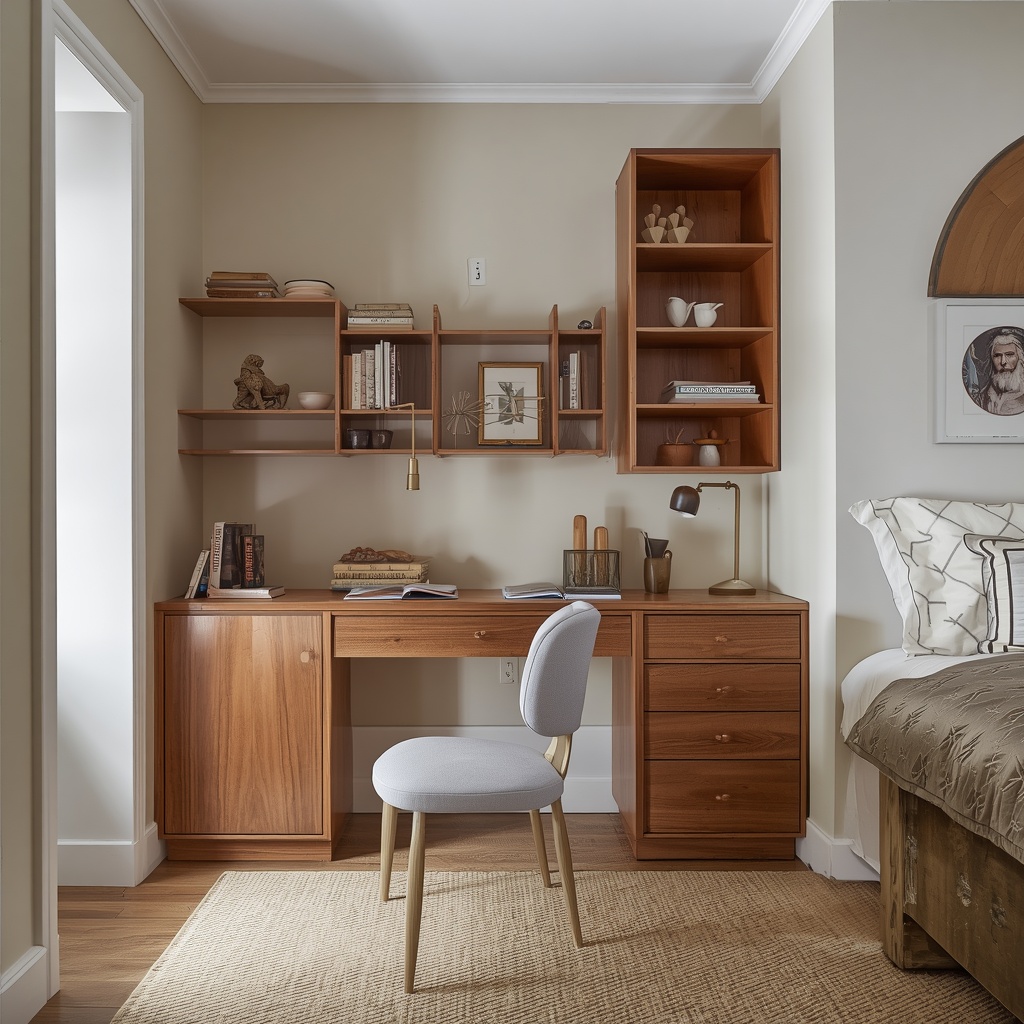
Modular pieces break that rule. Because each unit is designed to connect, stack, or rearrange, you can change the room’s function in minutes. That flexibility is exactly what renters, first-time buyers, and downsizers need.
There’s a financial angle too. Moving is expensive, and a sofa that doesn’t fit your next living room is a costly mistake. Modular furniture travels well, since you can add or remove sections to fit a new floor plan.
“Form follows function.” — Louis Sullivan, architect
That famous line is the heart of modular design. Every piece earns its place by doing real work.
What Is a Modular Furniture System?
A modular furniture system is a collection of standardized components that fit together in multiple ways. Think of it like building blocks for your home: sofa sections, shelving cubes, storage boxes, and tabletop modules that you assemble to match your space.
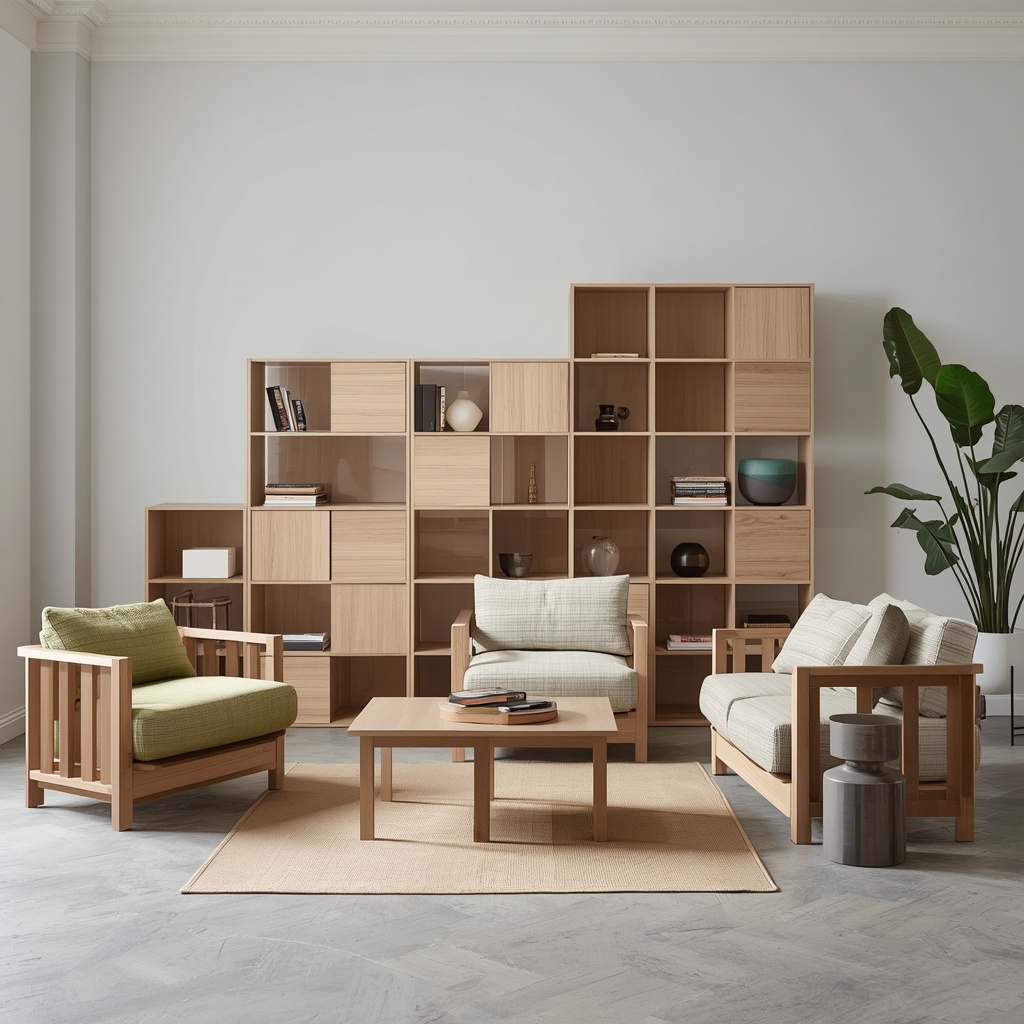
The best systems share a common design language, including consistent dimensions, connection hardware, and finishes. This keeps the look cohesive even as you rearrange or expand. Brands like IKEA, Burrow, and Floyd have built their reputations on this approach.
Core characteristics of true modular furniture:
- Interchangeable parts that connect securely
- Scalable design (start small, add later)
- Tool-free or simple assembly in most cases
- Consistent finishes and measurements across pieces
- Multiple configuration options from the same components
The Biggest Benefits of Going Modular
Before we get into specific pieces, here’s why I recommend modular systems to nearly every small-space client.
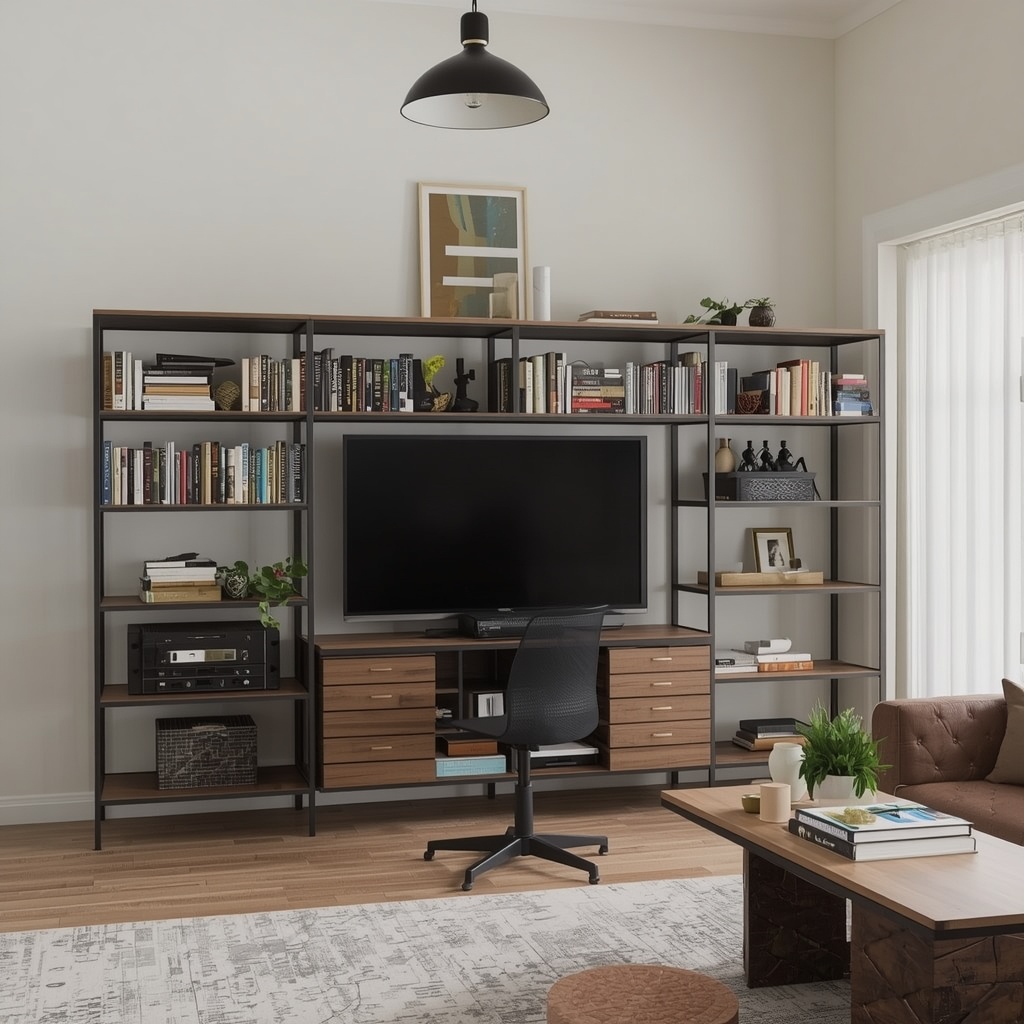
- Adaptability: Reconfigure your layout for hosting, working, or relaxing.
- Scalability: Buy what you need now and add pieces as your budget or space grows.
- Easy delivery: Individual modules fit through narrow stairwells and tight elevators. This matters in prewar buildings.
- Longevity: If one section is damaged, you replace that piece rather than the whole item.
- Better resale value: Quality modular pieces hold their appeal across different living situations.
- Visual lightness: Open shelving and low-profile modules keep sightlines clear, so rooms feel larger.
For anyone renting, the portability alone is a game changer. You’re investing in furniture that moves with you, whatever the next floor plan looks like.
Types of Modular Furniture at a Glance
Not all modular furniture is created equal. This table breaks down the main categories and where each one shines.
| Type | Best For | Space-Saving Rating | Flexibility |
|---|---|---|---|
| Modular sectional sofa | Living rooms, studios | ★★★★☆ | Very high |
| Cube/shelving systems | Any room, room dividers | ★★★★★ | Very high |
| Murphy (wall) beds | Studios, guest rooms | ★★★★★ | Medium |
| Nesting tables | Living and dining areas | ★★★★★ | High |
| Stackable storage | Closets, entryways | ★★★★☆ | High |
| Fold-down desks | Home offices, bedrooms | ★★★★★ | Medium |
| Expandable dining tables | Dining nooks, kitchens | ★★★★☆ | High |
| Modular kitchen islands | Small kitchens | ★★★☆☆ | Medium |
Modular Sofas and Sectionals: The Living Room Workhorse
The sofa is usually the largest item in a living room, so getting it right matters most. A modular sofa lets you build the exact shape your room needs, whether that’s a compact loveseat, an L-shape that anchors a corner, or a chaise-forward lounge.
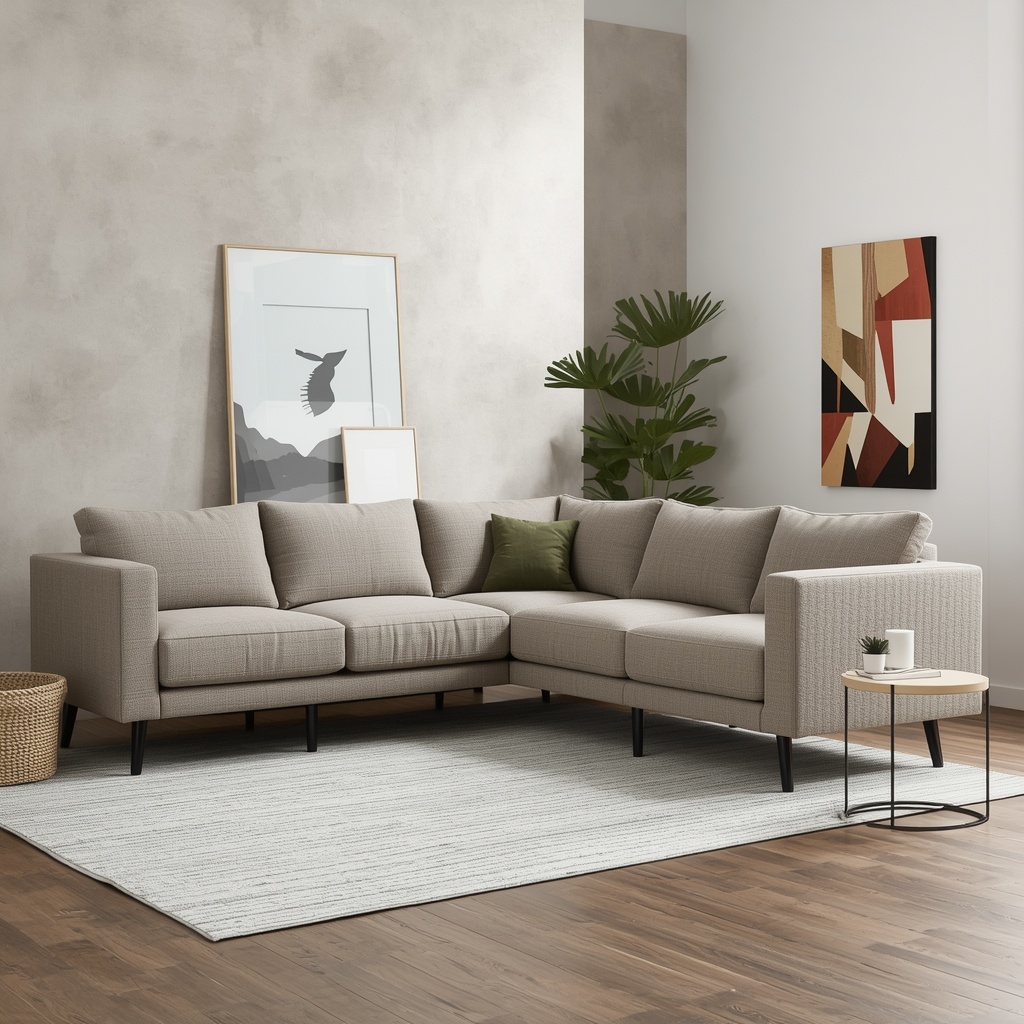
I love modular sofas for their “grow with you” quality. Start with two seats and a corner, then add an ottoman or extra section when you upgrade apartments. Many modern designs from brands like Burrow and Article are built around this idea.
What to look for when shopping:
- Secure connectors that don’t slide apart
- Removable, washable covers (essential with kids and pets)
- Seat depth between 21 and 24 inches for small rooms
- Low, slim arms to save visual and physical space
- Hidden storage in chaise or ottoman units
Pro Tip: Before you buy, tape the sofa’s footprint on your floor with painter’s tape. Walk around it for a day. If you’re squeezing past it to reach a window or door, size down or choose a configuration with a smaller chaise.
Modular Storage and Shelving: Vertical Space Is Your Friend
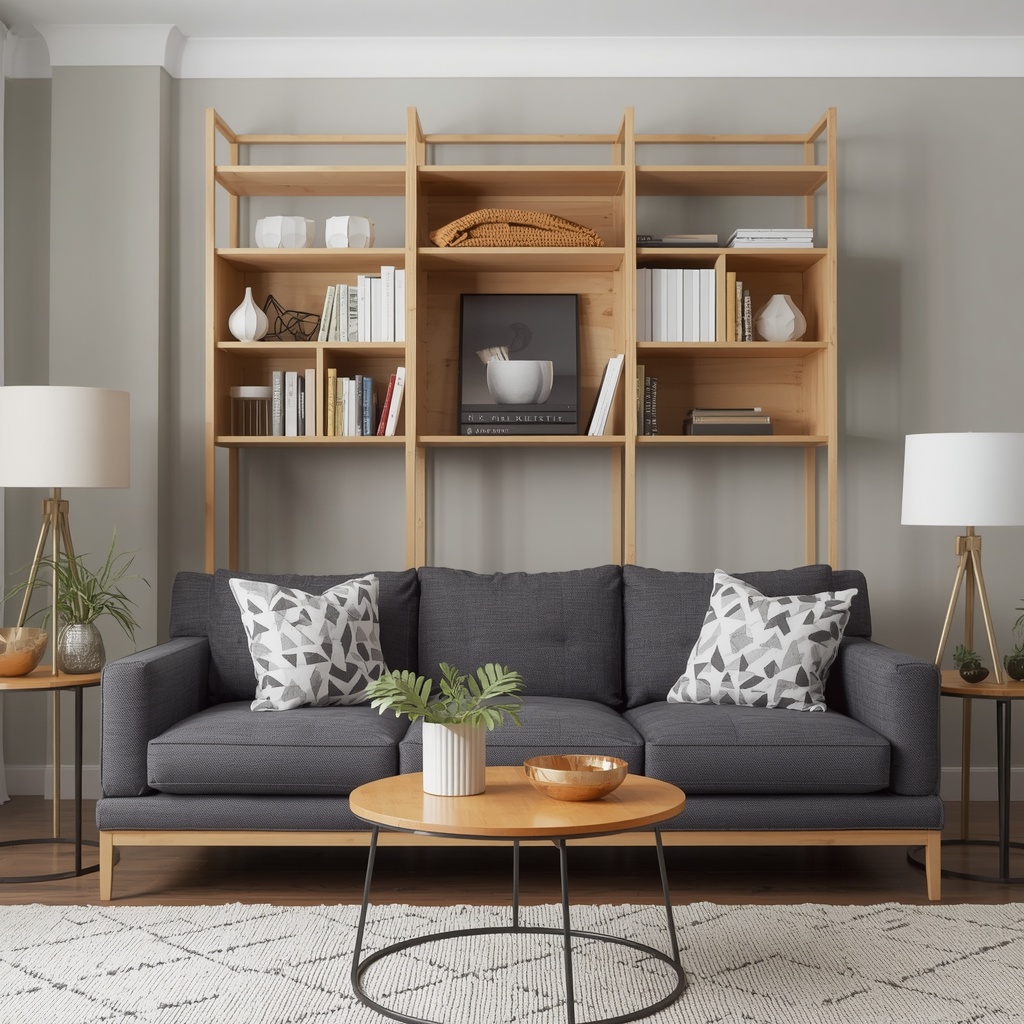
In small homes, floor space is limited, but wall height is often underused. Modular shelving systems let you build upward, adding storage without crowding the room. Cube units, track-and-bracket systems, and stackable cabinets are all excellent options.
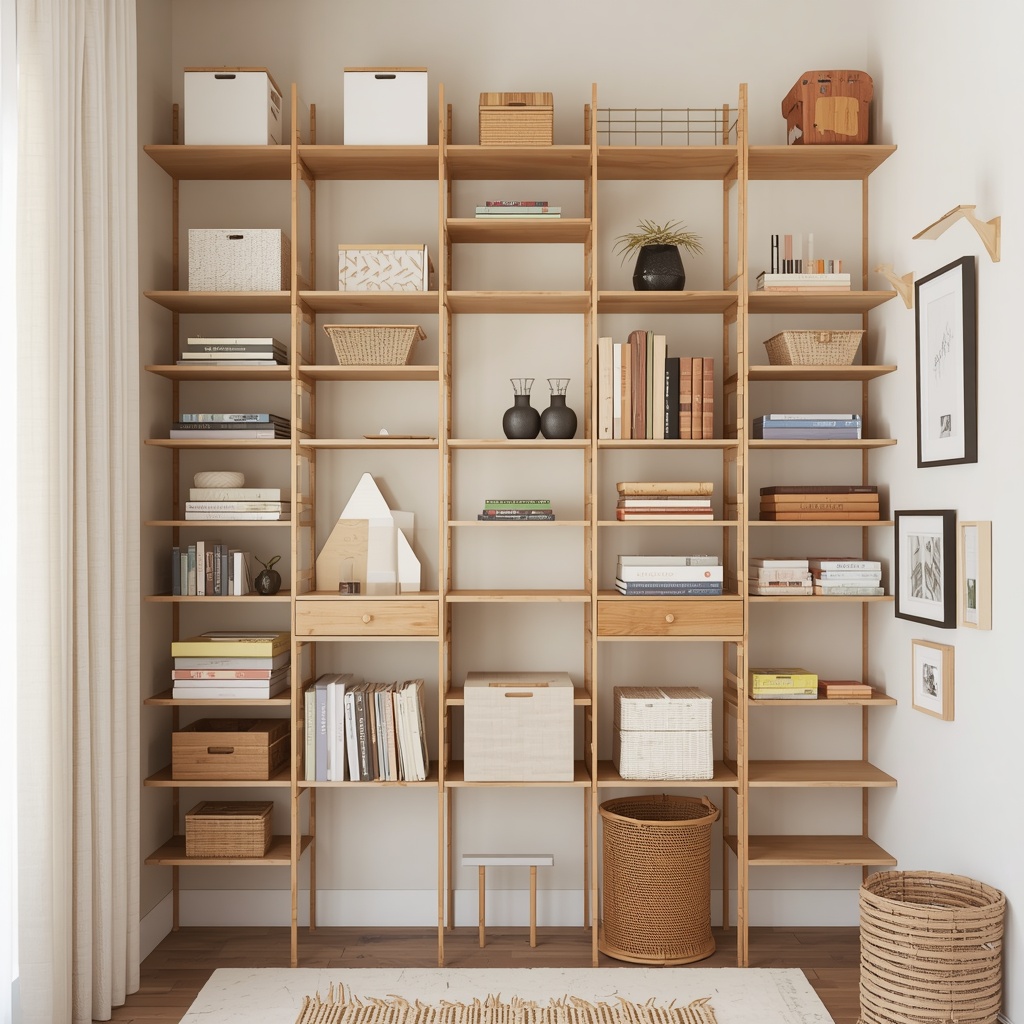
The beauty is customization. You can mix open shelves for display with closed doors for clutter, and adjust the configuration as your belongings change. Systems like IKEA’s KALLAX and Floyd’s shelving are popular for good reason.
Smart ways to use modular storage:
- As a room divider in a studio, separating sleeping and living zones while still letting light through
- Under windows as a low bench with hidden bins
- In entryways, with hooks above and shoe cubes below
- Floor-to-ceiling in a hallway to turn dead space into a library
- Beside the bed as an integrated nightstand and bookshelf
Transforming Furniture: Two Rooms in One
Some of the most dramatic small-space solutions come from furniture that physically transforms. Murphy beds, fold-down desks, and convertible sofas let a single room serve two or three purposes without compromise.
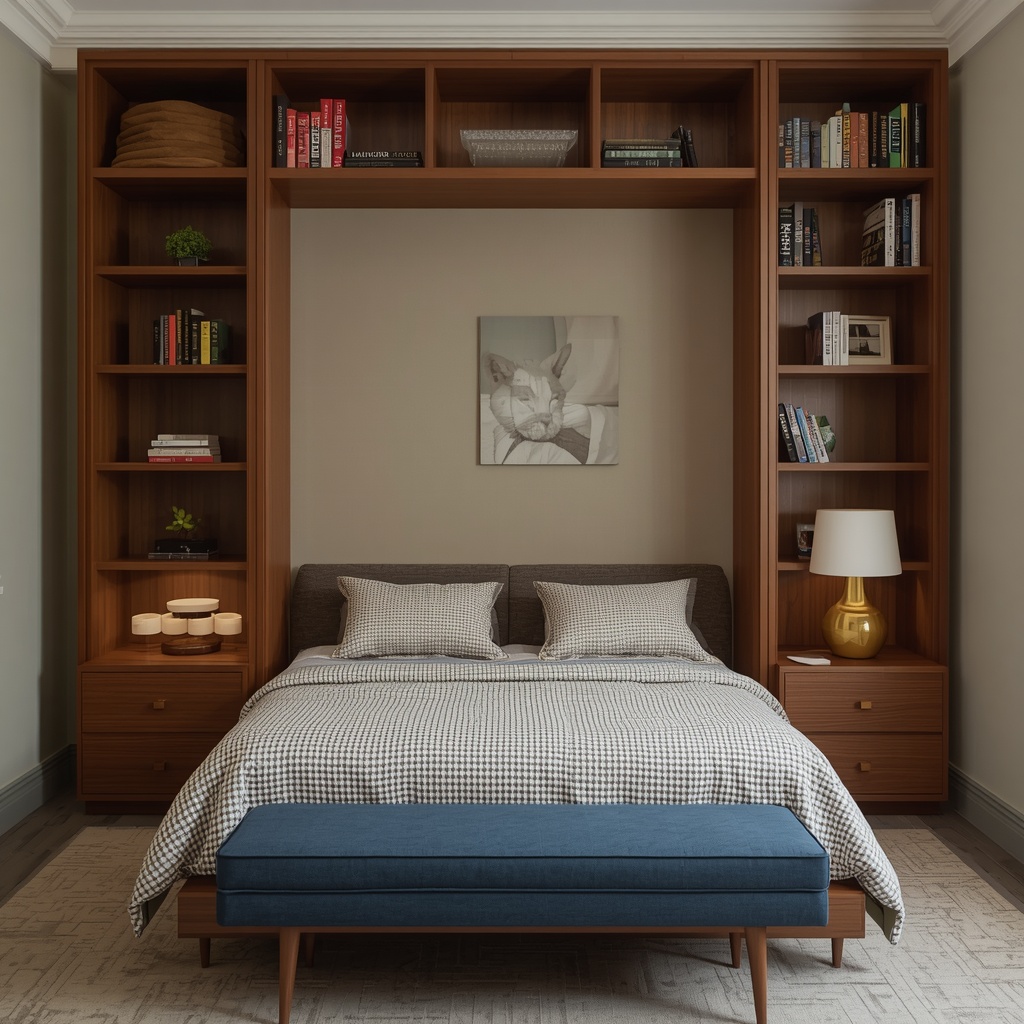
A modern wall bed is nothing like the clunky versions of decades past. Companies such as Resource Furniture design wall beds with integrated shelving, sofas, and desks, so the room looks polished whether the bed is up or down.
Here’s how transforming pieces compare:
| Piece | Daytime Function | Nighttime Function | Typical Footprint Saved |
|---|---|---|---|
| Murphy bed with sofa | Seating area | Full or queen bed | Up to 40 square feet |
| Wall-mounted desk | Workspace | Open wall | Up to 12 square feet |
| Drop-leaf dining table | Console or narrow table | Seats 4 to 6 | Up to 10 square feet |
| Lift-top coffee table | Coffee table | Desk or dining surface | Up to 15 square feet |
Pro Tip: When choosing a wall bed, check your ceiling height and the mattress thickness. Most systems need at least 8 feet of clearance for vertical models, while horizontal (side-fold) models suit lower ceilings.
Room-by-Room Modular Ideas
The Living Room
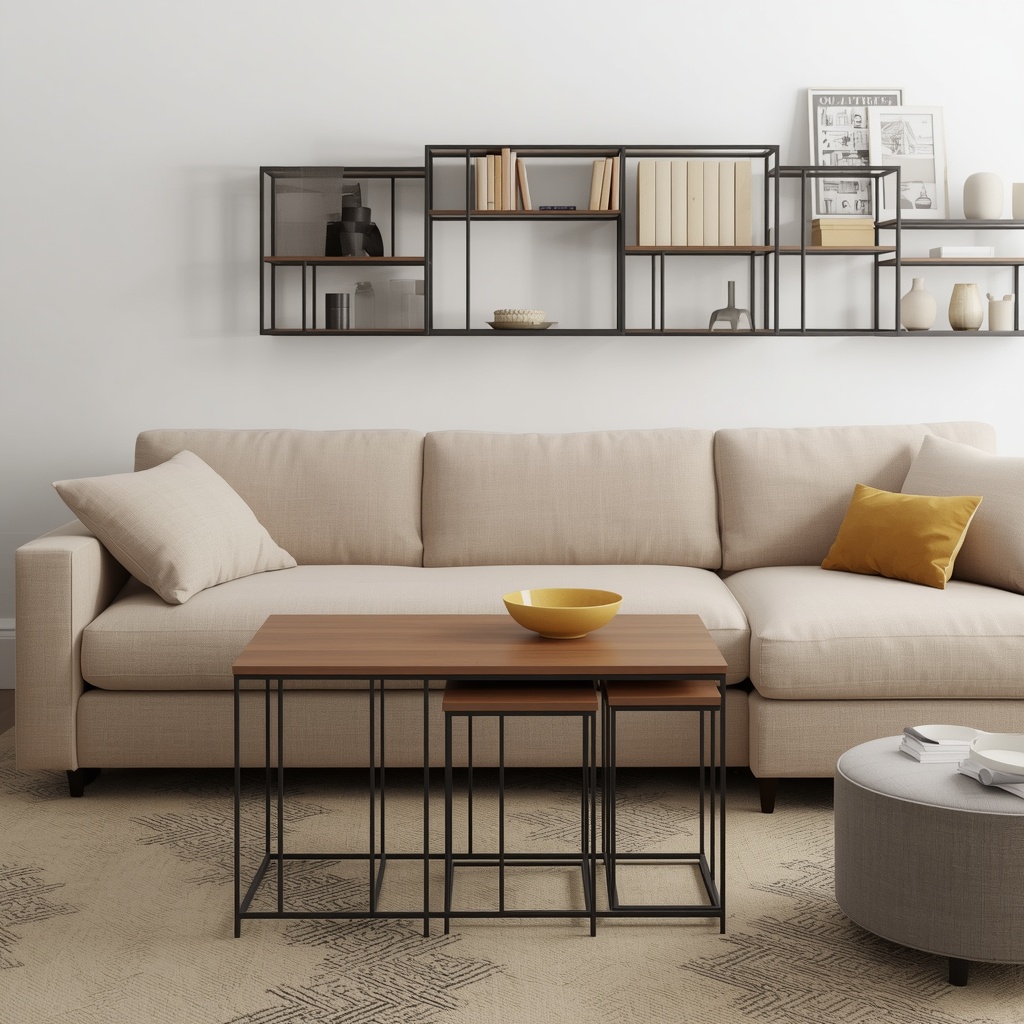
Combine a modular sectional with nesting tables and a wall-mounted shelving system. When guests arrive, spread the tables out. When you’re alone, tuck them under the sofa arm.
The Bedroom
Choose a platform bed with built-in drawers and pair it with modular wardrobe units. If space is really tight, a loft bed frees up the floor beneath for a desk or reading nook.
The Kitchen and Dining Area
A modular kitchen cart or small island on locking casters gives you extra prep space that can roll out of the way. Pair it with an expandable table and stackable chairs for entertaining.
The Home Office
A fold-down desk or a slim wall-mounted workstation keeps your workspace from taking over the room. Add modular shelves above for files and supplies, and close it all up at the end of the day.
The Entryway
Even a tiny foyer can handle a modular bench, wall hooks, and shoe cubes. A well-organized entry makes your whole home feel calmer from the moment you walk in.
How to Plan Your Modular Furniture Layout
Great design starts with great planning. Follow these steps to avoid expensive mistakes.
- Measure everything. Record room dimensions, ceiling height, door widths, window placement, and outlet locations.
- Define your needs. List what the room must do (sleep, work, dine, host) and rank those functions by priority.
- Sketch a floor plan. Use graph paper or a free tool like Floorplanner to test configurations before buying.
- Start with an anchor piece. Choose your sofa or bed first, then build around it.
- Leave breathing room. Maintain at least 30 inches for main walkways and 18 inches between a sofa and coffee table.
- Buy in phases. Purchase the core modules now and add accessories later once you know what you truly need.
Materials and Quality: What Lasts
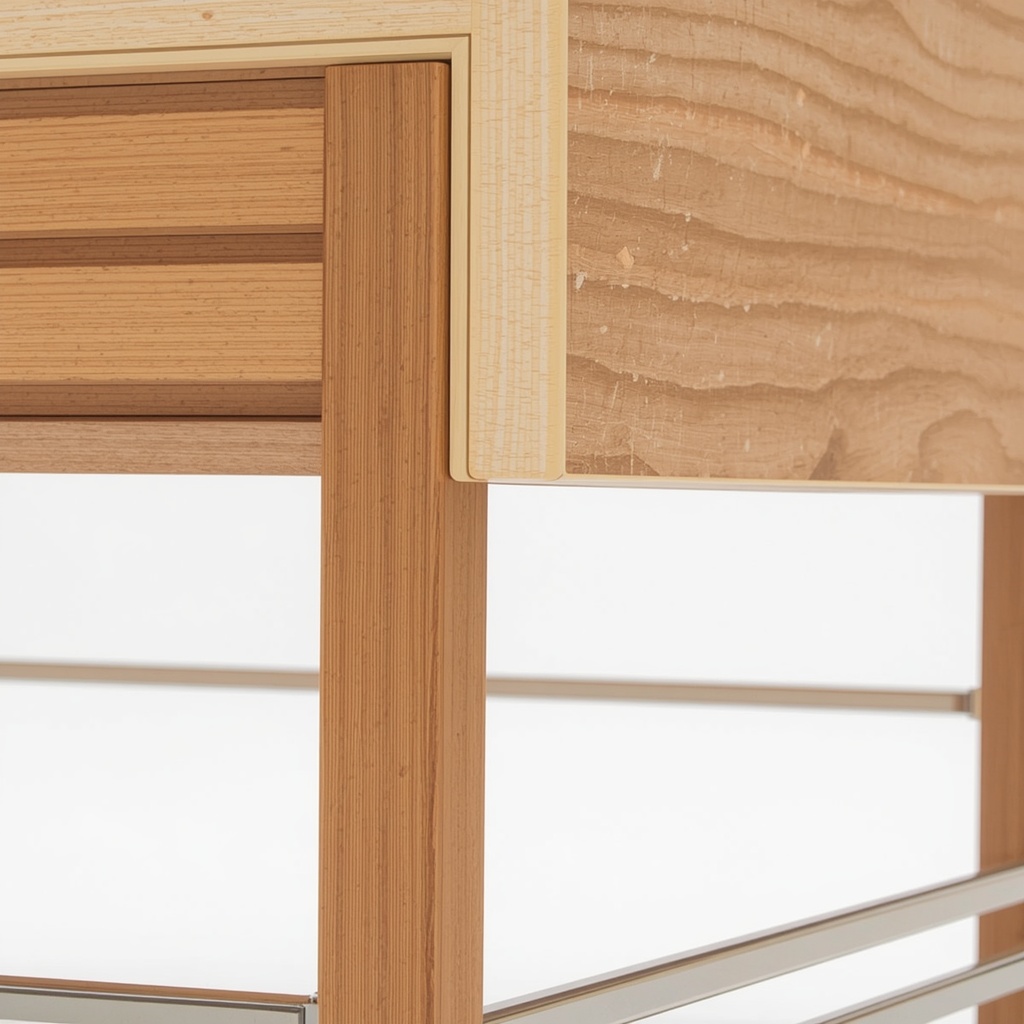
Modular furniture gets moved, reconfigured, and connected over and over, so build quality matters more than usual. A wobbly connector or thin laminate will show wear quickly.
| Material | Durability | Best Use | Notes |
|---|---|---|---|
| Solid wood | Excellent | Frames, tables, shelves | Heavier, higher cost, lasts for decades |
| Plywood (birch, maple) | Very good | Shelving, storage cubes | Strong and lighter than solid wood |
| Powder-coated steel | Excellent | Shelving frames, bases | Slim profile, great for industrial looks |
| MDF/particleboard | Fair | Budget storage | Avoid in humid areas |
| Performance fabric | Very good | Sofas, ottomans | Stain-resistant and easy to clean |
| Genuine or vegan leather | Good to excellent | Sofas, chairs | Wipes clean, ages well with care |
If you’re deciding where to invest, put your money in the pieces you use daily: sofa, bed, and desk. Save on the accessories and decorative modules.
Budgeting for Modular Furniture
One of the best parts of going modular is the flexibility in spending. You don’t have to buy everything at once. Here’s a realistic approach to tiering your budget.
- Entry level: Big-box and flat-pack options offer affordable cubes, shelves, and basic sofas. These are great for renters and short-term setups.
- Mid-range: Direct-to-consumer brands deliver better materials and refined design at moderate prices.
- Investment: Premium transforming systems and solid wood modular lines are built to last decades.
Prices change often, so check each brand’s current pricing and shipping costs before you commit. Also watch for seasonal sales, since major retailers run big furniture promotions around Presidents’ Day, Memorial Day, and Black Friday.
Pro Tip: Mix price points on purpose. Splurge on one quality modular sofa, then fill in with affordable shelving and nesting tables. A mix of budget and premium pieces looks curated, not cheap, when your color palette stays consistent.
Styling Tips to Make Modular Furniture Look Designed
Flexible furniture shouldn’t look like a showroom or a dorm. A few styling principles keep your space feeling personal and polished.
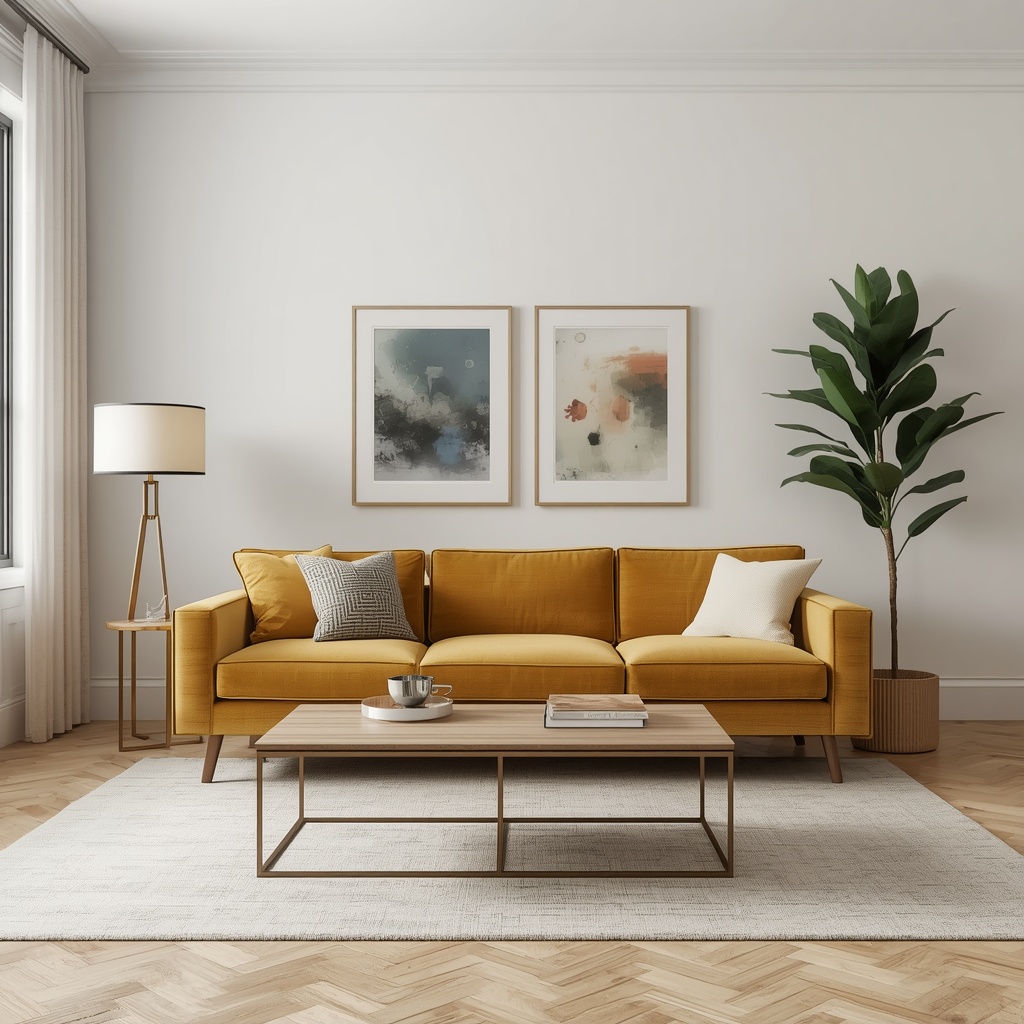
First, stick to a limited color palette. Two or three core colors, plus one accent, keep rearranged pieces looking intentional. Light neutrals expand the room visually, while a single bold sofa or accent module adds personality.
Second, layer in texture. Throw pillows, a wool rug, linen curtains, and warm lighting soften the clean lines of modular pieces. Mirrors opposite windows bounce light and add depth, which is especially helpful in smaller or darker rooms.
Quick styling checklist:
- Use legged furniture to show more floor, which makes rooms feel larger
- Choose one statement piece rather than several competing ones
- Hang curtains high and wide to elongate walls
- Keep surfaces partly clear for visual breathing room
- Add plants for life without using floor space
“Less is more.” — Ludwig Mies van der Rohe
In small homes, that principle applies twice over. Edit ruthlessly and let your best modular pieces shine.
Common Mistakes to Avoid
Even experienced homeowners trip up with modular furniture. Watch out for these pitfalls.
- Buying without measuring doorways and stairwells. Modules help, but always confirm delivery access.
- Choosing too many different systems. Mixing brands can result in mismatched dimensions and clashing finishes.
- Ignoring weight capacity. Shelving and wall-mounted pieces have load limits, especially for books and heavy décor.
- Skipping the wall anchors. Tall shelving must be anchored for safety, particularly in homes with kids or pets.
- Overfilling the room. Flexibility doesn’t mean you need more furniture. Leave space to move.
- Forgetting about rental rules. If you rent, check your lease before drilling into walls for wall beds or desks.
Frequently Asked Questions
Is modular furniture good for renters?
Absolutely. It’s portable, reconfigurable, and doesn’t require permanent installation, so it adapts to each new apartment.
Is modular furniture durable?
Quality varies, but well-made modular pieces with solid frames and secure connectors can last for many years. Always check reviews and warranty terms.
Can modular furniture look high-end?
Yes. Choose cohesive finishes, quality fabrics, and a restrained palette, and it can look as sophisticated as custom pieces.
How do I keep a modular sofa from sliding apart?
Look for models with built-in connectors or clips, and place a non-slip rug pad underneath on hardwood floors.
What’s the best modular piece to buy first?
For most small homes, a modular sofa or shelving system delivers the biggest impact, since both anchor the room and solve major space issues.
Final Thoughts: Design a Home That Moves With You
Small homes aren’t a limitation. They’re an invitation to design with intention. Modular furniture systems give you the freedom to reshape your space as your life changes, whether that means a new job, a new roommate, or a new city.
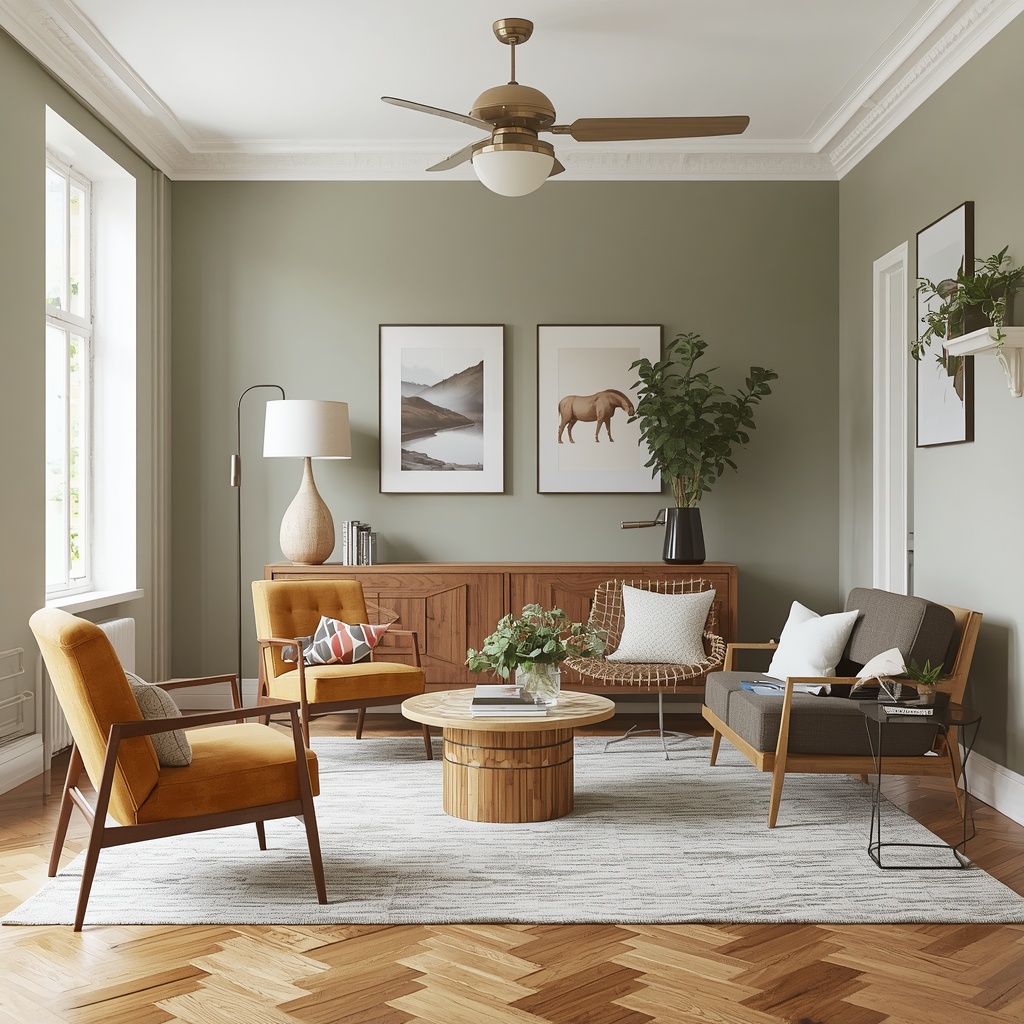
Start with a clear plan, invest in your anchor pieces, and build in phases. Keep your palette cohesive, your layouts open, and your storage smart. Do that, and even the smallest apartment will feel flexible, functional, and unmistakably yours.
Ready to begin? Grab a tape measure, sketch your floor plan, and pick one modular piece to try first. Your future self, and your floor space, will thank you.