
Meta title: Lighting Solutions for Apartments Without Overhead Lights (Designer Guide)
Meta description: No ceiling fixture? Learn how to light a renter-friendly apartment with lamps, plug-in sconces, LED strips, and smart bulbs, with room-by-room tips from an interior designer.
Focus keyword: lighting solutions for apartments without overhead lights
Secondary keywords: apartment lighting ideas, no overhead light, renter-friendly lighting, floor lamps, plug-in wall sconces, layered lighting, warm white LED bulbs, ambient lighting
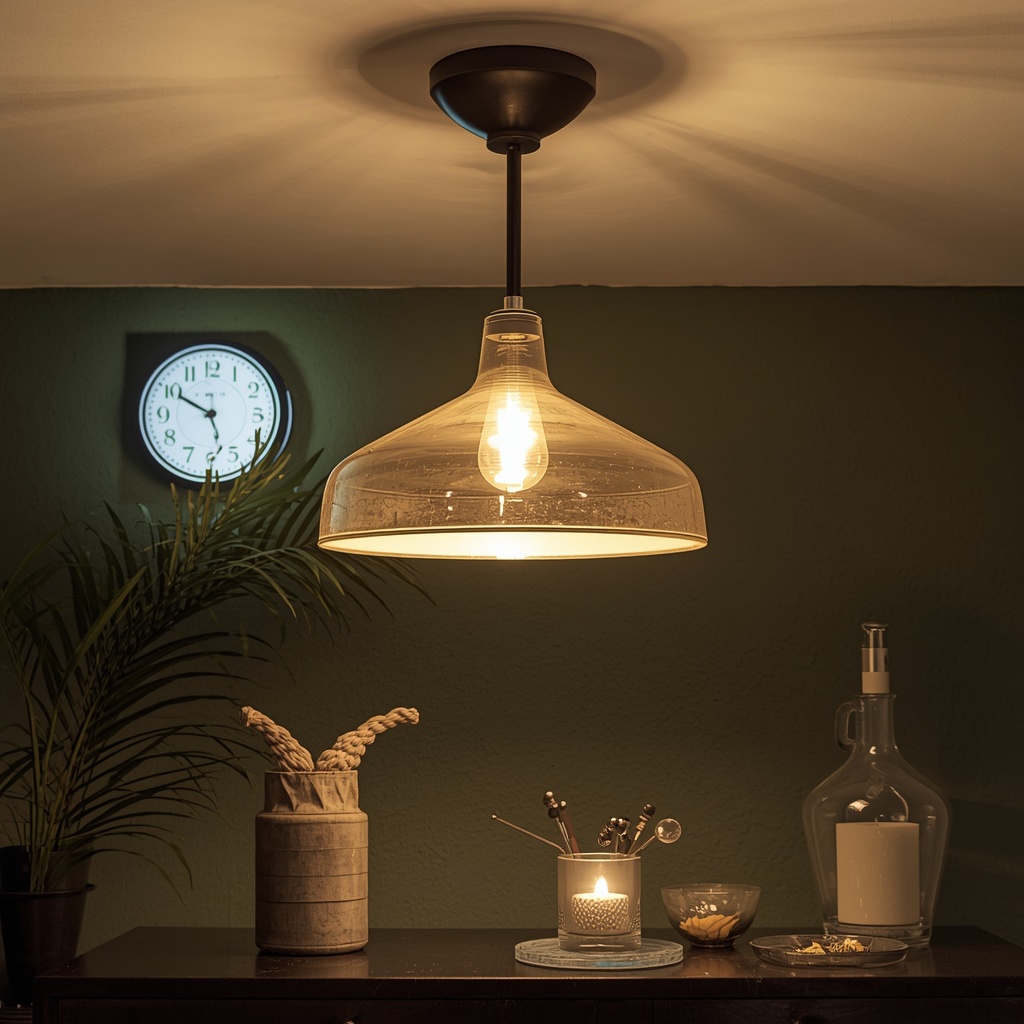
You move into a new apartment, flip the switch by the door, and nothing happens. Or worse, the switch controls a single outlet. Many older US apartments, especially in prewar buildings and converted lofts, skip ceiling fixtures entirely. The room can feel dim, flat, and a little like a dorm before you’ve even unpacked.
Here’s the good news from a designer’s point of view: a room without a ceiling light is a chance to light it better. Overhead fixtures are often harsh and cast unflattering shadows. When you build light from lamps, sconces, and accent sources at different heights, the space feels warmer, more layered, and more expensive. This guide walks you through exactly how to do it, without drilling a single hole or losing your security deposit.
Why Many Apartments Don’t Have Overhead Lights
Older buildings were often wired for plug-in lamps rather than ceiling fixtures. Electricians in the early 20th century commonly ran power to wall outlets, sometimes switched, and left the ceiling bare. Newer apartments may skip fixtures in bedrooms or living areas to cut construction costs, leaving only a capped junction box or nothing at all.
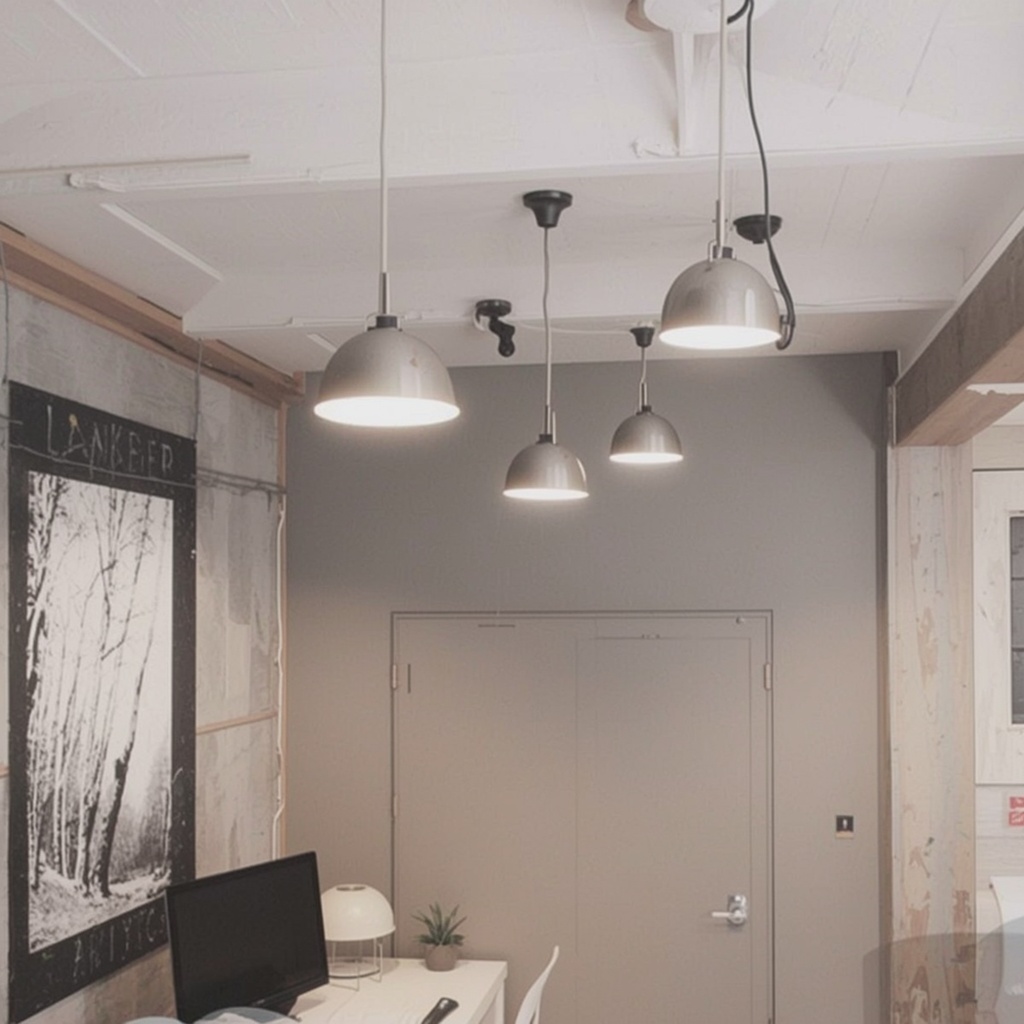
Understanding this helps you plan. If your outlets are switched, you can control a lamp from the wall like a ceiling light. If they’re not, you’ll rely on smart plugs or remote-controlled bulbs. Either way, the goal is the same: replace one blunt source of light with several gentle ones.
The Layered Lighting Formula Designers Swear By
Professional designers rarely rely on a single light source. We build rooms in three layers, and you can do the same in a rental.
- Ambient lighting: the overall glow that lets you move around safely (floor lamps, torchieres, plug-in sconces).
- Task lighting: focused light for reading, cooking, working, or grooming (desk lamps, swing-arm lamps, under-cabinet strips).
- Accent lighting: decorative light that adds depth and mood (LED strips, picture lights, small table lamps).
A good rule of thumb is to place at least three light sources in every room, at three different heights. That prevents dark corners and keeps your eyes from fixating on one bright spot.
“Great lighting isn’t about brightness. It’s about balance, putting light where your eyes want to rest.”
The next sections break down the best fixtures for each layer so you can mix and match.
Floor Lamps: The Workhorse of Apartment Lighting
If you only buy one thing, make it a floor lamp. Floor lamps deliver strong ambient light, require no installation, and move with you to your next place. An arc floor lamp can reach over a sofa to mimic a pendant, while a torchiere bounces light off the ceiling, which creates the soft, even glow of a traditional overhead fixture.
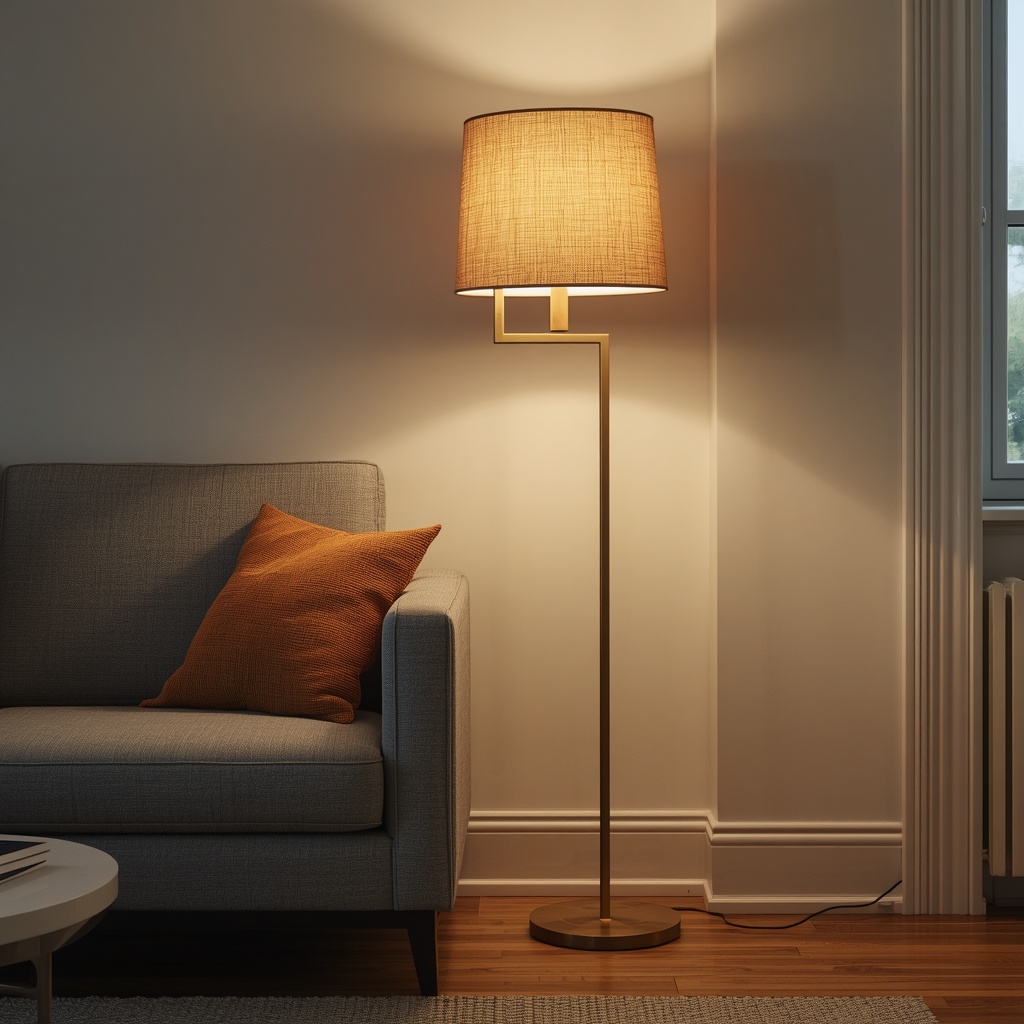
For living rooms, choose a lamp with a fabric shade or a dimmer to keep the light flattering. In studios, a tall torchiere in the corner can brighten the whole space. Look for an LED torchiere rated for at least 800 to 1,500 lumens, and avoid old halogen models, which run hot and waste energy.
Pro Tip: Place a torchiere in a corner and aim it at the ceiling. Light bouncing off a white ceiling spreads evenly and gives you the closest result to a true overhead light.
Table Lamps: Warmth at Eye Level
Table lamps are the secret to cozy rooms. They pull light down to eye level, where people actually live and talk, instead of blasting it from above. Pairing two matching lamps on a console or flanking a sofa also adds symmetry, which makes even a small apartment feel intentional.
Scale matters. A lamp that’s too small looks lost, and one that’s too big overwhelms a side table. As a guideline, the lamp’s shade should sit roughly at your shoulder height when you’re seated, so the bulb isn’t glaring into your eyes. Choose shades in white, cream, or linen to diffuse light softly.
Plug-In Wall Sconces: Renter-Friendly Elegance
Plug-in wall sconces are one of the best apartment lighting ideas of the last decade. They mount with two small screws (or even strong adhesive strips for lightweight models), then plug into a nearby outlet. Many come with a fabric-covered cord you can tuck into a cord cover painted to match your wall.
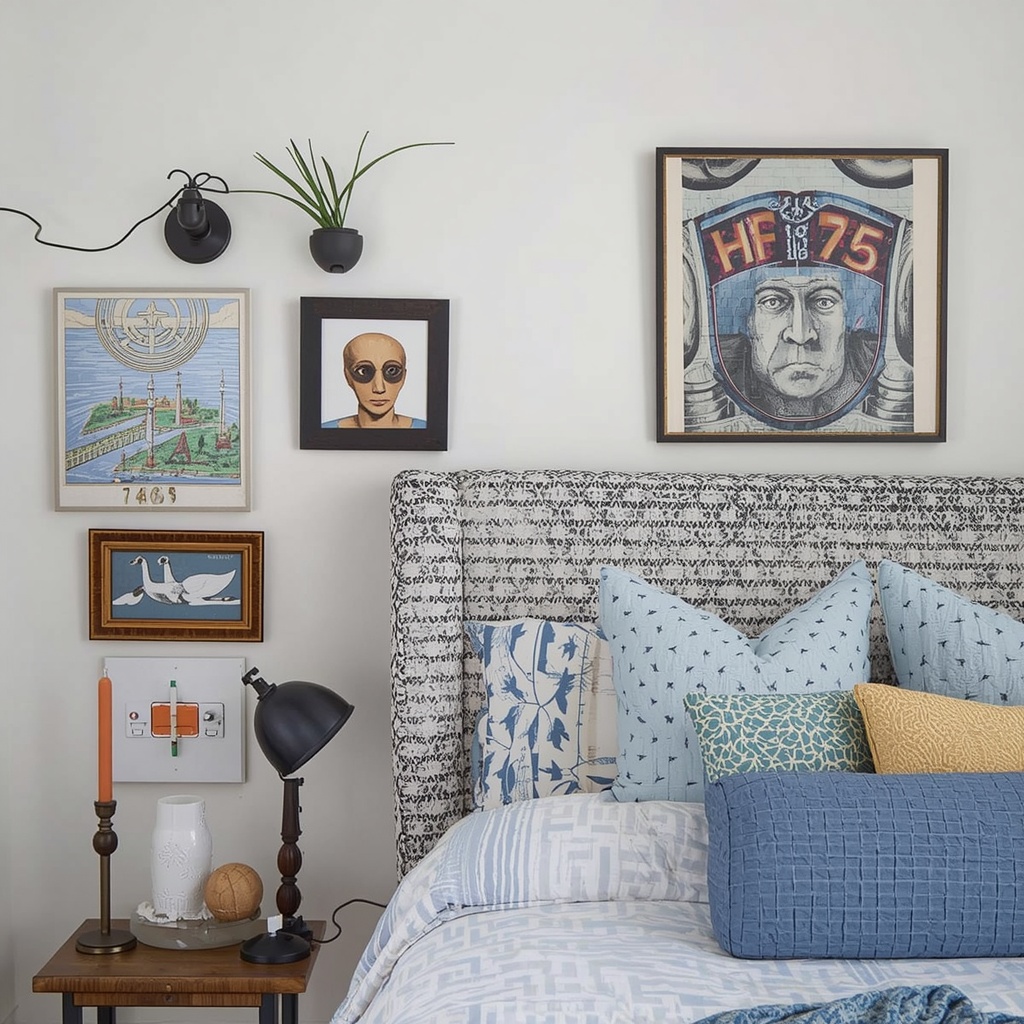
Place sconces beside a bed, flanking a sofa, or above a desk to free up surface space. Because they sit off the floor and tables, they’re ideal for small apartments where every square foot counts. When you move out, patch the small screw holes with spackle, and your landlord will never know.
Plug-In Pendants and Swag Lights
Missing the look of a hanging fixture? A plug-in pendant (also called a swag light) gives you the drama of a chandelier with no hardwiring. Hang it from a ceiling hook, drape the cord along the wall or ceiling edge, and plug it into the nearest outlet.
Use pendants over a dining table, in a reading nook, or beside a bed instead of a nightstand lamp. Rattan, paper, and woven shades work beautifully in boho or Scandinavian spaces, while glass globes and matte metals suit modern interiors. Secure the cord with small clips so it looks tidy and purposeful.
LED Strips and Cove Lighting for Modern Ambiance
LED strip lights are inexpensive, flexible, and surprisingly sophisticated when used well. Tuck them behind a headboard, along the top of bookshelves, under kitchen cabinets, or behind a TV console to create a soft wash of light. Choose a warm white (2700K to 3000K) strip for a residential look, and skip the rainbow colors unless you’re decorating a gaming room.
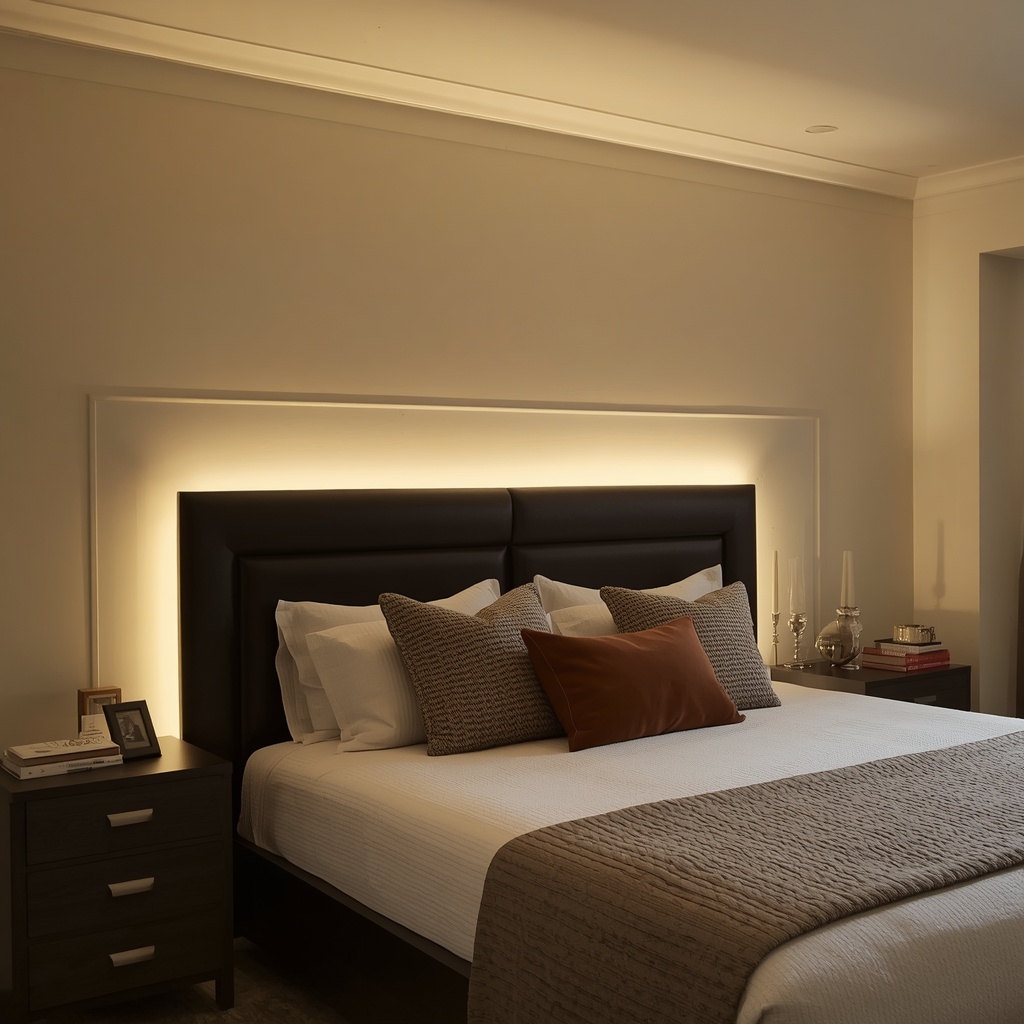
For a polished finish, mount strips inside aluminum channels with a frosted diffuser so you don’t see individual diodes. Look for strips with a dimmer or remote control and a UL listing for safety. Used on top of tall furniture, they bounce light off the ceiling for a hidden-cove effect.
Smart Bulbs and Smart Plugs: Control Without a Wall Switch
If your lamps don’t connect to a wall switch, smart technology is your best friend. Smart bulbs let you dim, schedule, and change color temperature from your phone. Smart plugs turn any regular lamp into a controllable one, so you can power everything on with a single voice command or tap.
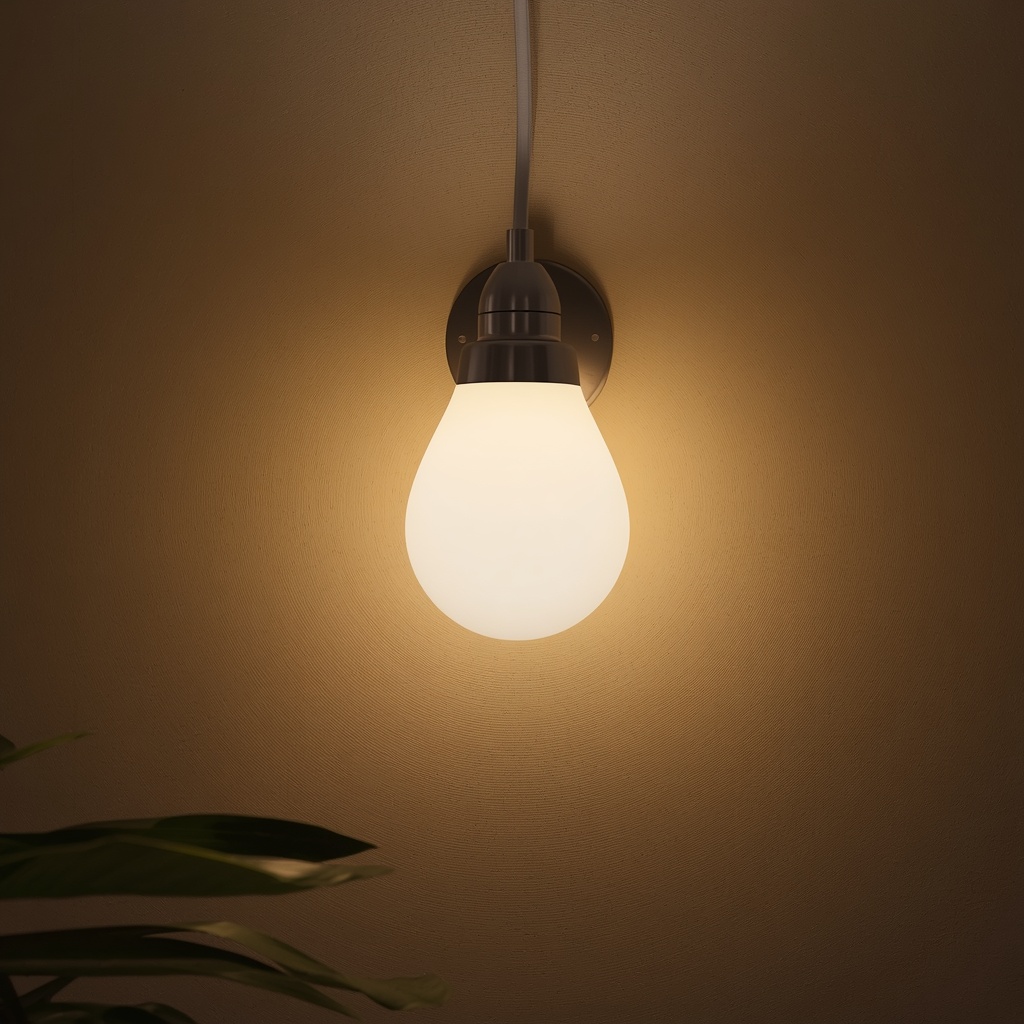
Set a morning routine that gradually brightens your lamps, and an evening routine that dims them to a warm, relaxing level. This mimics the function of a wall switch for your whole room, which is exactly what you’re missing without an overhead fixture. Look for products compatible with the ecosystem you already use, such as Alexa, Google Home, or Apple Home.
How Bright Should Your Apartment Be? Lumens and Color Temperature
Many people buy bulbs by watts, which is outdated. With LEDs, lumens measure brightness and Kelvin measures color. Use the table below as a starting point for a typical apartment room.
| Room | Recommended Total Lumens | Ideal Color Temperature | Best Light Types |
|---|---|---|---|
| Living room | 1,500 to 3,000 | 2700K to 3000K | Floor lamp, table lamps, sconces |
| Bedroom | 1,000 to 2,000 | 2700K | Bedside lamps, plug-in sconces, LED strip |
| Kitchen | 3,000 to 4,000 | 3000K to 4000K | Under-cabinet LEDs, plug-in pendant |
| Home office | 1,500 to 2,500 | 3500K to 4000K | Desk lamp, floor lamp |
| Bathroom | 1,500 to 2,500 | 3000K | Plug-in sconces beside the mirror |
| Entryway | 500 to 1,000 | 2700K to 3000K | Table lamp, plug-in sconce |
For a deeper look at choosing efficient bulbs, the U.S. Department of Energy’s guide to LED lighting is a helpful resource, and ENERGY STAR’s lighting section lists certified products.
Room-by-Room Lighting Ideas
Every room has different needs, so here’s how to adapt the layered approach throughout your apartment.
Living Room
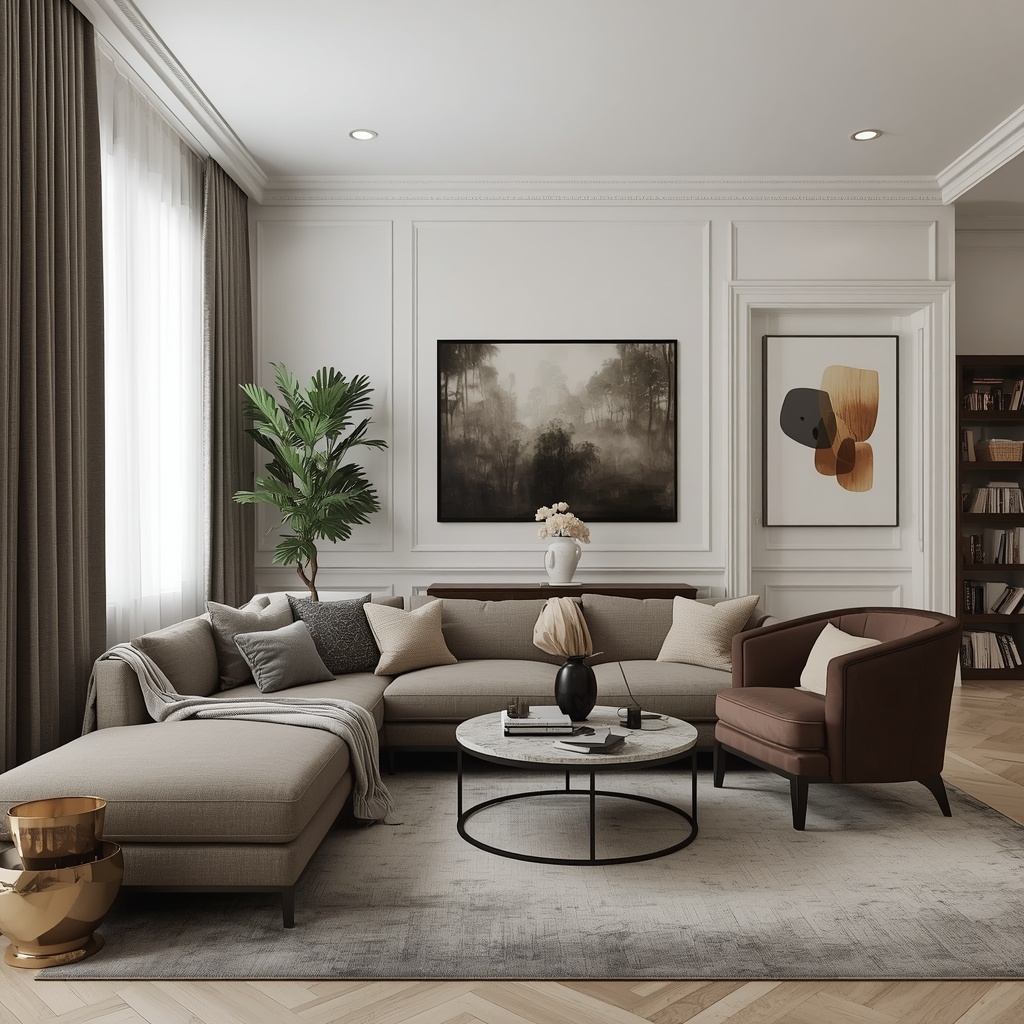
Start with a torchiere or arc lamp for general light, then add two table lamps at seating height. Finish with an accent source, like a picture light or LED strip behind the TV. This trio replaces an overhead fixture and creates distinct zones for conversation, reading, and screen time.
Bedroom
Bedrooms should feel restful, so skip bright cool light. Use plug-in sconces or matching bedside lamps, plus a dimmable floor lamp in a corner for dressing. A warm LED strip behind the headboard adds a soft glow for winding down.
Kitchen
Kitchens need functional light. Stick-on, under-cabinet LED bars illuminate counters where you chop and cook. If the room has no ceiling light, add a plug-in pendant over a small table or a slim floor lamp near the entry to fill in shadows.
Studio Apartment
In studios, define zones with light. Use a pendant or lamp over the dining nook, sconces by the bed, and a floor lamp near the sofa. Different pools of light visually divide one room into several, making the space feel larger and more organized.
“In a studio, light is your invisible wall. Use it to say ‘this is where I sleep’ and ‘this is where I relax.'”
Renter-Friendly Installation Tips
You can get a dramatic upgrade without risking your deposit. Keep these principles in mind:
- Read your lease. Most landlords allow small screws, but confirm before drilling.
- Use adhesive hooks or cord clips to route cables along walls and baseboards.
- Choose cord covers painted to match your walls for a seamless look.
- Test placement first. Hold a lamp in position for a day before committing.
- Keep a spackle kit handy to patch small holes at move-out.
- Never overload outlets or power strips. Check wattage, especially with older wiring.
Pro Tip: Use a power strip with a surge protector and a single switch to control a whole cluster of lamps at once. It acts like a makeshift wall switch and keeps cords hidden behind furniture.
Common Apartment Lighting Mistakes to Avoid
Even stylish renters fall into the same traps. Here are the most frequent ones I see as a designer:
- Relying on one lamp. A single source creates glare and heavy shadows.
- Mismatched color temperatures. Mixing 2700K and 5000K bulbs makes a room look chaotic.
- Lamps all at the same height. Vary heights to guide the eye around the room.
- Ignoring dimmers. Dimmable bulbs or lamps instantly add flexibility.
- Skipping the corners. Dark corners shrink a room, so light them with a floor lamp.
- Bare bulbs everywhere. Shades and diffusers soften light and protect your eyes.
Budget Breakdown: Light Your Apartment for Less
You don’t need a big spending plan to light a room beautifully. Here’s a realistic look at what to expect in the US market.
| Item | Budget Range | Where It Shines |
|---|---|---|
| Arc or torchiere floor lamp | $40 to $150 | Living rooms, studios |
| Table lamp (pair) | $30 to $120 | Bedrooms, side tables |
| Plug-in wall sconce | $25 to $90 each | Beds, sofas, desks |
| Plug-in pendant | $30 to $120 | Dining nooks, corners |
| LED strip kit with remote | $15 to $50 | Shelves, headboards |
| Smart bulbs (4-pack) | $20 to $50 | Anywhere with a lamp |
| Smart plug (2-pack) | $12 to $25 | Controlling any lamp |
Prices vary by retailer, so shop sales and consider secondhand or vintage lamps for character. A fresh shade can transform a thrifted base for just a few dollars.
Styling Your Lamps for a Designer Look
Lighting is functional, but it’s also decor. Treat each lamp like a piece of furniture. Choose finishes that echo other elements in your room, such as brass lamps beside gold frames, or matte black fixtures that match window hardware. Repeating a material or color two or three times makes the room look pulled together.
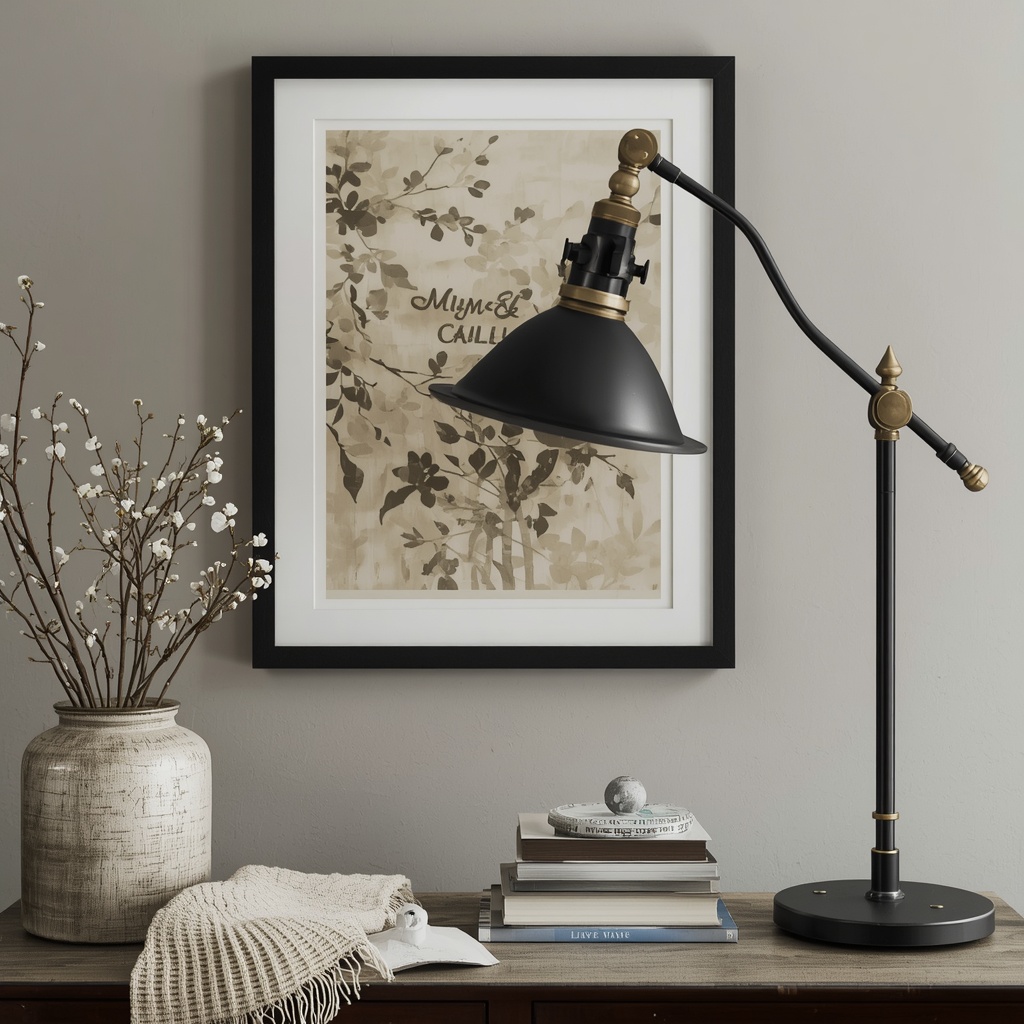
Pay attention to shades as well. A drum shade feels modern, an empire shade reads traditional, and a woven shade adds texture. Place lamps on varying surfaces, such as a console, a shelf, and the floor, so your light creates a gentle rhythm instead of a straight line.
Frequently Asked Questions
Can I really live without an overhead light?
Absolutely. Many designers prefer lamp-based lighting because it’s softer and more flexible. Layering several sources typically looks better than one ceiling fixture.
How many lamps do I need in a living room?
Aim for three to five light sources, depending on room size, placed at different heights.
What’s the best bulb for a rental apartment?
A dimmable, warm white LED (2700K to 3000K) with a CRI of 90 or higher renders colors accurately and feels cozy.
Are plug-in sconces safe?
Yes, when you choose UL-listed products and don’t overload the outlet. Keep cords away from heat and foot traffic.
Can I install a ceiling fixture myself?
Wiring work usually requires landlord approval and often a licensed electrician. Plug-in solutions let you skip that process entirely.
Final Thoughts: Make the Absence of Overhead Light Your Advantage
An apartment without a ceiling fixture isn’t a design flaw. It’s an invitation to light your home with intention. Start with a floor lamp for ambient glow, add table lamps and sconces for warmth, finish with LED accents, and use smart plugs to keep everything easy to control. Follow the three-layer formula and stick to warm, consistent bulbs, and your space will feel more inviting than most homes with a standard ceiling light.
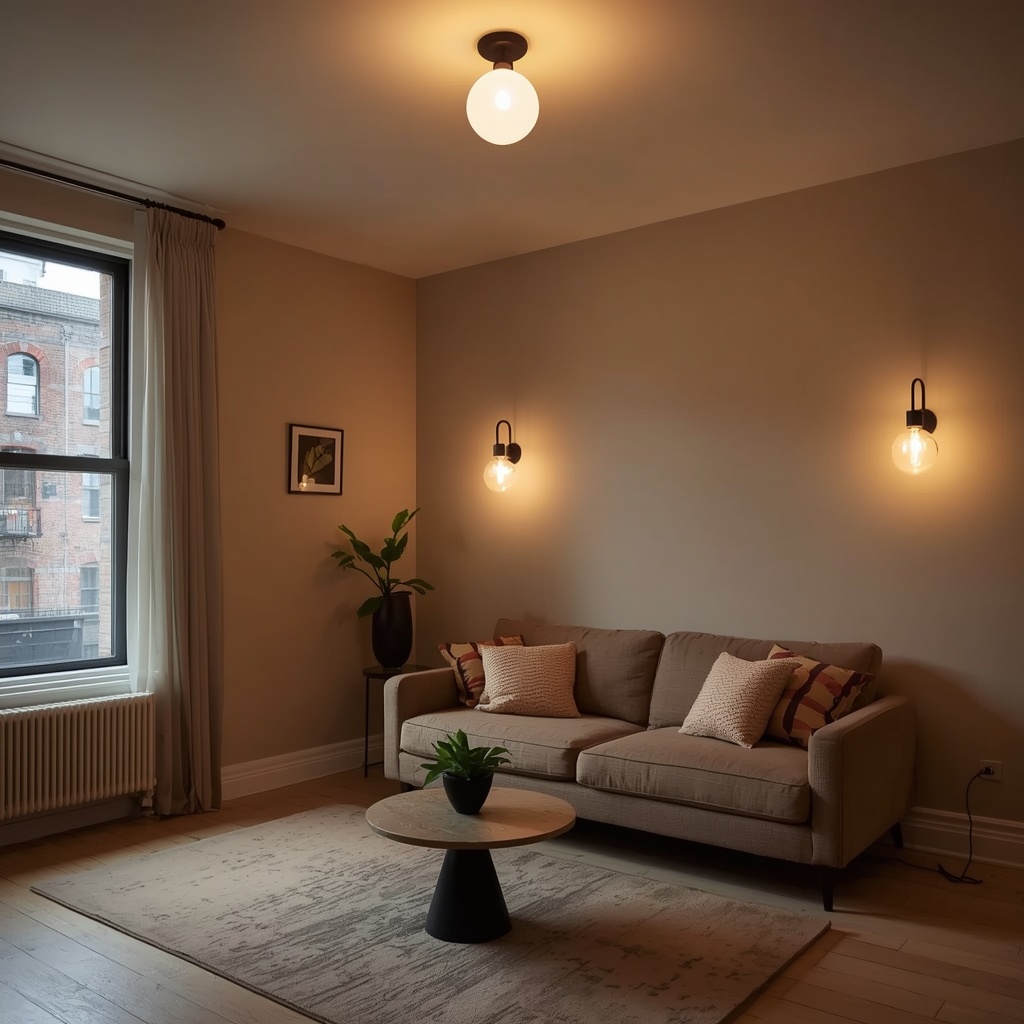
Take it one room at a time, experiment with placement, and let your lighting evolve with your style. Your apartment will feel brighter, cozier, and unmistakably yours.