
Meta description: Discover small bedroom decor ideas that maximize comfort, storage, and style. Designer-approved tips on color, lighting, layout, bedding, and more for US homes.
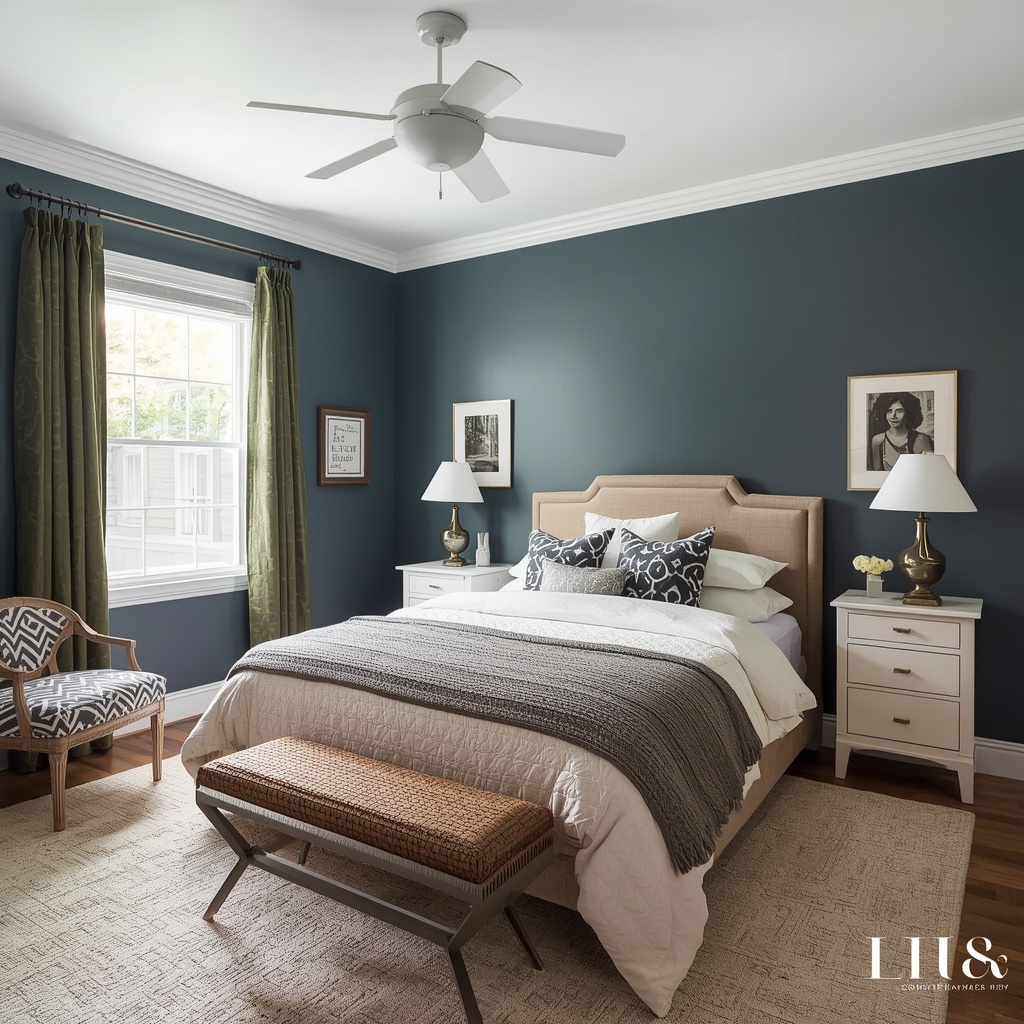
A small bedroom isn’t a problem to solve. It’s a chance to design a room that feels like a hug. I’ve worked with clients in tiny New York studios, Chicago bungalows, and compact suburban condos, and the ones who end up happiest rarely have the most square footage. They have the most intention.
Comfort in a small space comes from how a room functions and feels, not from how many pieces of furniture you can fit. With the right small bedroom decor ideas, even a 10×10 room can become a calm, cozy retreat. Here’s how I approach it.
Why Comfort Matters More Than Square Footage
Your bedroom is where your day starts and ends, so it affects your mood, your energy, and your sleep quality. The Sleep Foundation notes that a cool, dark, quiet, and comfortable environment supports better rest, and all of those factors are easier to control in a smaller room.
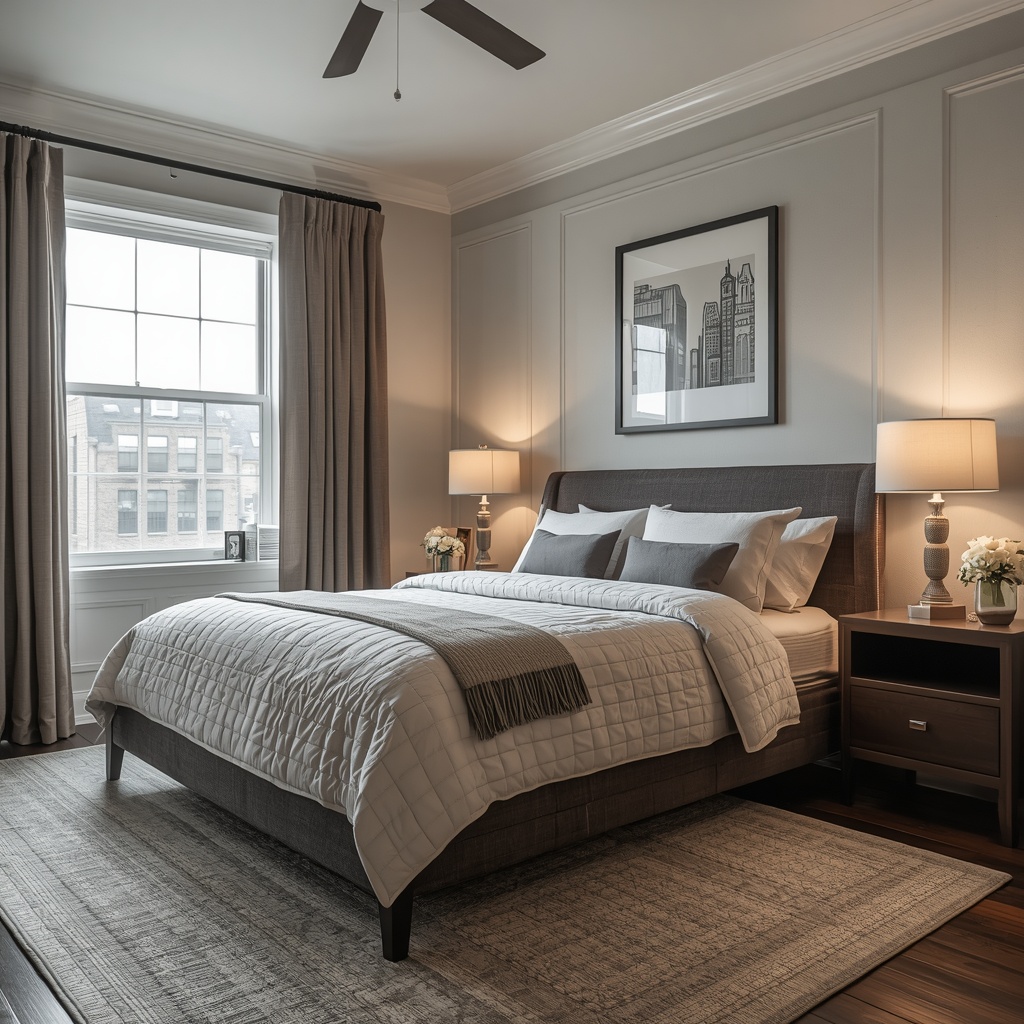
Think of a small bedroom as a cocoon. Everything is within reach, the room warms up quickly, and it feels intimate rather than cavernous. The goal is to keep that coziness without letting the room feel cramped or cluttered.
“Have nothing in your houses that you do not know to be useful, or believe to be beautiful.” — William Morris
That principle is the foundation of every small space I design. Each item earns its place by being useful, beautiful, or ideally both.
Start With a Smart Layout and Bed Placement
Before buying a single throw pillow, look at your floor plan. Layout is the most important decision in a small bedroom, and it’s the one people most often get wrong.
Place the bed first. It’s the largest piece, so it sets the flow of the room. Here are the most common options:
- Centered on the longest wall: This is the classic choice and works well if you have space for nightstands on both sides.
- Corner placement: Pushing one side of the bed against a wall frees up floor space and can make the room feel like a nook.
- Under a window: This works if the window is low and you don’t mind the light. Use blackout curtains to compensate.
- Facing the door diagonally: Many people find this more relaxing because they can see the entrance from bed.
Leave at least 24 inches of clearance on the sides you’ll walk around. If that’s not possible, choose a different placement before you choose smaller furniture. Cramming in a bed that’s too large is the fastest way to make a room feel stressful.
Pro Tip: Tape the outline of your bed and furniture on the floor with painter’s tape before you move anything. Walk around the room for a few minutes. If you bump into corners or feel blocked, adjust the layout before you commit.
Choose a Calming Color Palette
Color shapes how a room feels more than almost any other design choice. In a small bedroom, it can also change how large the space looks. Lighter, cooler tones tend to recede and open up a room, while very dark shades can feel cozy or confining depending on the light.
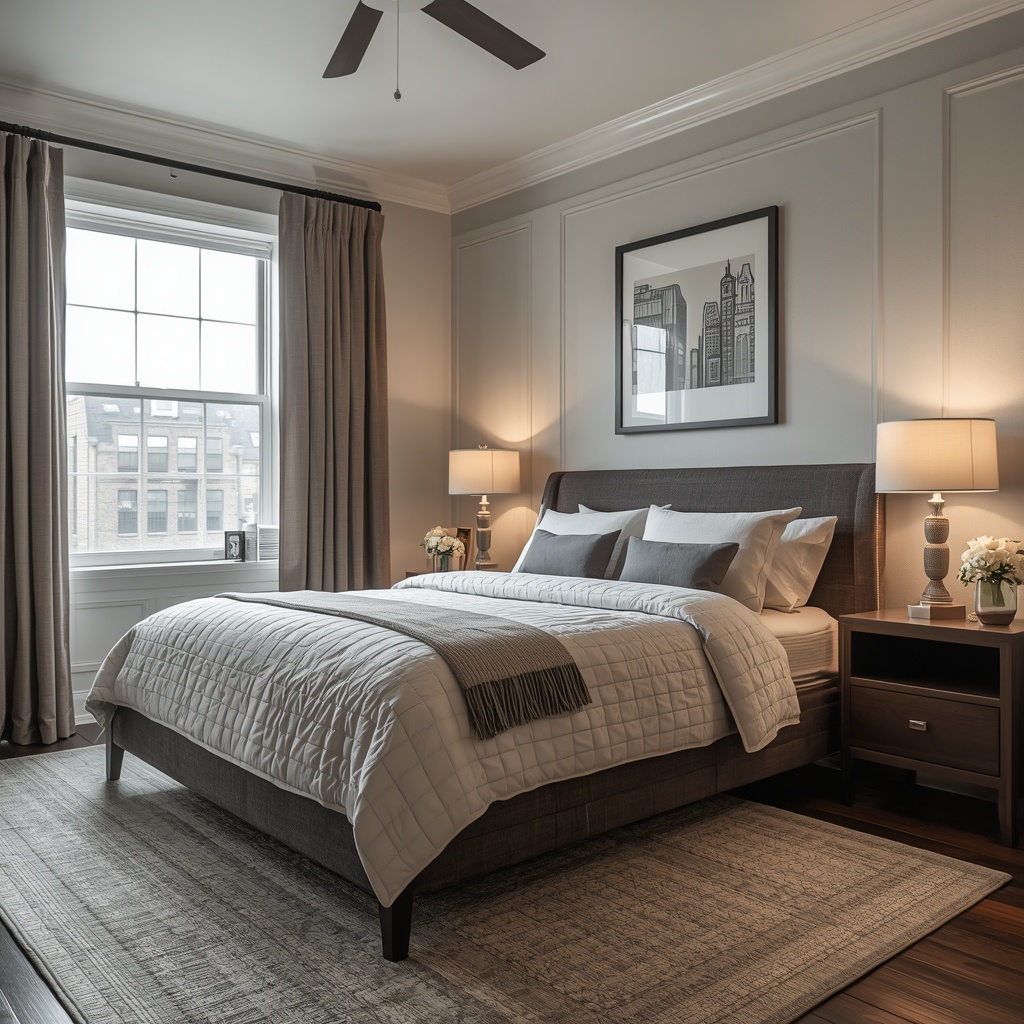
Here’s a quick guide to popular palettes for small bedrooms:
| Color Palette | Mood It Creates | Best For | Pairs Well With |
|---|---|---|---|
| Soft white and warm cream | Airy, clean, serene | Rooms with little natural light | Natural wood, linen, brass |
| Sage green and oatmeal | Grounded, restful | Anyone seeking a spa-like feel | Rattan, cotton, matte black |
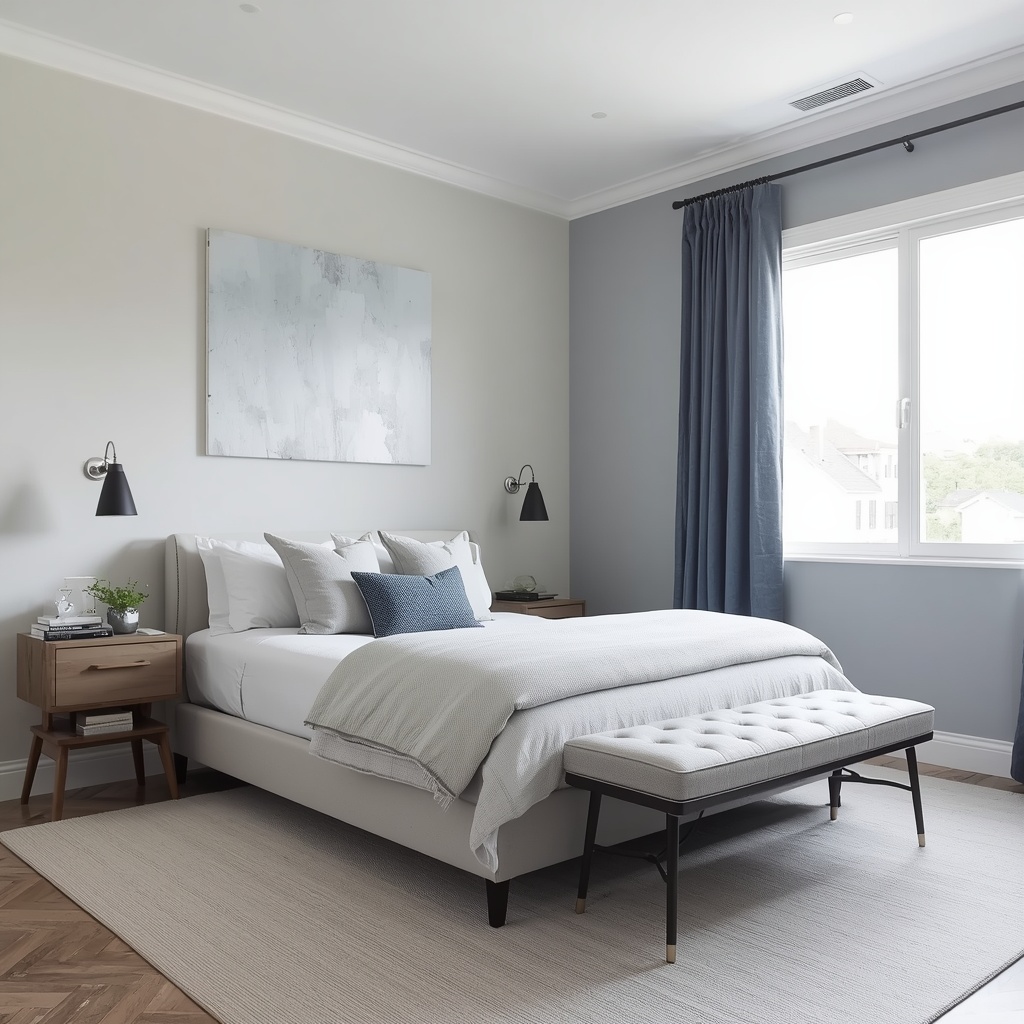
| Dusty blue and gray | Calm, cool, tranquil | Sunny or warm rooms | White bedding, silver accents |
| Blush and warm beige | Gentle, inviting | Cozy, romantic spaces | Gold, velvet, soft wool |
| Deep navy or charcoal | Dramatic, enveloping | Bold, moody, intimate rooms | Crisp white, leather, warm lighting |
Many people assume a small room must be painted white. I disagree. A deep, saturated shade on all four walls and the ceiling can make a small bedroom feel rich and intentionally cozy, like a jewel box. The key is to keep the trim and the rest of the palette consistent so the room feels cohesive.
If you rent, try peel-and-stick wallpaper on one wall, or bring in color through bedding, curtains, and a large piece of art.
The 60-30-10 rule is an easy formula for a balanced look:
- 60% dominant color: walls, large rugs, and big furniture
- 30% secondary color: bedding, curtains, and upholstered pieces
- 10% accent color: pillows, art, lamps, and small decor
Layer Your Lighting for Warmth and Function
If you take one lesson from professional designers, let it be this: one overhead light is never enough. Harsh ceiling fixtures flatten a room and make it feel like an office. Layered lighting creates depth and comfort.
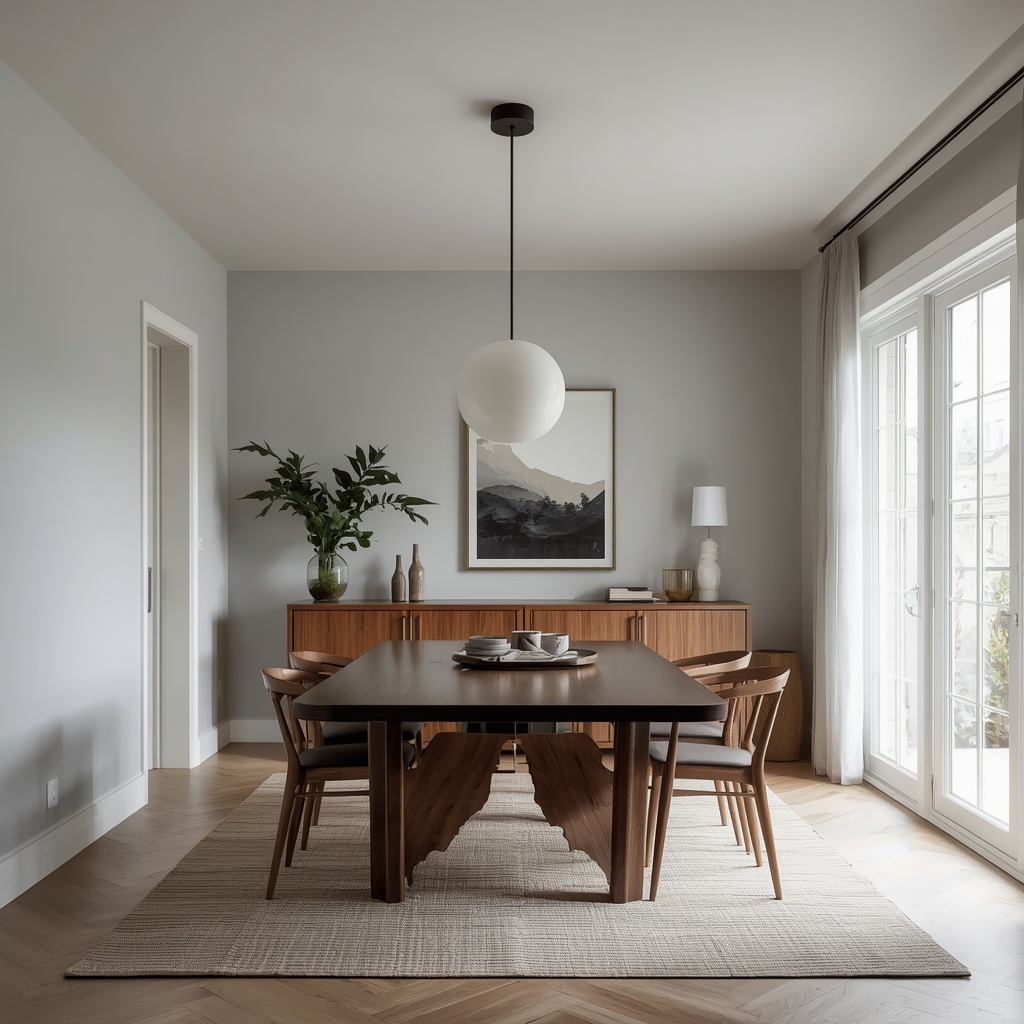
Aim for three types of light:
- Ambient lighting: general illumination, such as a ceiling fixture or flush mount with a dimmer
- Task lighting: focused light for reading, such as wall-mounted sconces or small bedside lamps
- Accent lighting: soft glow for mood, such as LED strips, a salt lamp, or string lights
In small rooms, wall-mounted sconces or plug-in swing-arm lamps are game changers. They free up your nightstand surface and give you adjustable reading light. Choose warm white bulbs in the 2200K to 2700K range in the evening. They signal your body that it’s time to wind down.
If you want to save on energy, ENERGY STAR certified LED bulbs use significantly less electricity than traditional incandescents and last much longer.
Put everything on dimmers if you can. Being able to lower the light to a soft glow at night is one of the simplest upgrades for bedroom comfort.
Maximize Storage Without Adding Clutter
Clutter is the enemy of comfort in any small bedroom. Visual noise keeps your brain alert when you want it to relax. The solution isn’t owning less for its own sake. It’s giving everything a home, preferably a hidden one.
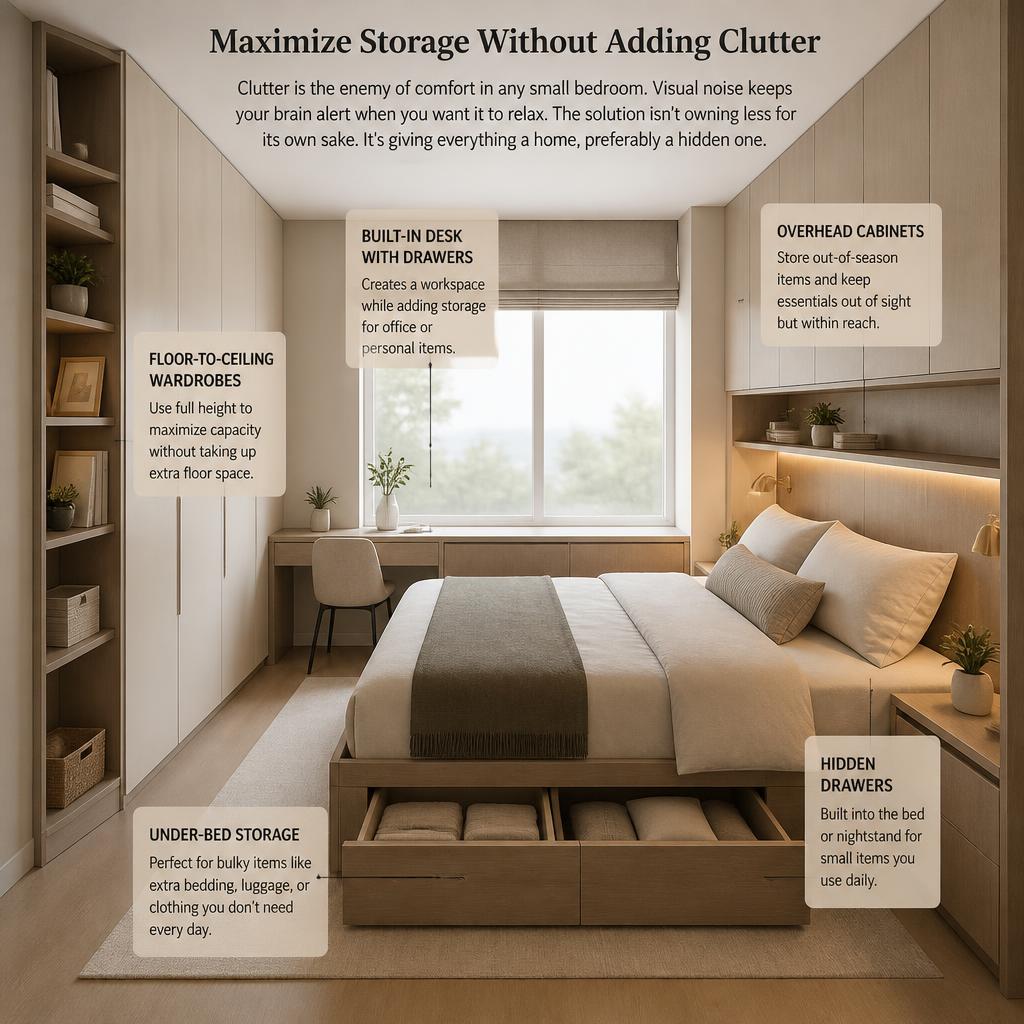
Go vertical. Walls and ceilings are your best unused real estate. Consider:
- Floor-to-ceiling wardrobes or built-in shelving that draw the eye upward
- Floating shelves above the bed or desk
- Tall, narrow dressers instead of wide, low ones
- Over-the-door hooks and slim wall-mounted organizers
Use the space under the bed. This is usually the largest storage area in the room. Low-profile rolling bins, vacuum bags for off-season bedding, or a bed frame with built-in drawers can hold an astonishing amount.
Here’s a comparison of the most popular storage solutions for small bedrooms:
| Storage Solution | Space Saved | Approximate Price Range | Best For |
|---|---|---|---|
| Platform bed with drawers | High | $400–$1,500 | Clothing, linens, shoes |
| Under-bed rolling bins | Medium | $20–$60 | Renters, seasonal items |
| Floating wall shelves | Medium | $15–$80 | Books, plants, decor |
| Storage ottoman or bench | Medium | $60–$250 | Blankets, extra pillows |
| Tall narrow dresser | High | $150–$600 | Folded clothes in tight footprints |
| Hanging closet organizers | High | $15–$50 | Accessories, sweaters, shoes |
Pro Tip: Keep your nightstand to three things: a lamp, something to read, and one personal item. Everything else belongs in a drawer. A clear surface is surprisingly calming first thing in the morning.
Invest in a Comfortable Bed and Quality Bedding
This is where comfort becomes literal. A beautiful room with an uncomfortable bed is a failed design. Since the bed is the focal point of a small bedroom, spend your budget here first.
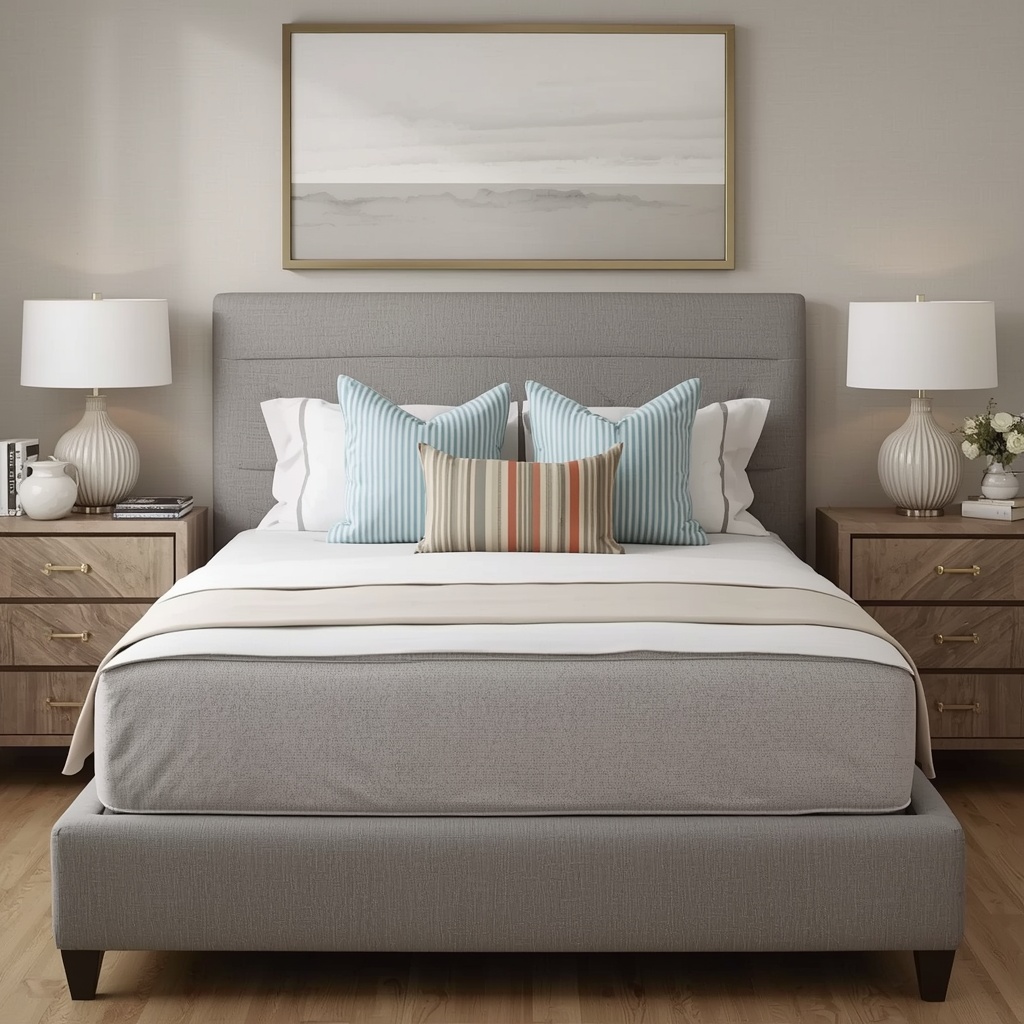
Mattress size matters. A queen is often the largest size that works comfortably in a room under 12×12 feet. A full (double) can be the smarter choice in a very tight space. Keep in mind that a king can overwhelm a small room and leave no walking room.
Build a layered bed. A good bed should look inviting and feel even better. I recommend this layering order:
- A supportive mattress with a breathable mattress topper if needed
- A fitted sheet and flat sheet in cotton percale (crisp and cool) or sateen (smooth and soft)
- A lightweight duvet or comforter in a neutral or tonal shade
- A folded throw blanket at the foot for texture and an extra layer
- Two to four pillows, not seven. More pillows mean more to move every night
Choose natural, breathable fabrics like cotton, linen, or bamboo blends. They regulate temperature better than synthetics, which matters in a small room where heat builds up.
Stay away from oversized, heavy headboards. Instead, try a slim upholstered headboard, a wall-mounted panel, or even a large piece of art hung behind the bed to create a focal point without adding bulk.
Use Mirrors and Reflective Surfaces to Open the Room
Mirrors are one of the oldest tricks in interior design, and for good reason. They bounce light around and create the illusion of depth.
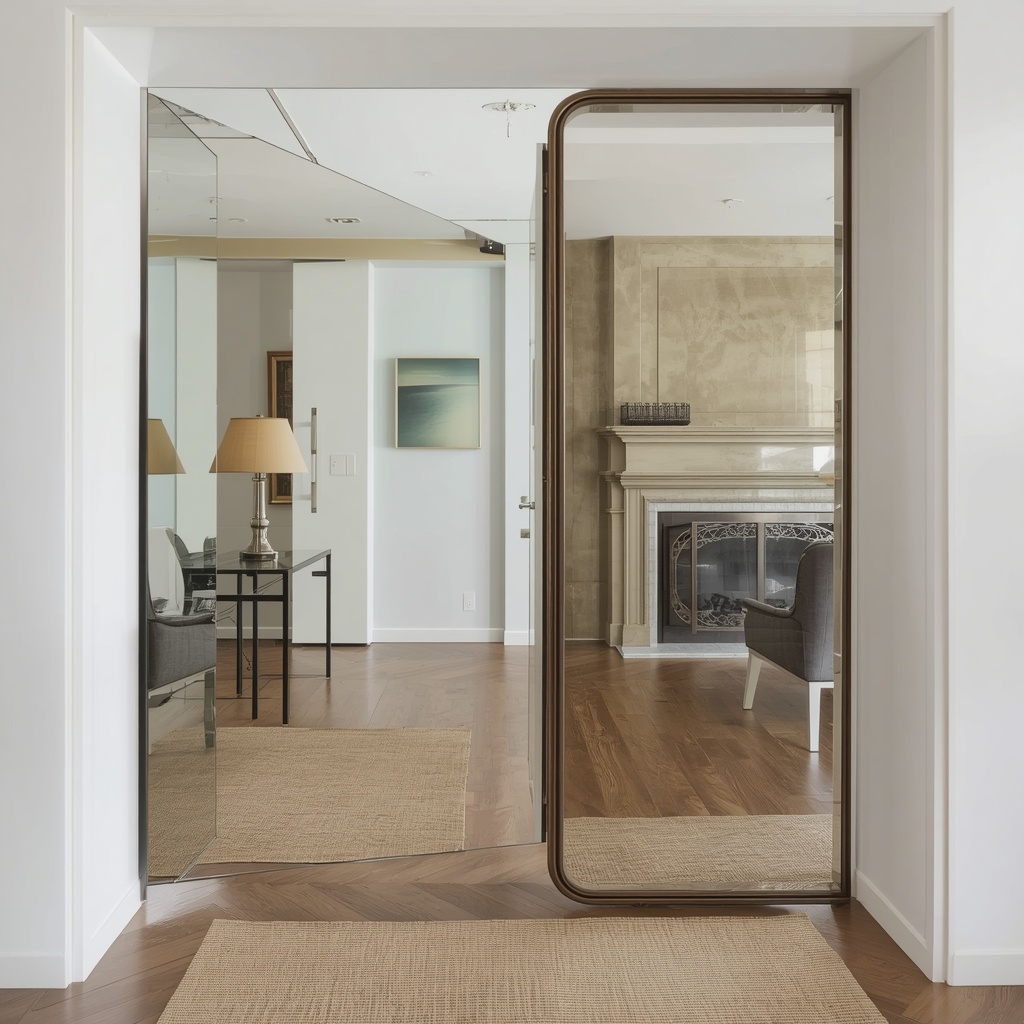
Smart mirror placement includes:
- Opposite a window: This doubles the natural light and gives the impression of a second window.
- Leaning against a wall: An oversized floor mirror adds a relaxed, modern look and doubles as a functional piece.
- On a closet door: A mirrored door adds a full-length mirror without using extra floor or wall space.
- Above the dresser: A round or arched mirror softens the room’s angles.
Avoid placing a mirror directly across from the bed if you find it unsettling when you wake up. Comfort is personal, so trust your instincts.
Other reflective elements, such as a glass-topped nightstand, metallic lamp bases, or a satin finish on the walls, add subtle sparkle without clutter.
Layer Textures for a Cozy, Inviting Feel
Small rooms can go flat quickly when everything is one color and one material. Texture is how you add richness without adding stuff. When a palette is mostly neutral, varied textures keep it from looking boring.
Try mixing:
- Soft: chunky knit throws, velvet pillows, faux fur accents
- Natural: linen curtains, jute or wool rugs, rattan or wicker baskets
- Smooth: ceramic lamps, matte painted walls, polished wood
- Warm metals: brass, brushed gold, or aged bronze hardware and frames
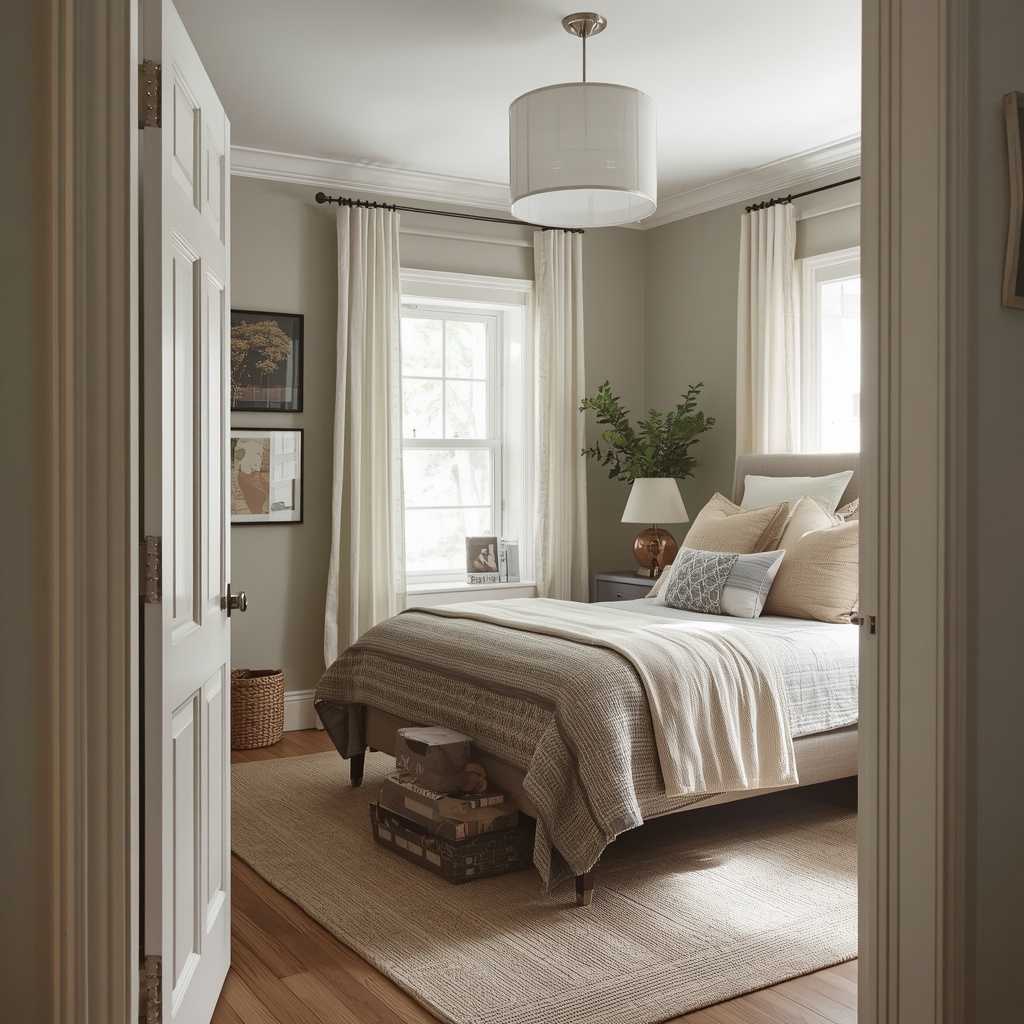
A rug deserves special attention. In a small bedroom, choose one that extends at least 18 to 24 inches beyond the sides and foot of the bed, or place it so the bottom two-thirds sits under the bed. This anchors the room and gives you something soft to step onto. Avoid tiny accent rugs that float awkwardly. They visually chop up the floor and make the room feel smaller.
For windows, hang curtains close to the ceiling and let them fall to the floor. This draws the eye up and makes the ceiling feel taller. Choose a double layer, with sheers for daytime light and blackout panels for sleep.
Choose Multifunctional and Space-Saving Furniture
In a small bedroom, every piece of furniture should work hard. Look for options that serve two or more purposes.
| Furniture Piece | Dual Function | Why It Works |
|---|---|---|
| Storage bed | Sleeping and storage | Replaces a bulky dresser |
| Wall-mounted desk | Workspace that folds away | Frees up floor when not in use |
| Bench at the foot of the bed | Seating and blanket storage | Adds comfort and hides clutter |
| Nightstand with drawers | Bedside surface and storage | Keeps essentials out of sight |
| Floating nightstand | Surface without legs | Makes the floor look larger |
| Daybed or trundle | Bed and guest seating | Ideal for multipurpose rooms |
Another tip: choose furniture with exposed legs whenever possible. Seeing the floor underneath a piece makes it feel lighter and less imposing, which matters a lot in tight quarters.
Bring in Greenery, Art, and Personal Touches
A room that’s efficient but soulless won’t feel comfortable. Personal touches are what turn a bedroom from a showroom into your sanctuary.
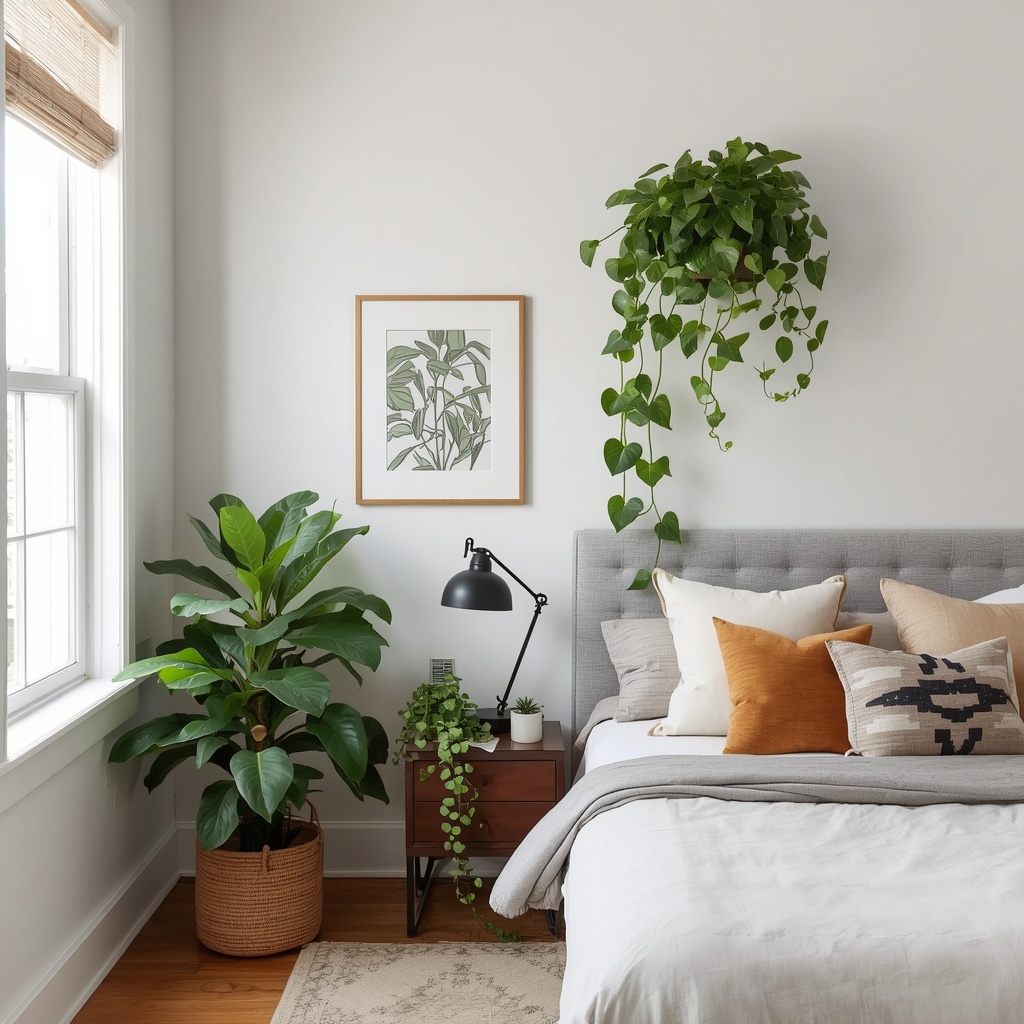
Plants improve the feel of a room and add a living softness. Low-maintenance options that tolerate lower light include snake plants, pothos, and ZZ plants. Trailing varieties on a high shelf save surface space.
Art should be intentional. Rather than covering every wall, choose one large piece or a tight gallery arrangement. Hanging art slightly higher than usual emphasizes ceiling height.
Personal objects like a favorite book stack, a framed photo, or a handmade ceramic dish add warmth. Limit them to a few meaningful items so the room stays calm.
Pro Tip: Use the “rule of three” on dressers and shelves: group items in odd numbers, varying their heights, such as a tall lamp, a medium plant, and a small tray. This creates visual interest without looking cluttered.
Design for Better Sleep: Sound, Scent, and Temperature
True comfort isn’t only visual. The best small bedroom decor ideas engage all your senses.
- Sound: Soft furnishings like rugs, heavy curtains, and upholstered headboards absorb noise. A white noise machine can help in busy neighborhoods.
- Scent: Lavender, cedarwood, and chamomile are popular for relaxation. Choose a subtle diffuser or linen spray rather than heavy candles in a small room.
- Temperature: Many sleep experts suggest a cool bedroom, generally around 65 to 68°F for most adults. A ceiling fan or slim tower fan helps circulate air in a compact space.
- Air quality: Open windows when you can, and consider an air purifier if you live in a city or have allergies.
Keep electronics to a minimum. A phone charging station in another spot, or at least across the room, reduces late-night scrolling and keeps the bedroom a true retreat.
Budget-Friendly Small Bedroom Makeovers
You don’t need a big budget to make a real difference. Here are some high-impact, low-cost upgrades:
- Swap the bedding. A new duvet cover and pillowcases refresh the whole room for under $100.
- Upgrade the lighting. Replace harsh bulbs with warm ones and add a plug-in sconce.
- Paint one wall or the ceiling. A gallon of paint is one of the best returns on investment in decor.
- Add removable hooks and shelves. These are renter-friendly and instantly boost storage.
- Shop secondhand. Vintage dressers, mirrors, and lamps often have more character than new pieces and cost less.
- Declutter ruthlessly. It’s free and often the most transformative step of all.
For more inspiration and professional guidance, the American Society of Interior Designers (ASID) is a good place to learn about working with a designer for larger projects.
Common Small Bedroom Mistakes to Avoid
After years of working in compact homes, I see the same missteps repeatedly:
- Buying furniture that’s too big. Always measure twice and use the tape trick.
- Ignoring vertical space. Empty walls above eye level are wasted opportunities.
- Too many small decor items. A dozen tiny objects read as clutter. A few larger pieces read as design.
- Dark, heavy curtains that block all daylight. Choose layers so you can control the light.
- Skipping the rug. Bare floors feel cold and echo sound.
- Forgetting about the closet. A well-organized closet reduces the need for extra furniture.
Frequently Asked Questions
What color makes a small bedroom look bigger?
Light, cool tones like soft white, pale gray, and muted blue tend to open up a space. That said, a single deep color used consistently can also look sophisticated and cozy.
What size bed is best for a small bedroom?
A queen fits most rooms of 10×12 feet or larger. For smaller spaces, a full bed or a twin XL leaves more room to move.
How can I add storage with no closet?
Try a freestanding wardrobe, a storage bed, over-the-door organizers, and tall, narrow shelving. Vertical solutions work best.
Can I use dark colors in a small bedroom?
Yes. Dark colors create an enveloping, cozy mood when paired with warm layered lighting and lighter textiles for contrast.
Final Thoughts: Make Every Inch Feel Like Home
The best small bedroom isn’t the biggest or the most expensive. It’s the one that feels effortless to be in. Start with a thoughtful layout, choose a calming palette, layer your lighting, and let every piece serve a purpose. Then add the textures and personal touches that make it yours.
Remember that comfort is a practice, not a finish line. Adjust as you live in the space. Move a lamp, swap a pillow, edit what’s not working. Small rooms reward people who pay attention, and once you find your rhythm, you’ll likely find that your cozy little bedroom is your favorite room in the house.