
Living in a small apartment doesn’t mean sacrificing style, comfort, or function. As an interior designer who has spent years transforming cramped city apartments into inviting, spacious-feeling homes, I can tell you the secret isn’t more square footage — it’s smarter design. The right combination of furniture, color, lighting, and organization can make even a 400-square-foot studio feel open, airy, and thoughtfully curated.
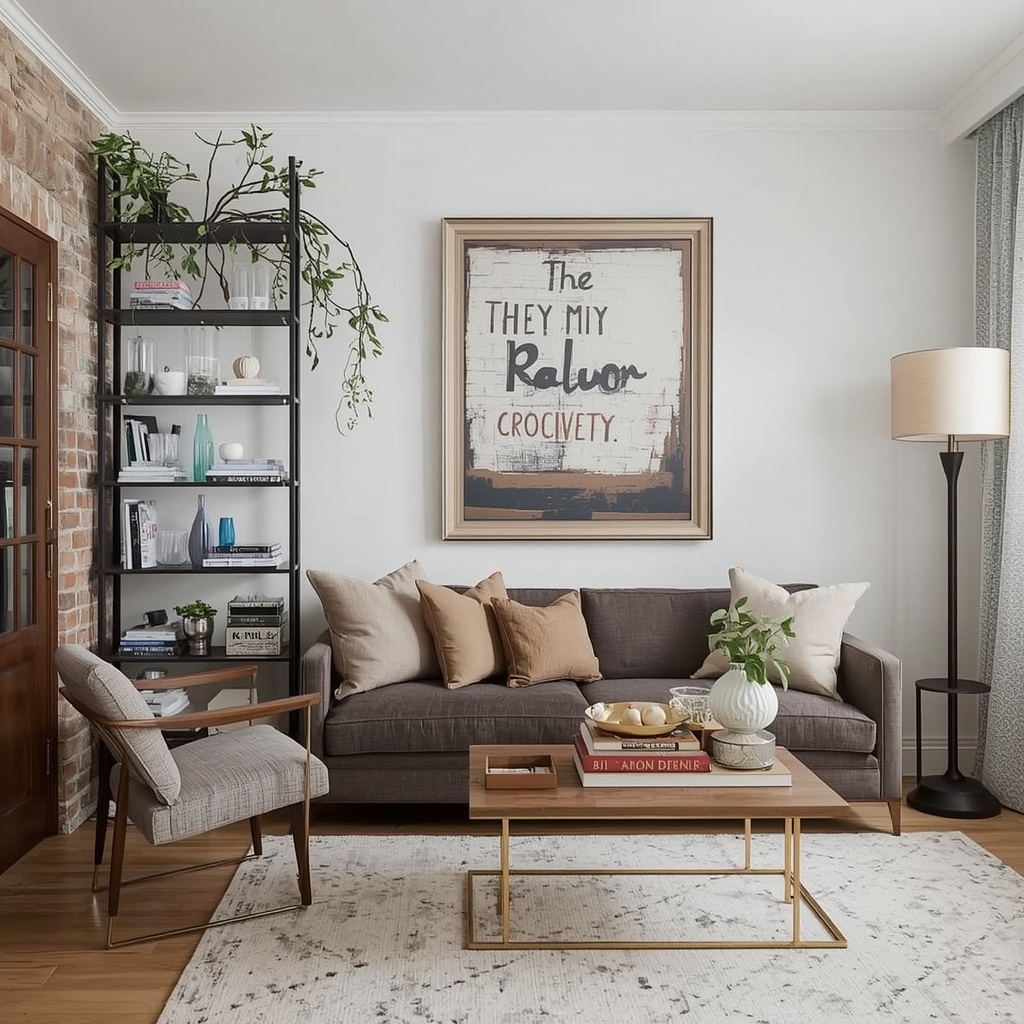
Whether you’re in a tiny NYC walk-up, a compact LA bungalow, or a cozy Chicago studio, this guide will walk you through proven small apartment decor hacks that maximize square footage without breaking your budget or your back.
Why Small Space Design Requires a Different Approach
Designing for small apartments isn’t just “regular design, but smaller.” It requires an entirely different mindset focused on multi-functionality, visual flow, and intentional minimalism. Every item you bring into a compact space has to earn its place — either through function, beauty, or ideally both.
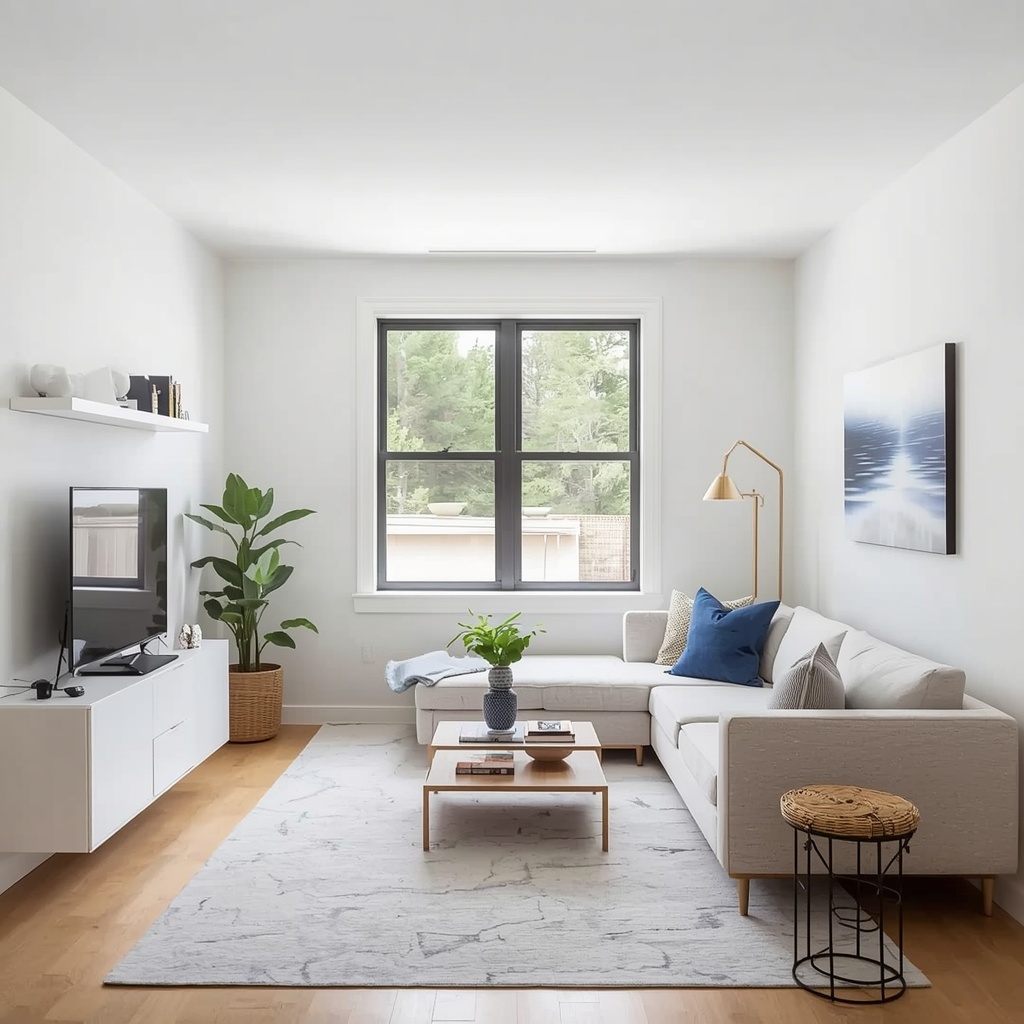
The goal is to create the illusion of space while keeping the room fully livable. This means thinking vertically instead of just horizontally, choosing furniture that does double duty, and using color and light to trick the eye into perceiving more room than actually exists.
“In small space design, every square inch is prime real estate. The apartments that feel the biggest aren’t necessarily the emptiest — they’re the most intentional.” — A principle I share with every client walking into their first studio apartment.
H2: Multi-Functional Furniture Is Your Best Friend
If there’s one investment that pays off in small apartment living, it’s multi-functional furniture. These space-saving furniture pieces work overtime, serving two or three purposes instead of just one.
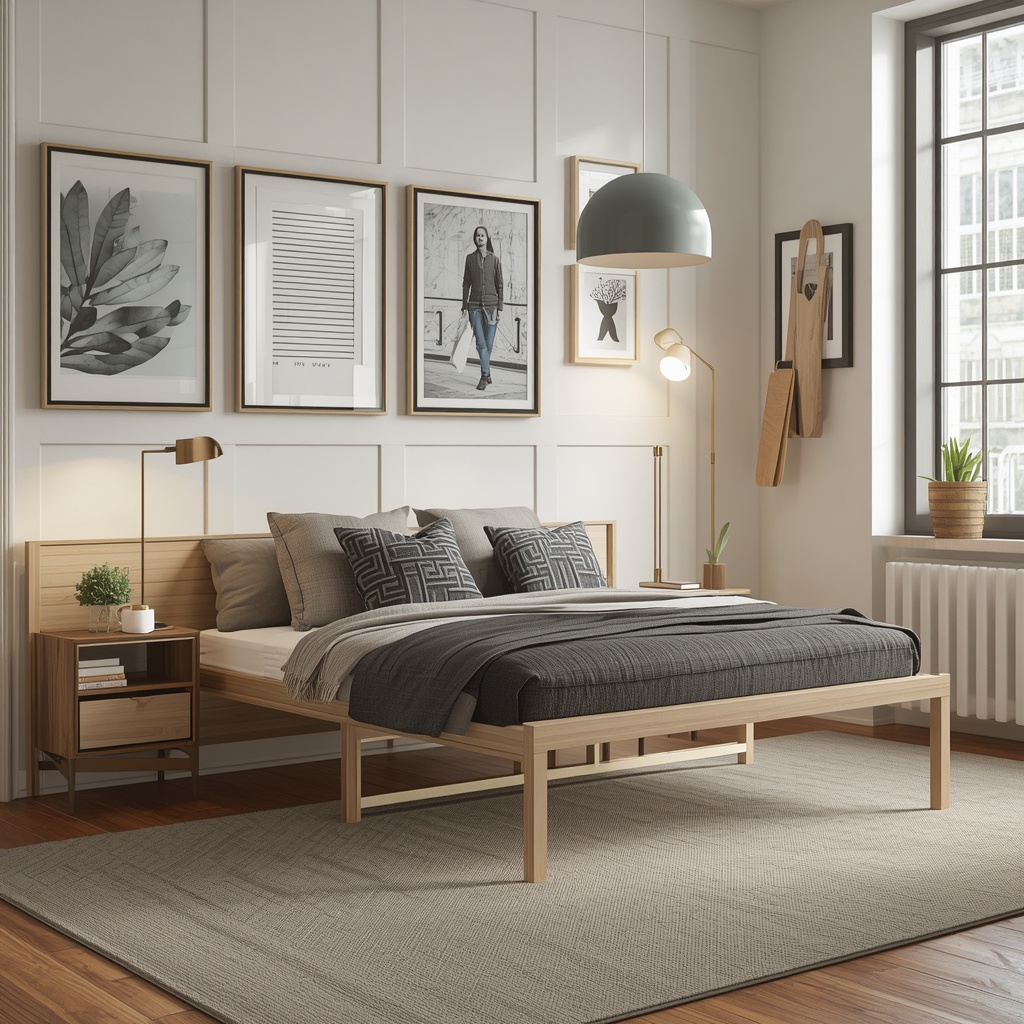
Think of furniture as a puzzle piece rather than a static object. A coffee table that lifts up into a desk, an ottoman that stores blankets, or a bed frame with built-in drawers can eliminate the need for separate storage units entirely. This is the single biggest lever for maximizing square footage in apartment living.
Pro Tip: Before buying any new furniture piece for a small apartment, ask yourself: “Can this do at least two jobs?” If the answer is no, keep shopping. A sofa bed, a nesting table set, or a storage bench under a window can replace three separate pieces of furniture with one smart purchase.
| Furniture Type | Primary Function | Secondary Function | Best For |
|---|---|---|---|
| Storage Ottoman | Seating | Blanket/toy storage | Living rooms |
| Murphy Bed | Sleeping | Frees floor space when folded | Studio apartments |
| Extendable Dining Table | Everyday dining | Expands for guests | Kitchens/dining nooks |
| Storage Bed Frame | Sleeping | Under-bed storage | Bedrooms |
| Nesting Side Tables | Surface space | Stacks away when unused | Living rooms |
| Wall-Mounted Desk | Workspace | Folds flat against wall | Home offices |
H2: Think Vertical — Your Walls Are Underused Real Estate
Most small apartments suffer from the same issue: all the storage focus goes to the floor, while the walls sit empty. Vertical storage solutions are one of the most effective apartment decorating tips because they free up floor space while keeping items accessible.
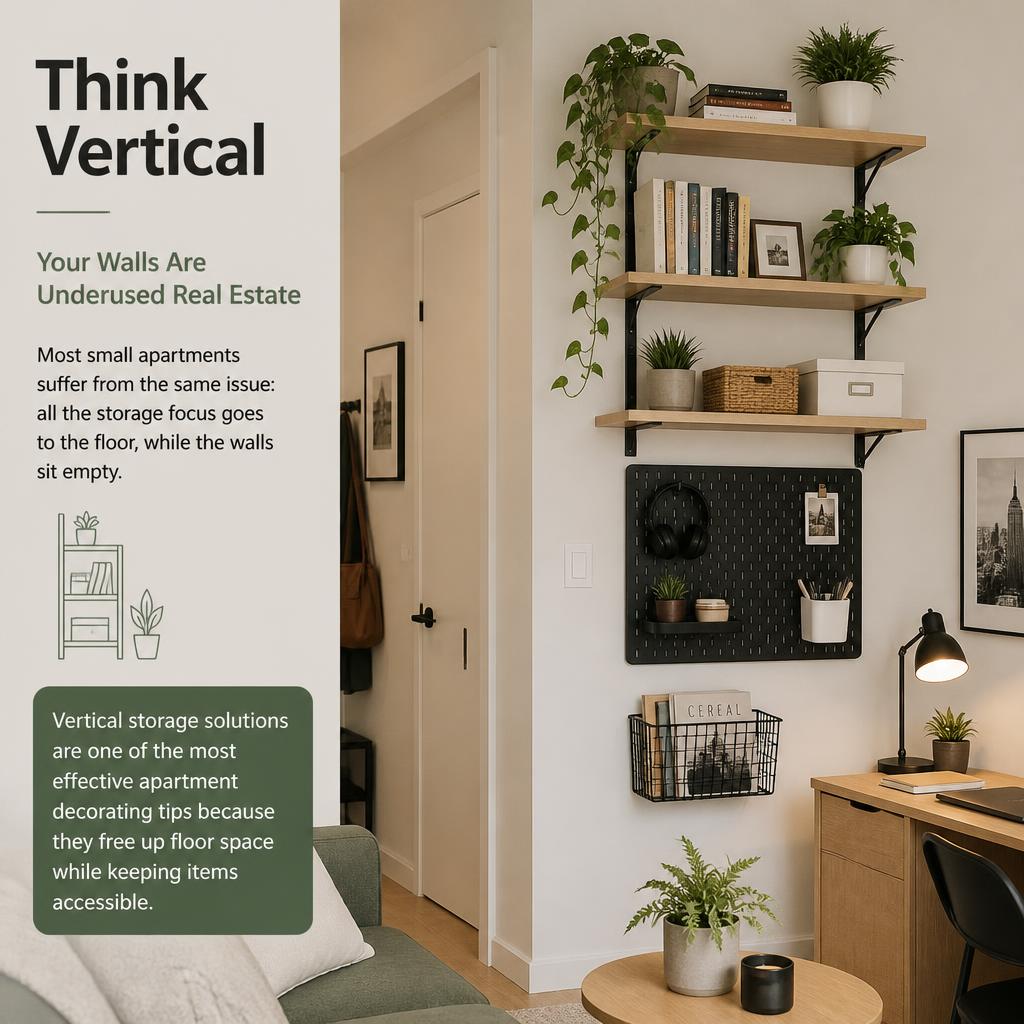
Tall bookshelves, floating shelves, and wall-mounted cabinets draw the eye upward, which also has the psychological effect of making ceilings feel higher and rooms feel larger. Pegboards in kitchens, over-the-door organizers in closets, and hanging planters in living rooms all take advantage of dead vertical space that would otherwise go to waste.
Pro Tip: Install shelving at varying heights up to the ceiling rather than stopping at eye level. This “floor-to-ceiling” approach signals to the brain that the entire wall is being used purposefully, which reads as intentional design rather than clutter.
Here are some easy vertical storage wins to try this weekend:
- Floating shelves above the couch or bed for books and decor
- A pegboard system in the kitchen for pots, pans, and utensils
- Over-the-door shoe organizers repurposed for bathroom or craft supplies
- Wall-mounted magazine racks or mail sorters near the entryway
- Ceiling-mounted pot racks in galley kitchens
- Tension rods installed under sinks for hanging spray bottles
H2: Color Psychology and Small Space Illusions
Color is one of the most powerful — and most underrated — tools in small space design. Light, soft, and neutral tones like warm whites, soft greiges, and pale blues reflect natural light and visually push walls outward, making a room feel more expansive.
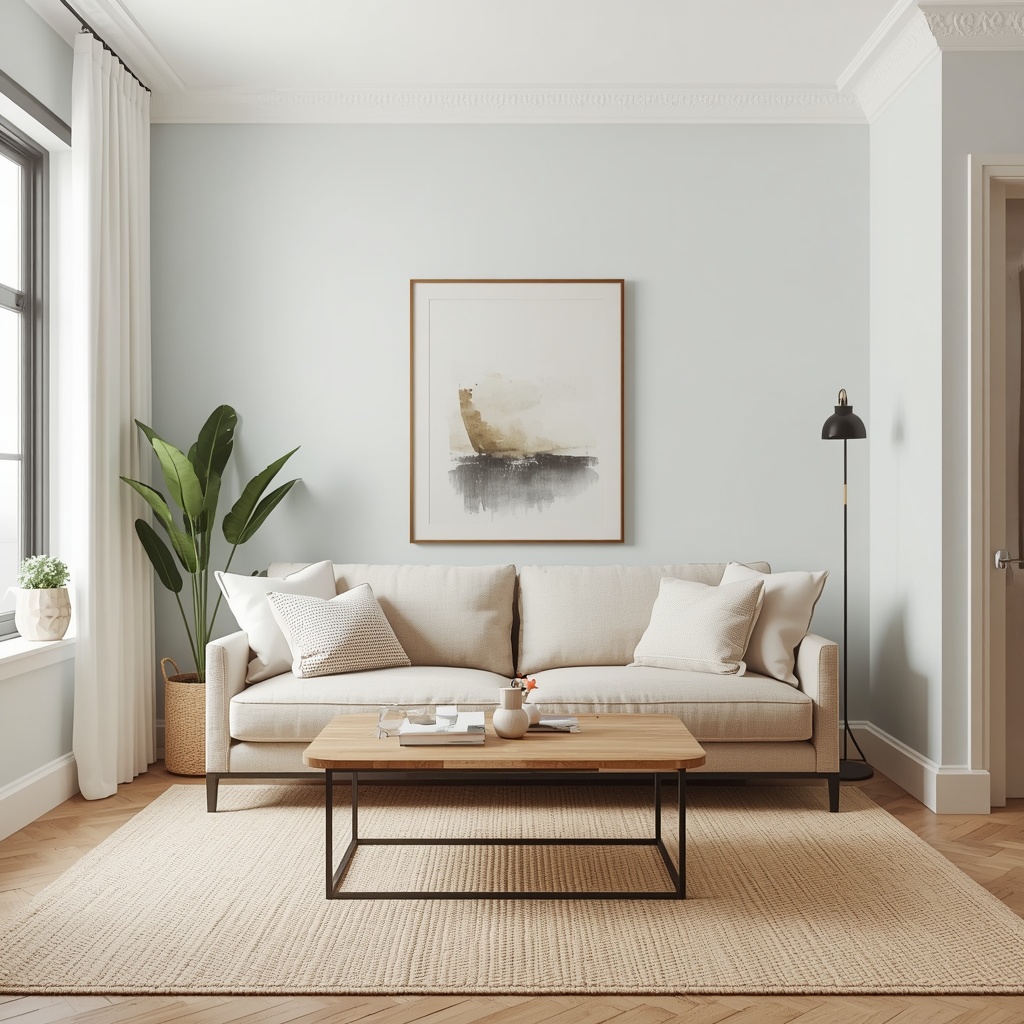
That said, small apartment decor doesn’t have to mean boring or all-white. Monochromatic color schemes, where walls, furniture, and textiles share a similar tone family, create a seamless flow that tricks the eye into seeing one continuous space rather than choppy, segmented zones. Even a single accent wall in a deeper hue, when balanced correctly, can add depth without shrinking the room.
Pro Tip: Paint your trim, walls, and ceiling the same color (or very close shades) to eliminate visual “stopping points.” This technique, sometimes called “color-drenching,” is one of the fastest ways to make low ceilings and small rooms feel taller and more unified.
H2: Mirrors and Lighting: The Ultimate Space-Expanding Duo
No small apartment transformation is complete without strategic mirror placement and layered lighting. Mirrors reflect both natural and artificial light, instantly doubling the perceived depth of a room. Placing a large mirror across from a window is one of the oldest tricks in the interior design playbook, and it still works remarkably well.
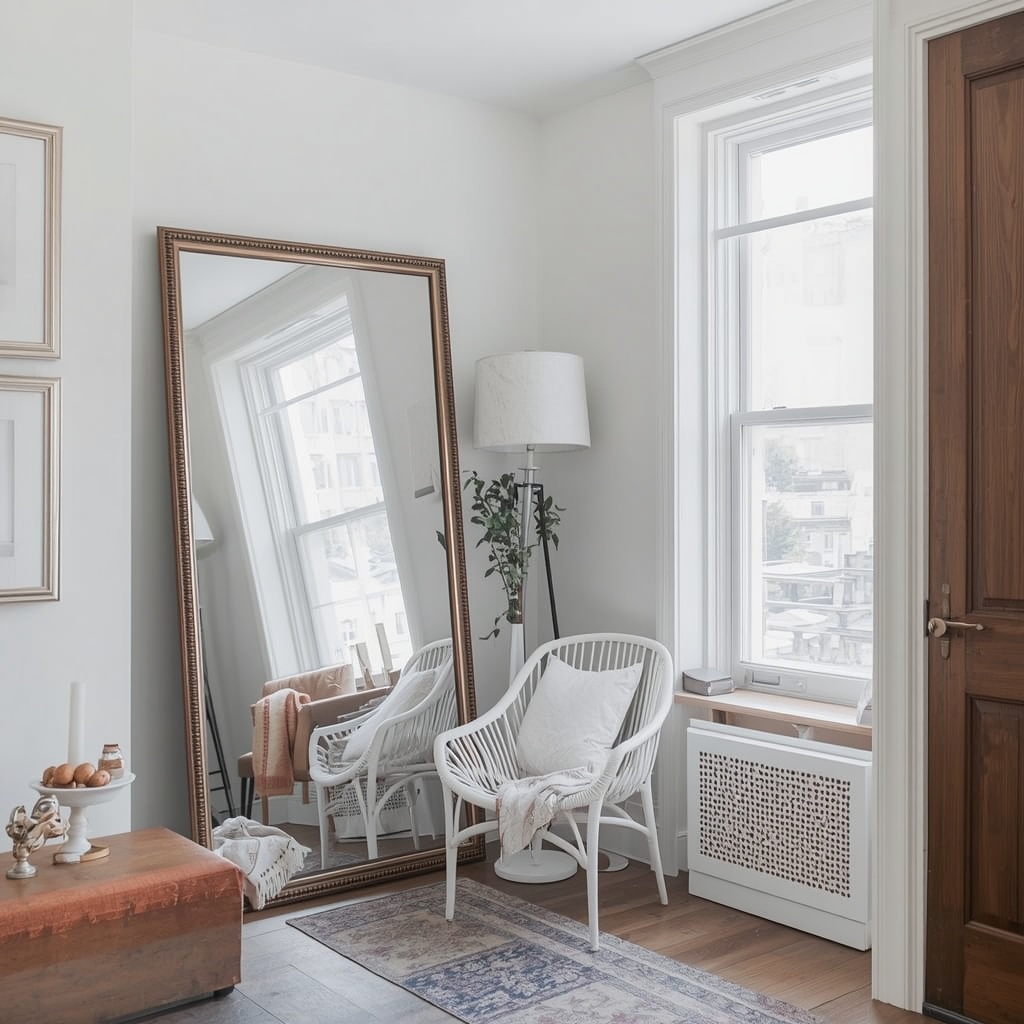
Lighting, meanwhile, should be layered rather than relying on a single overhead fixture. A mix of ambient, task, and accent lighting — think floor lamps, under-cabinet LED strips, and warm-toned bulbs — creates depth and dimension that a single harsh ceiling light simply can’t achieve.
Pro Tip: Use warm white bulbs (2700K–3000K) instead of cool white or daylight bulbs in living and sleeping areas. Warmer light makes small spaces feel cozy rather than clinical, while still keeping the room bright and functional.
| Lighting Type | Purpose | Example Fixture |
|---|---|---|
| Ambient | Overall room illumination | Flush-mount ceiling light |
| Task | Focused work areas | Desk lamp, under-cabinet lighting |
| Accent | Highlighting decor/depth | Wall sconces, picture lights |
| Layered | Combines all three | Floor lamp + string lights + lamp |
H2: Smart Zoning Without Walls
One of the biggest challenges in studio apartment living is creating distinct zones — sleeping, working, relaxing, eating — without the luxury of separate rooms. This is where visual zoning techniques come into play.
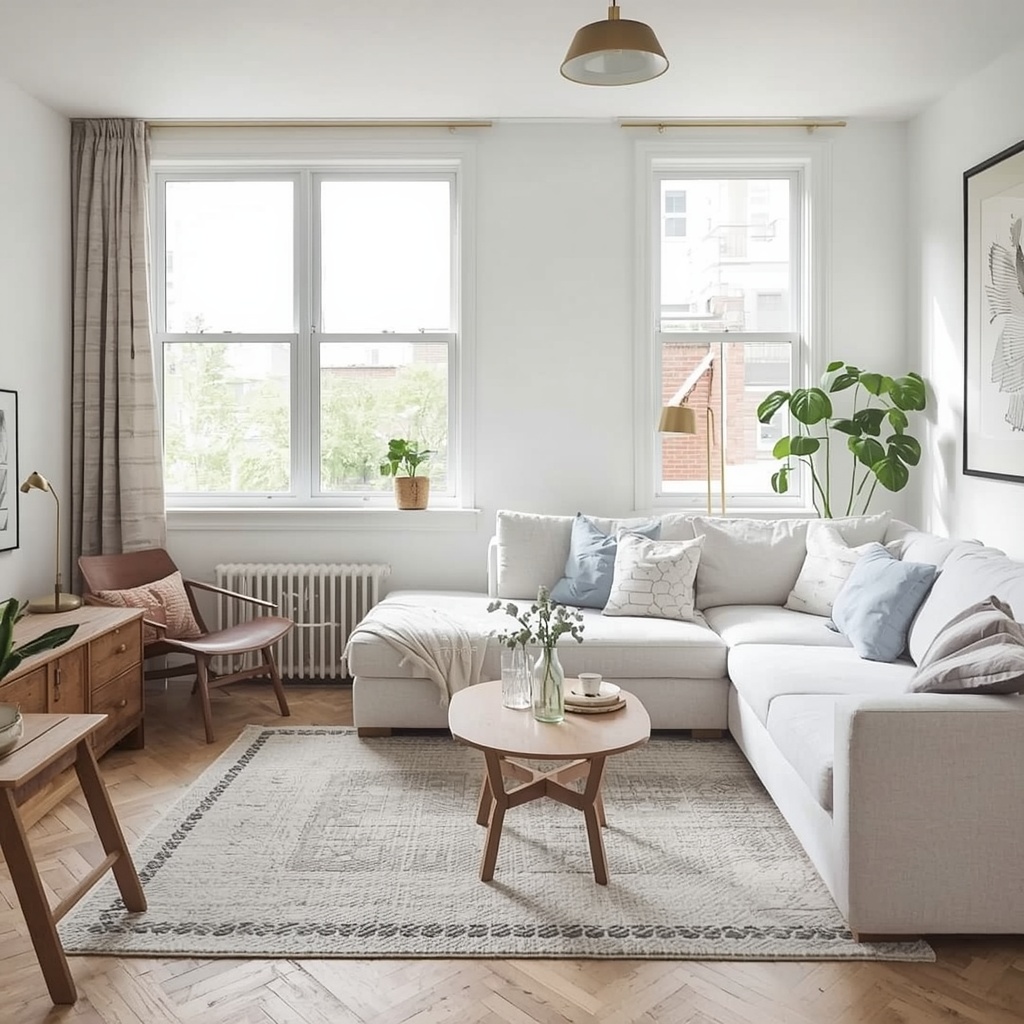
Area rugs are one of the simplest ways to define a space; placing one under a seating area instantly signals “this is the living room” even in an open floor plan. Furniture placement can also act as a soft divider — positioning a bookshelf or console table perpendicular to a wall creates a natural boundary between a sleeping nook and a living area without sacrificing openness or light flow.
Pro Tip: Use a room divider screen, curtain track, or open bookshelf instead of a solid wall when you need privacy. These solutions block sightlines while still allowing light and air to pass through, keeping the apartment feeling open.
H2: Decluttering and Organization Systems That Actually Work
No amount of clever furniture or paint color can compensate for clutter. Effective organization systems are foundational to any small apartment decor plan, and they start with a simple truth: everything needs a home.
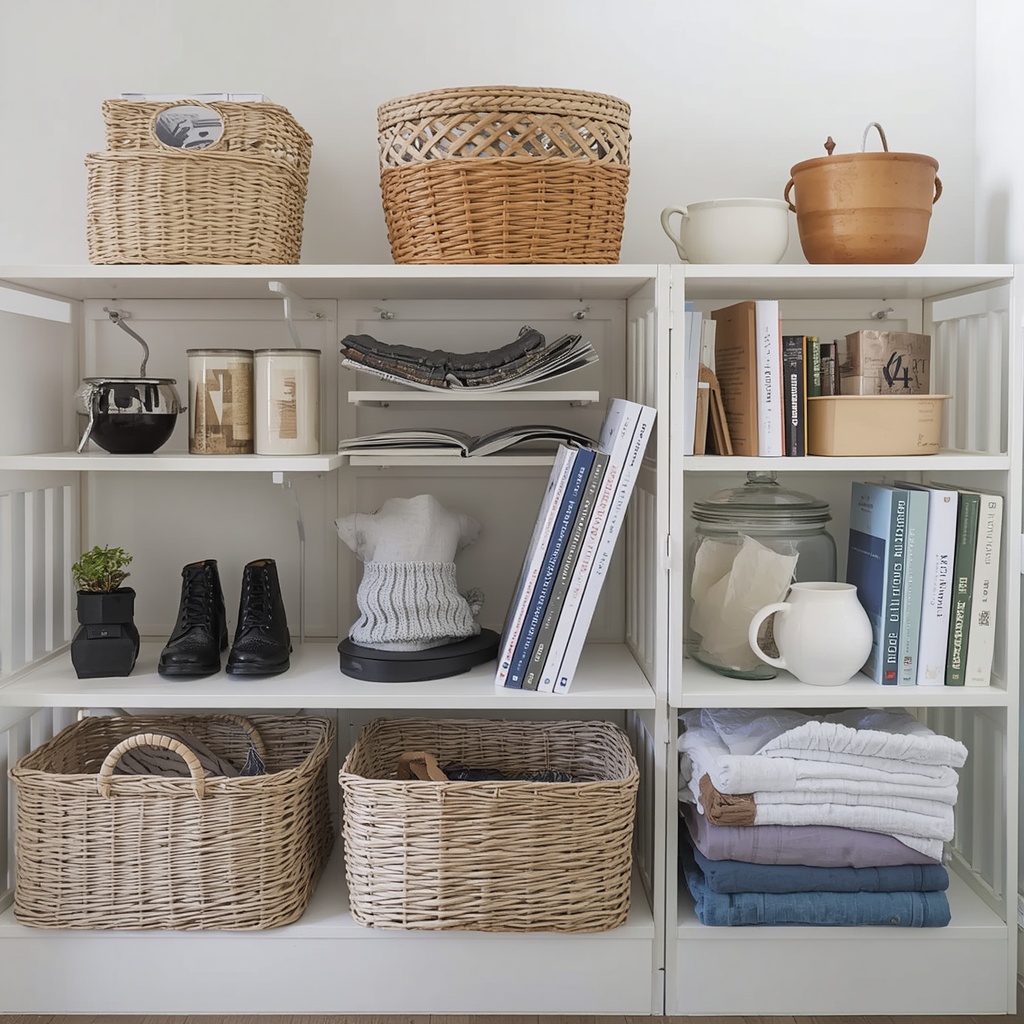
A helpful framework I use with clients is the “one in, one out” rule — for every new item that enters the apartment, something else must leave. This keeps possessions in check and prevents the slow creep of clutter that makes small spaces feel chaotic. Clear bins, labeled baskets, and drawer dividers also make it easier to maintain order because everything has a designated, visible spot.
Quick decluttering wins for small apartments:
- Do a seasonal closet audit and donate anything unworn in the last 12 months
- Use drawer dividers to organize kitchen utensils and office supplies
- Store off-season items (holiday decor, winter coats) in under-bed bins
- Digitize paper clutter like mail, receipts, and documents
- Designate a “landing zone” by the door for keys, bags, and shoes
- Limit decorative objects to groups of three for a curated, not cluttered, look
H2: Textiles, Rugs, and Soft Furnishings
Soft furnishings might seem like an afterthought, but they play a major role in how spacious a room feels. Oversized rugs, when sized correctly to extend under furniture legs, create the illusion of a larger floor plan than smaller, “floating” rugs do.
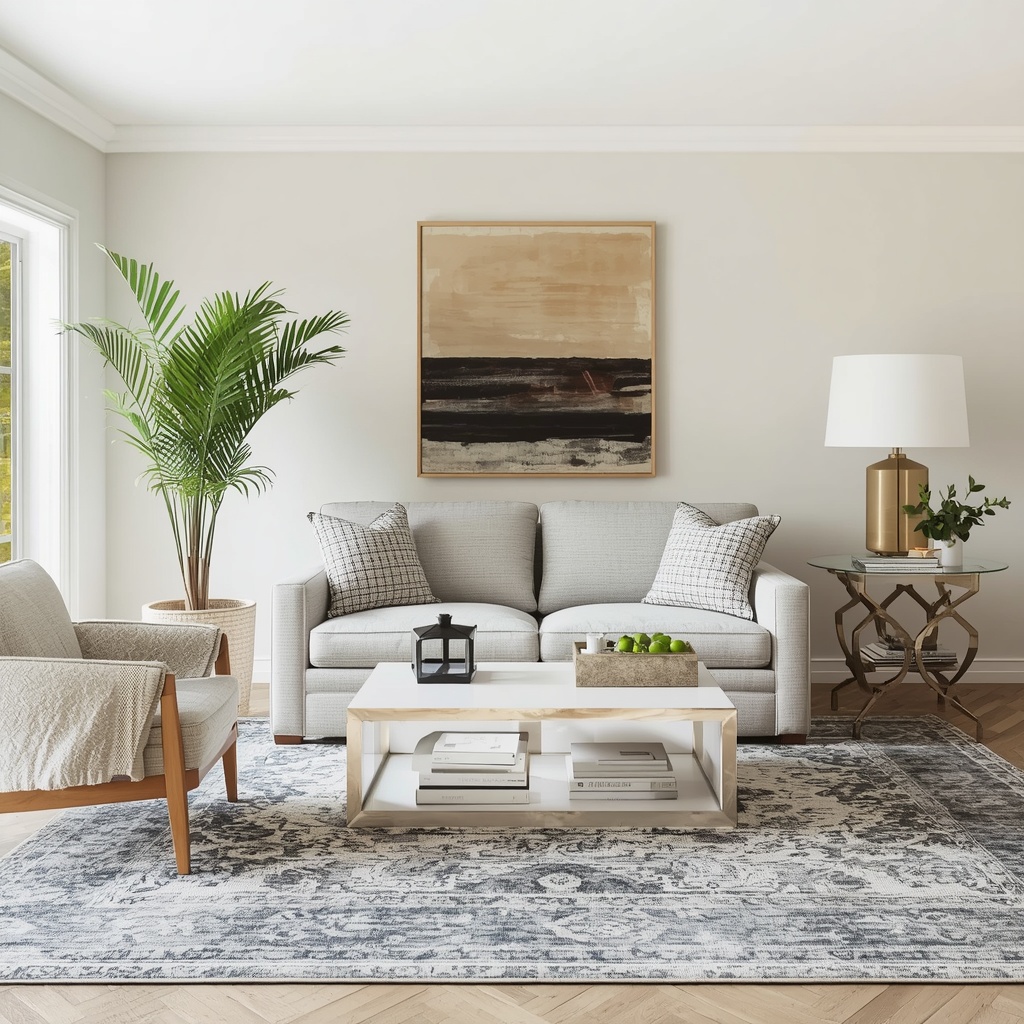
Curtains hung high and wide — mounted closer to the ceiling and extending beyond the window frame — make windows (and by extension, the whole room) appear larger. Lightweight, sheer fabrics also allow more natural light to filter through, which is essential for keeping small spaces from feeling dark or boxed in.
Pro Tip: Hang curtain rods 4 to 6 inches above the window frame and extend them a few inches past each side. This simple trick elongates the wall visually and lets in maximum light when curtains are open.
H2: Statement Pieces vs. Minimalism — Finding the Balance
A common misconception in compact living is that small apartments must be entirely minimalist to feel spacious. In reality, a well-placed statement piece — a bold piece of art, a striking pendant light, or a vibrant accent chair — can anchor a room and give it personality without overwhelming it.
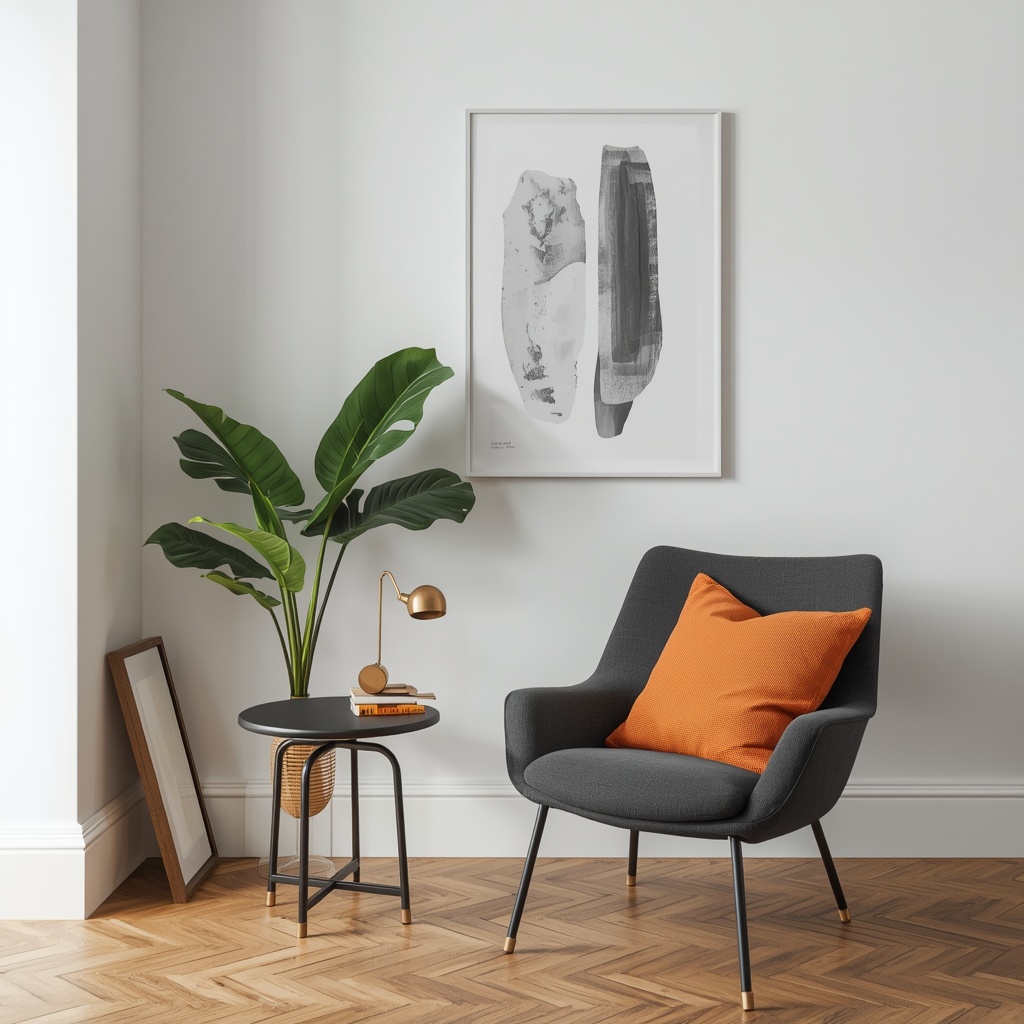
The key is restraint: choose one or two focal points per room rather than competing statement pieces scattered throughout. This approach, often associated with the “apartment therapy style” popular on design blogs and social media, blends personality-driven decor with functional simplicity, proving that small space design doesn’t have to mean sacrificing character for square footage.
Quick-Reference: Small Apartment Decor Hacks at a Glance
| Category | Hack | Impact |
|---|---|---|
| Furniture | Choose multi-functional pieces | Reduces number of items needed |
| Storage | Go vertical with shelving | Frees floor space |
| Color | Use light, monochromatic palettes | Visually expands walls |
| Lighting | Layer warm, ambient light | Adds depth and coziness |
| Mirrors | Place opposite windows | Doubles perceived light/space |
| Zoning | Use rugs and furniture as dividers | Creates rooms without walls |
| Organization | Apply “one in, one out” rule | Prevents clutter buildup |
| Textiles | Hang curtains high and wide | Elongates walls and windows |
| Decor | Limit to 1-2 statement pieces per room | Adds personality without clutter |
Final Thoughts: Small Space, Big Style
Maximizing square footage in a small apartment is less about finding more space and more about using the space you have with intention. Every design decision — from the color on your walls to the height of your curtain rods — contributes to whether a room feels cramped or comfortably compact.
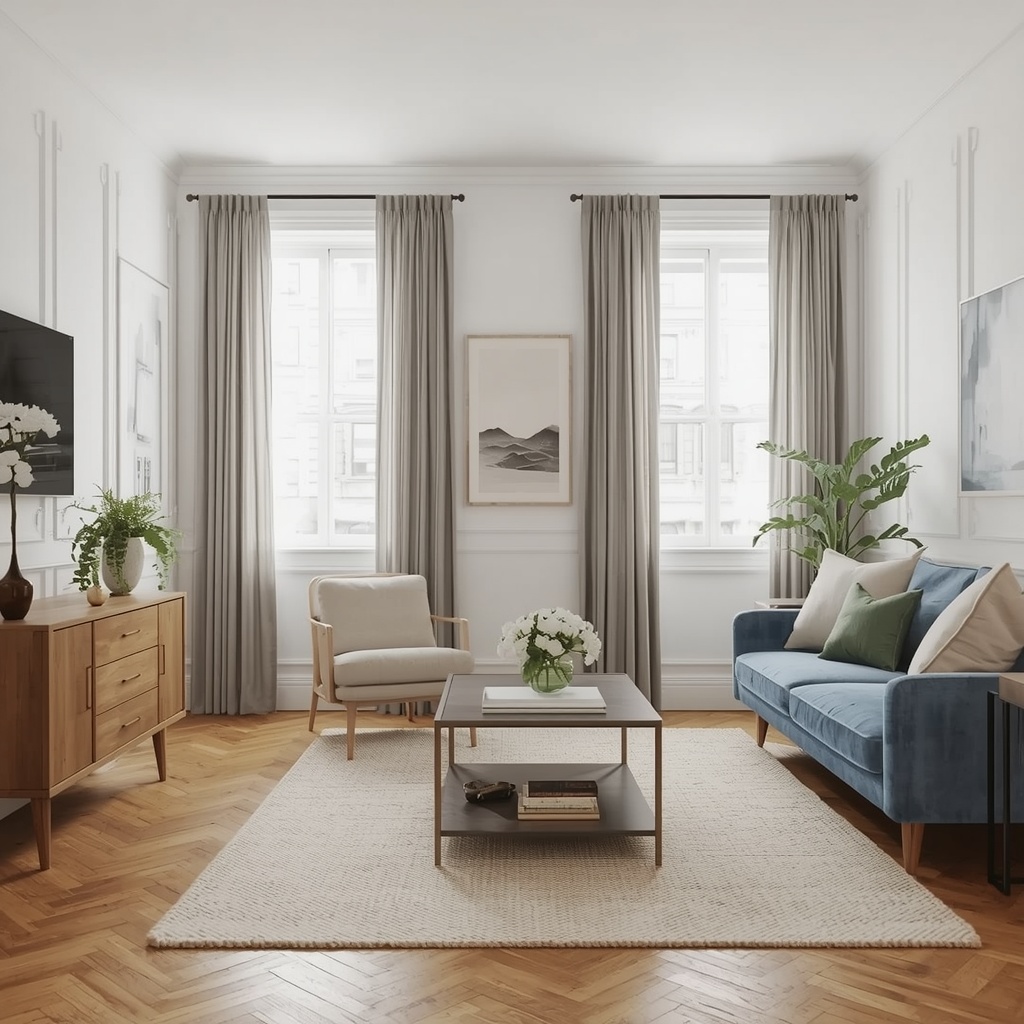
Start with one or two hacks from this list, whether it’s adding a large mirror, decluttering a single closet, or investing in one great multi-functional furniture piece. Small, consistent changes compound over time, and before long, your apartment will feel less like a compromise and more like a home you designed on purpose.