
If there’s one thing I’ve learned in years of designing living rooms across the U.S. — from cozy Brooklyn studios to sprawling Texas ranch homes — it’s this: your furniture should work as hard as you do. Multi-functional furniture isn’t just a trend for tiny apartments anymore. It’s a design philosophy that smart homeowners everywhere are embracing to maximize comfort, style, and square footage.
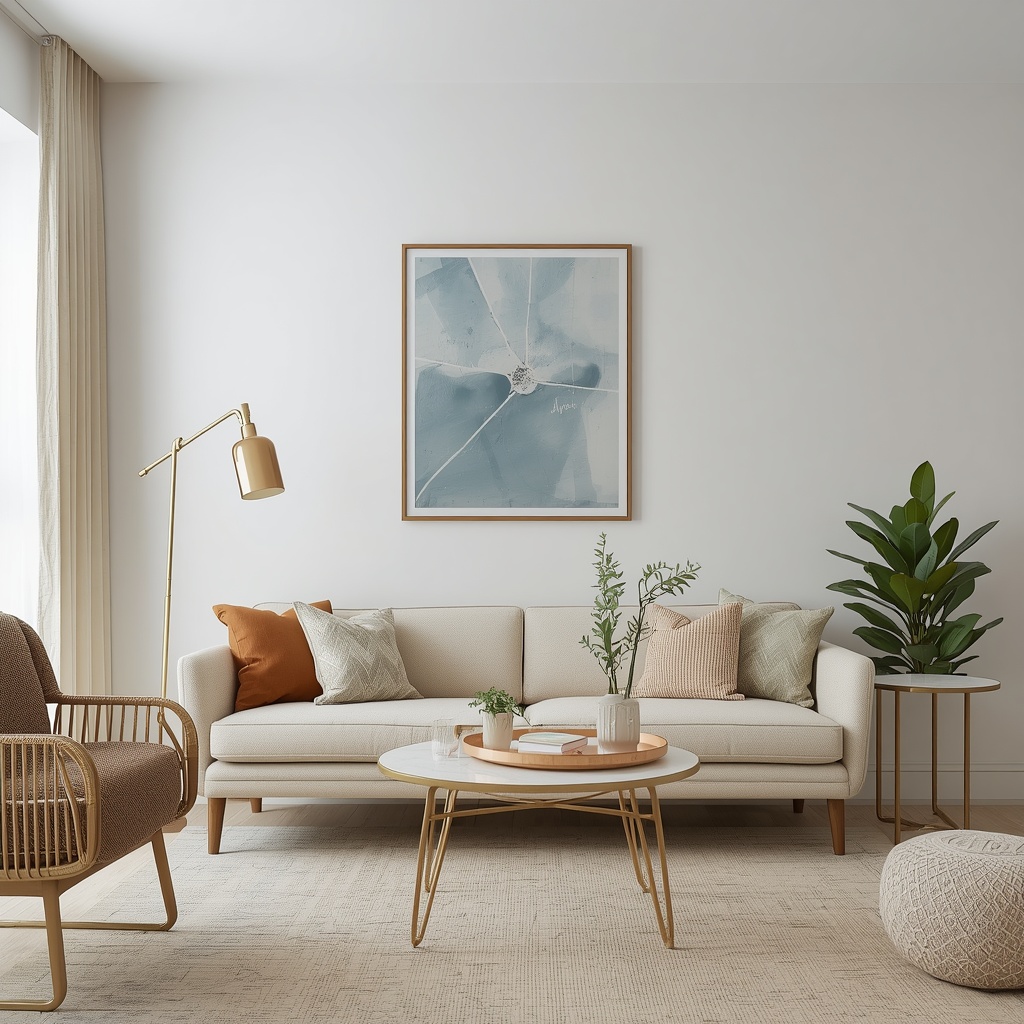
Whether you’re furnishing a 500-square-foot city apartment or simply want a more efficient, clutter-free living room, multi-functional furniture offers the perfect blend of practicality and aesthetics. In this guide, I’ll walk you through everything you need to know — from choosing the right pieces to styling them like a pro.
What Is Multi-Functional Furniture, Really?
Multi-functional furniture refers to pieces designed to serve more than one purpose. Think of a coffee table that doubles as a storage chest, or an ottoman that transforms into a guest bed. These pieces are engineered with space-saving design, versatility, and modern living in mind.
“Good design is not just about how a room looks — it’s about how it lives. Furniture that adapts to your life, rather than restricting it, is the future of interior design.” — A principle I share with every client who feels boxed in by their own living room.
The rise of open-concept homes, remote work, and smaller urban dwellings has made this category of furniture more relevant than ever. It’s no longer just a space-saving hack; it’s a lifestyle upgrade.
Why Multi-Functional Furniture Is a Game-Changer for Living Rooms
Your living room is the heart of your home — it’s where you relax, entertain, work, and sometimes even sleep guests over. Asking one room to do all of that requires furniture that’s flexible enough to keep up.
Beyond saving space, multi-functional furniture actually encourages better organization because built-in storage reduces clutter naturally. It also stretches your budget further, since one well-designed piece can replace two or three single-purpose items. For renters and homeowners alike, adaptable furniture makes it far easier to reconfigure a room as needs change — whether that’s welcoming a new baby, downsizing, or simply refreshing your style.
Pro Tip 💡
When shopping for multi-functional furniture, always measure your space and your doorways first. Many transforming pieces (like sofa beds or extendable tables) are bulkier when unfolded — make sure there’s enough clearance for full functionality, not just for the piece sitting still.
Popular Types of Multi-Functional Living Room Furniture
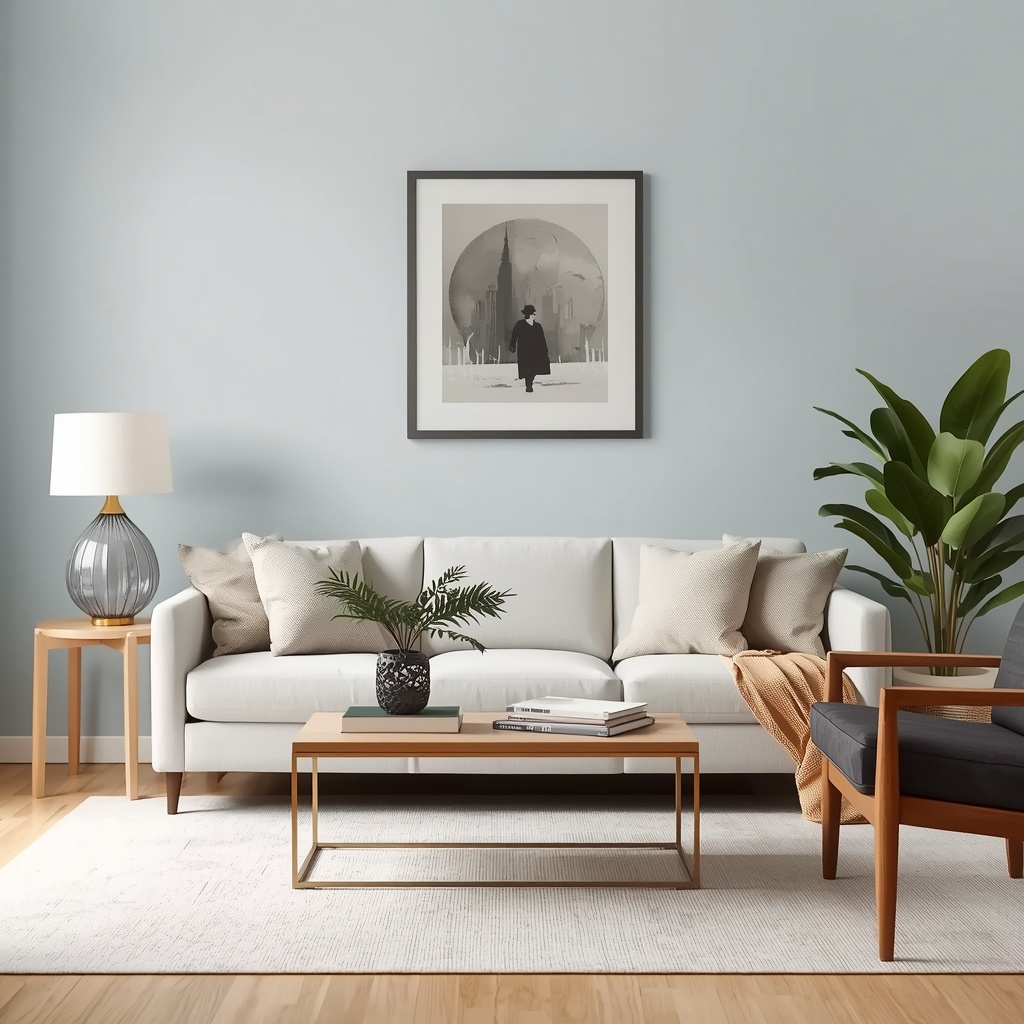
Let’s break down the most popular categories of multi-functional furniture and how each one can transform your living room’s efficiency.
1. Storage Ottomans and Poufs
These are the unsung heroes of small-space design. A storage ottoman can serve as a footrest, extra seating, a coffee table (with a tray on top), and hidden storage for blankets, remotes, or toys — all in one.
2. Sleeper Sofas and Sofa Beds
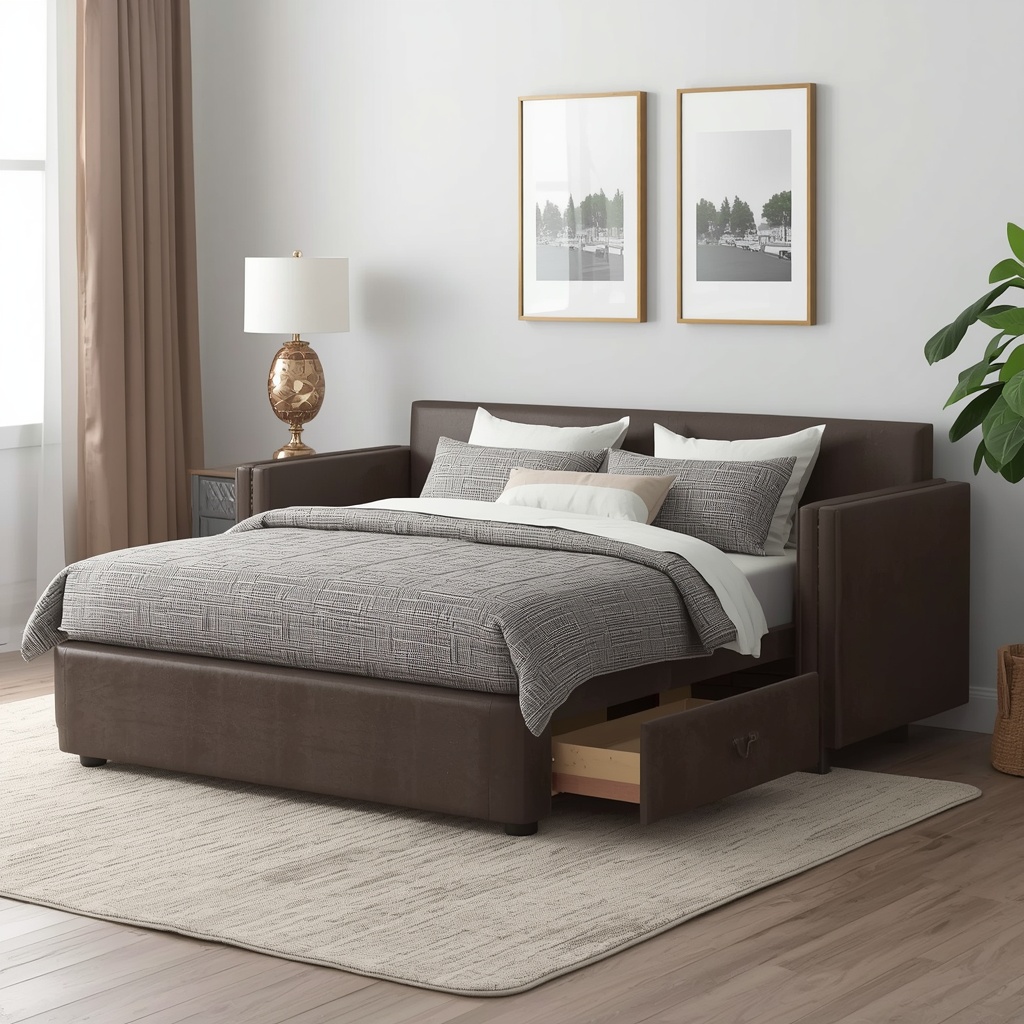
No longer the lumpy pull-out couches of decades past, today’s sleeper sofas are stylish, supportive, and perfect for hosting overnight guests without dedicating an entire room to it.
3. Nesting and Extendable Tables
Nesting tables allow you to expand your surface area when entertaining, then tuck them away when you need more floor space. Extendable coffee or console tables offer similar flexibility for dining or workspaces.
4. Modular Sectionals
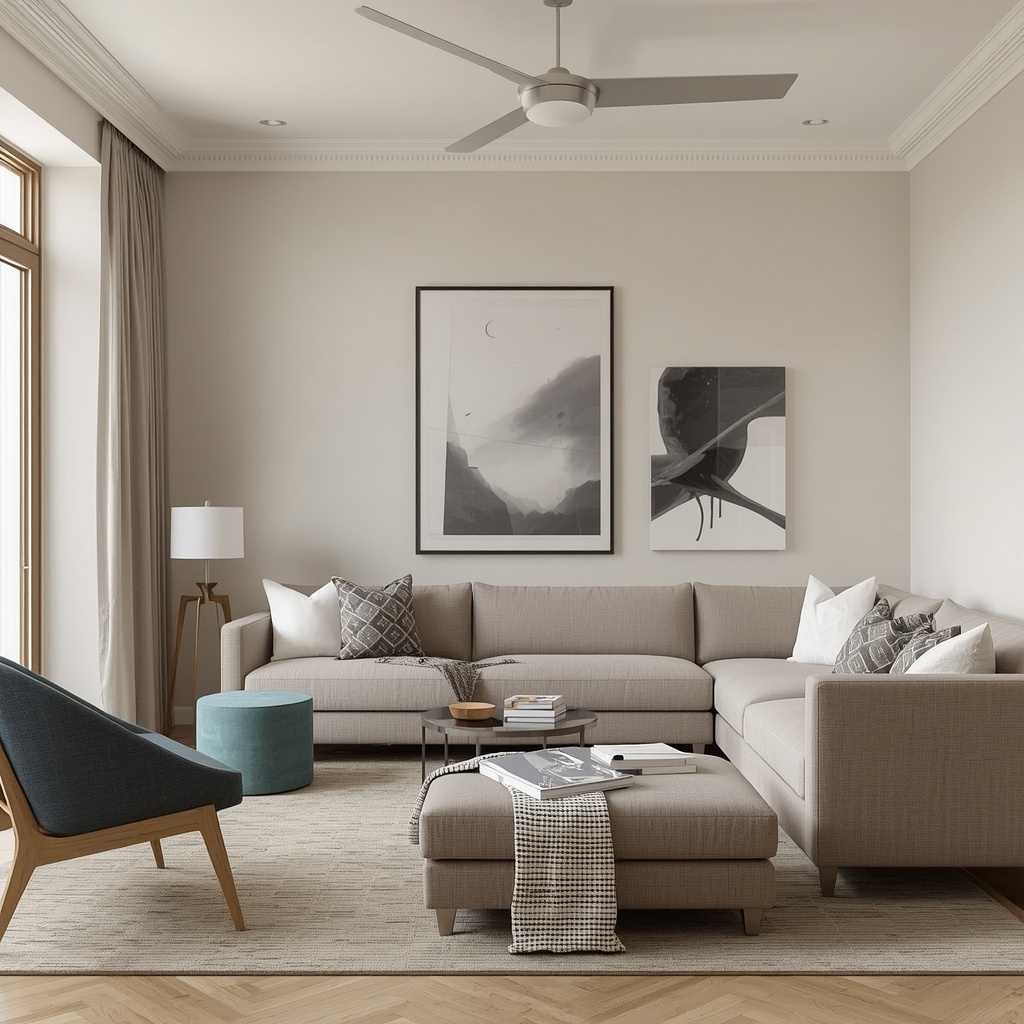
Modular sofas let you rearrange your seating configuration based on the occasion — L-shaped for movie night, split apart for a dinner party, or reconfigured entirely when you move.
5. Wall-Mounted or Fold-Down Desks
With more people working from home, a fold-down desk built into a living room wall unit lets you switch effortlessly between “work mode” and “relax mode.”
6. Console Tables with Storage
A console table behind your sofa can double as a media stand, display shelf, and hidden storage unit — ideal for entryway-adjacent living rooms.
Comparison Table: Multi-Functional Furniture at a Glance
| Furniture Type | Primary Function | Secondary Function | Best For |
|---|---|---|---|
| Storage Ottoman | Seating/footrest | Hidden storage | Small apartments, kids’ homes |
| Sleeper Sofa | Everyday seating | Guest bed | Studios, guest-heavy homes |
| Nesting Tables | Coffee table | Extra surface space | Entertainers, small living rooms |
| Modular Sectional | Sofa seating | Reconfigurable layout | Open floor plans, flexible spaces |
| Fold-Down Desk | Wall decor/shelving | Home office | Remote workers, multi-use rooms |
| Storage Console | TV/media stand | Storage & display | Entryway-adjacent living rooms |
How to Choose the Right Multi-Functional Pieces for Your Space
Choosing multi-functional furniture isn’t just about picking the flashiest transforming gadget at the store. It’s about understanding your lifestyle, your room’s dimensions, and how you actually use your living room day to day.
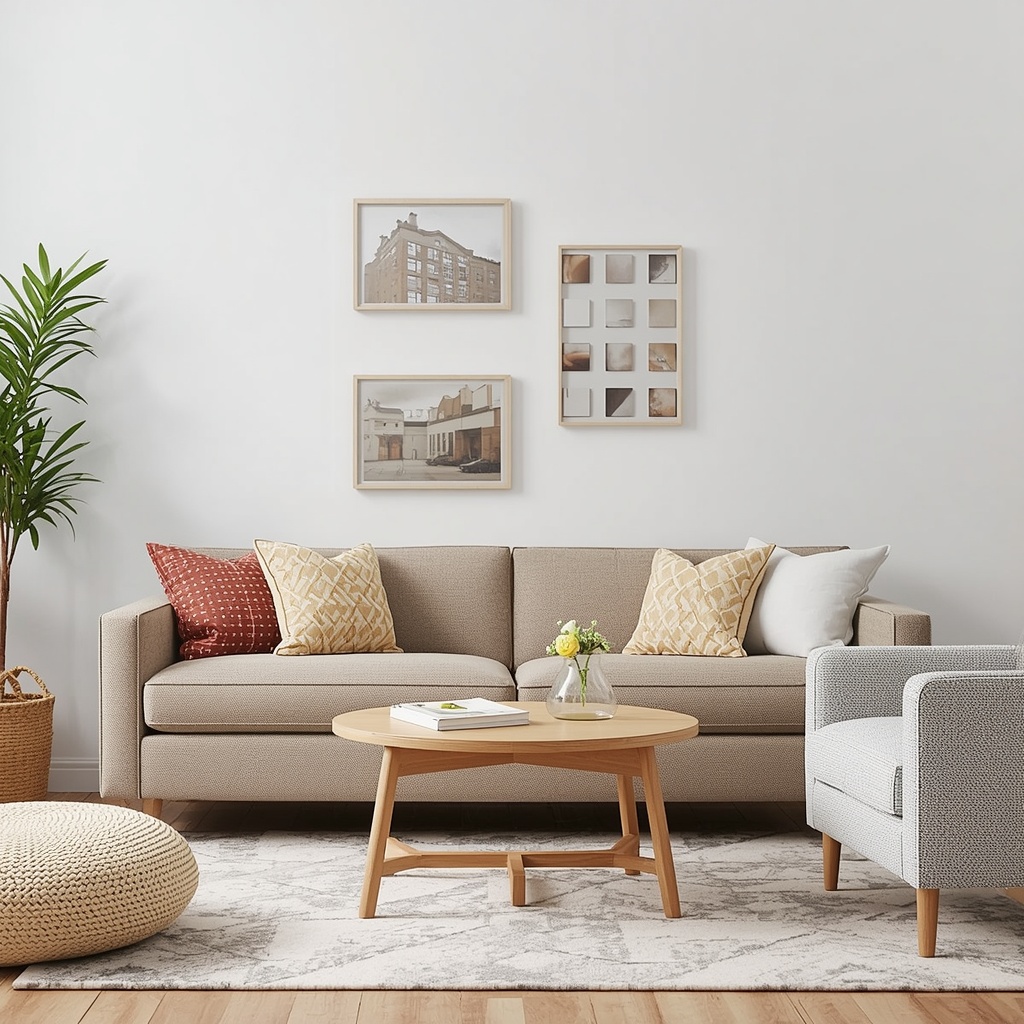
Start by identifying your biggest pain points — is it lack of storage, limited seating, or no dedicated workspace? Then prioritize furniture that solves that specific problem first, rather than trying to cram in every clever piece you find on Pinterest. A living room styled around genuine needs will always feel more cohesive than one styled around novelty.
Questions to Ask Before You Buy
- Does this piece solve more than one real problem in my space?
- Will it still look intentional when it’s not being used for its “secondary” function?
- Can I comfortably access its hidden storage or transformation feature without moving other furniture?
- Does the material and finish match my existing color palette and design style?
- Is the transformation mechanism (fold, slide, extend) sturdy and easy to use long-term?
Styling Tips: Making Multi-Functional Furniture Look Intentional
One common mistake I see is homeowners treating multi-functional furniture purely as a utilitarian fix — forgetting that it still needs to look beautiful. The best-designed living rooms make these pieces feel like natural, stylish anchors of the room, not compromises.
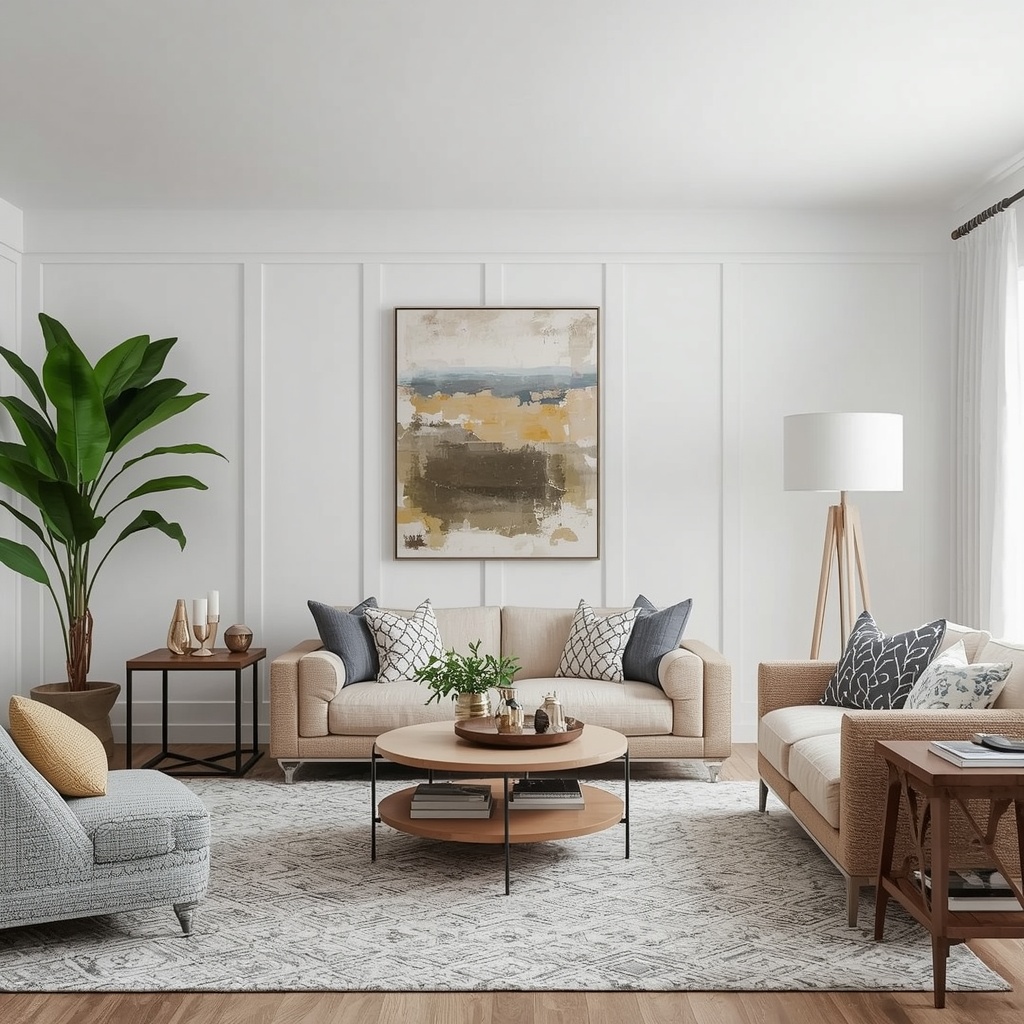
Layer textures and materials so that a storage ottoman or modular sectional doesn’t feel like an afterthought — a woven throw, a textured rug, or brass hardware can elevate even the most practical piece into a design statement. Keep a consistent color palette across your flexible furniture and permanent pieces so that when a sofa bed unfolds or a table extends, it still feels like it belongs.
Pro Tip 💡
Choose multi-functional furniture in neutral tones or your home’s dominant color scheme. Because these pieces often shift shape or position, a versatile color palette (think warm neutrals, soft grays, or earthy tones) ensures they blend seamlessly no matter how you rearrange your room.
Multi-Functional Furniture by Room Size
Not every home needs the same approach. Here’s how I recommend adapting your furniture strategy based on square footage.
Small Apartments & Studios (Under 600 sq ft)
Prioritize furniture with hidden storage and dual seating/sleeping functions. A daybed with drawers, a nesting coffee table set, and a wall-mounted fold-down desk can make a compact living room feel like it does the job of three separate rooms.
Mid-Size Living Rooms (600–1,200 sq ft)
You have a bit more breathing room, so focus on modular sectionals and extendable dining or console tables that let you scale your space up or down for entertaining without permanently sacrificing floor space.
Larger Homes (1,200+ sq ft)
Even spacious living rooms benefit from flexibility — especially in open-concept layouts. Consider furniture that helps zone the space, like a storage bench that separates a reading nook from a media area, or a modular sectional that can be reconfigured for different gatherings.
Materials and Durability: What to Look For
Since multi-functional furniture gets used — and reused — in multiple ways, durability matters even more than with standard furniture. Look for solid wood or engineered wood frames, high-density foam cushions for sofa beds, and metal hardware (rather than plastic) for hinges, extensions, and folding mechanisms.
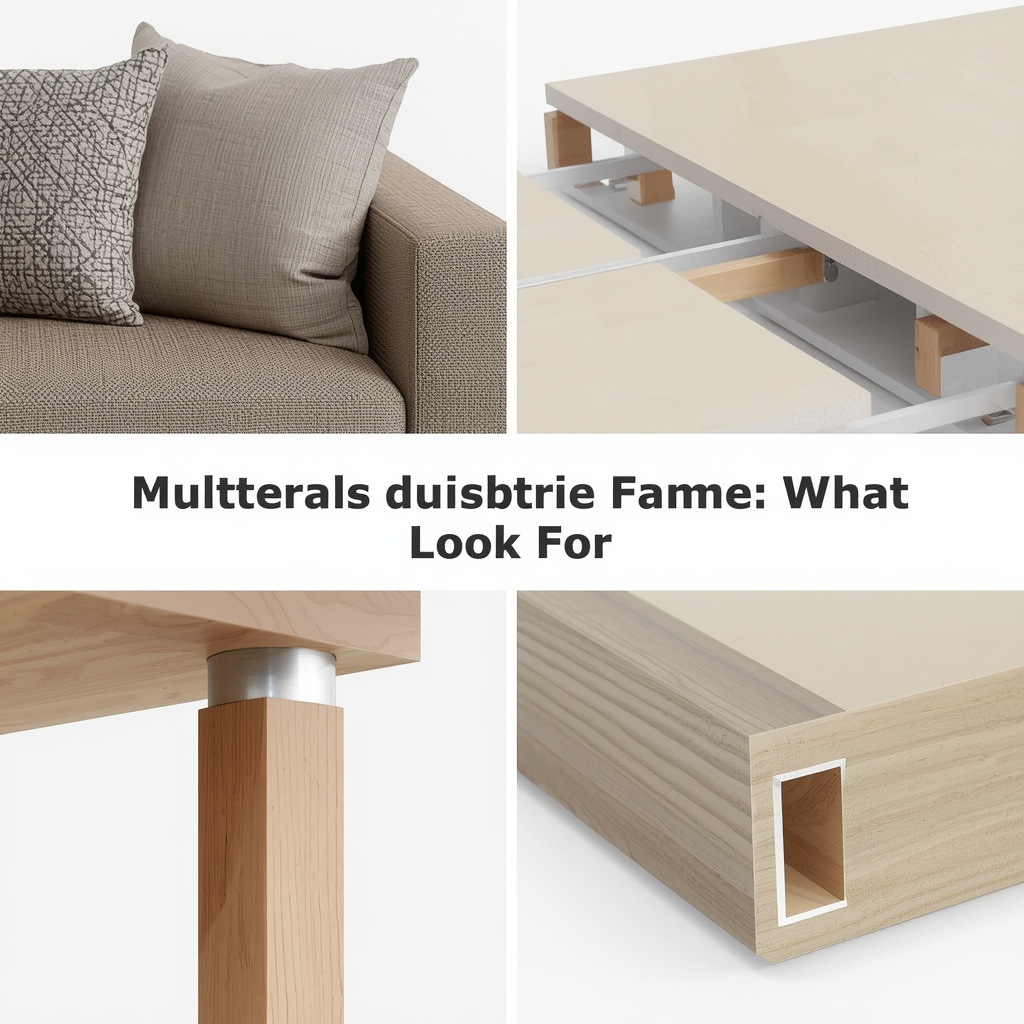
For upholstery, performance fabrics like polyester blends, microfiber, or treated linen resist stains and wear better than delicate natural fibers — especially important for pieces that double as guest beds or see daily transformations. Investing a little more upfront in quality mechanisms (like a metal sofa bed frame instead of a wooden one) pays off in years of smoother, quieter use.
Common Mistakes to Avoid
Even well-intentioned homeowners can get multi-functional furniture wrong. Here are the pitfalls I most often help clients correct:
- Overcrowding the room with too many “clever” pieces, which defeats the purpose of saving space
- Ignoring proportions, choosing oversized modular sectionals that overwhelm a small living room
- Prioritizing gimmicks over comfort, such as an uncomfortable sofa bed that looks great folded but sleeps poorly
- Neglecting maintenance access, buying storage furniture that’s hard to open or clean regularly
- Mismatching styles, mixing overly modern transforming furniture into a traditional or rustic room without a unifying design thread
Sustainability and Multi-Functional Design
There’s also a compelling sustainability argument for multi-functional furniture. By investing in fewer, higher-quality pieces that serve multiple purposes, you naturally reduce overall consumption and waste. A storage ottoman that replaces both a coffee table and a linen closet insert, for example, means fewer manufactured goods entering your home — and eventually, fewer items headed to a landfill.
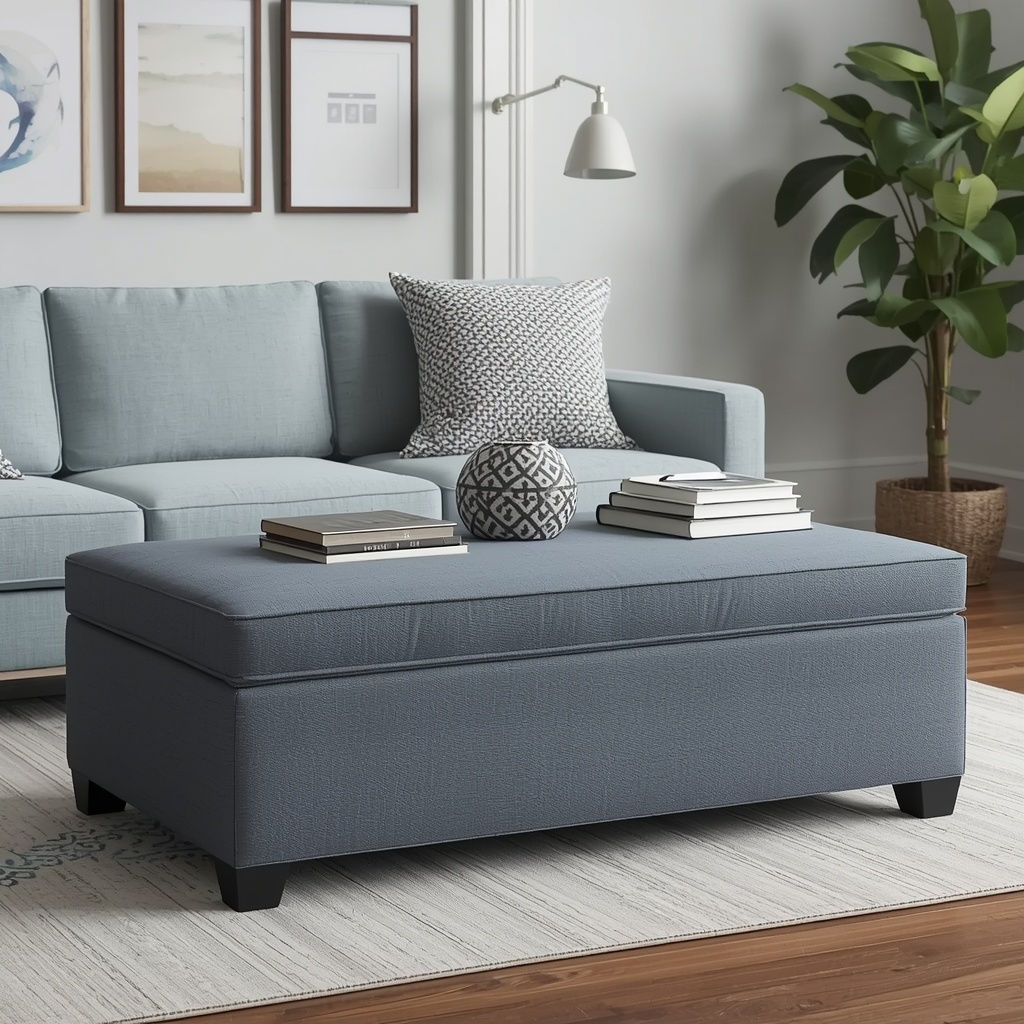
Many furniture brands are also responding to this demand by using eco-friendly materials like FSC-certified wood, recycled metal hardware, and OEKO-TEX certified fabrics in their space-saving furniture lines. If sustainable living is part of your values, multi-functional furniture is a natural fit for a more intentional, minimalist home.
Frequently Asked Questions
Is multi-functional furniture only useful for small spaces?
Not at all. While it’s especially valuable in compact apartments, multi-functional furniture benefits any home by improving organization, flexibility, and long-term value.
Is multi-functional furniture more expensive?
It can have a higher upfront cost, but it often saves money over time by replacing the need for multiple single-purpose pieces.
How do I maintain furniture with moving parts, like sofa beds or extendable tables?
Regularly lubricate hinges and mechanisms, avoid overloading extendable sections, and check manufacturer guidelines for weight limits on foldable or transforming pieces.
Final Thoughts
Multi-functional furniture represents a smarter, more intentional way to design your living room — one that adapts to your real life instead of forcing your life to adapt to your furniture. Whether you’re working with a compact studio or a generously sized family room, the right combination of flexible, well-made pieces can transform how your space feels and functions every single day.
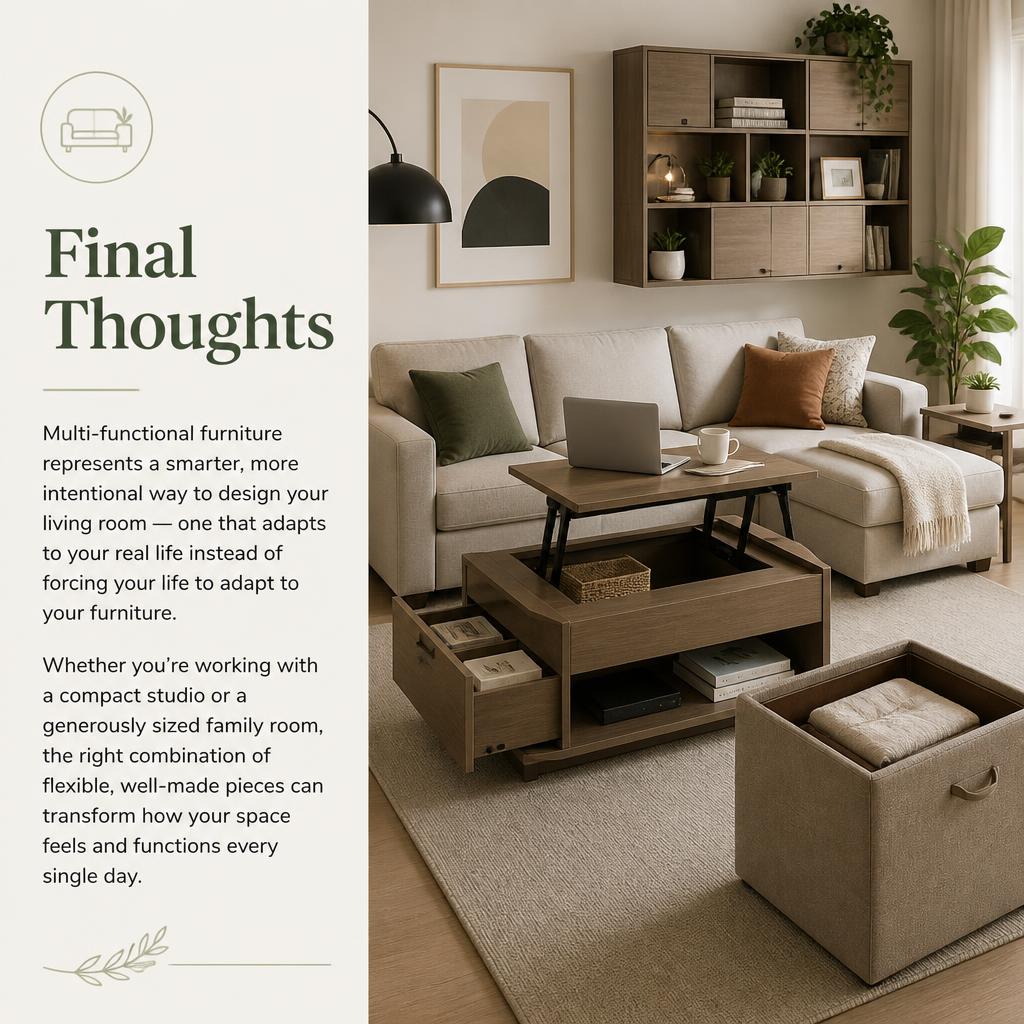
As you plan your next living room refresh, resist the urge to buy on impulse. Take time to assess your space, your habits, and your style, then choose pieces that genuinely earn their place in your home — twice over.