
Walk into a truly great maximalist living room and you don’t just see it — you feel it. Color hits you first, then pattern, then a dozen small details that reward a second and third look. It’s the opposite of the beige, pared-back spaces that dominated the last decade, and it’s exactly why so many homeowners are craving it right now.
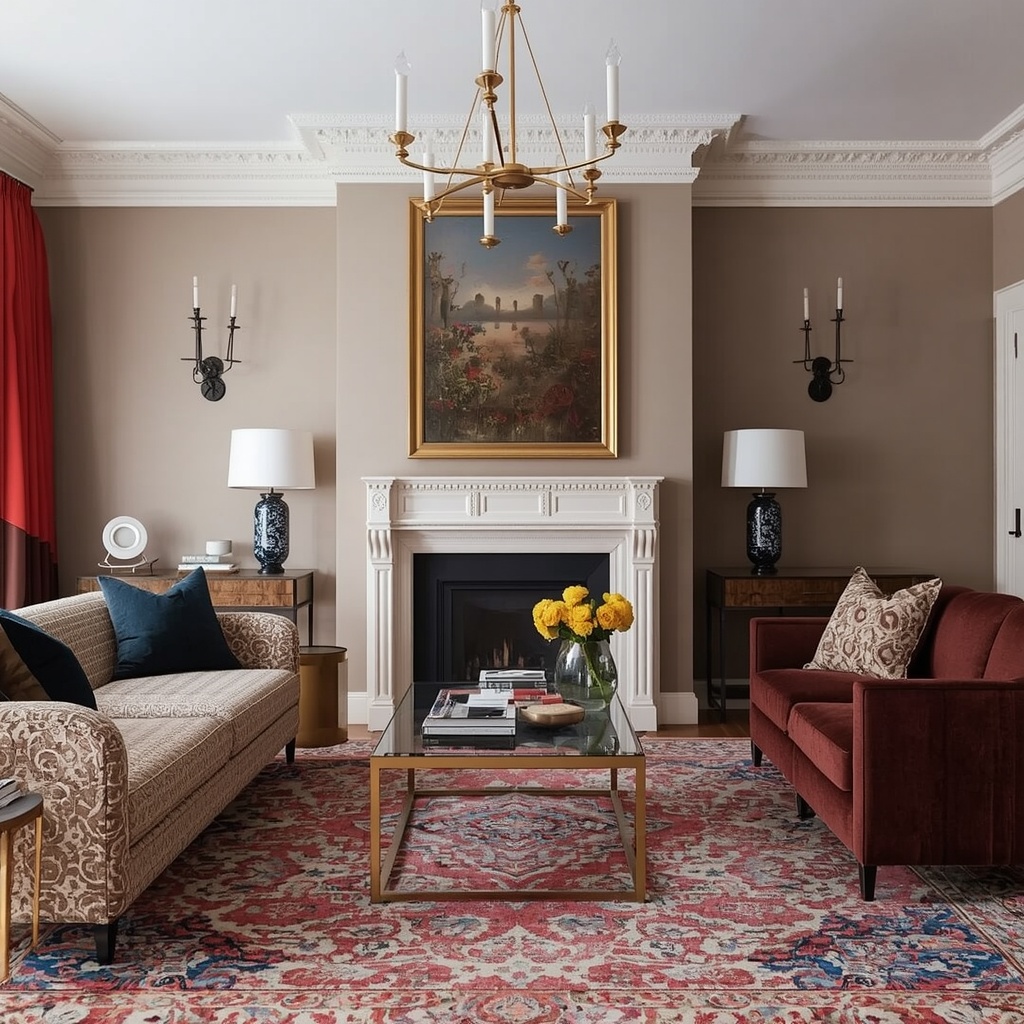
But there’s a fine line between “maximalist” and “cluttered.” Good maximalism is curated, intentional, and layered with purpose — every object earns its place. As an interior designer who’s built dozens of these spaces for clients across the US, I’m going to walk you through exactly how to do it right, room by room, layer by layer.
What Is Maximalist Design, Really?
Maximalism is a design philosophy built around abundance rather than restraint. It embraces bold color, mixed patterns, collected objects, and layered textures instead of the clean lines and empty surfaces associated with minimalism.
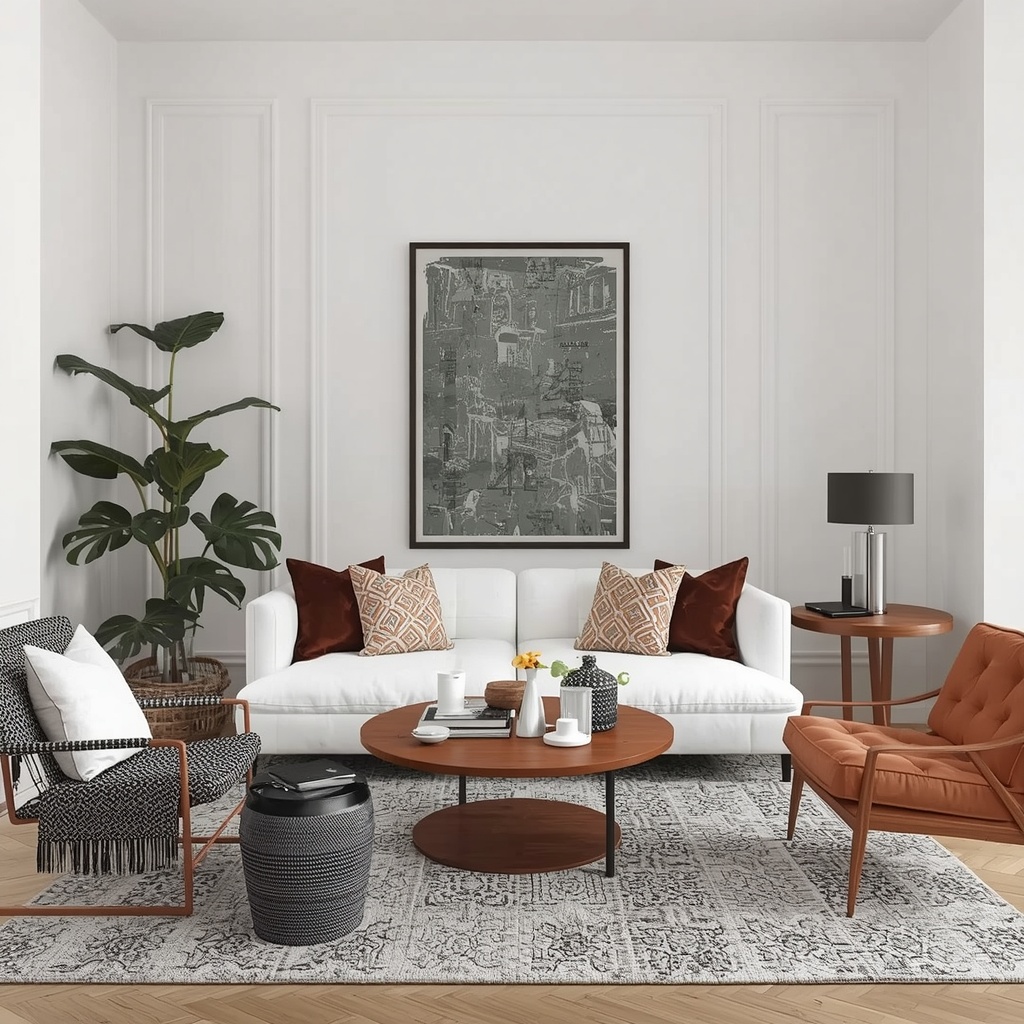
The goal isn’t chaos — it’s a rich, personality-driven space that tells a story about the people who live there. Think saturated wall colors, gallery walls stacked with art, mismatched-but-coordinated furniture, and rooms that feel collected over time rather than purchased in a single trip.
Why Maximalism Is Having a Moment
After years of neutral, minimalist interiors, homeowners are craving warmth, color, and individuality again. Social feeds are full of “grandmillennial” and eclectic interior design inspiration, and paint brands are leaning into deep, saturated hues for exactly this reason.
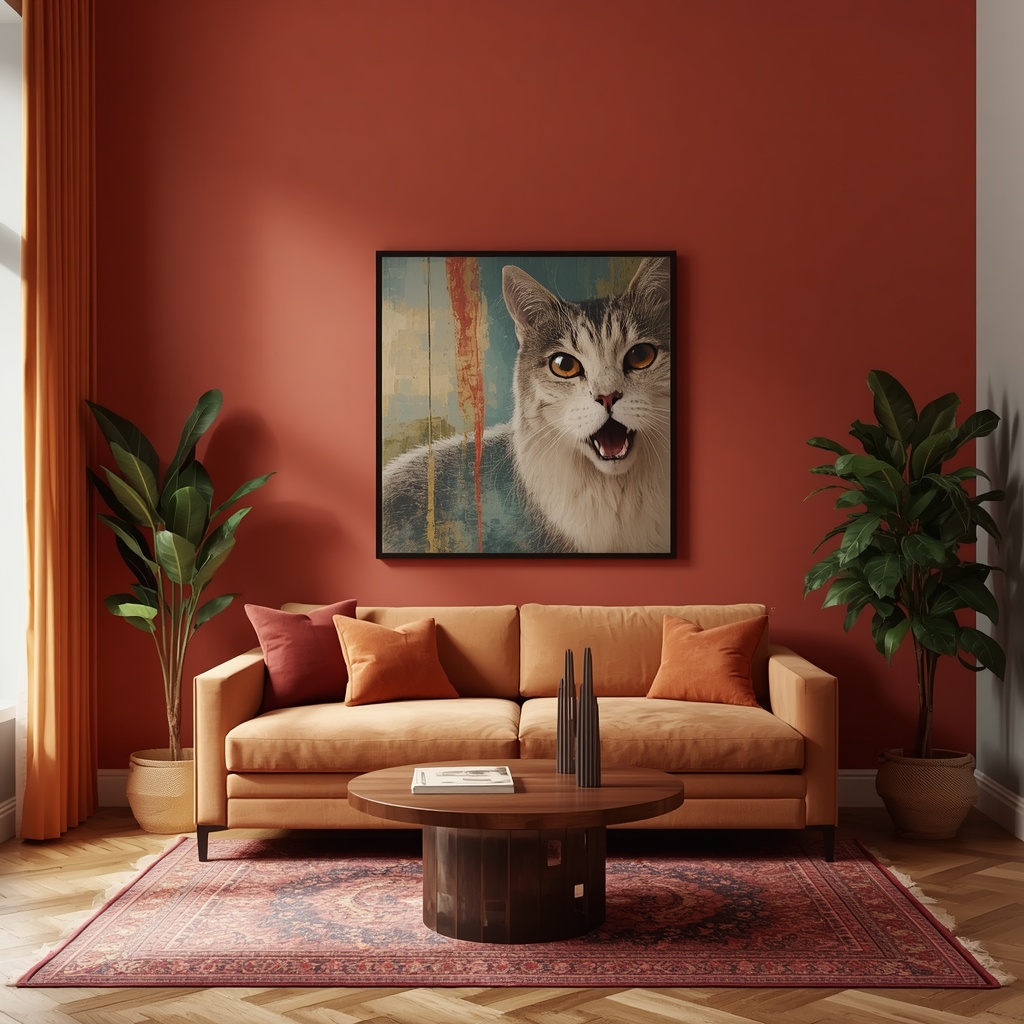
There’s also a psychological piece here. Color and pattern-rich environments have been linked to increased feelings of comfort and stimulation, which is part of why maximalist living rooms often feel so inviting to sit in for hours. It’s a reaction against sterile spaces that photograph well but don’t feel lived-in.
“More is more, and less is a bore.” — a mantra long associated with maximalist style icon Iris Apfel, and one that still sums up the philosophy better than anything else.
The Core Principles of Maximalist Living Rooms
Before you start pulling paint chips and fabric swatches, it helps to understand the handful of principles that separate a well-designed maximalist room from a jumbled one.
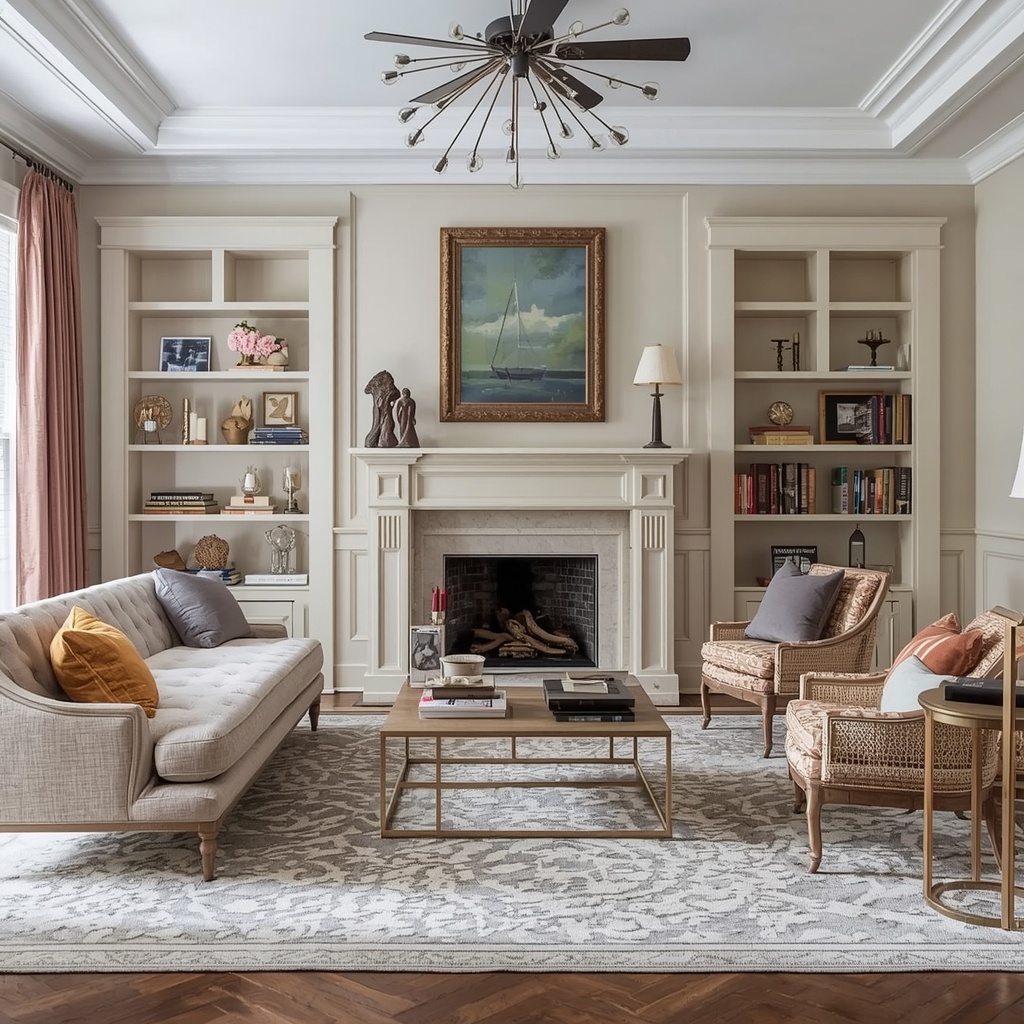
- Anchor with a cohesive color story — even bold rooms need a repeating palette
- Mix patterns intentionally — vary the scale so prints don’t compete
- Layer, don’t clutter — every object should be curated, not accidental
- Repeat elements — a color, motif, or material that reappears ties everything together
- Balance busy zones with visual rest — even maximalism needs breathing room
💡 Pro Tip
Pick three to five “anchor colors” before you buy a single piece of furniture or art. Every pattern, textile, and accessory in the room should pull from that same palette. This is the single biggest thing that separates “curated maximalism” from “overwhelming mess.”
Color: Building a Bold Palette
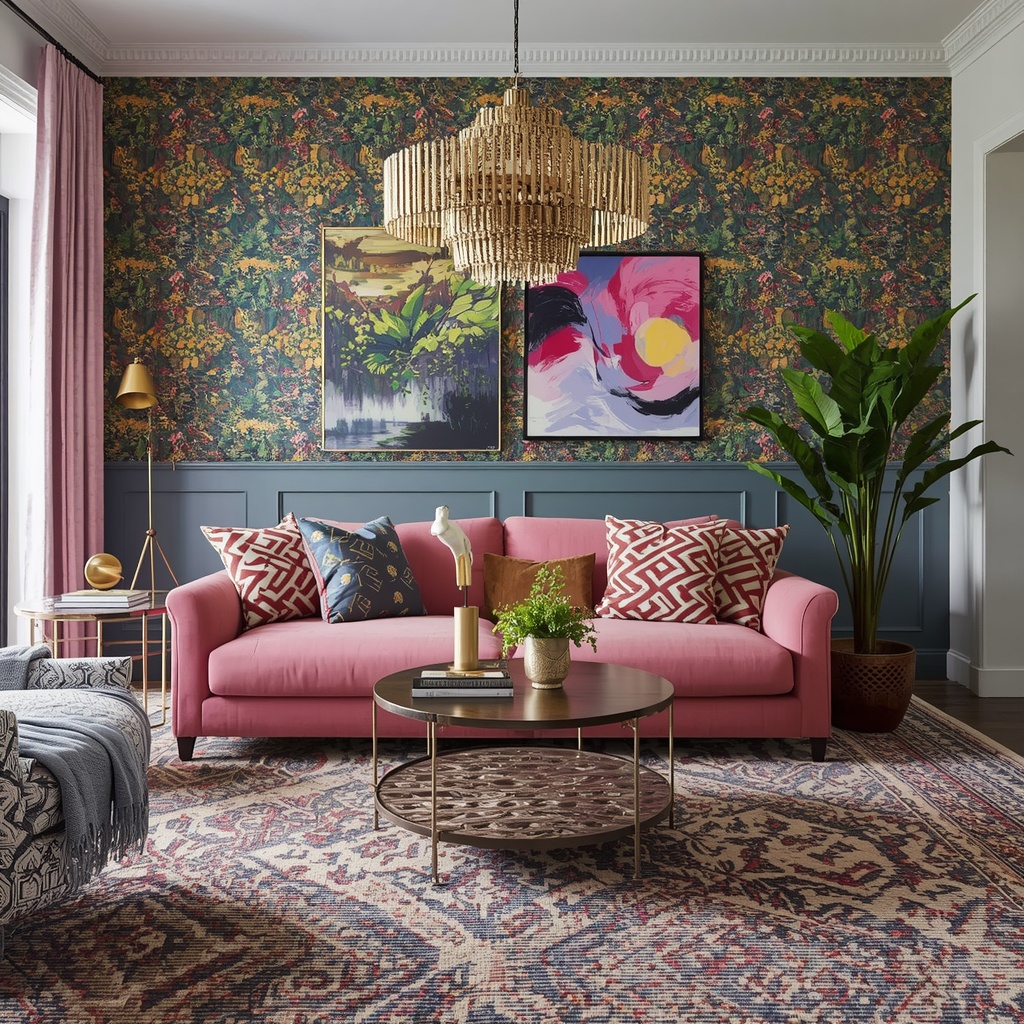
Color is the backbone of any maximalist living room. Rather than picking one accent shade, maximalist spaces typically build around a full palette of complementary and contrasting hues that show up throughout the room — on walls, upholstery, art, and accessories.
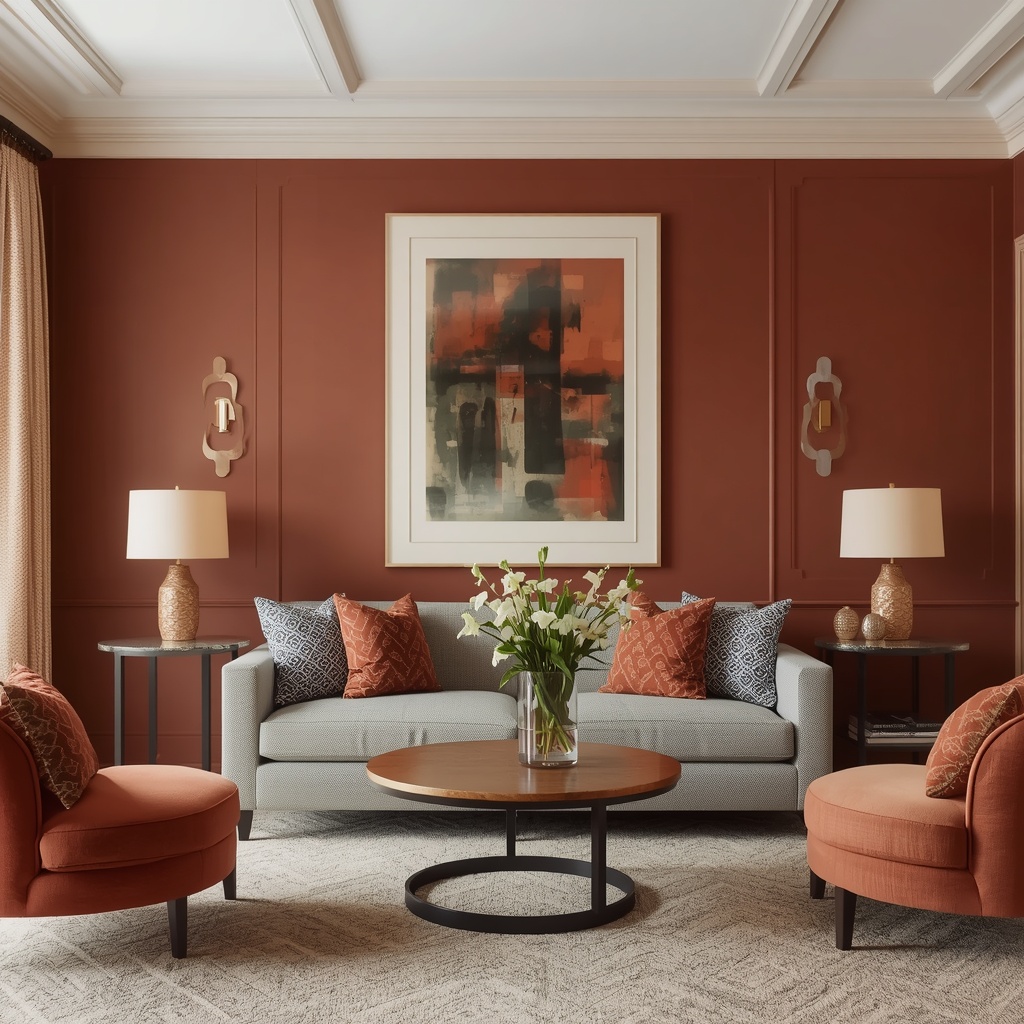
Here’s a quick reference table of palette combinations that tend to work especially well in living rooms:
| Palette Style | Core Colors | Best For |
|---|---|---|
| Jewel Tones | Emerald, sapphire, ruby, gold | Formal, moody living rooms |
| Warm Earth | Terracotta, mustard, rust, olive | Cozy, sun-drenched spaces |
| Cool Eclectic | Navy, teal, plum, chartreuse accents | Modern maximalist lofts |
| Botanical Bold | Forest green, coral, brass, cream | Plant-filled, garden-inspired rooms |
| Monochrome Max | One hue in 4–5 tonal shades + metallics | Small spaces that still want drama |
If you’re unsure where to start, sites like Pantone publish seasonal color trend reports that pair well with maximalist styling, especially their deeper jewel-tone and saturated neutral picks.
Pattern Mixing
Pattern is where most people get nervous — and where maximalism gets its signature look. The trick isn’t avoiding clashing patterns; it’s mixing scale, not just style.
A safe formula many designers rely on:
- One large-scale pattern (a big floral or geometric rug)
- One medium-scale pattern (striped or checked pillows)
- One small-scale pattern (a tight dot or micro-print throw)
- One solid, textured piece to let the eye rest
Stick to your anchor color palette across all four, and the mix will read as intentional rather than chaotic.
💡 Pro Tip
When in doubt, connect patterns through color rather than motif. A floral rug and a striped sofa can coexist beautifully if they share even one dominant color between them.
Layering Textures for Depth
Pattern gets the attention, but texture is what makes a maximalist room feel expensive and intentional rather than flat. Velvet, boucle, rattan, brass, lacquer, and natural wood all bring different light-reflecting qualities into a space.
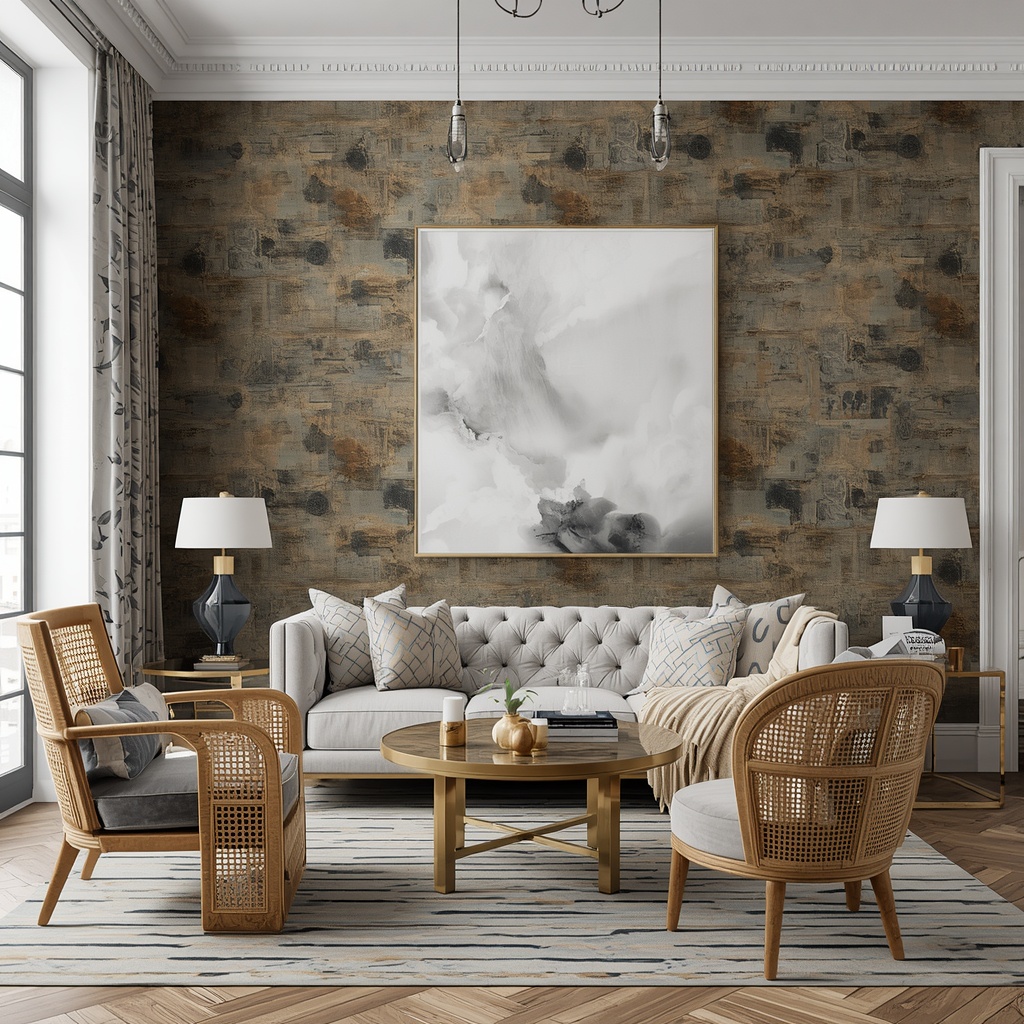
Mixing matte and shiny surfaces — a glossy lacquered coffee table against a nubby wool rug, for example — adds visual dimension even in a room that’s already busy with color and pattern. This layering is often what separates a room that photographs as “loud” from one that feels genuinely rich and inviting in person.
Furniture Choices That Support Maximalism
Maximalist furniture doesn’t need to match — in fact, it usually shouldn’t. Instead, look for pieces with strong silhouettes, interesting materials, or a bit of vintage character that can each stand on their own while still working together.
A few reliable go-tos:
- A statement sofa in a bold color or pattern as the room’s centerpiece
- Vintage or antique accent chairs that add history and asymmetry
- A carved or inlaid coffee table instead of a plain glass one
- Brass or lacquered side tables for a hit of shine
- Layered rugs — a jute or sisal base topped with a patterned rug
Furniture in a maximalist room should feel collected rather than bought as a set — mismatched dining chairs, an heirloom cabinet, or a flea-market find all add authenticity that catalog furniture can’t replicate.
Wall Decor & Gallery Walls
Walls in a maximalist living room are rarely left bare. Gallery walls — dense arrangements of framed art, mirrors, and objects — are a signature move, and they’re one of the most budget-friendly ways to add serious visual interest.
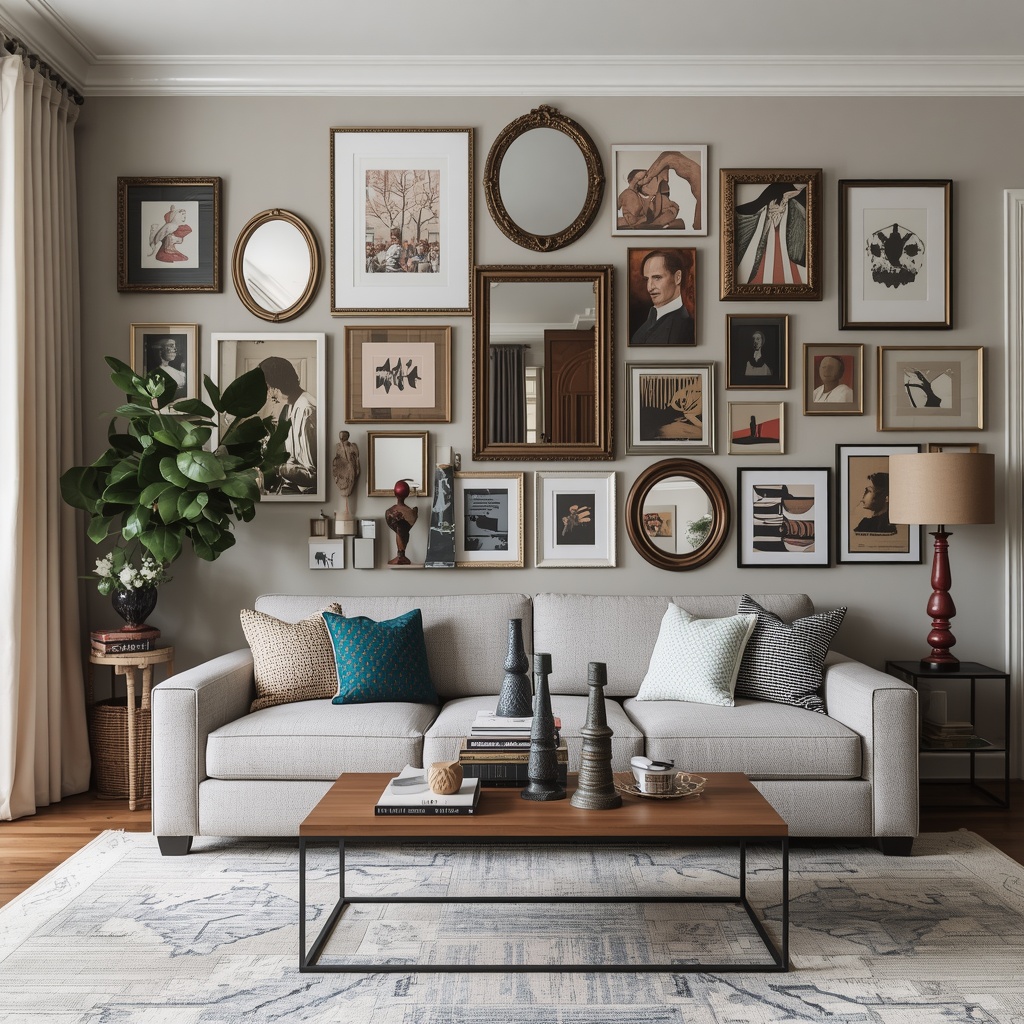
The key to a gallery wall that reads as curated rather than cluttered is consistency in framing (even if the art itself varies wildly) or consistency in spacing. Pick one variable to keep steady — frame color, frame style, or gap width — and let everything else be as eclectic as you like.
Wallpaper is another maximalist staple. Bold botanical prints, chinoiserie, or graphic geometrics can transform a plain box of a room into something with real character, and today’s peel-and-stick options make it far more renter-friendly than it used to be.
Lighting for Maximalist Spaces
Lighting in a maximalist room does double duty: it needs to illuminate a busy space without flattening it, and it should itself be a decorative object. Statement fixtures — a sculptural chandelier, a colored glass pendant, an oversized rattan shade — pull double weight as both function and art.
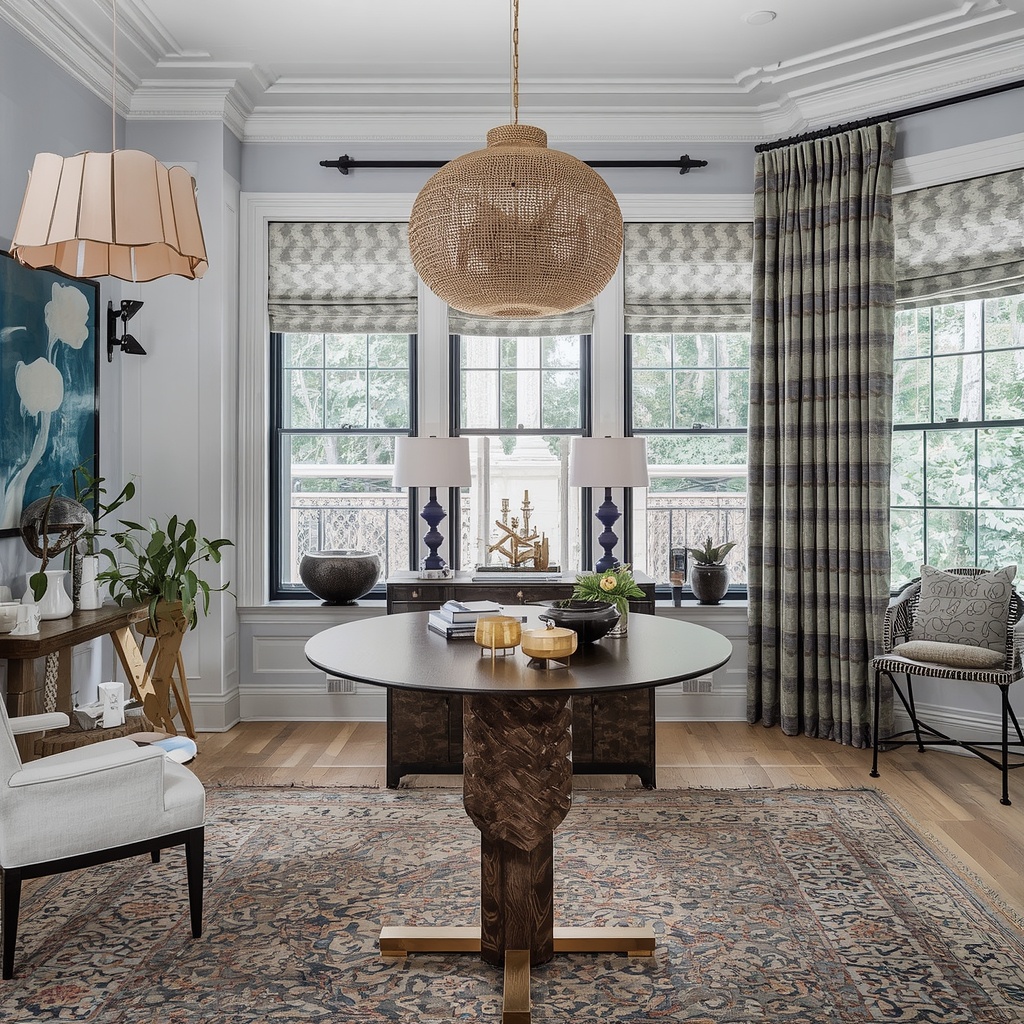
Layer your lighting in at least three tiers: an overhead fixture, table or floor lamps for ambient light, and accent lighting (picture lights, LED strips behind shelving) to highlight collections. This layering keeps a color- and pattern-dense room from feeling flat or overly bright under a single harsh source.
Common Mistakes to Avoid
Even experienced decorators can tip a maximalist room from “curated” into “overwhelming.” Here are the mistakes I see most often with clients:
- No repeating color thread — patterns and objects feel random instead of connected
- Skipping negative space entirely — even busy rooms need a few calm surfaces
- Ignoring scale — too many similarly-sized patterns and objects compete instead of complementing
- Ceiling and floor left out — maximalism should extend beyond just the walls and furniture
- Ordering everything from one source — matched sets undercut the “collected over time” feeling that makes maximalism work
💡 Pro Tip
If a room feels like it’s “too much,” the fix is almost never to remove color — it’s usually to add a few solid, textured neutrals to give the eye somewhere to rest. A plain linen sofa or a solid jute rug can ground an otherwise loud room instantly.
Room-by-Room Sample Plan
If you’re not sure where to begin, here’s a simple layering plan you can follow for a mid-size living room:
| Layer | Element | Example |
|---|---|---|
| 1. Foundation | Wall color or wallpaper | Deep emerald paint or botanical print |
| 2. Anchor | Statement sofa | Patterned velvet or bold solid hue |
| 3. Grounding | Layered rugs | Jute base + patterned wool rug |
| 4. Accent Seating | Vintage/accent chairs | Mismatched but color-coordinated pair |
| 5. Surfaces | Coffee & side tables | Carved wood, brass, or lacquer finishes |
| 6. Walls | Gallery wall or art cluster | 8–12 mixed frames, one consistent variable |
| 7. Lighting | Statement + ambient fixtures | Sculptural pendant + warm table lamps |
| 8. Finishing Touches | Books, plants, objects | Curated collections, not random clutter |
Budget Tips for Maximalist Decor
Maximalism has a reputation for being expensive, but a lot of its impact comes from labor and curation rather than big-ticket purchases. Thrifted frames, vintage finds, and peel-and-stick wallpaper can deliver most of the visual punch at a fraction of designer-showroom prices.
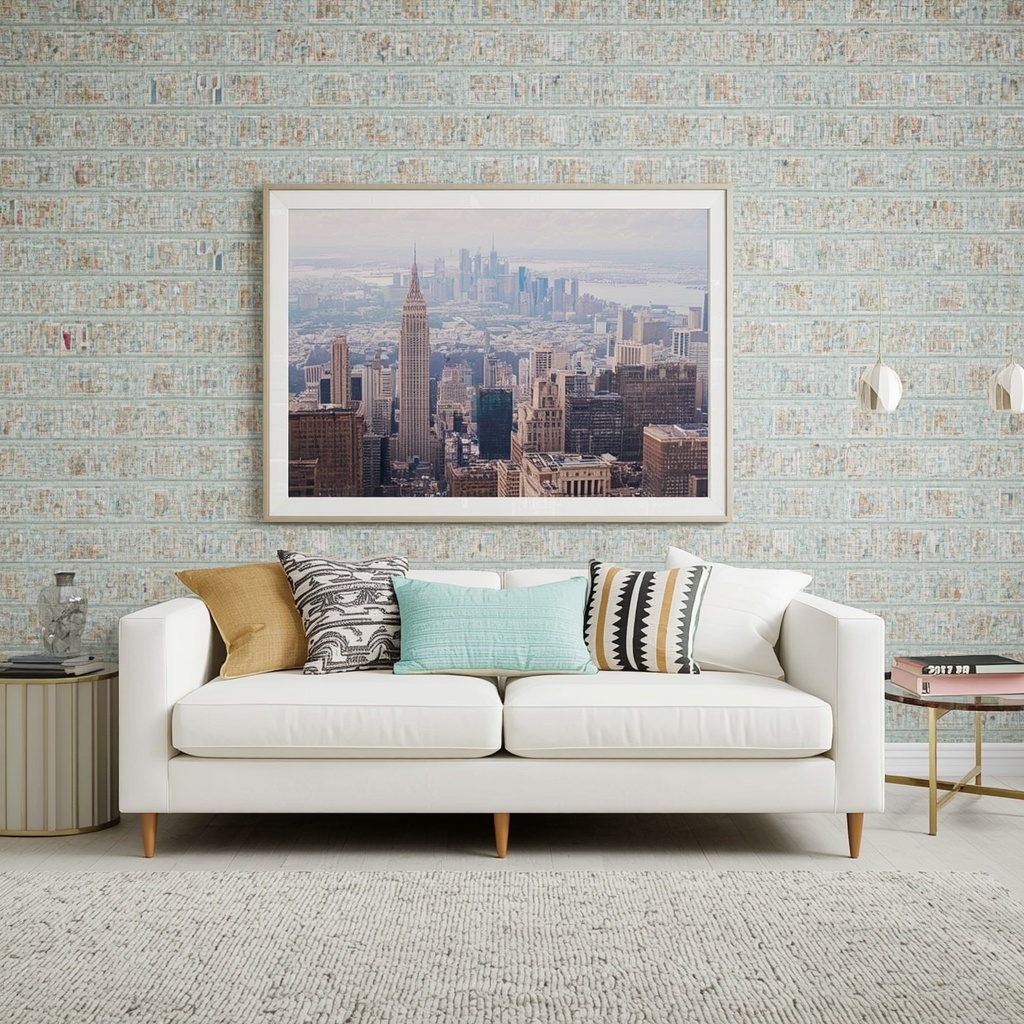
Start with paint and one statement piece (a sofa, a rug, or a wallpapered wall), then build outward slowly. Genuinely great maximalist rooms are almost always assembled over months or years, which is part of what makes them feel so personal in the first place. Design resources like Architectural Digest and ELLE Decor are great for ongoing inspiration as you build out your space piece by piece.
Frequently Asked Questions
Yes — bold color, pattern mixing, and personality-driven interiors continue to trend upward as a reaction to years of minimalist, neutral spaces.
How do I keep a maximalist room from feeling cluttered?
Stick to a repeating color palette, vary pattern scale intentionally, and leave a few solid, textured surfaces for the eye to rest on.
Can maximalism work in a small living room?
Absolutely — a tonal, monochrome-max palette with varied textures often works especially well in smaller spaces, since it adds richness without visual competition.
What’s the easiest way to start if I’m nervous about commitment?
Begin with a gallery wall or a patterned rug. Both are lower-commitment than paint or wallpaper and let you test how much pattern and color you actually enjoy living with.
Final Thoughts
Maximalist living room design rewards confidence, but it’s not about throwing everything at the wall — literally or figuratively. The rooms that work are the ones built on a clear color story, thoughtful pattern scaling, and layers that feel collected rather than purchased all at once.
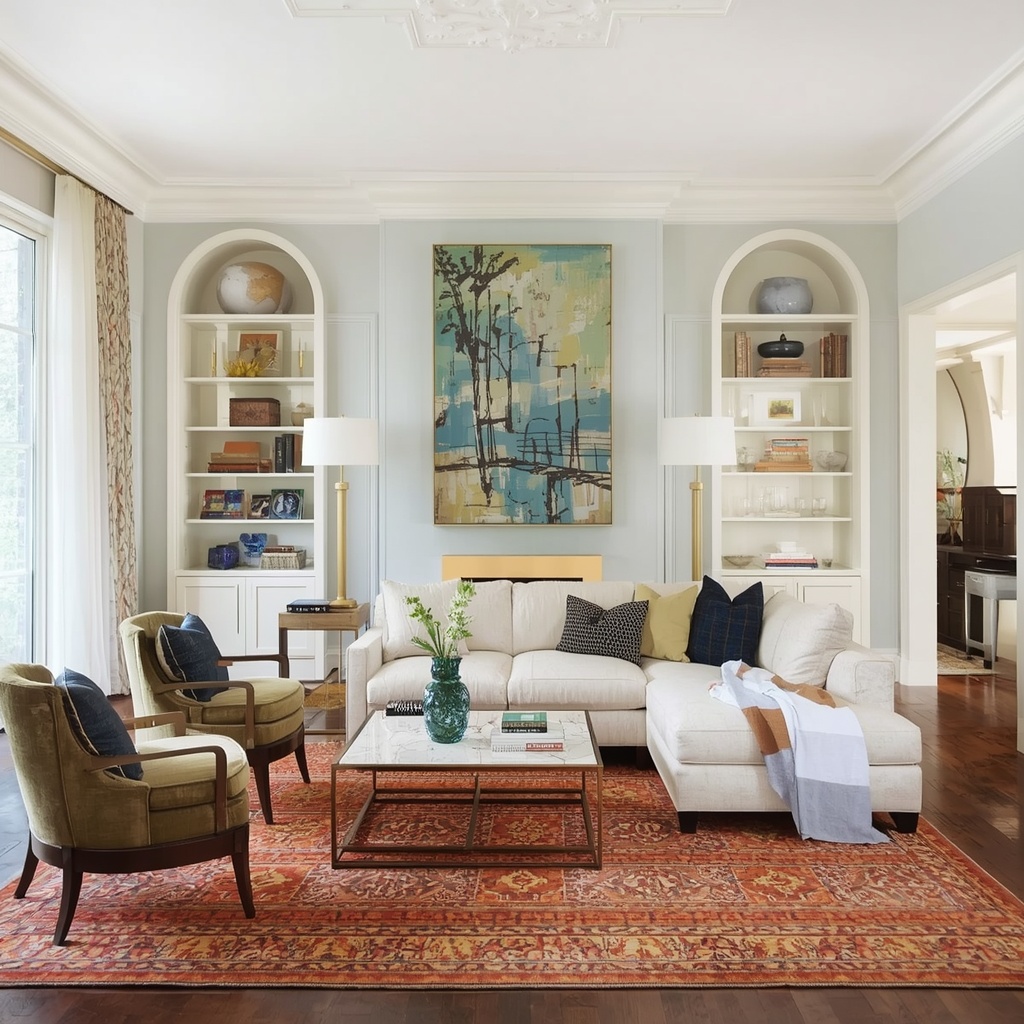
Start small, follow your anchor palette, and let the room evolve over time. The best maximalist spaces are never really “finished” — and that’s exactly the point.