
Minimalism and greenery might seem like an unlikely pairing at first glance. One philosophy champions restraint, clean lines, and negative space, while the other is rooted in organic growth, texture, and life. But when you bring them together thoughtfully, indoor plants become the missing ingredient that keeps a minimalist home from feeling cold or sterile. The right plant styling adds warmth, softens hard architectural edges, and introduces a living rhythm to a space built on simplicity.
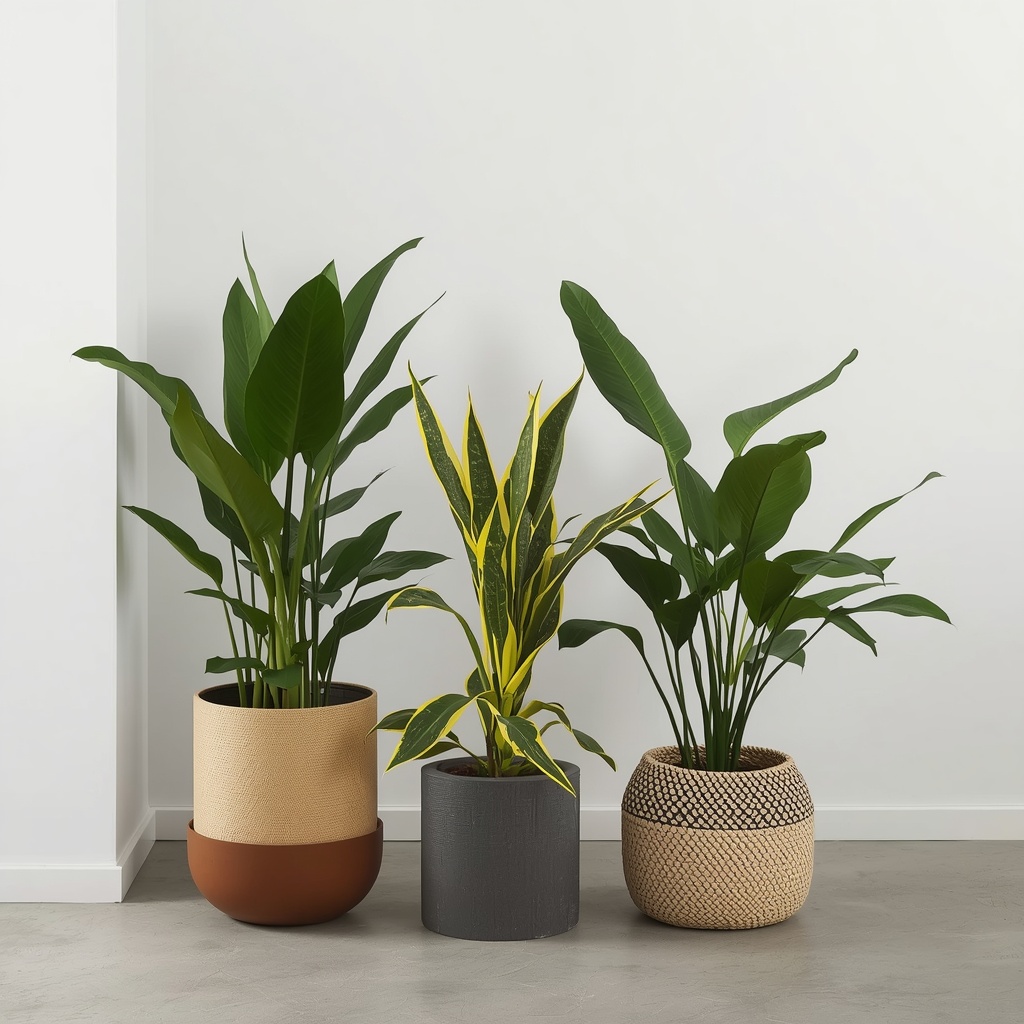
As a home decor specialist, I’ve worked with countless clients across the US who want that calm, uncluttered “less is more” look — but without sacrificing the coziness that makes a house feel like home. Biophilic design, the practice of connecting interiors to nature, is one of the most effective ways to strike that balance. Below, I’ll walk you through exactly how to weave plants into a minimalist aesthetic without disrupting its visual harmony.
Why Plants and Minimalism Actually Work Together
Minimalist interiors are defined by intentionality — every object earns its place. Plants fit that philosophy perfectly because they aren’t just decoration; they serve a function. They purify air, regulate humidity, and have been shown to reduce stress and improve focus, which aligns with minimalism’s deeper goal of creating a home that supports wellbeing rather than clutter.
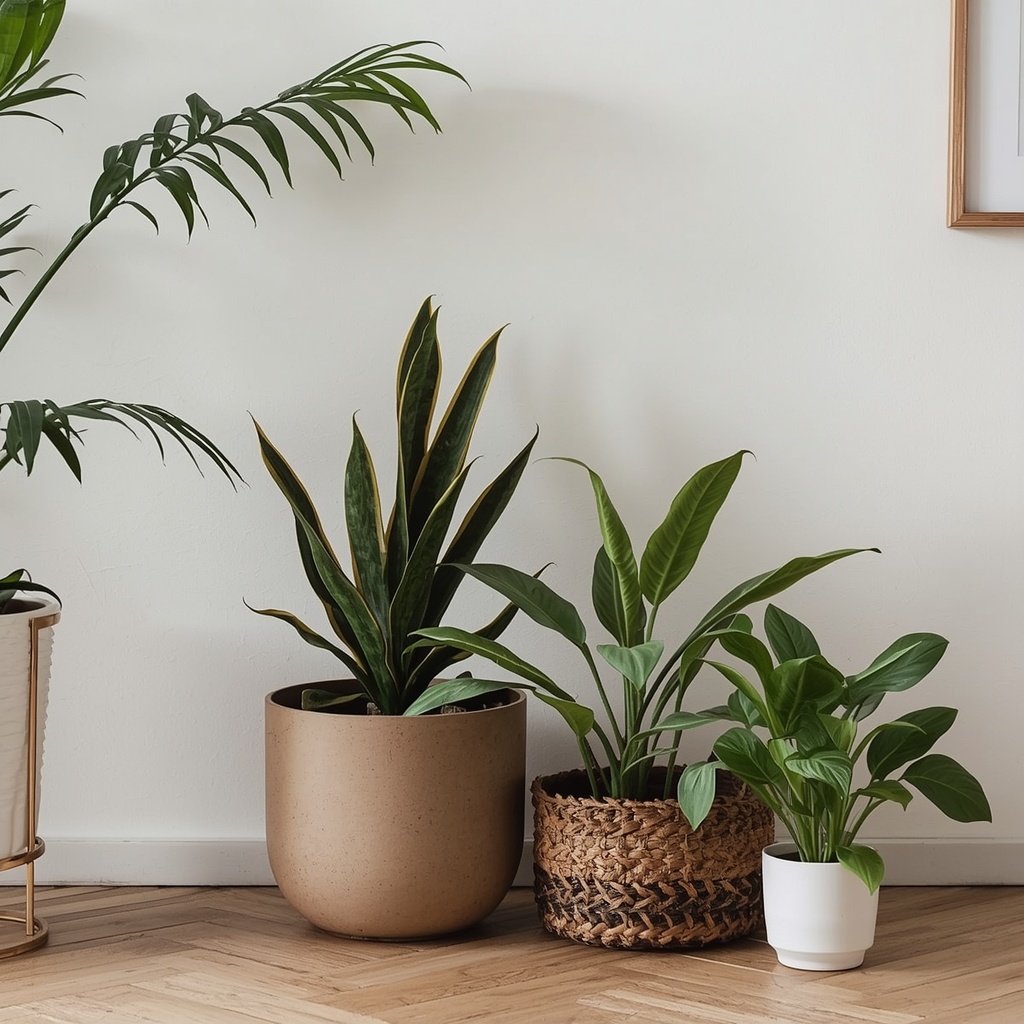
At the same time, a single well-placed fiddle leaf fig or a trailing pothos on a floating shelf adds organic texture that balances out the geometric, often monochrome nature of minimalist spaces. Without any greenery, a minimalist room can start to feel more like a showroom than a sanctuary. Plants reintroduce that layer of life and unpredictability that keeps a curated space from feeling static.
“Nature is not a place to visit. It is home.” — Gary Snyder
That sentiment is exactly what biophilic minimalism tries to capture: a home that feels calm and edited, but still deeply alive.
Core Principles of Minimalist Plant Styling
Before you start buying pots, it helps to understand the guiding rules that keep plant styling from tipping into visual clutter.
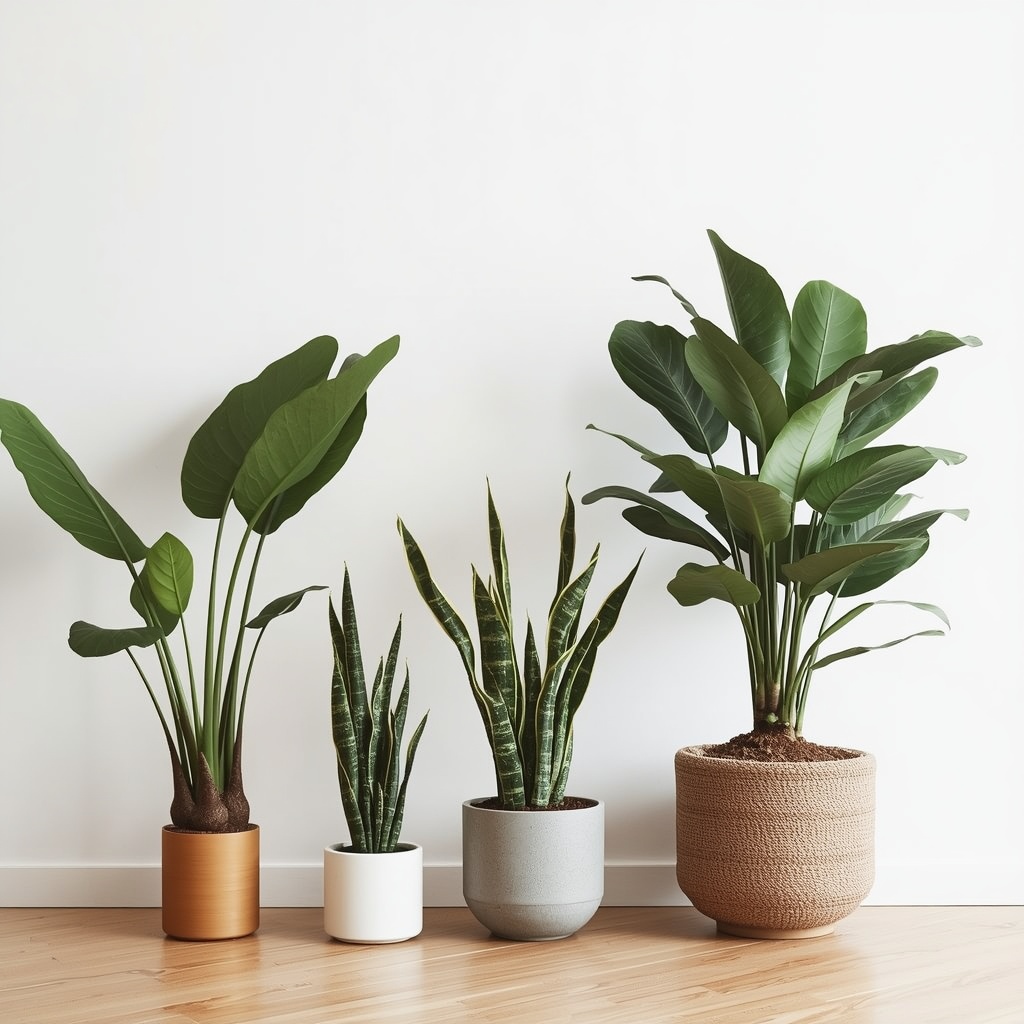
Choose quality over quantity, and let each plant have breathing room. A minimalist space rewards restraint, so rather than filling every corner, select a few statement plants and give them space to be seen. Repetition of a single species across a room can look more intentional than a random mix of ten different varieties.
Stick to a cohesive color and material palette for pots and plant stands. Terracotta, matte ceramic, and concrete planters in neutral tones (white, black, sand, or stone gray) tend to disappear into a minimalist backdrop rather than compete with it. Avoid ornate or brightly patterned pots, which pull focus away from the plant’s natural form and the room’s clean lines.
Choosing the Right Plants for a Minimalist Aesthetic
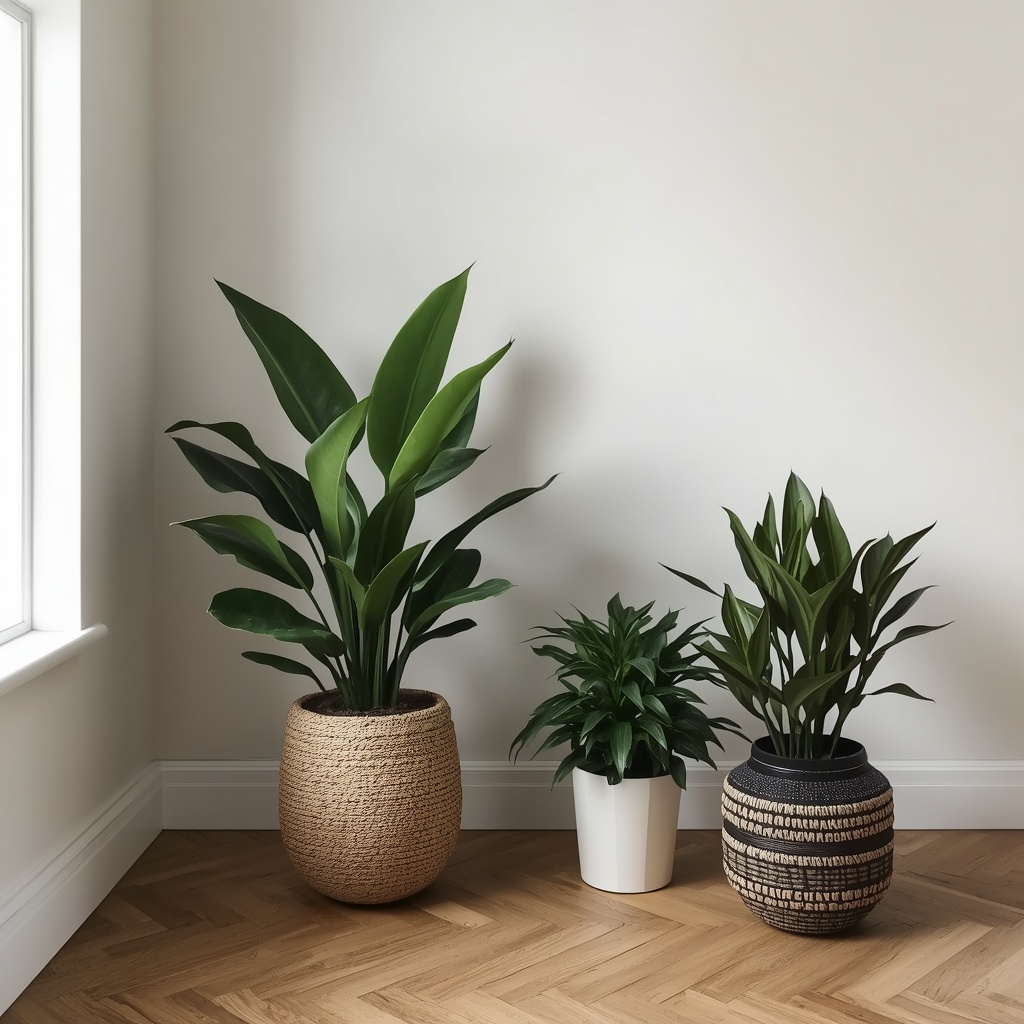
Not every plant reads as “minimalist.” Sculptural, architectural species with clean silhouettes tend to work best, while busy, frilly, or overly leafy plants can visually clutter a room designed around negative space.
| Plant | Visual Style | Light Needs | Maintenance Level |
|---|---|---|---|
| Snake Plant (Sansevieria) | Tall, sculptural, vertical lines | Low to bright, indirect | Very low |
| Fiddle Leaf Fig | Large, bold, single-stem statement | Bright, indirect | Moderate |
| ZZ Plant | Glossy, symmetrical, architectural | Low to moderate | Very low |
| Pothos (trailing) | Soft, cascading, minimal leaf clutter | Low to bright, indirect | Low |
| Rubber Plant | Broad leaves, strong vertical form | Bright, indirect | Low to moderate |
| Bird of Paradise | Dramatic, sculptural, large-scale | Bright, indirect | Moderate |
| Boston Fern | Airy texture (use sparingly) | Bright, indirect, humid | Moderate |
Low-maintenance houseplants like the snake plant and ZZ plant are especially well-suited to minimalist homes because they reinforce simplicity in both form and upkeep — you’re not adding visual or literal complexity to your routine. For renters or first-time plant owners, these varieties also forgive inconsistent watering, which makes sustainable, long-term plant styling far more realistic.
Where and How to Place Plants for Maximum Impact
Placement is where minimalist plant styling really separates itself from a more maximalist, jungle-inspired look. The goal isn’t to fill every surface — it’s to use plants as intentional focal points that guide the eye through the room.
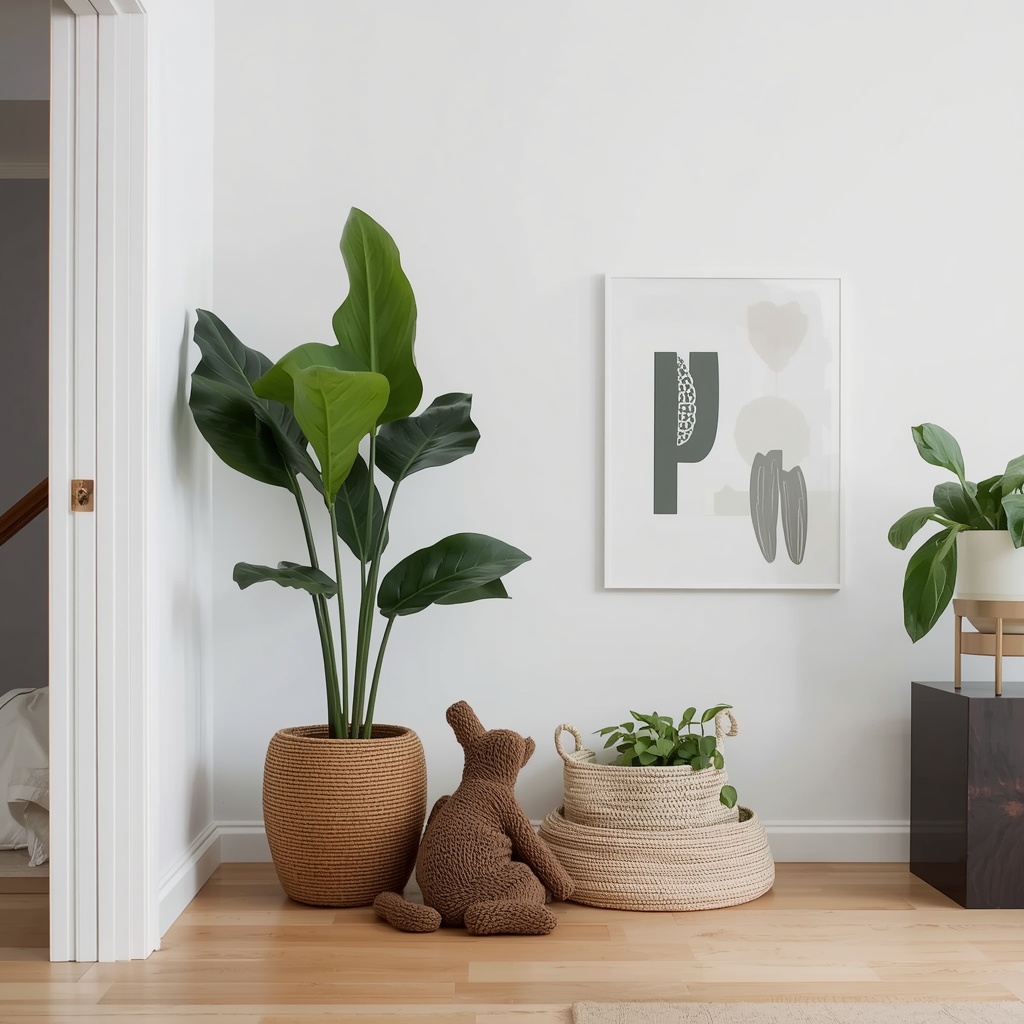
Anchor larger plants in empty corners or beside furniture to fill vertical negative space without crowding the floor plan. A single fiddle leaf fig beside a reading chair, or a bird of paradise near a large window, does more visual work than five smaller plants scattered across a console table.
Use these placement strategies as a starting framework:
- Corner anchors — tall, architectural plants in empty room corners create natural focal points.
- Shelf accents — one trailing plant per shelf, allowed to cascade rather than sprawl.
- Windowsill minimalism — a single small planter, centered, rather than a cluttered row.
- Kitchen counters — herbs in matching neutral pots, grouped in odd numbers (one or three).
- Bathroom greenery — humidity-loving plants like ferns in a single simple vessel.
- Entryway statement — one large floor plant to greet you at the door.
Working with Neutral Color Palettes and Natural Materials
One of the defining traits of minimalist decor is a restrained color palette — think whites, warm beiges, soft grays, and muted earth tones. Plants introduce the only truly saturated color many minimalist rooms have, so it’s worth using that green intentionally rather than letting it clash.
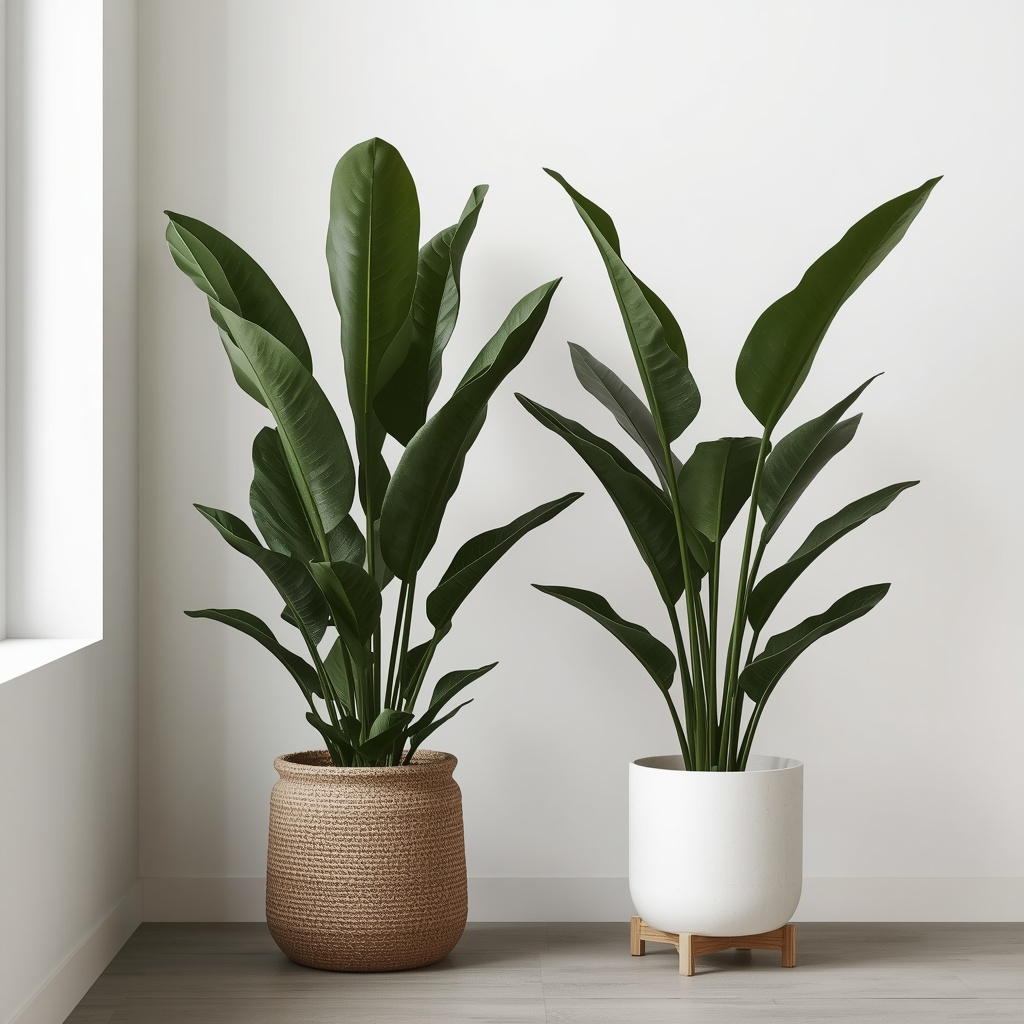
Pair deep green foliage with warm neutral walls to create contrast without introducing additional colors into the space. Rooms with cooler white or gray palettes tend to look sharper when paired with plants that have structured, glossy leaves like the ZZ plant or rubber plant, since the smooth surfaces echo the clean lines already present in the furniture and architecture.
Natural materials reinforce this connection between plant life and interior design. Consider how each material choice supports the overall aesthetic:
| Material | Effect in Minimalist Spaces |
|---|---|
| Matte ceramic pots | Soft, understated, blends with neutral walls |
| Woven rattan planters | Adds warmth and texture (Japandi-adjacent style) |
| Concrete planters | Industrial edge, pairs well with modern minimalism |
| Wooden plant stands | Introduces natural grain without visual noise |
| Black metal stands | Adds contrast in monochrome or Scandinavian schemes |
This approach borrows heavily from Japandi and Scandinavian minimalism, two design movements that already treat natural materials and greenery as essential, not optional, elements of a calm interior.
Common Mistakes to Avoid
Even well-intentioned plant styling can undermine a minimalist look if it strays from the core principles. Here are the mistakes I see most often in client homes.
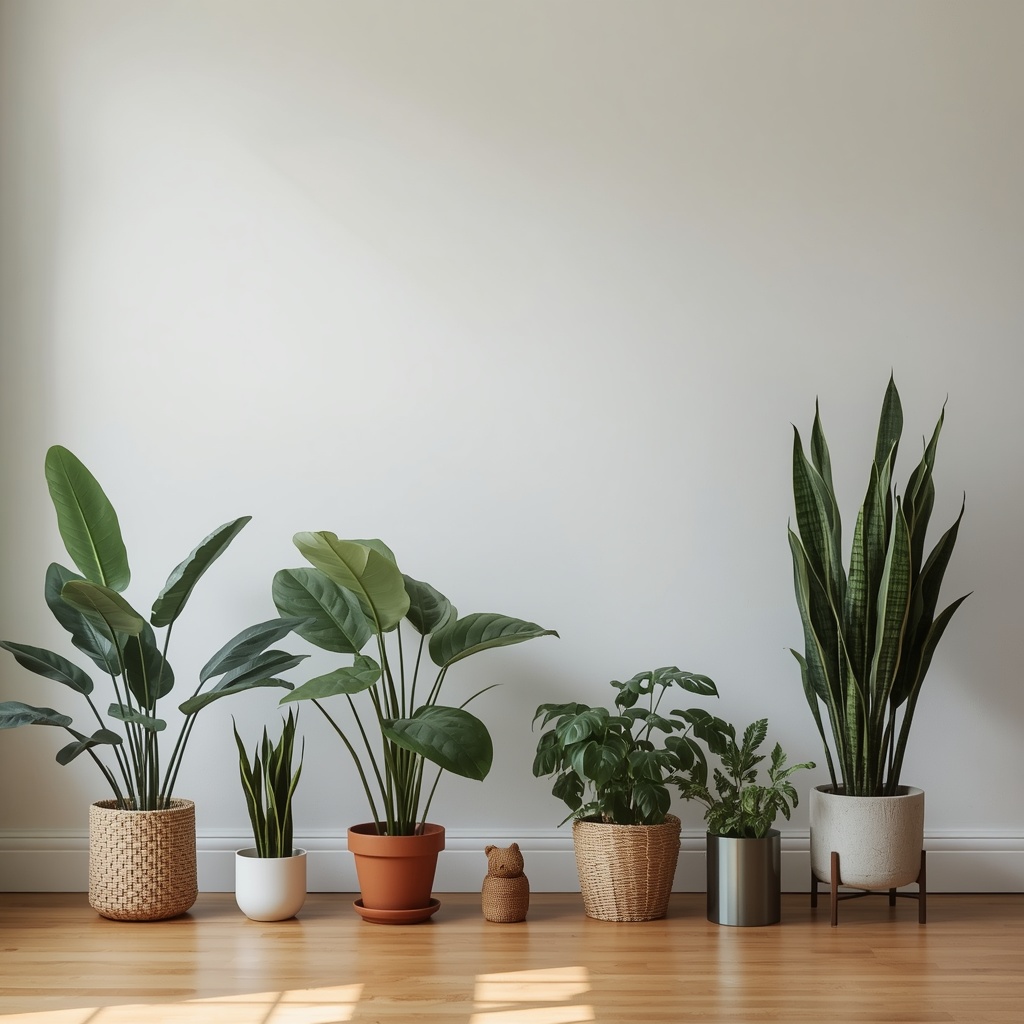
Overcrowding a room with too many plant varieties creates visual noise that fights against minimalism’s core purpose of calm, uncluttered space. It’s tempting to keep collecting new plants, but a minimalist home benefits far more from three thriving, well-placed plants than fifteen crammed onto every surface.
Mismatched pots are another frequent issue — mixing bright colors, bold patterns, or inconsistent materials breaks the cohesive palette that makes minimalist design feel intentional. Before adding a new plant to your space, ask whether its container matches the tone, material, and color story of what’s already in the room.
Quick Checklist: Is Your Plant Styling Minimalist-Friendly?
- [ ] Each plant has visible breathing room around it
- [ ] Pots share a consistent color and material palette
- [ ] No more than one “statement” plant per room
- [ ] Plants are placed with intention, not scattered randomly
- [ ] Foliage color complements (not clashes with) your wall palette
- [ ] Maintenance level matches your realistic care routine
Sustainable and Low-Maintenance Plant Care Tips
Minimalism isn’t just about how a space looks — it’s also about designing a lifestyle that’s easier to maintain. That philosophy should extend to your plant care routine as well.
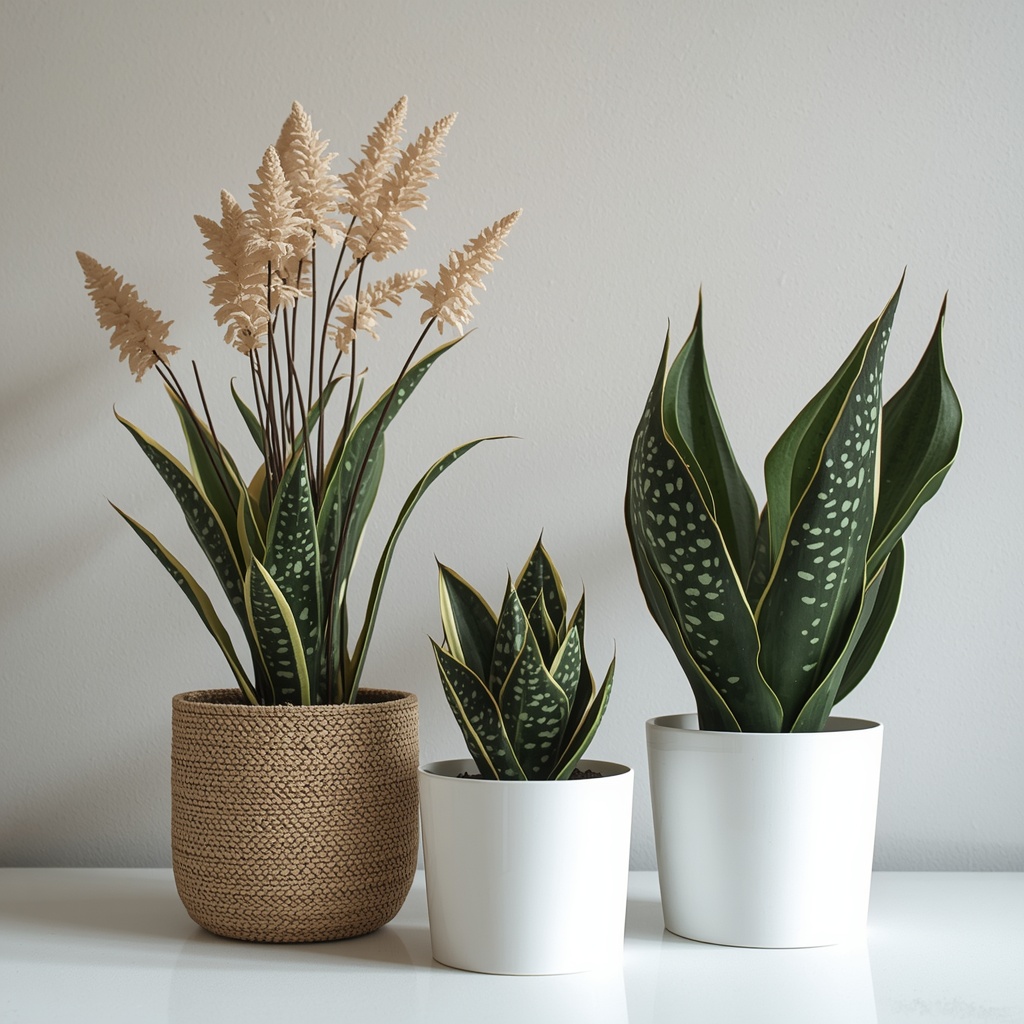
Choosing drought-tolerant, low-light species reduces the mental and physical upkeep that can otherwise clutter your schedule the way excess furniture clutters a room. Succulents, snake plants, and ZZ plants require watering as infrequently as once every two to three weeks, which fits naturally into a simplified, low-maintenance lifestyle.
Grouping plants with similar light and water needs together also streamlines care, since you won’t be juggling different schedules for every pot in the house. According to the U.S. Environmental Protection Agency, indoor air quality can be significantly affected by ventilation and household elements, and while houseplants alone aren’t a substitute for proper ventilation, choosing hardy, oxygen-supporting species is a small, sustainable step toward a healthier home environment.
Final Thoughts: Let Nature Complete the Minimalist Story
A truly minimalist home isn’t about emptiness for its own sake — it’s about making room for what matters. Plants, chosen and placed with the same intentionality as your furniture and color palette, complete that story rather than disrupt it. They soften hard lines, introduce color without clutter, and quietly remind you that “less” was never meant to mean “lifeless.”
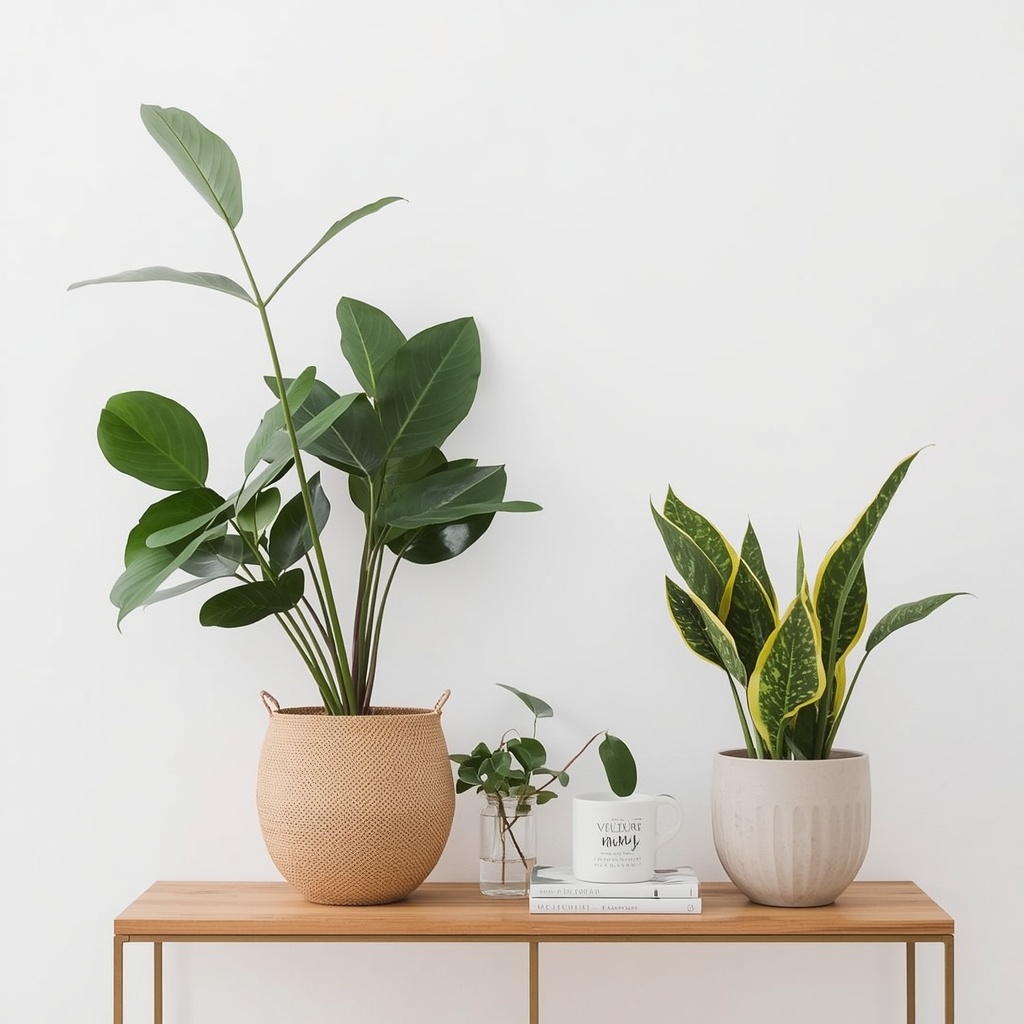
Start small: pick one architectural plant, one neutral pot, and one intentional spot in your home. From there, let your minimalist plant collection grow the way a well-edited wardrobe or capsule furniture collection does — slowly, deliberately, and always in service of the calm, breathable space you’re working to create.