
There’s a particular kind of joy that comes from snipping fresh basil for your pasta sauce or pinching mint leaves for your iced tea, all without leaving your kitchen. A well-designed kitchen herb garden does more than season your food — it brings life, fragrance, and a designer’s touch to one of the most-used rooms in your home.
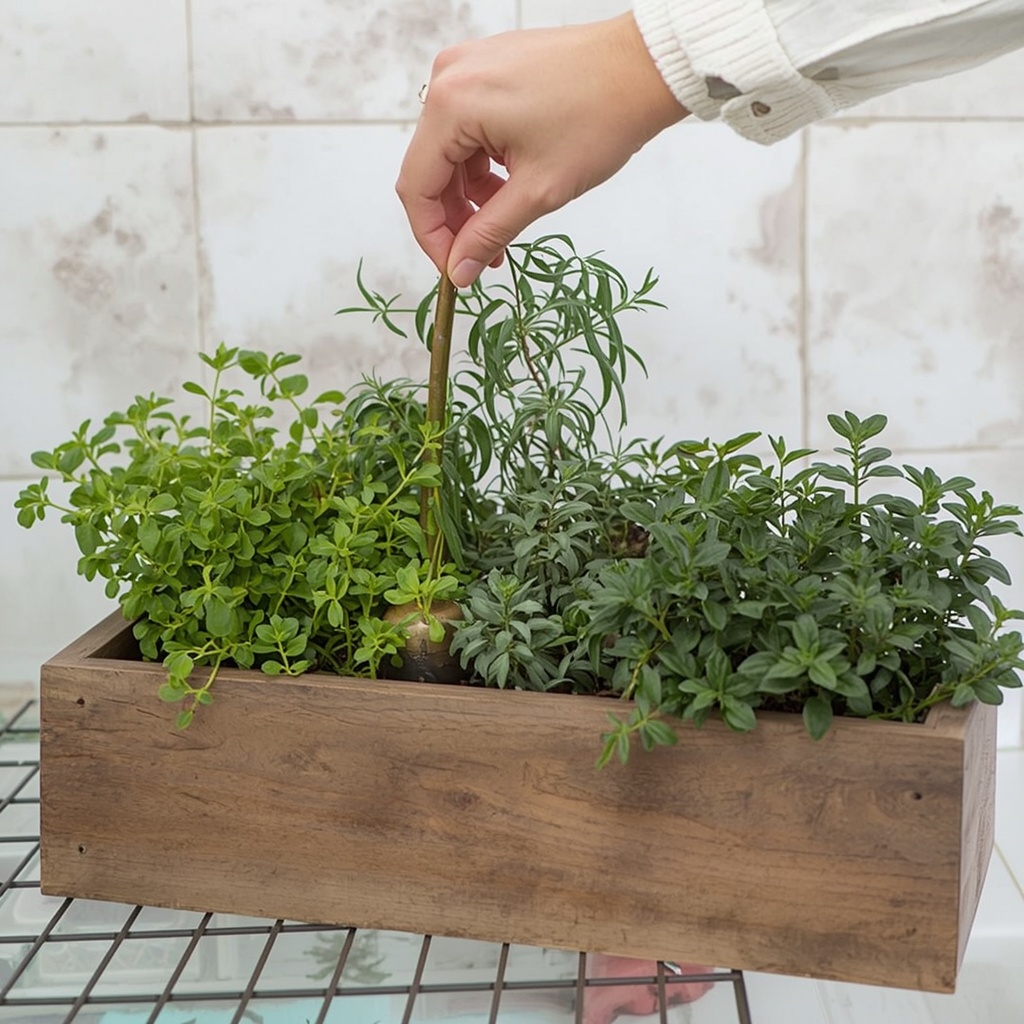
As an interior designer who focuses on home decor for busy American households, I get asked constantly how to make herb gardens look intentional rather than like an afterthought on a windowsill. The good news? With the right planning, your herb garden can be both a functional cooking tool and a genuine design statement.
Why Every Kitchen Deserves an Herb Garden
Fresh herbs elevate everyday cooking in ways dried herbs simply can’t match. But beyond the culinary upgrade, an herb garden adds texture, greenery, and organic charm to your kitchen decor — something no store-bought art print can replicate.
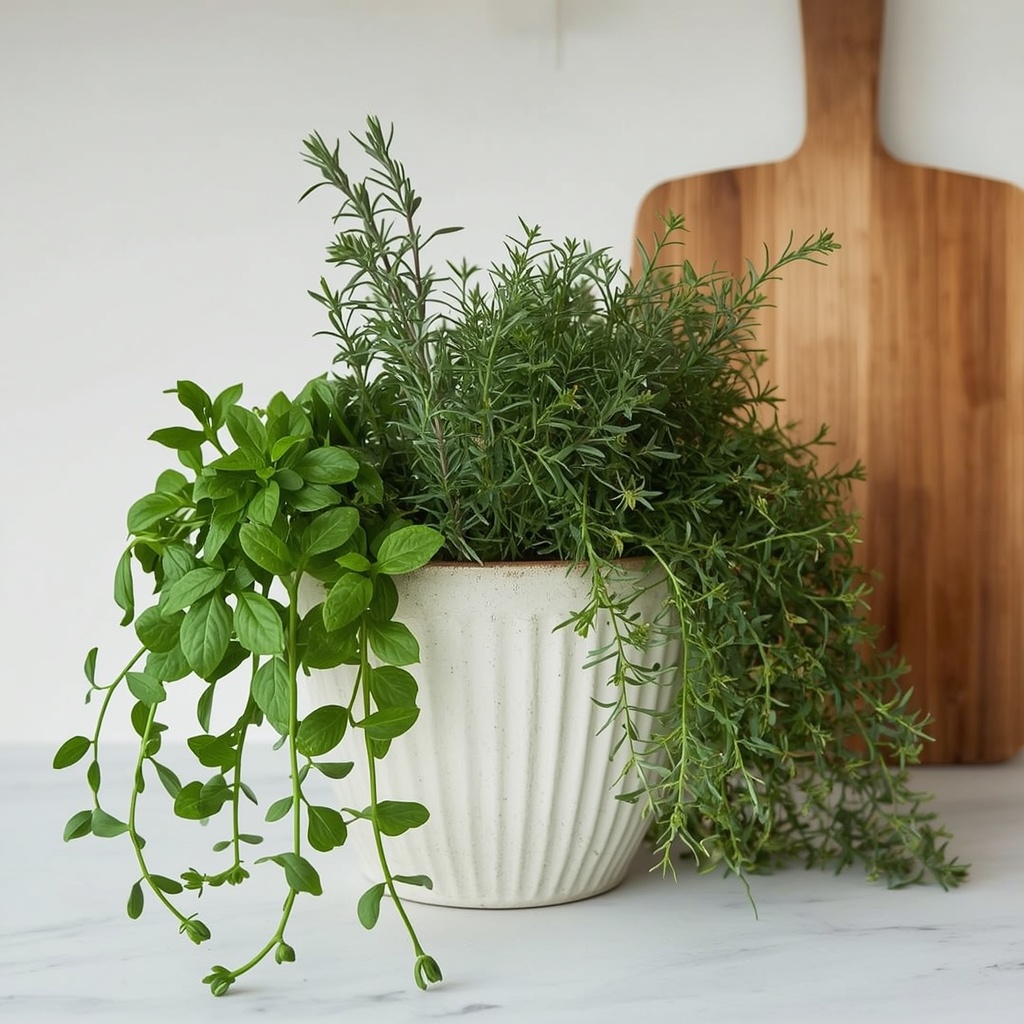
From a design standpoint, herbs bring visual variety through color, height, and leaf shape. A cluster of rosemary, thyme, and trailing oregano creates natural movement on a countertop or shelf, softening hard surfaces like quartz, stainless steel, and tile.
There’s also a wellness angle. Studies on biophilic design consistently show that incorporating living plants indoors can reduce stress and improve mood. A kitchen herb garden checks that box while also saving you a grocery run every time a recipe calls for fresh cilantro.
“Bringing nature into interior spaces isn’t a trend — it’s a return to how humans are meant to live. A kitchen herb garden is one of the simplest, most rewarding ways to do that.” — a sentiment echoed by countless biophilic design practitioners.
Choosing the Right Location for Your Herb Garden
Location determines nearly everything about your herb garden’s success, both horticulturally and aesthetically. Most culinary herbs need at least 6 hours of direct or bright indirect sunlight daily, so a south- or west-facing window is ideal.
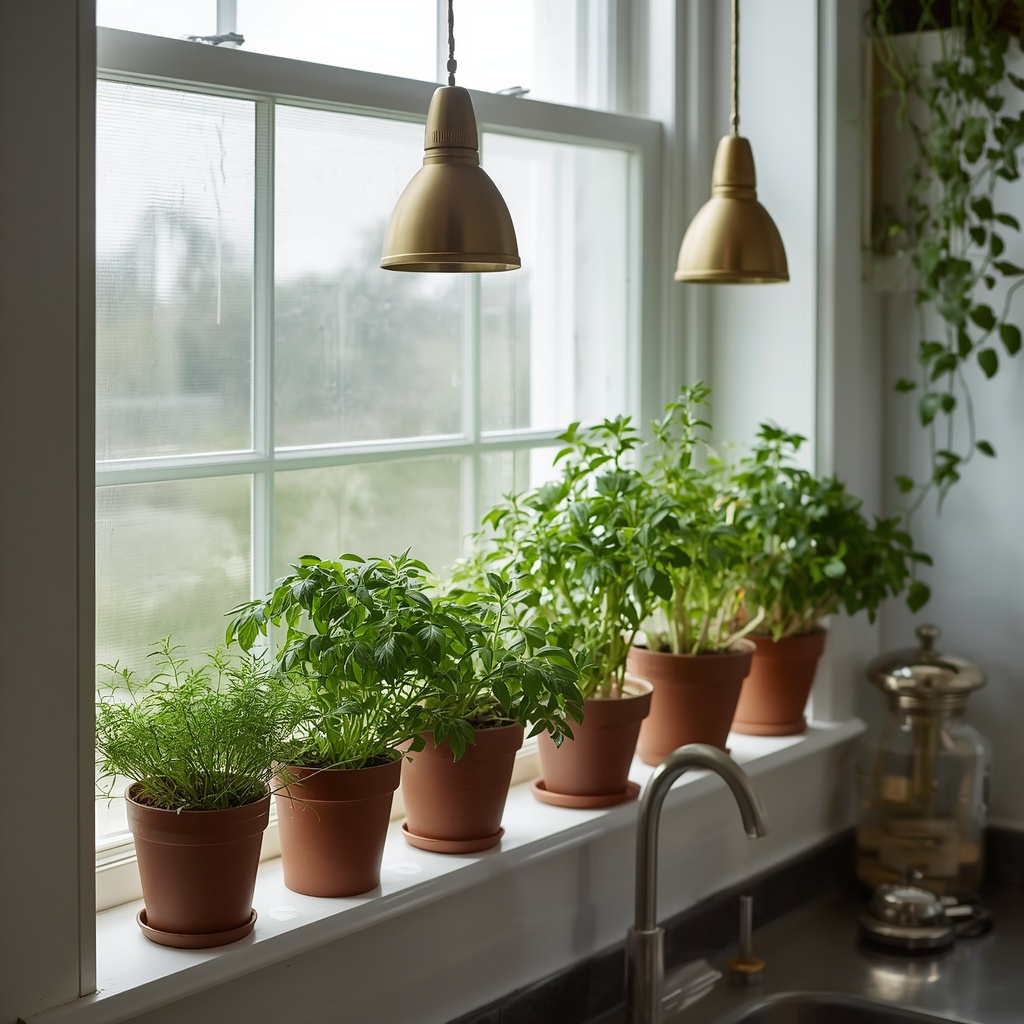
If your kitchen lacks strong natural light, don’t worry — this is where design creativity comes in. Grow lights have evolved dramatically, and many now come in sleek, brass, or matte black finishes that double as kitchen fixtures rather than obvious equipment.
Top Spots to Consider
- Windowsill above the sink — classic, functional, and easy to water
- Open shelving near the stove — herbs within arm’s reach while cooking
- A dedicated bar cart or rolling cart — flexible and movable for light changes
- Wall-mounted planters — saves counter space entirely
- Kitchen island end-cap — a striking focal point if your island has open space
Design Styles: Matching Your Herb Garden to Your Kitchen Decor
One of the biggest mistakes homeowners make is treating an herb garden as purely utilitarian. In reality, your planters, containers, and arrangement should feel like an extension of your overall interior design scheme.
Below is a quick reference table matching popular kitchen aesthetics with herb garden design choices that complement them.
| Kitchen Style | Recommended Planters | Herb Arrangement | Color Palette |
|---|---|---|---|
| Modern Farmhouse | Galvanized metal buckets, ceramic crocks | Staggered row on open shelf | White, sage green, weathered wood |
| Minimalist/Scandinavian | Matte white or terracotta pots | Single-line row, uniform height | White, natural clay, muted green |
| Industrial | Black metal pipe planters, concrete pots | Hanging or wall-mounted grid | Black, charcoal, brass accents |
| Coastal | Woven baskets with liners, blue ceramic | Clustered on windowsill | Blue, white, seafoam |
| Traditional | Brass or copper pots, classic terracotta | Tiered stand or plant stairs | Copper, cream, forest green |
| Boho | Macramé hangers, textured clay pots | Mixed heights, trailing vines | Terracotta, mustard, olive |
Choosing planters that echo your existing hardware finishes, cabinet colors, or countertop material creates a cohesive look rather than a mismatched collection of random pots.
Best Herbs for Beauty and Function
Not all herbs are created equal when it comes to indoor growing and visual appeal. Some thrive in containers and offer gorgeous texture, while others sprawl too aggressively for small spaces.
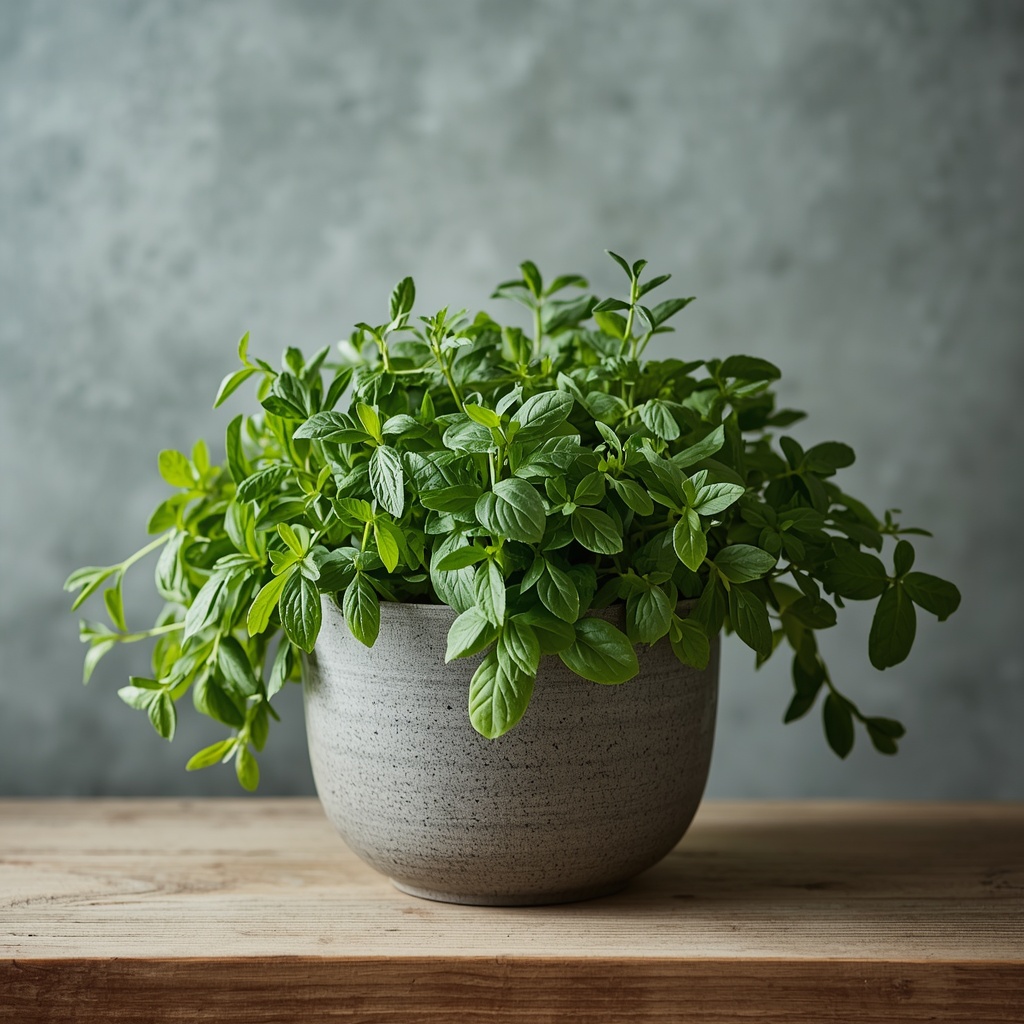
Here’s a breakdown of the most reliable herbs for a kitchen setting, along with their design and culinary strengths.
| Herb | Light Needs | Growth Habit | Design Appeal | Culinary Use |
|---|---|---|---|---|
| Basil | High | Bushy, upright | Bright green, lush | Italian dishes, pesto |
| Rosemary | High | Woody, upright | Architectural, evergreen texture | Roasts, breads |
| Thyme | Medium-High | Low, trailing | Delicate, fine-textured | Soups, marinades |
| Mint | Medium | Fast-spreading | Vibrant, glossy leaves | Teas, cocktails |
| Chives | Medium | Grass-like, upright | Whimsical, wispy | Garnishes, eggs |
| Parsley | Medium | Compact, curly or flat | Full, textured mounds | Sauces, garnish |
| Oregano | Medium-High | Low, trailing | Soft cascading edges | Pizza, Mediterranean dishes |
| Cilantro | Medium | Quick-bolting, upright | Delicate, airy | Salsas, Mexican and Asian dishes |
Pro tip: Group herbs with similar water and light needs together. Basil and cilantro like consistent moisture, while rosemary and thyme prefer to dry out between waterings. Mixing incompatible herbs in one planter is one of the most common reasons indoor herb gardens fail within weeks.
Container and Layout Ideas That Actually Work
The container you choose affects both plant health and visual impact. Drainage is non-negotiable — herbs sitting in soggy soil will develop root rot regardless of how attractive the pot looks.
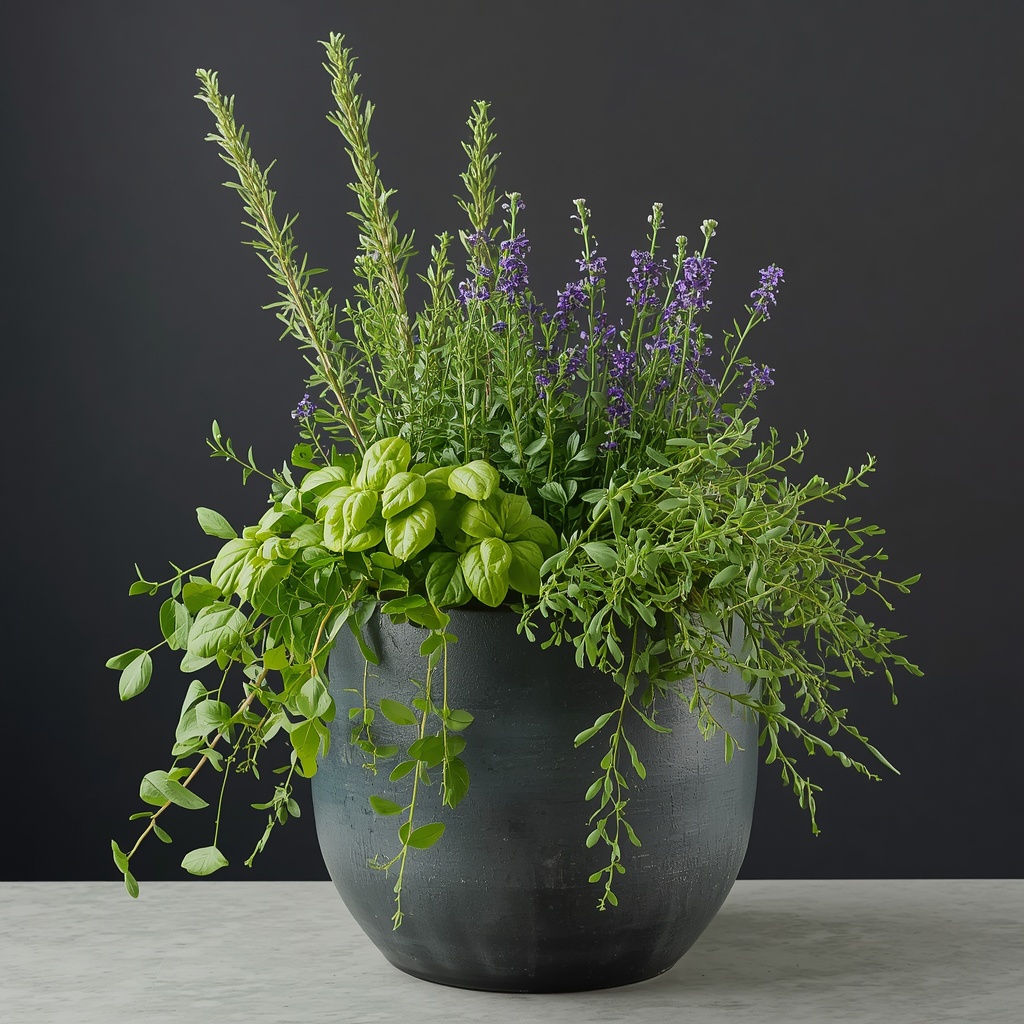
Layering height is a designer trick that instantly makes any herb arrangement look curated. Place taller herbs like rosemary toward the back or center, medium herbs like basil in the middle, and trailing herbs like thyme or oregano along the edges where they can spill over gracefully.
Layout Options to Try
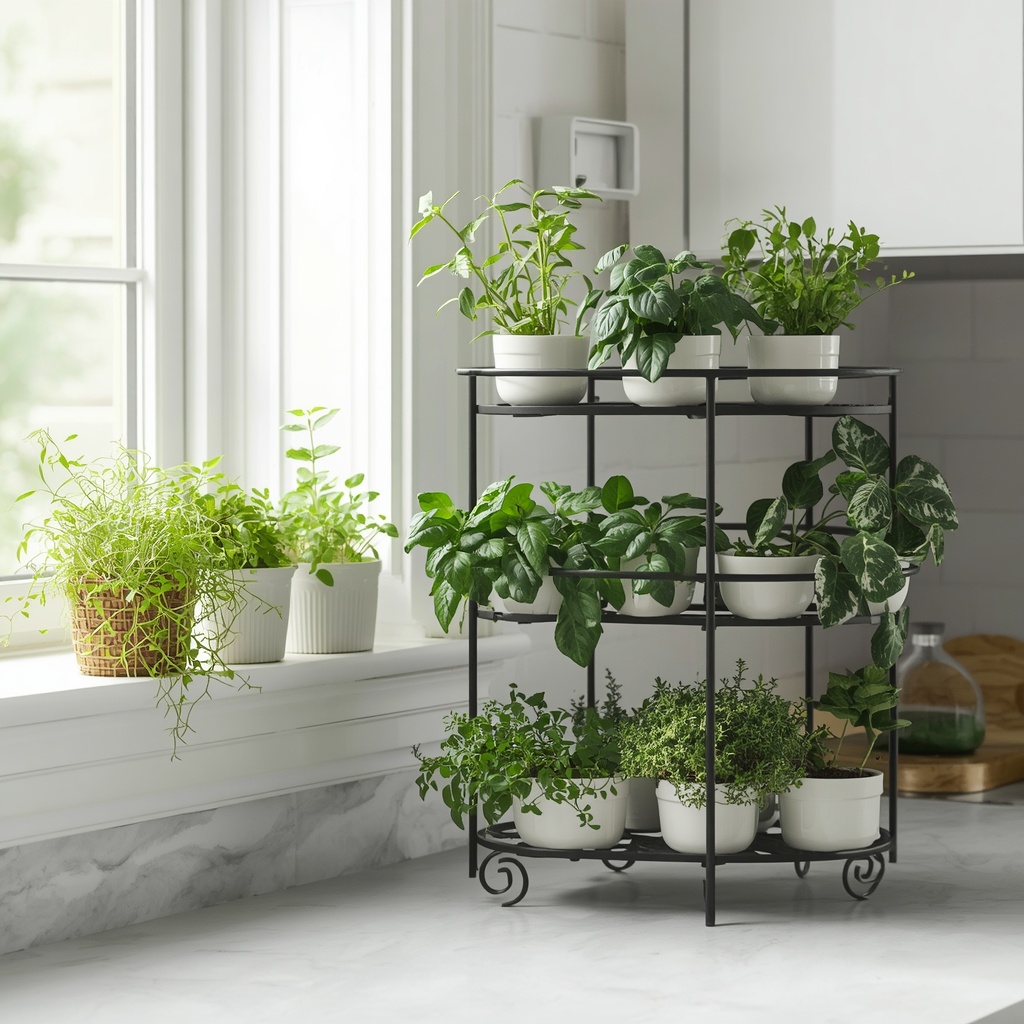
- The Tiered Stand — A three-tier plant stand creates a vertical herb garden that maximizes light exposure to each level while keeping the footprint small.
- The Wall Grid — Mount a series of matching wall planters in a grid pattern for a gallery-wall effect using living plants instead of art.
- The Windowsill Row — Simple, classic, and ideal for renters; use matching pots in graduating sizes.
- The Rolling Cart Garden — A bar cart with wheels lets you chase sunlight throughout the day and tuck the whole setup away when entertaining.
- The Hanging Herb Curtain — Macramé or ceiling-mounted planters near a bright window add drama without using any counter space.
Materials, Finishes, and Practical Considerations
Beyond aesthetics, the material of your planters affects moisture retention and root health. Terracotta is porous and helps prevent overwatering, which makes it forgiving for beginners, while ceramic and metal retain moisture longer.
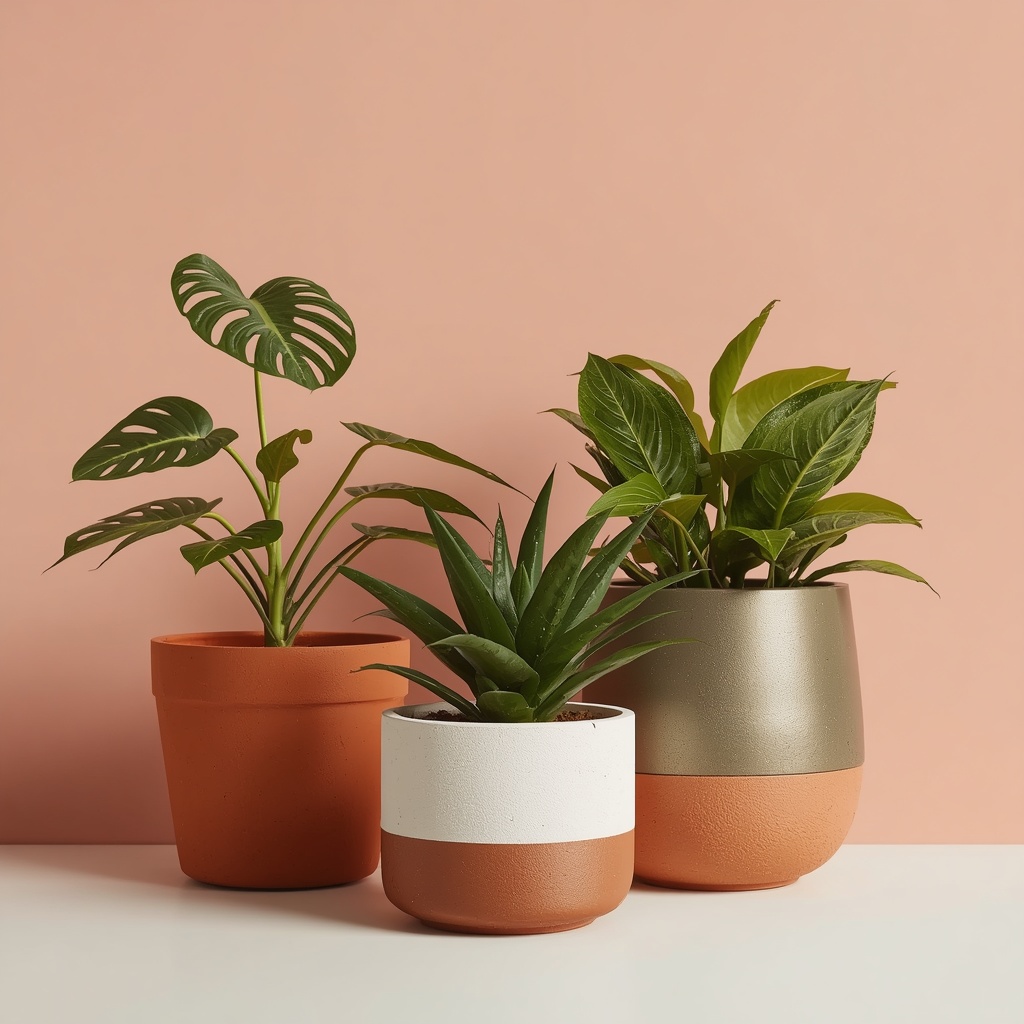
If you’re working with limited counter space, self-watering planters have become significantly more design-forward in recent years, with many brands now offering finishes that mimic stone, matte ceramic, or brushed metal rather than obvious plastic reservoirs.
Pro tip: Line metal or woven planters with a plastic liner before adding soil. This protects the container from moisture damage and rust while letting you keep decorative pots that aren’t technically designed to hold soil directly.
Lighting Considerations for Herb Gardens
Natural light is always preferable, but it’s not always sufficient, especially in winter months or north-facing kitchens. LED grow lights have become far more design-conscious, moving away from harsh purple hues toward full-spectrum white light that looks natural in a home setting.
Consider under-cabinet grow light strips if your herbs live on a countertop below upper cabinets. These stay hidden during the day and provide supplemental light without adding visible clutter to your kitchen decor.
Styling Tips for a Photo-Worthy Herb Garden
A well-styled herb garden should feel intentional, not like a science experiment on your counter. Small styling choices make an enormous difference in how polished the final result looks.
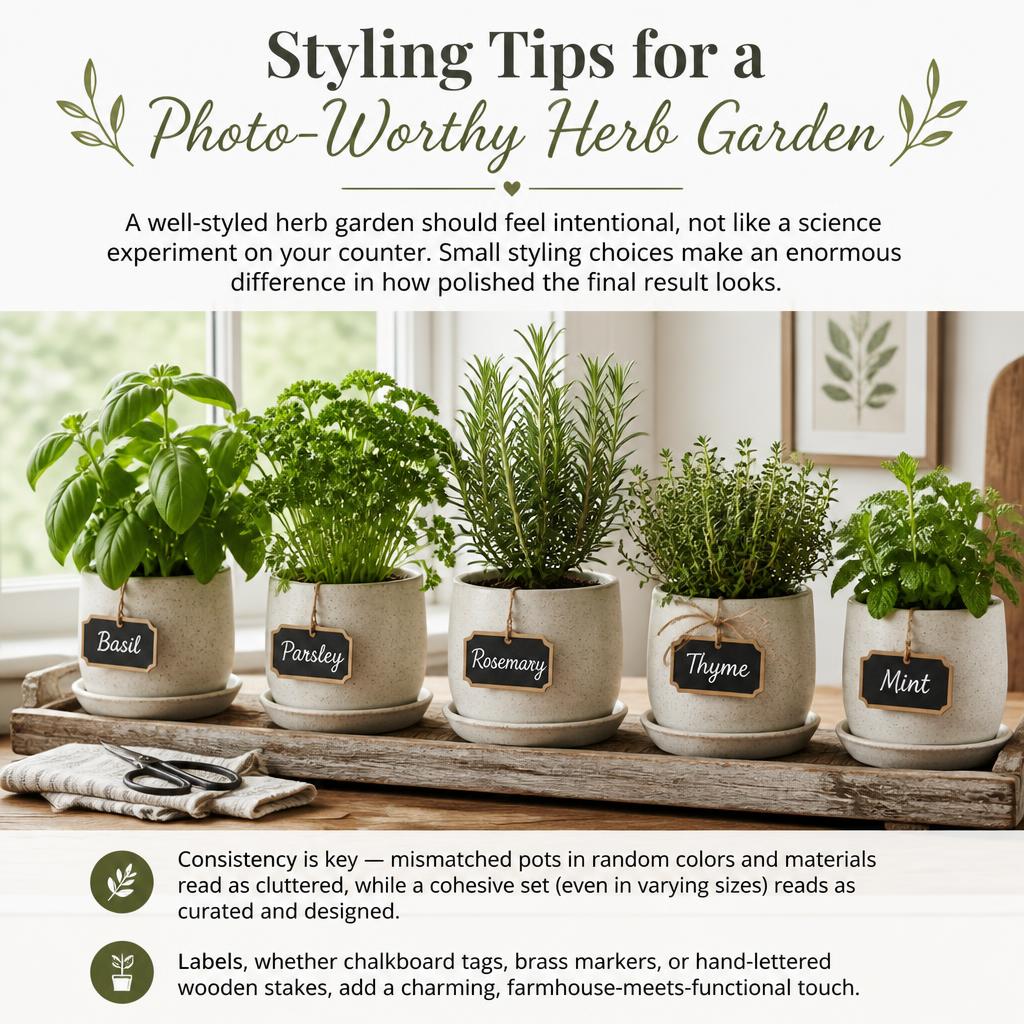
Consistency is key — mismatched pots in random colors and materials read as cluttered, while a cohesive set (even in varying sizes) reads as curated and designed. Labels, whether chalkboard tags, brass markers, or hand-lettered wooden stakes, add a charming, farmhouse-meets-functional touch.
Quick Styling Checklist
- Use a consistent pot material or color family
- Add plant labels for a polished, apothecary-style look
- Incorporate a tray or riser to define the herb garden as a “zone”
- Keep trailing herbs positioned near edges to soften hard lines
- Rotate pots weekly so growth stays even and full-looking
Maintenance That Keeps Your Design Looking Fresh
An herb garden that looks gorgeous on day one but withers within a month isn’t a design win. Regular maintenance keeps both the plants and your kitchen decor looking their best.
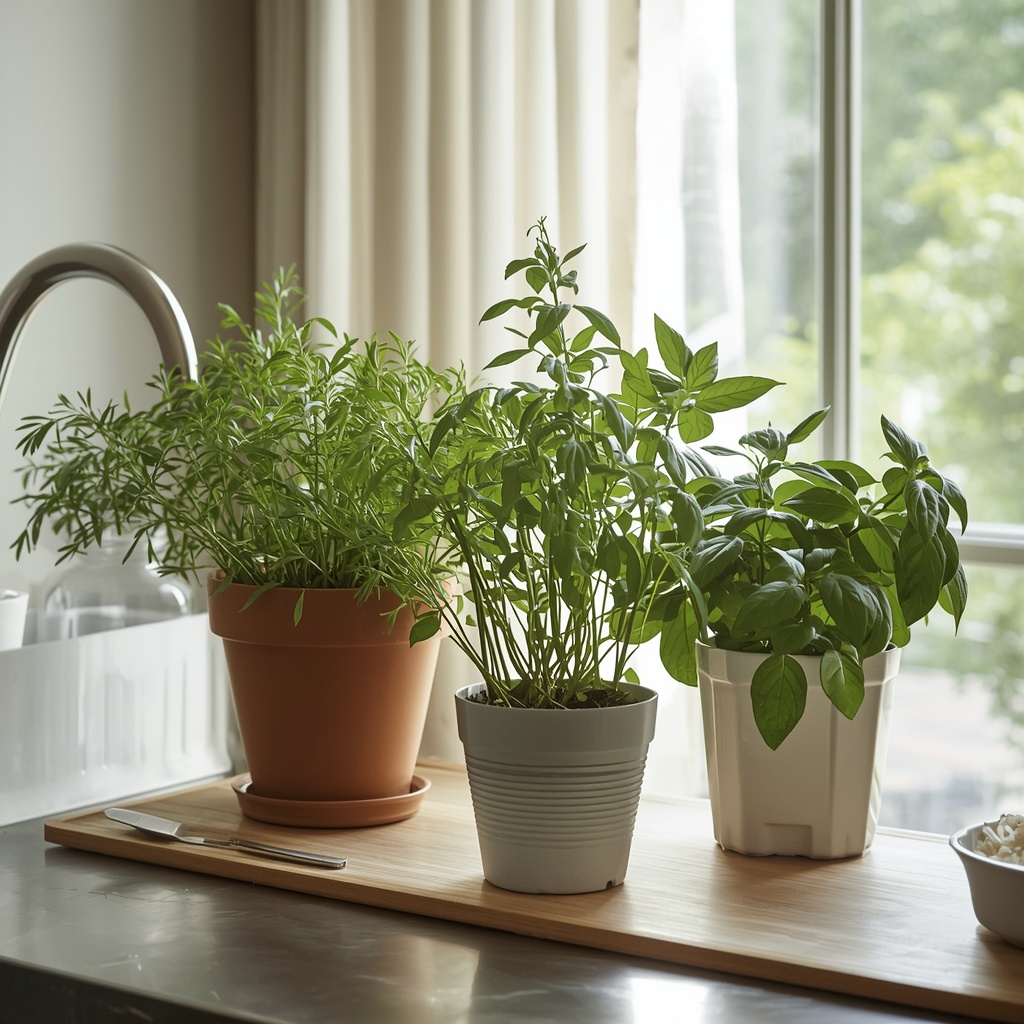
Most kitchen herbs benefit from harvesting regularly — cutting encourages fuller, bushier growth rather than leggy, sparse stems. Aim to trim no more than one-third of any plant at a time, and always cut just above a leaf node to encourage branching.
Pro tip: Rotate your herb pots a quarter turn every few days if they’re near a single-direction light source. This prevents the lopsided, “reaching” growth that can make an otherwise beautiful herb garden look unkempt within weeks.
Budget-Friendly Ways to Elevate the Look
You don’t need a large budget to make your herb garden feel high-end. Small upgrades — a matching set of pots, a wooden tray, or a simple label system — can transform a random collection of plants into a designed vignette.
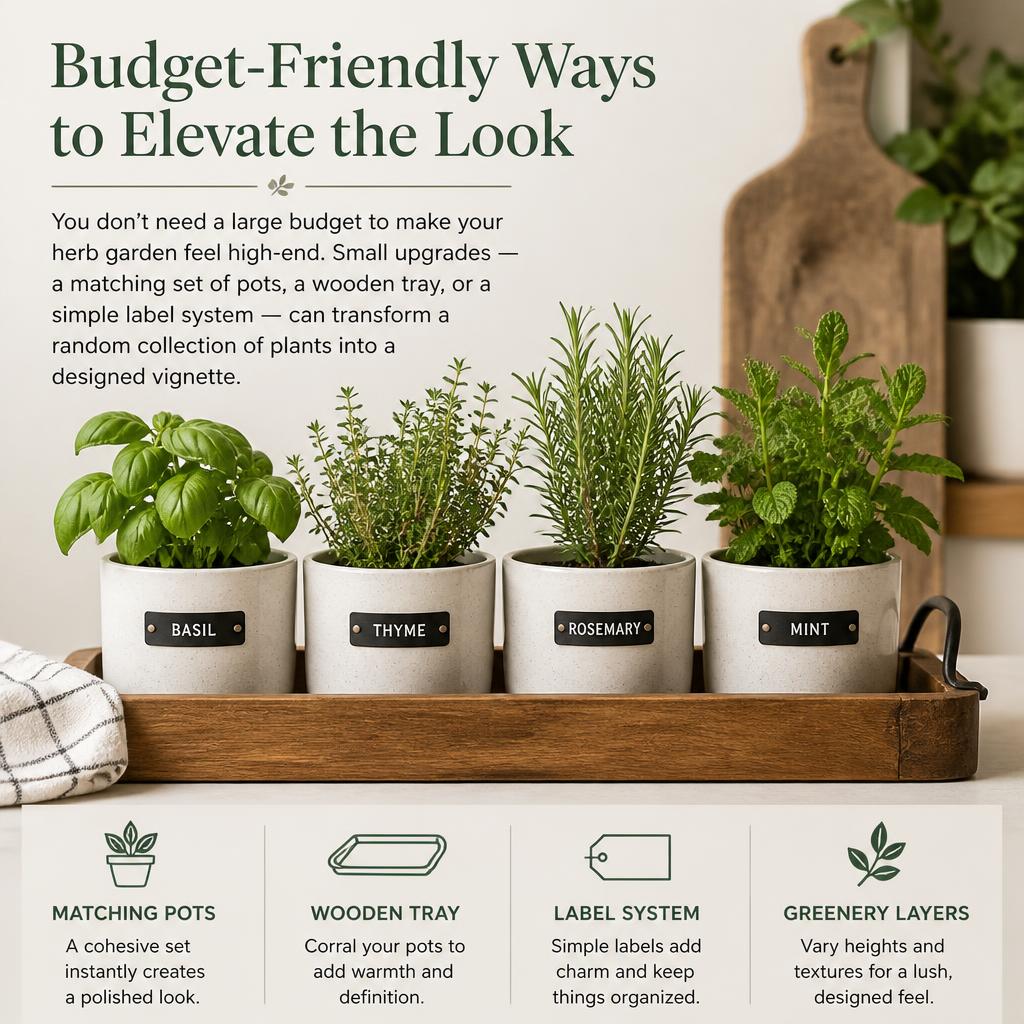
Thrifted ceramic bowls, repurposed mason jars with drainage holes drilled in, or even upcycled tin cans spray-painted in a cohesive color can achieve a similar effect to pricier planter sets. The goal is visual consistency, not necessarily expensive materials.
Final Thoughts
A kitchen herb garden sits at the intersection of function and beauty, offering fresh flavor for your cooking while adding organic texture and life to your home decor. Whether you opt for a minimalist windowsill row or a dramatic tiered stand, thoughtful plant selection, container choice, and light placement will make all the difference.
Start small, choose herbs that match your cooking habits, and let the design element evolve naturally as you learn what thrives in your space. Before long, that little green corner of your kitchen will become one of your favorite design details — and one of the most useful.