
Faux greenery has come a long way from the dusty plastic ferns your grandmother kept on top of the fridge. Today’s artificial plants are so realistic that even seasoned plant parents do a double take, and interior designers across the country are using them to bring color, texture, and life into spaces that natural light or busy schedules won’t allow. If you’ve ever killed a fiddle leaf fig within a month of bringing it home, you already know why faux greenery has become such a popular home decor solution.
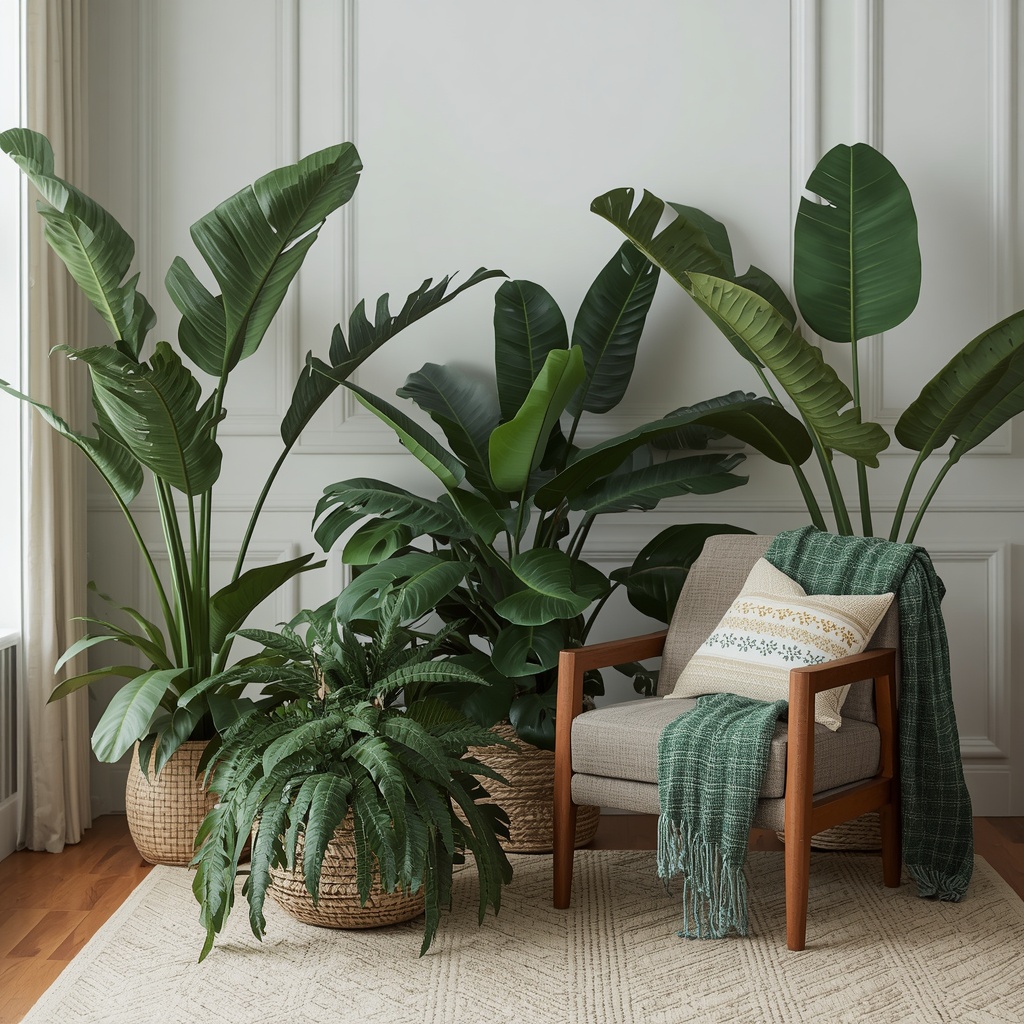
But decorating with artificial plants is an art form of its own. Done well, faux greenery looks lush, intentional, and completely believable. Done poorly, it can make an entire room look cheap, dated, or oddly sterile. As someone who has styled hundreds of homes with a mix of real and artificial botanicals, I want to walk you through exactly what works, what doesn’t, and how to strike the right balance so your greenery reads as beautiful rather than fake.
Why Faux Greenery Deserves a Place in Your Home
Artificial plants solve real problems. They thrive in low-light bathrooms, windowless offices, and high-shelf spots where watering is a hassle. They’re pet-friendly, allergy-friendly, and immune to the seasonal die-off that leaves so many houseplants looking sad by February. For renters, frequent travelers, or anyone who simply doesn’t have a green thumb, faux greenery offers the visual benefits of biophilic design without the maintenance commitment.

There’s also a financial argument. A single high-quality faux fiddle leaf fig might cost more upfront than a live one, but it never needs replacing, never drops leaves on your hardwood floors, and never requires a $40 bag of specialty potting soil. Over several years, a well-chosen artificial plant can actually be the more economical choice, especially in commercial spaces like restaurants, salons, and offices where large installations of live plants require ongoing maintenance contracts.
The Dos of Decorating with Faux Greenery
Getting artificial plants to look intentional rather than “fake” comes down to a handful of design principles that professional stylists rely on again and again. These aren’t complicated rules, but they make an enormous difference in the final result.
Do Choose Realistic Textures and Materials
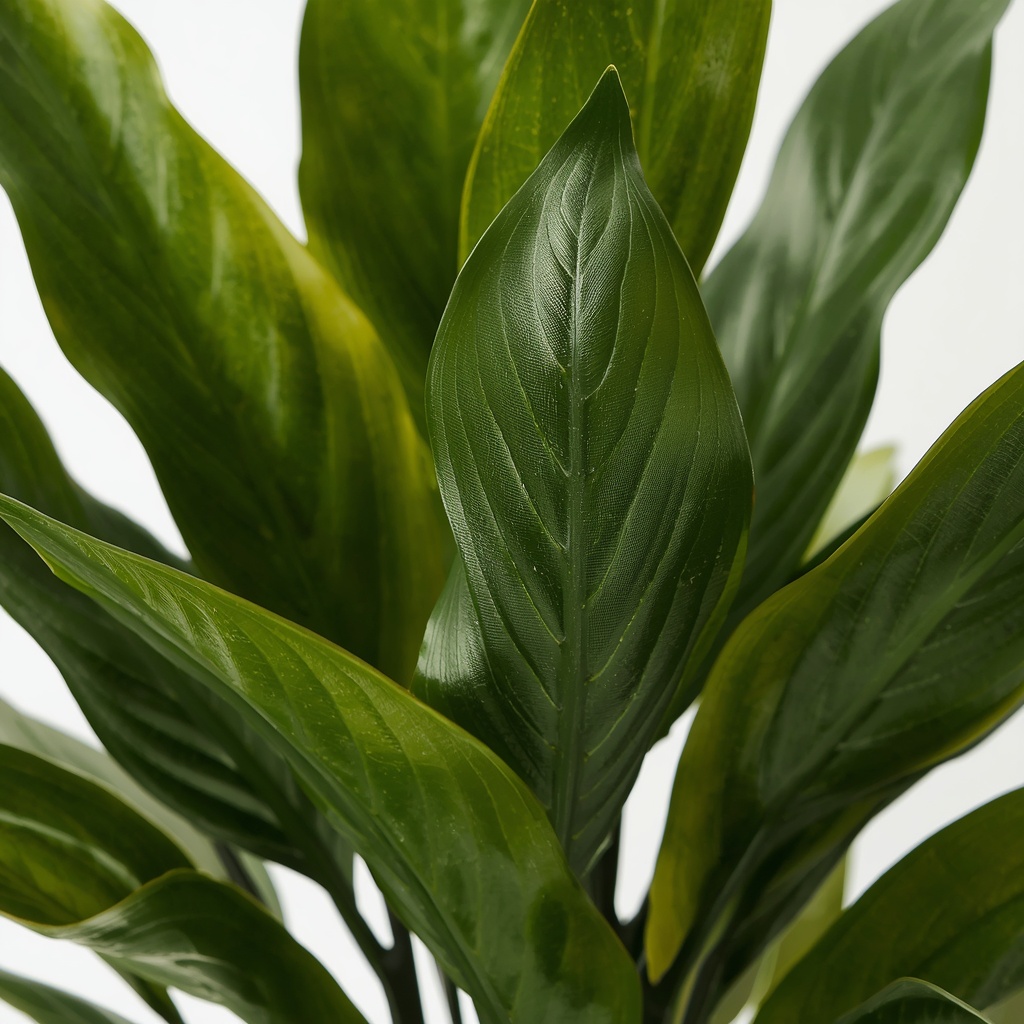
Not all faux greenery is created equal. Look closely at leaf texture, vein detail, and color variation before you buy. The best artificial plants use real-touch materials like polyethylene (PE) or silicone-coated leaves that mimic the slight give and matte finish of living foliage, rather than shiny, uniform plastic. Run your fingers across the leaves in the store or check close-up product photos online; if every leaf is the exact same shade of green, that’s a red flag.
Do Mix Varieties, Heights, and Scale
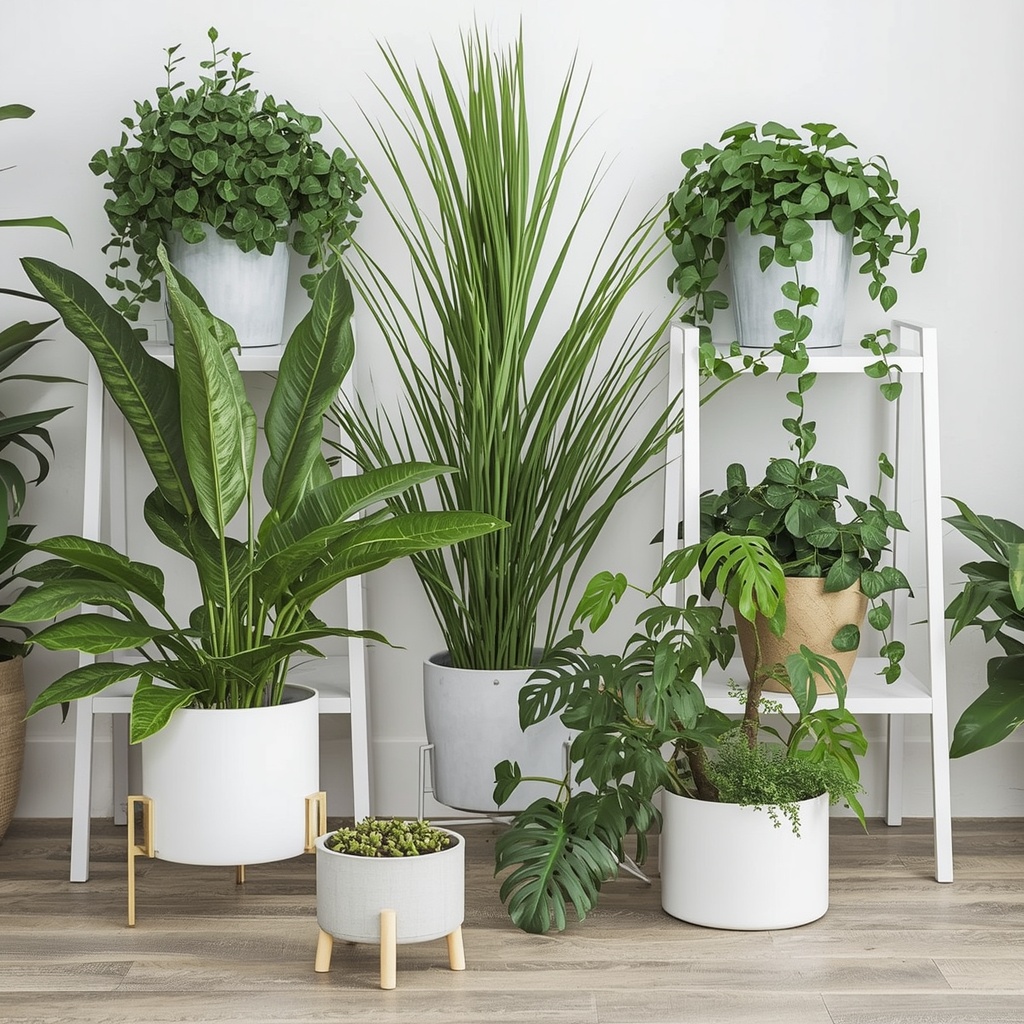
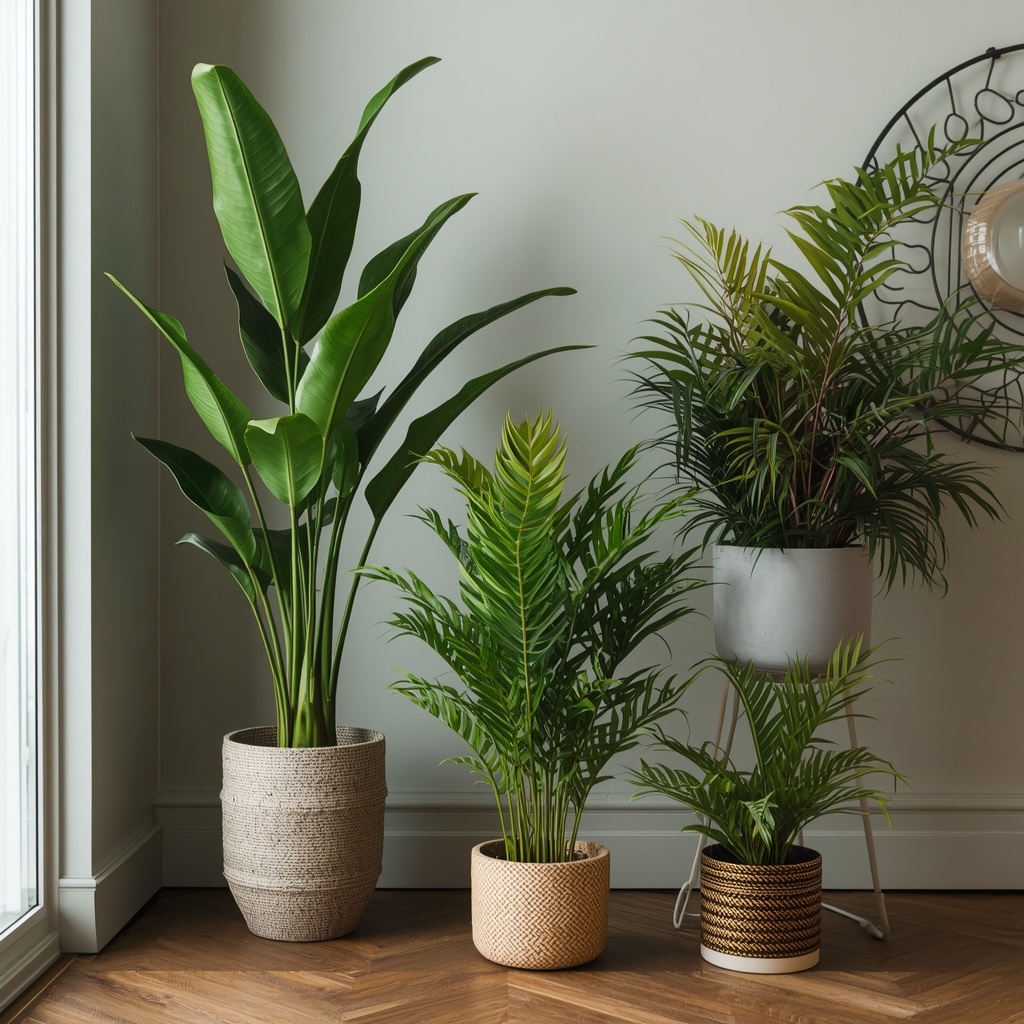
A single oversized fern in the corner reads as “one plant.” A grouping of varied heights, textures, and pot styles reads as a curated plant collection. Combine a tall statement piece like a faux olive tree with a trailing pothos on a shelf and a low, bushy snake plant at floor level. This layering technique, borrowed directly from real plant styling, tricks the eye into seeing an organic, evolved space rather than a single decorative object dropped into a room.
Do Invest in Quality Planters and Soil Toppers
The pot matters just as much as the plant. Swap flimsy plastic nursery containers for ceramic, woven, or concrete planters that match your home’s palette. Adding a soil topper of moss, pebbles, or bark at the base hides the foam block or plastic insert that holds the stems in place, which is often the single biggest giveaway that a plant isn’t real.
Do Dust and Maintain Your Faux Plants Regularly
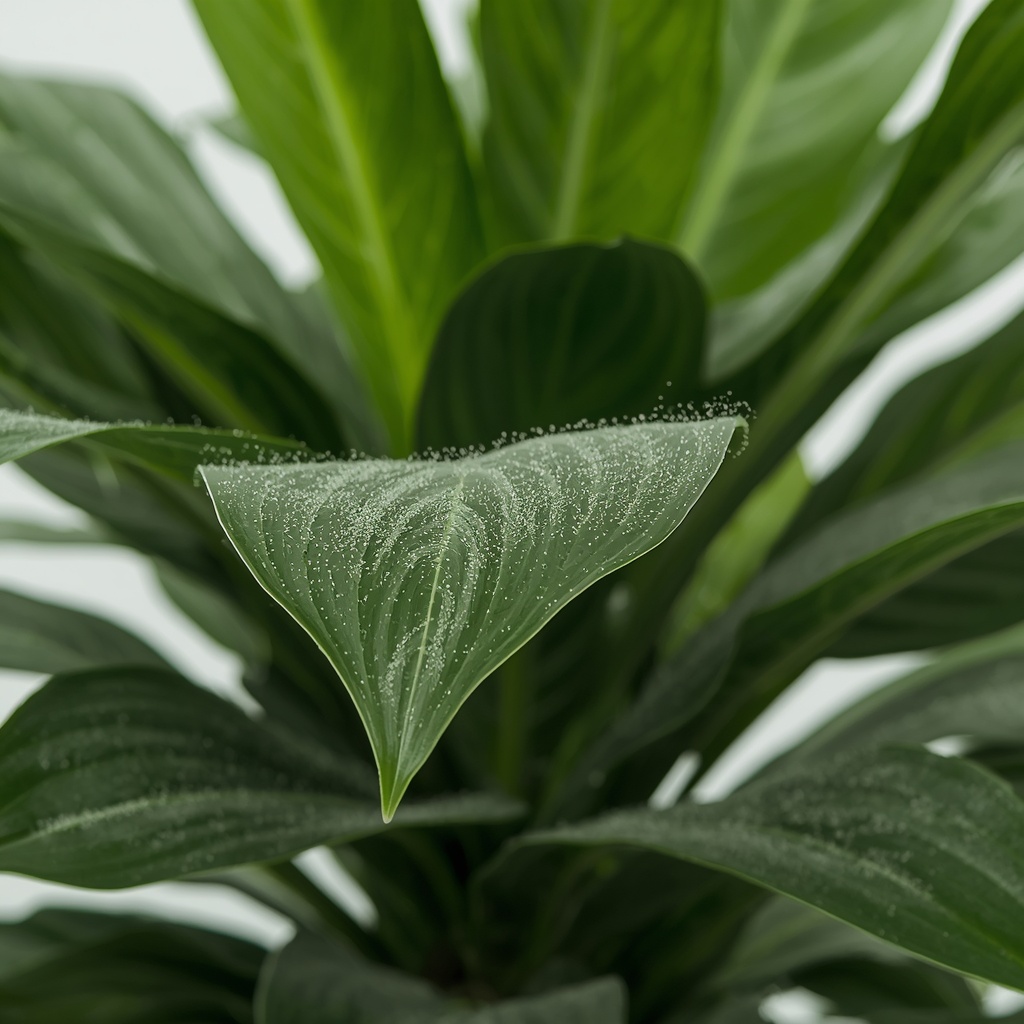
Artificial doesn’t mean maintenance-free. Dust accumulates on faux leaves just as it does on any other surface, and a dusty plant looks tired and neglected fast. A quick wipe-down with a microfiber cloth or a blast from a hair dryer on the cool setting every few weeks keeps leaves looking vibrant and photo-ready.
| Do This | Why It Works |
|---|---|
| Choose real-touch PE or silicone leaves | Mimics natural texture and light reflection |
| Vary plant height and leaf shape | Creates depth and a collected, organic look |
| Use natural-material planters | Grounds the plant visually in the room |
| Add soil toppers (moss, pebbles) | Conceals plastic bases and inserts |
| Dust and clean regularly | Prevents a dull, neglected appearance |
| Place near natural light sources | Reinforces the illusion of a living plant |
The Don’ts of Decorating with Faux Greenery
Just as important as knowing what to do is knowing which habits quietly undermine your design. These are the mistakes I see most often when walking into a newly “planted” home.
Don’t Buy the Cheapest Option You Can Find
Bargain-bin faux plants are often made from thin, shiny plastic that catches light in an unnatural way and fades quickly, especially near windows. Cheap greenery is usually the first thing a guest’s eye lands on, and not in a good way. It’s better to invest in two or three high-quality faux plants than to fill a room with a dozen inexpensive ones.
Don’t Ignore Scale and Proportion
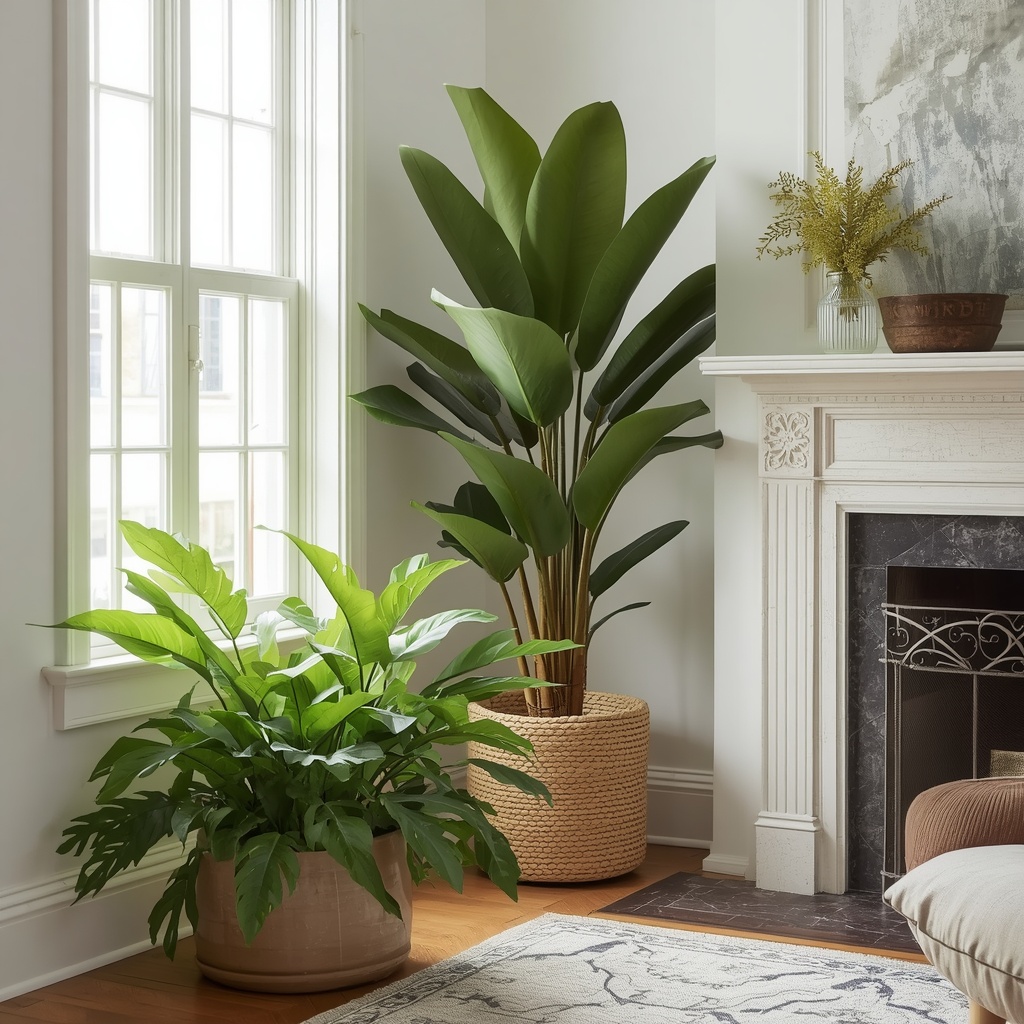
A tiny faux succulent on a massive empty console table looks lost, while an oversized faux tree crammed into a small reading nook overwhelms the space. Measure your space before buying, and remember the general design rule that a floor plant should reach roughly one-half to two-thirds the height of the ceiling in a given corner for proper visual balance.
Don’t Line Plants Up in a Perfectly Symmetrical Row
Nature doesn’t grow in straight lines, and neither should your faux plant collection. Rigid, matchy-matchy arrangements are one of the fastest ways to expose greenery as artificial. Instead, use the classic design rule of odd-numbered groupings and asymmetrical placement to create a more natural, lived-in feel.
Don’t Forget UV Exposure Limits
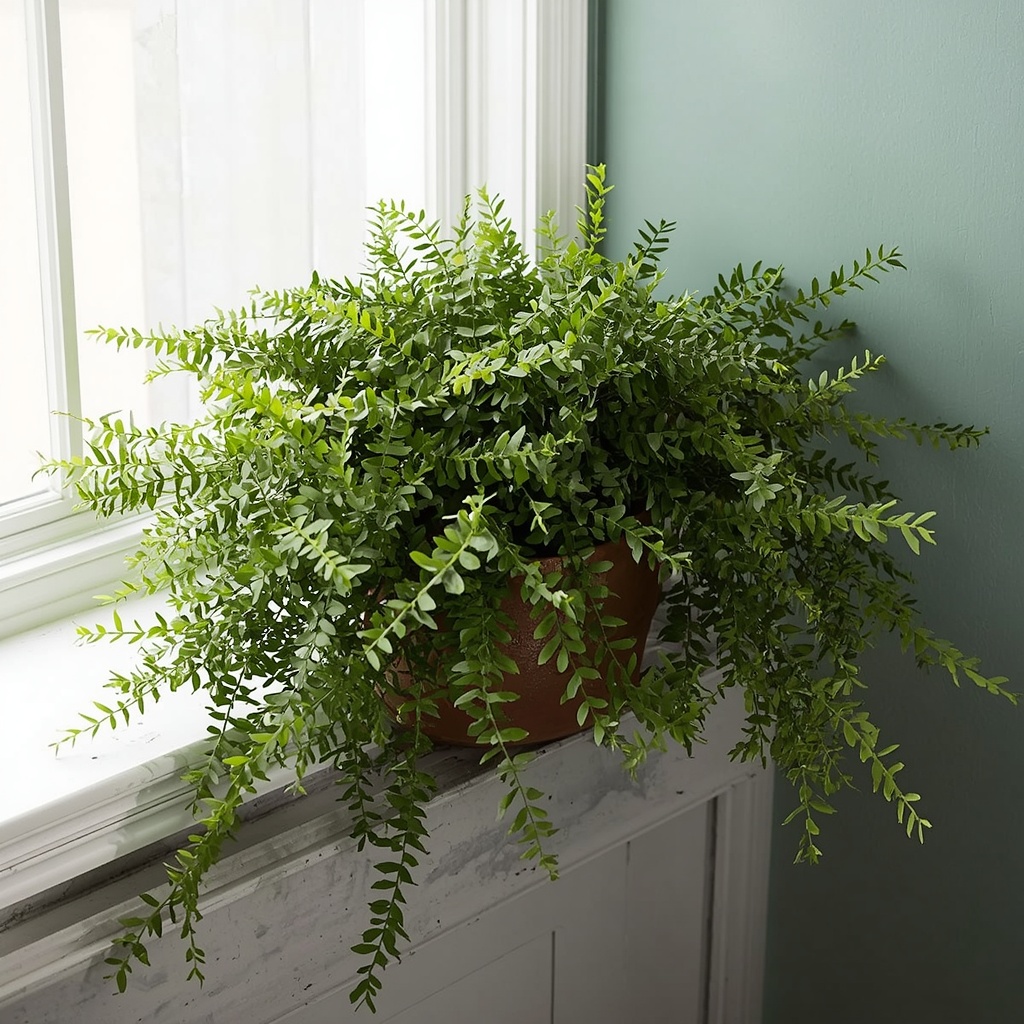
While faux greenery doesn’t need sunlight to survive, prolonged direct sun exposure can fade colors and make cheaper materials brittle over time. Check product labels for UV-resistant or “outdoor-rated” faux plants if you’re decorating a sunny window, patio, or covered porch.
| Avoid This | The Problem It Creates |
|---|---|
| Ultra-cheap plastic plants | Unnatural shine, fast fading, obvious fakeness |
| Ignoring room scale | Plants look either lost or overwhelming |
| Symmetrical, uniform placement | Reads as decor rather than a living space |
| Skipping UV-rated options in sunny spots | Color fading and brittle leaves over time |
| Leaving dust to build up | Dull appearance that undercuts realism |
“The goal isn’t to trick anyone into thinking a plant is real. The goal is to create the same sense of warmth, texture, and life that greenery brings to a room, minus the upkeep.” — a common refrain among interior stylists who work with mixed faux-and-live plant installations.
Pro Tip: The 70/30 Layering Rule
Pro Tip: If you’re nervous about a room looking too “styled,” try the 70/30 rule that many professional decorators swear by: fill about 70 percent of your greenery needs with faux plants in the tricky, low-light, or high-maintenance spots, and reserve 30 percent for a few easy-care real plants like pothos or snake plants near windows. The mix of real and artificial keeps the eye guessing and gives the whole space a more authentic, garden-like feel than an all-faux or all-real approach on its own.
Best Rooms for Faux Greenery
Not every room benefits equally from artificial plants, and knowing where to prioritize your budget makes a real difference in how convincing the final look feels.
- Bathrooms: Humidity-prone, often windowless spaces where real plants struggle
- Home offices: Fluorescent or artificial lighting that stunts live plant growth
- Entryways: High traffic, inconsistent temperature, and easy to forget watering
- Staircases and high shelves: Hard to reach for regular watering and maintenance
- Dining rooms: Centerpiece greenery that won’t shed leaves or pollen near food
- Vacation homes: Spaces left unattended for weeks or months at a time
Faux vs. Real Plants: A Quick Comparison
| Factor | Faux Greenery | Live Plants |
|---|---|---|
| Maintenance | None to minimal (dusting only) | Regular watering, feeding, pruning |
| Lighting needs | Works in any light condition | Requires species-appropriate light |
| Lifespan | Years with proper care | Varies; some die within months |
| Pet and allergy safety | Generally safer for pets and allergies | Some species are toxic if ingested |
| Air-purifying benefits | None | Some documented air-quality benefits |
| Upfront cost | Often higher for realistic options | Typically lower, but recurring costs |
| Emotional/wellness benefit | Visual benefit only | Linked to stress reduction and mindfulness |
Styling Tips by Design Aesthetic
Faux greenery adapts beautifully across design styles when you choose the right plant type and container pairing.
- Modern minimalist: A single sculptural faux fiddle leaf fig in a matte black or white cylinder planter
- Boho eclectic: Trailing faux pothos or string of pearls in woven rattan hanging planters
- Coastal or farmhouse: Faux olive branches or eucalyptus stems in whitewashed ceramic or galvanized metal
- Traditional or classic: Faux boxwood topiaries or ferns in brass or terracotta urns
- Scandinavian: Faux snake plants or ZZ plants in simple concrete or light wood planters
Frequently Asked Questions
Does faux greenery need to be replaced often? High-quality UV-resistant faux plants can last five to ten years indoors without noticeable fading, especially out of direct sunlight.
Can I mix faux and real plants in the same room? Yes, and many designers recommend it. Mixing the two adds visual authenticity and reduces the overall maintenance burden of an all-live plant collection.
Where should I avoid using faux greenery entirely? Kitchens with herbs meant for cooking and any space where you specifically want the documented air-purifying benefits of live plants are better suited to real greenery.
Final Thoughts
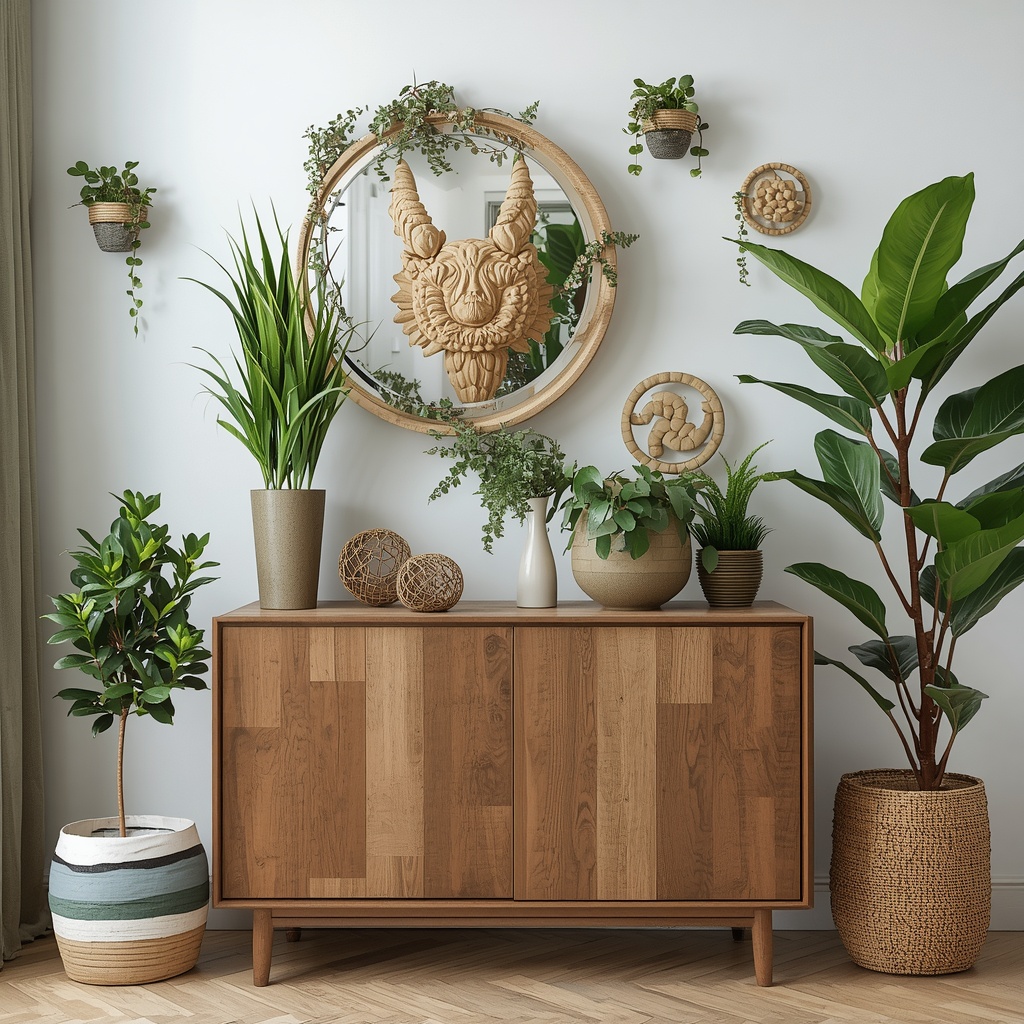
Decorating with faux greenery isn’t about settling for a lesser version of nature indoors. It’s about making a smart design choice that fits your lifestyle, your lighting, and your schedule, while still delivering the texture, color, and warmth that greenery brings to any home. Follow the dos, sidestep the don’ts, and your artificial plants will do exactly what they’re meant to do: disappear into the design and let the room shine.