
The holidays have a way of turning even the calmest home into a glittering, plastic-wrapped fire hazard. Tinsel sheds on the carpet, dollar-store ornaments crack by New Year’s, and the trash bags multiply faster than the fruitcake nobody eats. If you’ve ever stood in your living room on December 26th surrounded by broken string lights and shredded wrapping paper, you already know there has to be a better way.

As an interior designer who specializes in home decor for American households, I’ve spent years helping clients trade single-use sparkle for something that actually lasts: sustainable, natural-material decorating that looks better year after year, not worse. Eco-friendly holiday decor isn’t a trend or a compromise. It’s a design philosophy rooted in texture, warmth, and things you can touch — pinecones, dried citrus, wool, wood, and greenery instead of plastic and glitter. It photographs beautifully, it smells incredible, and it doesn’t end up in a landfill on January 2nd.
This guide walks through practical, budget-friendly, and genuinely stylish ways to decorate your home for the holidays using natural and sustainable materials — room by room, budget by budget.
Why Sustainable Holiday Decor Is Having a Moment
Americans throw away roughly 25% more trash between Thanksgiving and New Year’s than during any other time of year, much of it wrapping paper, foil, ribbon, and broken plastic ornaments that can’t be recycled. That statistic alone is enough to make any homeowner reconsider the annual dollar-store haul.
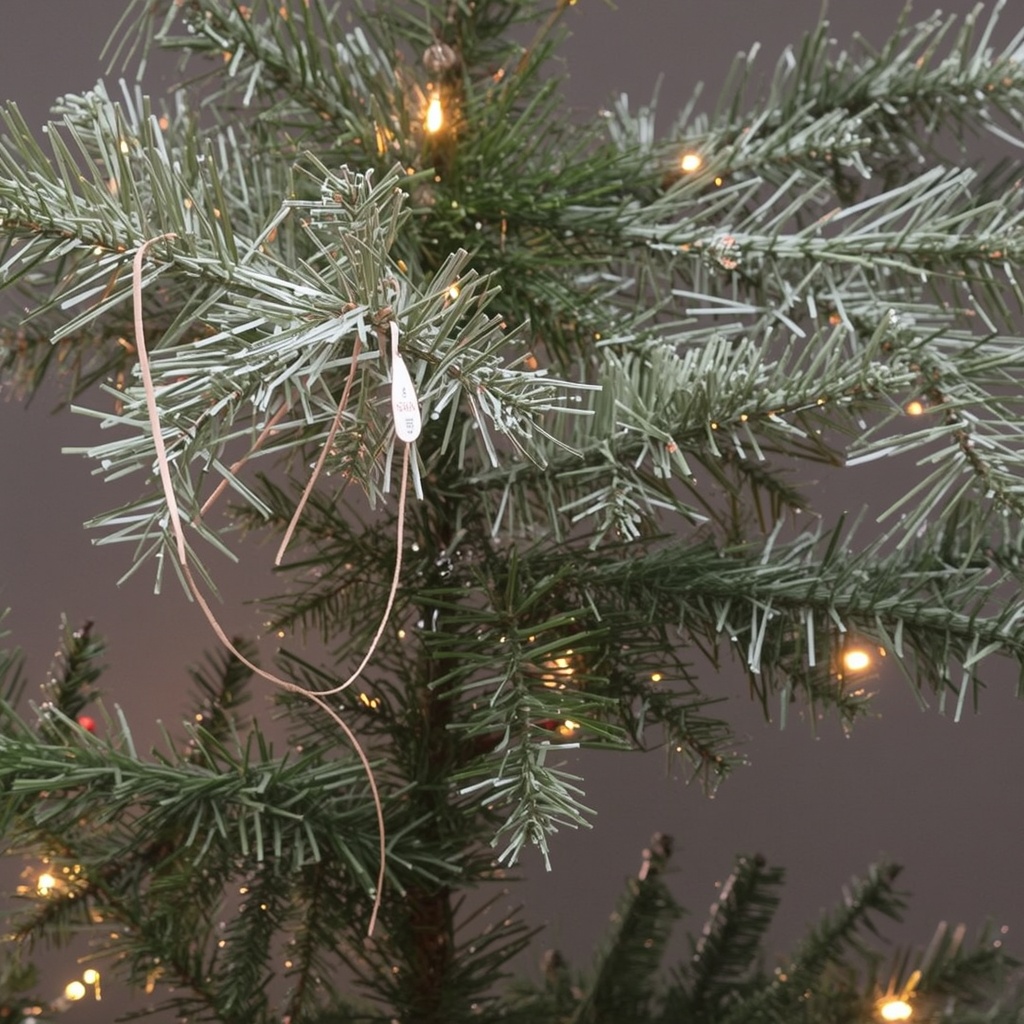
But sustainability isn’t the only draw. Natural materials simply photograph and feel better in a home. Dried orange slices, cinnamon sticks, and eucalyptus have an organic irregularity that mass-produced plastic ornaments can’t replicate — no two pieces are exactly alike, which is exactly what makes them feel curated rather than purchased. Designers have leaned into this “cottagecore holiday” and “Scandinavian hygge Christmas” aesthetic for a reason: it’s timeless, it’s warm, and it works in almost any home style, from farmhouse to mid-century modern to minimalist.
“Sustainability in design isn’t about doing less — it’s about choosing materials that age well, tell a story, and don’t demand to be replaced every season.” — a principle every good decorator should live by.
Getting Started: The Natural Materials Toolkit
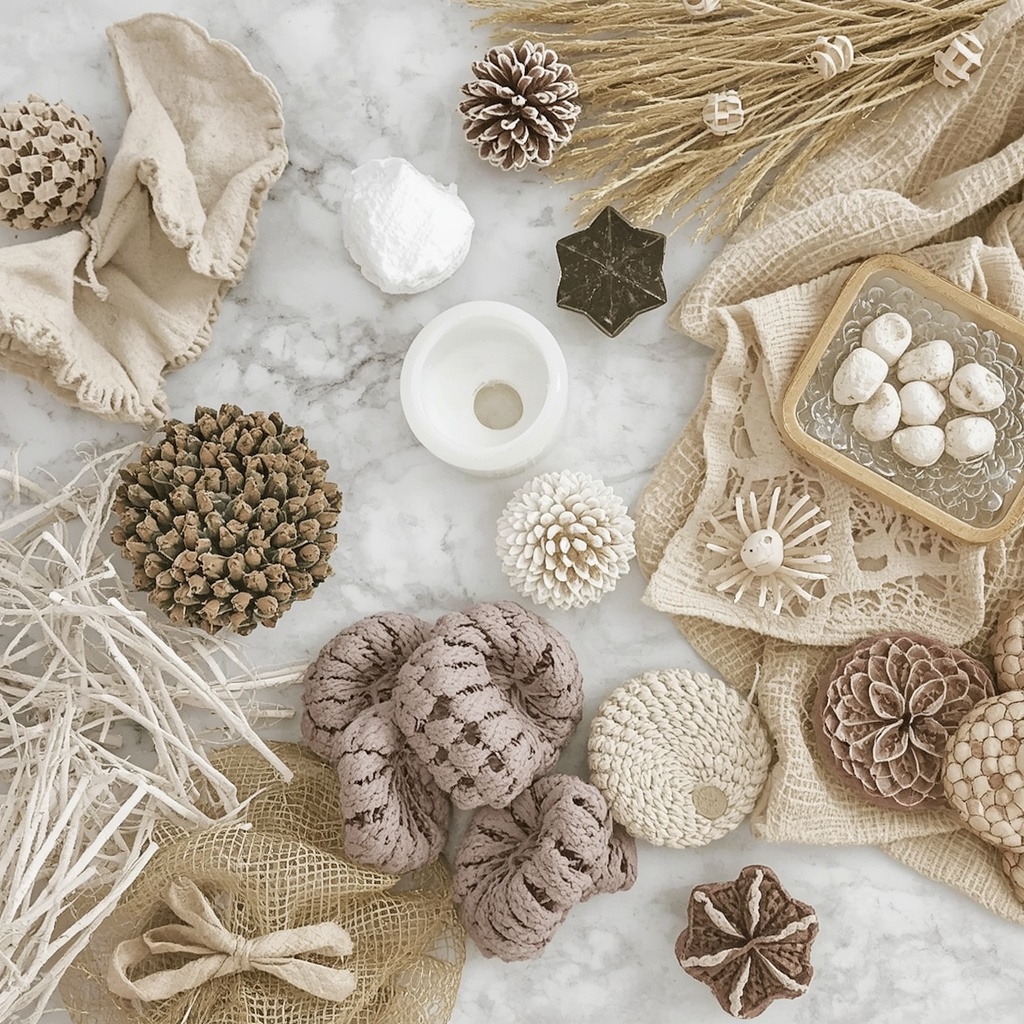
Before you dive into room-specific ideas, it helps to build a small “toolkit” of reusable natural elements. Think of these as your holiday decor capsule wardrobe — versatile pieces you can rearrange endlessly.
| Material | Where to Source It | Best Used For | Reusability |
|---|---|---|---|
| Fresh greenery (fir, pine, cedar, eucalyptus) | Local tree farms, florists, your backyard | Garlands, wreaths, centerpieces | Compostable after use |
| Dried orange & citrus slices | Homemade (oven-dried) | Ornaments, garland accents, wreaths | Reusable for 2–3 seasons |
| Pinecones | Foraged outdoors, craft stores | Wreaths, bowl fillers, tree ornaments | Reusable indefinitely |
| Cinnamon sticks & cloves | Grocery/bulk spice aisle | Bundles, garland, mulled-scent sachets | Reusable, replace scent yearly |
| Wool felt & jute twine | Fabric or craft stores | Ornaments, bows, gift wrap ties | Reusable indefinitely |
| Reclaimed wood slices | Salvage yards, fallen branches | Place cards, ornament bases, coasters | Reusable indefinitely |
| Beeswax candles | Local makers, farmers markets | Ambient lighting, centerpieces | Biodegradable, non-toxic |
Pro Tip: Buy greenery and citrus in bulk once and split it across multiple projects — a single bag of oranges can become garland and a wreath and a centerpiece if you plan the cuts before you start drying.
The Living Room: Your Holiday Centerpiece
The living room carries the most decorating weight during the holidays, so it’s worth investing your best natural materials here. Start with the tree itself. If you have the option, a potted, living Christmas tree that can be replanted after the season is the most sustainable choice, though a locally grown, biodegradable cut tree is a solid second option over an artificial one shipped in plastic.

Trade plastic tinsel and glass balls for a mix of wood-slice ornaments, dried orange rounds tied with jute, small pinecone clusters, and folded wool-felt shapes. String popcorn-and-cranberry garland for a genuinely old-fashioned look that composts easily when the season ends. For lighting, swap synthetic LED strands with warm-white options and anchor the mantel with a cluster of beeswax candles in varying heights.
- Layer a fresh fir garland along the mantel, secured with natural twine instead of wire.
- Add a bowl of pinecones and cinnamon sticks as a no-fuss coffee table centerpiece.
- Hang stockings made of wool, linen, or burlap instead of synthetic felt.
- Use dried hydrangea or eucalyptus stems in a ceramic vase for texture without water upkeep.
The Dining Table: Where Natural Materials Shine
Nowhere does natural decor perform better than the dinner table, where texture and scent do double duty. A runner of fresh greenery down the center of the table, dotted with candles and citrus slices, instantly outperforms a plastic tablecloth and requires almost no skill to assemble.
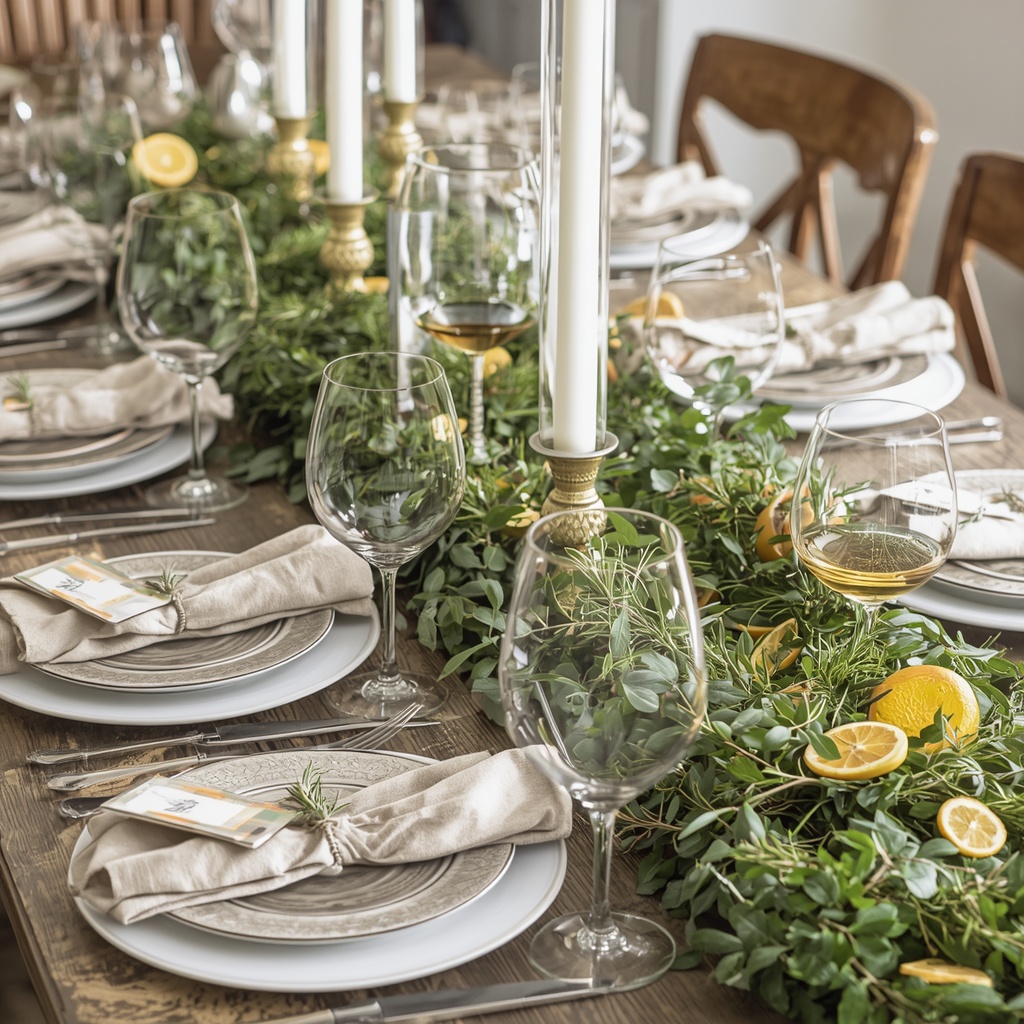
Cloth napkins tied with sprigs of rosemary or a cinnamon stick make elegant, reusable place settings that guests genuinely remember. Wood slice coasters or place-card holders add rustic charm and can be reused for birthdays, dinner parties, and everyday meals long after the tree comes down.
Pro Tip: Choose beeswax or soy candles over paraffin. Paraffin is petroleum-based and releases soot, while beeswax burns cleaner and adds a faint natural honey scent that pairs beautifully with pine and citrus.
Entryway and Front Door: First Impressions, Naturally
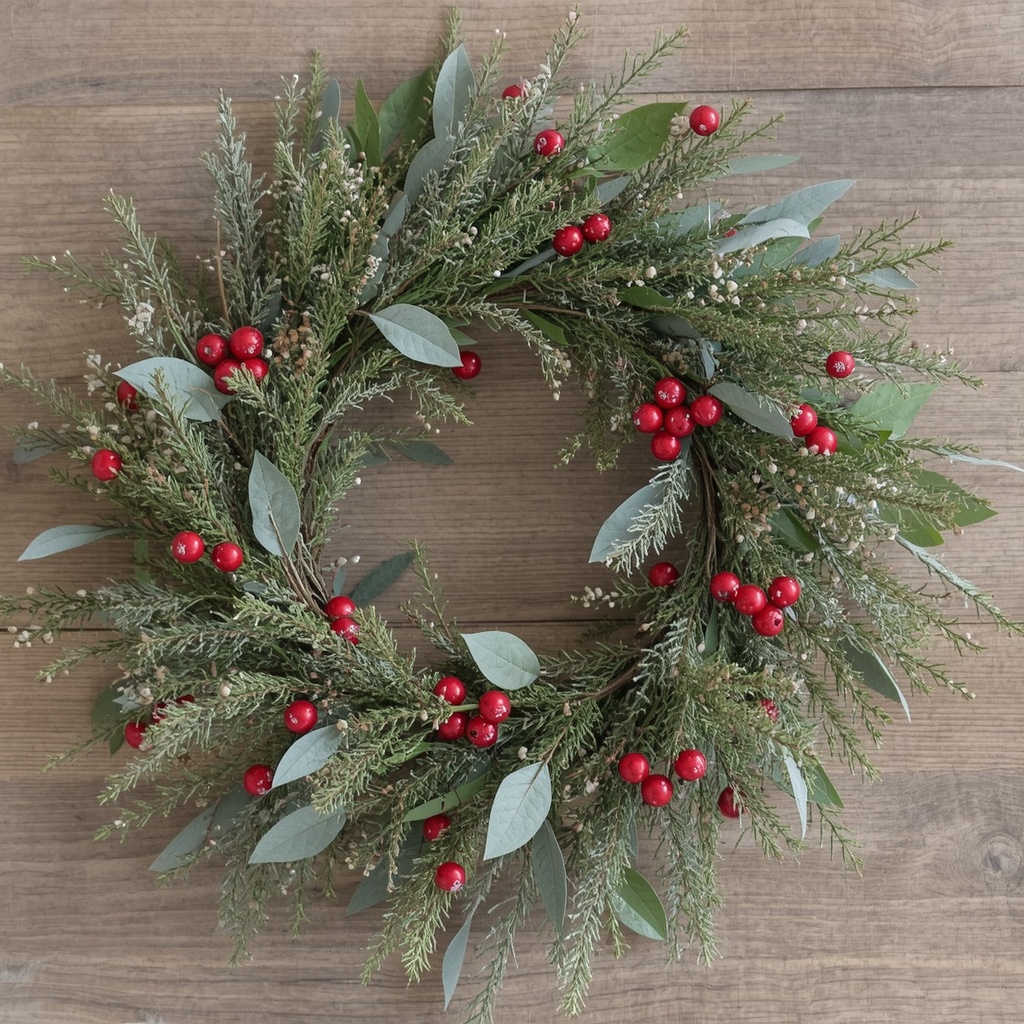
The front door is prime real estate for a statement that costs almost nothing beyond your own labor. A handmade wreath of fresh or dried greenery, accented with dried orange slices, small pinecones, and a jute or cotton ribbon bow, will outlast most store-bought plastic versions in both durability and style.
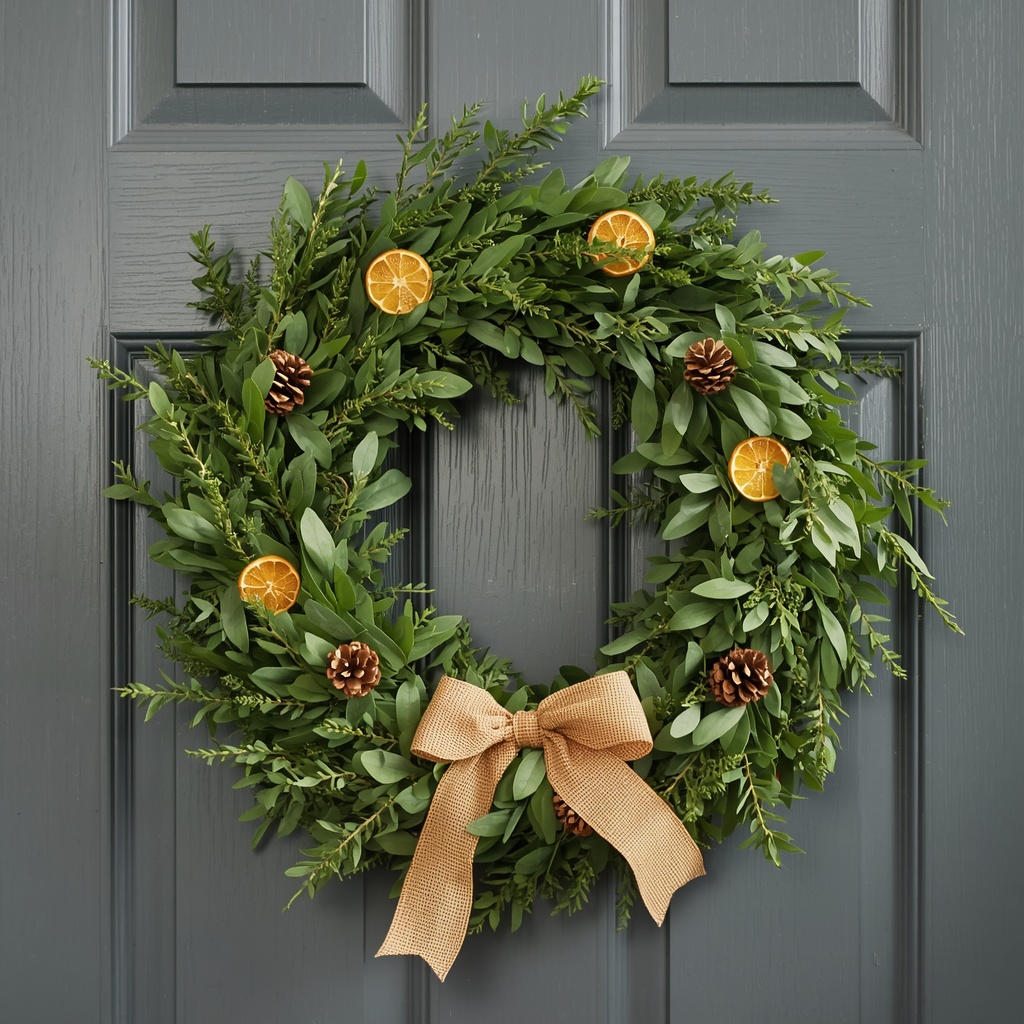
For the entryway table, a simple arrangement of magnolia leaves, dried wheat stalks, or eucalyptus in a ceramic or glass vessel sets the tone before guests even step inside.
- Gather a base bundle of fresh greenery (fir, cedar, or boxwood).
- Secure the bundle to a wire or grapevine wreath form with jute twine.
- Layer in dried orange slices, cinnamon sticks, and small pinecones.
- Finish with a cotton or linen ribbon bow instead of synthetic wire-edged ribbon.
- Hang with a simple metal hook — no adhesive hangers that damage doors or peel off in the cold.
Gift Wrapping the Eco-Friendly Way
Wrapping paper is one of the biggest culprits of holiday waste, and much of it can’t even be recycled because of foil coatings, glitter, and plastic tape. Kraft paper, brown butcher paper, or even recycled newspaper makes a beautiful, neutral base that pairs with almost any color scheme.

Instead of plastic bows and ribbon, use twine, raffia, or fabric scraps tied in a simple knot, then tuck in a sprig of greenery, a cinnamon stick, or a dried orange slice for a finishing touch that looks intentional and costs almost nothing.
| Traditional Option | Eco-Friendly Swap | Why It’s Better |
|---|---|---|
| Glossy foil wrapping paper | Kraft or butcher paper | Fully recyclable and compostable |
| Plastic tape | Paper tape or twine | Doesn’t contaminate paper recycling |
| Synthetic curling ribbon | Jute or cotton twine | Reusable, biodegradable |
| Plastic gift bags | Fabric furoshiki wraps | Reusable indefinitely |
| Glitter cardstock tags | Kraft tags with pressed leaves | Compostable, no microplastics |
Scent and Ambiance Without Synthetic Sprays
A home doesn’t just look like the holidays — it should smell like them, too. Skip aerosol air fresheners and synthetic candles loaded with phthalates, and instead simmer a pot of water on the stove with orange peels, cinnamon sticks, cloves, and a sprig of rosemary. It’s an old trick, but it fills a home with a genuinely rich, layered scent that no plug-in can match.

For longer-lasting fragrance, dried herb sachets tucked into drawers or hung near doorways offer a subtle, natural alternative to synthetic potpourri, most of which is dyed and scented with the same petroleum-based fragrance oils found in cheap candles.
“The best holiday scent isn’t manufactured — it’s simmered.” Keep a small pot of citrus and spice going on low throughout gatherings for an ambiance guests will ask about.
Budget Breakdown: What It Actually Costs
One of the biggest myths about eco-friendly decorating is that it’s more expensive than conventional decor. In most cases, it’s actually cheaper, especially if you forage, reuse, or make items yourself.

| Decor Element | Conventional Cost | Natural/DIY Cost | Savings |
|---|---|---|---|
| Front door wreath | $35–$60 (artificial) | $8–$15 (fresh, DIY) | Up to 75% |
| Tree ornaments (set of 12) | $25–$40 (plastic/glass) | $5–$10 (dried citrus, wood, felt) | Up to 80% |
| Table centerpiece | $30–$50 (florist-made) | $10–$20 (greenery + candles) | Up to 60% |
| Gift wrap (per roll) | $6–$10 (foil paper) | $3–$5 (kraft paper) | Up to 50% |
| Ambient scent | $15–$25 (candles/sprays) | $2–$5 (stovetop simmer pot) | Up to 85% |
Pro Tip: Store reusable elements — wood slices, felt ornaments, wreath forms, ribbon — in labeled bins after the season. Only the truly perishable items (fresh greenery, citrus, herbs) need replacing each year, which keeps long-term costs remarkably low.
Room-by-Room Quick Reference
For readers who want a fast checklist to work from, here’s a simple breakdown by space:
- Living Room: Living or locally sourced tree, wood/felt/citrus ornaments, popcorn-cranberry garland, beeswax candles.
- Dining Room: Greenery table runner, cloth napkins with herb sprigs, wood coasters, candle cluster centerpiece.
- Entryway: Fresh wreath, greenery bundle on the table, natural-fiber doormat.
- Bedrooms: Dried lavender sachets, a small potted rosemary “tree,” soft wool throw in seasonal color.
- Kitchen: Simmer pot, dried herb bundles hung near windows, linen towels in place of paper.
Caring for Natural Decor So It Lasts
Natural materials do require slightly more care than plastic, but it’s minimal. Fresh greenery stays vibrant longer with an occasional light misting and by keeping it away from direct heat sources like radiators or fireplaces. Dried citrus and cinnamon should be stored in a dry, airtight container between seasons to prevent mold and preserve scent.

Wood and felt ornaments benefit from being wrapped individually in fabric scraps rather than plastic bins, which prevents moisture buildup. If you’re foraging pinecones or branches from outside, a quick 20-minute bake at a low oven temperature (around 200°F) kills off any insects before they come indoors — a small step that saves a lot of frustration later.
Bringing It All Together
Eco-friendly holiday decorating isn’t about stripping away the magic of the season — if anything, it adds to it. There’s something genuinely special about a wreath you built with your own hands, a table scented with real cinnamon and orange instead of an aerosol can, and ornaments that get more character with every year you use them. It’s a style that rewards patience over speed, and texture over shine.
Start small if you need to. Swap one element this year — the wreath, the gift wrap, the centerpiece — and build from there each season. Within a few years, you’ll have a full toolkit of natural, reusable decor that costs less, produces less waste, and looks better than anything off a store shelf.
The most sustainable home isn’t the one with the least decoration. It’s the one where every piece was chosen to be used again.