
Walk into any beautifully designed home and, before you notice the sofa or the paint color, your eyes will almost always land on the lighting. That’s not an accident. As an interior designer who has spent years helping homeowners across the U.S. transform flat, forgettable rooms into spaces with real personality, I can tell you that lighting isn’t just a functional necessity — it’s the jewelry of your home. Chandeliers, pendants, and sconces don’t just illuminate a room; they define its mood, scale, and style in ways that furniture alone never can.
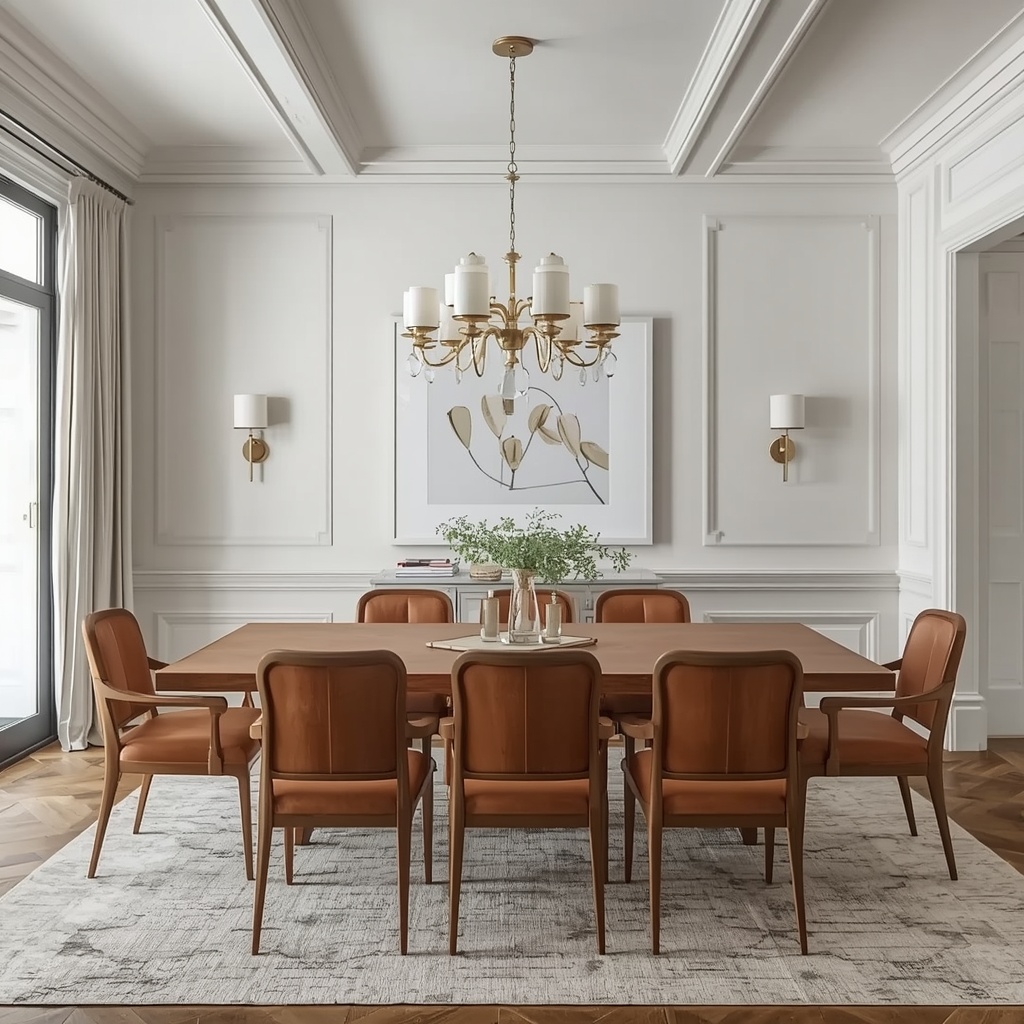
In this guide, we’re going to explore how statement lighting fixtures work as design tools, not just light sources. Whether you’re renovating a builder-grade home or adding character to a new build, understanding the role of decorative lighting will change the way you shop for your next home update. Let’s turn on the magic.
Why Statement Lighting Matters More Than You Think
Most homeowners think about lighting last, if at all. They pick a couch, a rug, maybe some art, and then grab whatever flush-mount fixture is on sale at the hardware store. This is the single biggest missed opportunity in residential design.
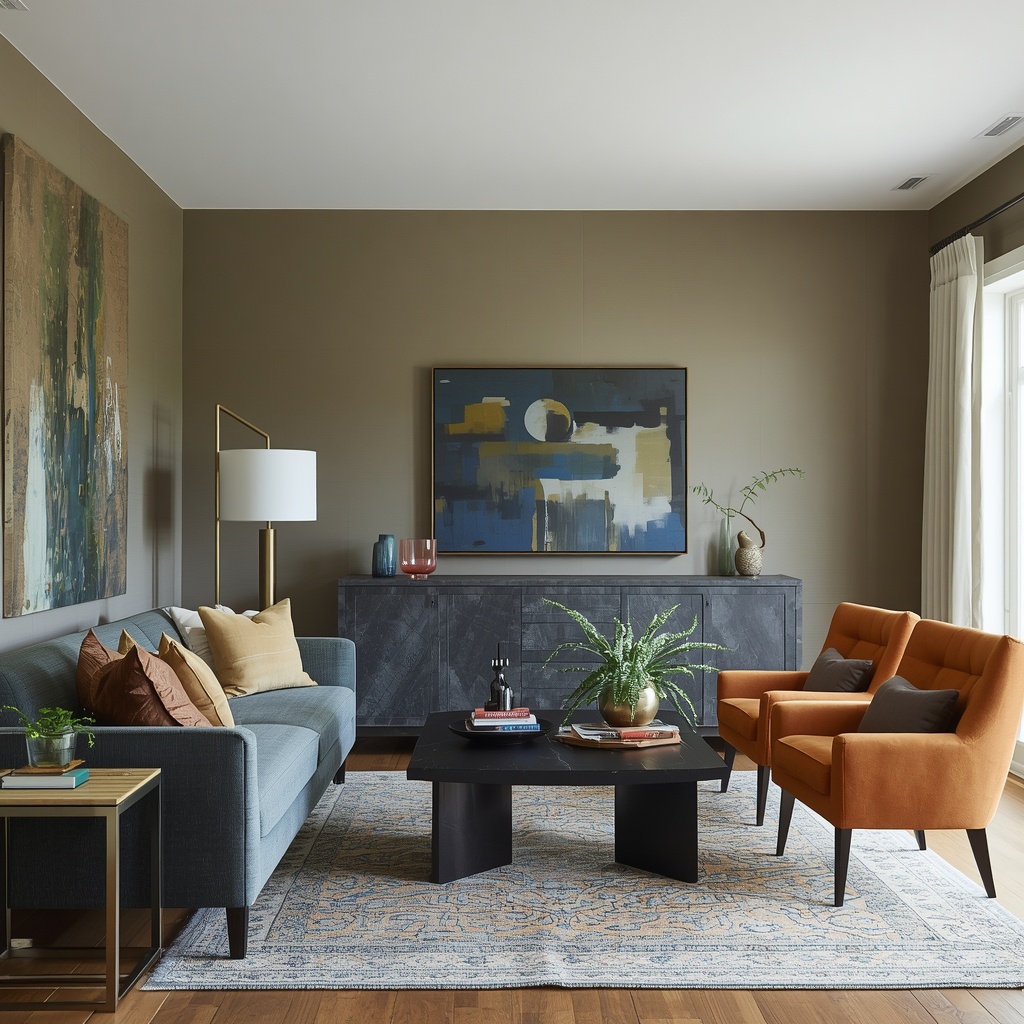
Lighting fixtures function as sculptural elements in a room. A well-chosen chandelier or pendant does double duty: it provides task or ambient light while acting as a piece of art suspended in space. Unlike a painting or a vase, it draws the eye upward and outward, expanding the perceived volume of a room. This is especially valuable in American homes with standard 8-to-9-foot ceilings, where the right fixture can trick the eye into perceiving more height and drama than actually exists.
“Lighting is the jewelry of the room — it’s what people remember after they leave.” This is something designers repeat often, and for good reason. Guests may not recall your throw pillow color, but they will remember a beautiful brass chandelier glowing over your dining table.
Beyond aesthetics, lighting affects how we feel physiologically. Warm, layered light reduces stress and makes spaces feel welcoming, while harsh, single-source overhead lighting can make even a gorgeous room feel clinical and cold.
Chandeliers: The Crown Jewel of a Room
Chandeliers have shaken off their old-fashioned, formal-dining-room-only reputation. Today’s chandeliers show up in kitchens, primary bedrooms, home offices, and even bathrooms, bringing scale and sparkle to spaces that used to rely on boring recessed cans.
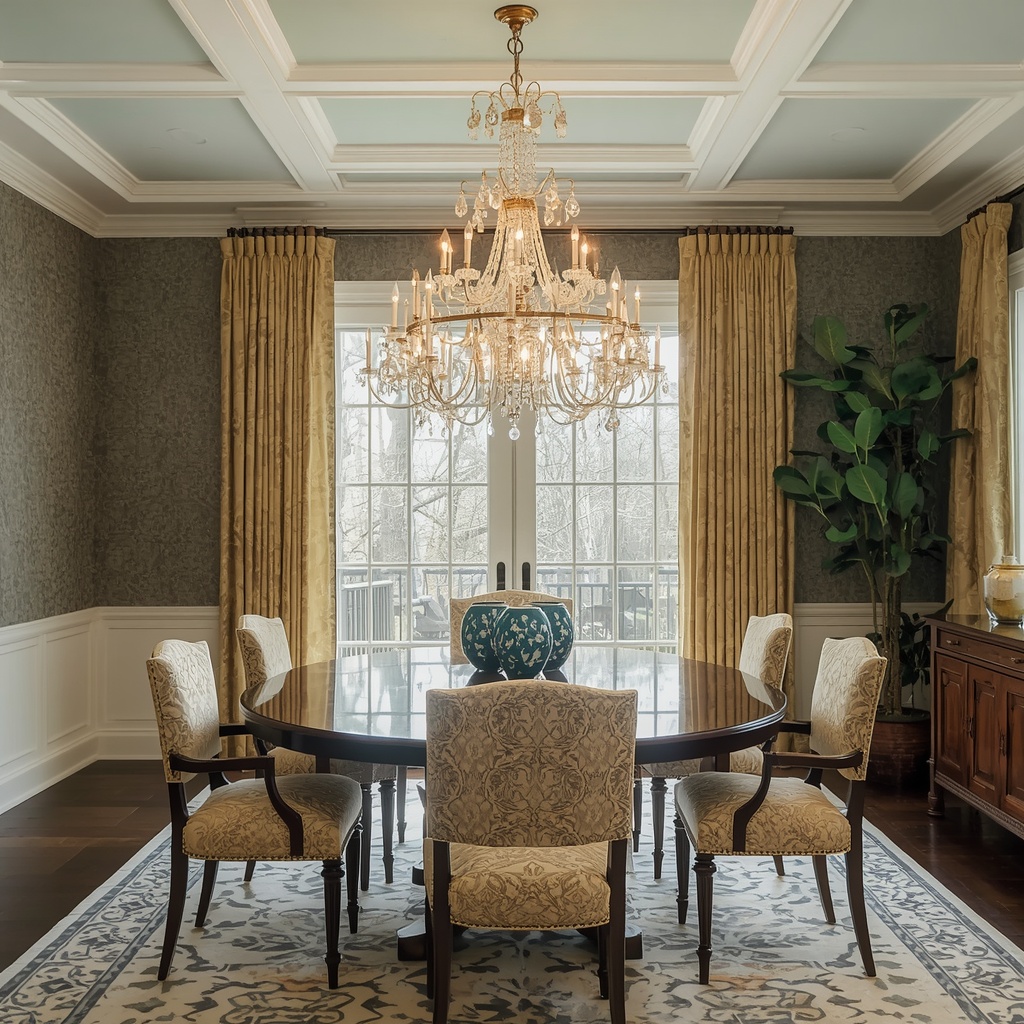
When selecting a chandelier, proportion is everything. A fixture that’s too small will look like an afterthought, while one that’s too large can overwhelm a space and create safety or clearance issues. As a general rule, add the length and width of your room in feet, then convert that number to inches to get an appropriate chandelier diameter. A 12-by-14-foot dining room, for example, suits a chandelier around 26 inches wide.
Popular chandelier styles for American homes right now:
- Modern linear chandeliers — long, horizontal fixtures perfect for rectangular dining tables and kitchen islands
- Organic and sculptural designs — hand-blown glass, capiz shell, or woven rattan for a natural, textural look
- Vintage-inspired brass and crystal — classic elegance that pairs beautifully with traditional or transitional interiors
- Industrial cage and exposed-bulb styles — ideal for farmhouse, loft, or modern-rustic aesthetics
- Drum and shade chandeliers — softer, diffused light that works well in bedrooms
💡 Pro Tip
When hanging a chandelier over a dining table, the bottom of the fixture should sit 30 to 36 inches above the tabletop for standard 8-foot ceilings. Add roughly 3 inches of height for every additional foot of ceiling height beyond that.
Pendants: Versatile, Functional, and Full of Personality
If chandeliers are the showstoppers, pendants are the versatile workhorses of statement lighting. They’re smaller in scale but no less impactful, and they excel in spaces where you need focused, functional light paired with visual interest — think kitchen islands, bathroom vanities, entryways, and reading nooks.
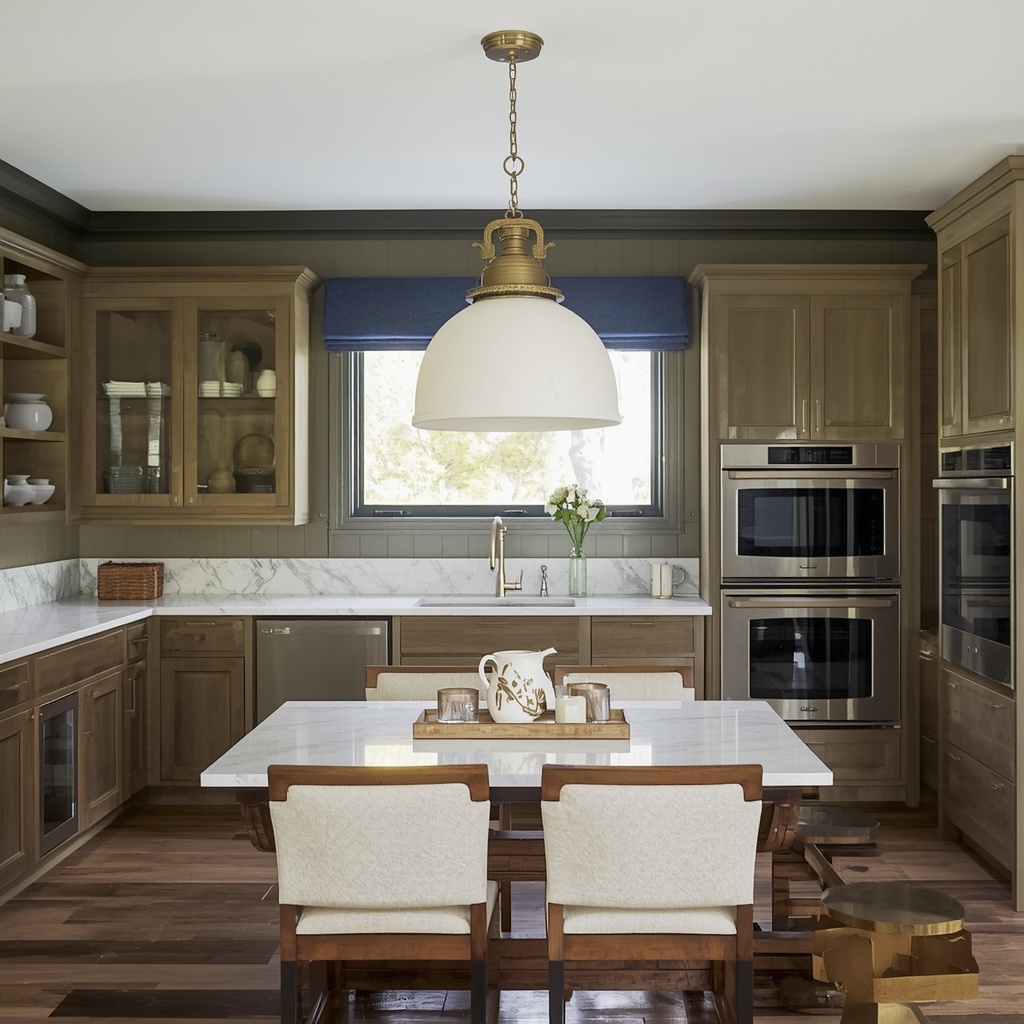
One of the reasons pendants have exploded in popularity is their flexibility. You can cluster multiple pendants for drama, hang a single oversized pendant as a sculptural anchor, or line up a row of matching pendants over a long island for rhythm and symmetry. This adaptability makes pendants one of the most cost-effective ways to upgrade the look of a kitchen or bathroom without a full renovation.
Material choice dramatically changes the personality of a pendant. Woven jute or rattan pendants lean coastal or boho. Matte black metal pendants feel modern and moody. Glass globe pendants in brass or gold finishes read as timeless and elegant, working equally well in transitional, contemporary, or even farmhouse kitchens.
Where pendants work best:
| Location | Recommended Style | Hanging Height |
|---|---|---|
| Kitchen island | 2-3 matching pendants, glass or metal | 28-34 inches above counter |
| Bathroom vanity | Sconce-style or mini pendants | Eye level, 60-65 inches from floor |
| Entryway | Single statement pendant | 7 feet from floor minimum |
| Dining nook | Single oversized pendant | 30-36 inches above table |
| Reading corner | Adjustable or swing-arm pendant | Shoulder height when seated |
Pendant lighting also plays a key role in layered lighting design. Interior designers rely on three layers of light in every room — ambient, task, and accent — and pendants often serve as the task layer, delivering focused illumination exactly where you need it, like over a stove or countertop workspace.
Sconces: The Underrated Layer of Ambient Elegance
Wall sconces are often the most overlooked category of statement lighting, yet they’re arguably the most transformative. Sconces add vertical light that softens shadows, flatters faces, and eliminates the flat, one-dimensional feel of ceiling-only lighting. They’re also incredibly versatile: hallway lighting, bedside reading light, powder room glam, or flanking a fireplace mantel.
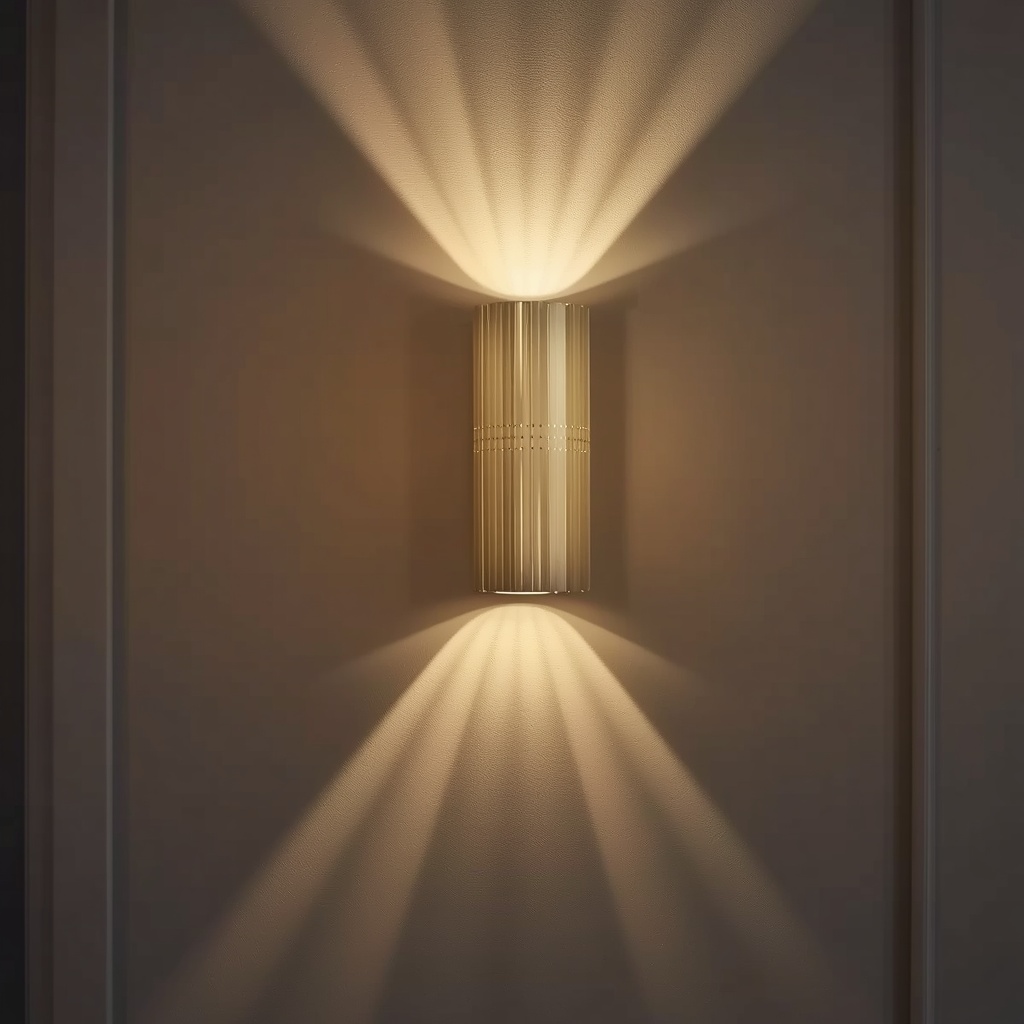
Because sconces sit at eye level, their design details matter enormously. A sculptural brass sconce or a fabric-shaded fixture becomes part of your wall decor, not just a light source. In primary bedrooms, swapping bedside lamps for wall-mounted sconces frees up nightstand space while adding a boutique-hotel feel that homeowners consistently love.
Powder rooms and bathrooms are where sconces truly shine, quite literally. Flanking a mirror with two sconces at eye level provides even, shadow-free lighting for grooming tasks, while a single statement sconce above a mirror can serve as a decorative focal point in a small space.
Common sconce placements and purposes:
- Flanking a bathroom mirror for balanced, flattering light
- Beside a bed as a space-saving alternative to table lamps
- Along a hallway at intervals for ambient wayfinding light
- On either side of a fireplace to frame the mantel
- In a stairwell to add safety lighting with style
💡 Pro Tip
For bathroom vanity sconces, position them at eye level (roughly 60 to 65 inches from the floor) and space them about 28 to 36 inches apart. This placement minimizes harsh shadows on the face, something no overhead light can replicate.
Layering Statement Lighting for a Cohesive Look
The real magic happens when chandeliers, pendants, and sconces work together rather than in isolation. Professional lighting design always layers ambient, task, and accent lighting so that a room can shift moods depending on the time of day or the activity happening in it.

Think of a primary bathroom with a statement chandelier for ambient glow, sconces flanking the mirror for task lighting, and perhaps recessed lights for shower illumination. Or a kitchen with island pendants for task lighting, a small chandelier over a breakfast nook for ambient warmth, and under-cabinet lighting for accent. This layered approach is what separates a professionally designed home from one that simply has “the lights on.”
Dimmers are non-negotiable in this equation. Even the most beautiful chandelier will feel harsh and overpowering at full brightness during a quiet weeknight dinner. Installing dimmer switches on statement fixtures allows one room to transition seamlessly from bright and functional to warm and intimate.
Choosing the Right Finish and Bulb Temperature
Finish and bulb temperature are two details that even design-savvy homeowners tend to underestimate, yet they can make or break the final look.
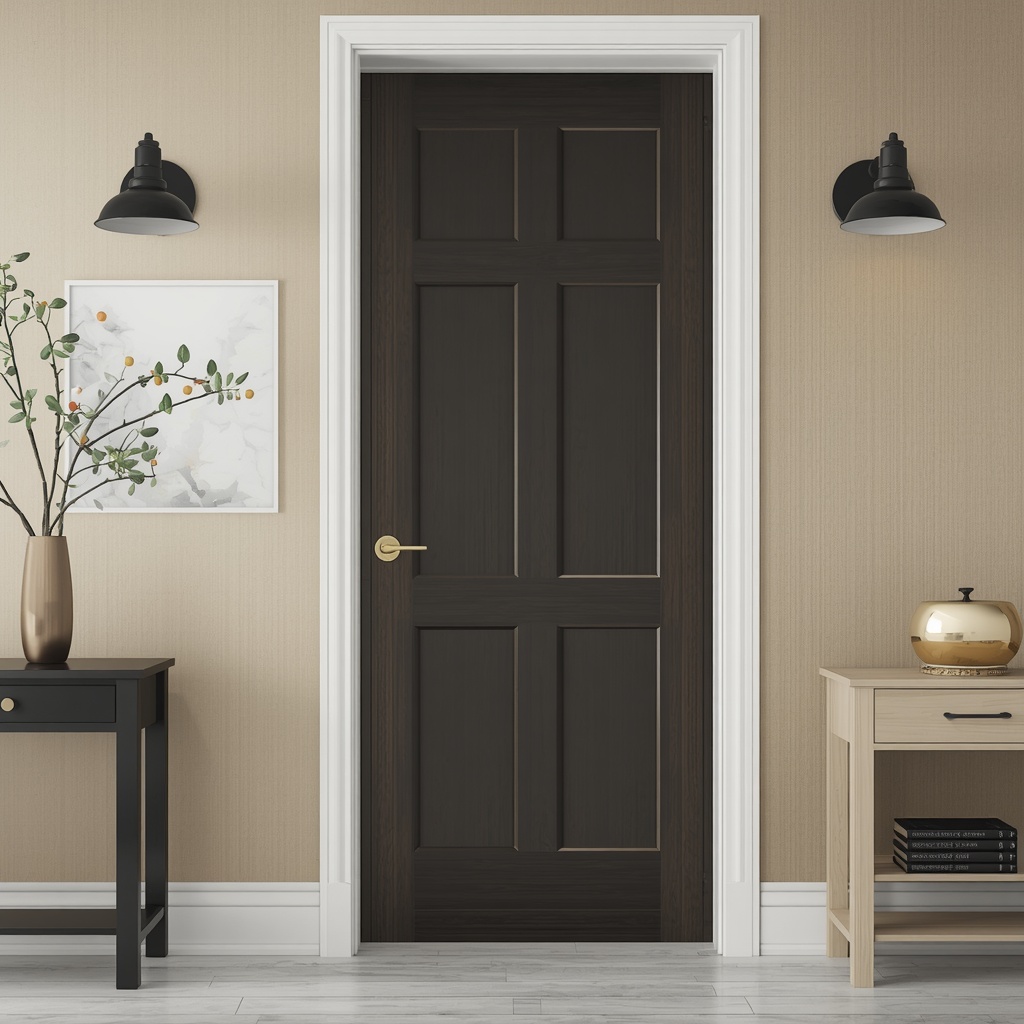
Metal finishes should generally coordinate — not necessarily match exactly — with your other hardware finishes throughout the home, such as faucets, cabinet pulls, and door handles. Mixing warm metals like brass, gold, and bronze creates a curated look, while combining warm and cool metals (like brass with chrome) can feel disjointed unless done intentionally.
Bulb color temperature is measured in Kelvins, and it dramatically affects ambiance. For residential spaces, most designers recommend staying between 2700K and 3000K, which produces a warm, inviting glow similar to candlelight or a traditional incandescent bulb. Anything above 4000K starts to feel clinical and cold, more appropriate for offices or garages than living spaces.
Quick Kelvin reference guide:
| Kelvin Range | Light Appearance | Best Used In |
|---|---|---|
| 2200K-2700K | Warm, amber, cozy | Bedrooms, living rooms |
| 2700K-3000K | Soft white, inviting | Dining rooms, kitchens |
| 3000K-3500K | Neutral white | Bathrooms, home offices |
| 4000K+ | Cool, bright, clinical | Garages, workshops |
Common Mistakes to Avoid
Even well-intentioned homeowners make predictable errors when shopping for statement lighting. Here are the ones I see most often in client homes:
- Choosing a fixture that’s too small for the room, which reads as an afterthought rather than a focal point
- Hanging a chandelier or pendant too high, losing the intimate, grounding effect it should create
- Ignoring scale in relation to furniture below the fixture, especially over dining tables and islands
- Ignoring bulb temperature and mixing warm and cool light sources in the same room
- Skipping dimmers, which limits the fixture’s ability to set mood throughout the day
- Matching every metal finish in the house exactly, which can feel sterile rather than curated
Avoiding these missteps is often the difference between a fixture that looks like it was installed by a professional designer and one that looks like an online impulse purchase.
Bringing It All Together
Statement lighting is one of the most powerful, and most underused, tools in residential design. A well-chosen chandelier transforms a dining room into an occasion. The right pendants turn a kitchen island into the heart of the home. Thoughtfully placed sconces add warmth, function, and polish to hallways, bedrooms, and bathrooms alike.
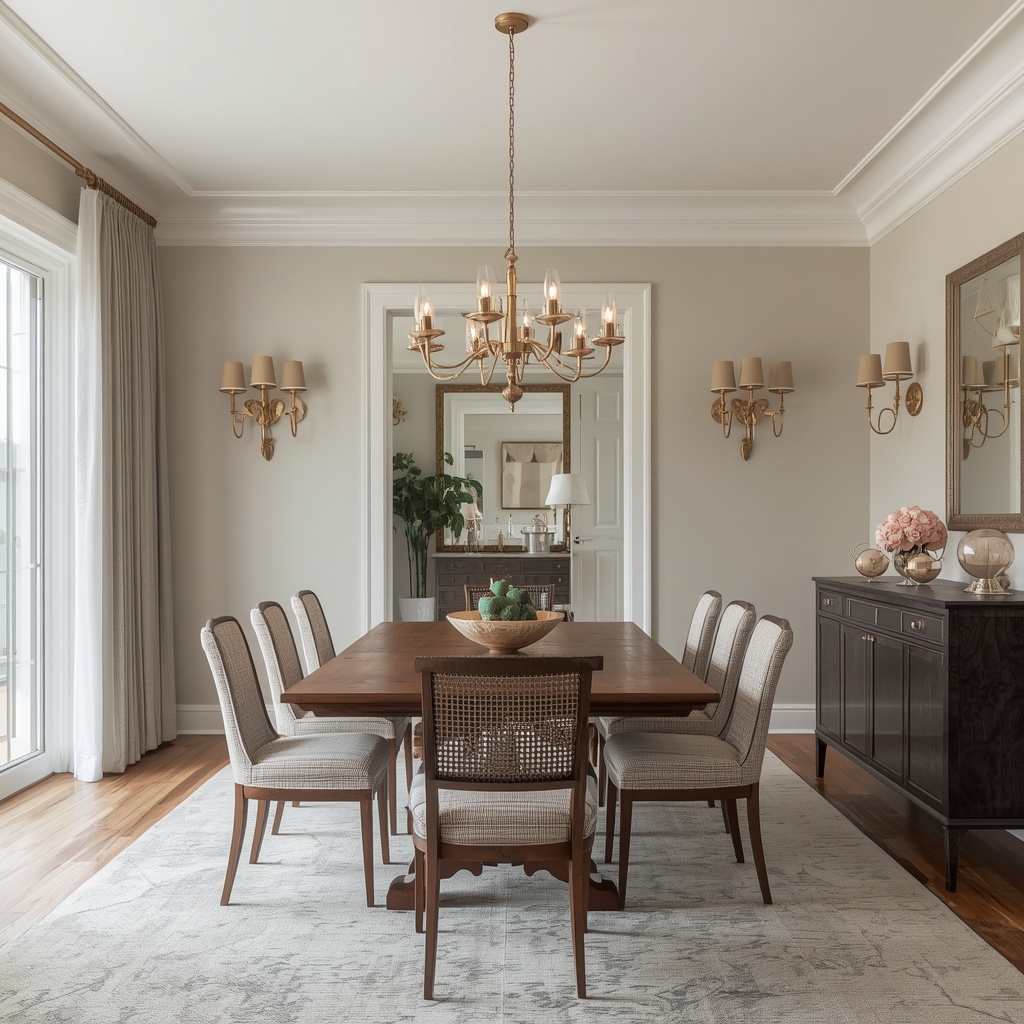
The next time you’re planning a room refresh, resist the urge to treat lighting as an afterthought. Start with your statement fixture and build the room’s palette, materials, and furniture around it, the way you would with any other piece of art. Your home’s lighting should do more than help you see. It should help you feel something every time you walk into the room.
For further inspiration and shopping guidance, reputable resources like the American Lighting Association offer helpful buying guides, and retailers such as Lamps Plus and West Elm carry a wide range of chandeliers, pendants, and sconces across styles and price points to help you find the right statement piece for your home.