
If your living room still looks like it did three years ago, you’re not alone — but you might be missing out on some truly exciting transformations happening in the world of home design. As an interior designer who has worked with hundreds of American homeowners from Seattle lofts to suburban Atlanta bungalows, I can tell you this: home decor trends are about feeling, not just appearance. People want spaces that heal, inspire, and adapt to how they actually live.
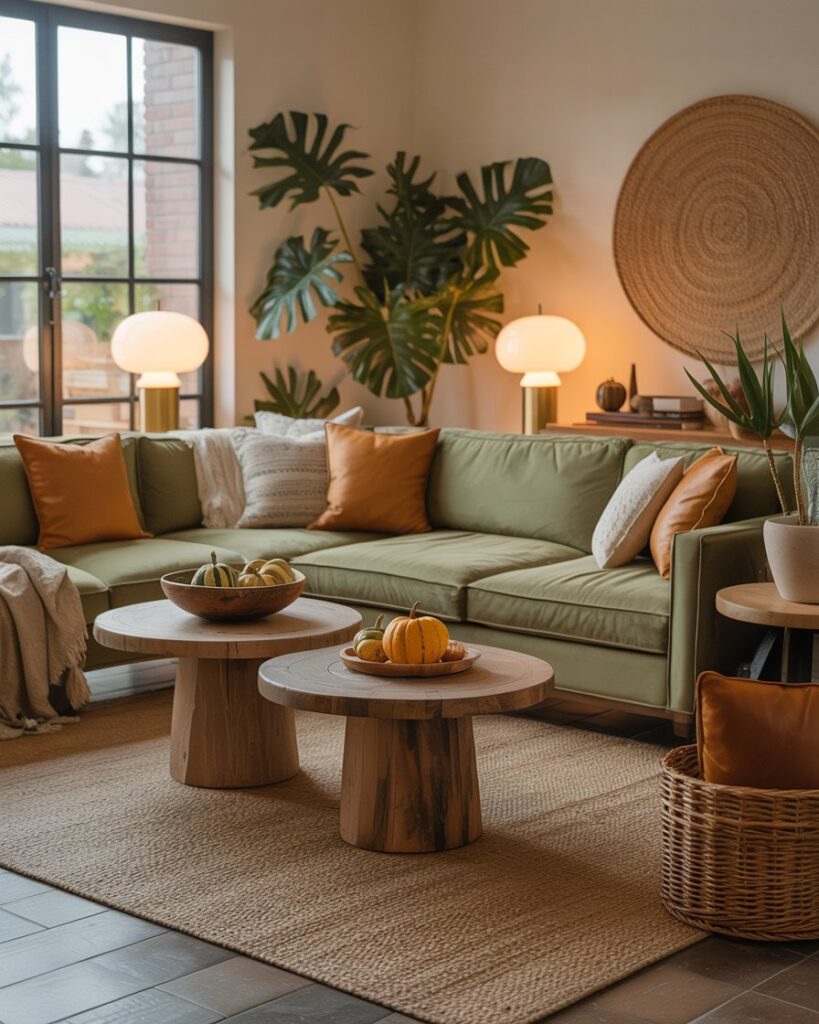
Whether you’re planning a full room makeover or just looking to refresh your space with a few intentional touches, this guide will walk you through the most important general and seasonal decor trends shaping American interiors right now — and exactly how to bring them into your own home.
Why Following Home Decor Trends Actually Matters
A lot of people think following trends means being a slave to fashion. But in interior design, seasonal and general trends are really just a reflection of how our collective mood, lifestyle, and values are evolving. They tell us what materials are resonating with people, what color palettes create psychological comfort, and how our homes need to function as the world around us changes.
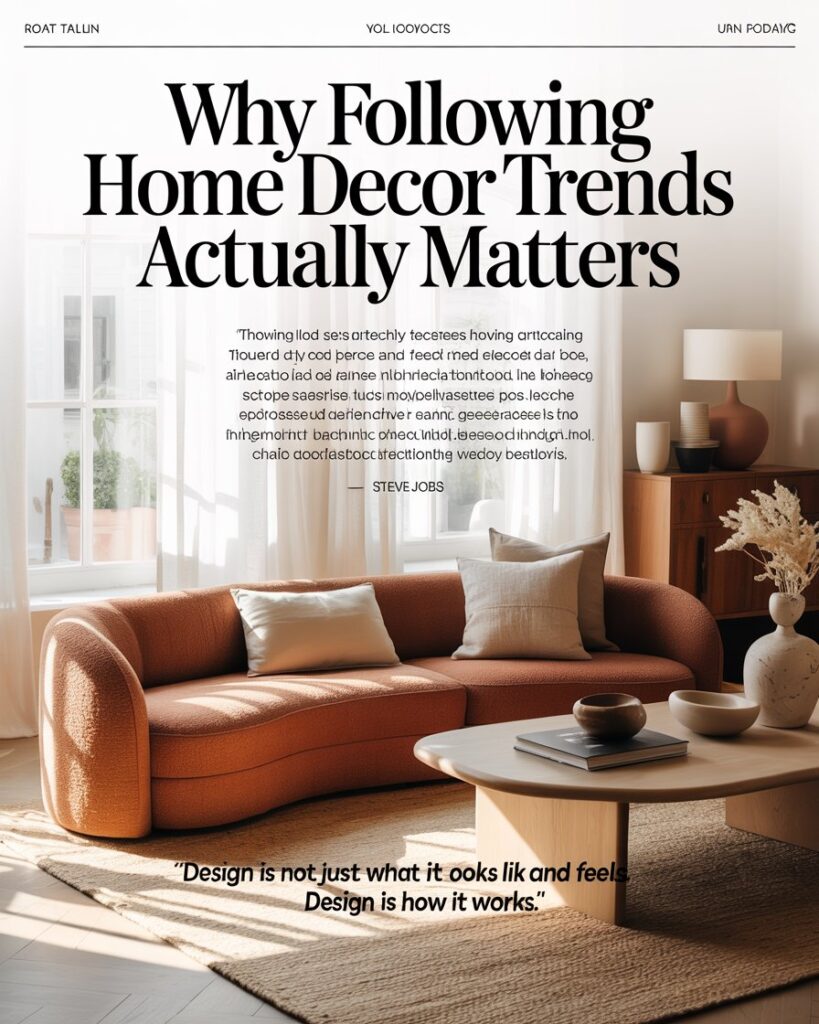
Keeping up with interior design trends helps you make smarter purchasing decisions, increase your home’s resale value, and — most importantly — create a space that genuinely supports your wellbeing. Trend-aware decorating doesn’t mean buying everything new. It means understanding where design is headed so that when you do invest in a sofa, a rug, or a lighting fixture, you’re choosing something that will feel fresh for years, not months.
“Design is not just what it looks like and feels like. Design is how it works.” — Steve Jobs
That principle applies perfectly to modern home decor. The best trends of 2025 marry beauty with function in ways that previous generations never imagined.
The Biggest General Home Decor Trends Dominating
Warm Minimalism: The End of Cold, Stark Interiors
Gone are the days of ice-white walls, chrome finishes, and furniture so minimal it feels like you’re living in a hospital. The dominant aesthetic trend of is warm minimalism — a refined approach that keeps spaces clean and uncluttered while wrapping them in earthy, nurturing tones.
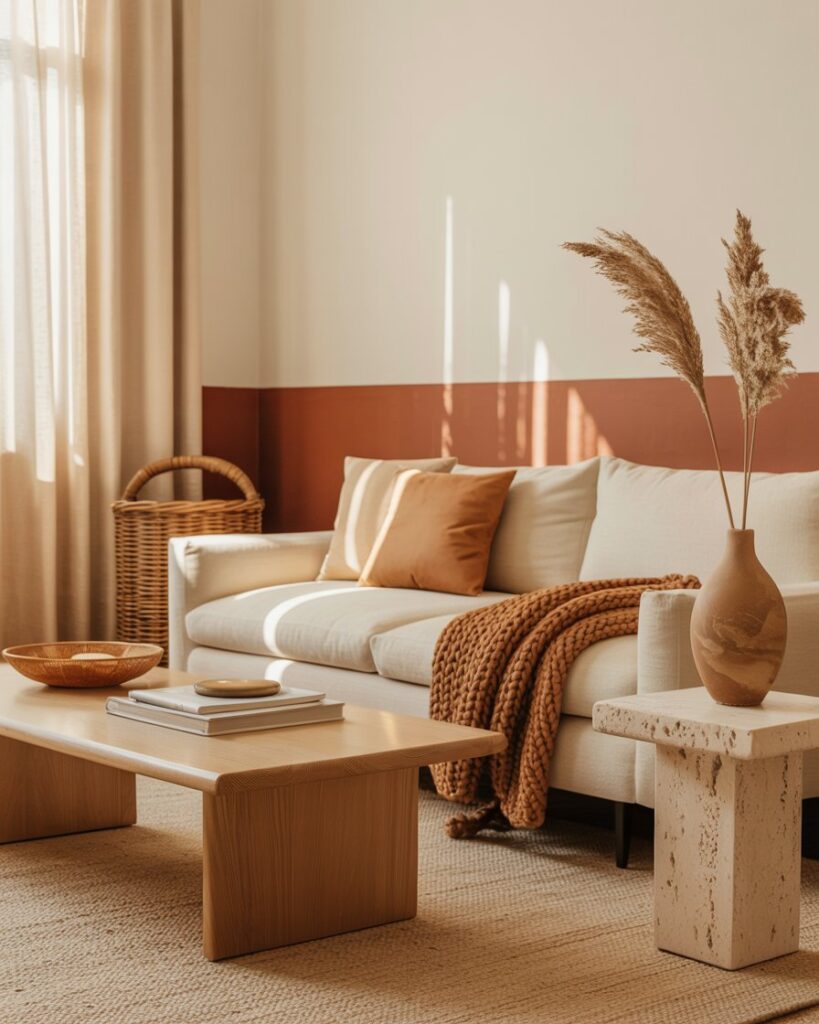
Think creamy off-whites, warm terracotta, soft sand, and toasty caramel browns paired with natural wood textures and linen fabrics. The goal is to maintain visual calm without making a room feel cold or unwelcoming. This trend has exploded across American interiors, particularly in open-concept living spaces where too much visual noise can feel overwhelming.
Key elements of warm minimalism include: intentional furniture placement, a curated number of decor objects, layered textiles in complementary tones, and statement natural materials like travertine, rattan, and raw oak.
💡 Pro Tip: If you want to embrace warm minimalism without a full renovation, start with your textiles. Swap out any cool-gray throw pillows and blankets for versions in warm ivory, rust, or soft clay. Then add a single piece of natural wood — even a simple wooden bowl or tray on your coffee table makes a dramatic difference.
Biophilic Design: Bringing Nature Indoors Year-Round
Biophilic design — the practice of incorporating natural elements into interior spaces — has moved from a niche architectural concept to a mainstream American home trend. And for good reason: studies consistently show that exposure to natural materials, plants, and natural light reduces cortisol levels and improves mood.
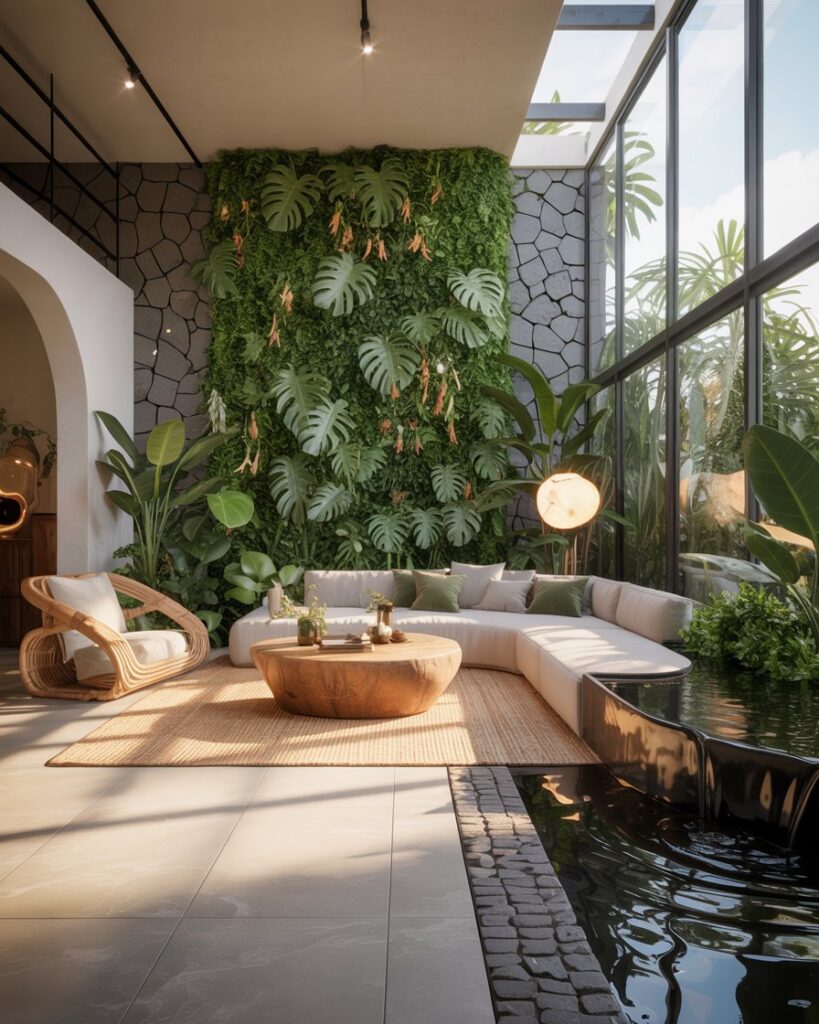
In biophilic design goes far beyond a potted fiddle-leaf fig in the corner. Today’s biophilic interiors include living plant walls, curved organic furniture shapes, water features, stone and wood textures on multiple surfaces, and large windows or skylights designed to maximize natural light. The color palette draws heavily from the natural world — mossy greens, clay browns, river-stone grays, and sky blues.
For US homeowners, the approach to biophilic design often reflects their regional environment. Pacific Northwest homes lean into deep forest greens and reclaimed wood. Southwestern interiors embrace adobe textures and desert blooms. Coastal homes echo sandy neutrals and driftwood finishes. The key principle is the same everywhere: your home should feel like a natural extension of the landscape outside your window.
Top biophilic design elements to incorporate:
- Large-leafed indoor plants (monstera, bird of paradise, fiddle-leaf fig)
- Natural stone countertops or accent tiles
- Rattan, jute, and seagrass in furniture and rugs
- Organic, curved furniture silhouettes
- Water elements like tabletop fountains or aquariums
- Full-spectrum lighting that mimics daylight
Grandmillennial Style Meets Modern Comfort
One of the most surprising enduring trends in American interiors is the continued rise of grandmillennial style — a design aesthetic that lovingly embraces the “old-fashioned” charm of chintz fabrics, floral patterns, vintage ceramics, and antique furniture, updated for a modern lifestyle. It’s cozy, layered, and deeply personal.
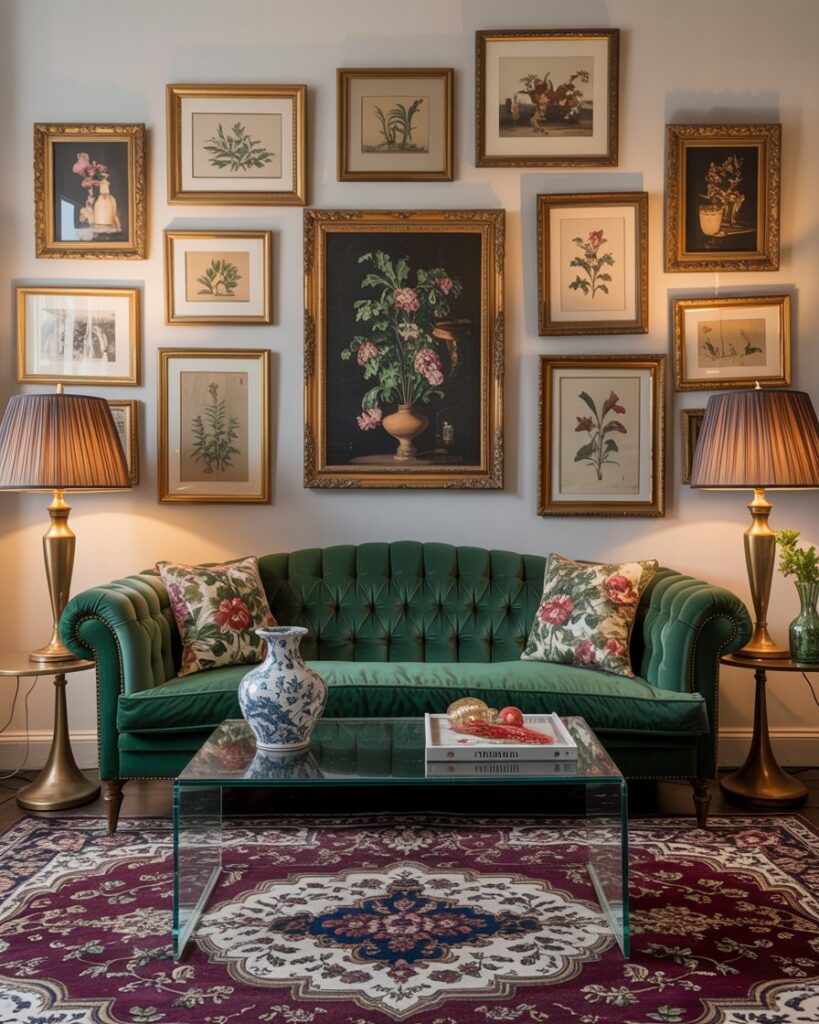
This trend resonates especially with millennial and Gen Z homeowners who grew up in sleek, minimalist spaces and are now craving warmth, nostalgia, and character. Think: a tufted velvet sofa in deep emerald, surrounded by mismatched vintage prints in gallery-wall arrangements, a Persian-inspired rug underfoot, and lamps with pleated shades.
Grandmillennial style works beautifully in combination with more contemporary pieces — in fact, that contrast is the whole point. A vintage credenza paired with a modern sectional. A chinoiserie vase on a Scandinavian shelf. This mixing of old and new creates homes that tell a personal story rather than looking like a catalog page.
Seasonal Home Decor Trends: Room-by-Room Breakdown by Season
Understanding how to transition your home through the four seasons is one of the most practical skills in interior design. The best interiors aren’t static — they breathe and evolve with the calendar.
Spring: Light, Fresh, and Botanically Inspired
Spring is the most transformative decorating season for American homes. After months of heavy blankets and dark, cozy color palettes, there’s a collective exhale — and your decor should reflect that.
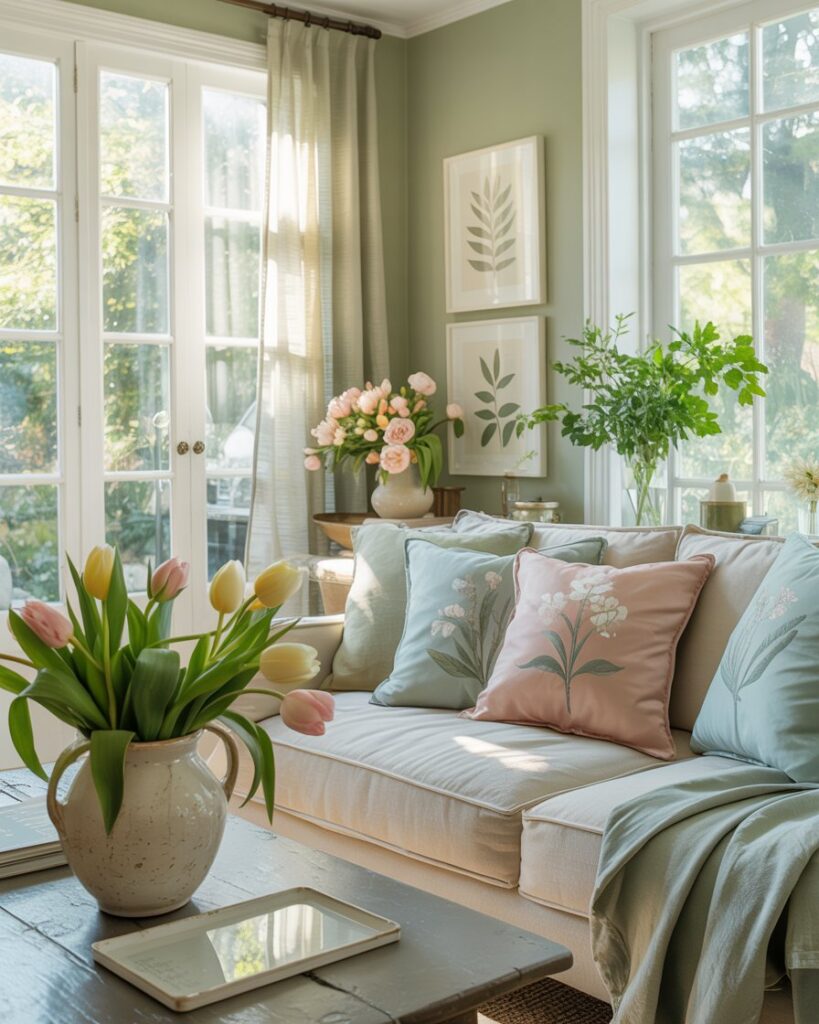
Spring palette: Soft sage green, blush pink, butter yellow, powder blue, and fresh white. These colors work beautifully in bedrooms and living rooms and can be introduced through pillows, vases, artwork, and candles without any permanent commitment.
Spring decorating is also the perfect time to bring botanical prints back into focus. Floral-patterned throw pillows, fresh-cut tulips and peonies, leafy-green table runners, and nature-inspired artwork all signal seasonal renewal. Clear out heavy winter textiles and let your lighter linen curtains filter the longer daylight hours.
Spring Decor Checklist:
| Element | Winter Version | Spring Swap |
|---|---|---|
| Throw pillows | Deep burgundy, charcoal | Sage green, blush, cream |
| Blankets | Chunky knit wool | Lightweight linen or cotton |
| Candles | Woodsy, smoky scents | Fresh florals, citrus, green tea |
| Vases | Dark ceramic | Clear glass with fresh stems |
| Rug | Thick wool or shag | Jute or flat-weave cotton |
Summer: Coastal, Casual, and Breezy
American homes in summer lean into coastal grandmother meets relaxed California cool — an aesthetic heavy on natural textures, breezy fabrics, and an indoor-outdoor living philosophy. Whether you’re in Miami, Malibu, or Minneapolis, the goal is the same: make your home feel like a permanent vacation.
Summer 2025 trends emphasize bringing the outdoors in: open windows with sheer white linen curtains billowing in the breeze, rattan pendant lights, seagrass rugs, and oversized ceramic vases filled with dried pampas grass or fresh sunflowers. Color palettes lean into ocean-inspired blues, sandy neutrals, coral accents, and warm whites.
This is also the season to maximize your outdoor living spaces. Pergolas, outdoor sofas, string lights, and outdoor rugs have transformed American patios and decks into true extensions of the interior. Outdoor entertaining spaces are now treated with the same design intention as indoor rooms — and that shift is one of the biggest lifestyle-driven decor trends of the decade.
“The goal of summer decorating is to blur the line between inside and outside. When your home feels as open and alive as your backyard, you’ve done your job.”
Fall: Cozy, Layered, and Richly Toned
Fall is, without question, the most beloved decorating season in the United States — and the most commercially significant. The hygge-meets-harvest aesthetic takes over American homes from mid-September through November, and in it’s more sophisticated than ever.
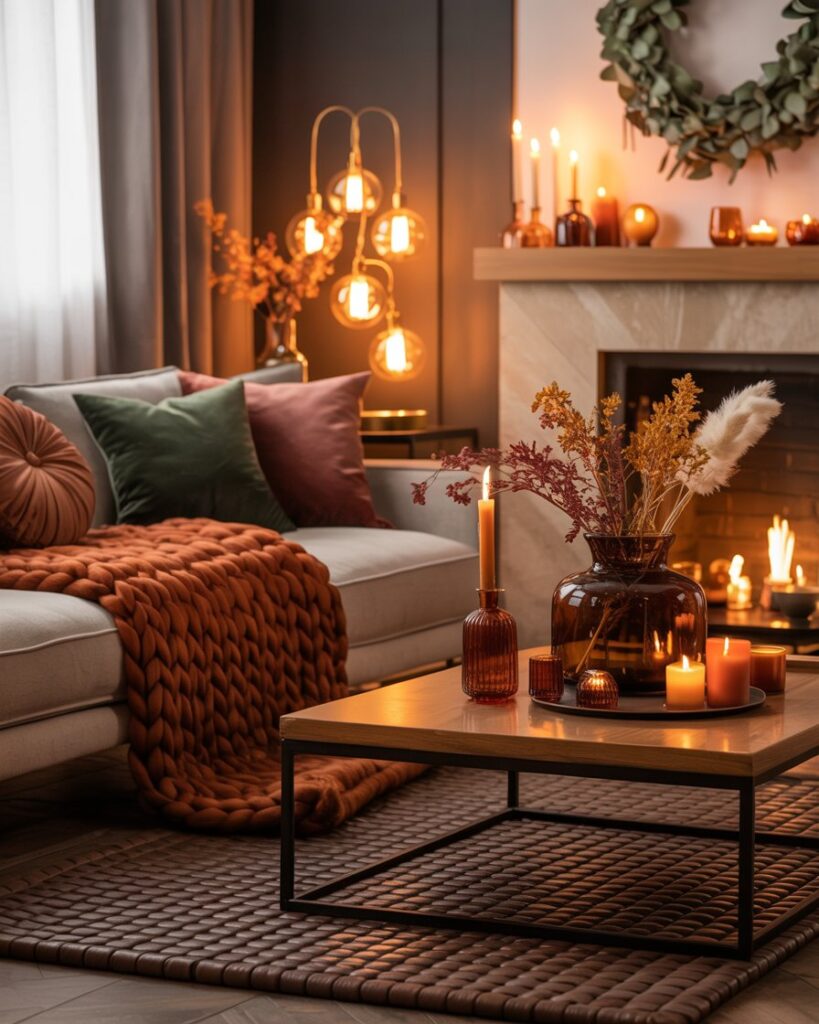
Move beyond the pumpkin clichés. Today’s fall interior design is about tonal richness and textural depth. Think deep rust, amber, chocolate brown, forest green, dusty mauve, and burnt sienna layered together in ways that feel intentional rather than thrown together.
Fall 2025 Decor Essentials:
- Textiles: Introduce chunky wool throws, velvet accent pillows, and a heavier area rug
- Lighting: Swap out cool-toned bulbs for warm Edison-style or amber LED bulbs; add candles liberally
- Botanicals: Dried grasses, branches with preserved leaves, eucalyptus wreaths, and moody floral arrangements in terracotta vessels
- Scent: This is the most underrated element of fall decor — choose candles in tobacco, cedar, cardamom, or amber to anchor the sensory experience of the season
- Tabletop: Layer your dining table with a linen runner, mismatched amber glassware, and a centerpiece of gourds, pinecones, and candles
💡 Pro Tip: The fastest way to make your home feel fall-ready is to change your lighting before anything else. Dimmers, warm-toned bulbs, and candles do more to shift the mood of a space than any throw pillow or wall art. Try it — you’ll be amazed.
Winter: Luxurious, Layered, and Serene
Winter decor in American homes in is moving away from the overly themed holiday-centric approach and toward something more enduringly luxurious. Think: a deep, velvet sofa in midnight navy, faux-fur throws, floor-to-ceiling curtains in rich jewel tones, and gold or brass hardware glinting in firelight.
The color story of winter is dark and moody with warmth woven through — deep forest green, navy, plum, and charcoal, punctuated by warm brass, antique gold, and creamy ivory.
Holiday decor, when included, should feel like a natural extension of this palette rather than a complete transformation. Evergreen garlands, white birch candles, and simple glass ornaments in metallics integrate seamlessly into a dark, elegant winter interior.
Winter Decor by Room:
| Room | Key Moves |
|---|---|
| Living room | Add faux-fur or chunky wool throws, replace cool lighting with warm/amber |
| Bedroom | Layer with multiple pillow sizes, introduce a velvet duvet or coverlet |
| Dining room | Use a linen tablecloth, add tall tapered candles, bring out the good dishes |
| Entryway | Hang a winter wreath, add a wooden bowl for keys with pine sprigs |
Color Trend Forecast: The Palettes Shaping American Interiors
Color is the single fastest way to transform a space, and 2025’s color trends reflect a nation collectively seeking comfort, nature, and authenticity.
Mocha Mousse (Pantone’s Color of the year) has dominated both fashion and interiors — it’s a warm, enveloping brown with cocoa undertones that works beautifully on walls, upholstery, and cabinetry. Pair it with cream, soft gold, and sage green for a palette that feels simultaneously grounded and elevated.
Other standout colors for include:
- Dusty sage green — nature-forward, calming, works in any room
- Warm terracotta — earthy, Mediterranean, pairs with cream and rust
- Soft black — used on ceilings, trim, and cabinets for dramatic contrast
- Butter yellow — optimistic, warm, works brilliantly as an accent
- Dusty blue-gray — sophisticated coastal alternative to greige
Sustainable Home Decor: The Trend That’s Here to Stay
No 2025 trend roundup would be complete without addressing sustainable interior design — one of the most important and fastest-growing movements in the American home market. Consumers are increasingly demanding transparency in sourcing, longevity in products, and ecological responsibility in the brands they support.
In practical terms, this means: choosing solid wood over particleboard, investing in timeless pieces over trendy fast-furniture, shopping vintage and secondhand, selecting natural and organic textiles, and looking for certifications like FSC (for wood), GOTS (for textiles), and Greenguard (for low-emission products).
The good news? Sustainable decor and beautiful decor are no longer in tension. Some of the most stunning interiors being designed today are built almost entirely from reclaimed, vintage, or sustainably sourced materials.
Final Thoughts: Design Your Home for How You Actually Live
The best advice I give every client — whether they’re decorating a studio apartment in Chicago or a five-bedroom home in the Dallas suburbs — is this: trends are a tool, not a rulebook. Use them to inspire, to discover new combinations, and to understand what’s resonating culturally. But always filter them through the lens of your actual life.
Does your family need durability? Does your schedule demand low-maintenance materials? Does your mental health benefit from a particular color? These personal factors should always outrank whatever Instagram is showing this month.
That said, the trends of are genuinely good ones — rooted in wellness, nature, sustainability, and authentic human comfort. Embrace the ones that speak to you, adapt them to your context, and enjoy the process of making your home the best place you could possibly be.
For more interior design inspiration, explore resources like Architectural Digest, Houzz, and The Spruce — three of the most trusted platforms for American home decor ideas and professional guidance.