
A cluttered home doesn’t just look messy — it feels loud. Piles of mail on the counter, shoes scattered by the door, and a sink full of dishes send a constant, low-grade signal to your brain that something is unfinished. As an interior designer, I’ve walked into hundreds of homes, and the difference between a house that feels calm and one that feels chaotic almost never comes down to square footage or budget. It comes down to daily habits.
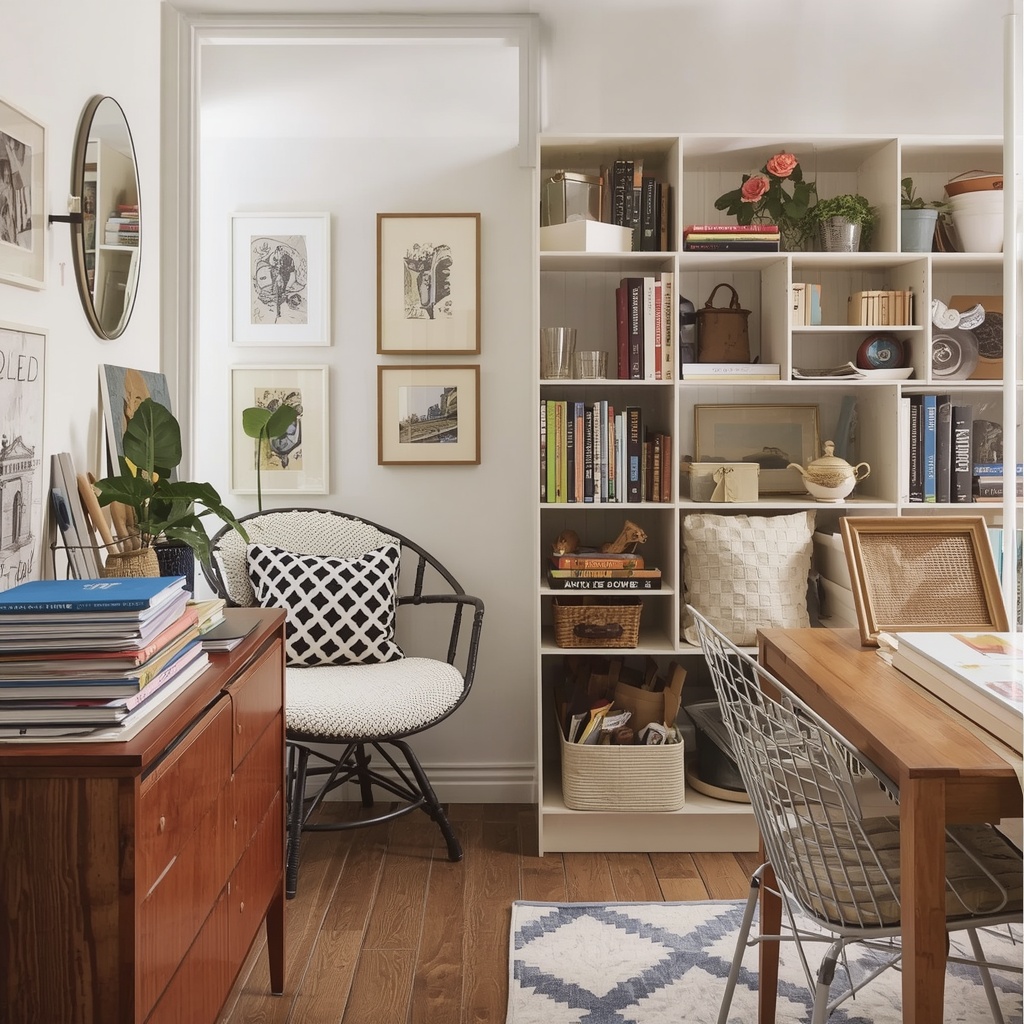
That’s where a daily decluttering checklist comes in. It’s not about a single exhausting weekend of purging your closets — it’s about small, consistent actions that keep your home organized, functional, and genuinely restful. Below, I’ll walk you through a room-by-room approach, practical tables you can screenshot and save, and design-backed tips for building a clutter-free home environment that supports your mental well-being.
Why Daily Decluttering Matters More Than Occasional Deep Cleans
Most people think decluttering is a seasonal event — a spring cleaning ritual or a New Year’s resolution. But research in environmental psychology consistently links visual clutter to elevated cortisol levels, especially in women managing home environments. A cluttered space competes for your attention, making it harder to relax, focus, or even fall asleep.
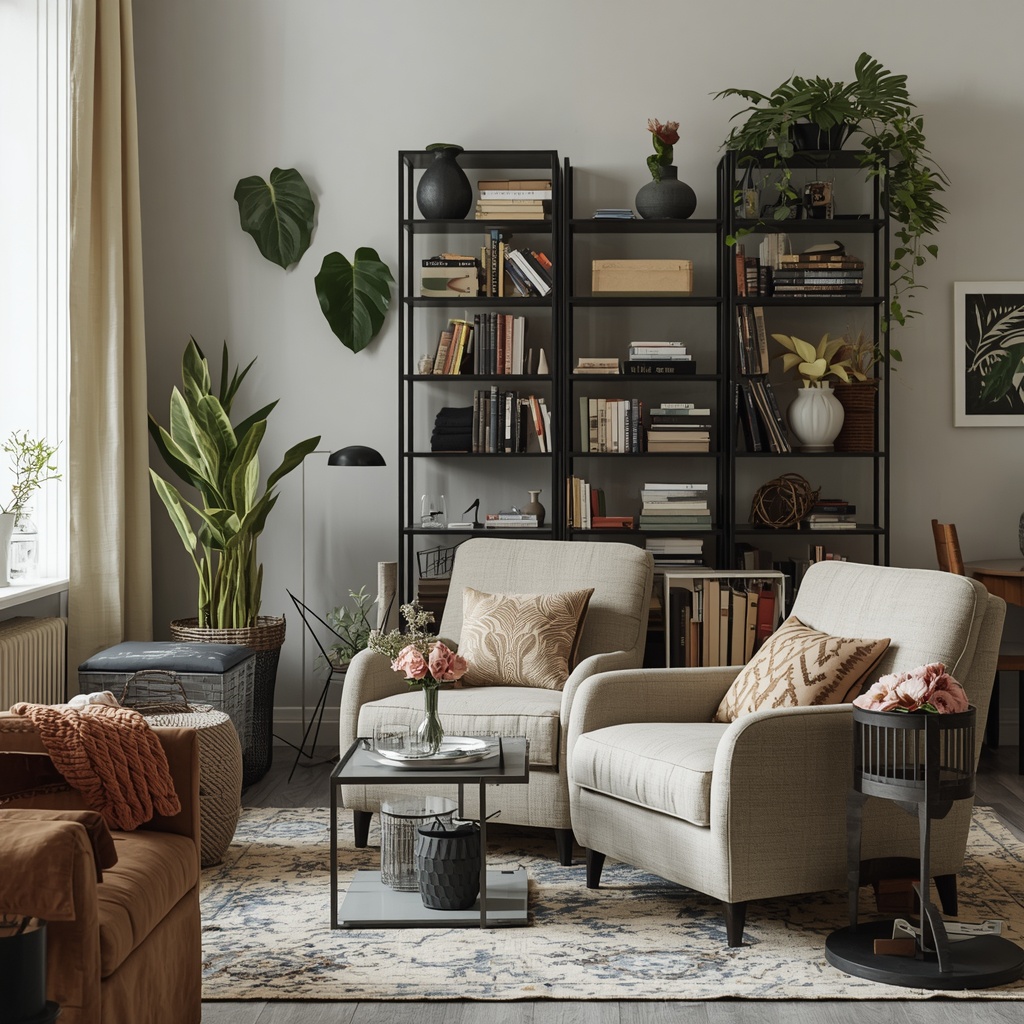
Daily decluttering habits work because they prevent the buildup that leads to overwhelm. When you tidy for ten minutes each evening, clutter never has the chance to snowball into a Saturday you dread. Think of it as flossing for your home: a small, unglamorous habit that prevents much bigger problems down the road.
“A home should be a dictionary — everything should have its place, and you should be able to find it in the dark.” — Anonymous interior design saying I share with every client
This philosophy is the backbone of good design. Function and beauty aren’t separate goals; they reinforce each other. An organized home is a beautiful home, regardless of your style — modern minimalist, cozy farmhouse, or eclectic maximalist.
Building Your Morning Decluttering Routine
Mornings set the emotional tone for the entire day, which is why a short reset routine matters so much. You don’t need an hour — you need consistency.
Here’s what I recommend to clients who feel like their home is constantly “behind”:
- Make your bed immediately after waking up
- Clear the bathroom counter of used towels and toiletries
- Load stray dishes from the night before into the dishwasher
- Do a 60-second sweep of the living room for blankets, cushions, and clutter
These four small actions create what designers call “visual order” — a baseline tidiness that makes the rest of the day feel more manageable, even if things get messy again by dinnertime.
Pro Tip: Keep a decorative basket or tray in your main living area specifically for “homeless” items — things you find lying around with no assigned spot. At the end of the day, spend two minutes returning each item to where it belongs. This single habit eliminates the “I’ll deal with it later” pile that quietly takes over coffee tables and countertops.
The Room-by-Room Daily Decluttering Checklist
Different rooms accumulate clutter in different ways, so your checklist should reflect how each space is actually used. Below is a practical breakdown you can adapt to your household.

| Room | Daily Task | Time Needed | Why It Matters |
|---|---|---|---|
| Kitchen | Wipe counters, clear sink, put away appliances | 5–10 min | Prevents grease buildup and pest attraction |
| Living Room | Fluff pillows, fold throws, clear surfaces | 3–5 min | Maintains a welcoming, photo-ready space |
| Bedroom | Make bed, hang worn clothes, clear nightstand | 3–5 min | Improves sleep quality and morning calm |
| Bathroom | Wipe sink, hang towels, put away products | 3–5 min | Reduces mildew and visual chaos |
| Entryway | Sort mail, organize shoes, hang coats | 2–3 min | Sets a calm tone entering and leaving home |
| Home Office | Clear desk, file loose papers, close tabs | 5 min | Boosts focus and reduces work-related stress |
Notice that none of these tasks take more than ten minutes. That’s intentional. A decluttering checklist that feels achievable is one you’ll actually follow — a two-hour daily routine simply isn’t sustainable for most working households.
The Kitchen: Your Home’s Clutter Hotspot
The kitchen is almost always the room clients complain about most, and it makes sense. It’s a high-traffic zone that handles food prep, mail sorting, homework, and sometimes even a home office corner. Left unchecked, kitchen counters become a dumping ground for everything from car keys to school permission slips.
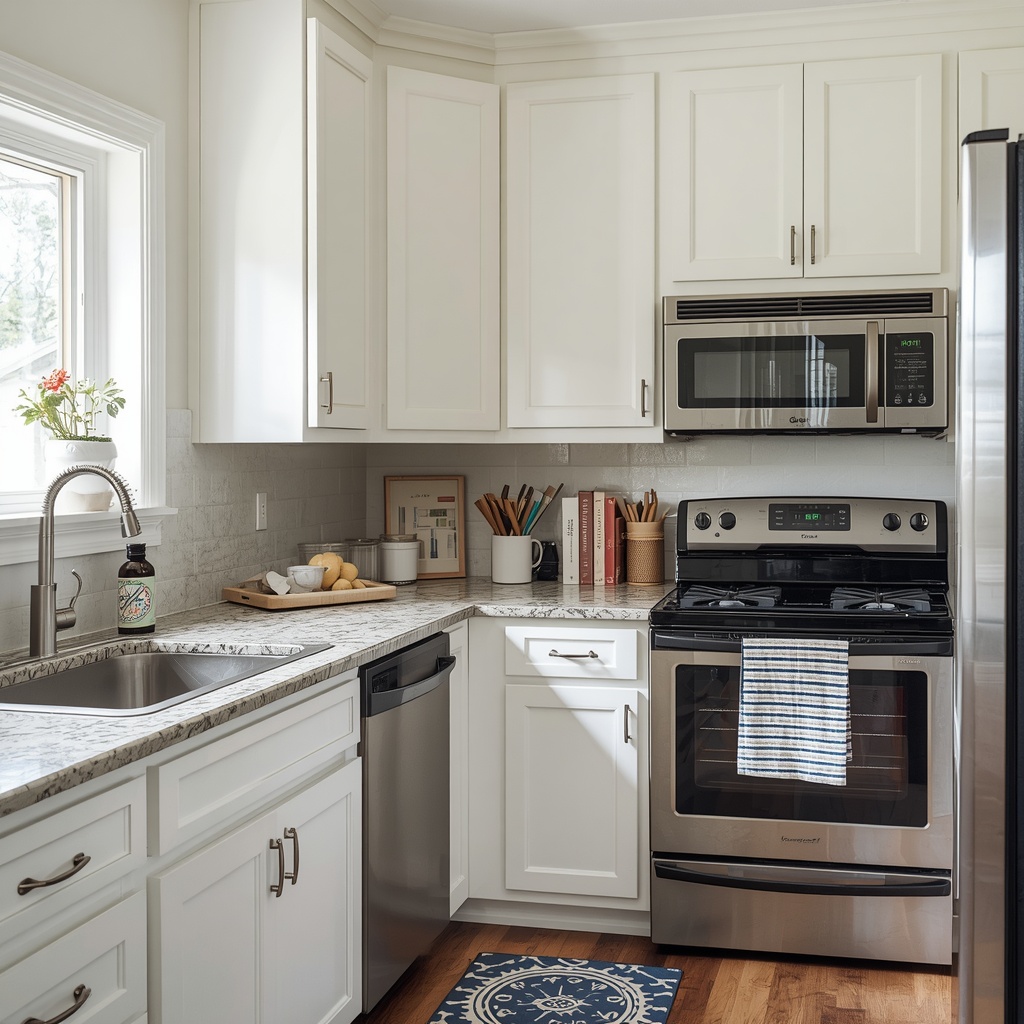
The fix isn’t necessarily more storage — it’s better daily habits combined with smart zoning. Designate specific areas for specific functions: a mail tray near the entrance (not the counter), a charging station for devices, and a dedicated spot for keys. When everything has a “home,” putting it away becomes automatic rather than effortful.
I also recommend the classic “one in, one out” rule for kitchen gadgets and pantry items. If you buy a new appliance, donate or discard an old one. This keeps cabinets from becoming overstuffed and makes your daily wipe-down genuinely quick rather than a wrestling match with clutter.
Bedroom Habits That Support Better Sleep
Your bedroom should function as a retreat, not a storage overflow zone. Yet it’s often where clutter hides the longest — under the bed, on the closet floor, draped over the “chair that holds clothes.”
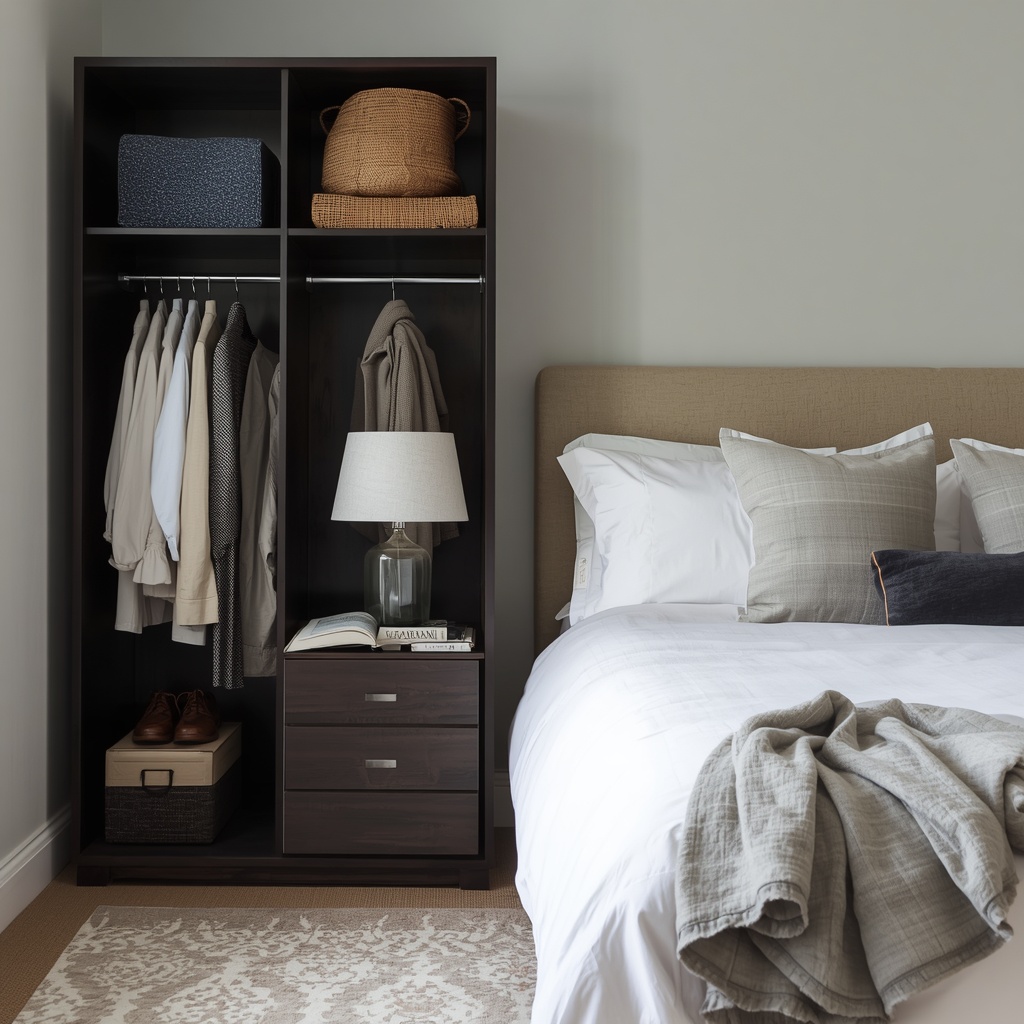
A few habits make a measurable difference here. Making your bed each morning is proven to improve mood and give you an early sense of accomplishment. Clearing your nightstand of everything except a lamp, a book, and maybe a glass of water reduces visual noise right before sleep, which supports better rest. And hanging up worn (but not dirty) clothes immediately, rather than draping them over furniture, prevents the “clothing chair” phenomenon almost every household battles.
Pro Tip: Use the “two-minute rule” borrowed from productivity expert David Allen — if a decluttering task takes less than two minutes (hanging a jacket, putting a book back on the shelf), do it immediately instead of adding it to a mental to-do list. This single mindset shift prevents small tasks from piling into overwhelming ones.
Living Room and Shared Spaces
Shared spaces reflect the whole household’s habits, which is why they’re often the hardest to keep consistently tidy. The goal here isn’t perfection — it’s creating systems that make tidying nearly effortless for everyone, including kids.
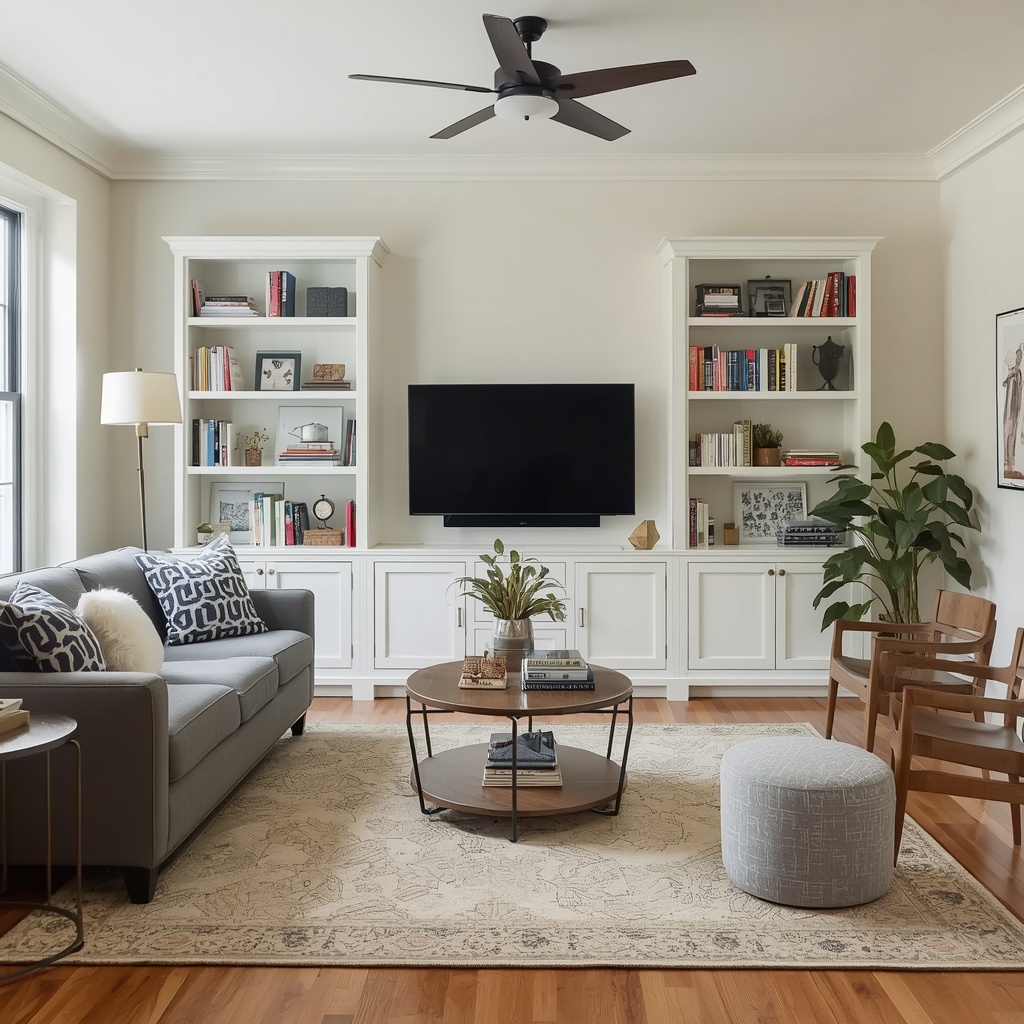
Some strategies that work particularly well:
- Use closed storage (baskets, ottomans with lids, cabinets) for items used daily, like remotes, blankets, or toys
- Keep coffee tables and console tables to no more than three decorative objects at a time
- Assign each family member a designated basket for their loose belongings
- Do a nightly five-minute “reset” together before bed, treating it as a shared household ritual rather than a chore for one person
Involving the whole family transforms decluttering from a solo burden into a shared value — and it teaches kids organizational habits that serve them well beyond childhood.
The Entryway: First Impressions Matter
Design psychology tells us that the entryway sets the emotional tone for how you experience your entire home. Walking into a chaotic pile of shoes and unopened mail creates stress before you’ve even taken off your coat.
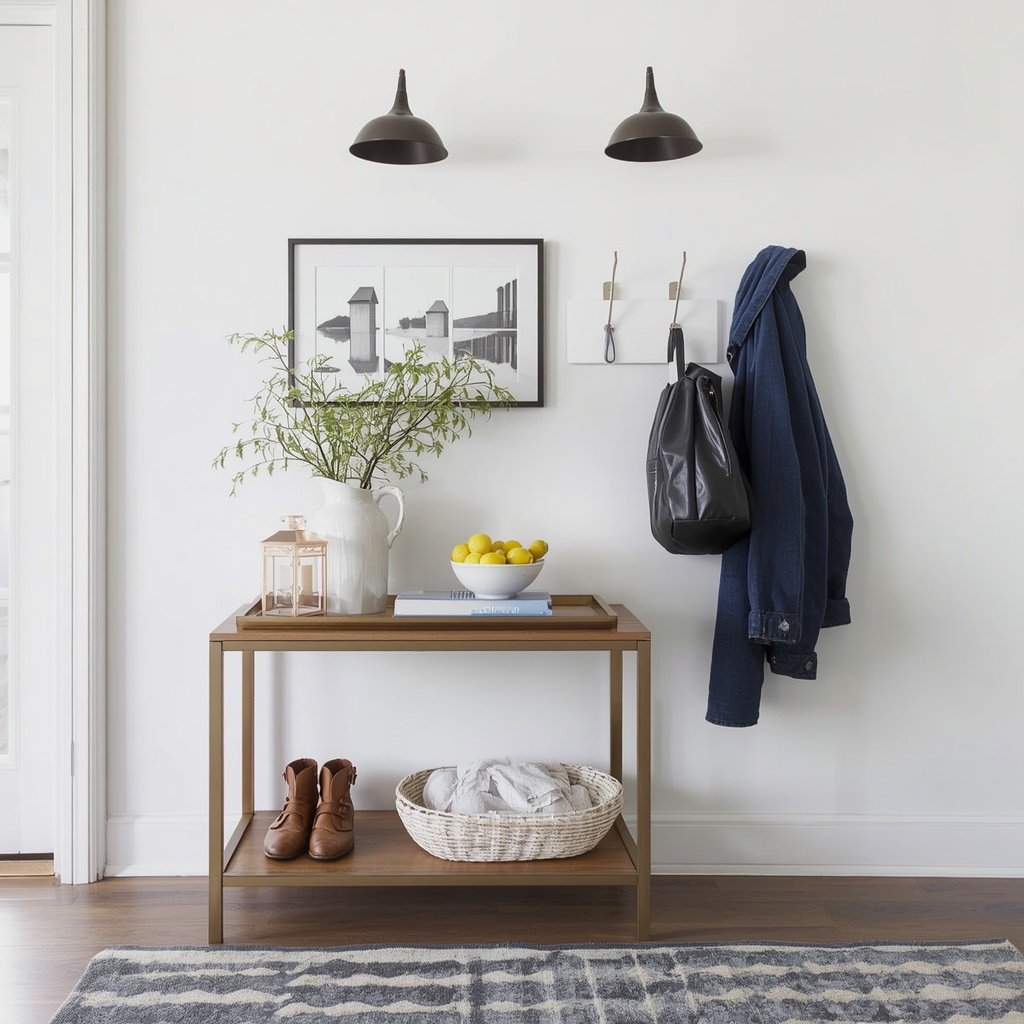
A functional entryway needs three things: a place for shoes, a place for outerwear, and a place for mail and keys. Even a small apartment entry can accommodate a slim console table with a tray and a wall hook. The daily habit here is simple — sort mail immediately (recycle, file, or act on it) rather than letting it accumulate into an intimidating stack.
For more on creating a functional entryway on a budget, The Spruce has excellent entryway organization ideas worth exploring.
Home Office Decluttering for Better Focus
With more Americans working remotely or in hybrid arrangements, the home office has become a major clutter zone that directly impacts productivity. A cluttered desk has been linked in multiple studies to reduced focus and increased stress during work hours.
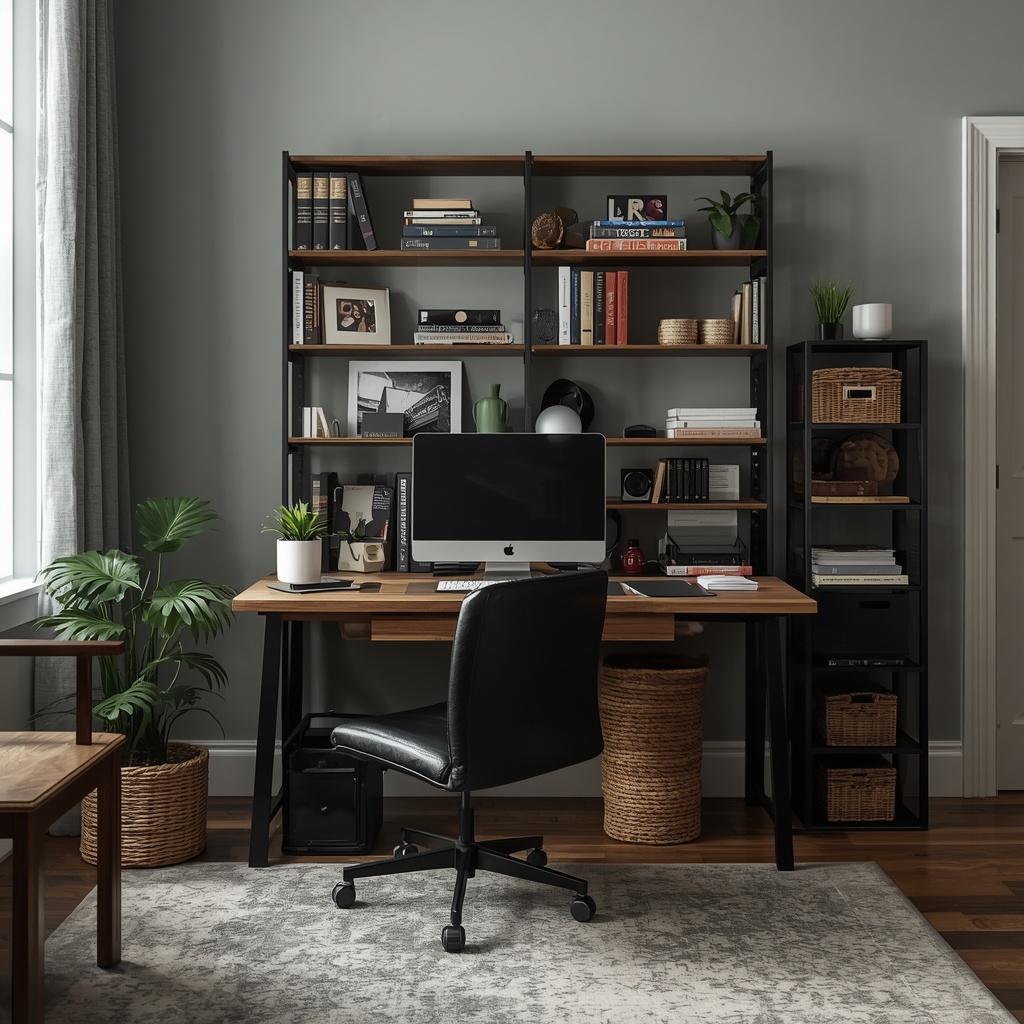
Daily habits that keep a home office functional:
- Clear your desk of everything except your current project at the end of each day
- File or shred loose papers rather than stacking them
- Close browser tabs and organize digital desktop icons (digital clutter counts too)
- Return office supplies to designated drawers or organizers
Pro Tip: Keep a small “inbox” tray on your desk for incoming paperwork. Commit to emptying it completely every Friday. This prevents the slow creep of “I’ll deal with this later” documents that eventually bury your workspace.
Common Decluttering Mistakes to Avoid
Even well-intentioned homeowners fall into predictable traps. Here are the most common mistakes I see as a designer, along with better alternatives.
| Mistake | Why It Backfires | Better Approach |
|---|---|---|
| Trying to declutter the whole house in one day | Leads to burnout and half-finished projects | Tackle one zone per day using the room checklist |
| Buying storage bins before decluttering | Creates “clutter with a lid” | Declutter first, then buy storage for what remains |
| Skipping daily habits for “big cleanups” only | Clutter resets between cleanups | Commit to 10–15 minutes daily instead |
| Keeping items “just in case” | Fills space with rarely-used objects | Ask if you’ve used it in the last 12 months |
| Not involving the whole household | Puts unfair burden on one person | Assign age-appropriate tasks to everyone |
Creating a Sustainable Weekly Rhythm
While daily habits handle the small stuff, a light weekly rhythm helps catch what slips through. Consider assigning one deeper task to each day of the week — for example, Monday for the refrigerator, Wednesday for the closet, Friday for paperwork. This spreads deeper decluttering across the week instead of demanding a single exhausting session.
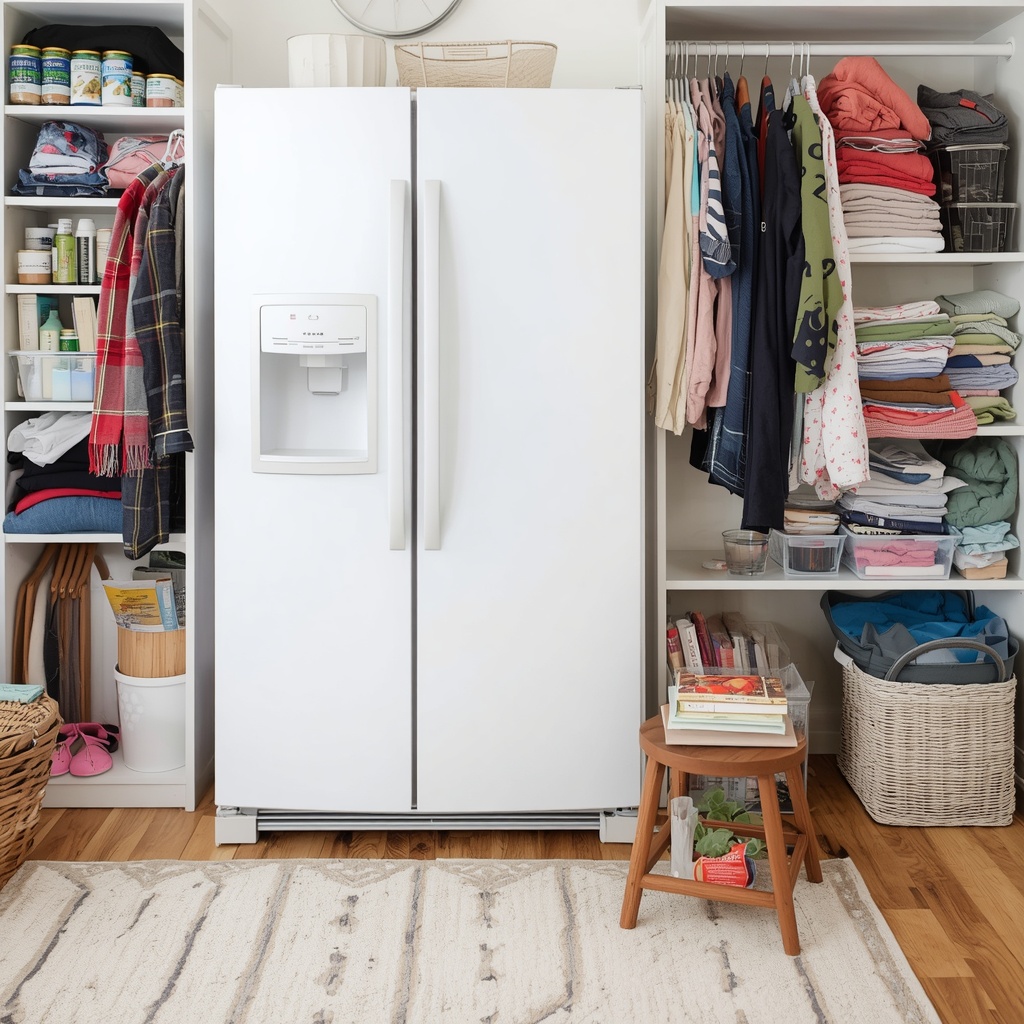
Pairing your daily checklist with this weekly rhythm creates a layered system: daily resets keep visual clutter at bay, while weekly tasks prevent the slower accumulation that daily tidying alone can’t catch — expired pantry items, outgrown clothes, or paperwork that’s quietly stacking up in a drawer.
Final Thoughts: Progress Over Perfection
A stress-free home isn’t a spotless, magazine-perfect home — it’s a home where systems work quietly in the background so you can actually enjoy the space you live in. The goal of a daily decluttering checklist isn’t to eliminate every trace of daily life; it’s to prevent clutter from accumulating to the point where it affects your mood, your productivity, or your ability to relax.
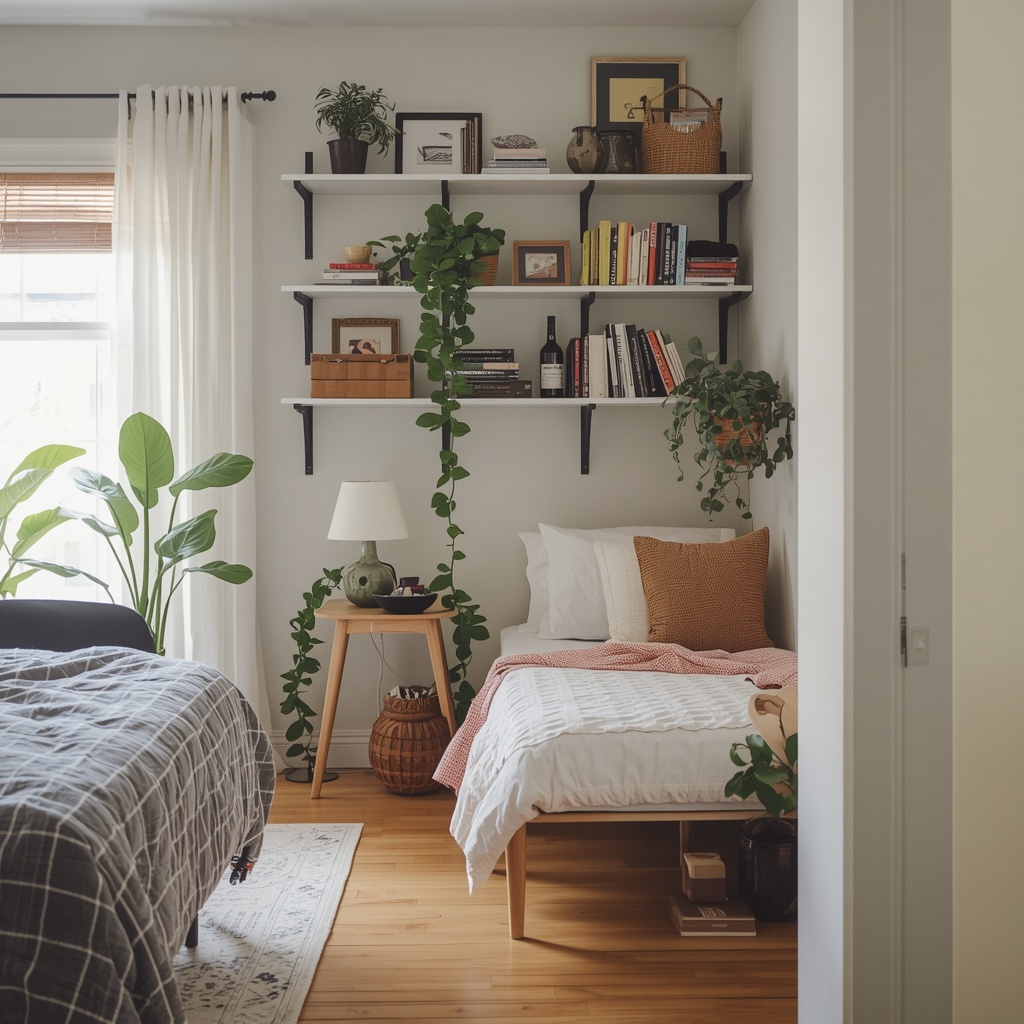
Start small. Pick two or three habits from this checklist, whether it’s making your bed, clearing the kitchen counter, or doing a nightly five-minute reset, and build from there. Consistency, not intensity, is what transforms a chaotic home into a calm one.
Your home should support your life, not add to your stress. With a few intentional daily habits, it absolutely can.