
Open your medicine cabinet right now. Be honest — is it a jumble of half-empty ointment tubes, expired painkillers, and three different bottles of the same allergy medication? You are not alone. As an interior designer who specializes in home organization and decor, I can tell you that the medicine cabinet is one of the most neglected storage spaces in the American home. It’s small, it’s hidden behind a mirror, and it’s easy to forget — until you’re digging through it at 2 a.m. looking for cold medicine.
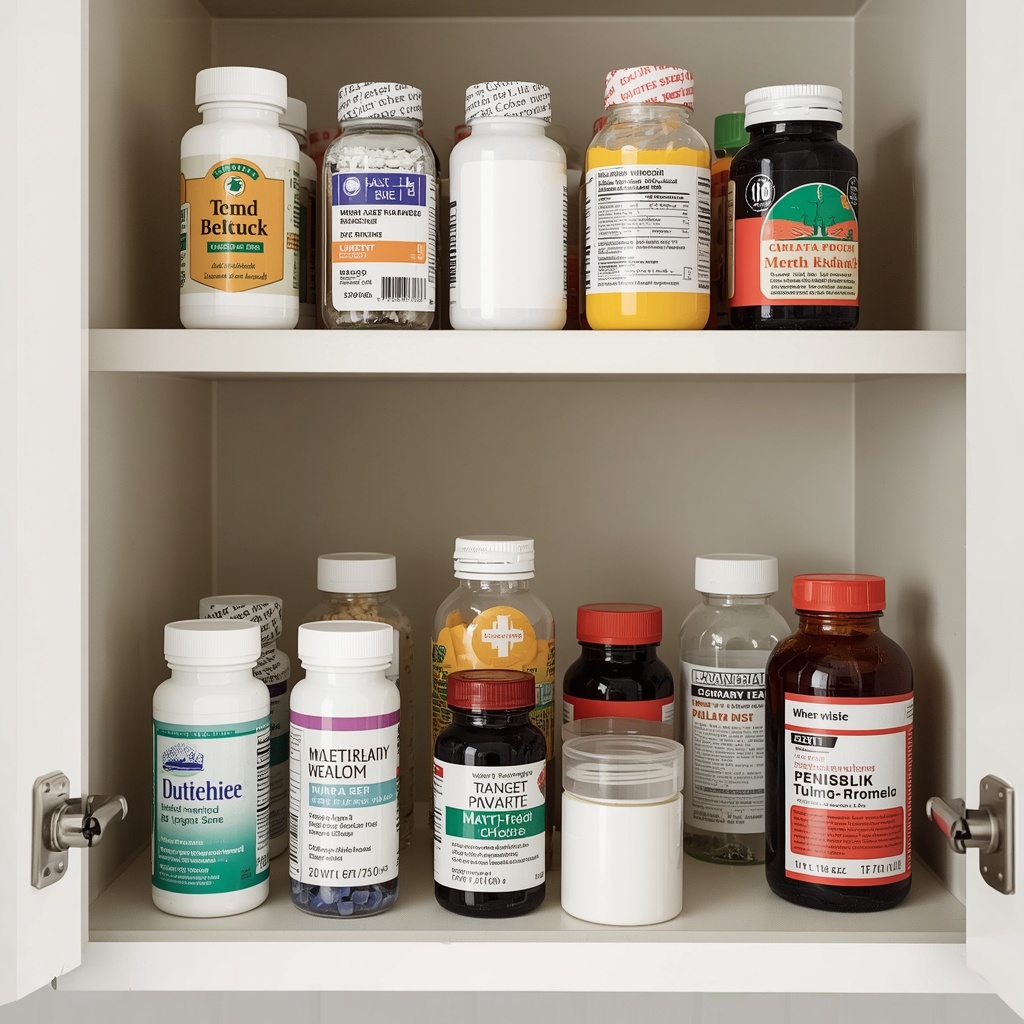
The good news is that a chaotic medicine cabinet is one of the easiest spaces to fix. With a few smart storage hacks, some inexpensive organizers, and a little bit of decluttering discipline, you can transform this cramped space into a functional, calming part of your bathroom design. Below, I’m sharing my favorite medicine cabinet organization hacks, tried-and-tested storage solutions, and design tips to keep it that way.
Why Medicine Cabinet Organization Matters More Than You Think
A cluttered medicine cabinet isn’t just an eyesore — it’s a safety issue and a daily source of small frustrations. Expired medications lose potency and, in some cases, can become harmful. Overcrowded shelves make it hard to find what you need quickly during an emergency, like a fever spike or a bad allergic reaction. And from a design perspective, a messy cabinet undermines the clean, spa-like bathroom aesthetic so many homeowners are chasing right now.

Think of your medicine cabinet as prime real estate. Every square inch counts, especially in smaller bathrooms where storage space is already limited. Good bathroom organization isn’t about buying more bins — it’s about being intentional with what you keep, how you group it, and how you label it so anyone in your household can find what they need in seconds.
“A well-organized medicine cabinet reflects a well-organized life. When your space works for you, your morning and nighttime routines become calmer and faster.” — A principle I share with nearly every client during a bathroom refresh.
Step 1: Do a Full Cabinet Purge Before You Organize
You cannot organize clutter — you can only relocate it. Before buying a single organizer, empty your entire medicine cabinet onto a clean countertop or towel. This full-purge method is the foundation of every successful home organization project I take on with clients.
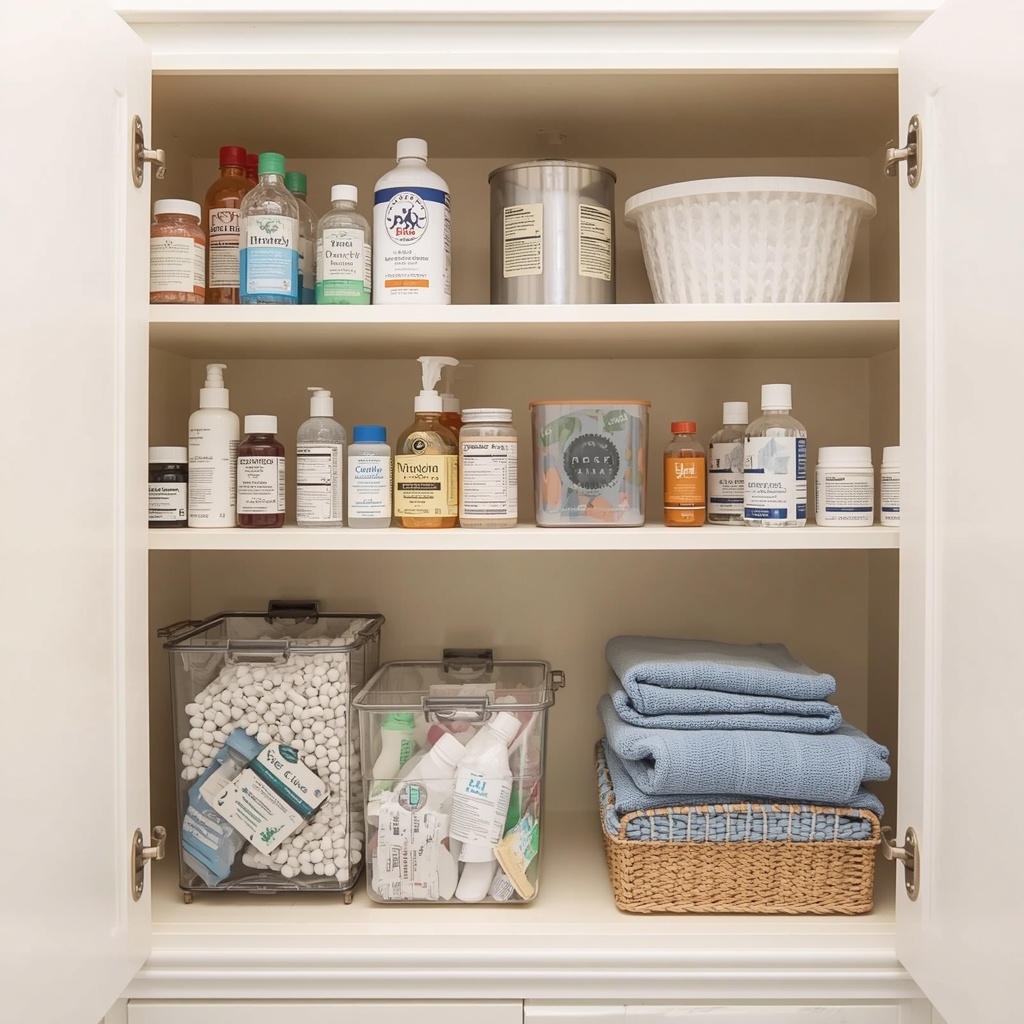
As you sort, check expiration dates carefully. Many people are shocked to learn how many products in their cabinet expired years ago. Prescription medications, over-the-counter drugs, and even skincare products all have shelf lives that affect both safety and effectiveness.
Pro Tip: Sort everything into four piles: Keep, Expired/Toss, Donate, and Relocate. Items like bulky first-aid kits or backup toiletries often belong in a linen closet instead of your primary medicine cabinet.
How to Safely Dispose of Expired Medications
Don’t just toss old pills in the trash or flush them down the toilet — both methods can be harmful to the environment or unsafe if found by children or pets. Instead:
- Use a medication take-back program at your local pharmacy
- Check for DEA-authorized collection sites near you
- Mix pills with unappealing substances (like coffee grounds) before sealing in a bag for trash disposal, if no take-back option is available
- Remove personal information from prescription labels before discarding the bottle
Step 2: Categorize Everything by Use
Once you’ve purged, group your remaining items into clear categories. This is the single most effective medicine cabinet hack because it turns a random pile of products into a system your whole family can follow.
Here’s a category breakdown I recommend to nearly every client:
| Category | Examples | Storage Suggestion |
|---|---|---|
| Daily medications | Vitamins, allergy pills, prescriptions | Clear labeled bin on eye-level shelf |
| First aid | Band-aids, antiseptic, gauze | Small stackable bin or zippered pouch |
| Pain relief | Ibuprofen, acetaminophen, aspirin | Front-facing bin near daily meds |
| Dental & oral care | Floss, mouthwash, whitening strips | Door-mounted organizer |
| Skincare & topical | Creams, ointments, sunscreen | Lazy Susan or tiered tray |
| Children’s medicine | Kids’ pain relievers, thermometers | Top shelf, labeled clearly |
| Miscellaneous | Nail clippers, tweezers, thermometer | Small drawer organizer or tray |
Grouping like items together not only saves time, it also prevents duplicate purchases — one of the sneakiest sources of bathroom clutter.
Step 3: Use the Right Organizers for a Tiny Space
Medicine cabinets are notoriously shallow and narrow, so the organizers you choose matter enormously. Standard kitchen bins often won’t fit, so look for slim, stackable, or tiered solutions designed specifically for tight vertical spaces.
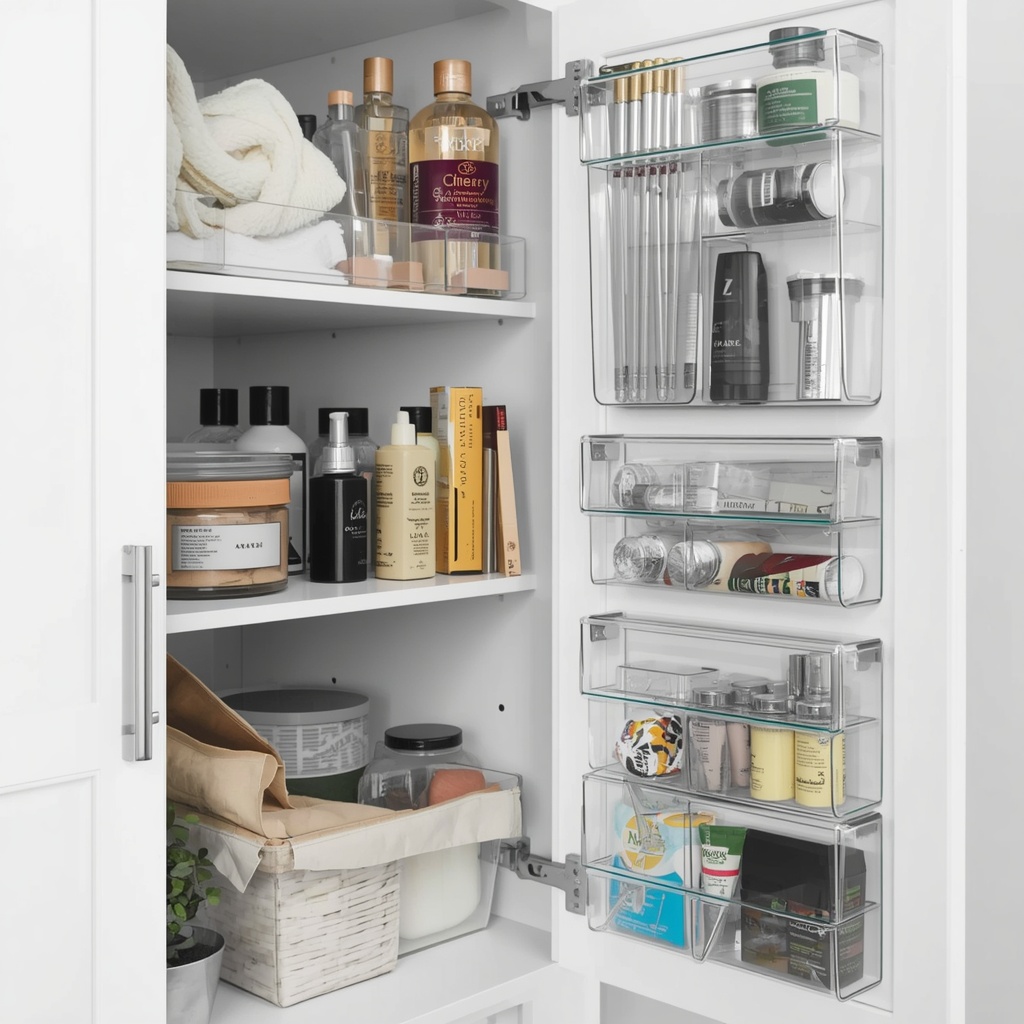
My go-to organizer types for medicine cabinets include acrylic tiered risers for visibility, narrow bins that maximize depth without wasting width, and adhesive door organizers that turn wasted door space into functional storage. Lazy Susans also work beautifully on a single shelf, letting you spin to find what’s tucked in the back instead of pulling everything out.
Pro Tip: Choose clear or acrylic bins over opaque ones. Being able to see contents at a glance reduces the temptation to over-buy and makes daily use far more efficient.
Best Organizer Types for Medicine Cabinets
- Acrylic tiered shelf risers — great for maximizing vertical space on a single shelf
- Narrow stackable bins — ideal for shallow cabinets, keep similar items grouped
- Door-mounted pockets — use vertical door space most people forget about
- Lazy Susans — perfect for corner cabinets or deep shelves
- Drawer dividers — repurposed for small trays that hold nail care or dental items
- Magnetic strips — handy for metal tools like tweezers or nail clippers
Step 4: Label, Label, Label
Labeling is the unsung hero of home organization, and it’s especially valuable in a shared bathroom. When every bin has a clear label, no one has to guess where things go — which also means things are more likely to stay organized long after the initial cleanup high wears off.
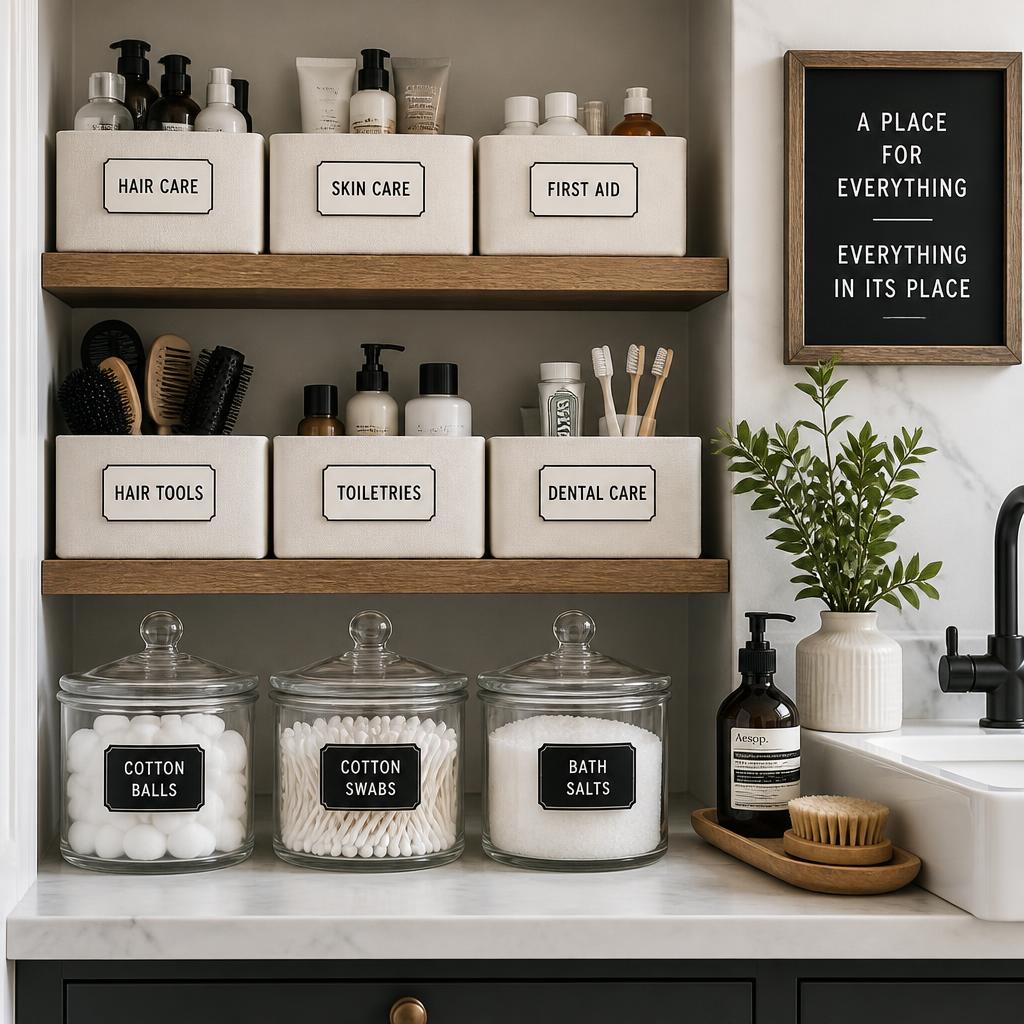
Use a label maker for a clean, cohesive look, or opt for simple chalkboard-style tags if you want something that fits a more relaxed, farmhouse-style bathroom aesthetic. Either way, consistency is key: match your font, size, and placement across all bins for a polished, boutique-pharmacy feel.
Pro Tip: For households with kids, consider color-coded labels — one color for adult medications, another for children’s items. This adds a visual safety layer beyond just text.
Step 5: Think Vertically, Not Just Horizontally
Most people only organize the shelves they see, forgetting the vertical real estate of the cabinet door and side walls. This is one of the most underused storage tricks in small bathroom design.
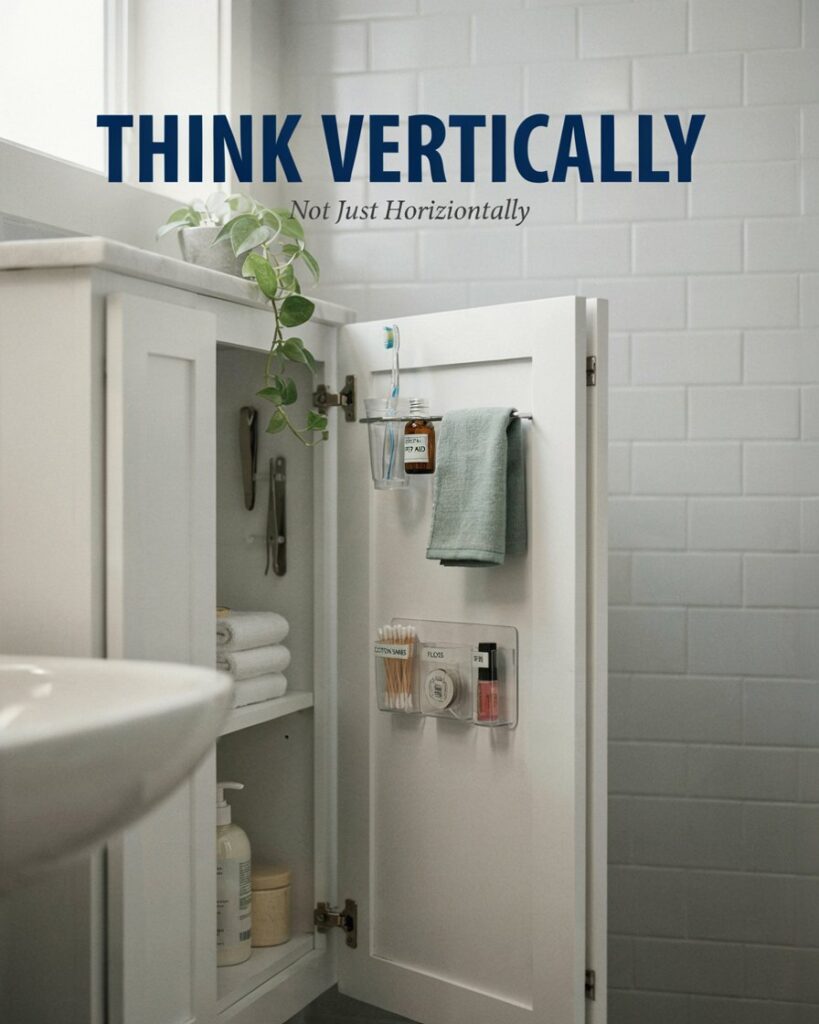
Adhesive organizers, magnetic strips, and slim over-the-door racks can hold everything from toothbrushes to small first-aid supplies without taking up a single inch of shelf space. This frees up your shelves for bulkier items while keeping frequently used essentials within easy reach.
Vertical storage also improves visibility. When items are laid out at different heights instead of stacked haphazardly, you avoid the classic “everything falls out when I open the door” problem that plagues so many bathroom cabinets.
Step 6: Set Up a Maintenance Routine
Organization isn’t a one-time event — it’s a habit. Even the most beautifully arranged medicine cabinet will slide back into chaos without a simple maintenance routine.
I recommend a quarterly check-in: every three months, do a five-minute cabinet audit. Toss anything expired, restock anything running low, and return any items that have migrated to the wrong bin. Pairing this with seasonal deep cleans (spring and fall work well) keeps your system sustainable long-term.
Pro Tip: Set a recurring reminder on your phone for the first Saturday of every season. A five-minute check now prevents a two-hour overhaul later.
Quick Maintenance Checklist
- [ ] Check all expiration dates
- [ ] Wipe down shelves and bins
- [ ] Restock low or empty items on your shopping list
- [ ] Return misplaced items to correct bins
- [ ] Check labels are still legible and accurate
- [ ] Toss anything you haven’t used in 12+ months
Design Tips: Making Your Medicine Cabinet Look as Good as It Functions
As a home decor specialist, I believe function and beauty don’t have to be separate goals. A well-organized medicine cabinet can also contribute to your overall bathroom aesthetic.

Choose organizers in a consistent material and color palette — all white, all clear, or all a soft neutral tone — rather than mismatched leftover containers from the kitchen. This creates a cohesive, boutique-hotel feel every time you open the cabinet. If your bathroom leans into a specific style, like coastal, modern minimalist, or warm farmhouse, let your bin and label choices echo that theme subtly.
Small design touches make a surprising difference here. A tiny scented sachet tucked in a corner bin, matching apothecary-style bottles for cotton balls or bath salts, or a small vase-style holder for cotton swabs can elevate a purely functional space into one that feels intentional and put-together.
Common Medicine Cabinet Organization Mistakes to Avoid
Even well-intentioned organization projects can go sideways. Here are the mistakes I see most often with clients:
| Mistake | Why It’s a Problem | Better Approach |
|---|---|---|
| Buying organizers before purging | Leads to mismatched sizes and wasted money | Purge first, measure, then shop |
| Storing medication near heat/moisture | Humidity degrades medication effectiveness | Consider a linen closet for backup stock |
| No labeling system | Family members can’t find items independently | Use consistent, legible labels |
| Overstuffing the cabinet | Reduces visibility and increases clutter | Keep only daily-use items in the cabinet |
| Ignoring expiration dates | Risk of using ineffective or unsafe products | Quarterly audits catch this early |
| Mixing categories randomly | Slows down daily routines | Group by use, not by size or shape |
Where to Store Overflow Items
Not everything needs to live in the medicine cabinet itself. If you have a larger first-aid kit, backup toiletries, or bulk-bought supplies, these are better suited to a linen closet, a bathroom vanity drawer, or a labeled storage bin under the sink. Reserve the medicine cabinet for daily essentials and frequently needed items only — this keeps it functional rather than becoming an overstuffed catch-all.
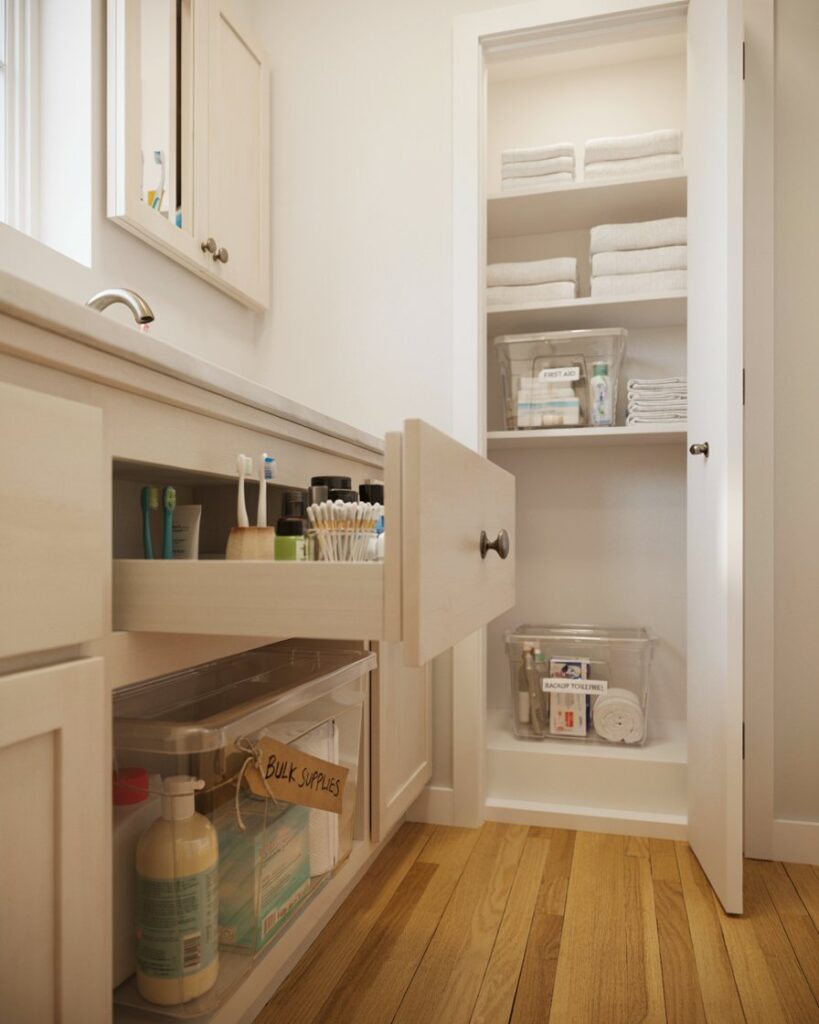
For families managing multiple household members’ medications, a portable first-aid caddy stored in a nearby closet can serve as the “overflow” system, restocked from your medicine cabinet as needed.
Final Thoughts: Small Space, Big Impact
Your medicine cabinet may be one of the smallest storage spaces in your home, but it has an outsized impact on your daily routine. A well-organized cabinet saves time, reduces stress, supports safety, and even contributes to the overall look and feel of your bathroom design.
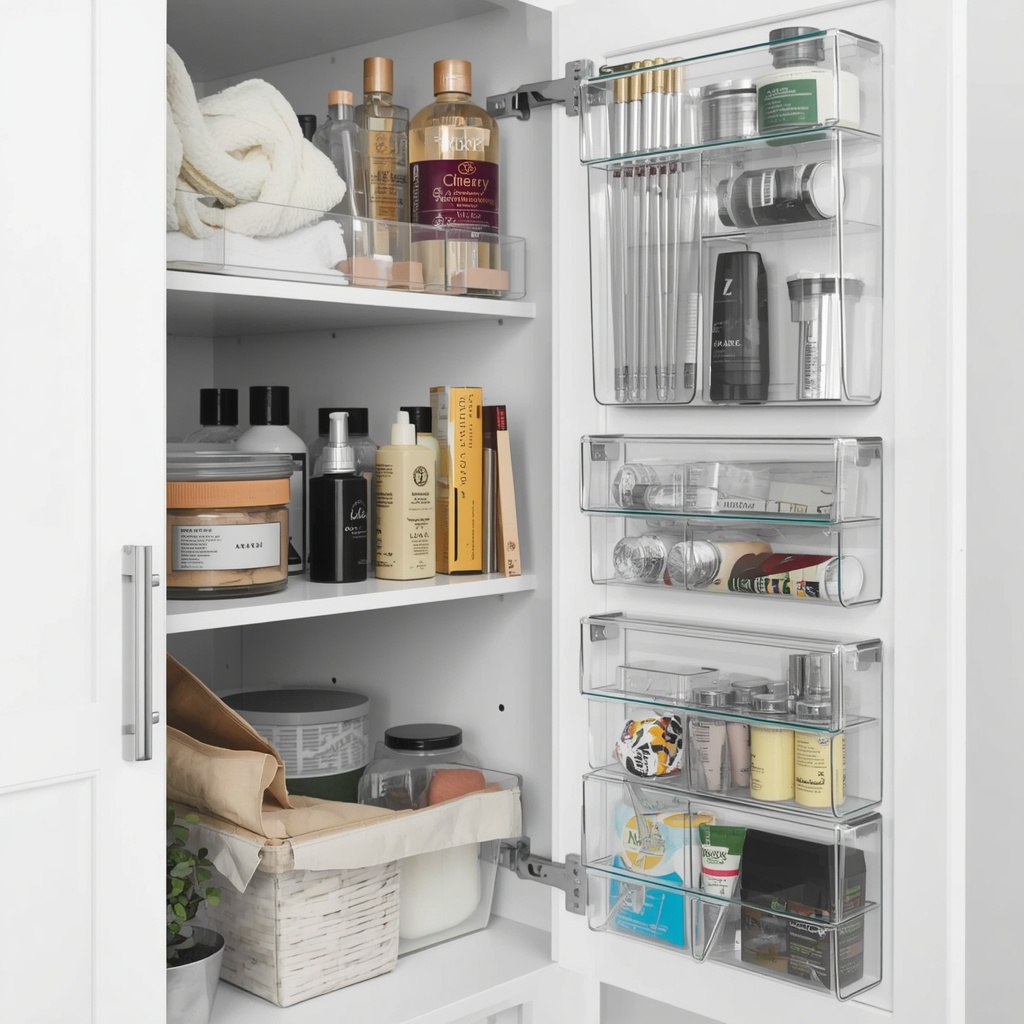
Start with a full purge, sort by category, choose the right slim-profile organizers, label everything clearly, and commit to a simple quarterly maintenance routine. These small, consistent habits are what separate a cabinet that stays tidy from one that reverts to chaos within a month.
As I tell every client: organization isn’t about perfection — it’s about creating systems simple enough to maintain on your busiest days. Your medicine cabinet is the perfect place to start.
Looking for more bathroom organization inspiration? Explore resources like The Spruce for additional home organization ideas, or check the FDA’s guidelines on medication disposal for safe disposal practices.