
Sink and Window Wall Combinations
Transform your kitchen or bathroom into a light-filled, functional masterpiece — one thoughtfully designed wall at a time.

kitchen sink placement window above sink natural light kitchen sink wall design kitchen renovation ideas bathroom vanity window home decor.
If there’s one design decision that can completely transform the feel of your kitchen or bathroom, it’s where you place your sink — and what goes on the wall directly behind it. The relationship between a sink and its surrounding wall, especially when a window is involved, is one of the most impactful yet often overlooked details in American home design. Whether you’re renovating a ranch house in the suburbs or updating a city condo, understanding how to work with sink and window wall combinations can elevate your space from purely functional to genuinely beautiful.
As an interior designer who has worked on hundreds of American homes, I’ve seen firsthand how the right sink-wall pairing does double duty: it serves as a hardworking functional zone while also acting as a visual anchor for the entire room. The good news is that whether you’re working with a modest galley kitchen or an open-plan great room, there are stunning options available at every budget and style level. In this guide, I’ll walk you through everything you need to know to make confident, design-forward decisions about your sink wall.
Why the Sink Wall Is the Heart of Kitchen Design
In most American kitchens, the sink is used more frequently than any other fixture — some studies suggest homeowners spend up to 40 minutes per day at the kitchen sink. That’s a significant amount of time staring at a single wall. The sink wall, therefore, isn’t just a practical consideration; it’s a daily visual experience. When that wall includes a thoughtfully positioned window, the benefits multiply: you get natural light for food prep, a view to the outdoors, and a sense of spaciousness that no pendant light can replicate.
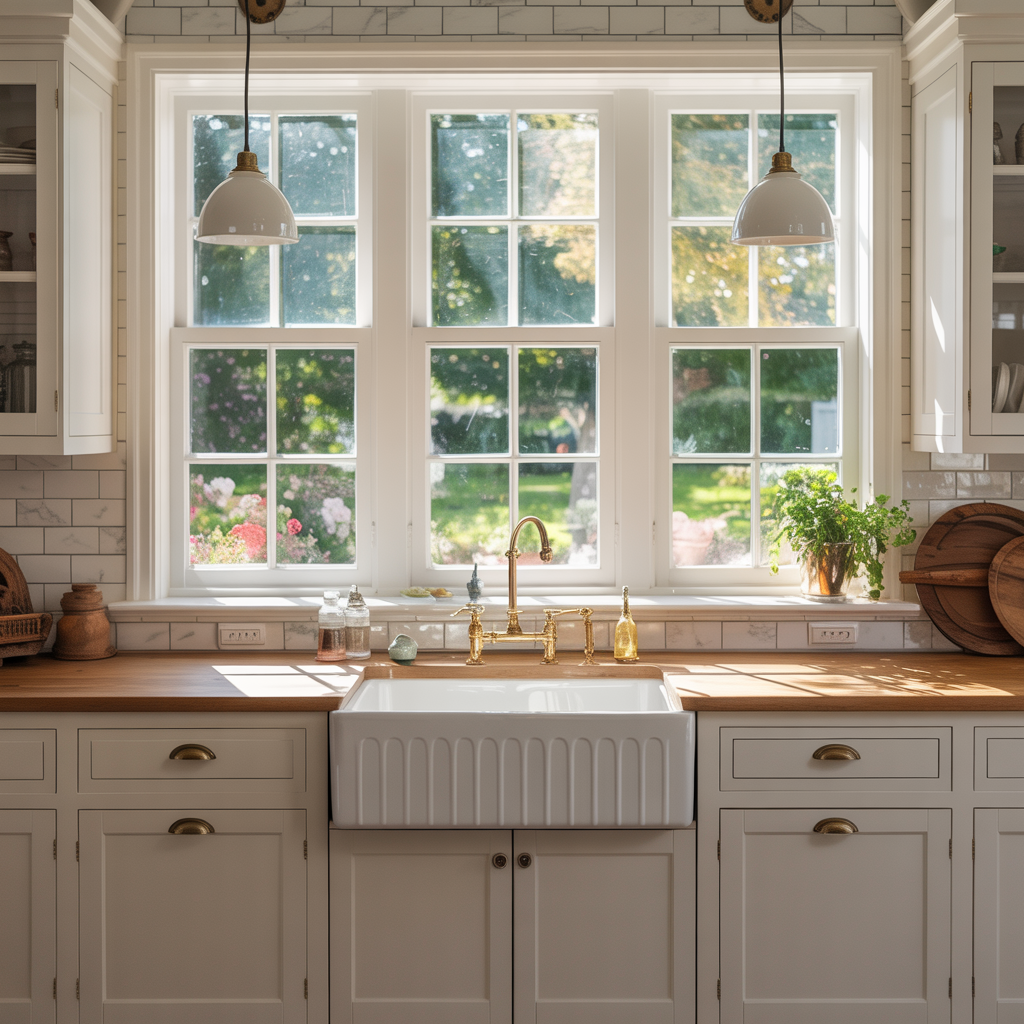
The concept of pairing sinks with windows has deep roots in traditional American home design. Farmhouse kitchens of the early 20th century almost always placed the sink beneath a window, allowing homeowners to look out at the garden or yard. Today, this placement remains just as relevant — and just as beloved. Modern designers have simply expanded the vocabulary, pairing windows with new sink styles, backsplash materials, and cabinetry configurations to suit every aesthetic from coastal cottage to sleek contemporary.
What makes the sink-window wall combination so enduringly popular is its ability to solve multiple design problems at once. It adds natural light to a work zone that genuinely needs it, creates a focal point that draws the eye, and provides a sense of connection to the outdoors — something Americans increasingly crave in their home interiors. It’s also one of the most photographed spots in any home, making it a smart investment if you’re thinking about home resale value.
Understanding the proportional relationship between your sink, window, and wall space is the real secret to getting this combination right. A tiny window above a sprawling farmhouse sink will look awkward and feel like an afterthought, while an oversized picture window above a compact prep sink can feel theatrical in the wrong way. Balance, scale, and material harmony are the three pillars of a successful sink wall design.
Pro Tip
Always center the window horizontally over the sink — even if it means slightly off-center on the wall — and aim for the window sill to sit 6 to 8 inches above the top of the faucet. This gives you clearance for tall faucets and cleaning, while maintaining elegant proportions.
Popular Sink and Window Pairing Styles
One of the most exciting aspects of designing a sink wall today is the sheer variety of styles available to American homeowners. From traditional to ultra-modern, the combination of sink type, window style, and surrounding wall treatment can be tailored to virtually any design aesthetic.

🏡
Farmhouse
Apron sink + casement window + shiplap wall
🌿
Transitional
Undermount + double-hung + subway tile
🔲
Modern
Integrated sink + picture window + stone slab
🪵
Rustic
Drop-in + awning window + brick backsplash
The farmhouse sink and casement window is arguably the most iconic American kitchen combination. The generous basin of a fireclay or cast iron farmhouse sink pairs beautifully with the wide, unobstructed glass pane of a casement window. When you add a shiplap or beadboard backsplash, you get a look that feels both nostalgic and fresh — a balance that designers call timeless transitional.
For homeowners leaning toward a more contemporary aesthetic, the integrated or undermount sink with a large picture window offers a seamlessly clean visual line. The window becomes almost like a piece of art — a living landscape painting — while the sink disappears into the countertop surface. This pairing works especially well with slab backsplashes in quartz or porcelain, materials that reinforce the sense of clean, uninterrupted surfaces.
Window Types That Work Best Above a Kitchen Sink
Not all windows are created equal when it comes to sink wall placement. The type of window you choose will affect everything from ventilation and light quality to ease of cleaning and visual weight. Here’s a breakdown of the most popular options for American kitchens:

| Window Type | Best For | Pros | Considerations |
|---|---|---|---|
| Casement | Farmhouse, traditional, transitional | Excellent ventilation, easy cleaning, classic look | Handle can interfere with tall faucets |
| Double-Hung | Colonial, craftsman, traditional | Familiar aesthetic, good airflow, widely available | Harder to clean exterior glass |
| Picture (Fixed) | Modern, contemporary, minimalist | Maximum light, uninterrupted view, sleek silhouette | No ventilation, higher cost |
| Awning | Coastal, transitional, bungalow | Ventilation even in rain, unique look | Limited opening size |
| Garden Window | Cottage, eclectic, plant-lover’s kitchen | Extra shelf space, greenhouse feel | Can feel dated in modern homes |
| Skylight (over sink) | Modern, Mediterranean, spa-inspired bath | Dramatic overhead light, privacy-friendly | Costly installation, potential leaks |
For most American homes, the casement window remains the gold standard for sink placement — and for good reason. It opens fully for ventilation, provides a clear view, and its proportions complement a wide range of sink widths. If you’re working with a farmhouse or craftsman-style kitchen, the casement is almost always your best friend.
Pro Tip
If you live in a climate with extreme heat or cold, consider a double-pane low-E window above your sink. It reduces solar heat gain in summer and heat loss in winter, keeping your kitchen comfortable without sacrificing the natural light that makes this wall combination so appealing.
Backsplash Materials That Complete the Sink-Window Wall
The backsplash is the connective tissue between your sink, your countertops, and your window. It’s the material that fills the wall space below the window sill and frames the entire composition. Choosing the right backsplash material is one of the most consequential decisions in designing your sink wall, and the options have never been more exciting for American homeowners.
| Backsplash Material | Style Match | Avg. Cost (per sq ft) | Durability |
|---|---|---|---|
| Subway Tile (ceramic) | Traditional, transitional, modern | $5–$15 | Excellent |
| Marble Slab | Luxury, contemporary, French country | $40–$100+ | Good (needs sealing) |
| Shiplap / Beadboard | Farmhouse, cottage, coastal | $3–$10 | Good (moisture-seal needed) |
| Zellige / Handmade Tile | Mediterranean, eclectic, boho | $20–$60 | Very Good |
| Porcelain Slab | Modern, minimalist | $15–$50 | Excellent |
| Brick (real or veneer) | Industrial, rustic, loft-style | $8–$25 | Excellent |
“The backsplash is where personality lives in a kitchen. The cabinetry sets the tone, the countertops carry the weight, but the backsplash tells you who actually lives there.”— Emily Henderson, Interior Designer & Author of Styled
For the most cohesive results, consider the sight lines from your window to your backsplash. If you have a garden view and want to bring the outdoors in, green zellige tiles or sage ceramic subway tiles can create a beautiful dialogue with nature. If your window overlooks a city street or a neighbor’s fence, a bold, textured backsplash in a warm neutral gives you something more interesting to look at than the view — and that’s a design win.
Bathroom Vanity Windows: The Underrated Sink-Wall Opportunity
Most of the conversation about sink and window wall combinations centers on the kitchen, but the bathroom vanity wall deserves equal attention. Placing a window above or beside a bathroom sink is one of the most effective ways to create a spa-like atmosphere without a full renovation. Natural light at the vanity is flattering, energizing, and — from a purely practical standpoint — makes applying makeup and shaving dramatically easier than working under harsh artificial lighting.
The challenge with bathroom vanity windows is privacy. Unlike a kitchen that might face a backyard, bathrooms often face neighbors, streets, or shared outdoor areas. The solution doesn’t have to compromise your design. Frosted or reeded glass has become enormously popular in American bathrooms, offering privacy without sacrificing the diffused natural light that makes this combination so desirable. Ribbed glass, in particular, has become a signature material of the 2020s bathroom aesthetic.
When positioning a window at the bathroom vanity, height is everything. Ideally, the window sill should sit at or just above mirror height — typically 66 to 72 inches from the floor — so that light enters from above and beside you rather than directly in your eyes. If you’re working with a vessel sink, which sits higher than a standard undermount, account for the additional basin height when planning window placement. A certified window and door specialist can help you assess structural feasibility before you commit to a new opening.
The materials you choose for a bathroom vanity wall should be moisture-resistant above all else. Porcelain tile, glass tile, and sealed stone are the workhorses of bathroom design for good reason — they handle humidity and daily splashing without warping, staining, or deteriorating. For a more current look, consider large-format porcelain tiles (24×48 inches) that minimize grout lines and create a seamless, calming backdrop for your window and vanity.
Pro Tip
If a new window isn’t in the budget, use a large mirror positioned to reflect an existing window across the room. This bounces natural light directly to the vanity area and creates the illusion of a brighter, larger space — a classic designer trick that costs a fraction of a window installation.
Lighting Strategies to Complement Your Sink Window Wall
Even the most beautifully designed sink-window wall needs supplemental lighting for evenings, cloudy days, and the winter months when daylight is scarce. Layering artificial light thoughtfully around your window is what separates a professionally designed space from a DIY result that looks incomplete after dark.
- Under-cabinet lighting: LED strip lights installed beneath upper cabinets illuminate the sink and countertop without competing with your window view. Choose a warm white color temperature (2700K–3000K) to complement natural daylight.
- Pendants flanking the window: Hanging one or two pendant lights on either side of the window creates a symmetrical, intentional composition. This works best in kitchens with higher ceilings (9 feet or above).
- Sconces above the vanity: In bathrooms, wall sconces mounted at face height on either side of the mirror provide the most flattering, shadow-free light for grooming tasks.
- Dimmer switches: Always install dimmers at your sink wall. The ability to shift from bright task lighting to soft ambient light transforms the experience of the space at different times of day.
- Recessed ceiling lights: A single recessed can light positioned directly above the sink provides reliable task lighting without any visual clutter — ideal for minimalist and contemporary designs.
“Light is the ingredient that makes every other design decision visible. Without the right light, even perfect materials and proportions fall flat.”— Nate Berkus, American Interior Designer
Common Mistakes to Avoid When Designing a Sink-Window Wall
Even experienced homeowners and first-time renovators make the same predictable mistakes when approaching this design challenge. Here are the most common pitfalls I see in my practice — and how to sidestep them elegantly.
Avoid These Sink Wall Mistakes
- Ignoring window-to-faucet clearance: Always measure your faucet height before finalizing window sill placement. You need at least 4–6 inches of clearance above the highest point of your faucet to open a casement or awning window fully.
- Choosing curtains that trap moisture: Fabric window treatments directly above a kitchen or bathroom sink collect steam, splashes, and grease. Opt for exterior shutters, roller shades on a recessed mount, or simply leave the window undressed for maximum light.
- Mismatching grout color: A bold or contrasting grout color draws the eye to the seams of your tile rather than the tile itself. Unless you’re deliberately using grout as a design element, choose a grout that’s one shade darker than your tile.
- Underestimating backsplash height: Your backsplash should extend from the countertop all the way to the window sill (or higher if there’s no window). Stopping too short leaves an awkward band of drywall that will stain over time.
- Overlooking electrical outlet placement: If you need outlets on your sink wall (and in most kitchens you do), plan their placement early so they don’t interrupt your backsplash pattern or end up in an awkward spot near the window frame.
Budget-Friendly Ways to Refresh Your Existing Sink Wall
You don’t need a full gut renovation to dramatically improve your sink and window wall combination. Some of the most impactful changes are surprisingly affordable, and many can be completed over a weekend without professional help. If you’re working with a tight budget, start with the elements that deliver the most visual return on investment.
Replacing your faucet is one of the highest-impact, lowest-cost changes you can make. A dated chrome two-handle faucet can make even a beautiful sink look tired, while a brushed nickel or matte black single-handle faucet instantly modernizes the look. Faucet replacements typically cost between $150 and $500 for the fixture itself, and a plumber can complete the swap in under an hour. Pair this with new cabinet hardware in a matching finish, and your sink wall will feel like a completely different space.
Fresh paint is your other budget superpower. If your window wall has painted drywall above the backsplash — common in older American homes — repainting in a fresh, considered color can change the entire mood of the room. Deep sage greens, warm terracotta, and dusty blues are having a major moment in American kitchen design right now, and any of them can transform a dated sink wall without touching the tile or the window. For a quick color consultation, resources like Benjamin Moore’s color tool or Sherwin-Williams’ ColorSnap let you preview colors in your actual space before committing.
Adding open shelving on either side of the window is another game-changing upgrade that most homeowners can DIY for under $200. Floating wood shelves flanking a kitchen window create balance, add storage, and give you a place to display plants, ceramics, and small objects that personalize the space. Keep the shelves at or below window height so they frame the window without blocking light — that’s the key to making them feel intentional rather than crowded.
Finally, don’t underestimate the power of what you place at the sink. A small potted herb garden on the window sill, a beautiful soap dispenser and dish brush set, and a linen hand towel in a complementary color can elevate the entire wall composition at virtually no cost. Great design is as much about curation as it is about construction.
Trending Sink-Window Wall Ideas for 2025 and Beyond
American home design is evolving rapidly, and the sink-window wall is no exception. Here are the combinations and materials generating the most excitement among designers and homeowners alike heading into the second half of the decade.
- Fluted glass windows: Reeded and ribbed glass is replacing frosted glass in bathrooms and even some kitchen applications, offering privacy with a textural, jewel-like quality that catches light beautifully.
- Unlacquered brass faucets: This living finish develops a natural patina over time, adding character and warmth to both traditional and transitional sink walls. It pairs especially well with soapstone or honed marble countertops.
- Zellige tile backsplashes: The handmade Moroccan tile continues its reign as the darling of American kitchen design, with its irregular surface and rich glaze depth creating movement and visual interest that machine-made tile simply can’t match.
- Integrated sink-countertop surfaces: Especially in bathrooms, a single slab of stone or engineered material that forms both the countertop and the basin creates a serene, sculptural focal point beneath a window.
- Black-framed windows: Steel and aluminum black-framed windows — both genuine and more affordable simulated versions — continue to grow in popularity because they read as a graphic element that anchors the entire wall composition.
- Arched windows: The return of the arch in American architecture has made its way to sink walls, with a single arched window above a farmhouse or apron sink becoming one of the most sought-after design details in new construction and renovation alike.
Your Sink Wall, Your Signature
The sink and window wall combination is one of those rare design decisions that rewards you every single day — every time you wash a dish, brush your teeth, or pause for a moment to look out at the world beyond the glass. It’s a functional necessity transformed into a design opportunity, and the options available to American homeowners today are richer and more varied than ever before.
Whether you’re starting from scratch in a new build, refreshing a dated space on a budget, or finally making the renovation investment you’ve been putting off for years, the principles remain the same: prioritize proportion, honor the light, choose materials that earn their place, and don’t be afraid to let your personality show. A great sink wall doesn’t just look beautiful in a photograph — it makes you glad to be home, every single day.
Ready to take the next step? Consider booking a consultation with a local certified kitchen and bath designer (you can find one through the National Kitchen and Bath Association), or explore inspiration boards on Houzz to start defining your personal style before .