
Walk into any design-forward home and you’ll notice something: the furniture doesn’t just sit there anymore. It curves. It coils. It looks like it belongs in a gallery instead of a living room. This is the rise of sculptural furniture — a movement that blurs the line between functional decor and fine art, and it’s reshaping how American homeowners think about their spaces.

As an interior designer, I’ve watched this shift happen in real time. Clients no longer ask for “a chair” — they ask for “a statement piece.” They want furniture that tells a story, sparks conversation, and functions as wearable art for the home. If you’re ready to trade cookie-cutter catalog pieces for something with soul, this guide will walk you through everything you need to know.
What Is Sculptural Furniture?
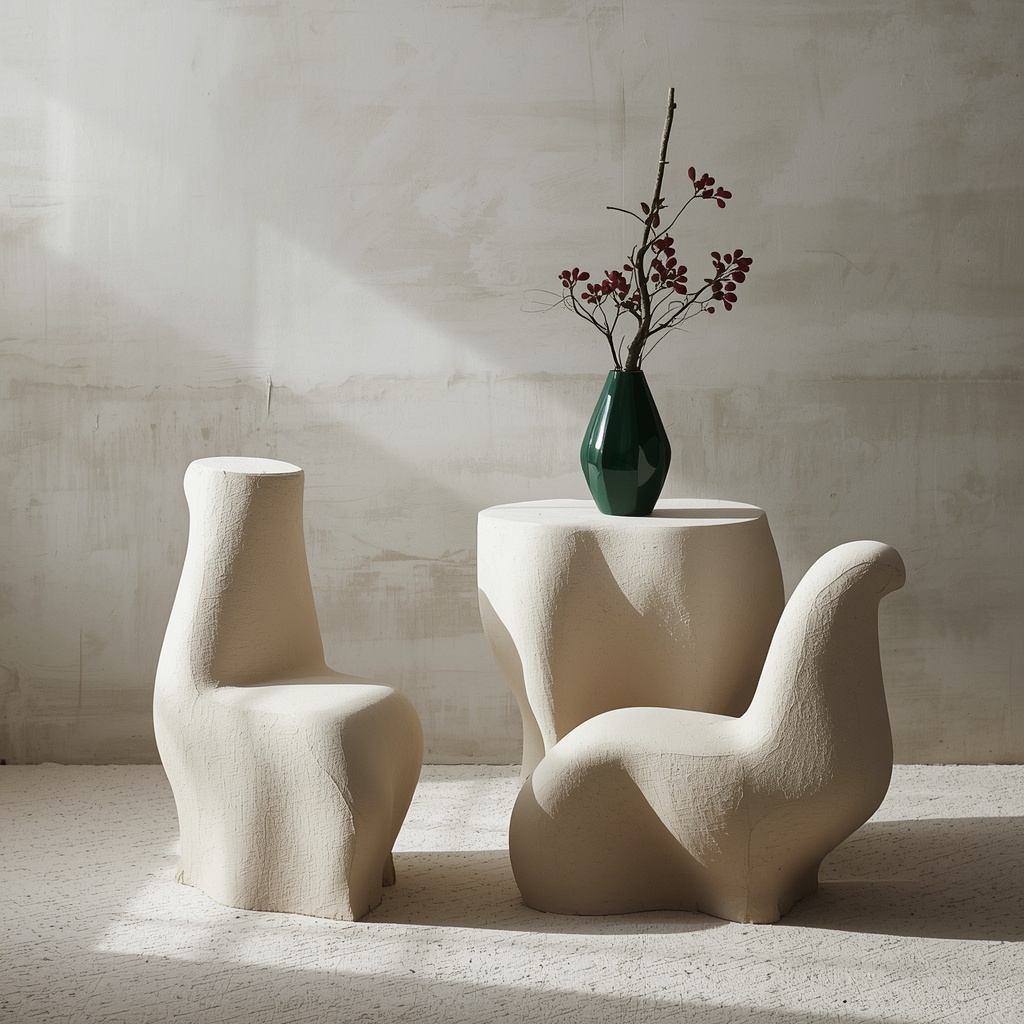
Sculptural furniture refers to pieces designed with an artistic, form-driven approach rather than a purely functional one. Think organic curves, asymmetrical silhouettes, and biomorphic shapes that mimic nature — pebbles, waves, clouds, and the human form. Unlike traditional furniture, where function dictates design, sculptural pieces flip the script: the artistic silhouette comes first, and comfort or utility is woven in afterward.
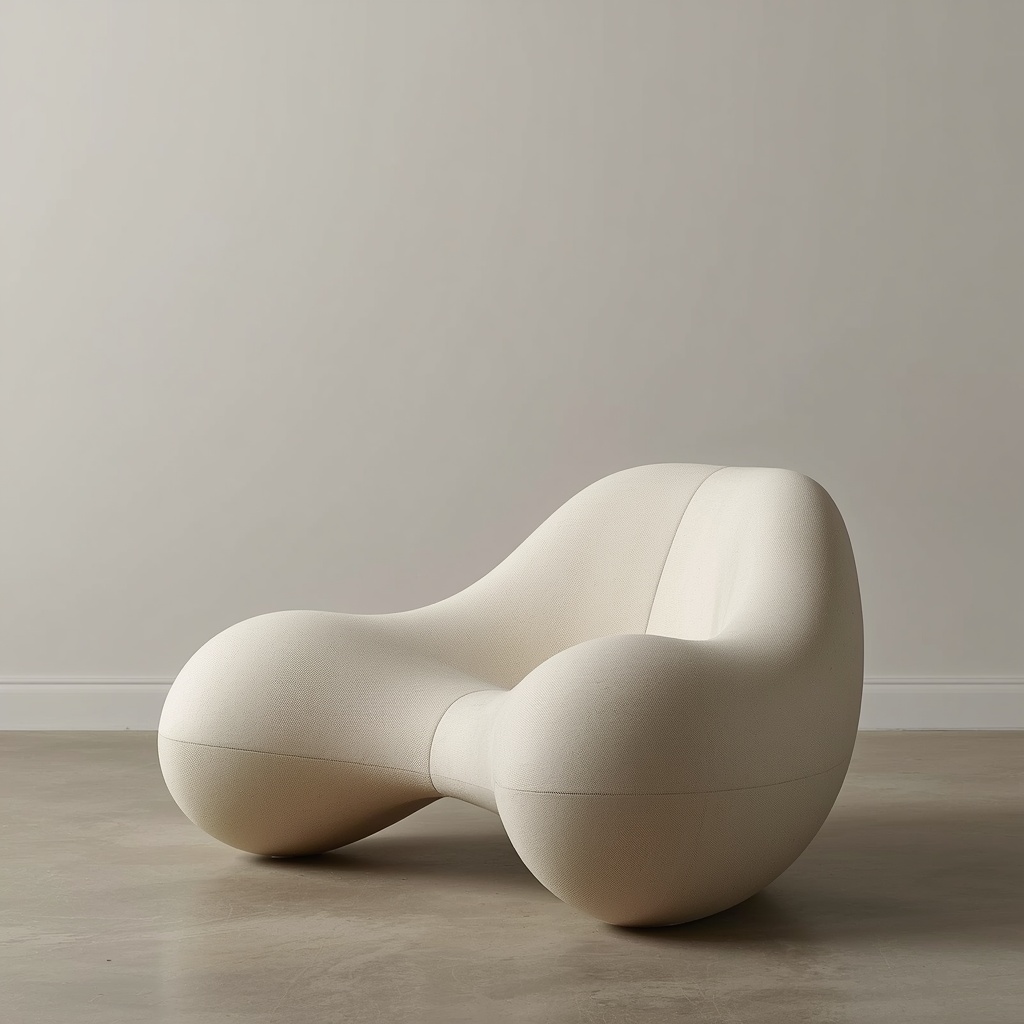
These pieces often draw from art movements like Memphis Design, Brutalism, and mid-century modern curves, reinterpreted through a contemporary lens. A sculptural coffee table might resemble a smooth river stone. A lounge chair might look like it was carved from a single block of marble, even though it’s crafted from resin or fiberglass.
“Good design is as little design as possible — but great design makes you stop and stare.” This is the philosophy behind sculptural furniture: it exists at the intersection of restraint and drama, of minimalism and maximal impact.
Why Sculptural Furniture Is Trending in US Homes
American interiors have spent the last decade favoring clean lines and neutral palettes. But minimalism fatigue is real, and homeowners are craving individuality again. Sculptural furniture answers that craving without abandoning the sophistication of modern design.
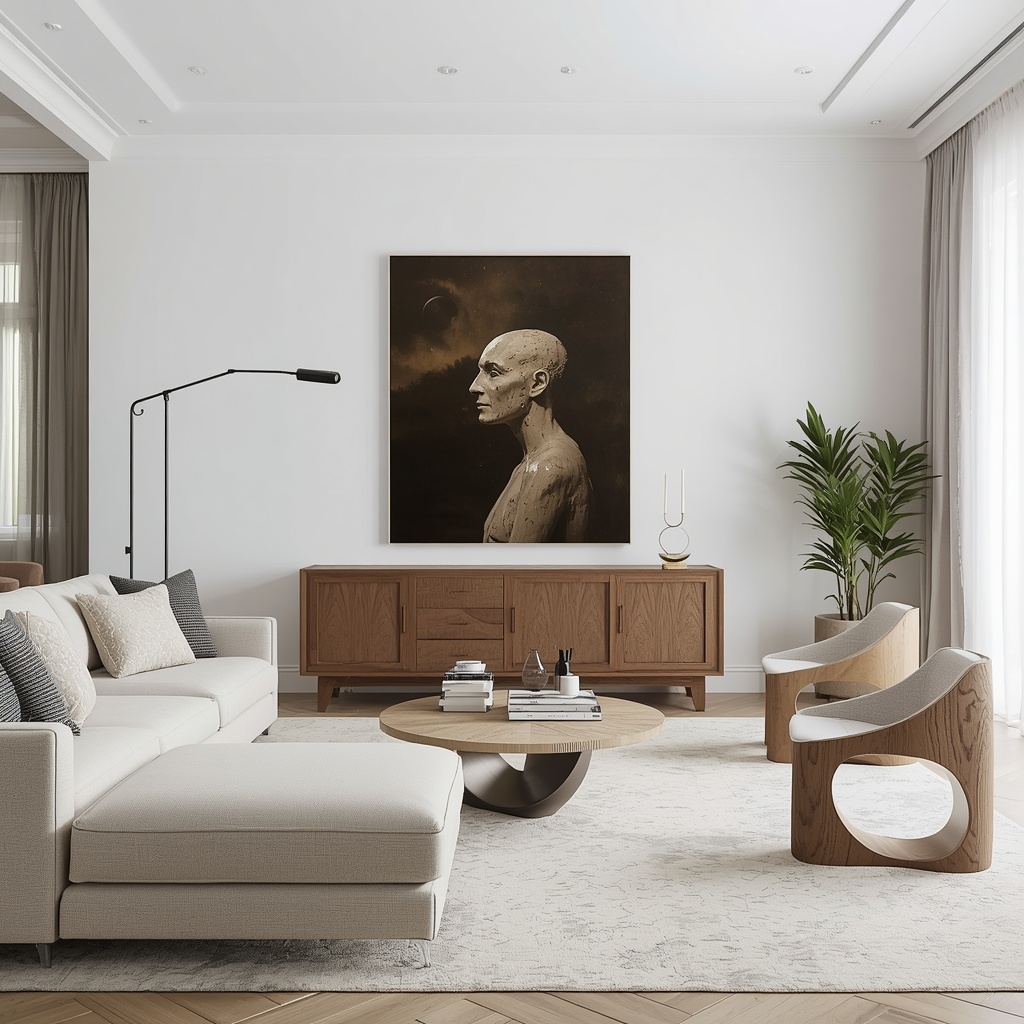
Social media has also fueled the trend. Platforms like Pinterest and Instagram reward visually striking interiors, and nothing photographs better than a curvy, gallery-worthy chair bathed in natural light. Add in the post-pandemic desire to invest in fewer, higher-quality pieces, and you have the perfect storm for art-as-furniture to go mainstream.
Key drivers behind the trend:
- Desire for individuality over mass-produced decor
- Wellness-driven design — organic shapes feel calming and human
- Investment mindset — one striking piece over several generic ones
- Social media influence — visually “shareable” interiors
- Sustainability appeal — many sculptural pieces are handcrafted in small batches
Key Characteristics of Sculptural Furniture
Not every curvy chair qualifies as sculptural. True sculptural furniture shares a few defining traits that separate it from ordinary decorative furniture. <table> <tr><th>Characteristic</th><th>What It Looks Like</th></tr> <tr><td>Organic silhouettes</td><td>Flowing, asymmetrical, nature-inspired forms</td></tr> <tr><td>Monolithic materials</td><td>Single-material construction (stone, resin, wood) for a unified look</td></tr> <tr><td>Artisan craftsmanship</td><td>Hand-finished, often limited-edition or made-to-order</td></tr> <tr><td>Dual purpose</td><td>Functions as seating/storage AND as a visual focal point</td></tr> <tr><td>Bold materiality</td><td>Unexpected textures — plaster, terrazzo, boucle, raw wood.
Popular Types of Sculptural Furniture Pieces
If you’re building a room around one or two statement items, here are the categories worth exploring:
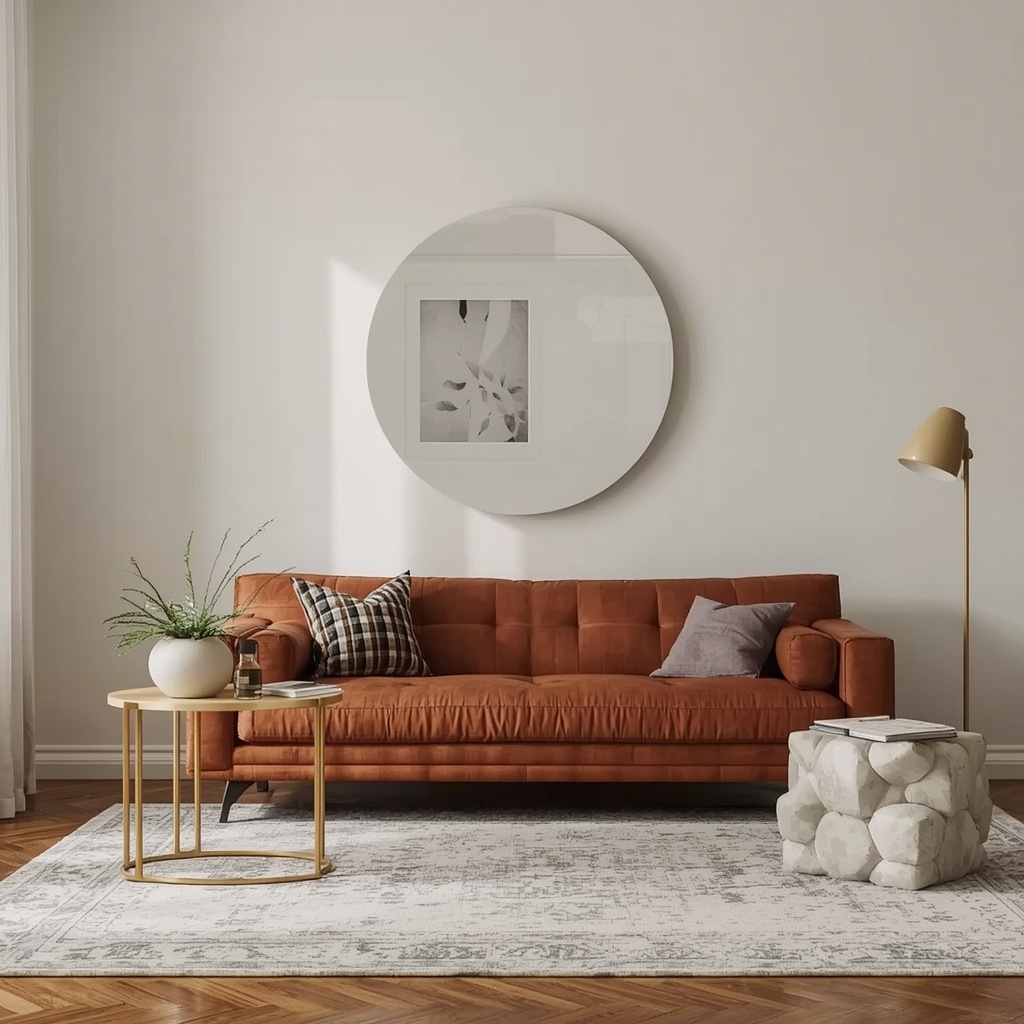
| Furniture Type | Design Inspiration | Best Room |
|---|---|---|
| Curved sofas | Wave and cloud forms | Living room |
| Organic coffee tables | River stones, geodes | Living room |
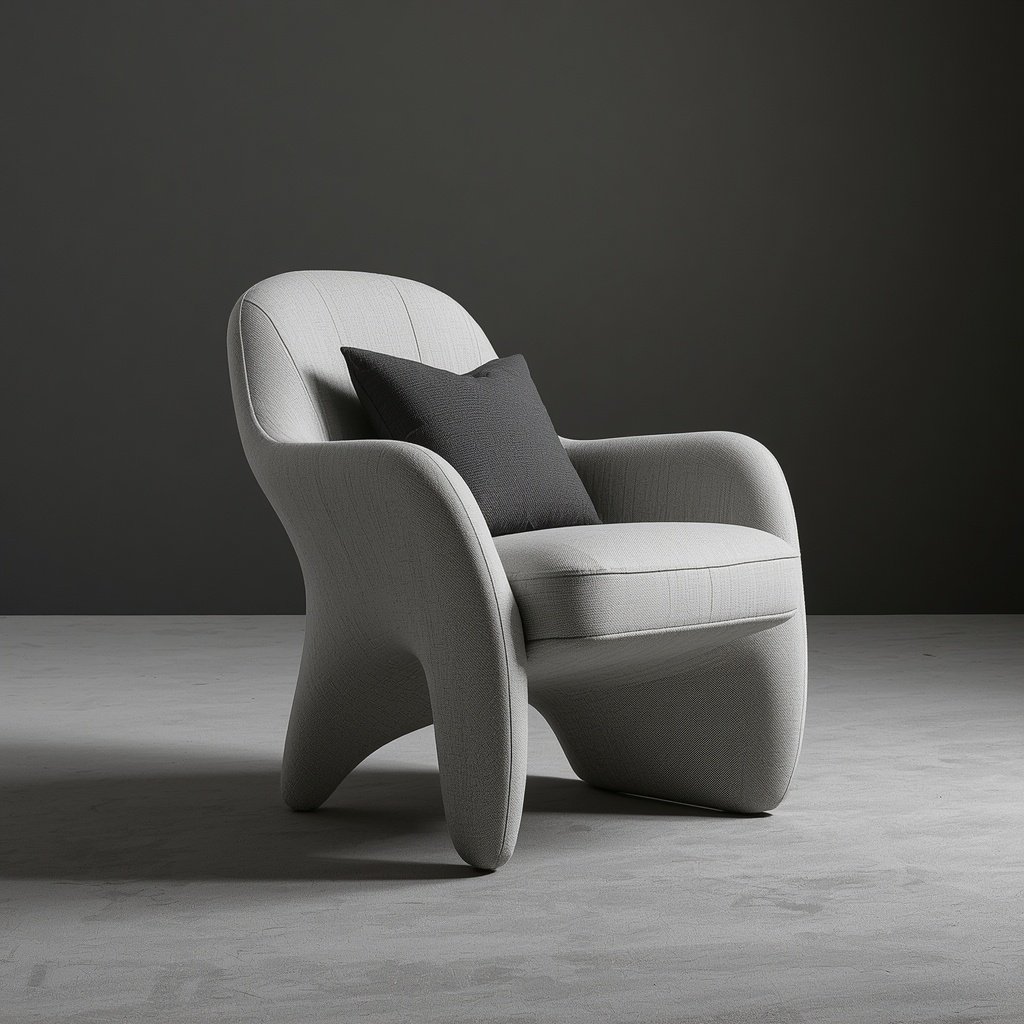
| Sculptural lounge chairs | Human silhouettes, cocoons | Reading nook, bedroom |
| Freeform mirrors | Abstract art, liquid shapes | Entryway, bedroom |
| Biomorphic side tables | Mushrooms, pebbles | Anywhere accent seating is needed |
| Artistic room dividers | Wave panels, lattice art | Open-concept spaces |
Many of these pieces take cues from legendary designers whose work still defines the category — the biomorphic tables of Isamu Noguchi, the playful geometry of the Memphis Group, and the fluid furniture of Brazilian modernists.
How to Style Sculptural Furniture in Your Home
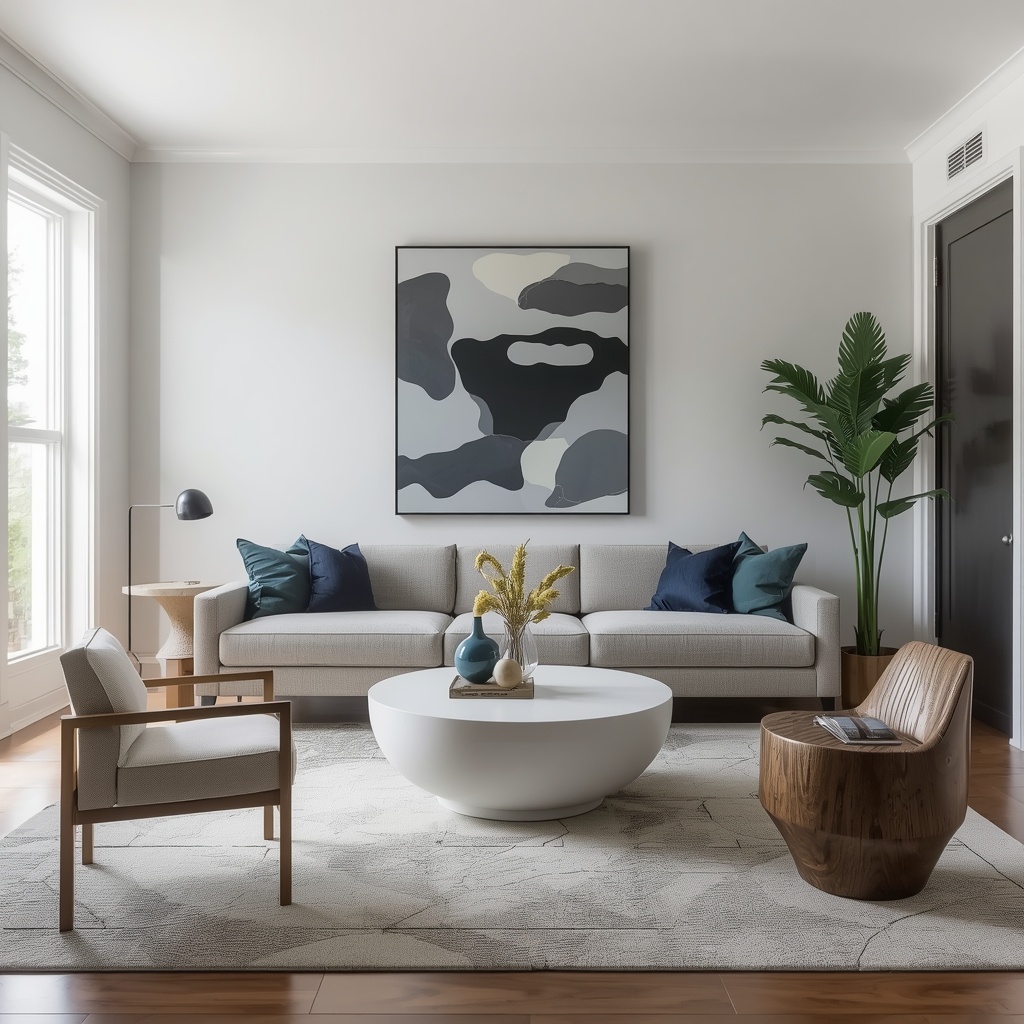
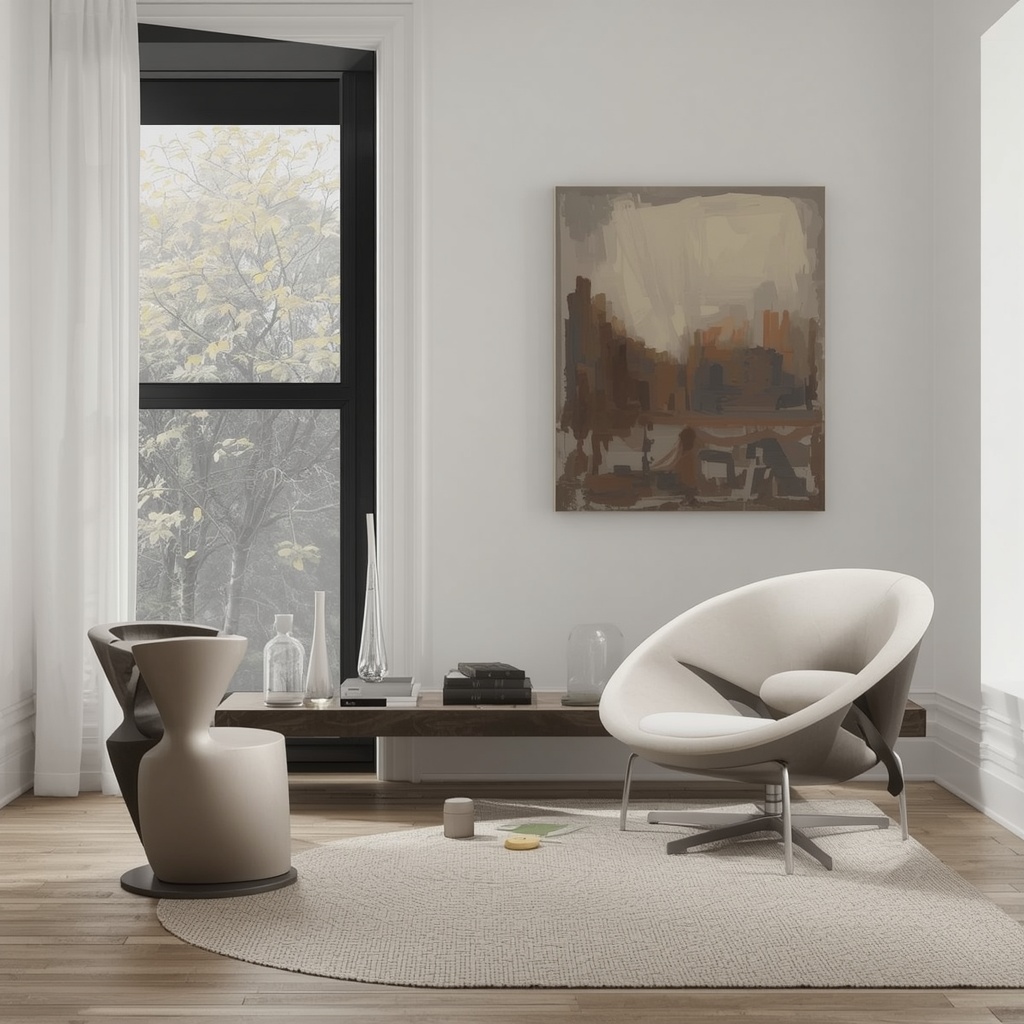
The biggest mistake homeowners make with sculptural furniture is over-decorating around it. A true statement piece needs breathing room — literally and visually — to shine.
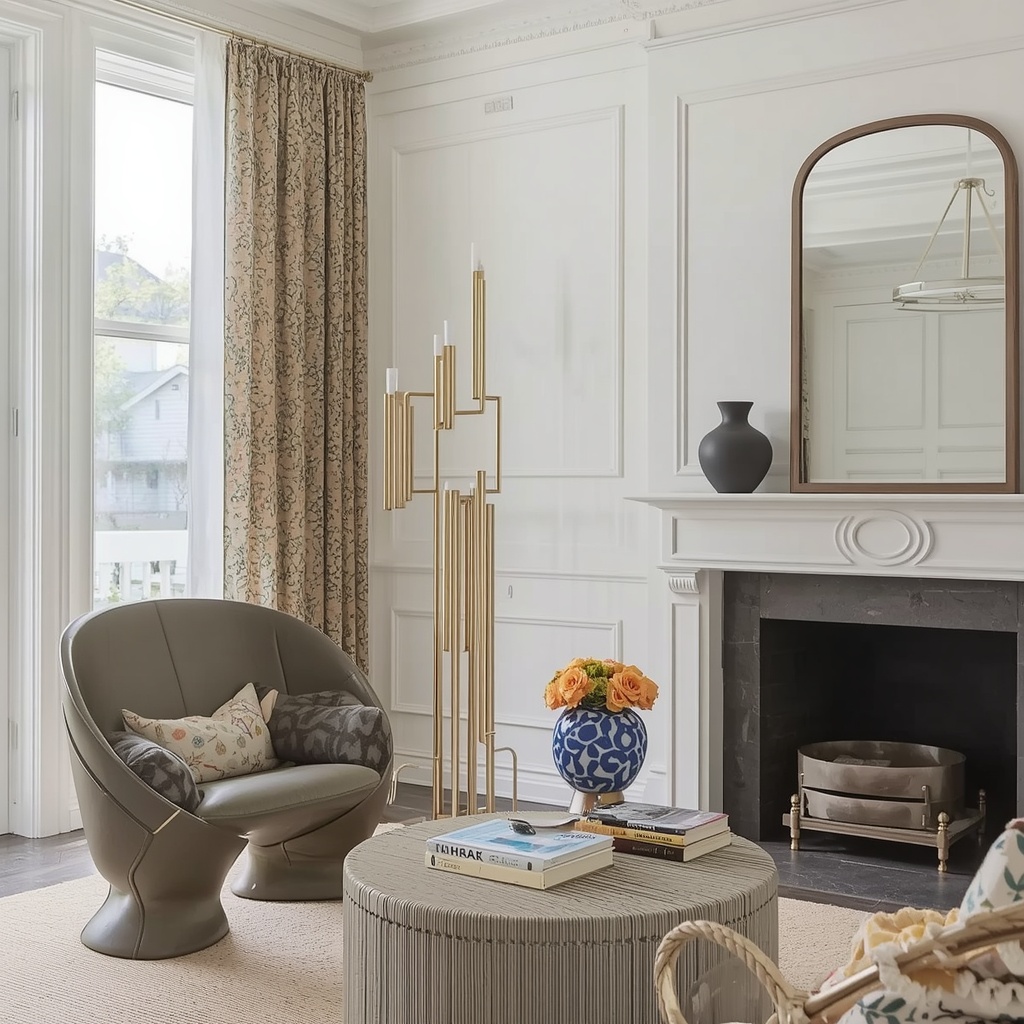
The good news is that styling doesn’t require a full renovation. A single sculptural chair, table, or mirror can transform a space when it’s given the right supporting cast. The key is restraint everywhere else in the room, letting the sculptural piece act as the visual anchor rather than competing with busy patterns or clutter.
Styling tips:
- Let it stand alone. Give your sculptural piece negative space — don’t crowd it with other bold items.
- Balance with neutral backdrops. Soft, muted walls make curvy silhouettes pop.
- Layer lighting intentionally. Uplighting or a single spotlight can turn furniture into gallery art at night.
- Mix textures, not shapes. Pair a sculptural piece with simple, straight-lined furniture for contrast.
- Treat it like art. Consider placement the way a curator would — sightlines, focal points, and negative space matter.
💡 Pro Tip: Photograph your room from the doorway before finalizing furniture placement. If your sculptural piece isn’t the first thing your eye lands on, it’s not positioned correctly.
Materials Commonly Used in Sculptural Furniture
Material choice plays a huge role in how “sculptural” a piece feels. Some of the most popular materials include:
- Resin and fiberglass — lightweight, moldable into fluid shapes
- Solid wood (walnut, oak) — carved or steam-bent into organic curves
- Plaster and microcement — soft, matte, gallery-like finishes
- Terrazzo and stone — heavy, grounding, and naturally sculptural
- Boucle and velvet upholstery — soften hard silhouettes with texture
- Metal (brass, bronze) — often used for sculptural legs or accent frames
Sculptural Furniture by Room
Different rooms call for different scales and materials of sculptural furniture. Here’s a quick reference guide: <table> <tr><th>Room</th><th>Recommended Pieces</th><th>Design Tip</th></tr> <tr><td>Living Room</td><td>Curved sofa, organic coffee table</td><td>Anchor the seating arrangement around the piece</td></tr> <tr><td>Bedroom</td><td>Sculptural lounge chair, freeform mirror</td><td>Use as a quiet reading corner accent</td></tr> <tr><td>Entryway</td><td>Abstract console, artistic mirror</td><td>First impression piece — go bold</td></tr> <tr><td>Home Office</td><td>Sculptural side table, artistic bookend</td><td>Small-scale sculptural accents work best</td></tr> <tr><td>Dining Room</td><td>Organic-shaped dining table, sculptural pendant light</td><td>Pair with simple chairs to avoid visual clutter.
Common Mistakes to Avoid
Even well-intentioned homeowners can undercut the impact of sculptural furniture. Watch out for these pitfalls:
- Overcrowding the room with too many bold pieces at once
- Ignoring scale — an oversized sculptural sofa can overwhelm a small room
- Mismatched color palettes that make the piece feel disconnected
- Choosing style over comfort entirely, especially for daily-use seating
- Skipping quality checks — cheap replicas often lose the artistic detail that makes the original special
Budget-Friendly Ways to Get the Sculptural Look
You don’t need a five-figure budget to embrace this trend. Consider these accessible entry points:
- Start with accessories: sculptural vases, abstract bookends, or organic-shaped mirrors
- Shop vintage and thrift for mid-century curved pieces
- Invest in one hero piece and keep everything else simple
- Look for emerging independent makers on platforms like Etsy for handcrafted, budget-conscious options
- Consider DIY plaster or clay accent pieces for small-scale sculptural decor
Frequently Asked Questions
Is sculptural furniture comfortable, or just for looks? Quality sculptural furniture is designed by professionals who prioritize ergonomics alongside form. That said, always test seating in person or read reviews carefully before buying online, since some artistic chairs sacrifice comfort for silhouette.
Does sculptural furniture work in small spaces? Yes — in fact, one well-chosen sculptural piece can make a small room feel curated rather than cramped, as long as you avoid overcrowding it with other large furniture.
How do I keep a room from looking like an art gallery instead of a home? Balance sculptural pieces with soft textiles, warm lighting, and personal items like books or plants. The goal is livable art, not a museum installation.
What’s the difference between sculptural furniture and statement furniture? All sculptural furniture is statement furniture, but not all statement furniture is sculptural. A statement piece can simply be bold in color or pattern, while sculptural furniture is specifically defined by its artistic, organic form.
Final Thoughts
Sculptural furniture represents a shift in how we think about our homes — not just as functional spaces, but as personal galleries that reflect who we are. Whether you invest in a single show-stopping chair or slowly build a collection of artistic accents, this trend rewards intentionality over impulse.
The best part? You don’t need to overhaul your entire home to embrace it. Start small, choose pieces that genuinely move you, and let your space evolve into something that feels less like a showroom and more like a curated expression of art you actually live in.