
Walk into any beautifully styled American home today and you’ll likely spot one of two things on the console table: a moody vase of pampas grass and bunny tails, or a fresh, dew-kissed bouquet of garden roses. Both looks are having a moment, and both have earned a permanent spot in modern interior design. But when it comes to your home, your budget, and your lifestyle, which one actually makes sense?
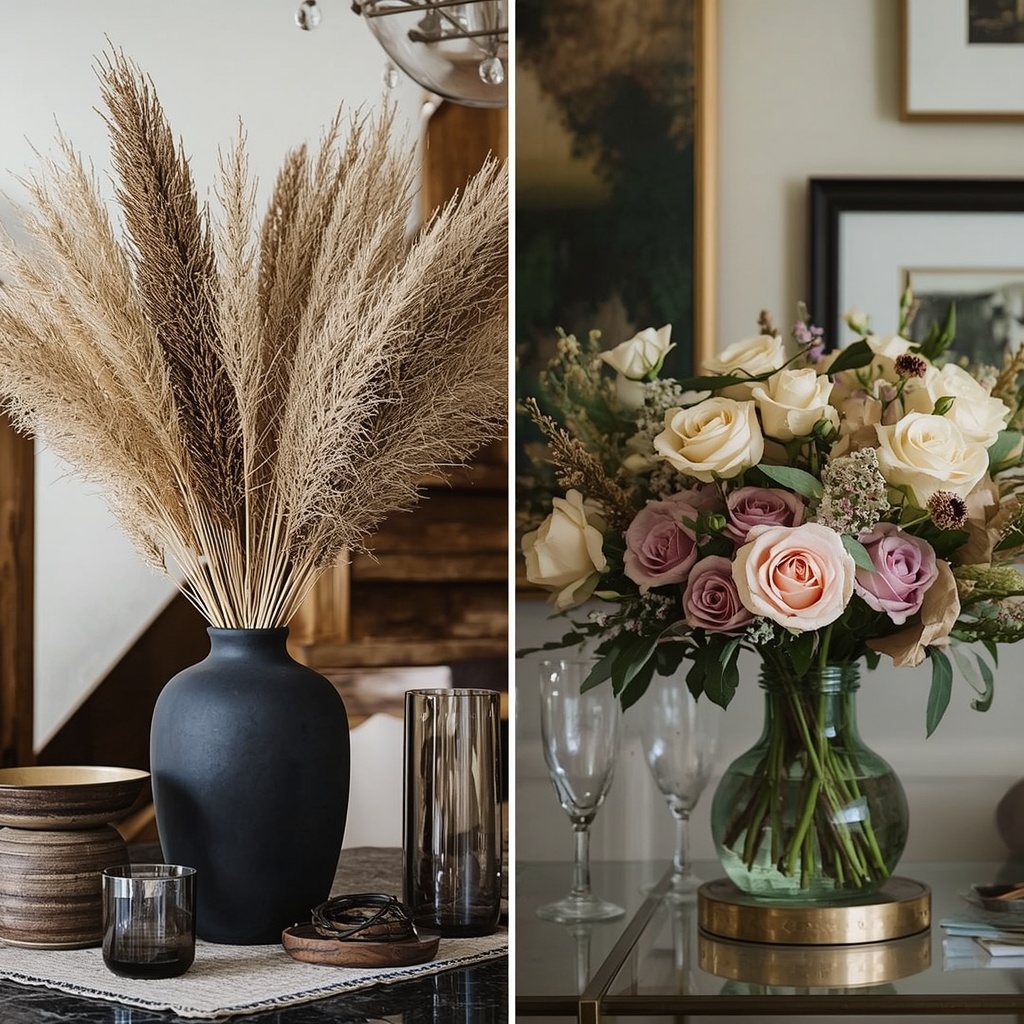
As an interior designer who works with clients across the country on home decor projects big and small, I get this question constantly: “Should I go with dried florals or fresh flowers?” The honest answer is — it depends on your space, your maintenance tolerance, and the mood you’re trying to create. Let’s break it down room by room, dollar by dollar, and season by season, so you can make the choice that’s right for your home.
What’s Driving the Dried Florals Trend?
Dried floral arrangements have exploded in popularity over the last few years, and it’s not just a passing aesthetic fad. Homeowners are gravitating toward dried botanicals — think pampas grass, dried lavender, eucalyptus, wheat stems, and preserved hydrangeas — because they offer something fresh flowers simply can’t: longevity paired with a soft, textural, boho-meets-modern look.
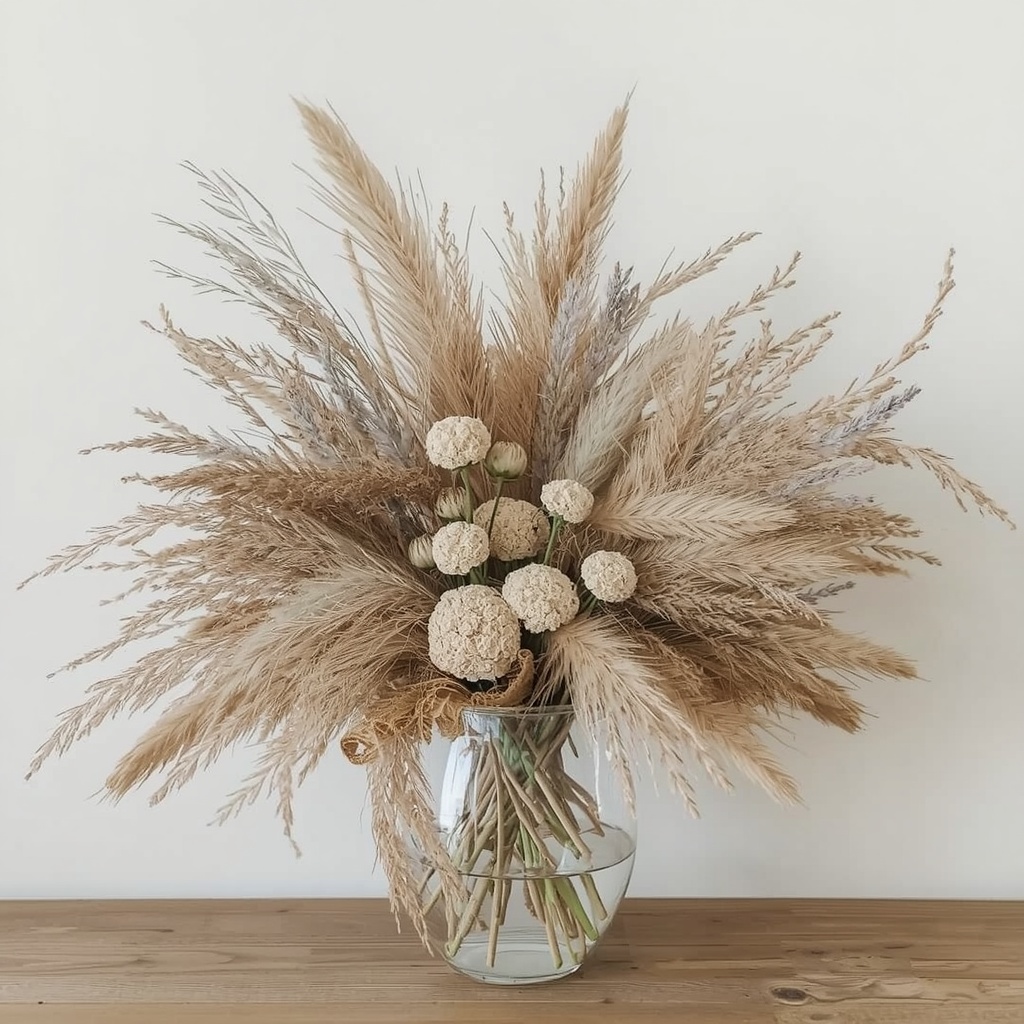
Dried florals also tap into the broader sustainable decor movement. With no water, refrigeration, or replanting required, they have a lower environmental footprint over their lifespan than a bouquet you replace every week. For renters, busy professionals, and anyone who has ever forgotten to change vase water (we’ve all been there), dried arrangements are a forgiving, low-maintenance decor solution that still delivers major visual impact.
“Dried florals aren’t a downgrade from fresh — they’re a completely different design language. They bring warmth, texture, and permanence to a room in a way fresh flowers, by nature, can’t.” — a common sentiment among today’s interior stylists
The Timeless Appeal of Fresh Flowers
There’s a reason fresh flowers have never gone out of style: nothing replicates the vibrancy, fragrance, and life they bring into a space. A bouquet of peonies on a kitchen island or a bundle of ranunculus by the entryway signals freshness, hospitality, and attention to detail in a way that’s hard to fake.
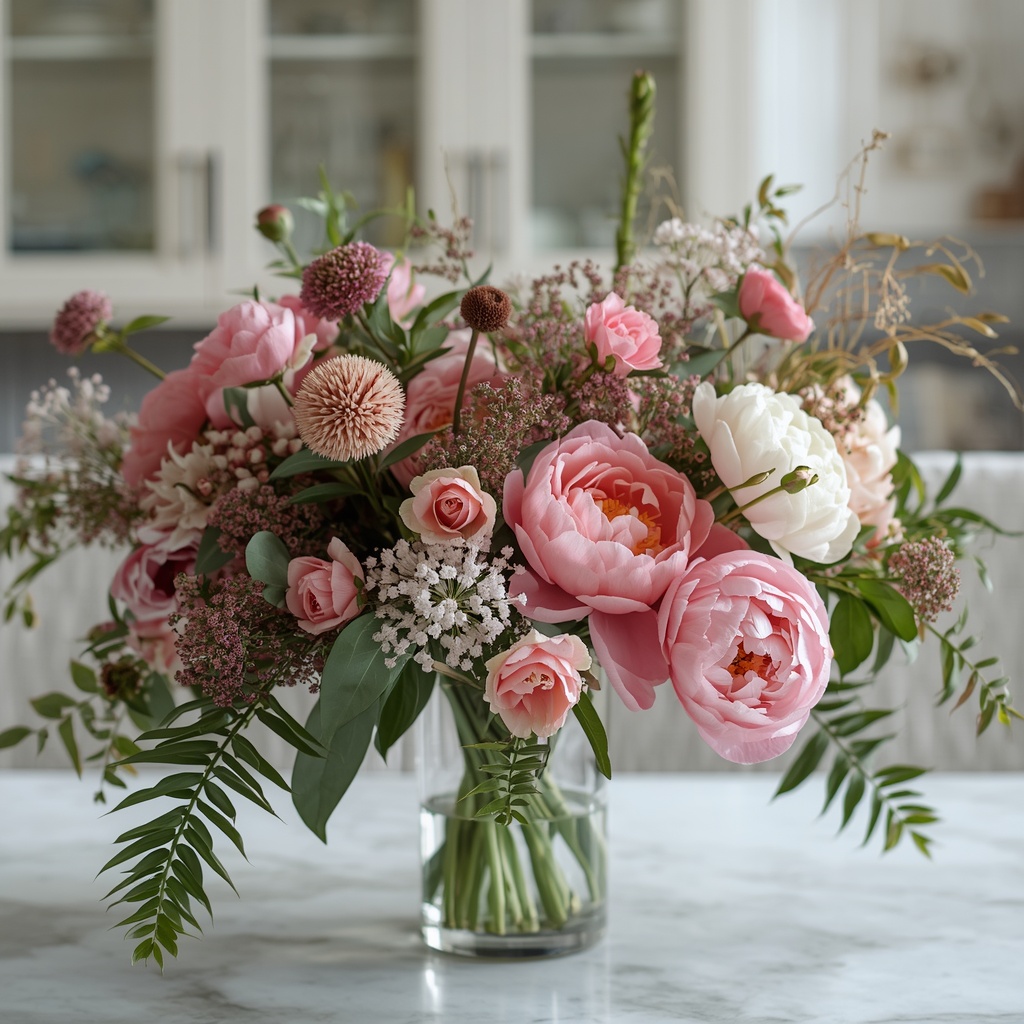
Fresh flowers are also inherently seasonal, which means they naturally rotate your decor throughout the year — tulips and daffodils in spring, sunflowers and dahlias in summer, chrysanthemums in fall, amaryllis and evergreen sprigs in winter. This built-in seasonal decor rhythm keeps a home feeling current and alive, something static arrangements can’t fully replicate no matter how well-designed they are. <div style=”border-left: 4px solid #a67c52; padding: 12px 16px; background: #faf7f2; margin: 20px 0;”> <strong>🌿 Pro Tip:</strong> If you love the look of fresh flowers but not the upkeep, buy stems that dry beautifully as they age — like hydrangeas, lavender, statice, or baby’s breath. You get fresh blooms for week one and a graceful dried arrangement for months after, with zero extra effort.
Dried Florals vs. Fresh Flowers: Side-by-Side Comparison
Before you commit to one over the other, it helps to see the practical trade-offs laid out clearly. Here’s how the two options stack up across the factors that matter most to homeowners.
| Factor | Dried Florals | Fresh Flowers |
|---|---|---|
| Lifespan | Months to years | 5–10 days on average |
| Maintenance | Occasional dusting | Water changes, trimming, feeding |
| Cost over time | Higher upfront, cheaper long-term | Lower upfront, recurring cost |
| Fragrance | Minimal to none | Natural, often strong |
| Color vibrancy | Muted, earthy tones | Bright, saturated hues |
| Best design style | Boho, rustic, minimalist, coastal | Traditional, romantic, transitional |
| Seasonal flexibility | Fixed look year-round | Naturally rotates with seasons |
| Sustainability | Lower ongoing water/energy use | Higher resource use if replaced weekly |
| Allergy-friendliness | Generally low-allergen | Can trigger pollen allergies |
| Pet/child safety | Some dried plants are toxic if chewed | Some fresh flowers are toxic if ingested |
As you can see, there’s no universal winner — it’s a genuine trade-off between upfront investment, ongoing care, and the visual energy you want your home decor to convey.
Which Rooms Suit Which Florals?
Not every room calls for the same floral treatment. Matching the right type of arrangement to the right space is where interior design expertise really pays off.
Rooms where dried florals shine:
- Home offices, where low maintenance means one less thing to manage
- Bathrooms, where humidity can shorten the life of fresh stems
- Entryways and mudrooms that don’t get daily attention
- Bookshelves and styled vignettes that need consistent, “always-on” polish
- Bedrooms, where soft, muted tones support a calming atmosphere
Rooms where fresh flowers shine:
- Dining tables, especially for entertaining or special occasions
- Kitchen islands, where fragrance and color add everyday life
- Living rooms during holidays or seasonal refreshes
- Powder rooms for guests, where a quick fragrant impression matters
- Bedside tables, if you enjoy a gentle floral scent while you sleep
Four short lines worth remembering: fresh flowers thrive where they’re seen and tended daily. Dried florals thrive where consistency matters more than daily fuss. Choose fresh for spaces tied to hospitality and occasion. Choose dried for spaces built around calm, low-effort beauty.
Cost Breakdown: What You’ll Actually Spend
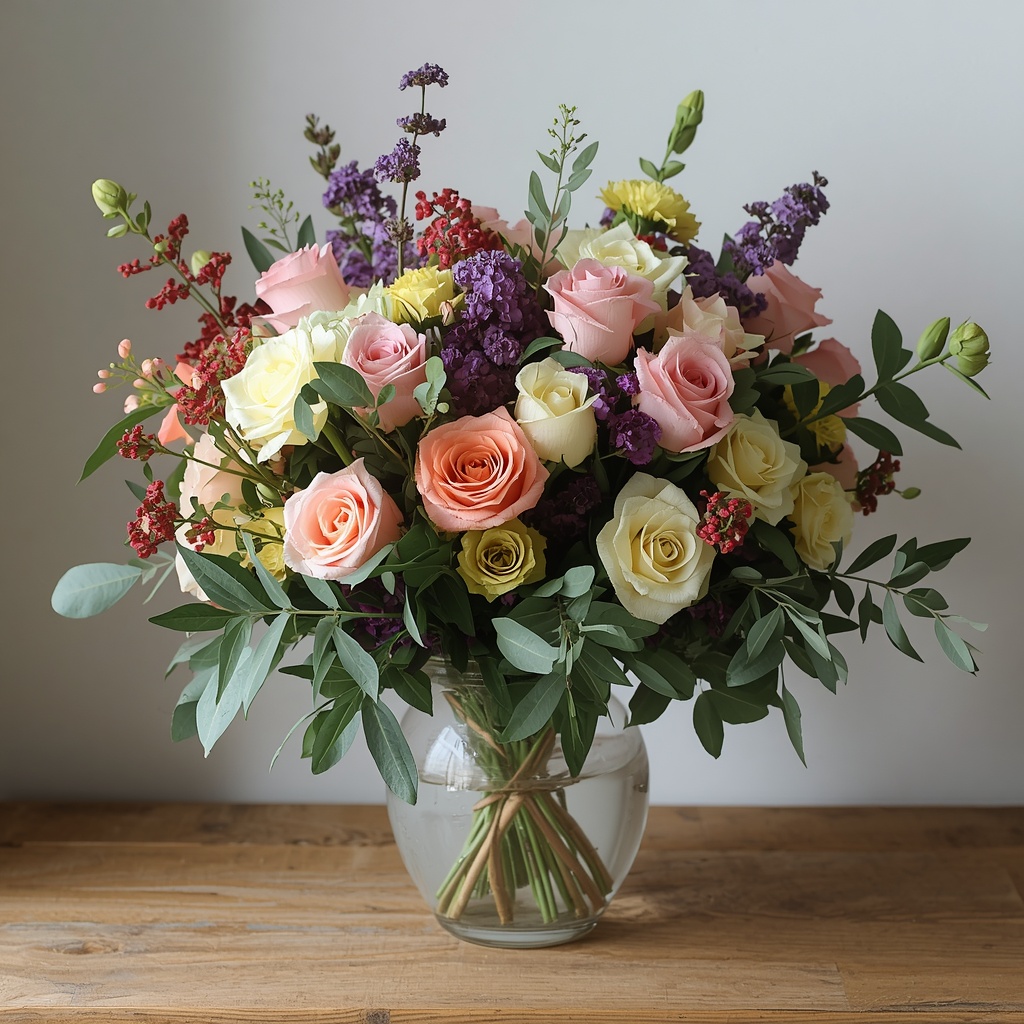
Budget is often the deciding factor, and the math tells an interesting story. A single fresh bouquet from a local florist or grocery store typically runs $15–$40, and most last less than two weeks before wilting. If you’re refreshing a vase weekly or biweekly, that adds up to $400–$800+ per year for just one arrangement.
Dried florals, by contrast, often cost more per stem initially — a high-quality dried pampas grass bundle can run $20–$60 — but that same arrangement can last one to three years with minimal care. Amortized over time, dried florals are almost always the more budget-friendly home decor investment, even though the sticker price feels higher on day one. <div style=”border-left: 4px solid #a67c52; padding: 12px 16px; background: #faf7f2; margin: 20px 0;”> <strong>🌿 Pro Tip:</strong> Mix both. Use a statement dried arrangement as your “base layer” decor piece, then rotate a small vase of seasonal fresh flowers nearby. You get long-term visual structure plus the ever-changing life of fresh blooms — without doubling your florist budget. </div>
Design Styles That Favor Each Option
Your home’s existing aesthetic should heavily influence this decision. Interior design isn’t just about individual objects — it’s about cohesion.
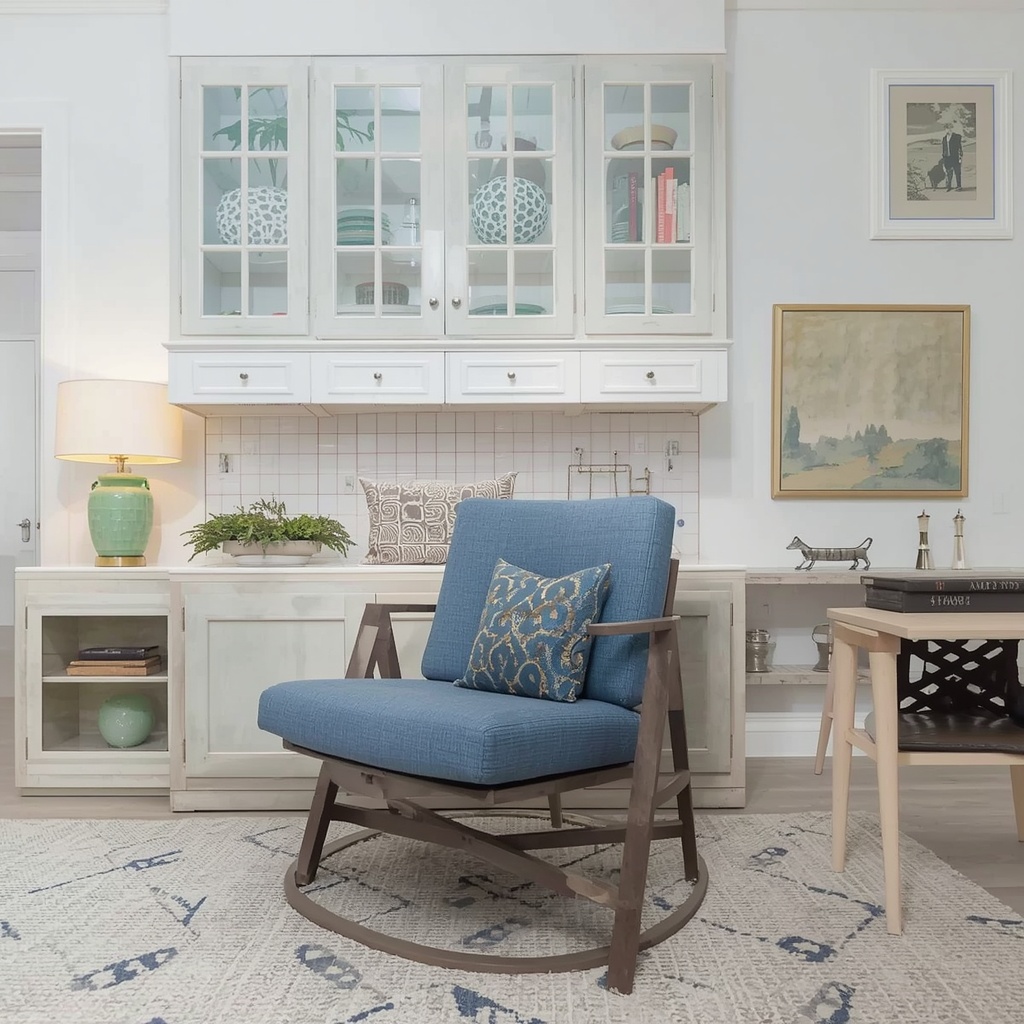
- Modern minimalist homes — Dried florals in neutral, sculptural forms (think single stems of pampas grass or bunny tail grass) complement clean lines and negative space beautifully.
- Boho and coastal interiors — Dried eucalyptus, wheat, and lavender lean naturally into the relaxed, textural, sun-bleached palette these styles favor.
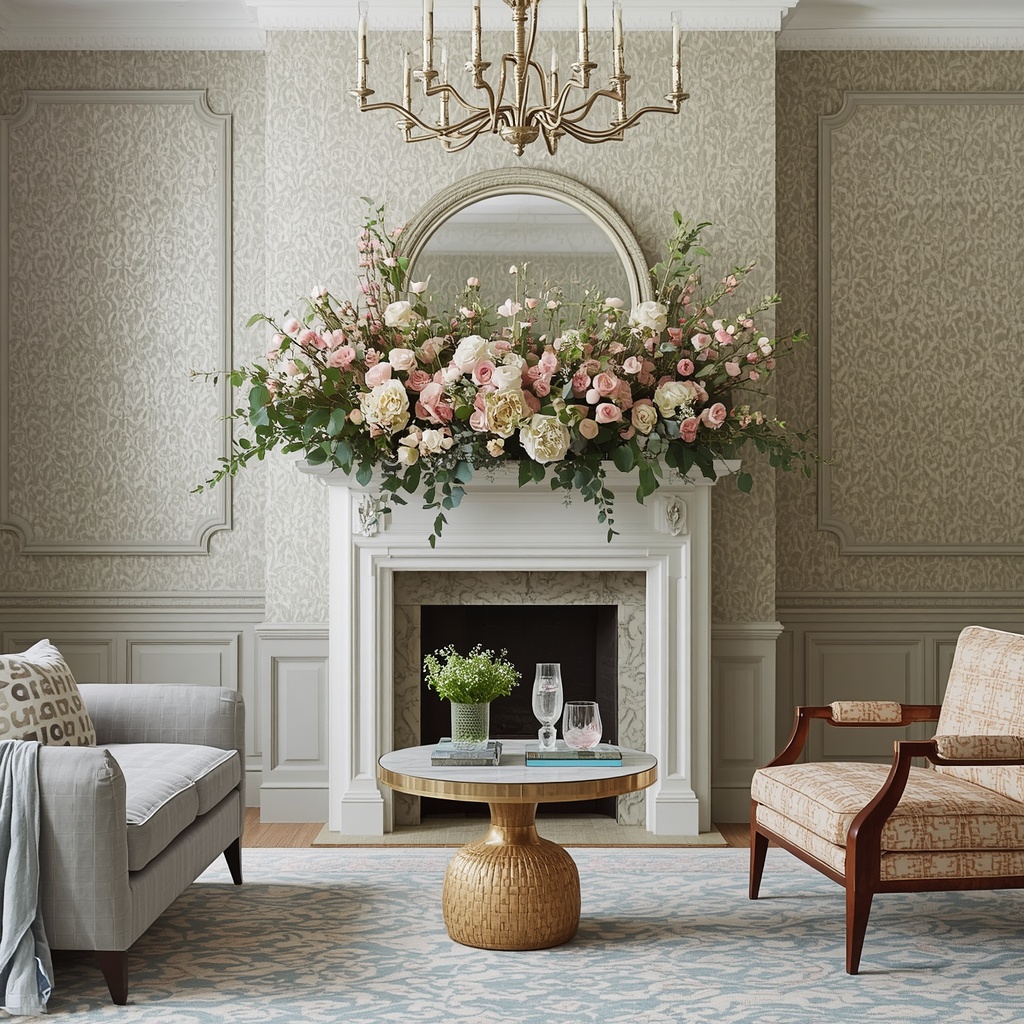
- Traditional and romantic spaces — Fresh garden roses, peonies, and hydrangeas suit ornate furniture, floral wallpaper, and classic color palettes.
- Transitional homes — A blend works best here: dried florals as a permanent structural element, fresh flowers layered in seasonally for warmth.
- Farmhouse style — Dried wheat, cotton stems, and wildflower bunches reinforce the rustic, lived-in charm this style is known for.
Sustainability and Environmental Considerations
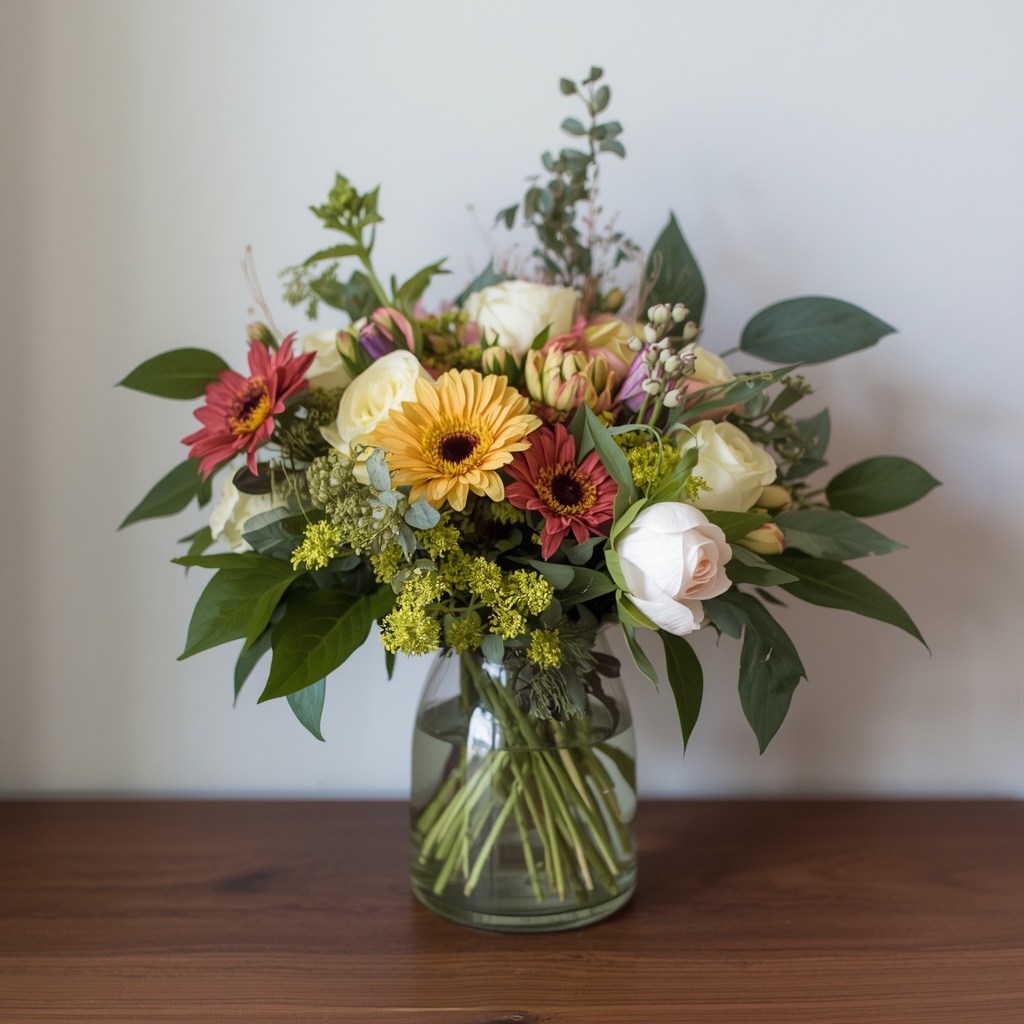
If eco-conscious living factors into your decor decisions, it’s worth understanding the full picture. Fresh-cut flowers, particularly those imported from overseas, carry a real environmental cost — refrigerated transport, water usage, and pesticide application all contribute to their footprint, and most end up in landfill within two weeks.
Dried florals sidestep most of that ongoing impact, and many are sourced from naturally dried grasses and grains that require no special cultivation. That said, dried arrangements aren’t entirely impact-free: some are imported, dyed, or treated with preservatives like glycerin or hairspray-based sealants. If sustainability is a top priority, look for locally sourced, naturally dried, or DIY air-dried florals grown right here in the US, and choose fresh flowers from a local farmer’s market or flower farm over imported grocery store bouquets when possible.
“Sustainable design isn’t about picking dried over fresh — it’s about sourcing thoughtfully, whichever you choose.” — a principle worth keeping front of mind
Maintenance and Care: What to Expect
Understanding the real day-to-day upkeep helps set expectations before you buy.
Caring for fresh flowers:
- Change water every 2–3 days and re-trim stems at an angle
- Keep away from direct sunlight and heating vents
- Add flower food or a homemade sugar-vinegar solution to extend life
- Remove wilted blooms promptly to keep the arrangement looking fresh
- Keep out of reach of pets, as many popular flowers are toxic if chewed
Caring for dried florals:
- Dust gently every few weeks with a soft brush or hairdryer on the cool setting
- Keep out of direct, prolonged sunlight to prevent fading
- Store away from high humidity, which can cause mold or wilting
- Avoid placing near open flames, as dried botanicals are flammable
- Handle gently, as dried stems can become brittle over time
Making the Hybrid Approach Work
You don’t actually have to choose just one. Many of the most polished, editorial-looking homes use both dried and fresh florals in intentional layers — dried arrangements as the “bones” of a vignette, with a small rotating vase of fresh, seasonal stems added on top. This hybrid approach gives you year-round visual consistency without sacrificing the vitality that only fresh blooms provide.
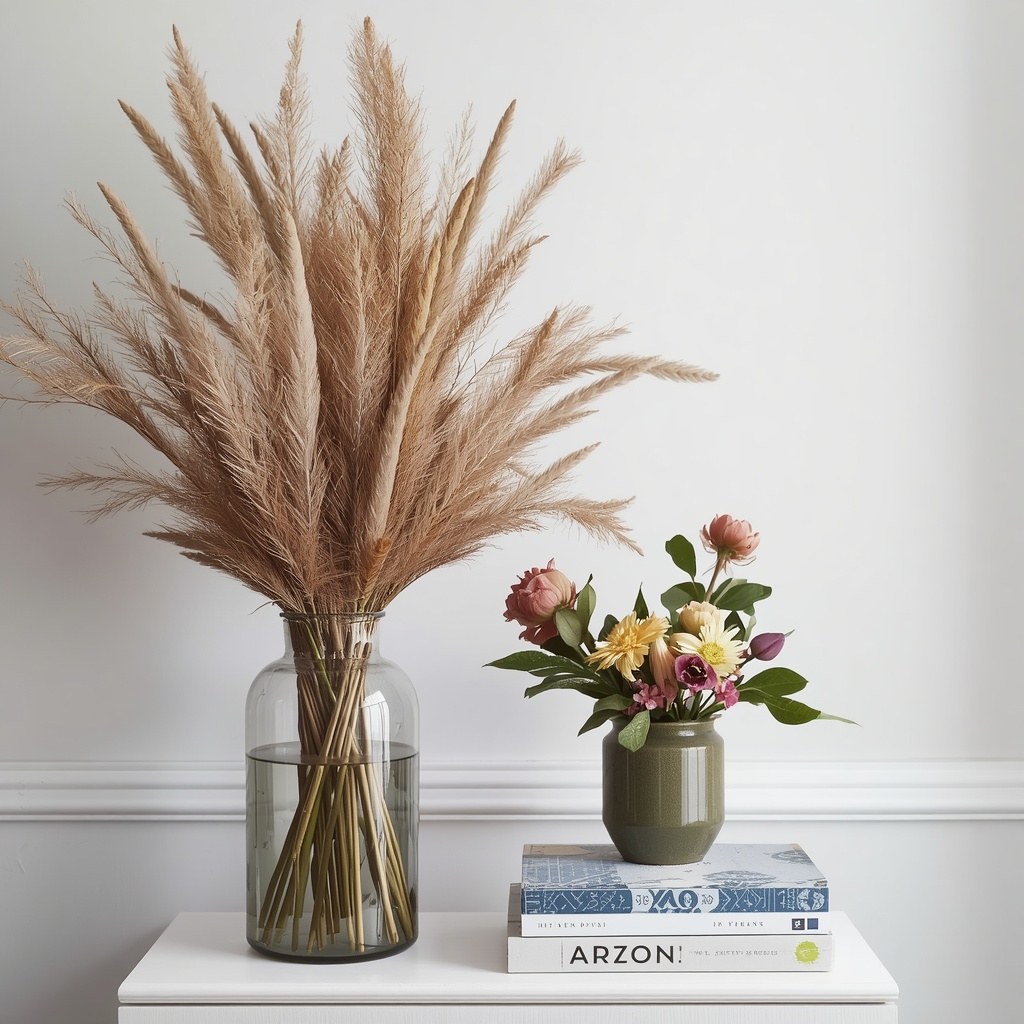
Try pairing a large dried pampas arrangement on the floor beside your sofa with a small bud vase of fresh ranunculus on the coffee table. The contrast in texture, height, and color creates dimension that neither option achieves fully on its own — and it’s a favorite styling trick among interior designers for exactly that reason.
Final Thoughts: Trust Your Space and Lifestyle
There’s no universally “correct” answer to dried florals vs. fresh flowers — only what’s correct for your home, your schedule, and the mood you want to live in every day. If you crave low-maintenance beauty, sustainable decor, and a warm, textural aesthetic, dried florals are hard to beat. If you love fragrance, vibrant color, and the ritual of refreshing your space seasonally, fresh flowers will always deliver something dried arrangements can’t.
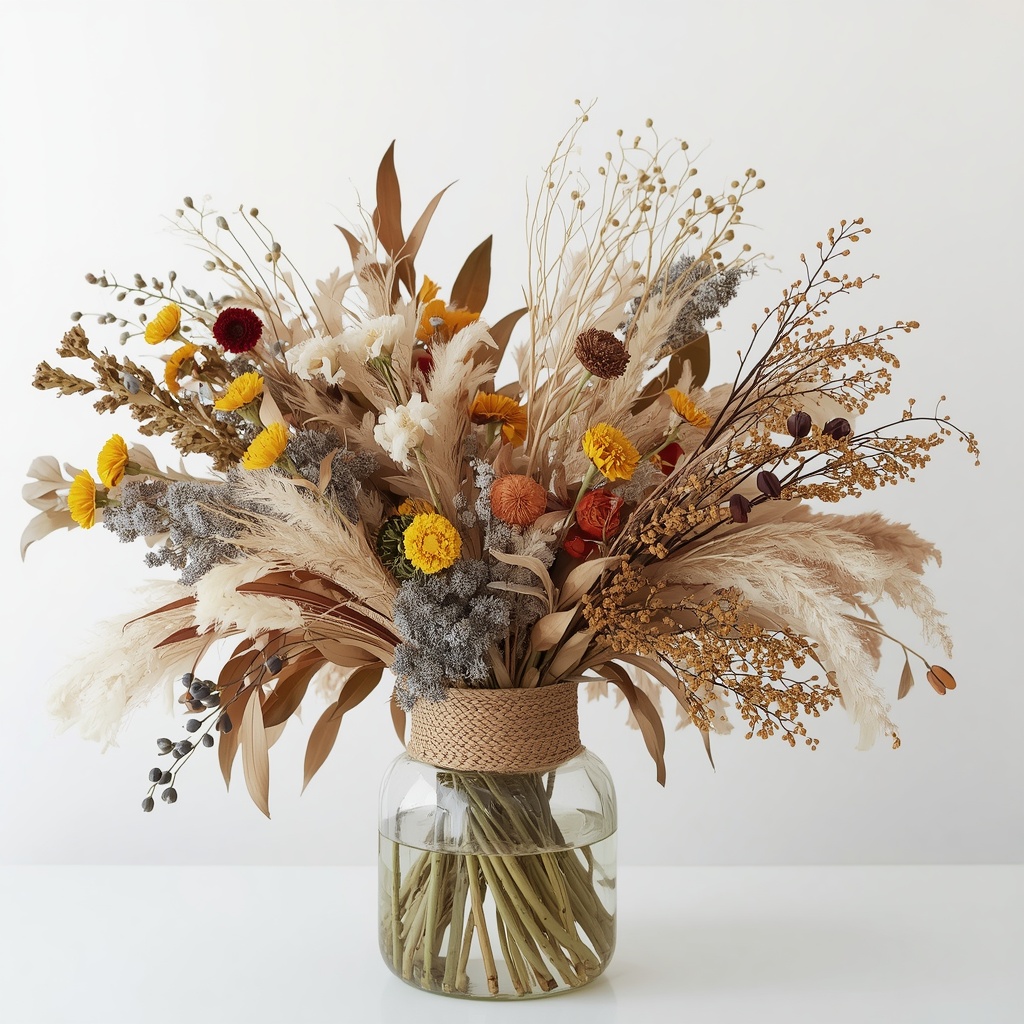
Whichever direction you choose, remember that florals — dried or fresh — are one of the easiest, most affordable ways to transform a room’s entire personality. Start small, experiment with both, and let your home tell you what it needs.