
Ever walked into a friend’s house and wondered how it always looks like a magazine spread, even on a random Tuesday? It’s not luck, and it’s definitely not a bigger budget for cleaning services. As an interior designer who has spent years helping American homeowners transform cluttered spaces into calm, functional ones, I can tell you the secret isn’t a secret at all.
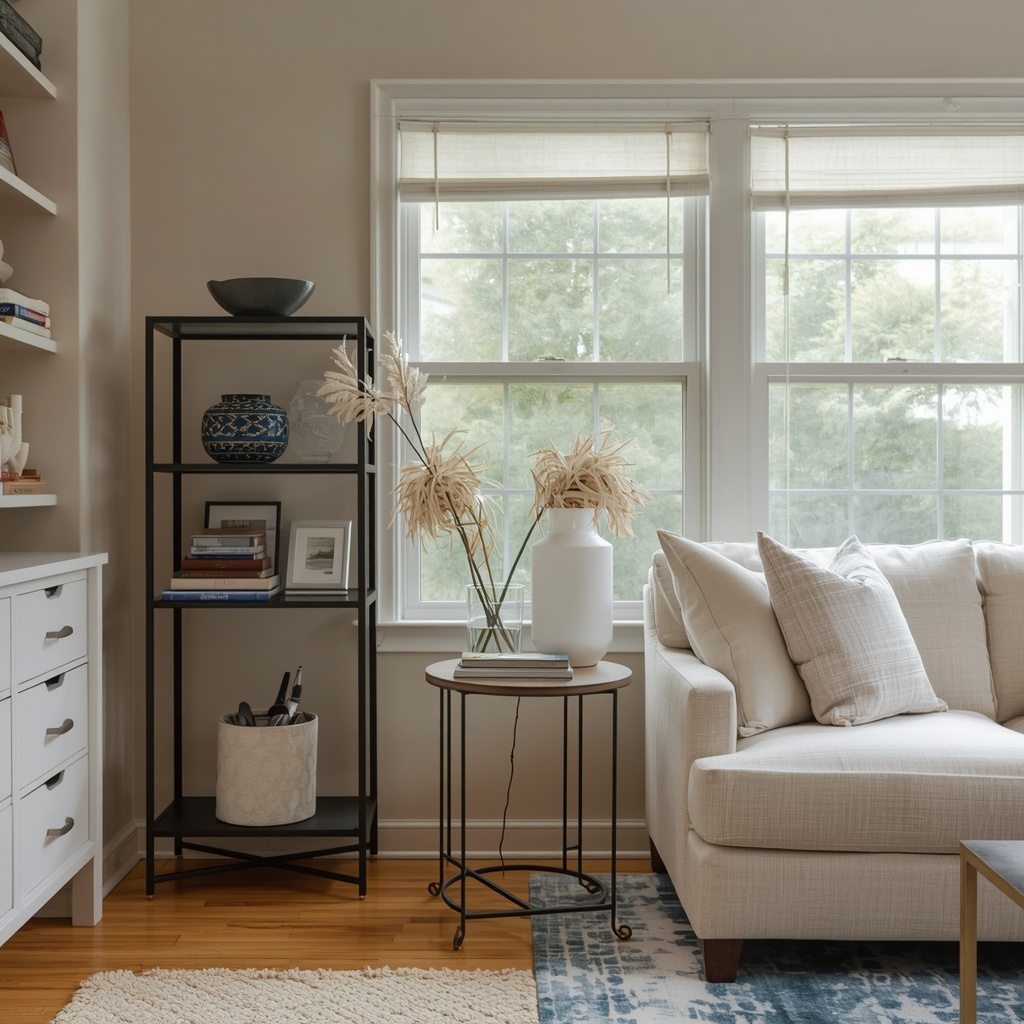
It comes down to small, repeatable habits. People with consistently tidy homes aren’t chasing perfection during a weekend deep-clean marathon. They’ve built a lifestyle around home organization, decluttering, and intentional home decor that makes mess the exception, not the rule. In this guide, I’ll walk you through the exact habits, routines, and design principles that keep a home looking effortlessly put-together — and how you can start applying them today.
Why Some Homes Stay Clean While Others Don’t
The difference between a chronically cluttered home and a consistently organized one usually isn’t effort — it’s system design. Homes that stay clean are built around workflows that make tidiness the path of least resistance, not an uphill battle fought every weekend.
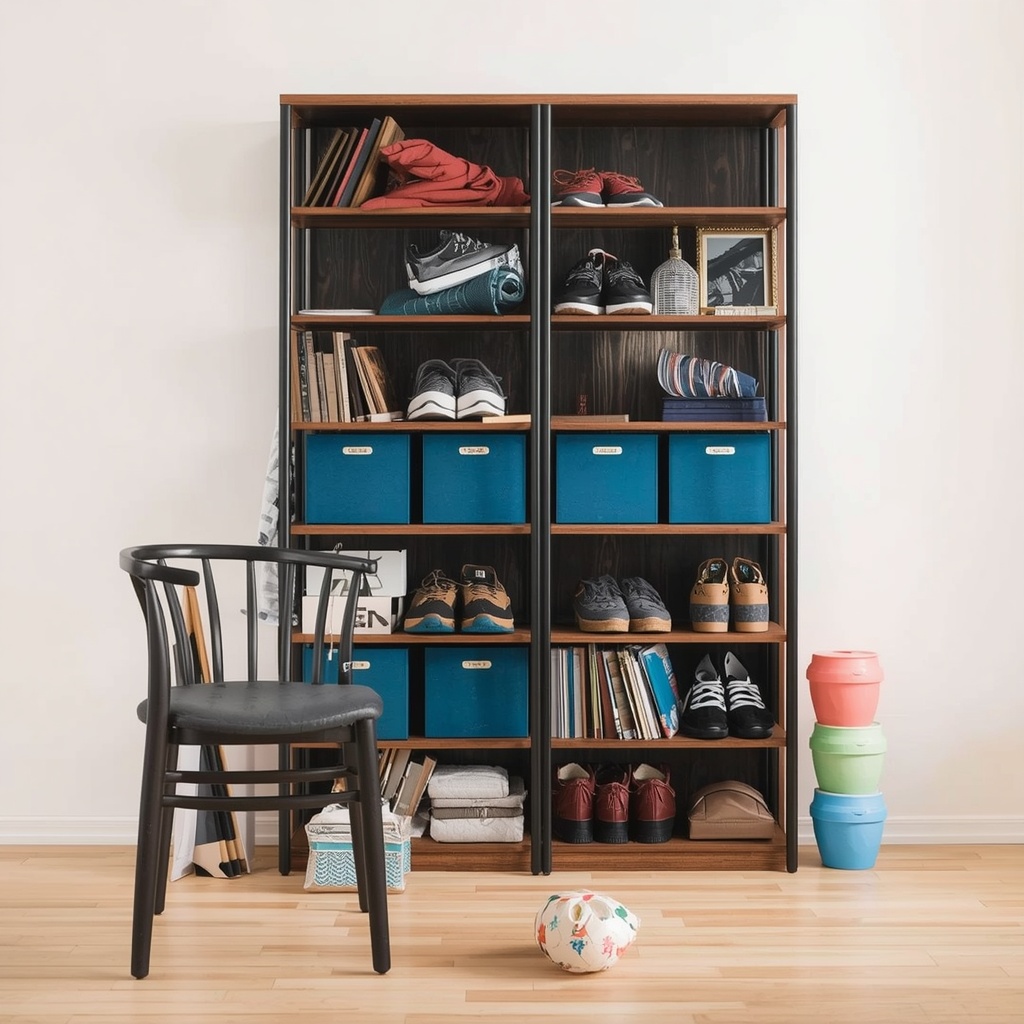
Think of your home like a well-run small business. Every item has a job, a location, and a “return policy.” When that structure exists, maintaining order takes minutes a day instead of hours every week. When it doesn’t, clutter accumulates because there’s no default place for anything to go.
“A home is not organized because it’s empty. It’s organized because everything has a purpose and a place.” — a principle every professional organizer swears by.
Habit #1: They Make the Bed Every Morning
This sounds almost too simple to matter, but making your bed is one of the most consistent habits among people with tidy homes. It’s a two-minute task that instantly makes an entire room look 50% more put together, and it sets a “tidy mindset” tone for the rest of the day.
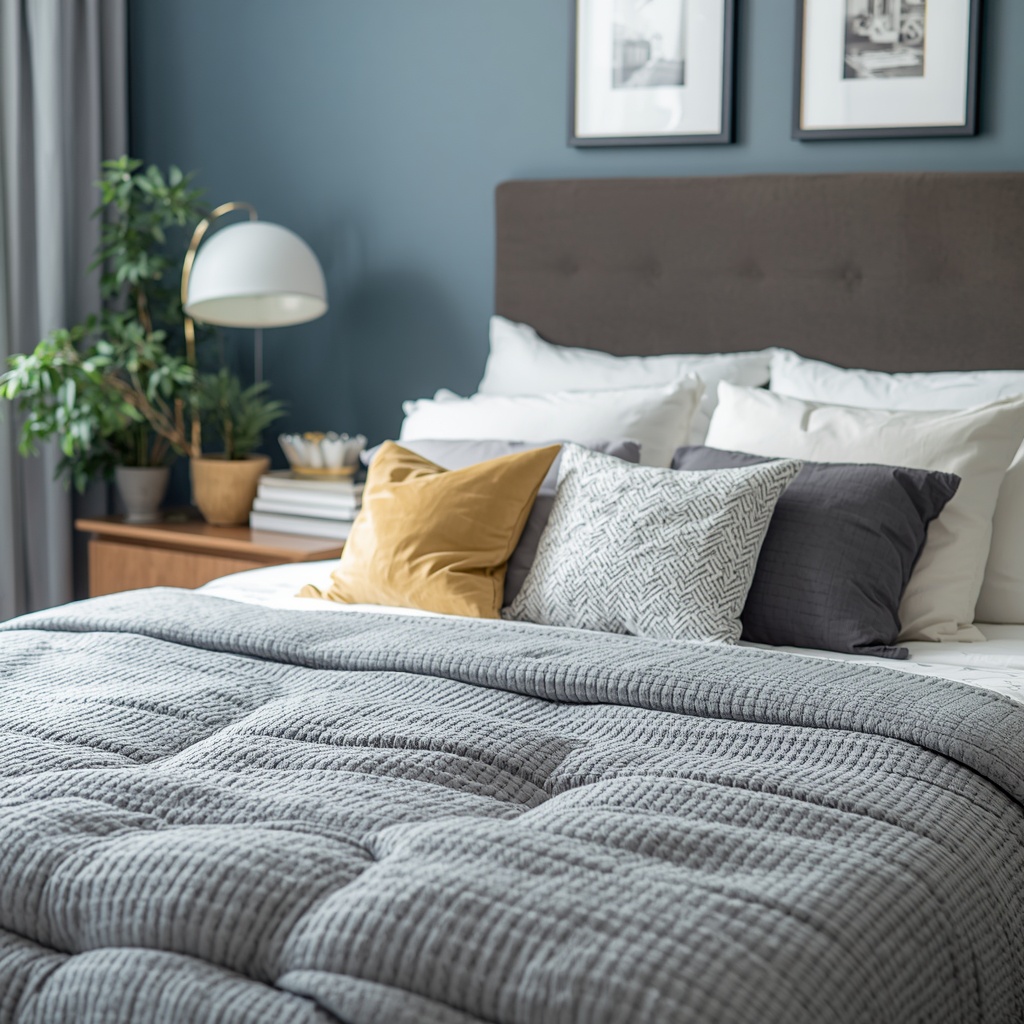
Naval Admiral William H. McRaven famously credited bed-making with building discipline that carries into every other task. It’s a small win first thing in the morning, and small wins compound.
Related keywords: morning cleaning routine, tidy bedroom habits, daily home habits.
Habit #2: They Follow the “One In, One Out” Rule
Organized households rarely let possessions pile up because they’re intentional about what comes into the home in the first place. For every new item purchased — a sweater, a kitchen gadget, a decorative vase — something old is donated, sold, or recycled.
This habit prevents the slow creep of clutter that happens when new purchases just get added on top of what’s already there. It also forces more thoughtful, quality-over-quantity buying decisions, which fits naturally with a minimalist home decor approach that many designers recommend for small or mid-sized US homes.
Quick Comparison: Cluttered vs. Organized Mindsets
| Cluttered Household Habit | Organized Household Habit |
|---|---|
| Buys items “just in case” | Buys items with a specific purpose |
| Keeps items out of guilt or sentimentality | Keeps items that are used or genuinely loved |
| Cleans in occasional big pushes | Cleans in small, daily maintenance bursts |
| Storage bins for “someday” | Storage bins labeled and reviewed seasonally |
| No home for new purchases | Every item has a designated spot |
Habit #3: Everything Has a Designated Home
If you’ve ever spent 15 minutes looking for your keys, scissors, or phone charger, you already understand why this habit matters. In organized homes, every object — from mail to remote controls — has one specific, consistent location.
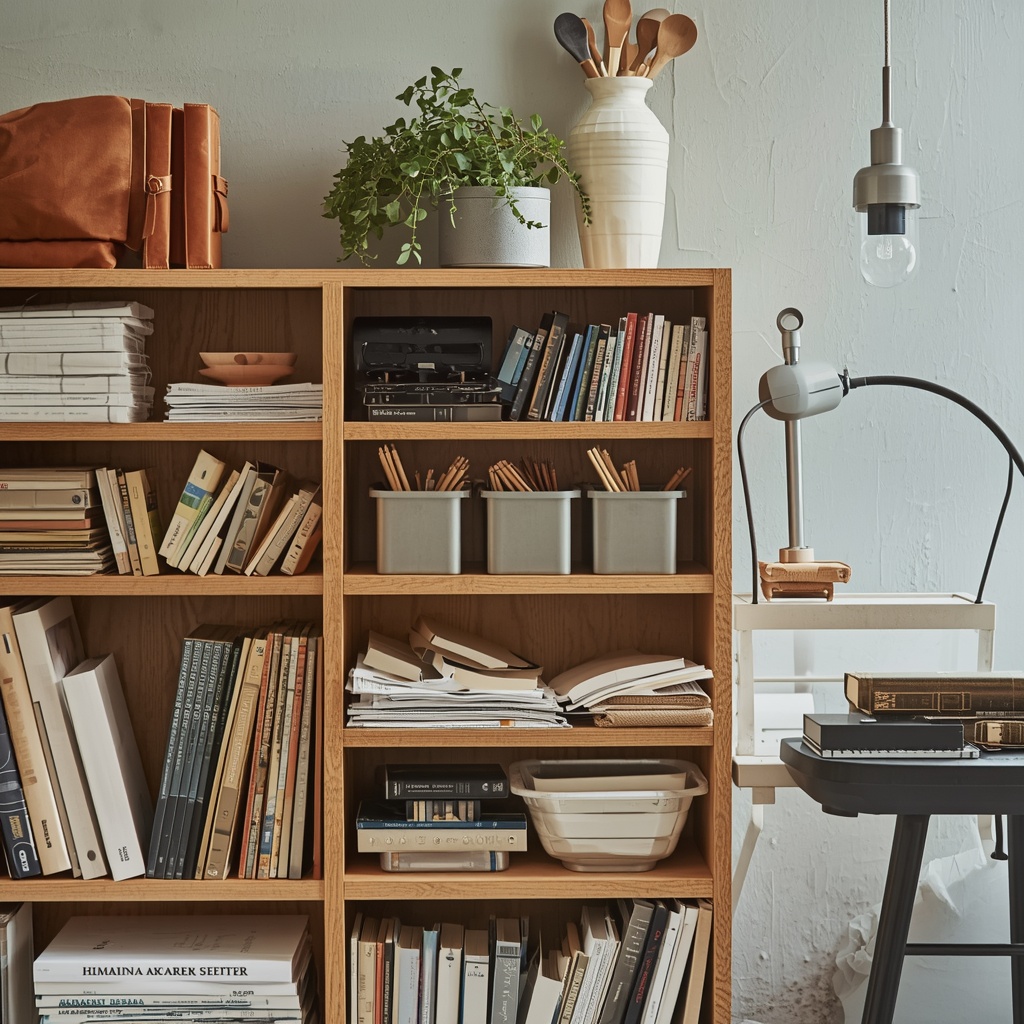
This single habit eliminates the majority of daily clutter because things get put back automatically, almost without thinking. It also makes cleaning faster because there’s no decision fatigue about where something belongs.
🏡 Pro Tip: Use the “landing zone” strategy near your front door — a small tray, basket, or wall hooks for keys, mail, and bags. This one change can eliminate up to 80% of entryway clutter, according to professional organizers, because it intercepts mess before it spreads into the rest of the home.
Habit #4: They Clean in Short, Consistent Bursts
Instead of dedicating an entire Saturday to deep cleaning, tidy-home households favor the “little and often” approach. A 10-minute tidy-up before bed, a quick wipe-down of counters after cooking, and a five-minute reset before guests arrive — these micro-habits prevent mess from ever building up to overwhelming levels.
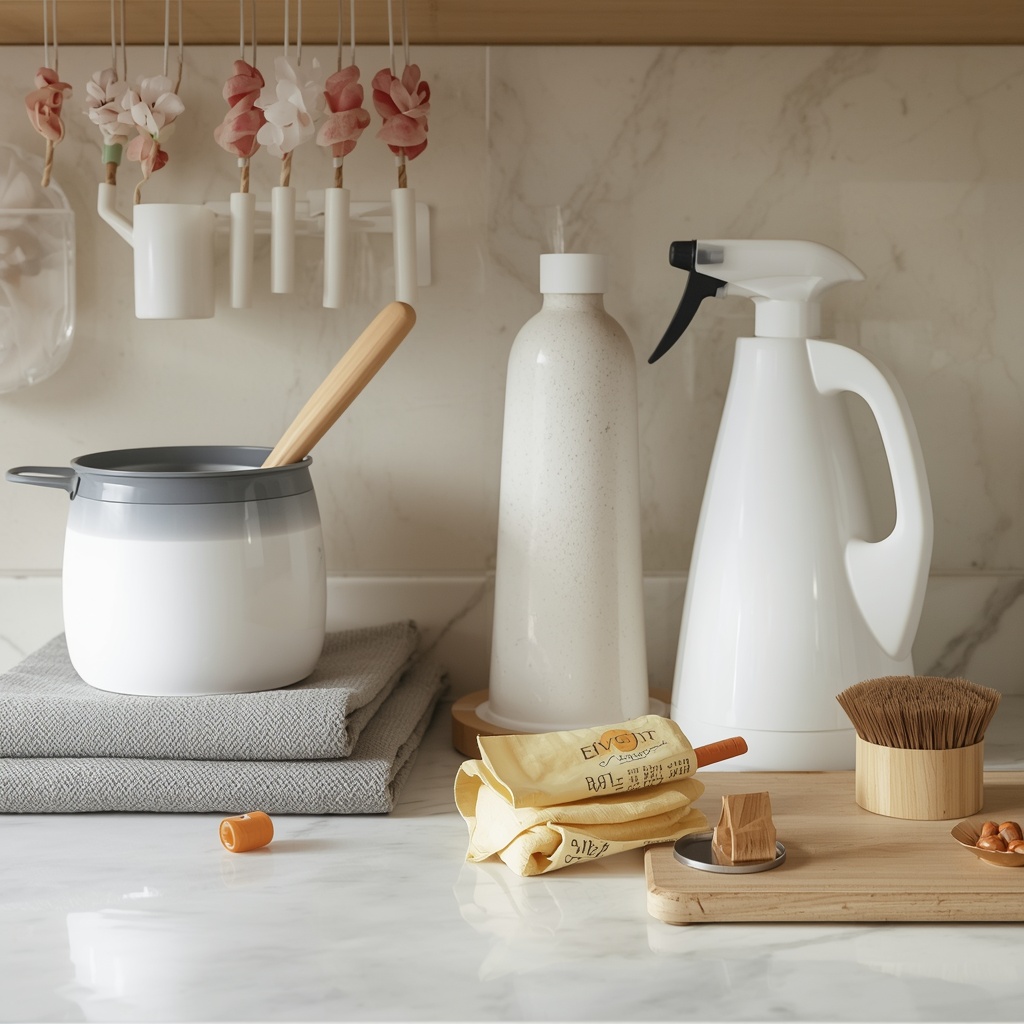
This approach also reduces the psychological weight of cleaning. A cluttered home can feel stressful and exhausting to tackle, but a slightly messy counter takes seconds to fix. Research on home organization tips consistently shows that consistency beats intensity when it comes to long-term tidiness.
Daily Micro-Cleaning Checklist
- Make the bed (2 minutes)
- Wipe kitchen counters after each meal (3 minutes)
- Do a “10-minute tidy” before bed
- Sort mail immediately — recycle, file, or act on it
- Load dishes into the dishwasher right after use
- Do one load of laundry, start to finish, per day
Habit #5: They Declutter Seasonally, Not Just When Moving
Organized homeowners treat decluttering as an ongoing maintenance task rather than a one-time event tied to moving houses or spring cleaning panic. Every season, they walk through closets, drawers, and storage areas, asking honest questions about what’s still useful.
This habit ties closely into seasonal home decor transitions too — swapping out heavier textiles and darker tones for lighter linens and brighter accents each spring naturally prompts a decluttering pass at the same time. It’s efficient, and it keeps your home decor feeling fresh year-round.
“Clutter is not just physical stuff. It’s anything that stands between you and the life you want to be living.” — Peter Walsh, professional organizer
Habit #6: They Invest in Functional, Well-Designed Storage
A clean-looking home isn’t necessarily one with fewer belongings — it’s one where belongings are stored efficiently and out of sight when not in use. Baskets, closed cabinetry, drawer dividers, and vertical shelving all play a role in what designers call functional home decor.
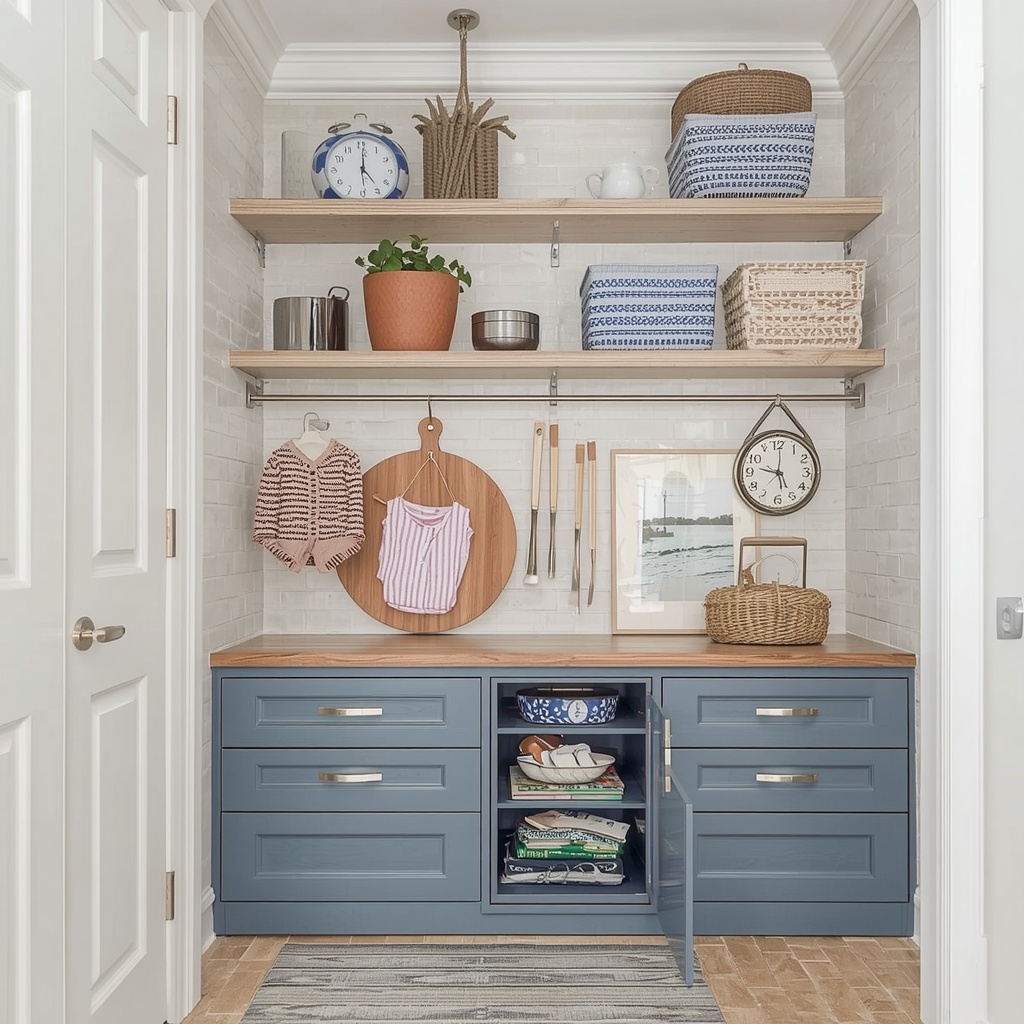
As an interior designer, I always tell clients: storage should be planned before decor, not as an afterthought. A beautifully styled shelf means nothing if it’s competing with visible clutter nearby.
Smart Storage Solutions by Room
| Room | Storage Solution | Why It Works |
|---|---|---|
| Entryway | Bench with hidden storage | Hides shoes, bags without visual clutter |
| Kitchen | Drawer dividers, pull-out pantry shelves | Maximizes small spaces, reduces counter mess |
| Bedroom | Under-bed storage bins | Uses dead space for out-of-season items |
| Living Room | Closed-cabinet media console | Hides cords, remotes, electronics |
| Bathroom | Labeled baskets under sink | Groups similar items, faster cleanup |
Habit #7: They Do a Nightly “Reset”
One of the most powerful habits among consistently tidy households is the nightly reset — a short routine done every evening to return the home to a baseline state before bed. This might include fluffing couch cushions, clearing the kitchen sink, and placing stray items back in their designated homes.
Waking up to a tidy space, rather than yesterday’s mess, has a measurable effect on mood and productivity. It also means clutter never has the chance to accumulate over multiple days, which is often what leads to that overwhelming “where do I even start” feeling.
Habit #8: They Curate Decor Instead of Accumulating It
People with beautifully organized homes tend to be intentional about home decor styling — choosing fewer, higher-quality pieces rather than filling every surface with knickknacks. This isn’t about being minimalist for its own sake; it’s about letting each item earn its place.
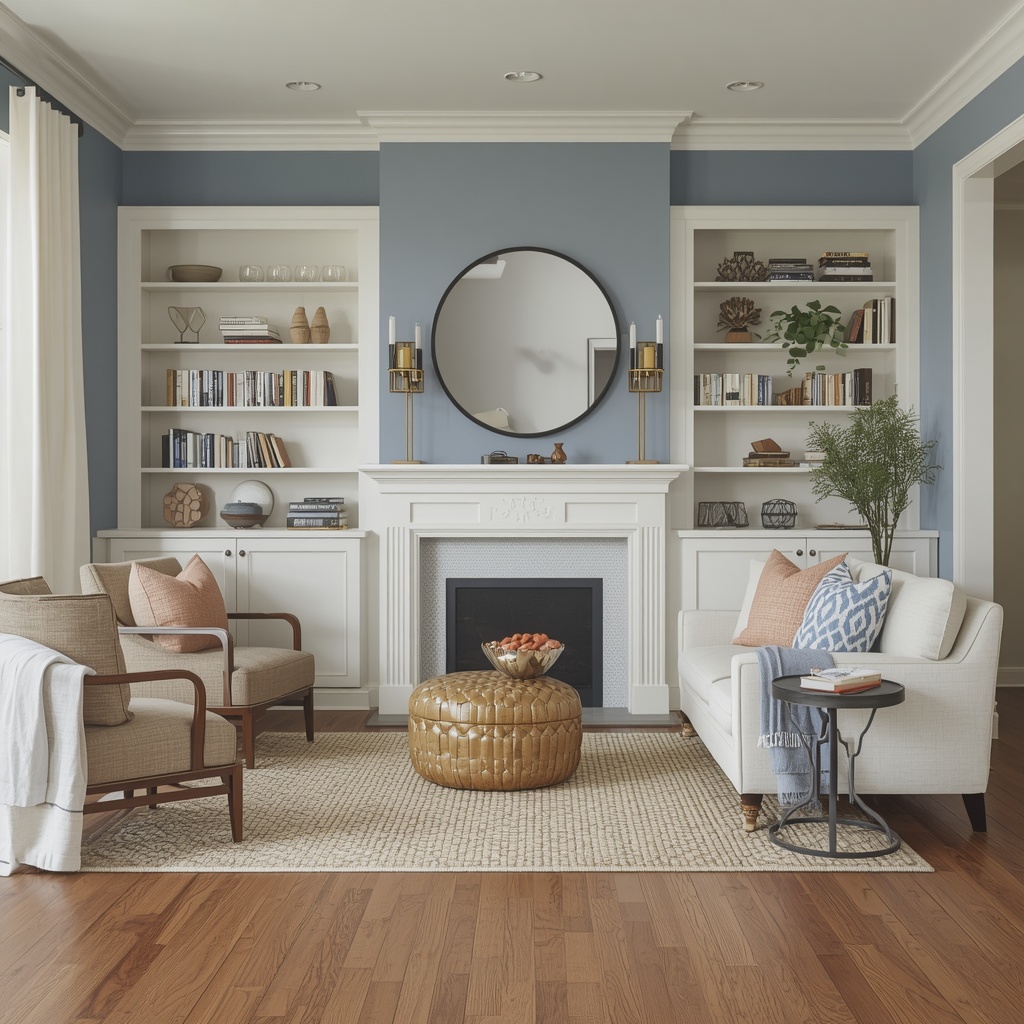
Design principles like the rule of three (grouping decor in odd numbers), negative space, and a consistent color palette all contribute to a home that feels calm rather than chaotic. If you’re curious about building a cohesive design scheme, resources like Better Homes & Gardens and the National Association of Productivity and Organizing Professionals offer excellent, practical guidance for US homeowners.
🏡 Pro Tip: When styling shelves or surfaces, leave at least 30% negative space. Overcrowded shelves — even with beautiful items — read as cluttered to the eye. Group decor in odd-numbered clusters (3s and 5s) for a naturally balanced, professionally styled look.
Habit #9: They Involve the Whole Household
Consistently clean homes are rarely the result of one person doing everything. Families and roommates who maintain organized spaces typically have clear systems — chore charts, shared responsibilities, or simple verbal agreements about who handles what.
This distributes the mental and physical load of home maintenance and prevents resentment or burnout, which are common reasons cleaning habits fall apart over time.
Sample Household Chore Distribution
- Kitchen cleanup — rotates nightly between household members
- Laundry — each person manages their own, done twice weekly
- Weekly deep clean — shared task, 30 minutes on Sundays
- Entryway reset — whoever arrives home first each day
- Trash/recycling — assigned to one person, consistent day
Habit #10: They Design With Cleaning in Mind
This is a habit most people overlook, but it’s one of the biggest factors in long-term tidiness: choosing furniture, materials, and layouts that are genuinely easy to maintain. Light-colored grout, washable slipcovers, and furniture with clean lines (rather than intricate carvings that trap dust) all reduce the effort required to keep a home looking sharp.
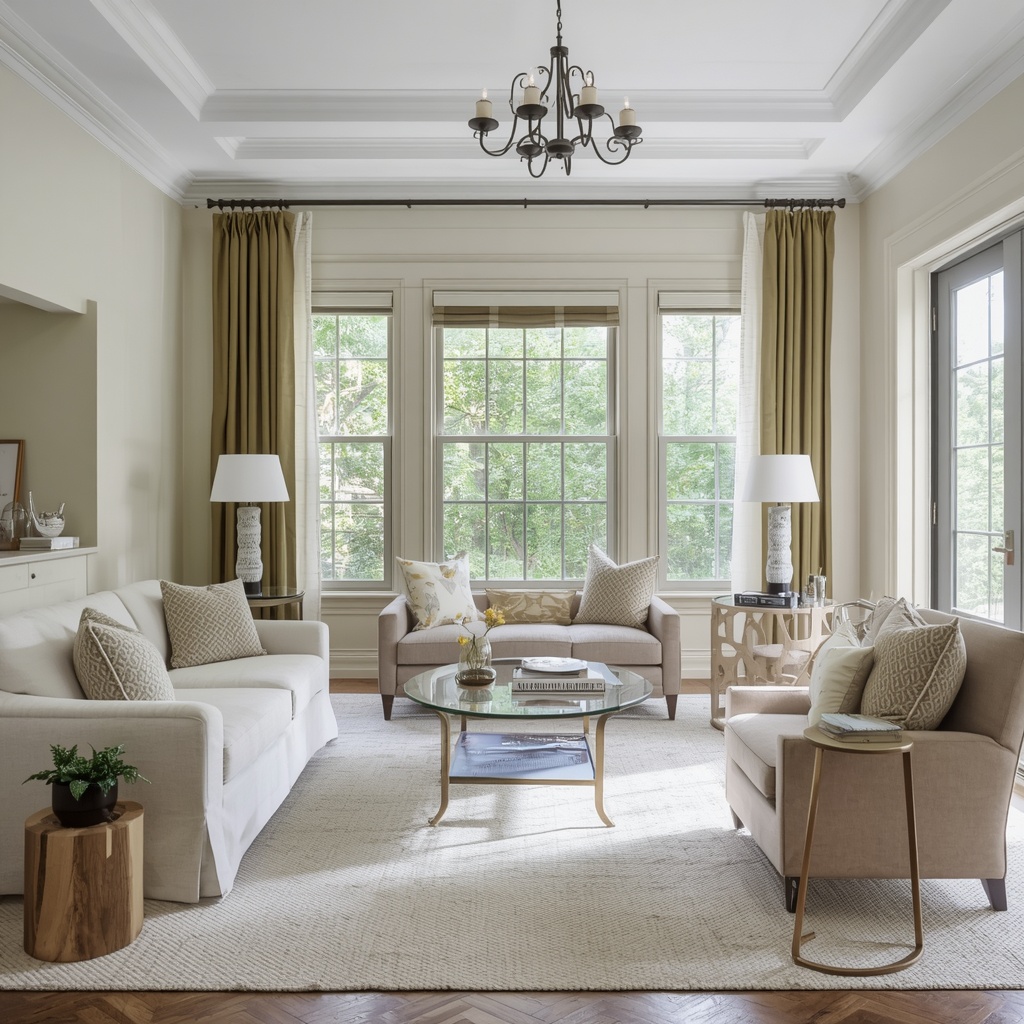
As a designer, this is where home decor and home organization truly intersect. A gorgeous room that’s a nightmare to clean will always lose the battle against daily life. Practical, beautiful design isn’t a compromise — it’s the smartest long-term investment you can make in your home’s appearance.
Frequently Asked Questions
How long does it take to build a clean-home habit? Most habit-formation research suggests it takes anywhere from three to eight weeks of consistent repetition before a new routine, like a nightly reset, starts to feel automatic rather than effortful.
What’s the single best habit to start with? Start with the “landing zone” for entryway items or the nightly reset — both deliver visible results within days and require very little time investment.
Do I need to declutter everything at once? No. In fact, most professional organizers recommend against it. Tackling one drawer, closet, or room at a time prevents burnout and creates lasting change rather than a short-lived cleaning spree.
Final Thoughts
Building a clean, organized home isn’t about willpower or having more free time than everyone else — it’s about designing systems and habits that make tidiness the default. From daily micro-routines like making your bed and doing a nightly reset, to bigger-picture choices like functional storage and intentional decor, every habit on this list is something you can start implementing this week.
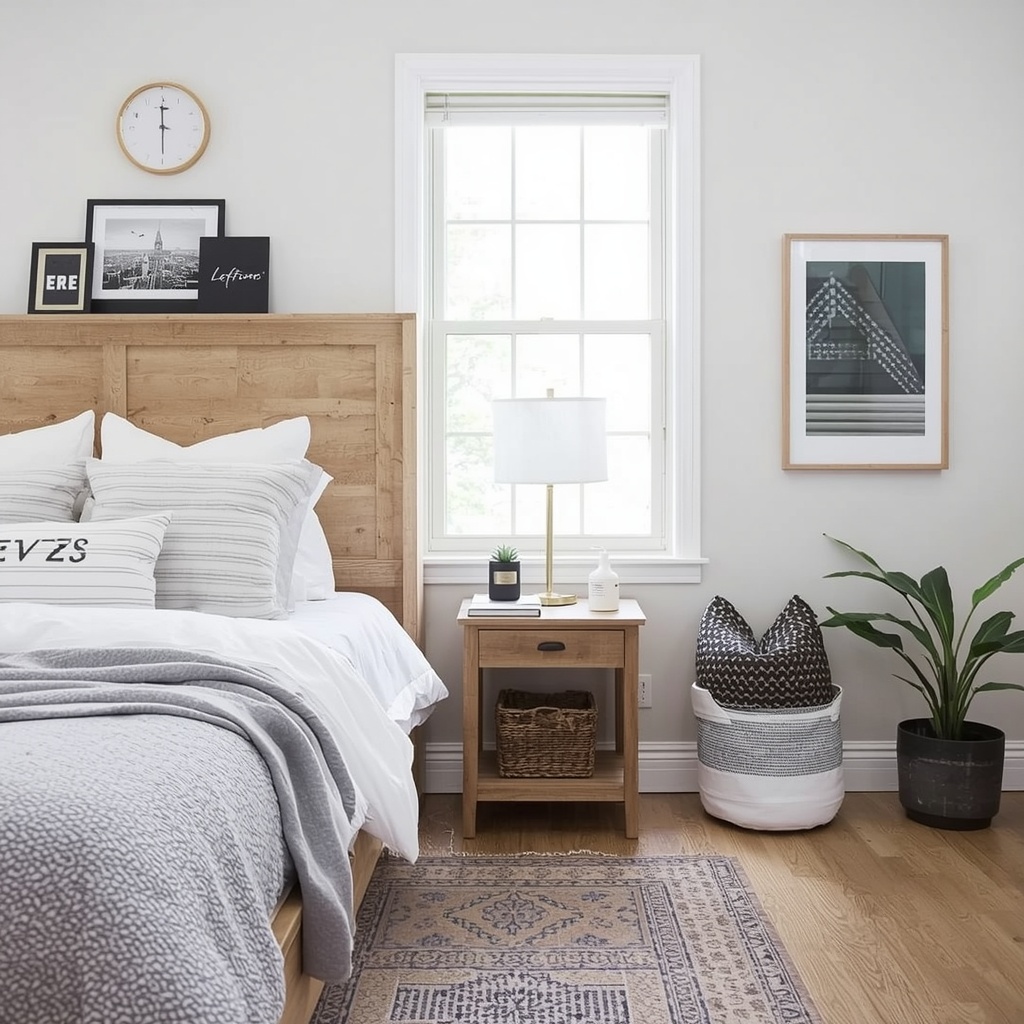
The goal isn’t a picture-perfect home every single moment. It’s a home that resets easily, supports your daily life, and reflects a space you genuinely enjoy living in. Start with one habit, be consistent, and the rest will follow naturally.