
If you’ve ever stood ankle-deep in a laundry basket avalanche, cursing a flickering overhead bulb while trying to find a matching sock, you already know the truth: laundry rooms are the most overlooked room in the American home. We pour thousands of dollars into kitchens and primary bathrooms, yet the laundry room — a space we use almost daily — gets whatever leftover square footage the floor plan allows.
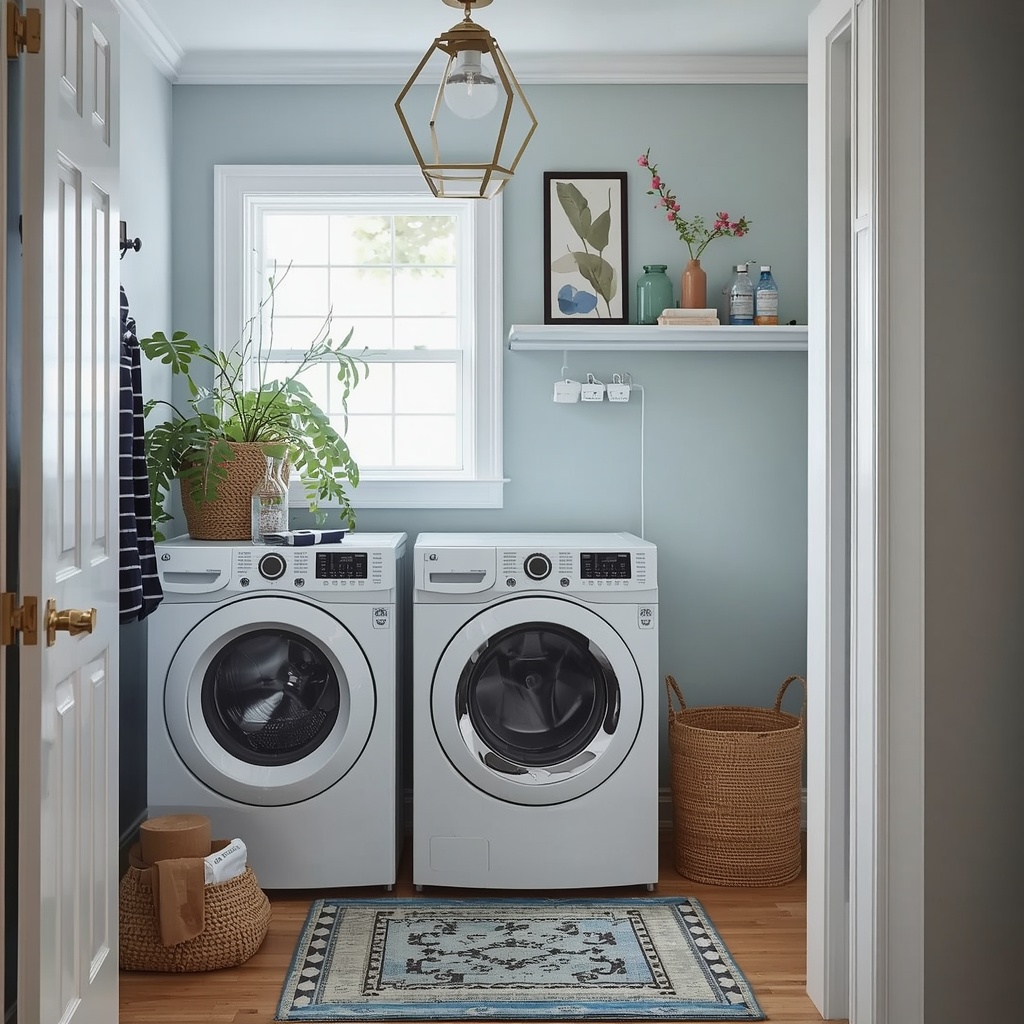
That’s a missed opportunity. A well-designed laundry room can genuinely improve your daily routine, boost your home’s resale value, and become a space you don’t dread walking into. As an interior designer who specializes in home decor for busy American households, I’ve reworked laundry rooms ranging from cramped hallway closets to sprawling mudroom-laundry combos, and the same principles apply every time: function first, style always.
This guide walks you through everything you need to know to design a laundry room that works as hard as you do — without sacrificing good looks.
Why Your Laundry Room Deserves a Design Upgrade
Laundry rooms have quietly become one of the most requested renovation spaces in America. According to numerous home remodeling surveys, buyers increasingly rank a dedicated, well-organized laundry space as a top priority, right alongside kitchen upgrades. It makes sense — this is a room you interact with multiple times a week, often while multitasking, folding, sorting, or hunting for stain remover.
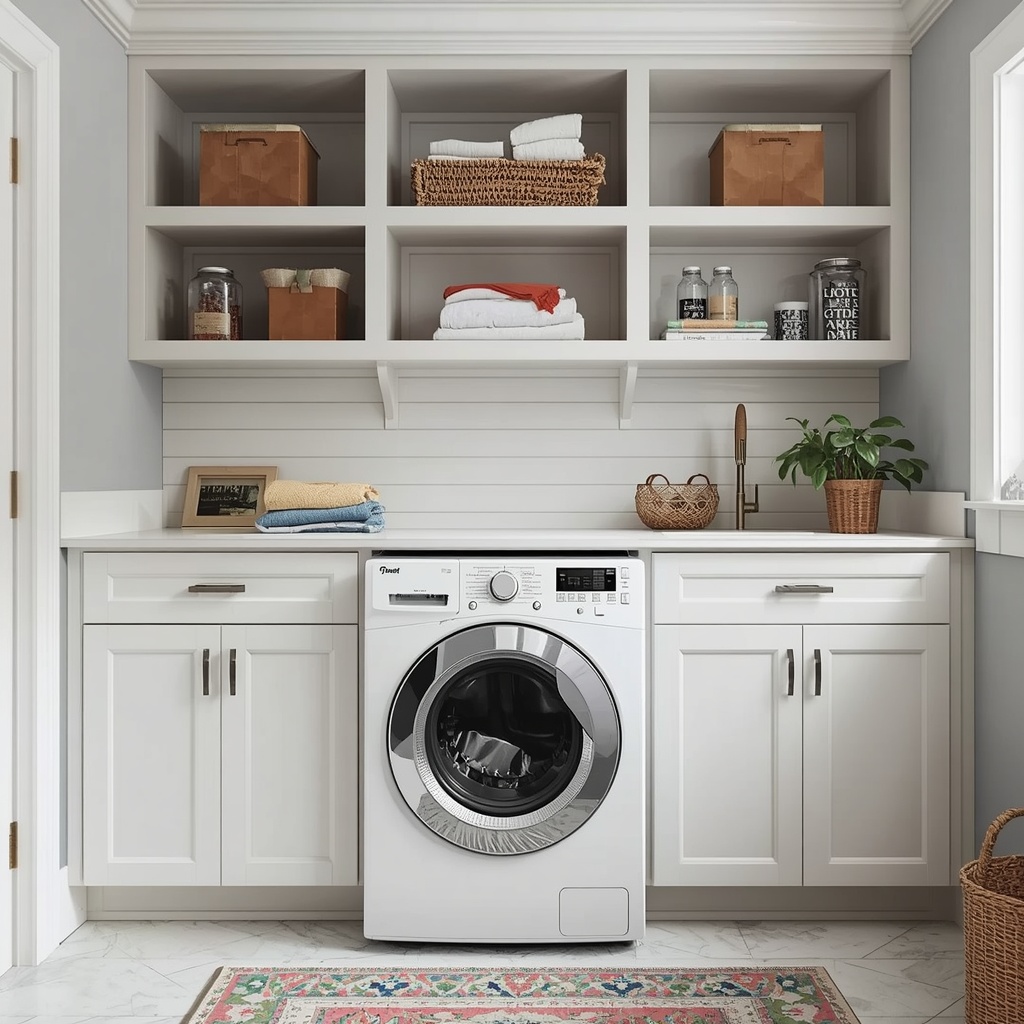
A thoughtfully designed laundry room reduces daily friction. It gives every item a home, cuts down on clutter, and turns a chore-driven space into one that feels intentional. Beyond the emotional payoff, real estate agents consistently note that a stylish, functional laundry room adds tangible value when it’s time to sell.
“A laundry room isn’t just a utility closet anymore — it’s an extension of your home’s personality. The best ones feel as curated as a kitchen, just scaled down.” — Designer’s Notebook
Assessing Your Space: Layout and Workflow Basics
Before you pick a single paint swatch, map out how you actually move through the space. Laundry room layout is the backbone of good laundry room design, and it’s the step most homeowners skip.
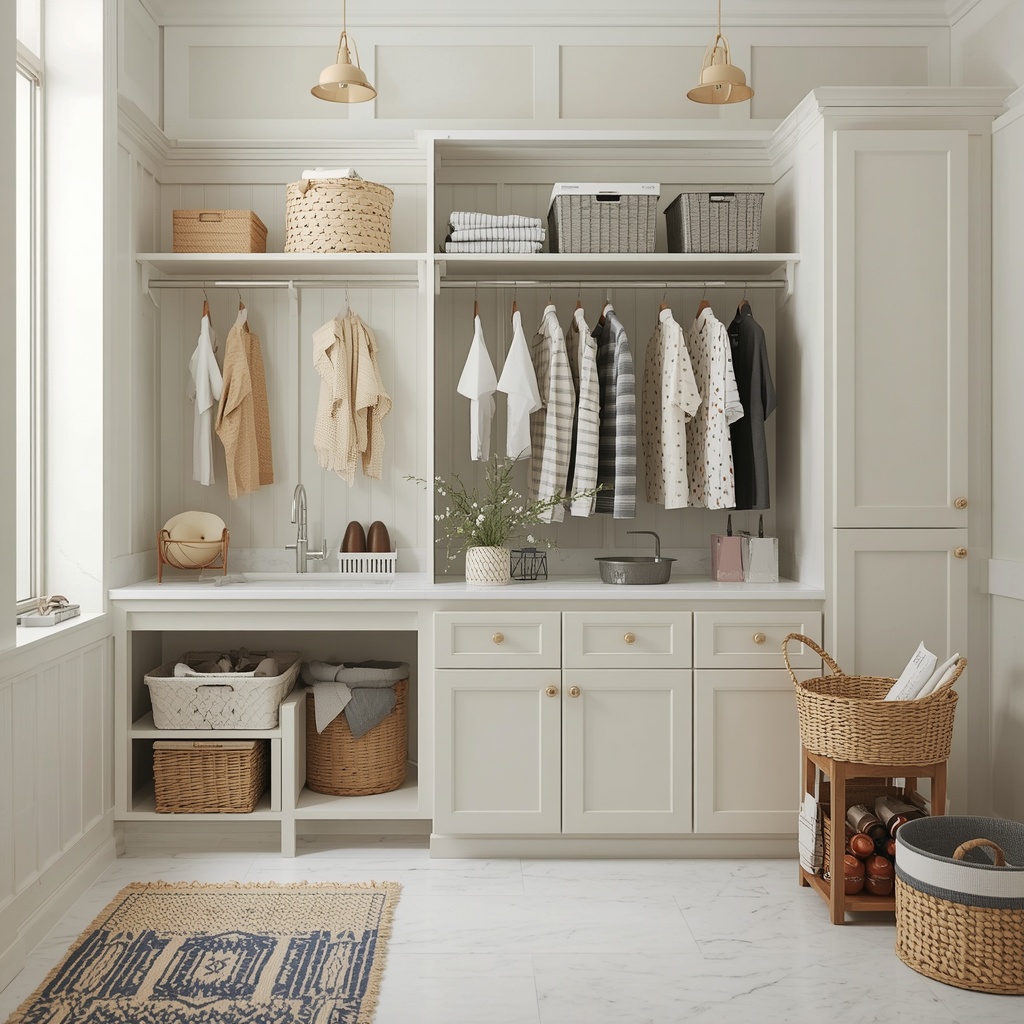
Start by tracing your real workflow: sorting, washing, drying, folding, hanging, and storing. Each of these steps needs a “zone,” even if that zone is just 12 inches of counter space. Think of it the same way you’d think about a kitchen work triangle — the goal is to minimize backtracking and wasted motion.
Common laundry room layouts include:
- Single-wall layout — best for narrow closets or hallway nooks
- Galley layout — washer and dryer face storage or folding space across a walkway
- L-shaped layout — adds a corner counter for folding and sorting
- U-shaped layout — ideal for larger mudroom-laundry combos with room for cabinetry on three walls
<br>
Pro Tip: If your laundry room is under 50 square feet, stack your washer and dryer instead of placing them side by side. This single move can free up 24–30 inches of floor space for a folding counter, a rolling hamper, or a slim broom closet — instantly making a small laundry room feel functional rather than cramped.
Choosing a Color Palette That Works as Hard as You Do
Color sets the emotional tone of a laundry room, and because it’s a smaller, enclosed space, you can take more risks here than you might in a living room or kitchen. This is where personality-driven laundry room decor really shines.
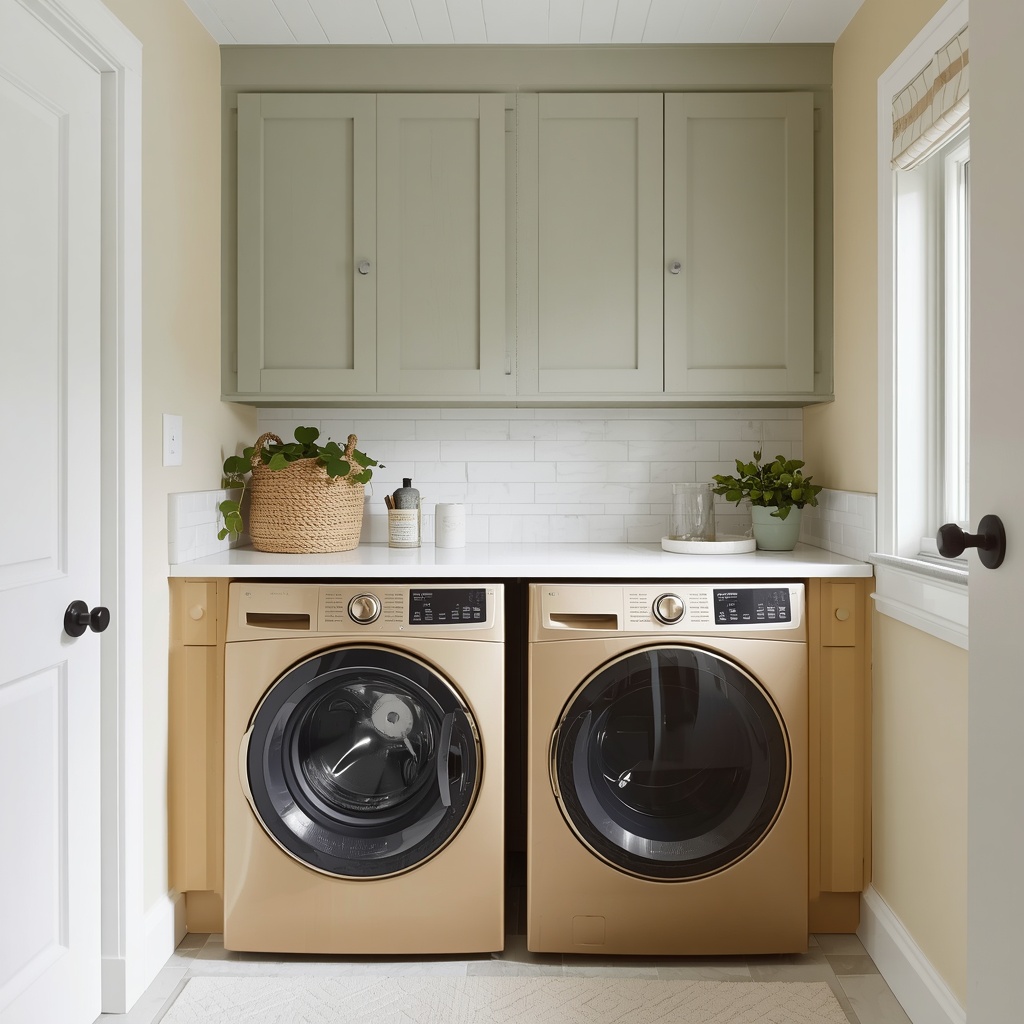
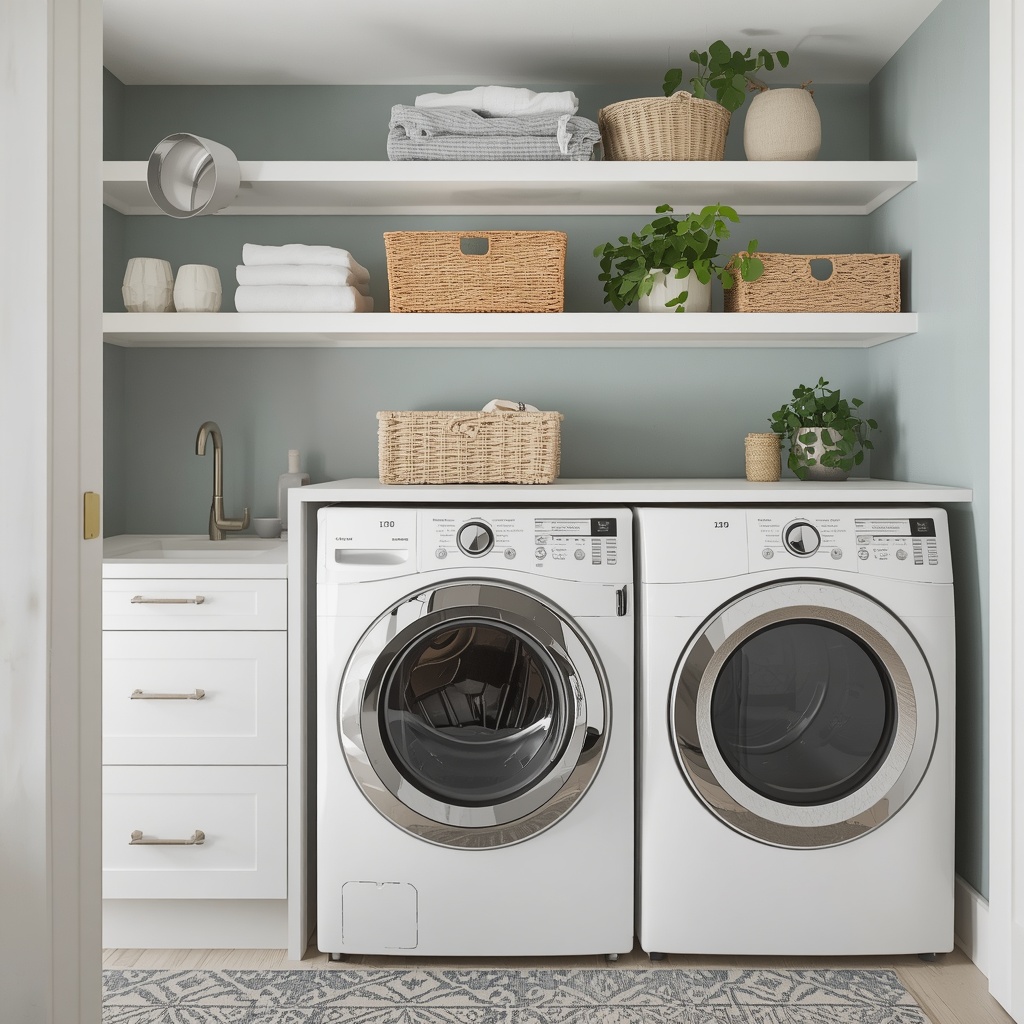
For a calming, spa-like feel, lean into soft sage greens, warm whites, or dusty blues — colors that photograph beautifully and pair well with brass or matte black hardware. If you want your laundry room to feel energizing and cheerful (a genuine mood booster on wash day), consider a saturated color on the lower cabinetry paired with a crisp white counter and walls. Deep navy, terracotta, and buttery yellow are all having a moment in 2026 laundry room palettes.
Practically speaking, semi-gloss or satin paint finishes hold up best in laundry rooms because they resist moisture and are easy to wipe down. Avoid flat matte finishes near the washer and dryer, where splashes and detergent drips are inevitable.
Smart Storage Solutions for Every Laundry Room Size
Storage is where functional laundry room design earns its keep. The goal is simple: every item — detergent, dryer sheets, stain sticks, hangers, hampers — should have a dedicated, visible, or labeled home.
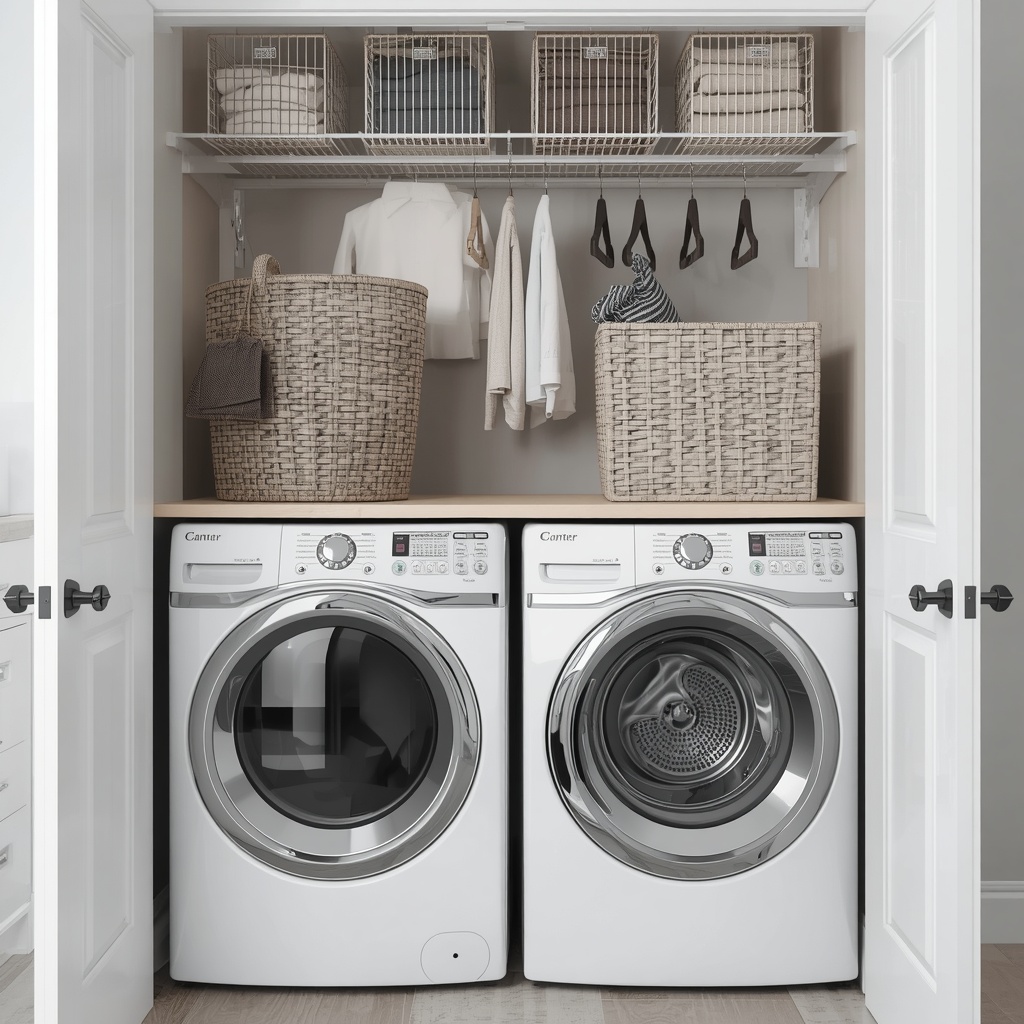
Here are the storage upgrades that deliver the most day-to-day value:
- Upper cabinetry for bulk detergent, seasonal linens, and cleaning supplies
- Open shelving for frequently used items and decorative baskets
- A hanging rod installed above the dryer for air-drying delicates or hanging shirts straight from the dryer
- Built-in hampers or pull-out sorting bins labeled by color, fabric type, or family member
- A slim rolling cart for households without built-in storage — perfect for renters
- Pegboard or wall hooks for ironing boards, brooms, and drying racks
<br>
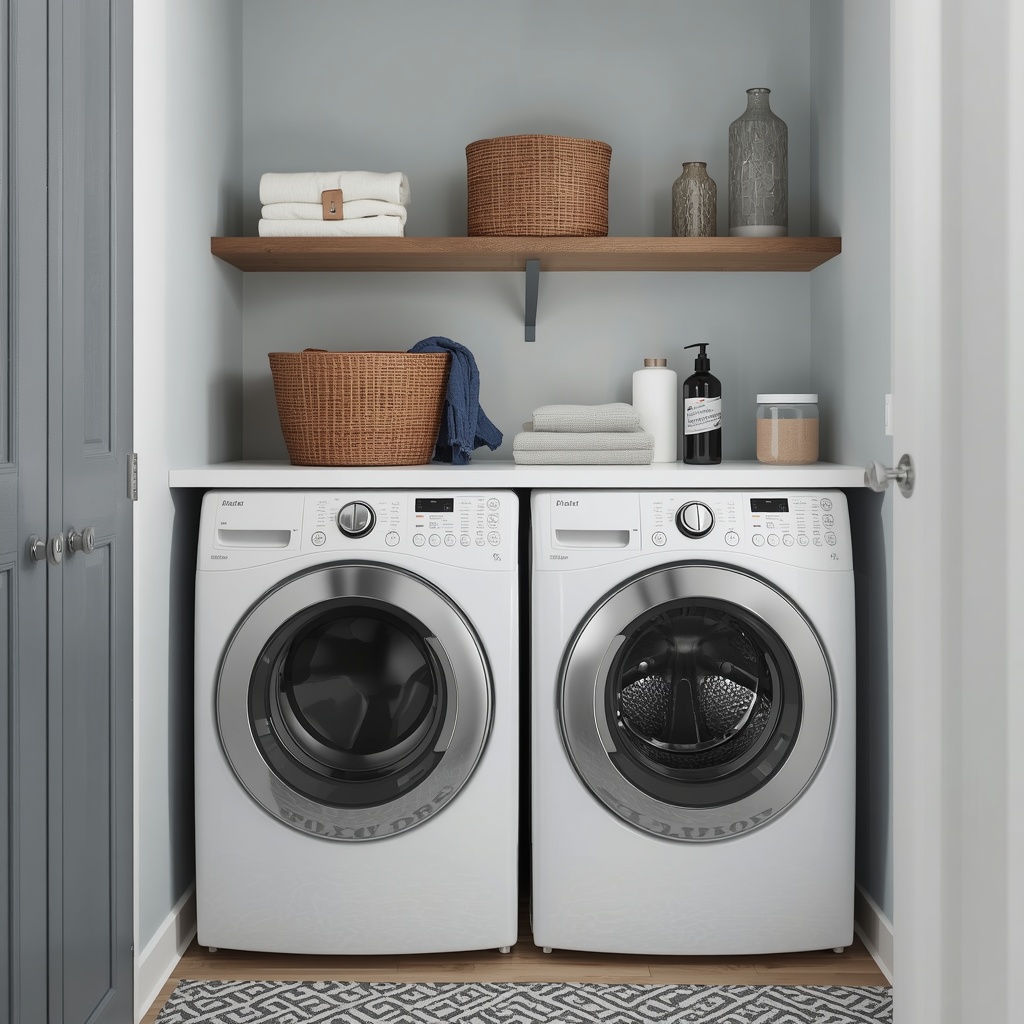
If you’re working with a small laundry room, vertical storage is non-negotiable. Floor space is precious, so train your eye to look up. A single 12-inch-deep shelf running the length of the room can hold an entire season’s worth of supplies without eating into your walking path.
Flooring and Countertop Materials That Balance Beauty and Durability
Laundry rooms take a beating from water, detergent spills, and dropped irons, so material selection matters more here than almost anywhere else in the house except the kitchen and bathroom.
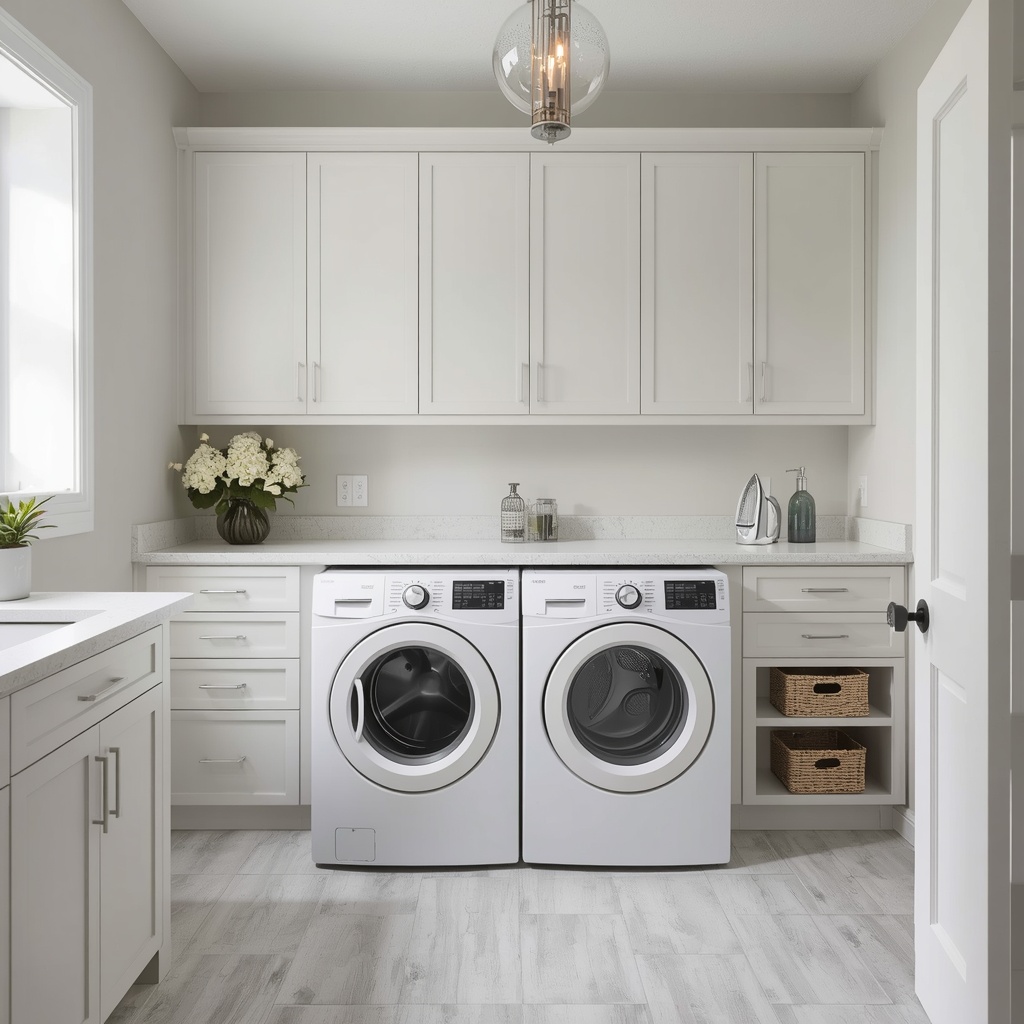
| Material | Best For | Pros | Cons |
|---|---|---|---|
| Porcelain tile | Most laundry rooms | Water-resistant, durable, stylish patterns available | Cold underfoot, hard on dropped items |
| Luxury vinyl plank (LVP) | Budget-conscious renovations | Waterproof, warm underfoot, easy DIY install | Can dent under heavy appliances |
| Quartz countertop | Folding stations | Non-porous, stain-resistant, low maintenance | Higher upfront cost |
| Butcher block | Cozy, farmhouse-style rooms | Warm, budget-friendly, easy to refinish | Needs sealing to resist water damage |
| Laminate countertop | Budget renovations | Affordable, wide style range | Less durable long-term |
For flooring, porcelain tile remains the gold standard for laundry rooms because it shrugs off water and holds up to decades of foot traffic. If tile isn’t in the budget, high-quality luxury vinyl plank is a smart, nearly indistinguishable alternative.
Lighting: Function Meets Ambiance
Good lighting is the unsung hero of laundry room design. You need enough brightness to spot stains and match socks, but harsh, clinical lighting makes even the prettiest room feel like a utility closet.
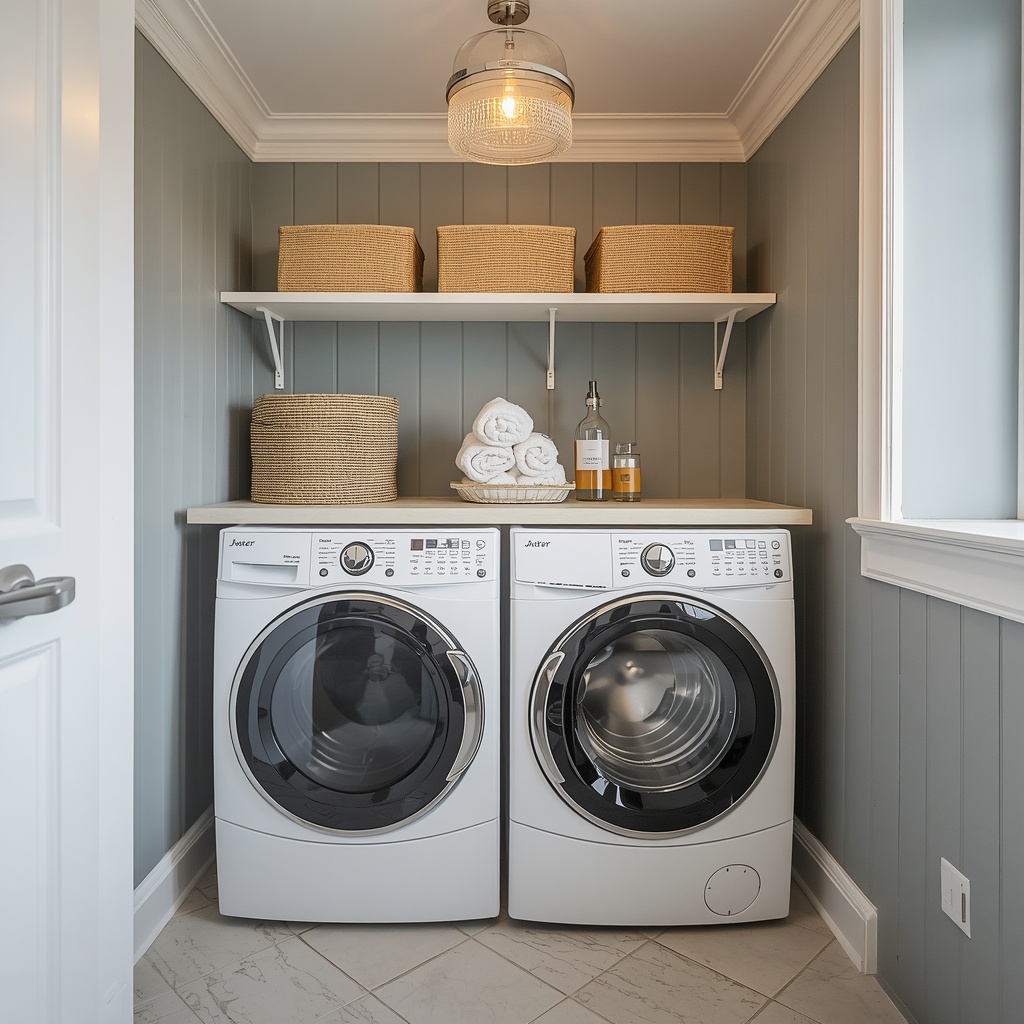
Layer your lighting the way you would in any well-designed room:
- Ambient lighting — a flush-mount fixture or statement pendant for overall brightness
- Task lighting — under-cabinet LED strips over the folding counter and sink
- Accent lighting — a small sconce or picture light if you’re displaying art or open shelving
Aim for a color temperature between 3000K and 4000K. This range is warm enough to feel inviting but cool enough to help you accurately judge stains and fabric colors — an underrated detail that professional designers pay close attention to.
Styling Touches That Make It Feel Like Home
This is the fun part. Once the bones of your laundry room — layout, storage, materials, and lighting — are in place, styling is what transforms a purely functional room into one with real personality.
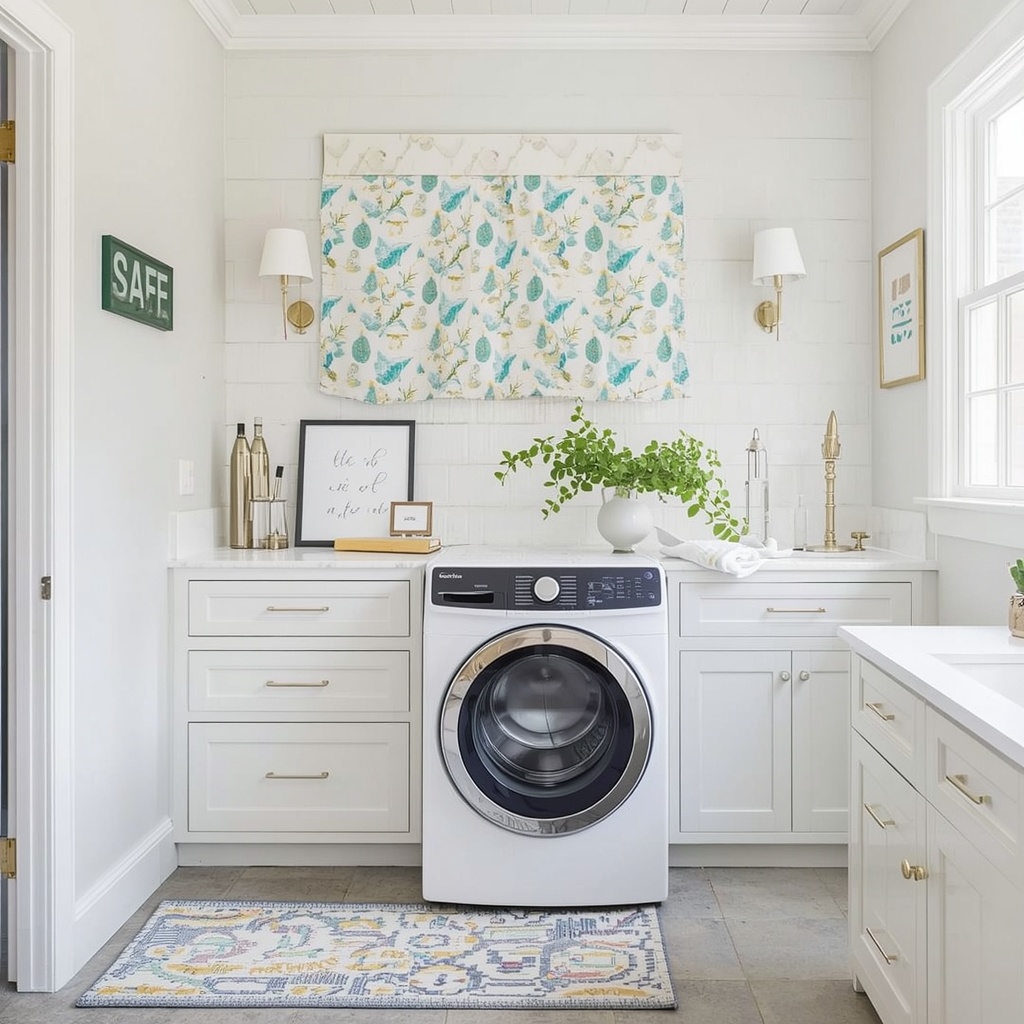
Consider a few of these finishing touches:
- Swap plastic detergent bottles for glass or ceramic dispensers with wood-tag labels
- Add a runner rug in a durable, washable material for warmth underfoot
- Hang a piece of framed art, a vintage sign, or a chalkboard for grocery and to-do lists
- Install a mirror near the door if the room doubles as a mudroom
- Bring in a small plant, like a pothos or snake plant, that tolerates low light and humidity
<br>
Pro Tip: Choose one “hero” material or finish — like brushed brass hardware, patterned tile, or a bold wallpaper — and repeat it in at least two other spots in the room. This creates visual cohesion and makes even a tiny laundry closet feel like a designed space rather than an afterthought.
Budget-Friendly vs. Splurge-Worthy Upgrades
Not every laundry room upgrade needs a full renovation budget. Here’s how to prioritize your spending for maximum impact:
| Upgrade | Budget-Friendly Option | Splurge Option |
|---|---|---|
| Countertop | Painted plywood or laminate | Quartz or butcher block |
| Storage | Wire shelving, dollar-store baskets | Custom built-in cabinetry |
| Flooring | Peel-and-stick vinyl tile | Porcelain tile with radiant heat |
| Lighting | Swap the existing fixture | Layered lighting with smart controls |
| Walls | Fresh coat of paint | Removable or traditional wallpaper |
| Sink | Utility sink from a hardware store | Farmhouse apron sink with brass faucet |
A general rule of thumb: spend on the things you touch daily (counters, storage, lighting) and save on the things that are easier to update later (paint, decor, hardware).
Common Laundry Room Design Mistakes to Avoid
Even well-intentioned renovations can go sideways. Watch out for these frequent missteps:
- Skipping ventilation planning — dryers need proper venting to prevent moisture buildup and mold
- Underestimating outlet needs — plan for a steam iron, a portable steamer, and possibly a stacked washer-dryer unit
- Choosing style over function — a gorgeous open shelf is useless if it can’t hold your actual supplies
- Ignoring the floor plan — a beautiful room with a poor workflow will frustrate you daily
- Forgetting a trash or recycling bin — dryer lint and empty detergent bottles need somewhere to go
Final Thoughts
A laundry room doesn’t need to be large to be exceptional — it needs to be intentional. When you combine a workflow-driven layout, durable materials, smart storage, and a color palette that feels like you, the result is a space that quietly makes your everyday life easier. Whether you’re working with a hallway closet or a full mudroom-laundry combo, the same design principles apply: plan the function first, then let the style follow.
Start small if you need to — a fresh coat of paint, a new light fixture, or a single shelf can shift how a room feels almost overnight. Over time, those small, considered choices add up to a laundry room that finally earns its place among the rest of your beautifully designed home.