
Let me tell you a secret that every great interior designer knows: the most beautifully styled homes are never all-expensive or all-budget. The magic happens in the mix. I’ve walked into million-dollar homes that felt cold and lifeless, and I’ve stepped into $400-a-month apartments that felt like something straight out of Architectural Digest. The difference isn’t the price tag — it’s the strategy behind the choices.
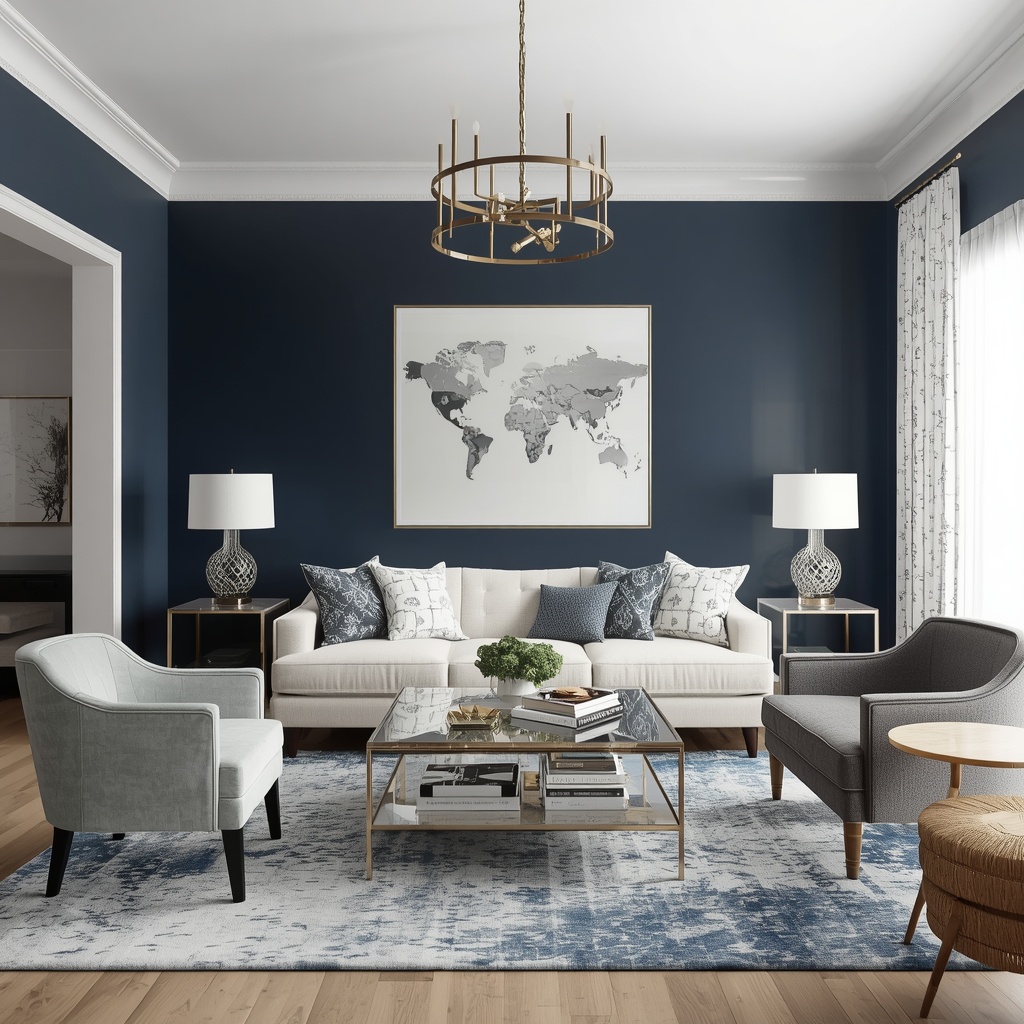
Whether you’re decorating your first apartment in Chicago, refreshing a suburban home in Atlanta, or giving a condo in San Francisco a style overhaul, learning to blend high-end and budget-friendly decor is the single most powerful skill you can develop. And in this guide, I’m going to show you exactly how to do it.
Why the High-Low Decorating Strategy Works So Well
The high-low decorating method — also called “investment vs. savings” decorating — is the backbone of professional interior design. The concept is simple: spend strategically on a few statement pieces that anchor the room, and fill in the rest with affordable, stylish alternatives. This approach lets you create a layered, curated look without blowing your entire budget on one sofa.
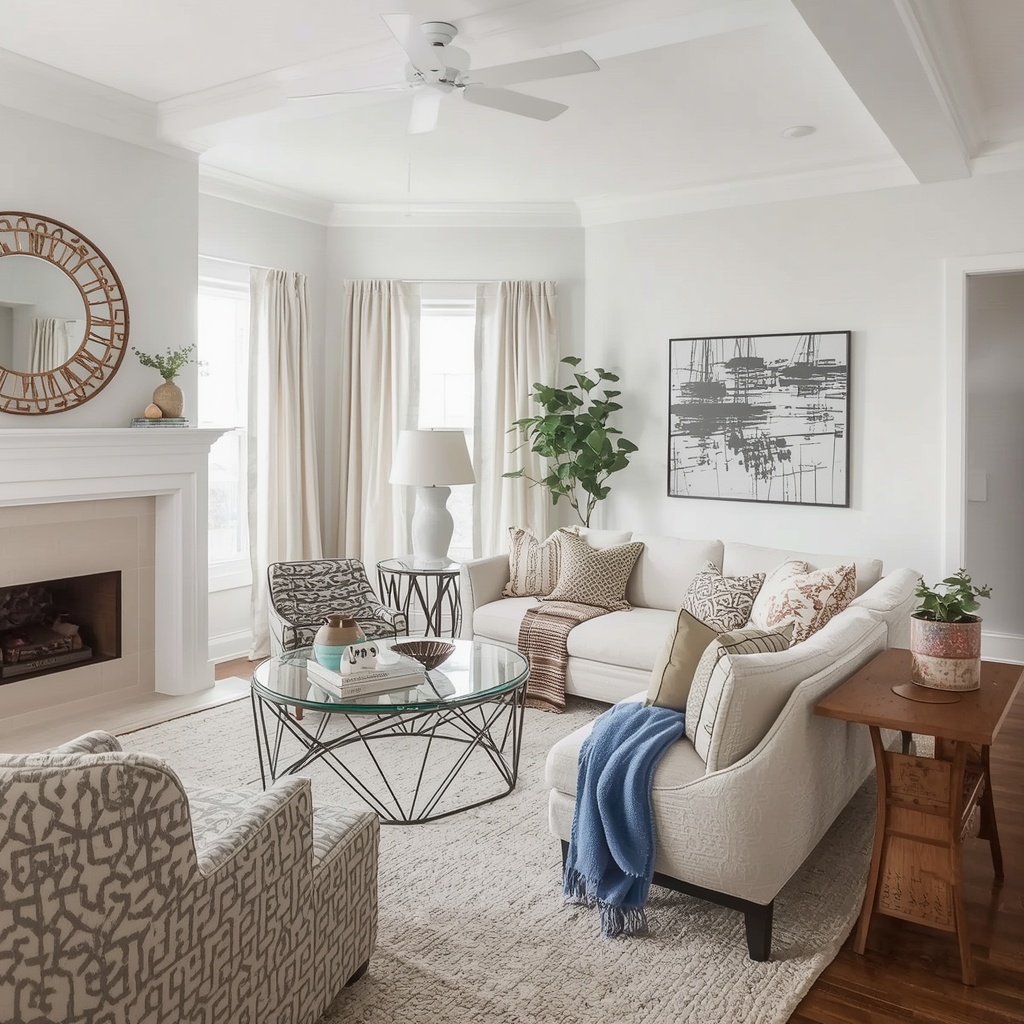
What most homeowners don’t realize is that expensive rooms rarely look expensive because everything is costly. They look expensive because the right things are costly. A room with a designer sofa, a Target side table, and IKEA shelving can look incredibly polished — if the proportions, scale, and color palette are right. That’s what separates a styled space from a showroom.
Mixing price points also adds something money alone can’t buy: personality. A home that’s entirely sourced from one high-end store tends to feel curated but sterile. The unexpected pairing of a vintage flea market find next to a sleek CB2 lamp? That’s where character lives.The Golden Rule: Splurge on the Foundation, Save on the Accent
Before you buy a single thing, memorize this rule: invest in what you live on and in, save on what you look at.
Furniture you use daily — your sofa, your bed, your dining chairs — should be the highest quality your budget allows. These pieces take a beating. A cheap sofa that sags after 18 months will end up costing you more in replacements than a mid-range sofa you love for a decade. Same goes for your mattress, your dining table, and your primary seating.
On the flip side, decorative objects, throw pillows, candles, vases, and artwork are prime candidates for budget alternatives. Trends shift fast in accessories, and you want the flexibility to swap them out seasonally without guilt. A $12 Target candle in a designer-looking vessel looks identical to a $60 boutique candle. Your guests won’t know. Your wallet will thank you.
“The goal of decorating is not to impress others with what you spent. It’s to create an environment that genuinely reflects who you are and makes you feel at home.” — Nate Berkus, American Interior Designer
Where to Spend vs. Where to Save: A Complete Breakdown
Use this table as your go-to reference when budgeting any room in your home:
| Category | Splurge On | Save On |
|---|---|---|
| Living Room | Sofa, area rug | Throw pillows, side tables, decor objects |
| Bedroom | Bed frame, mattress | Bedding sets, lamps, wall art |
| Dining Room | Dining table | Chairs (mix & match), centerpiece, placemats |
| Kitchen | Appliances, countertops | Canisters, dish towels, open shelving decor |
| Bathroom | Vanity, fixtures | Towels, bath accessories, shower curtain |
| Home Office | Ergonomic chair, desk | Desk organizers, art prints, plants |
How to Identify High-Quality Pieces That Look Expensive
Not all expensive-looking furniture is actually expensive. Here’s what to look for when shopping for your “investment” pieces:
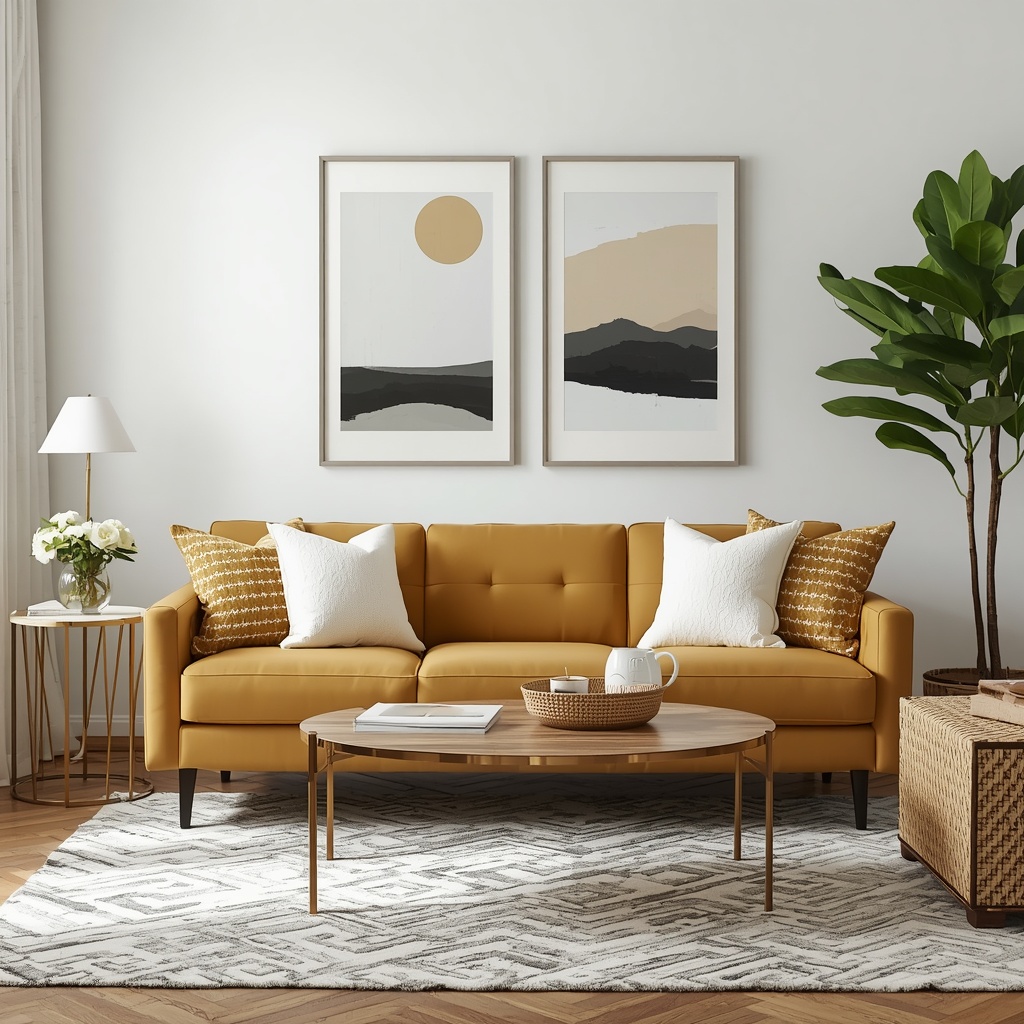
- Solid wood frames — Avoid particle board or MDF for furniture you’ll use daily. Look for kiln-dried hardwood in sofas and tables.
- Eight-way hand-tied springs — This is the gold standard for sofa construction. It means the springs are tied in all directions for even support.
- Full-grain leather — If you’re buying leather, full-grain is the highest quality. It ages beautifully and lasts decades.
- Dovetail joints in drawers — A sign of quality craftsmanship in dressers and cabinets.
- Down-blend cushion fill — Softer, more luxurious, and more durable than pure polyester fill.
- Weighted fabric — Hold a fabric swatch in your hand. Heavier fabric drapes better and wears longer.
Pro Tip: Shop Wayfair’s Open Box section, Facebook Marketplace, and Chairish for high-end pieces at drastically reduced prices. Designer furniture with minor imperfections or light use can sell for 50–70% off retail.
The Art of Faking Luxury: Budget Decor That Looks High-End
Here’s where things get fun. These are the budget-friendly moves that interior designers use every single day to elevate a space:
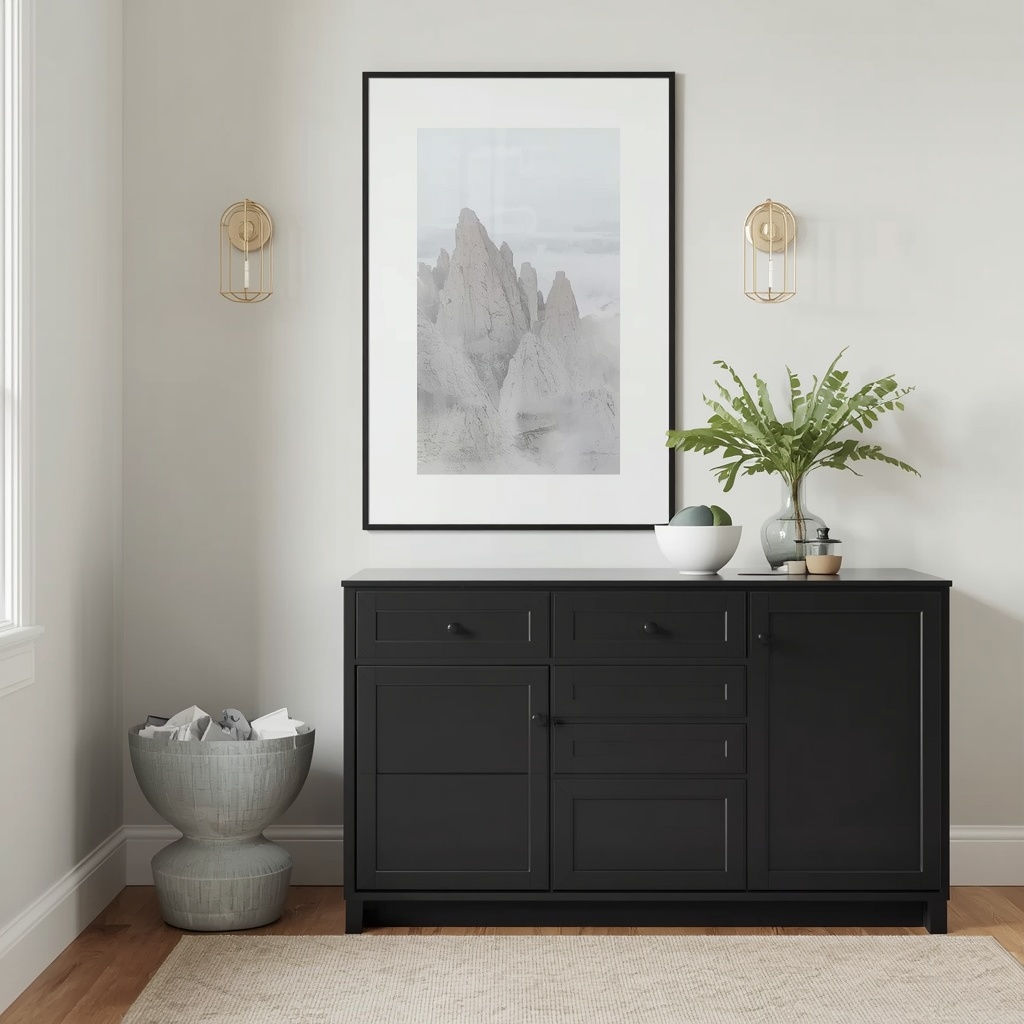
1. Upgrade Your Hardware
Swapping out builder-grade drawer pulls and cabinet handles is one of the highest ROI changes you can make in a home. A set of matte black or brushed brass pulls from Amazon or Home Depot can cost $30–$80 total and completely transform a kitchen or bathroom.
2. Use Large-Format Art Prints
Original art is lovely — and out of budget for most of us. But an oversized print from Society6, Desenio, or even a digital download printed at Staples, framed in a simple black or natural wood frame, reads as sophisticated and intentional. Size matters: go large. A 24×36″ print makes a statement; a 5×7″ on a large wall looks like an afterthought.
3. Layer Your Lighting
Lighting is everything in interior design, and most American homes are dramatically over-lit with harsh overhead lighting and under-decorated with warm ambient sources. Add floor lamps, table lamps, and candles to create depth and warmth. IKEA has excellent affordable lamps, and even a $25 floor lamp with a linen shade creates a designer-quality glow.
4. Invest in a Real Area Rug (Sort Of)
Here’s a nuanced tip: don’t go ultra-cheap on rugs, but you don’t have to go designer either. A flat-weave rug from Rugs USA or Boutique Rugs in the $150–$400 range for an 8×10 can look genuinely beautiful. Avoid those shaggy microfiber rugs — they read as budget instantly. Opt for natural textures: jute, wool, or cotton.
5. Add Real Greenery
Live plants are one of the cheapest ways to make a space feel alive, layered, and well-styled. A fiddle-leaf fig, a pothos, or a cluster of small succulents adds organic texture that no $500 vase can replicate. Pick up plants from your local nursery, Trader Joe’s, or The Sill.
How to Curate a Cohesive Look When Mixing Price Points
Mixing high and low decor only works when the room feels intentional, not hodgepodge. Here’s how to keep it cohesive:
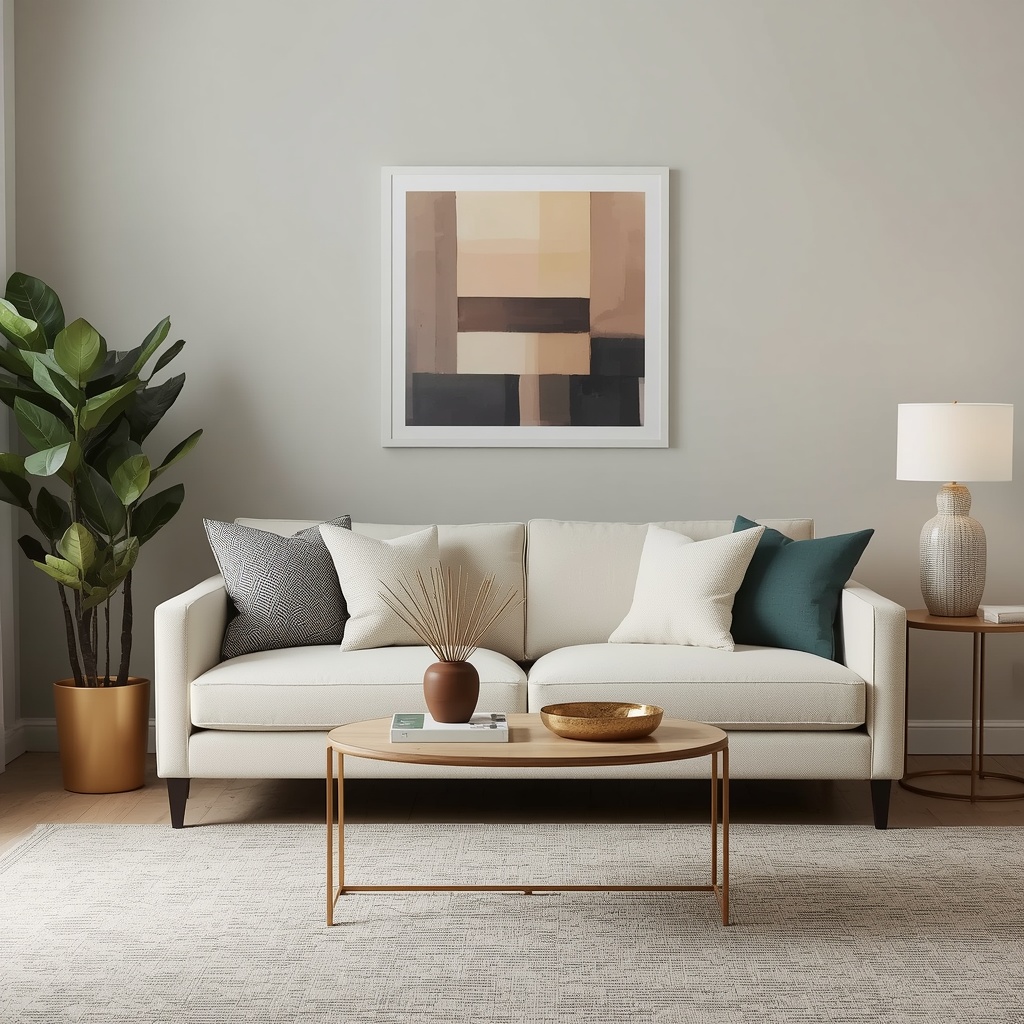
Stick to a defined color palette. Choose 2–3 main colors and 1–2 accent colors for the room. When everything shares a palette, mismatched price points become invisible. A $15 Target vase in the same dusty sage as your $800 linen sofa? Perfection.
Repeat materials and finishes. If your coffee table has a walnut finish, echo that tone in your frames, lamp base, or side table. If your hardware is matte black, bring that into your light fixtures. Repetition creates rhythm.
Mind your scale and proportion. This is where most DIY decorators go wrong. A tiny lamp on a large side table, or a small rug floating in a large room, immediately reads as budget regardless of what it cost. Get the scale right first; then worry about the price point.
Edit ruthlessly. Clutter is the enemy of a high-end look. A few well-chosen pieces — even cheap ones — arranged with breathing room look more expensive than a room stuffed with expensive items. When in doubt, remove something.
“Design is not about decorating. It’s about organizing, simplifying, and making your home work harder for your life.” — Emily Henderson, HGTV Designer & Author
High-Low Room Makeover: A Real-World Example
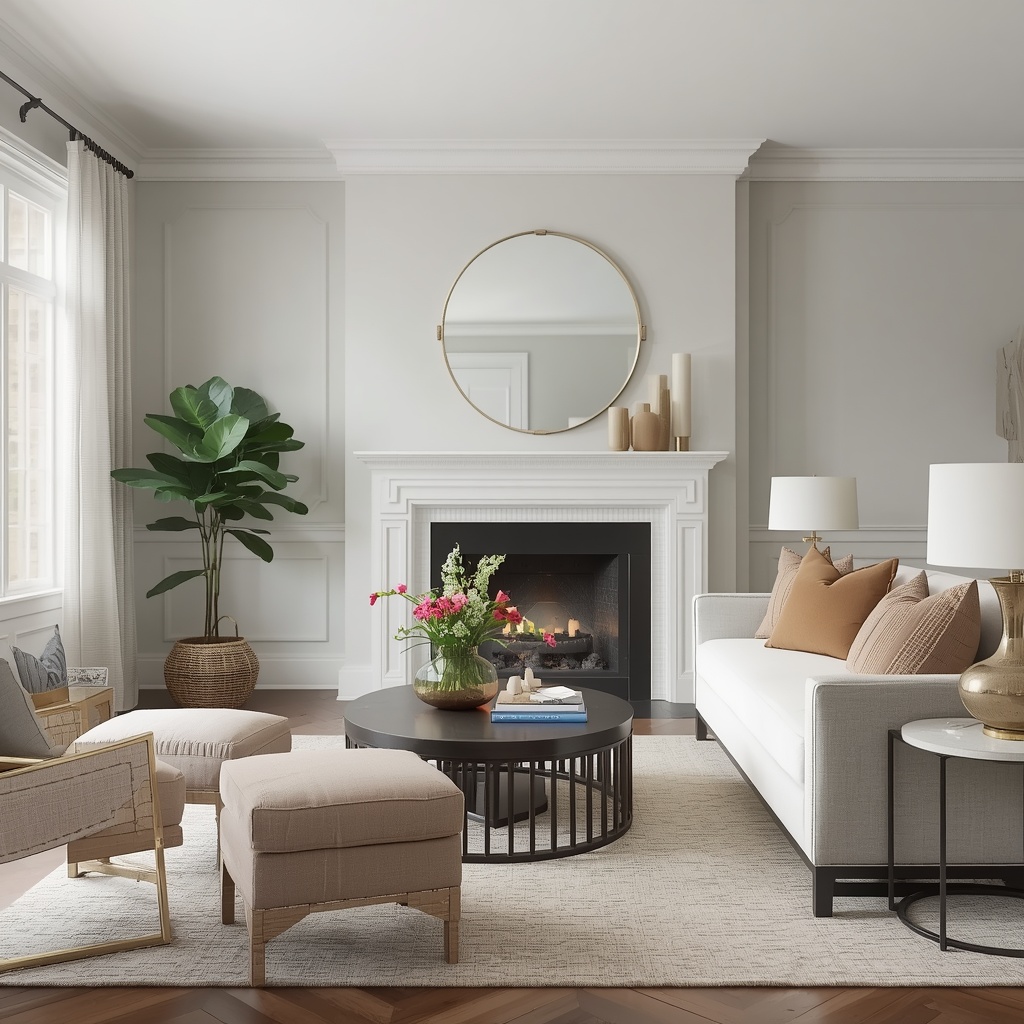
Let’s put this into practice with a living room makeover scenario. Here’s how a realistic $2,500 budget could be allocated using the high-low strategy:
| Item | Source | Estimated Cost |
|---|---|---|
| Sofa (neutral linen) | Article or West Elm sale | $900 |
| Area rug (8×10, jute blend) | Rugs USA | $220 |
| Coffee table (solid wood) | IKEA HEMNES or thrifted | $150 |
| Floor lamp (linen shade) | Amazon or Target | $65 |
| Gallery wall prints (x3) | Desenio digital prints, printed at Staples | $45 |
| Throw blanket | H&M Home | $30 |
| Throw pillows (x4) | TJ Maxx / HomeGoods | $60 |
| Ceramic vase | Local thrift store | $8 |
| Live plant (fiddle leaf fig) | Local nursery | $35 |
| Candles & small decor objects | Target / Trader Joe’s | $40 |
| Total | ~$1,553 |
This leaves nearly $1,000 in buffer for unexpected needs — or a future splurge on that designer mirror you’ve been eyeing.
The Best Places to Shop for High-Low Decor in the US
For investment pieces:
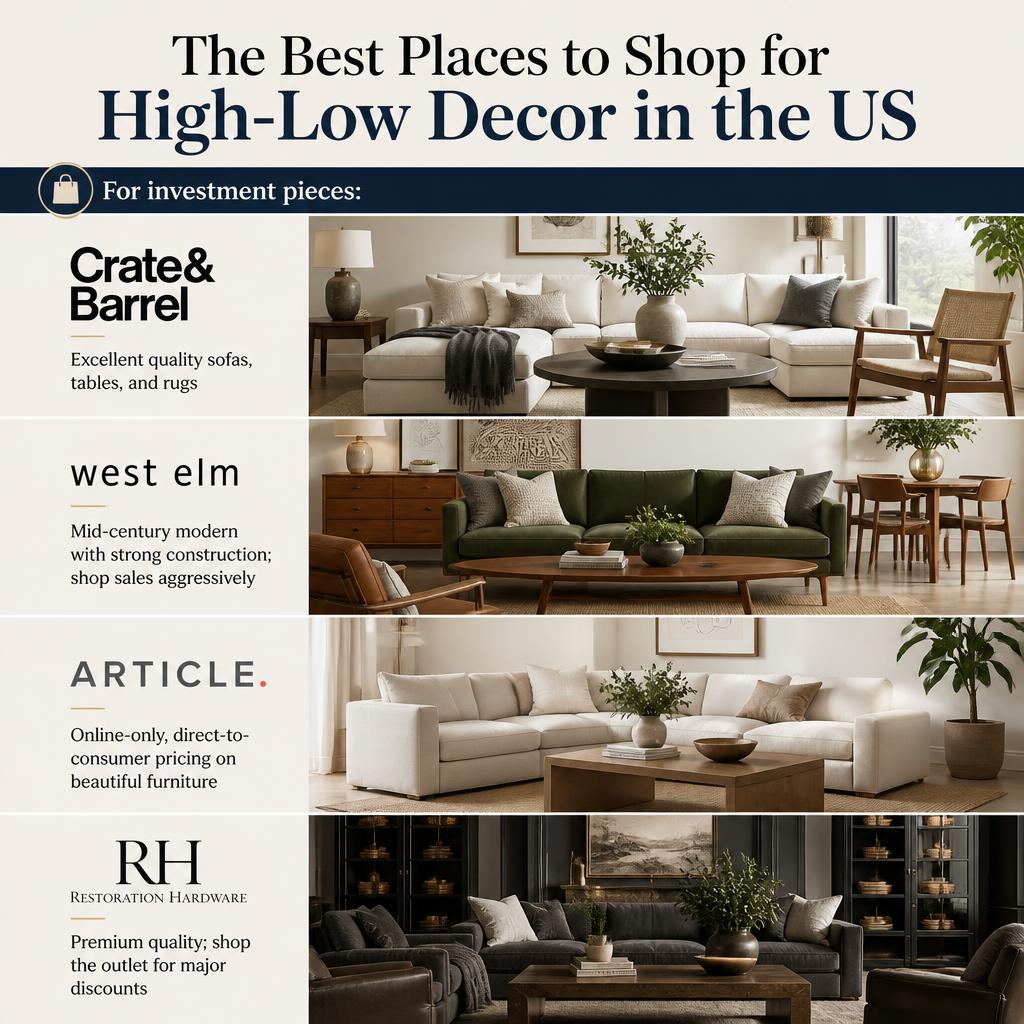
- Crate & Barrel — Excellent quality sofas, tables, and rugs
- West Elm — Mid-century modern with strong construction; shop sales aggressively
- Article — Online-only, direct-to-consumer pricing on beautiful furniture
- Restoration Hardware (RH) — Premium quality; shop the outlet for major discounts
For budget-friendly finds:
- IKEA — Unbeatable for storage, shelving, and basics
- Target (Threshold & Studio McGee line) — Consistently stylish at accessible prices
- HomeGoods / TJ Maxx — Rotating inventory; visit often
- Amazon — Great for hardware, small decor, and lamps
- Facebook Marketplace — Designer pieces at thrift prices
For vintage and unique finds:
- Chairish — Curated vintage and antique furniture
- eBay — Underrated for finding specific vintage pieces
- Local estate sales and flea markets — Always worth a Saturday morning
Common Mistakes to Avoid When Mixing High and Low Decor
Even with a solid strategy, a few common missteps can undercut your high-style vision:
- Buying cheap furniture “for now” — Temporary furniture has a way of becoming permanent. Invest in your foundation from the start.
- Ignoring scale — A small rug, small art, or mismatched furniture proportions will always read as budget.
- Over-accessorizing — Styling is about restraint. More is not more.
- Matching everything too perfectly — A room where every piece “goes” together looks staged, not styled. Embrace a little tension.
- Neglecting lighting — No matter how beautiful your furniture, bad lighting will undermine everything.
Final Thoughts: Style is a Strategy, Not a Budget
The homes that stop you in your tracks — the ones you see on Pinterest and Instagram and think, “How do they do that?” — are almost never the product of unlimited budgets. They’re the product of intentional choices, smart investment, and an eye for what actually matters.
You don’t need to spend a fortune to live beautifully. You need to know where quality counts, where savings make sense, and how to tie it all together with a confident, cohesive vision. That’s the real work of interior design — and now, it’s something you can do too.
Start with one room. Pick your anchor piece. Build from there. The high-style look you’ve been dreaming of is closer — and more affordable — than you think.
Ready to start your room transformation? Share your space in the comments below and let’s talk through your high-low strategy together.