
If you’ve ever walked into a room and felt an immediate sense of calm — like a warm exhale after a long day — you’ve experienced something close to hygge. This Danish concept, pronounced “hoo-ga,” is the soul behind Scandinavian interior design, a style that has taken American homes by storm. From cozy Minnesota cabins to sleek Brooklyn apartments, homeowners across the US are falling in love with the clean lines, warm textures, and effortless livability of Nordic-inspired spaces.
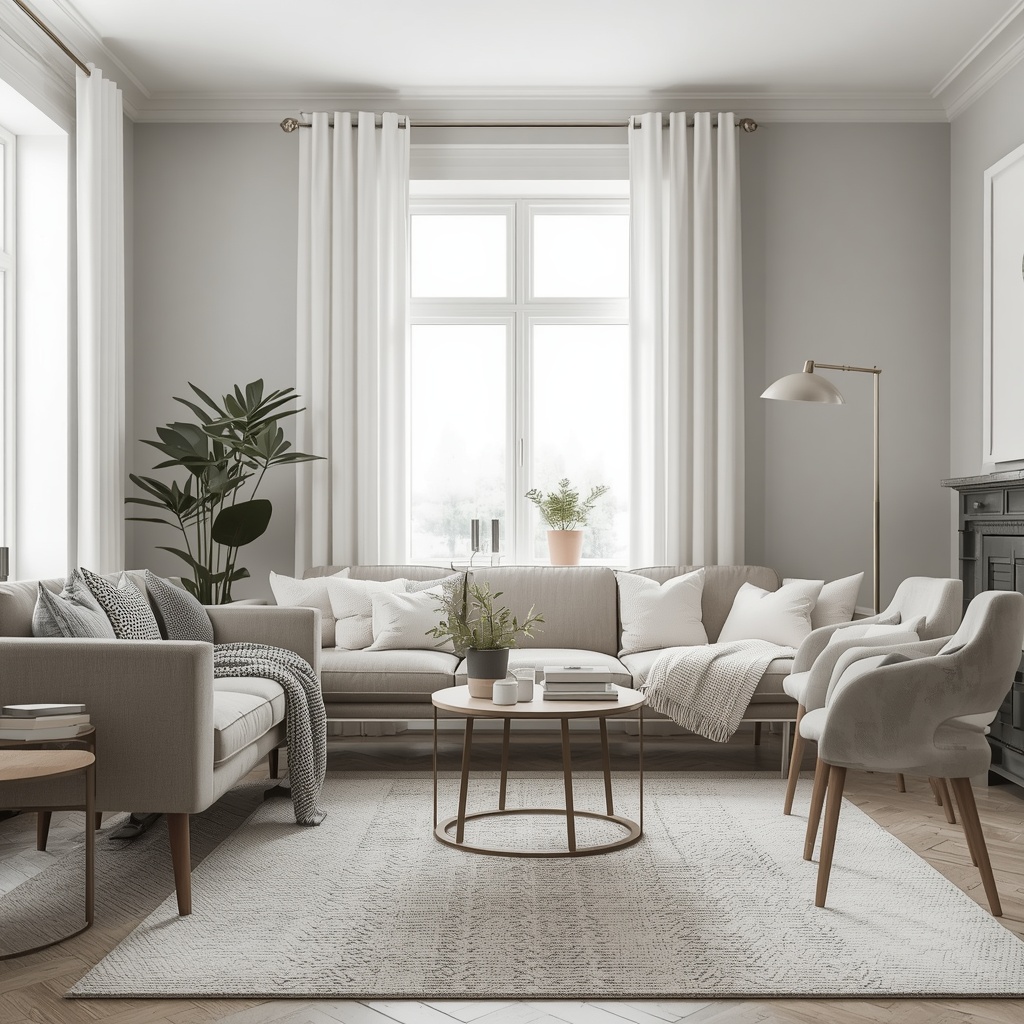
In this article, I’ll walk you through the core principles of Scandinavian interior design and show you exactly how to bring that coveted hygge feeling into every corner of your home — without flying to Copenhagen.
What Is Scandinavian Interior Design? (And Why Americans Love It)
Scandinavian interior design originated in the Nordic countries — Denmark, Sweden, Norway, and Finland — where long, dark winters made it essential to create interiors that were warm, functional, and emotionally uplifting. The result? A design philosophy that blends minimalism with coziness, practicality with beauty.
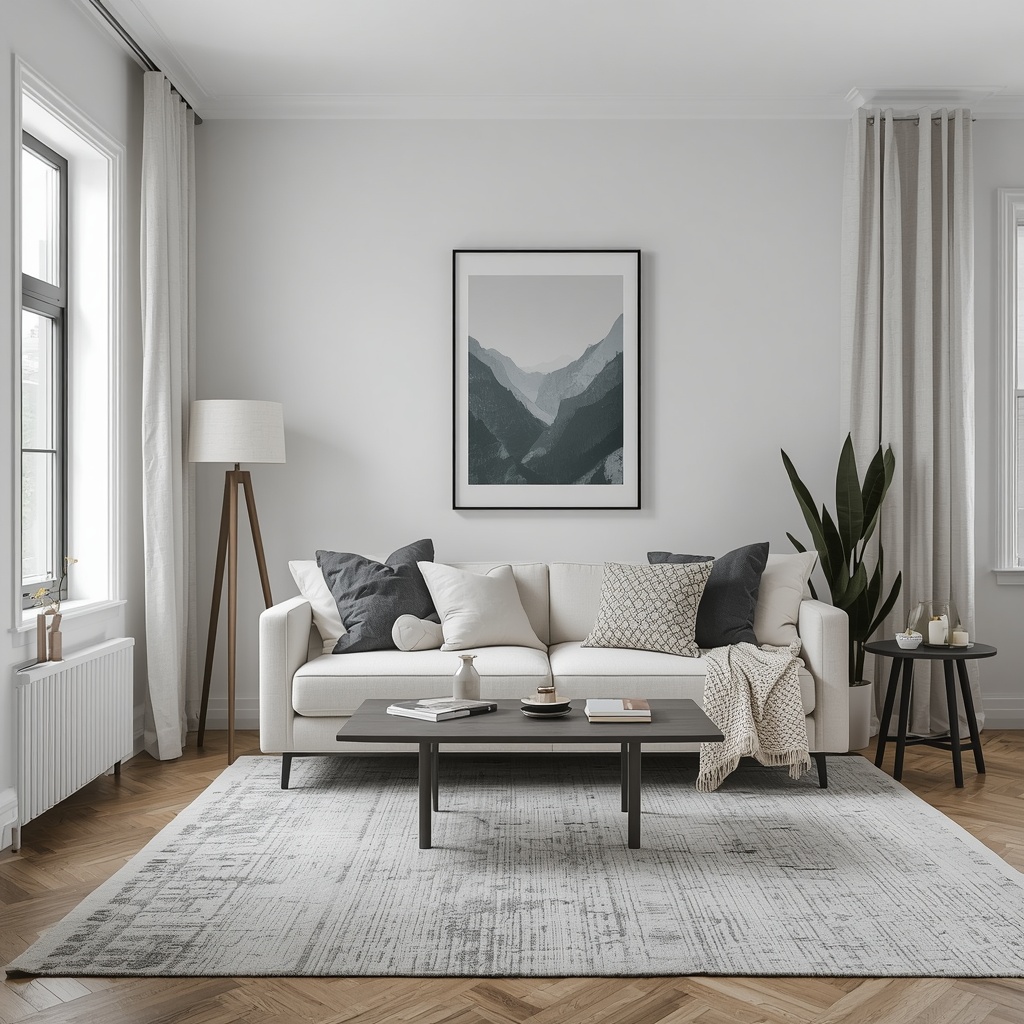
What makes this style so irresistible to American homeowners is its universality. Whether you live in a sprawling suburban home in Texas or a compact studio in Chicago, Scandinavian design principles adapt beautifully. It’s not about perfection — it’s about intentionality. Every piece of furniture, every candle, every throw blanket is chosen with purpose.
“The best rooms feel like they’ve been lived in and loved — not staged. Scandinavian design teaches us to decorate for comfort first, and aesthetics second.” — Inspired by Nordic design philosophy
Scandinavian style is also closely tied to the concept of lagom (Swedish for “just the right amount”) — a reminder that more is not always more. In a world of maximalist trends and fast furniture, this feels refreshingly grounding.
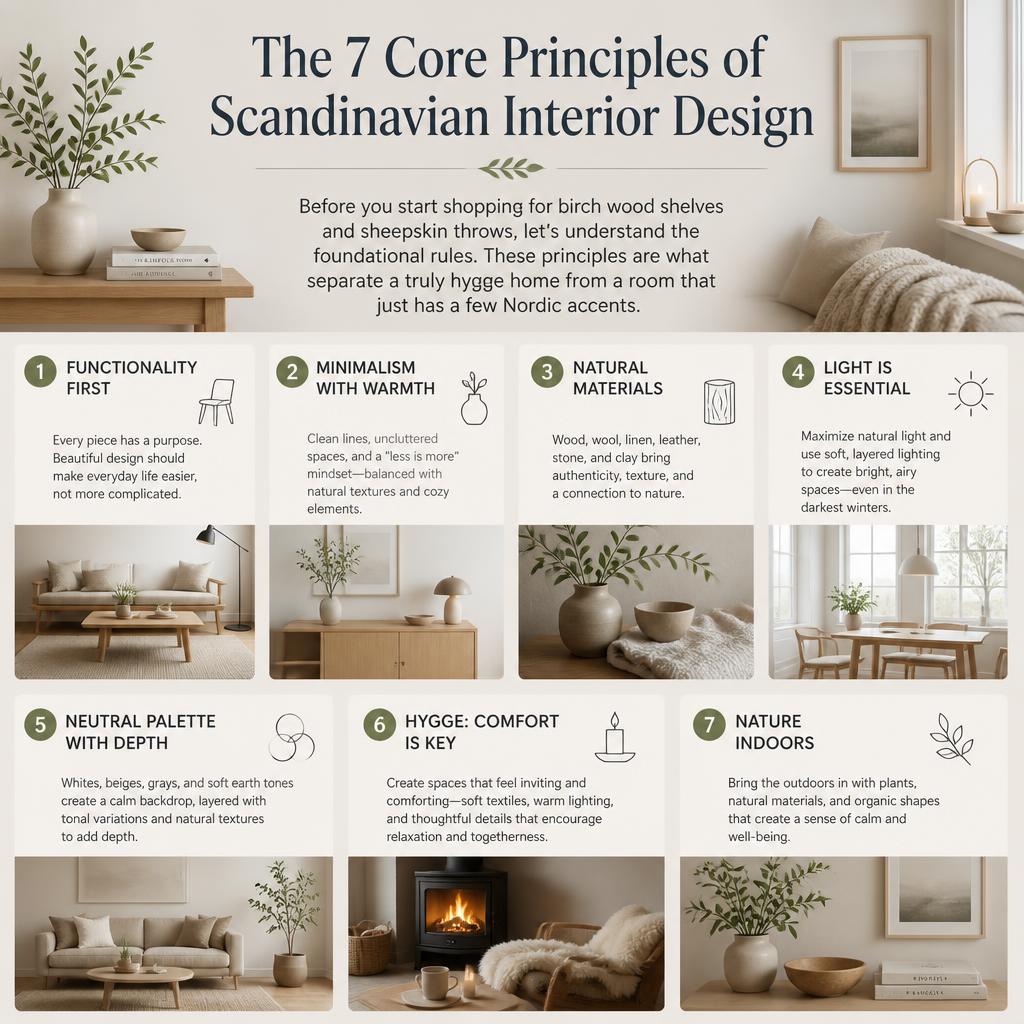
The 7 Core Principles of Scandinavian Interior Design
Before you start shopping for birch wood shelves and sheepskin throws, let’s understand the foundational rules. These principles are what separate a truly hygge home from a room that just has a few Nordic accents.
1. Functionality First
In Scandinavian design, beauty and function are never at odds. Every piece of furniture should earn its place. A beautiful coffee table that offers hidden storage? Perfect. A sculptural floor lamp that also illuminates your reading nook? Essential.
Key rule: If it doesn’t serve a purpose, reconsider it.
2. Neutral Color Palettes with Warm Accents
The classic Scandinavian palette leans on whites, soft grays, warm beiges, and muted earth tones. These colors reflect natural light — critical in Nordic countries where sunlight is scarce — and create an airy, open feel.
Recommended color combinations:
| Base Color | Accent Color | Mood Created |
|---|---|---|
| Crisp White | Warm Terracotta | Cozy & Inviting |
| Soft Gray | Dusty Sage Green | Calm & Grounded |
| Warm Cream | Slate Blue | Fresh & Serene |
| Greige (Gray-Beige) | Burnt Sienna | Earthy & Timeless |
Don’t be afraid to add warmth through mustard yellows, rust, or forest green — these are very on-trend in modern Scandinavian interiors and add depth without disrupting the calm palette.
3. Natural Materials and Textures
Wood is the cornerstone of Scandinavian design. Light-toned woods like birch, pine, and ash bring warmth and an organic quality that no synthetic material can replicate. Pair wood with:
- Wool and chunky knit throws for texture on sofas
- Linen curtains that diffuse light softly
- Rattan and wicker accents for visual interest
- Stone or concrete surfaces for modern contrast
- Leather in its most natural, undyed forms
The goal is to layer textures so the room feels rich and tactile — not cold or sparse.
4. Embrace Minimalism (But Make It Warm)
Here’s where many people go wrong: they confuse Scandinavian minimalism with stark emptiness. True Nordic minimalism is warm minimalism. Yes, you declutter and edit ruthlessly — but what remains is meaningful, beautiful, and comfortable.
“Minimalism isn’t about having less. It’s about making room for what matters most.”
Pro Tip 💡: Before decorating a room in Scandinavian style, do a full “edit session.” Remove everything from the space and only bring back items that are either deeply functional, personally meaningful, or genuinely beautiful. This Nordic reset is the fastest way to achieve that effortless hygge aesthetic.
5. Let Natural Light Lead
Scandinavian homes are designed to maximize every drop of natural light. In American homes, this translates to:
- Choosing sheer or linen curtains over heavy drapes
- Placing mirrors strategically to bounce light deeper into rooms
- Keeping window sills clear of clutter
- Using light-reflective finishes on walls and furniture
When daylight fades, layered artificial lighting becomes the MVP. Avoid harsh overhead lights. Instead, layer:
- Ambient lighting — soft floor lamps and pendant lights
- Task lighting — reading lamps and under-cabinet kitchen lights
- Accent lighting — candles, string lights, and LED strips
Candles are practically sacred in Scandinavian culture. Stock up on unscented or lightly scented soy candles and place them throughout your home for that instant hygge glow.
6. Bring Nature Indoors
Biophilic design — the practice of connecting interior spaces with nature — is deeply embedded in Nordic design philosophy. Americans are increasingly embracing this trend, and for good reason: studies show that incorporating natural elements reduces stress and improves mood.
Easy ways to bring nature inside:
- Large-leaf indoor plants like fiddle leaf figs, Swiss cheese plants, or snake plants
- Branch and dried botanical arrangements
- Stone and pebble decorative accents
- Artwork featuring landscapes, forests, or botanical prints
- Natural fiber rugs made from jute or seagrass
7. Curate, Don’t Accumulate
Scandinavian interiors are not devoid of personality — they’re curated with intention. The difference between clutter and character is curation. Display a few meaningful objects: a handmade ceramic bowl, a stack of well-loved books, a framed print by a local artist.
What to display vs. what to store:
| Display | Store Away |
|---|---|
| 1–3 meaningful art pieces | Excess decorative trinkets |
| A few quality ceramics | Mismatched or unused items |
| Favorite books (spines out) | Paperwork and digital devices |
| One statement plant | Artificial flowers |
| A cozy throw on the sofa | Extra blankets (use a basket) |
Room-by-Room Guide to Creating a Hygge Home
Living Room: The Heart of Hygge
The Scandinavian living room is where hygge truly lives. It’s designed for gathering, unwinding, and long conversations over warm drinks. To nail this look:
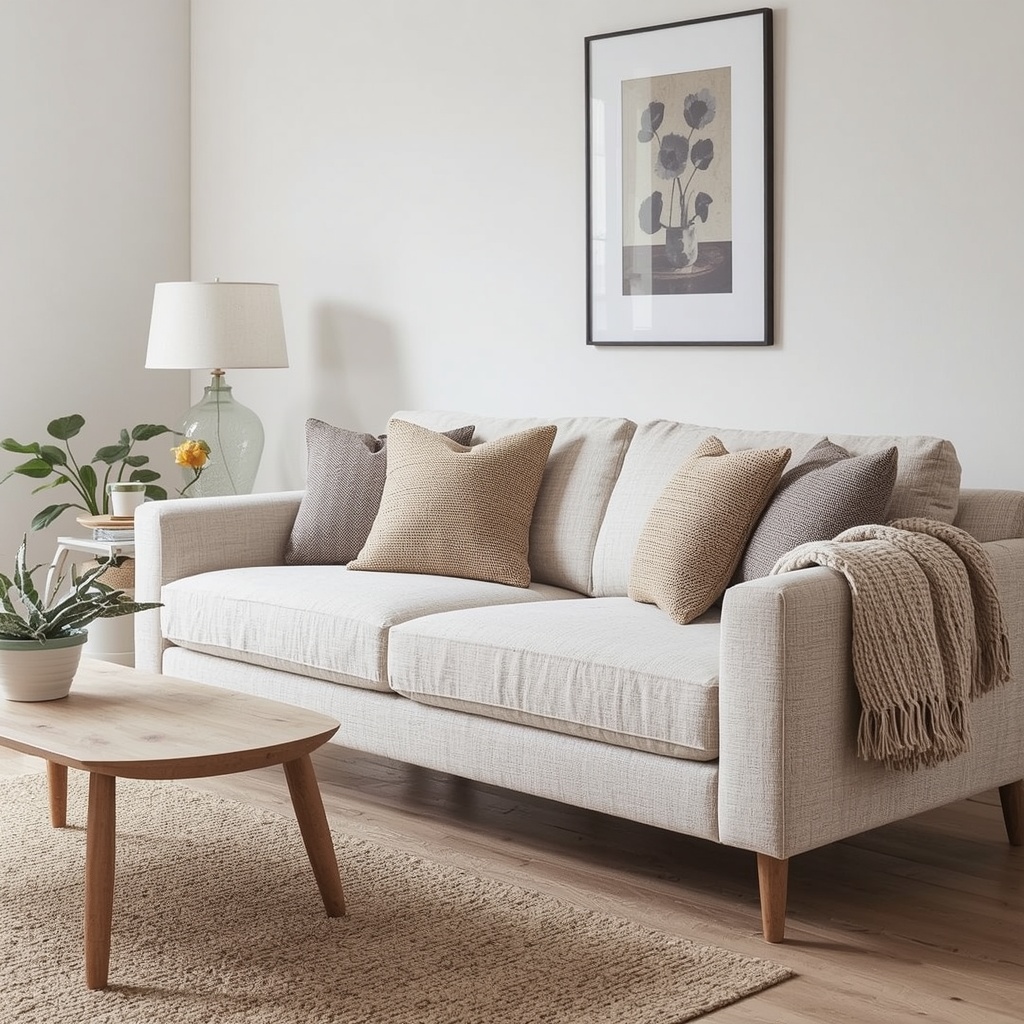
Furniture: Choose a low-profile sofa in a neutral fabric — oatmeal linen, warm gray, or cream bouclé are all excellent choices. Add a natural wood coffee table with clean lines. Avoid bulky, overstuffed pieces.
Layering: This is the secret weapon. Layer a jute rug under a smaller wool rug. Stack two or three throw pillows in complementary textures. Drape a chunky knit blanket casually over the arm of your sofa.
Lighting: Position a floor lamp beside your reading chair. Add a cluster of candles on your coffee table. Install a simple pendant light with a warm-toned bulb (2700K is ideal for that golden hygge glow).
The hygge corner: Every Scandinavian living room needs one — a dedicated cozy nook with a plush chair, a side table for your tea, a lamp, and a small stack of books. This is your personal retreat within your home.
“A hygge corner doesn’t require square footage. It requires intention.”
Bedroom: Your Nordic Sleep Sanctuary
The Scandinavian bedroom is a master class in restful simplicity. Every element is designed to support sleep, calm, and gentle morning routines.
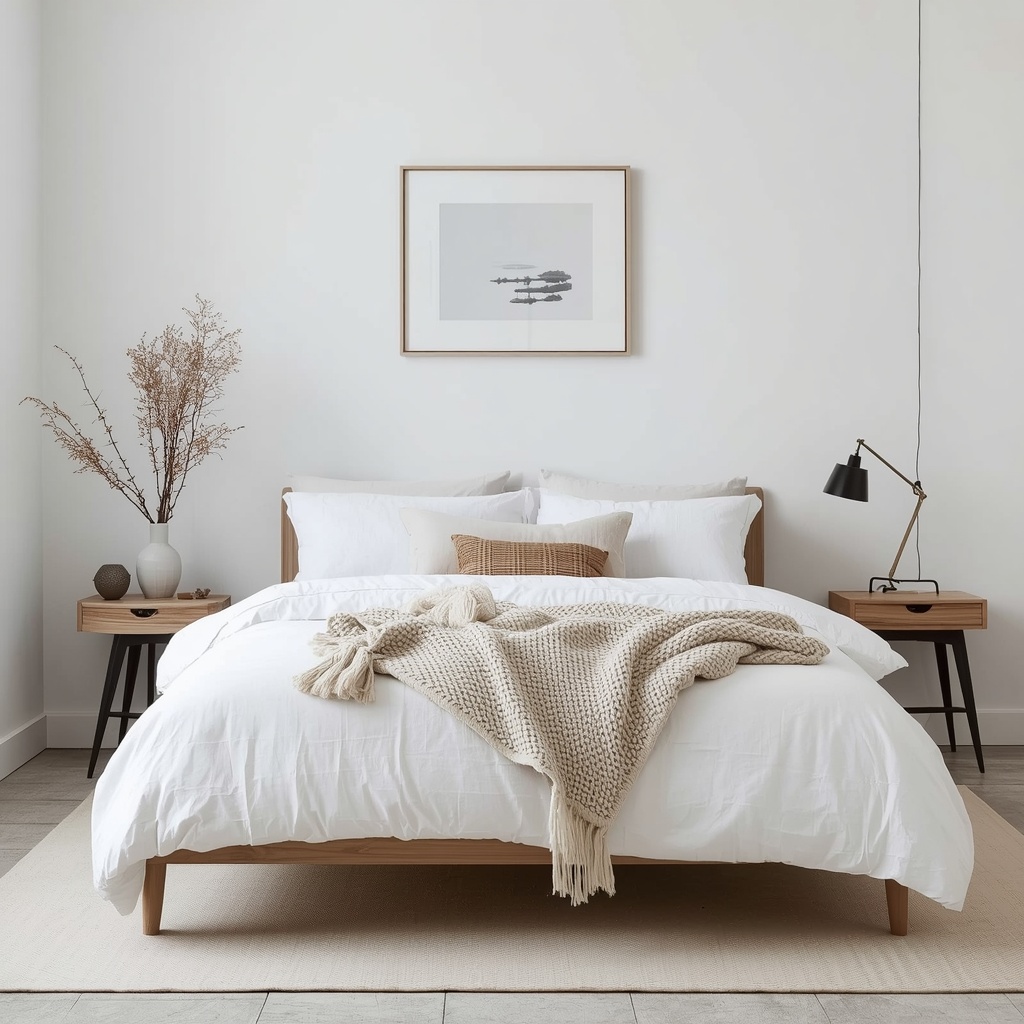
The foundation of a hygge bedroom is the bed itself. Invest in quality linen or cotton bedding in white or soft natural tones. Layer with a wool or down duvet, and add a chunky knit throw at the foot of the bed. Use two to four pillows maximum — no decorative pillow mountains here.
Keep furniture minimal: a bed frame in light wood or matte black, a simple nightstand, and perhaps a low dresser. Artwork should be calm — abstract botanicals, quiet landscapes, or simple line drawings work beautifully.
Pro Tip 💡: Use blackout linen curtains in the bedroom. They maintain the light, airy Scandinavian aesthetic while giving you the darkness needed for quality sleep. Look for styles from brands like IKEA’s HILJA, West Elm’s linen collection, or Parachute Home.
Kitchen: Functional Scandinavian Simplicity
Scandinavian kitchens are clean, organized, and effortlessly functional. Think open shelving with neatly arranged ceramics, handleless cabinetry in white or muted tones, and countertops kept beautifully clear.
Key elements of a hygge kitchen:
- Open shelving displaying beautiful, everyday ceramics
- Pendant lights over the island or dining table (choose rattan or matte metal shades)
- Wooden cutting boards and utensils displayed as decor
- A simple herb garden on the windowsill
- Linen tea towels in muted stripes or solid neutrals
The Scandinavian kitchen celebrates the ritual of cooking and sharing food. A worn wooden dining table that has seen a thousand family meals? More hygge than any designer piece.
Home Office: Productive and Peaceful
The Scandinavian home office balances productivity with calm — a challenge in today’s cluttered, distraction-filled work environments. Start with a simple desk in light wood or white, a supportive chair in neutral fabric, and clear all cables.
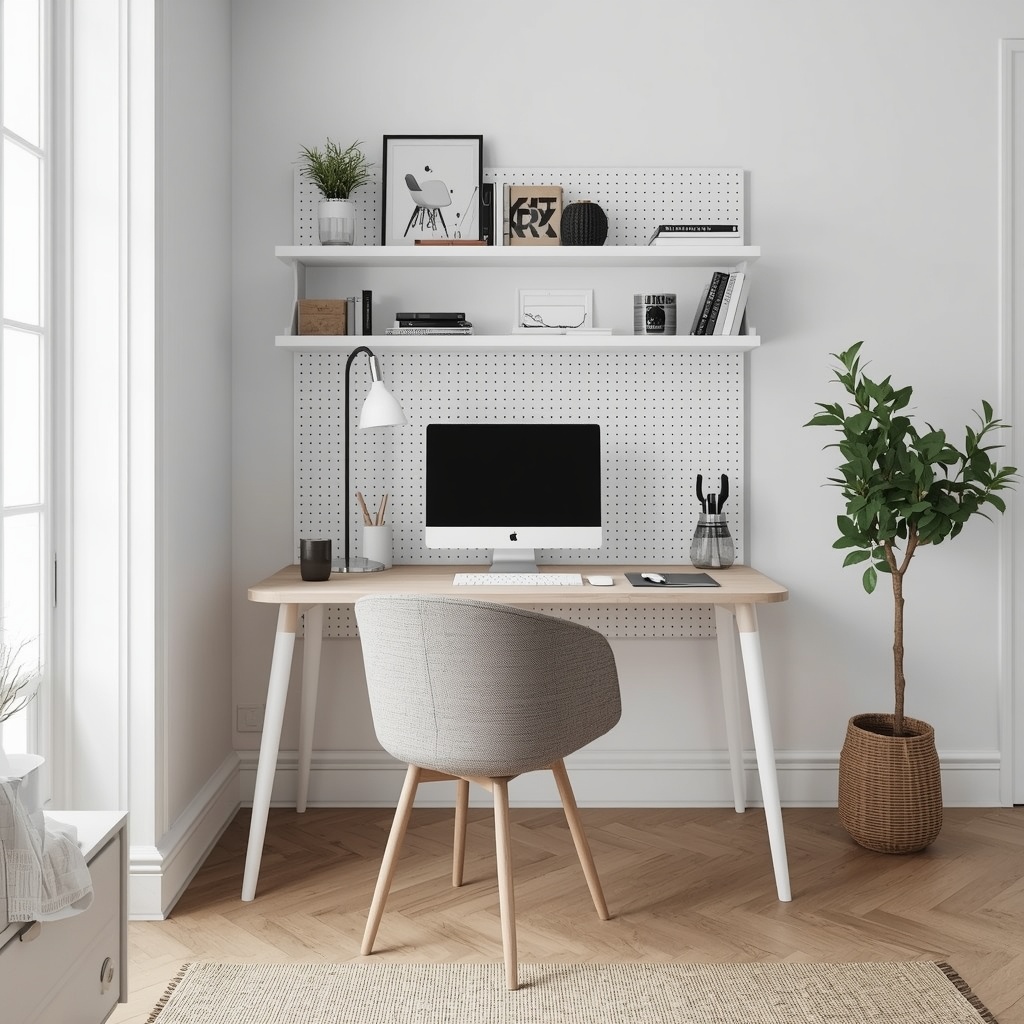
Use a pegboard or open shelving for storage, keeping only your daily essentials visible. Add one meaningful plant, a small lamp, and perhaps one piece of art that inspires you. The goal is a space that feels like a breath of fresh air, not a source of stress.
Essential Scandinavian Design Elements to Shop Now
Ready to start transforming your home? Here’s a curated checklist of must-have Scandinavian decor elements:
Furniture & Layout:
- Low-profile sofa in linen or bouclé
- Light wood dining table (birch or oak)
- Simple, streamlined shelving units
- Woven rattan accent chairs
Textiles:
- Chunky knit throws
- Linen bedding in natural tones
- Wool or cotton area rugs
- Linen curtain panels
Lighting:
- Rattan or paper pendant lights
- Adjustable arc floor lamps
- Soy wax candles in ceramic vessels
Decor Accents:
- Ceramic vases in muted tones
- Wooden decorative bowls
- Simple black-framed art prints
- Dried botanicals and pampas grass
Where to shop: IKEA, West Elm, Article, CB2, Parachute Home, and Etsy for handmade ceramics and art prints.
Common Scandinavian Design Mistakes to Avoid
Even design enthusiasts get this wrong sometimes. Here are the most common pitfalls:
- Going too cold — All white with no warmth reads as clinical, not hygge. Always add warm wood tones and soft textiles.
- Overdoing minimalism — Bare walls and empty shelves aren’t Scandinavian — they’re just empty. Curate thoughtfully.
- Ignoring lighting — Overhead lighting alone kills any hygge atmosphere. Layer your light sources always.
- Buying cheap fast furniture — Scandinavian design values quality over quantity. Save up for one well-made piece rather than filling a room with disposable furniture.
- Forgetting smell and sound — Hygge is a full sensory experience. Add a crackling candle, a soft playlist, and the smell of fresh coffee or cedar.
Final Thoughts: Hygge Is a Feeling, Not Just a Look
Scandinavian interior design is ultimately about how your home makes you feel. It’s about walking through your front door and letting your shoulders drop. It’s about a Sunday morning with coffee, soft light, and the sound of rain. It’s about a home that supports your life rather than complicating it.
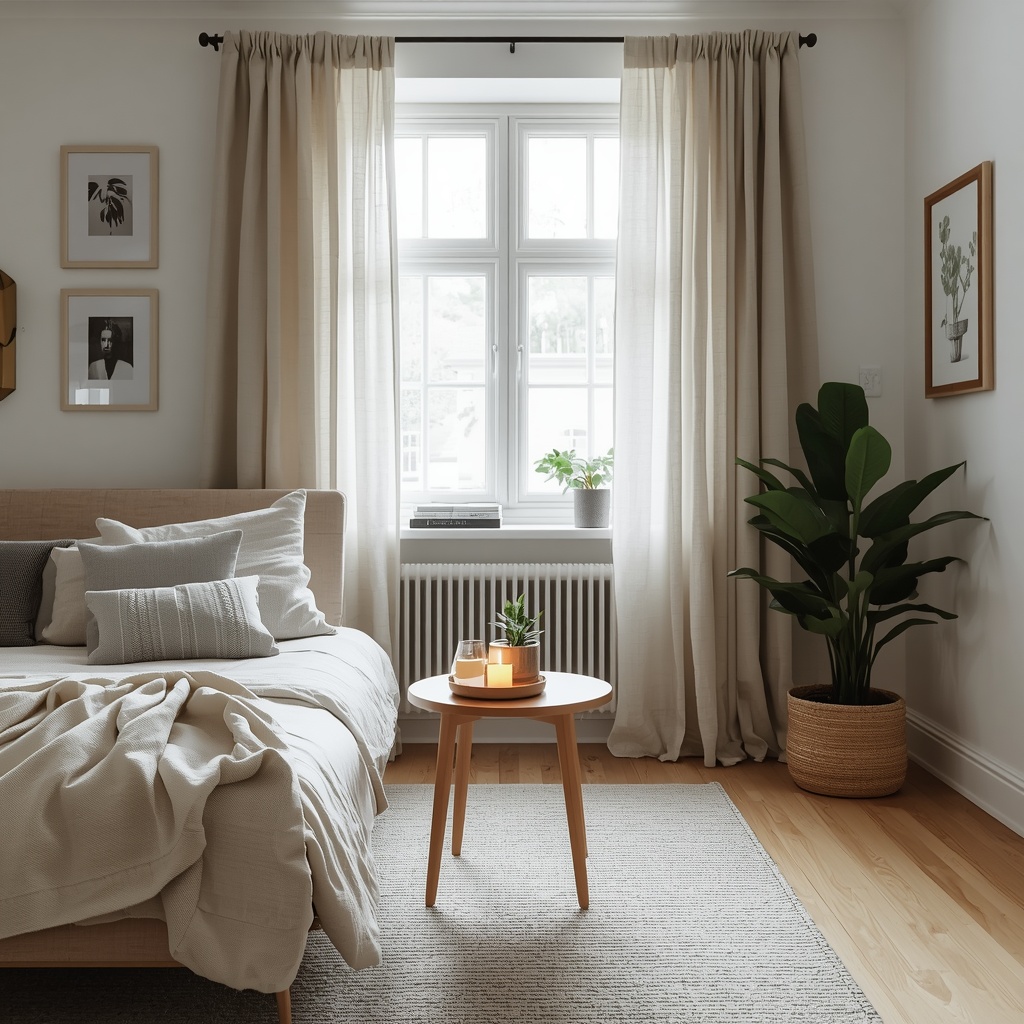
You don’t need to gut-renovate your space or spend thousands of dollars. Start small: add a candle, swap your curtains for linen ones, clear your countertops, and bring in one beautiful plant. Then watch as your home begins to breathe.