By a Home Decor Specialist | Interior Design | Retro & Vintage Styling
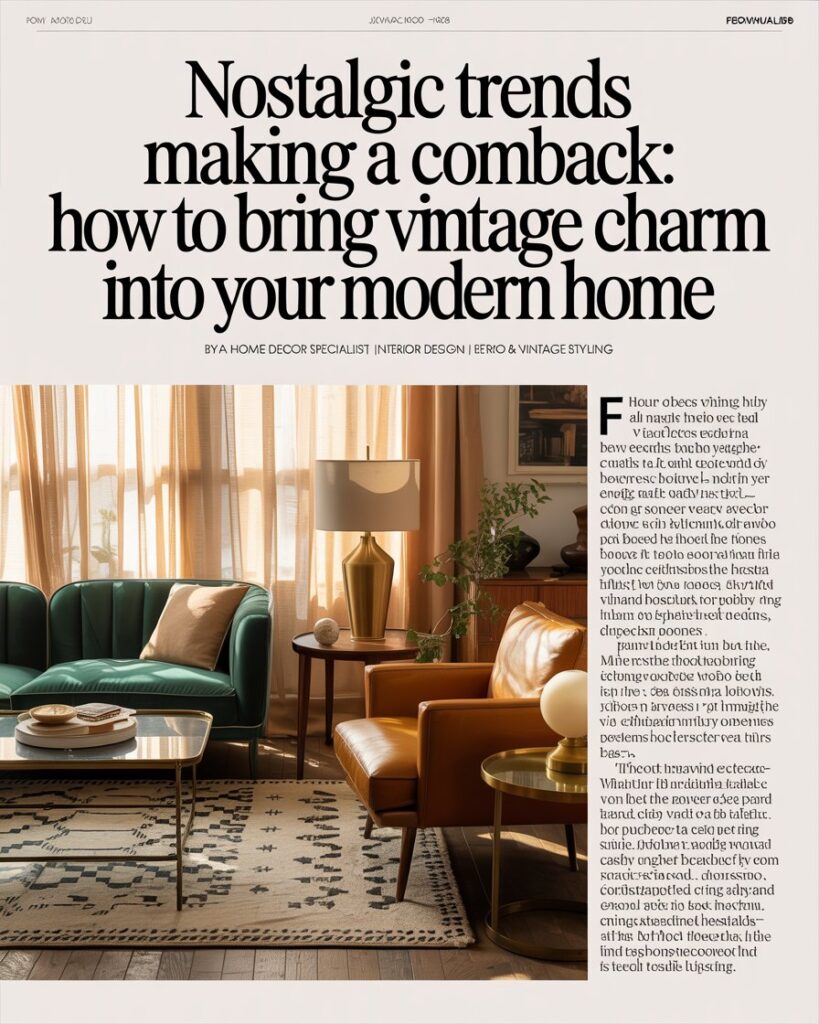
There’s something deeply comforting about surrounding yourself with pieces that feel like home — not just your current home, but the homes you grew up in, the ones you saw in old family photos, the ones that smelled like wooden furniture polish and freshly baked pie. Across the United States, homeowners are leaning hard into nostalgia, and the interior design world is here for it. From shag rugs making a velvet-soft return to grand millennial wallpaper patterns covering accent walls coast to coast, vintage-inspired home decor is not just a passing fad. It’s a full-blown cultural movement rooted in comfort, identity, and the desire to slow down in a fast-moving world.
Whether you’re a millennial craving the aesthetic of your childhood or a Gen X homeowner rediscovering the treasures of your past, these nostalgic interior design trends are worth knowing — and worth incorporating into your living space. Let’s take a room-by-room tour through the retro decor trends dominating American homes.
1. Grandmillennial Style: Grandma’s House Was Actually Chic
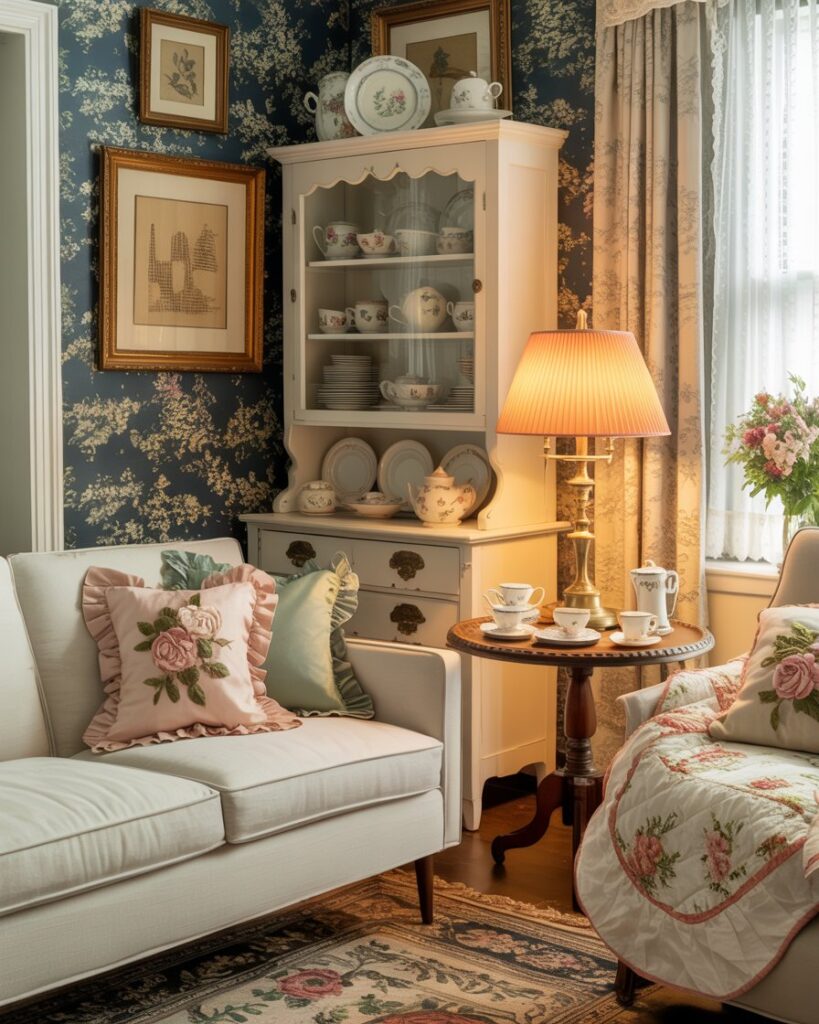
If you’ve been on Pinterest or Instagram lately, you’ve definitely seen it — floral chintz, ruffled throw pillows, framed needlework, and china cabinets filled with mismatched vintage dishware. This is grandmillennial style, and it’s one of the most talked-about nostalgic interior design trends of the decade.
Grandmillennial decor celebrates the maximalist, pattern-heavy aesthetic of traditional American homes from the 1970s through the 1990s. Think layered textiles, bold botanical prints, toile wallpaper, and antique wooden furniture sitting proudly next to a modern sofa. It’s the art of blending old-world charm with contemporary comfort — and it works surprisingly well.
The beauty of this trend is that it’s deeply personal. You’re not just buying a style; you’re curating a feeling. Many homeowners are incorporating heirloom pieces — grandmother’s china, vintage lamps from estate sales, and hand-stitched quilts — into their modern interiors to create spaces that feel lived-in, layered, and full of soul.
“Good design is about the stories your room tells. When you mix a vintage floral armchair with a modern clean-lined sofa, you’re telling a story about who you are and where you came from.” — Interior Design Principle
Pro Tip: Don’t try to match everything. The secret to nailing grandmillennial style is intentional mismatching. Pair a Victorian-inspired settee with a sleek mid-century coffee table and let the contrast breathe. Shop estate sales, thrift stores, and platforms like Chairish or 1stDibs for authentic vintage pieces at accessible price points.
2. Shag Rugs and Plush Textures: The 70s Are Back on Your Floor
Remember those gloriously impractical, wonderfully cozy shag rugs from the 1970s? They’re back — and they’ve never looked better. High-pile rugs in earthy tones like terracotta, burnt sienna, olive green, and mustard yellow are flooding living rooms, bedrooms, and even home offices across the country. These tactile, vintage-inspired floor coverings add warmth, visual depth, and a sense of bohemian luxury that flat-weave rugs simply can’t match.
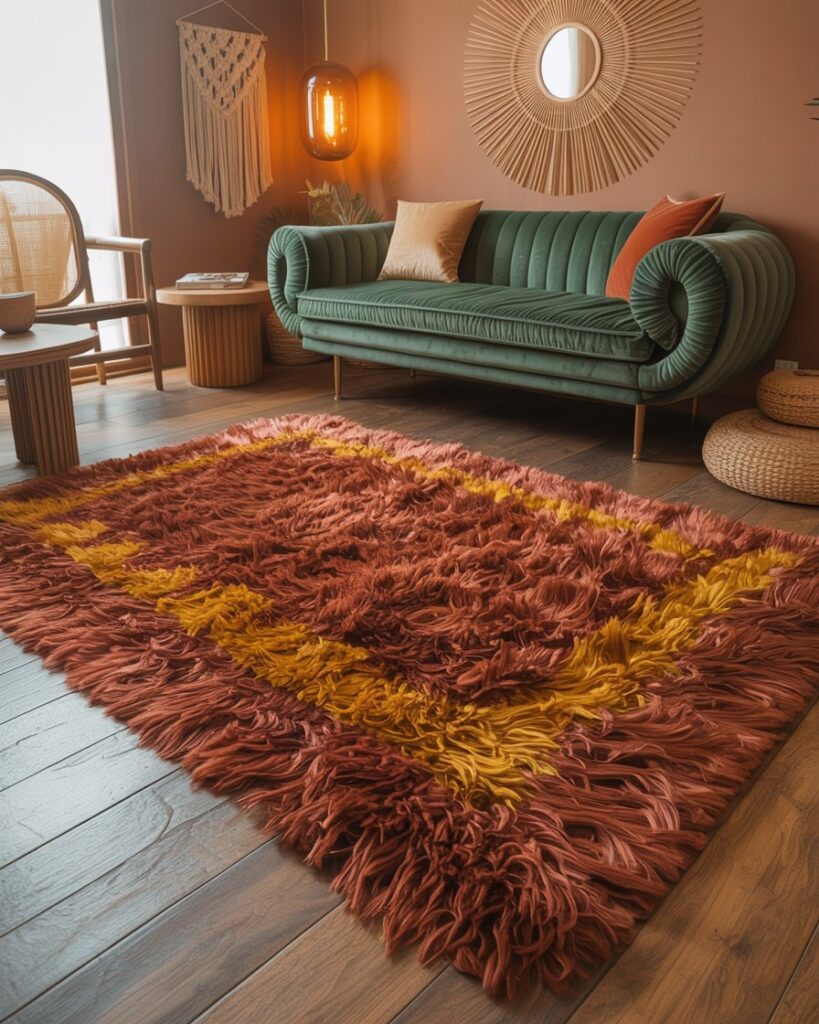
The 1970s-inspired decor movement is bigger than just rugs. It encompasses a whole palette and texture language that feels both retro and incredibly fresh today. Think warm wood paneling, curved furniture silhouettes, macramé wall hangings, and statement pendant lighting in amber glass. The era’s embrace of organic shapes and earth tones pairs beautifully with today’s biophilic design principles, making 70s aesthetics feel both nostalgic and forward-thinking.
Plush velvet upholstery is another major textural comeback. Sofas and accent chairs in deep jewel tones — emerald, sapphire, burgundy — evoke the luxurious sitting rooms of mid-century American homes. Layer in some woven throws and oversized floor cushions for that perfect retro-lounge vibe.
Pair a high-pile shag rug with warm-toned hardwood floors and a sunburst mirror for an instant 70s revival look that photographs beautifully and feels even better underfoot.
Pro Tip: If you’re hesitant about committing to a full shag rug (they do require regular maintenance), start with a smaller accent rug in a high-pile style for a bedroom or reading nook. Brands like Rugs USA and Loloi offer great vintage-inspired options at accessible price points.
3. Wallpaper is Officially Back — And It’s Bolder Than Ever
For decades, wallpaper was considered dated. Homeowners ripped it off walls in favor of neutral painted surfaces, and it sat dormant in the design world’s attic. But wallpaper has made one of the most dramatic comebacks in modern interior design history, and today’s patterns are a love letter to every era from the 1940s through the 1980s.
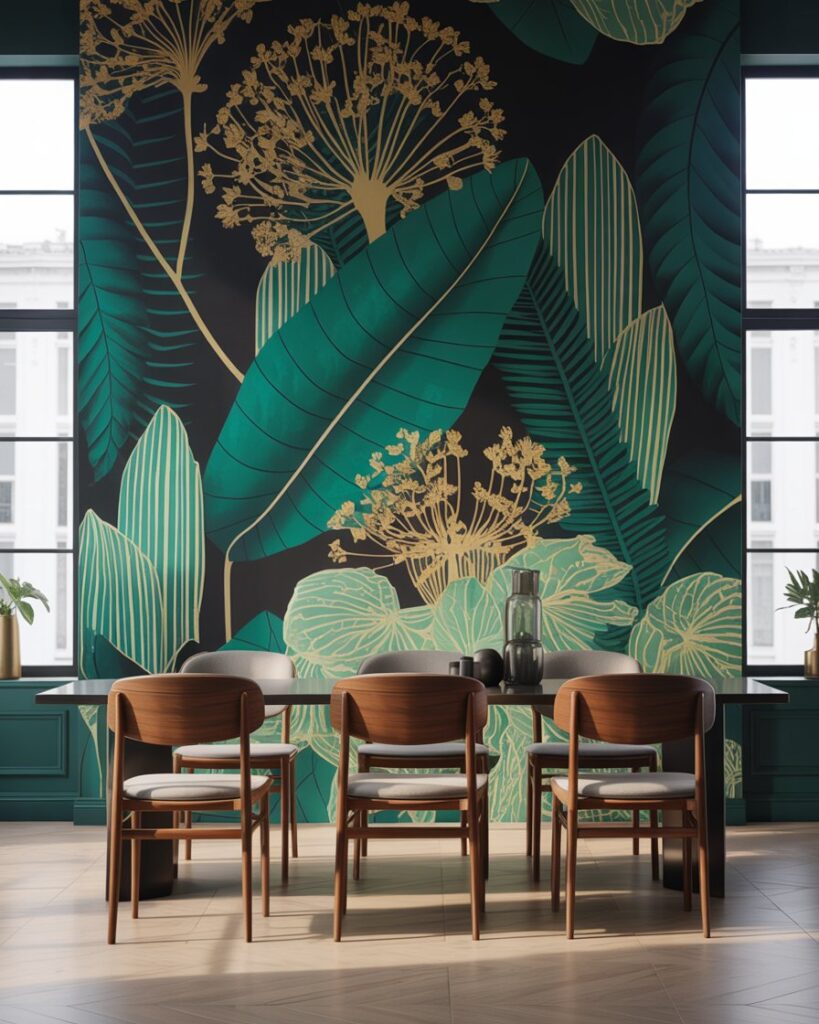
Bold botanical prints, geometric Art Deco patterns, vintage damask, and mushroom-and-nature motifs are all trending heavily right now. The most popular application? The accent wall — a single statement surface that anchors a room without overwhelming it. Dining rooms, home offices, and primary bedrooms are the most common spots for this nostalgic wall treatment.
The resurgence of textured wallpaper is especially notable. Grasscloth wallpaper, which was wildly popular in mid-century American homes, has returned with a vengeance. Its natural, woven texture adds warmth and dimension to any room, and it pairs effortlessly with both rustic and contemporary furnishings.
“Wallpaper is the jewelry of the room. It can transform a plain space into something that feels curated, intentional, and deeply personal.”
4. Mid-Century Modern: The Comeback That Never Really Left
Mid-century modern design — characterized by clean lines, organic shapes, functional forms, and a seamless blend of indoor and outdoor living — has been a design darling for years, but its current revival is more authentically retro than ever before. Homeowners aren’t just buying MCM-inspired furniture; they’re hunting for original vintage pieces from the 1950s and 1960s.
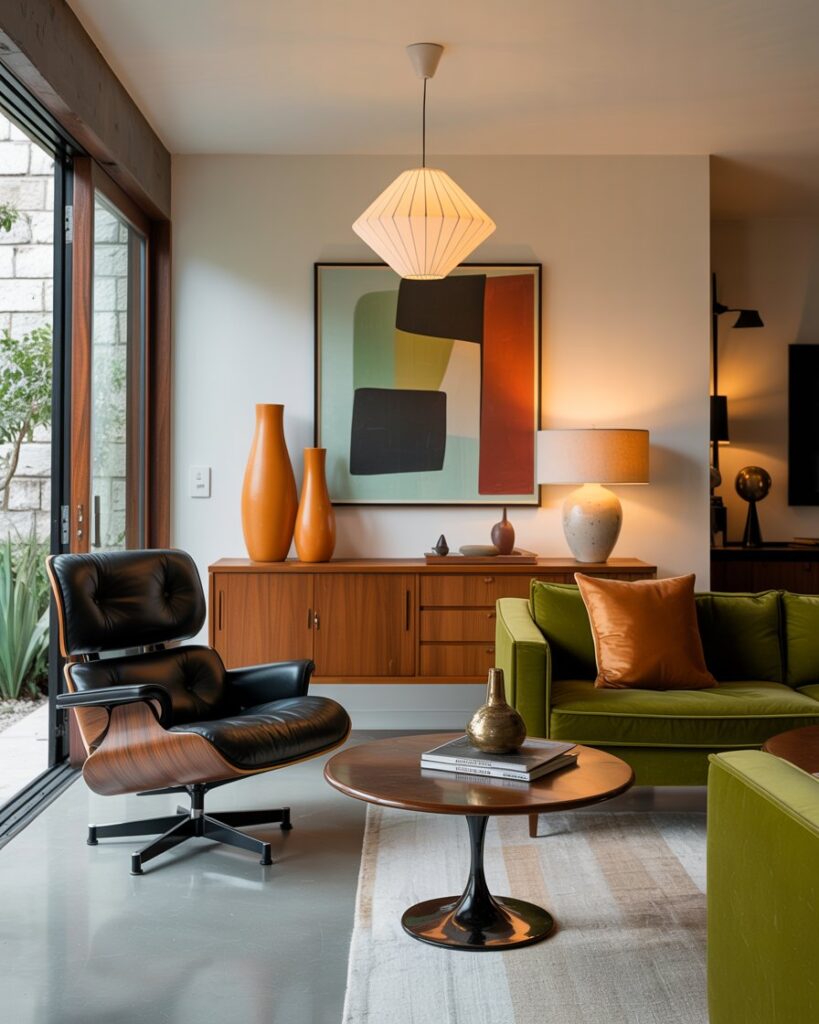
Think Eames-style lounge chairs, tulip dining tables, teak sideboards, and Nelson pendant lamps. These iconic silhouettes are being paired with contemporary elements — concrete countertops, smart home technology, and abstract art — to create interiors that feel timeless without feeling dated.
The color palettes of this era are also experiencing a strong revival. Avocado green, harvest gold, and burnt orange — once considered the most cringe-worthy colors in the American decorating lexicon — are now sought-after, sophisticated accent hues appearing in tile, upholstery, and kitchen appliances.
5. Vintage Kitchen Appliances: Smeg, Big Chill, and the Retro Revival
Speaking of kitchens — one of the most exciting nostalgic interior design trends happening right now is in one of the most functional rooms of the house. Retro-style kitchen appliances in pastel and bold colors are having an enormous moment. Brands like Smeg and Big Chill have built entire business models around this nostalgia, offering refrigerators, toasters, and stand mixers that look like they rolled off a 1950s assembly line but perform with 21st-century precision.
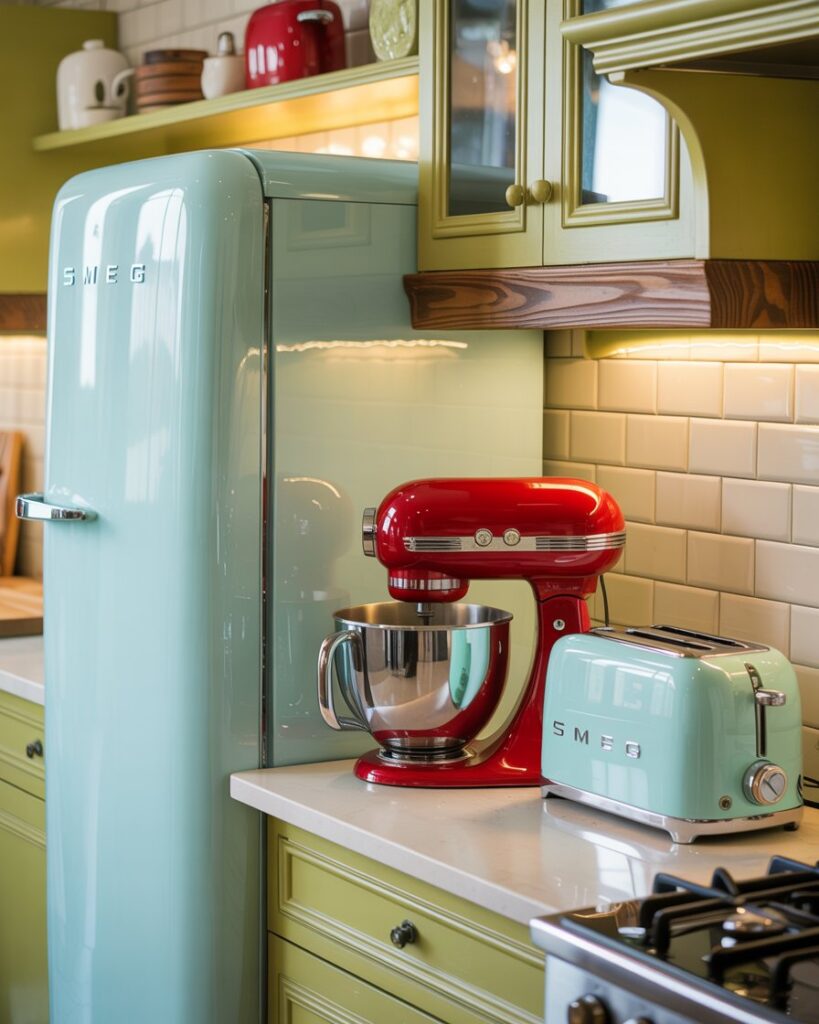
This trend is deeply connected to a broader cultural yearning for the warmth and simplicity of post-war American domestic life. A powder-blue retro refrigerator or a cherry-red stand mixer isn’t just an appliance — it’s a design statement that says something about your values, your aesthetics, and your relationship with home cooking.
Quick Comparison: Retro vs. Modern Appliance Aesthetics
| Feature | Retro-Style Appliances | Standard Modern Appliances |
|---|---|---|
| Color Options | Pastels, bold solids, vintage hues | Stainless steel, black, white |
| Design Language | Rounded edges, chrome accents | Flat, minimalist, angular |
| Price Range | $150–$8,000+ | $100–$5,000+ |
| Best Fit | Farmhouse, vintage, grandmillennial kitchens | Contemporary, industrial kitchens |
| Statement Factor | Very high | Low to moderate |
6. Brass and Gold Hardware: Warm Metals Take Over
For the better part of a decade, brushed nickel and matte black dominated bathroom and kitchen hardware. But the warmth of brass, antique gold, and unlacquered brass fixtures is now reclaiming its rightful place on cabinet pulls, faucets, light fixtures, and door hardware across American homes.
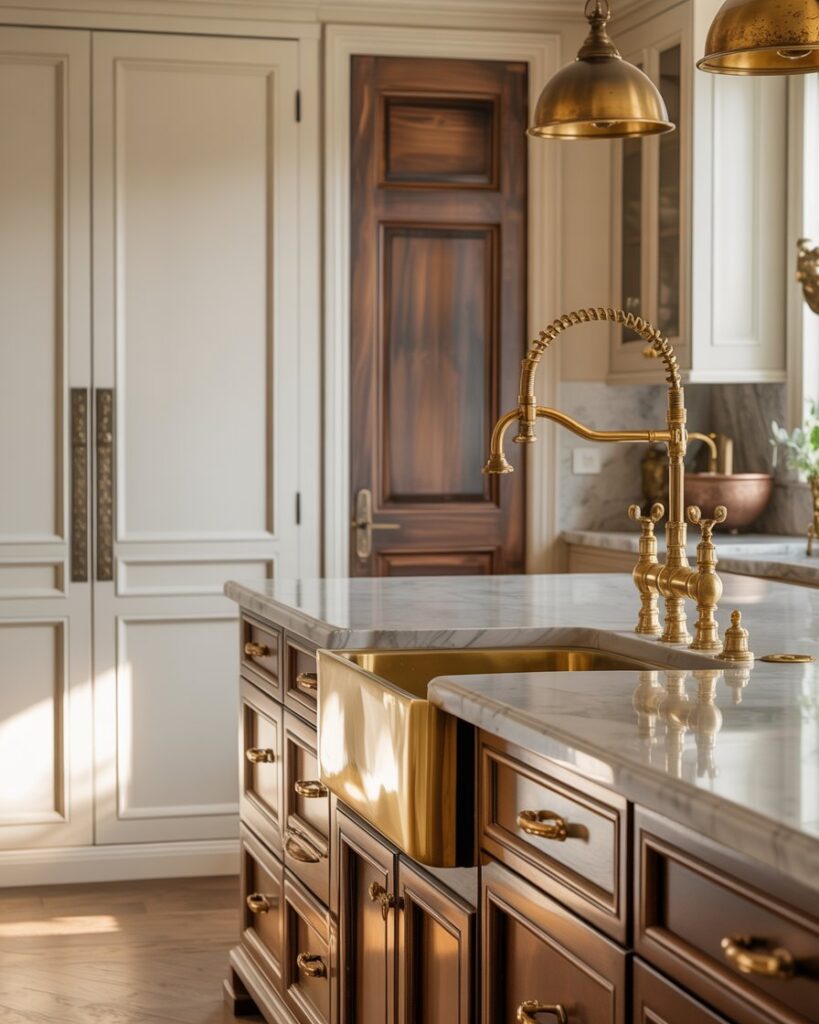
This is a deeply nostalgic choice. Brass was the hardware finish of choice in American homes from the 1970s through the early 1990s, and its return brings with it a sense of warmth, richness, and old-world luxury that cooler metal tones simply can’t replicate.
Unlacquered brass — which naturally ages and patinas over time — is especially popular among design enthusiasts who appreciate the idea of a home that grows and changes along with its inhabitants.
What’s trending in warm metal hardware right now:
- Unlacquered brass cabinet pulls in kitchens
- Antique gold bathroom faucets and shower fixtures
- Brass picture lights above gallery walls
- Gold-toned curtain rods and rings
- Aged bronze door knobs and hinges
7. Cane and Rattan Furniture: Bringing the Porch Inside
Cane and rattan furniture — once confined to sunrooms and back porches — have moved confidently into living rooms, bedrooms, and even dining rooms. This natural material trend is rooted in the aesthetic of mid-century tropical modernism and the casual elegance of American homes from the 1960s and 1970s.
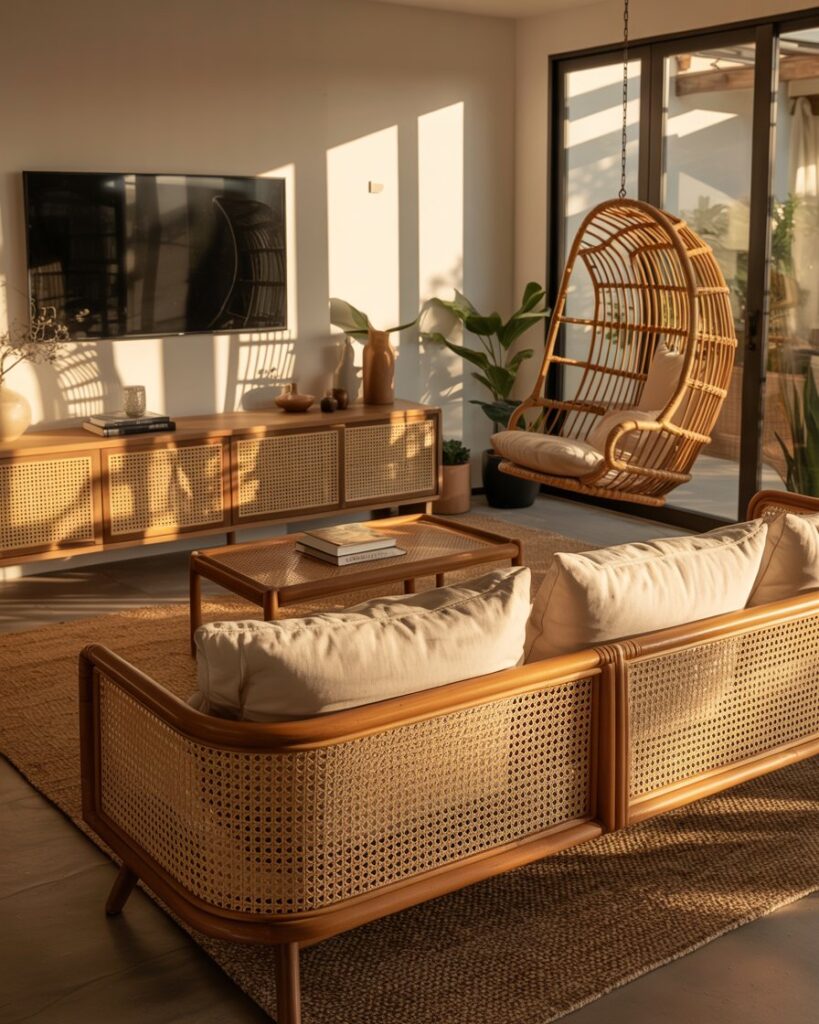
Cane-front cabinet doors, rattan headboards, and wicker accent chairs are among the most popular expressions of this trend. The material’s lightness and texture make it an ideal counterpoint to heavier, more substantial furniture pieces, and its natural tones complement virtually every color palette from bright and airy to deep and moody.
The popularity of cane and rattan also intersects with the broader trend toward sustainable and natural materials in home decor. As American homeowners become more environmentally conscious, the appeal of furniture made from renewable, biodegradable materials grows stronger by the year.
“Natural materials like cane and rattan carry a timelessness that synthetic alternatives simply can’t replicate. They age beautifully, they breathe with the seasons, and they bring a sense of the organic world into your interior environment.”
8. Terrazzo and Vintage Tile: Pattern Underfoot and Overhead
Terrazzo — the speckled composite material made of marble chips set in cement — was a staple of American schools, hospitals, and mid-century homes for decades before falling out of favor. Today, it’s one of the hottest surface trends in residential design, appearing on floors, countertops, backsplashes, and even decorative accessories.
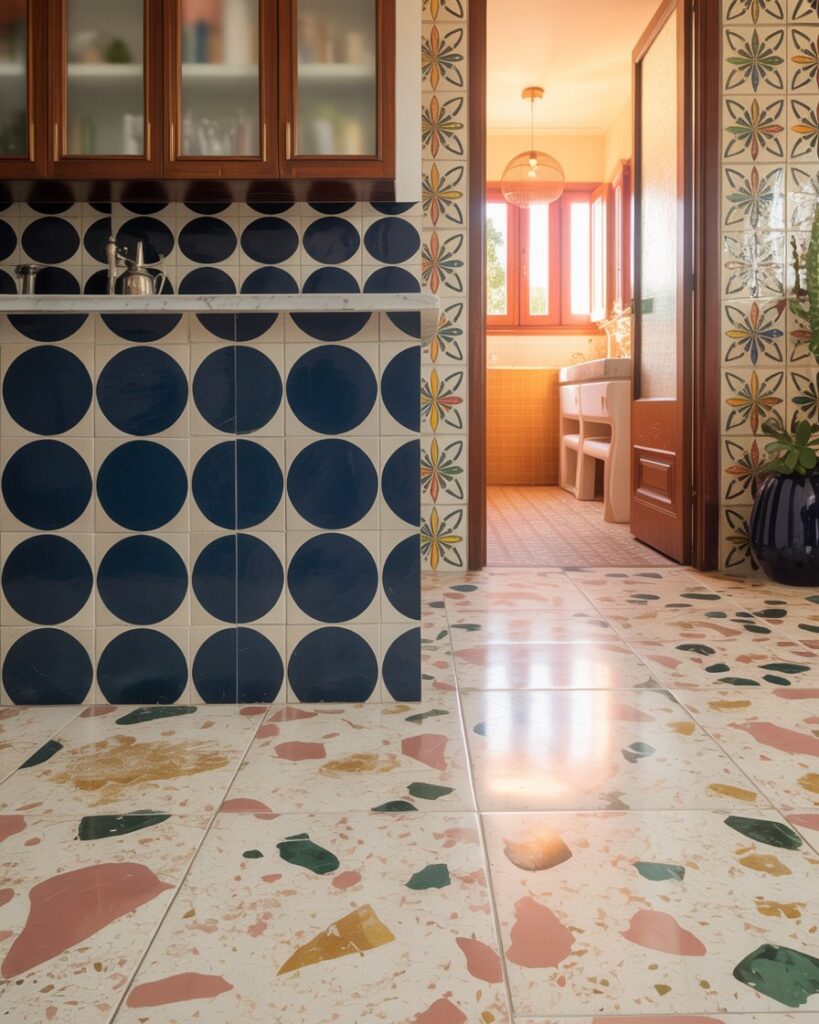
Vintage-inspired tile patterns are equally hot. Encaustic cement tiles with geometric and floral motifs, subway tile with colored grout, and hand-painted Talavera-style tiles are all experiencing major revivals, particularly in kitchens and bathrooms.
Top Nostalgic Surface Trends at a Glance
| Surface Trend | Era Inspired By | Best Application |
|---|---|---|
| Terrazzo | 1950s–1970s | Floors, countertops, bathrooms |
| Encaustic cement tile | 1900s–1960s | Kitchen backsplash, entryways |
| Grasscloth wallpaper | 1960s–1980s | Dining rooms, bedrooms |
| Shiplap & board-and-batten | Colonial, Farmhouse | Living rooms, mudrooms |
| Parquet wood flooring | 1970s–1980s | Living rooms, primary bedrooms |
9. Macramé and Fiber Arts: Texture on Your Walls
Macramé wall hangings were an iconic element of 1970s bohemian home decor, and their return is one of the most visually striking nostalgic trends of the current moment. These handcrafted fiber art pieces bring warmth, texture, and a sense of artisanal craftsmanship to bare walls that paint and conventional art simply can’t replicate.
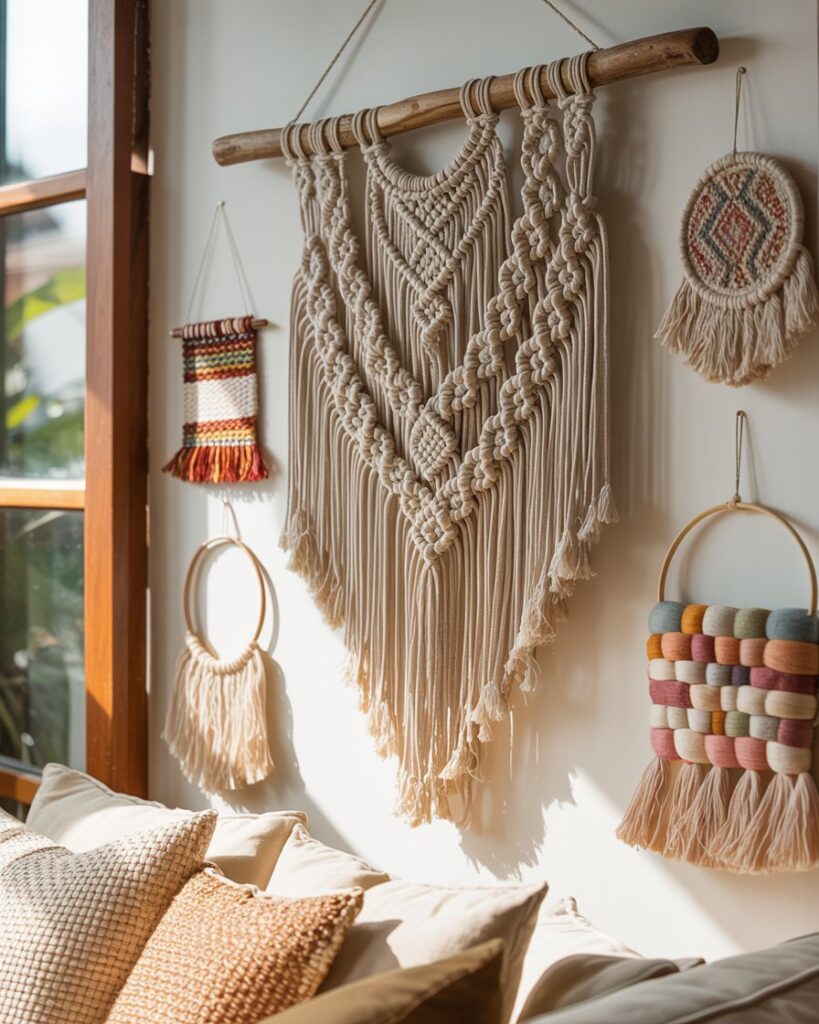
Beyond macramé, the broader fiber arts movement — including woven wall tapestries, tufted textile art, and hand-embroidered hoops — has created an entirely new category of home decor that bridges the gap between functional craft and fine art.
This trend also taps into the growing DIY and slow-living movements in American culture. Many homeowners are making their own macramé pieces as a form of creative self-expression and intentional living — a handmade alternative to fast furniture and mass-produced decor.
How to Style Macramé in a Modern Home:
- Hang a large statement piece above a bed as an alternative to a headboard
- Use smaller pieces to fill awkward vertical spaces in hallways
- Layer multiple hangings at different heights for a bohemian gallery wall effect
- Pair with potted trailing plants for a complete 70s-inspired vignette
10. Record Players and Analog Aesthetics: The Art of Slowing Down
Finally, no conversation about nostalgic home trends would be complete without mentioning the stunning return of the record player as both a functional audio device and a design centerpiece. Vinyl record players — once relegated to the attic — are now proudly displayed on sideboards, media consoles, and dedicated listening stations in American living rooms.
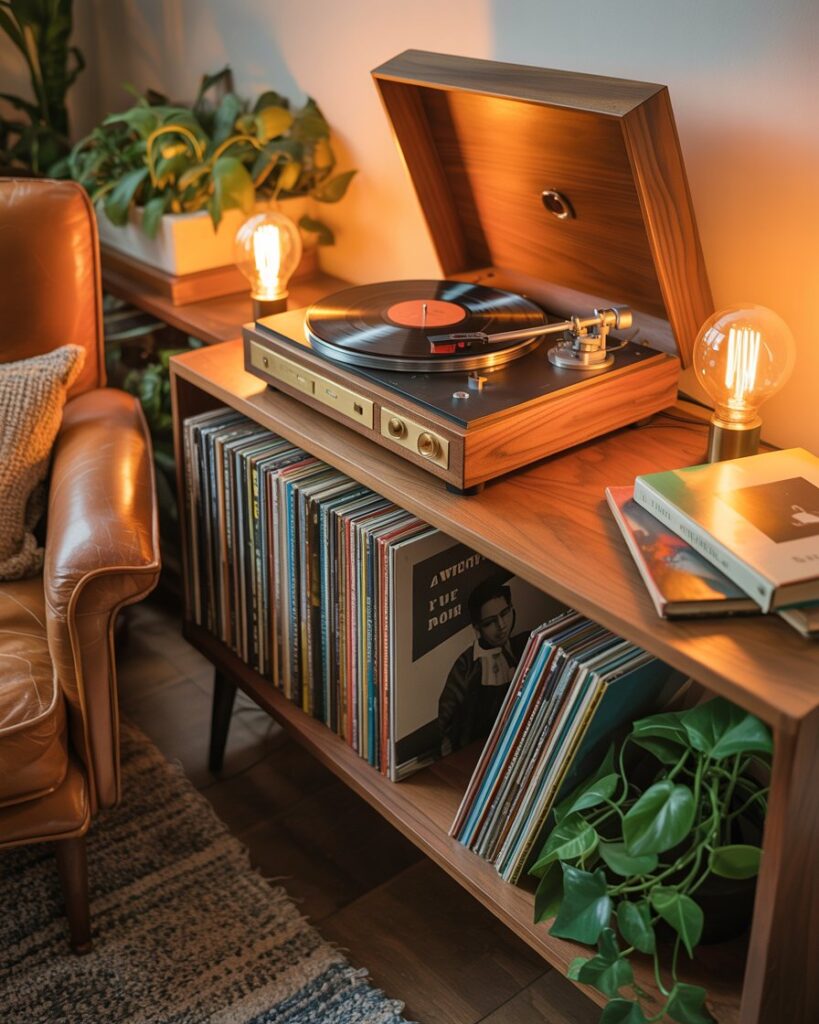
This trend is about more than music. It represents a broader cultural embrace of analog living — the idea that slower, more intentional interactions with objects and experiences are more satisfying than their digital equivalents. A record player displayed alongside a curated collection of album covers is a statement about presence, patience, and the beauty of imperfection.
Pair a vintage turntable with warm Edison bulb lighting, a leather armchair, and a low wooden shelving unit filled with records, books, and plants for the ultimate cozy, nostalgic listening room — a space that practically demands you slow down and stay a while.
How to Mix Nostalgic and Modern Elements Without Looking Dated
The biggest mistake homeowners make when embracing these retro decor trends is going all-in on a single era. The key to making nostalgic design feel fresh rather than themed is intentional mixing.
Rules for successfully blending vintage and contemporary:
- Anchor with modern neutrals. Keep walls, large upholstered pieces, and flooring relatively neutral and contemporary, then layer in vintage elements as accents.
- Limit your nostalgic palette. Choose two or three colors from your chosen era and use them consistently as accent tones throughout the space.
- Mix materials deliberately. Pair the warmth of wood and rattan with the cool precision of glass, concrete, or lacquered surfaces.
- Shop authentically. Genuine vintage pieces have a quality and character that reproductions rarely match. Invest in one or two real antiques and build around them.
- Let function lead. Every nostalgic piece you bring in should earn its place by being useful, beautiful, or both.
Final Thoughts: Nostalgia is the New Luxury
In a design world obsessed with the next thing, the most radical act might be looking backward. The nostalgic interior design trends making a comeback right now — grandmillennial maximalism, 70s earth tones, vintage kitchen appliances, macramé, rattan, and warm brass hardware — share a common thread: they prioritize comfort, craft, and connection over novelty.
As a home decor specialist, I believe the most beautiful homes are the ones that tell a true story about the people who live in them. And right now, millions of American homeowners are telling a story about longing, warmth, and the enduring appeal of the past.
So dig out that old shag rug from the basement. Hunt for a brass floor lamp at your local estate sale. Hang a piece of macramé above your sofa. Your home — and your soul — will thank you for it.Looking for more vintage-inspired home decor ideas? Explore resources at Apartment Therapy, House Beautiful, and Architectural Digest for expert styling tips and trend forecasts.