
If your living room feels cold, clinical, or simply lacking personality, it might be time for a cozy transformation. As interior design trends shift toward warmth, comfort, and organic elements, terracotta has emerged as one of the most versatile and inviting color palettes for modern American homes. This rich, earthy hue—inspired by sun-baked clay—brings an instant sense of grounded warmth that’s perfect for our increasingly digital world.
Having worked with hundreds of homeowners across the US, I’ve witnessed firsthand how terracotta accents transform “blah” spaces into “wow” moments. According to Shivani Vyas, an interior designer with expertise in residential transformations: “Terracotta is the perfect bridge between nature and home—it’s warm without being overwhelming, earthy without feeling dated, and versatile enough for both small apartments and spacious homes.” As living room styles evolve toward biophilic design and textural layering, terracotta provides the foundational warmth that makes a house feel like a true sanctuary.
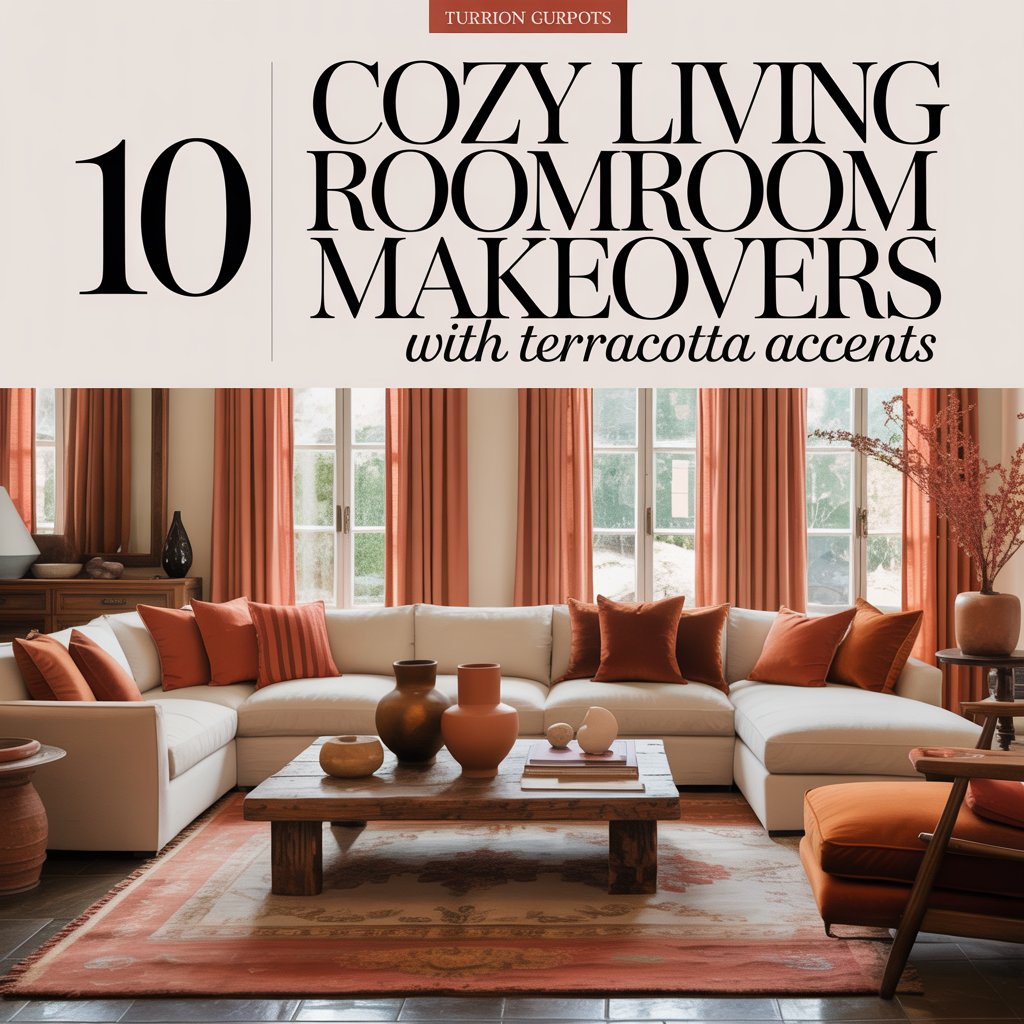
This article reveals ten budget-friendly terracotta living room makeover strategies that work for spaces of all sizes and styles. Whether you’re working with a tiny New York studio or a sprawling California ranch, these real-world-tested approaches will help you create a space that’s both on-trend and deeply personal. And the best part? Most of these transformations cost under $1,000 and can be completed in a weekend. Let’s dive into the cozy revolution!
Terracotta Accent Wall: Your Instant Focal Point
Transforming just one wall with a rich terracotta hue creates an instant focal point that anchors your entire living space. As demonstrated in the Apartment Therapy feature, Diana Yen’s “white box” living room was completely transformed with a single terracotta wall treatment. The warmth of this natural clay color immediately counters the sterile feel of white walls while adding depth and dimension to the room.
When implementing a terracotta accent wall, consider the room’s natural lighting. North-facing rooms benefit from warmer, deeper terracotta shades (like Benjamin Moore’s “Terracotta Tile”), while south-facing rooms can handle slightly cooler clay tones. Always test your chosen color on multiple walls at different times of day—terracotta transforms dramatically as light shifts from morning to evening. This simple modification creates architectural interest without requiring major renovations, offering tremendous visual impact for minimal investment.
“Paint is an incredible way to completely change the mood of a room, and it’s relatively inexpensive even if you use the best stuff,” shares DIY enthusiast Diana Yen in her successful living room transformation. “I ended up going with an earthy pinkish terracotta shade that I love seeing transform from morning until night.”
Pro Tip: For added dimension, apply terracotta paint with a dry brush technique to create subtle texture. Use a clean, dry brush to lightly “drag” over the wet paint, creating gentle variations that mimic natural clay surfaces.
Textured Terracotta Walls: Beyond Flat Color
While a standard terracotta paint application offers warmth, creating textured walls elevates your space from ordinary to extraordinary. The Spanish-inspired living room featured by Apartment Therapy demonstrates how a DIY stone-like wash technique transforms flat walls into dimensional features. This approach uses specialized products like Kalklitir’s clay-based plaster which creates a lived-in finish that changes beautifully throughout the day.
The key to successful textured terracotta walls lies in your application technique. Unlike traditional paint, these finishes benefit from visible brushstrokes—actually, the more variation you create, the more authentic the result appears. Begin with a base coat of light terracotta, then apply your textured finish in irregular patterns using a wide trowel or specialized wall brush. For renters or those wanting a less permanent solution, consider large-scale terracotta wall panels or textured wallpaper that mimics clay finishes.
| Textured Finish Type | Cost Range | Skill Level | Longevity |
|----------------------|------------|-------------|-----------|
| Clay-based plaster   | $3-$6/sqft | Advanced    | Permanent |
| Textured paint       | $2-$4/sqft | Intermediate| 5-7 years |
| Wallpaper            | $50-$150/roll | Easy     | 3-5 years |
| Temporary panels     | $100-$300  | Easy        | 1-2 years |
Pro Tip: Layer lighting strategically to enhance texture—wall sconces or directional spotlights create shadows that accentuate the three-dimensional quality of textured finishes.
Terracotta Furniture: Statement Pieces That Warm Up Space
Introducing terracotta-toned furniture creates immediate visual warmth while serving as functional anchors for your living room. A plush terracotta sofa becomes the heart of your space, while armchairs in varying clay hues add depth to your color story. As Kerry Ann Dame, a designer with over 20 years’ experience notes: “Furniture in earthy tones provides comfort you can feel and see—it connects the physical space with emotional warmth.”
When selecting terracotta furniture, consider both hue and material. Velvet and bouclé fabrics amplify the cozy factor while leather develops a beautiful patina over time. For smaller spaces, choose one statement terracotta piece (like a chair or loveseat) rather than overwhelming the room. Remember that terracotta exists across a spectrum—from pinkish-clay to deep burnt orange—so select a shade that complements your existing lighting and decor.
- Look for natural, textured fabrics that enhance the earthy vibe
- Consider vintage or artisanal pieces for unique character
- Mix different terracotta tones for visual interest
- Balance bold furniture with neutral secondary pieces
Pro Tip: If committing to a terracotta sofa feels intimidating, start with an accent chair—it offers maximum impact with minimal commitment and can easily be repositioned as your style evolves.
Terracotta Soft Furnishings: The Coziest Layer
You don’t need to repaint walls or buy new furniture to embrace terracotta—simply layer in soft furnishings for instant warmth. Cushions, throws, and rugs in various terracotta tones create a cocooning effect that makes your living room feel instantly more inviting. According to Homestyler, soft furnishings provide “tactile comfort and visual warmth” that can be easily updated as seasons or trends change.
The magic happens when you layer multiple textures in the same color family—knitted throws, woven cushions, and plush rugs create visual depth while maintaining a cohesive palette. Start with one terracotta element (like a large area rug), then build outward with smaller accents. This approach works particularly well for renters or those who prefer to change their decor seasonally. For maximum coziness, choose natural fibers like wool, cotton, and jute which complement terracotta’s earthy roots.
Top Terracotta Soft Furnishing Combos
- Chunky knit throw + corduroy cushions + flatweave rug
- Linen curtains + velvet cushions + leather ottoman
- Hemp rug + woven baskets + cotton bolster pillows
- Sheepskin throw + macramé wall hanging + clay pottery
Pro Tip: Introduce terracotta through textiles first—they’re the easiest elements to change if you decide to refresh your color scheme later. Look for sales at major retailers like West Elm and Crate & Barrel during seasonal transitions.
Terracotta & White Contrast: Crisp Yet Cozy
The sophisticated dance between terracotta and white creates a living room that’s both warm and airy—a perfect balance for American homes that often lean too sterile or overly busy. This classic contrast works particularly well in traditional homes, coastal spaces, or contemporary minimalism. When done right, the white elements prevent the terracotta from feeling overwhelming while the earthy tones keep white from feeling cold.
Start with white walls as your canvas, then ground the space with terracotta furniture or a statement rug. Alternatively, use terracotta on lower walls (like wainscoting or a 36-inch chair rail height) with white above—a technique that adds architectural interest while keeping the space feeling open. The key is varying your white shades: pair warm-toned terracotta with creamy off-whites rather than cool bright whites for a cohesive feel.
“Terracotta & White Contrast provides architectural definition while maintaining an open, breathable quality in smaller spaces,” explains interior designer Shivani Vyas, who frequently uses this pairing in her Atlanta-area projects.
Pro Tip: Add interest with textured white elements—a shag rug, woven light fixture, or linen drapery creates visual movement that prevents the contrast from feeling flat.
Terracotta Rugs for Zoning Small Spaces
In open-concept homes or compact living areas, terracotta rugs define zones while adding essential warmth underfoot. A well-chosen rug in warm clay tones creates an immediate focal point that visually anchors seating arrangements and separates living areas from dining or workspace zones without physical barriers.
When selecting a terracotta rug, consider both pattern and material. Solid terracotta works as a bold statement in minimalist spaces, while Persian or Moroccan patterns incorporate terracotta as part of a more complex palette—perfect for eclectic styles. For durability in high-traffic areas, choose natural fibers like wool or cotton, which actually enhance the earthy aesthetic. Always size your rug to sit under the front legs of your furniture for proper visual anchoring.
- Studio apartments: Use one large terracotta rug to define the entire living area
- Open concept: Place matching terracotta rugs under each functional zone
- Traditional layouts: Choose area rugs that extend 12-18 inches beyond furniture
- Rental restrictions: Look for low-pile, washable terracotta rugs that won’t damage floors
Pro Tip: Layer a smaller, textured rug over a larger neutral one—this creates depth while allowing you to change your terracotta element seasonally.
Wooden Furniture with Terracotta Tones: Nature’s Perfect Pair
The combination of natural wood furniture with terracotta accents creates an organic harmony that feels both intentional and effortless. Warm wood tones—from walnut to oak to cherry—complement terracotta’s earthy roots while adding structural contrast to soft textiles. This pairing works across design styles from rustic to modern, making it one of the most versatile approaches for American homes.
Focus on varying your wood tones for visual interest—a medium-toned coffee table paired with lighter end tables and a darker media console creates depth without chaos. Introduce natural wood textures through furniture, shelving, or decorative elements like bowls and picture frames. The synergy between wood grain and terracotta’s organic essence reinforces biophilic design principles that promote wellbeing.
| Wooden Furniture Piece | Best Terracotta Pairing | Room Layout Tip |
|------------------------|-------------------------|----------------|
| Mid-century modern coffee table | Terracotta cushions + neutral rug | Center around conversation |
| Rustic farmhouse console | Terracotta pottery + woven textiles | Against blank wall as focal point |
| Scandinavian shelving unit | Terracotta books + greenery | Against light-colored wall |
| Industrial metal frame with wood | Terracotta textiles + leather | In loft-style spaces |
Pro Tip: Introduce wood through smaller elements first—trays, plant stands, or picture frames—before committing to larger furniture pieces.
Terracotta in Artwork: Budget-Friendly Color Infusion
Artwork provides the most flexible way to integrate terracotta into your living room—without permanent commitment. Whether through original paintings, prints, photography, or textiles, art in terracotta tones delivers instant warmth and personality. As Homestyler suggests, “Terracotta artwork serves as both visual interest and strategic color placement that ties your entire scheme together.”
Consider these approaches to terracotta artwork:
- Create a gallery wall featuring pieces with terracotta elements
- Display woven tapestries or textiles in clay tones
- Frame vintage maps or botanical prints with warm undertones
- Showcase handmade pottery as sculptural art pieces
When arranging artwork, follow the “terracotta trail” principle—place terracotta-hued art where you want to draw the eye, creating a visual journey through your space. For renters, removable adhesive hooks make it easy to experiment with layouts without damaging walls. Look for local artists at craft fairs who create pieces using natural pigments—this supports small businesses while adding unique character.
Pro Tip: Rotate your terracotta artwork seasonally—summer pieces can feature brighter clay tones while winter selections embrace deeper, richer terracotta shades.
Terracotta Curtains: Softness with Substance
Window treatments in terracotta tones transform your living room’s ambiance by filtering light through warm, earthy hues. Unlike harsh blinds, terracotta curtains soften natural light while providing privacy and insulation benefits. Light-filtering linen curtains create an ethereal glow, while heavier fabrics like velvet or brocade offer dramatic warmth for evening hours.
Measure your windows properly—curtains should break at the floor for modern spaces or puddle slightly for traditional styles. Hang curtain rods 4-6 inches above the window frame and extend them 8-12 inches beyond the window on each side to make windows appear larger and allow more light when curtains are open. For energy efficiency, consider lined terracotta curtains that provide thermal benefits year-round.
- North-facing rooms: Opt for lighter terracotta tones to maximize warmth
- South-facing rooms: Choose deeper terracotta shades to filter intense sunlight
- Small windows: Use floor-to-ceiling curtains to create height illusion
- Large windows: Embrace the scale with substantial terracotta drapery
Pro Tip: Layer sheer white curtains beneath your terracotta drapes for adjustable light control—this creates beautiful color gradients as light passes through multiple layers.
Layered Terracotta Shades: Sophisticated Color Depth
The most sophisticated terracotta living rooms employ multiple shades of this versatile hue, creating visual depth through strategic layering. This technique—popularized by designers like Kerry Ann Dame—avoids the flat, monochromatic look while maintaining cohesive warmth. Think of terracotta as a color family rather than a single shade, ranging from pale peach-clay to deep burnt sienna.
Start with your dominant terracotta shade as your foundation, then layer in two additional tones—one lighter and one darker. For example, if your main color is a mid-tone terracotta, pair it with a pale salmon and a rich burnt orange. Distribute these shades throughout your space using the 60-30-10 rule:
- 60% dominant shade (walls, large rug, or sofa)
- 30% secondary shade (upholstery, curtains, large accessories)
- 10% accent shade (pillows, artwork, small decor)
This approach creates professional-looking depth while keeping your space feeling unified. The magic happens in the transitions between shades—when done well, the layered effect feels completely natural, like the gradual color shifts you’d see in a desert landscape at different times of day.
Pro Tip: Use a terracotta color wheel when selecting your layered shades—this visual tool shows harmonious combinations and prevents clashing tones.
Final Thoughts: Making Terracotta Work For Your Lifestyle
Terracotta isn’t just a passing trend—it’s a timeless connection to earth and home that resonates deeply with our current desire for authenticity and warmth. As I’ve helped clients across America transform their living rooms, I’ve witnessed how terracotta accents spark joy not just visually, but emotionally. There’s something profoundly comforting about surrounding ourselves with colors that echo the natural world.
Remember that the most successful terracotta living rooms reflect your personal style rather than following trends rigidly. Start small with one accent element and build from there. Pay attention to how different terracotta tones affect your mood at various times of day—you might discover that the shade you love in morning light feels completely different under evening lamps.
For those ready to take the plunge, I recommend beginning with one of the more reversible options like soft furnishings or artwork before committing to wall colors or major furniture. The beauty of terracotta lies in its versatility—it works with mid-century modern, farmhouse, bohemian, or even industrial styles when approached thoughtfully.
As DexDecor wisely notes: “Terracotta living rooms offer an earthy, modern appeal with rich walls as a striking backdrop and inviting terracotta sofas or armchairs for comfort.” Whether you live in a New York apartment or a Texas ranch, these warm clay tones can transform your living space into a true haven.
Your living room should be more than just a room—it should be a reflection of your personality and a sanctuary from the world. With these ten terracotta makeover strategies, you’re well on your way to creating a space that’s not just stylish, but deeply comforting. After all, home isn’t just where you live—it’s how you feel when you’re there.