
Meta description: Struggling with low ceilings? Learn how to make a room look taller with paint, lighting, curtains, furniture, and decor tricks designers use in real American homes.
Primary keyword: how to make low ceilings look higher
Related keywords: low-ceiling room ideas, make a room feel taller, small room decorating tips, vertical stripes, floor-to-ceiling curtains, low-profile furniture, visual height tricks, basement ceiling ideas
You walk into a room and something feels off. The space is fine on paper, with good square footage, nice windows, and a solid layout, but the ceiling seems to press down on you. Sound familiar?
If you live in a mid-century ranch, a cozy bungalow, a city apartment, or a finished basement, you probably know the feeling. Standard ceilings in many older American homes sit at 7.5 to 8 feet, and some basements and attic conversions dip even lower. The good news is that ceiling height is as much about perception as measurement. With smart styling choices, you can make low ceilings look higher without a single hammer swing.
This guide walks you through the exact strategies I use with clients: color, lighting, window treatments, furniture, patterns, and the small details that quietly lift the eye. Let’s open up your space.
Why Low Ceilings Feel So Heavy (and What Designers Do About It)
A low ceiling feels oppressive when your eye has nowhere to travel. Horizontal lines, dark overhead surfaces, bulky furniture, and cluttered walls all stop your gaze at about eye level and push it back down. Your brain reads the room as compressed.
The fix is simple in principle: guide the eye upward and blur the boundary where the wall meets the ceiling. Every tip below follows that one rule. Think of yourself as a stage designer creating an illusion of height.
“Design is about controlling where the eye goes. In a low room, you want every sightline to travel up, not across.”
Quick Snapshot: Low-Ceiling Fixes at a Glance
| Strategy | Effort | Cost | Visual Impact |
|---|---|---|---|
| Paint walls and ceiling light or the same color | Medium | $ | High |
| Hang curtains near the ceiling | Easy | $$ | High |
| Swap to flush-mount or recessed lighting | Medium | $$ | High |
| Choose low-profile furniture | Medium | $$$ | High |
| Add vertical stripes or tall patterns | Easy | $ | Medium |
| Use large mirrors | Easy | $$ | Medium |
| Style tall, slim accessories | Easy | $ | Medium |
1. Paint the Ceiling Lighter Than the Walls
Color is the fastest and most affordable way to change how tall a room feels. Light colors recede, which makes surfaces seem farther away. Dark colors advance and make surfaces feel closer.
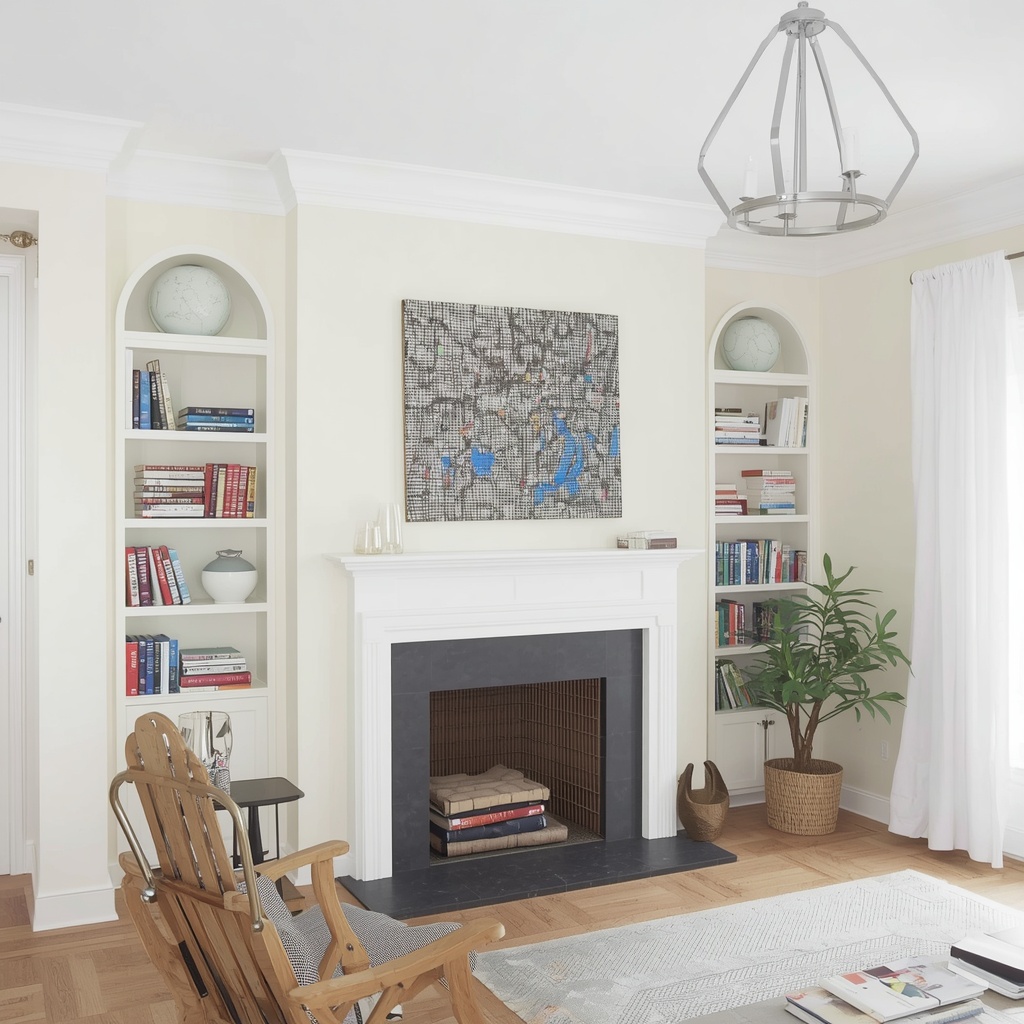
Paint your ceiling in a bright white or a very pale tint of your wall color. A crisp, warm white such as a soft off-white works beautifully in most U.S. homes, while cooler homes with lots of north light can handle a slightly bluer white. Choose a flat or matte finish for the ceiling to avoid glare that highlights imperfections.
Pro Tip: Mix your ceiling paint at 50 percent strength of your wall color. You get a subtle, cohesive glow that feels expensive and keeps the ceiling from looking like a flat, stark lid.
What About Dark Ceilings?
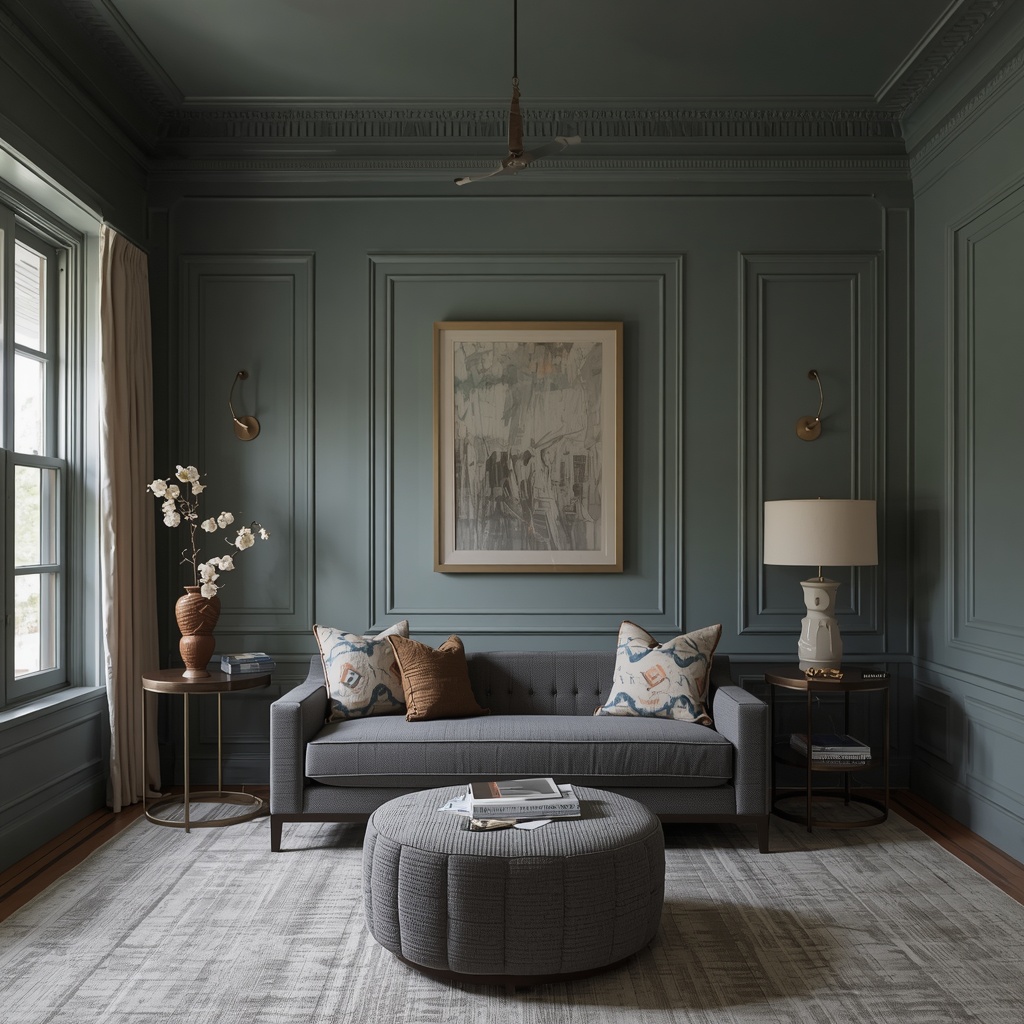
You may have seen moody dark ceilings in magazines. They can work, but only when done deliberately. If you paint the ceiling and walls the same deep shade, the corners vanish and the room can feel infinite and cocooning. This is a bold move, best for bedrooms, dens, or powder rooms, and it needs great lighting to avoid feeling like a cave.
2. Paint the Walls and Ceiling the Same Color
Here is a designer favorite. When walls and ceiling share one color, the hard line where they meet softens or disappears. Your eye can no longer tell exactly where the room ends, so the ceiling seems higher.
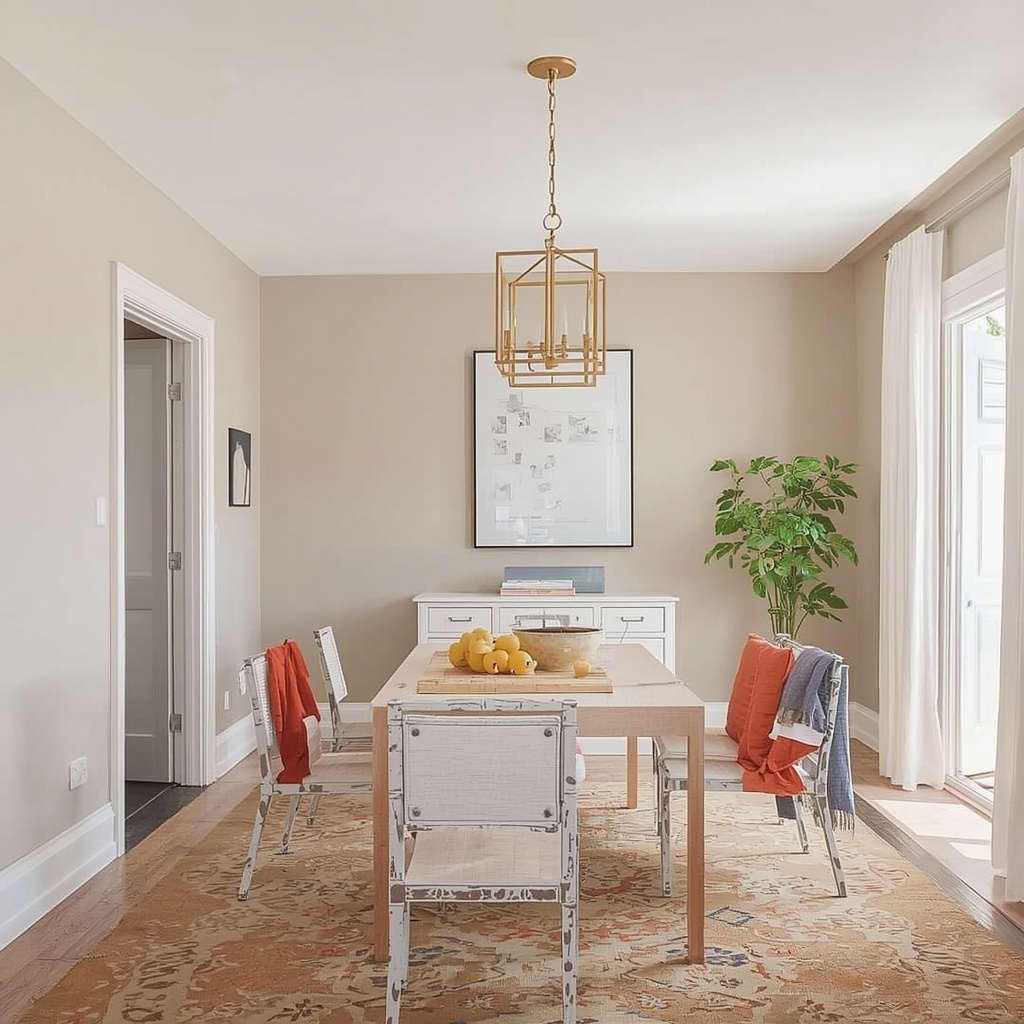
This works best with light, airy hues such as soft creams, pale greige, misty blues, or warm whites. Use a matte finish on both surfaces. If you want a touch of contrast, paint the ceiling one shade lighter than the walls.
For trusted color inspiration, browse the palettes at Sherwin-Williams or Benjamin Moore, and always test large swatches in your own light before committing.
3. Draw the Eye Up with Vertical Lines and Stripes
Horizontal lines widen a room. Vertical lines lengthen it. Using vertical patterns on your walls is one of the oldest tricks in the book, and it still delivers.
Try these options:
- Wide vertical stripes in wallpaper or paint, in tone-on-tone shades for a subtle effect
- Board and batten installed in tall, narrow panels that run toward the ceiling
- Vertical shiplap instead of the traditional horizontal layout
- Fluted or reeded panels that add texture and upward movement
- Tall, narrow artwork hung in a vertical arrangement
Keep stripes narrow to medium in width and avoid high-contrast combinations in very small rooms, since they can feel busy. A soft, quiet stripe gives you height without visual noise.
4. Hang Curtains High and Wide
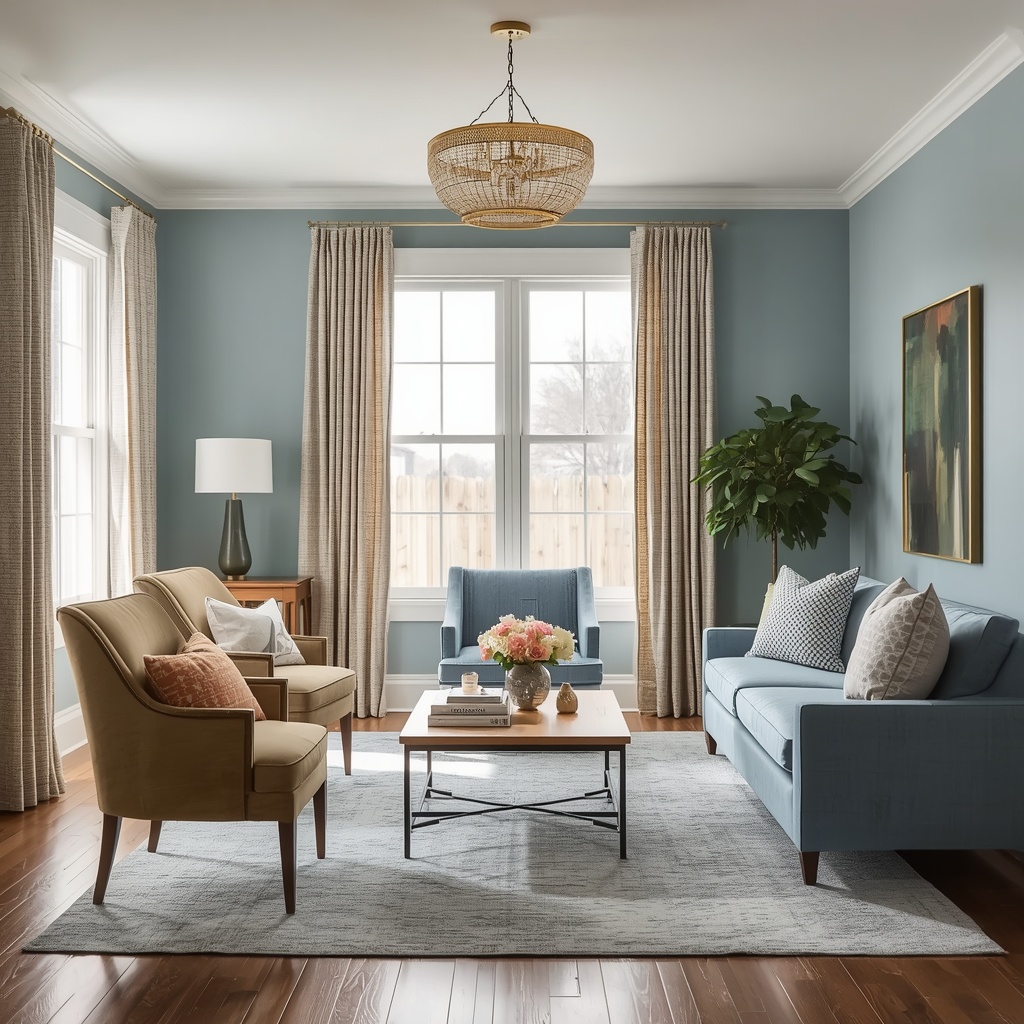
If you do only one thing from this list, do this one. Mounting curtains close to the ceiling, or even at the crown molding, tricks the eye into reading the window as taller than it really is.
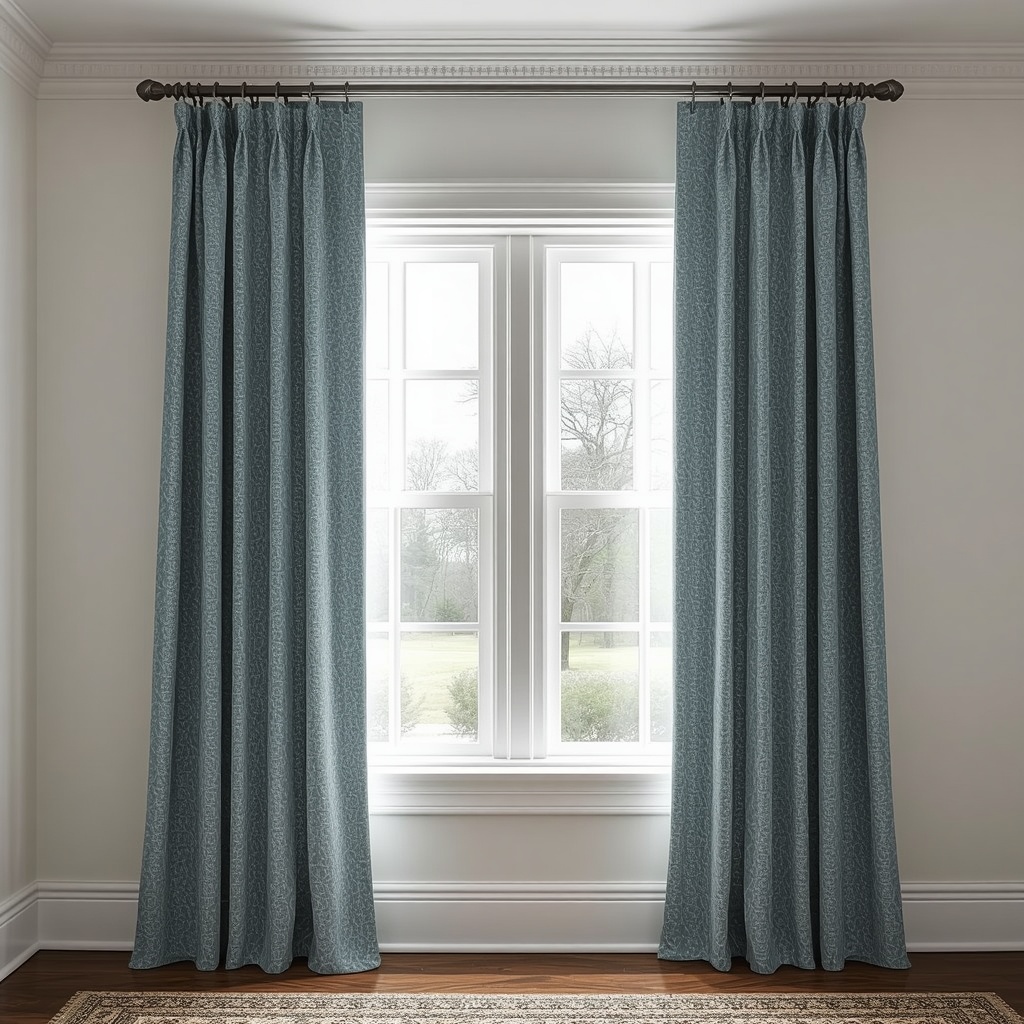
Install the rod 4 to 6 inches below the ceiling, or as high as your wall allows. Choose panels that fall all the way to the floor, just grazing or lightly kissing it. Extend the rod 8 to 12 inches beyond each side of the window frame so the glass is not blocked and the window looks wider as well.
Pro Tip: Buy curtains that are at least 96 inches long, even if your ceilings are only 8 feet tall. The extra length gives you flexibility to hang the rod high and still hit the floor. Hem them or use clip rings to adjust.
Best Curtain Choices for Low Ceilings
| Feature | Best Choice | Avoid |
|---|---|---|
| Rod placement | Near ceiling or crown molding | Directly above the window frame |
| Length | Floor-length | Sill-length or puddled |
| Fabric | Light linen, cotton, sheer blends | Heavy velvet in dark colors |
| Pattern | Vertical stripes or solids | Large horizontal patterns |
| Header | Simple pencil pleat or grommet | Heavy valances or swags |
Skip valances, cornices, and ruffled toppers. They add visual weight at the top of the window, exactly where you want to lift the eye.
5. Choose Low-Profile Furniture
When furniture sits low to the ground, the empty space above it expands. A sofa with a tall back next to a low ceiling makes the gap between the two feel tiny. A lower-profile piece creates breathing room.
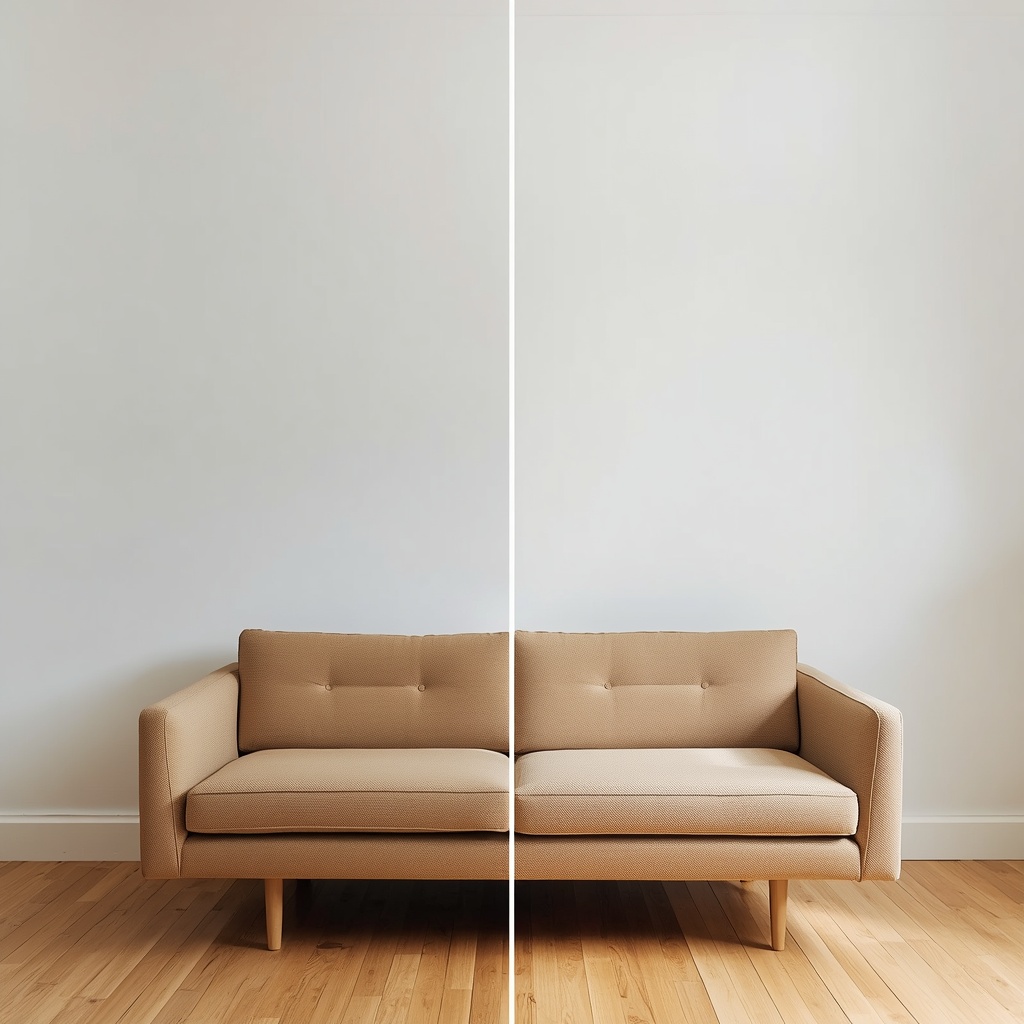
Look for:
- Sofas and sectionals with low backs and slim arms
- Platform beds or beds with short headboards
- Streamlined coffee tables, ideally under 16 inches high
- Open-shelf media consoles in place of towering entertainment centers
- Exposed legs on sofas, chairs, and cabinets
Exposed legs matter more than you might expect. When you can see the floor beneath a piece, the room feels lighter and larger. Skip skirted sofas and heavy, boxy silhouettes.
If you need storage, go vertical in a smart way: a tall, slim bookcase painted the same color as the wall disappears into the background while still adding useful space.
6. Rethink Your Lighting
Lighting can make or break a low-ceiling room. A big, hanging pendant or a chandelier may look glamorous in a catalog, but in a room with 7.5-foot ceilings it becomes a head-bumping hazard and shrinks the space.
Swap bulky fixtures for these low-ceiling lighting ideas:
- Recessed can lights that sit flush and keep the ceiling clean
- Flush-mount or semi-flush fixtures for a streamlined look
- Wall sconces that draw the eye along the wall
- Uplights and torchieres that bounce light off the ceiling and make it glow
- Cove or LED strip lighting tucked behind crown molding for a floating-ceiling effect
“Light the ceiling, and you lift the room. Washing the ceiling in soft, indirect light is the closest thing to a free extra foot of height.”
Layer your lighting with three types: ambient (overall), task (reading and work), and accent (decor and architecture). Choose warm white bulbs around 2700K to 3000K for living rooms and bedrooms, which keeps the space inviting while still bright.
7. Use Mirrors to Multiply Light and Height
Mirrors reflect light and views, and a tall mirror reflects the ceiling too, doubling the sense of space. Place a large floor mirror, ideally leaning or mounted vertically, opposite a window so it bounces natural light around the room.
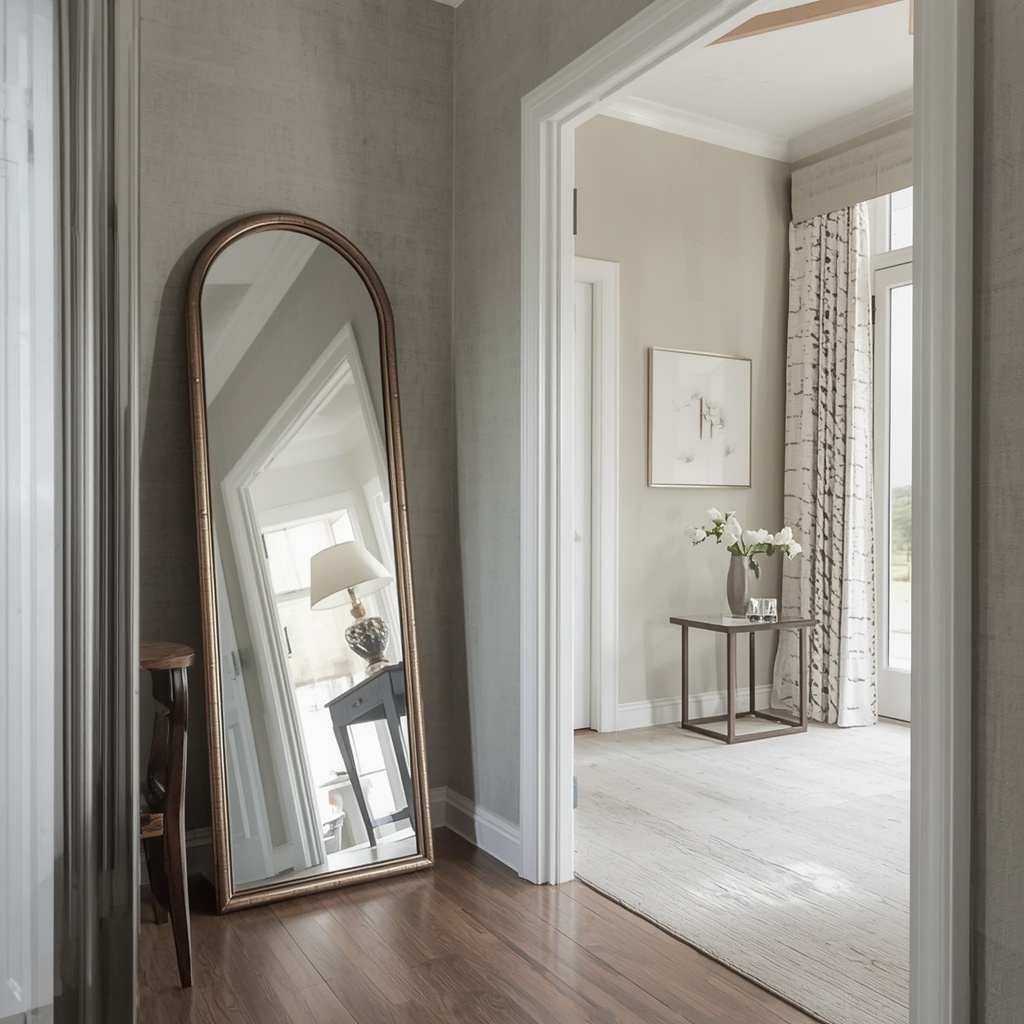
Long, narrow mirrors work especially well in entryways and hallways, where ceilings often feel the lowest. For a dramatic effect, try a floor-to-ceiling mirror panel on one wall, or hang a tall arched mirror above a console table.
Pro Tip: Hang mirrors so the top edge sits at least 6 to 8 inches below the ceiling. Too close and the frame looks cramped; too far and you lose the lifting effect.
8. Keep Walls Clutter-Free and Highlight Vertical Art
A wall crowded with small frames chops up the surface and holds the eye at the middle of the room. In low-ceiling spaces, think fewer, larger, and taller.
Here is how to hang art for height:
- Choose a single large vertical piece instead of a horizontal gallery row
- Stack two or three frames in a tall column
- Hang art slightly higher than usual, with the center at about 57 to 60 inches
- Use tall, narrow frames in simple, thin profiles
- Avoid oversized, dark, chunky frames that weigh the wall down
When you build a gallery wall, arrange it in a vertical rectangle rather than a wide one. This subtle shift guides the gaze upward.
9. Add Tall, Slim Accessories
Styling the small stuff matters. Tall plants, slim floor lamps, and narrow vases create vertical accents that pull the eye up without crowding the room.
Try these finishing touches:
- A fiddle leaf fig, olive tree, or tall snake plant in a corner
- A slender arc or tripod floor lamp (keep it under the ceiling line)
- Tall, thin ceramic vases with branches or dried pampas
- Narrow ladders used as blanket racks
- Floor-standing candle holders in varying heights
Group accessories in odd numbers and vary their heights so the eye climbs naturally from low to high.
10. Pick the Right Flooring and Rugs
Flooring may not seem related to ceiling height, but it influences how the whole room reads. Light wood tones, pale oak, or light-toned luxury vinyl plank make the space feel airy. Run planks lengthwise toward the longest wall or main window to draw the eye outward and upward.
For rugs, choose a size large enough that the front legs of your furniture sit on it. This anchors the seating area and makes the room feel intentional. Solid or subtly patterned rugs in light neutral tones keep the floor calm and open. Avoid heavy, dark rugs with busy patterns, which can visually compress the room.
11. Keep Trim, Crown Molding, and Doors Simple
This is one place where designers sometimes disagree, so here is the practical take. Thick, ornate crown molding can make a low ceiling feel heavier, because the profile drops down and cuts into your wall height.
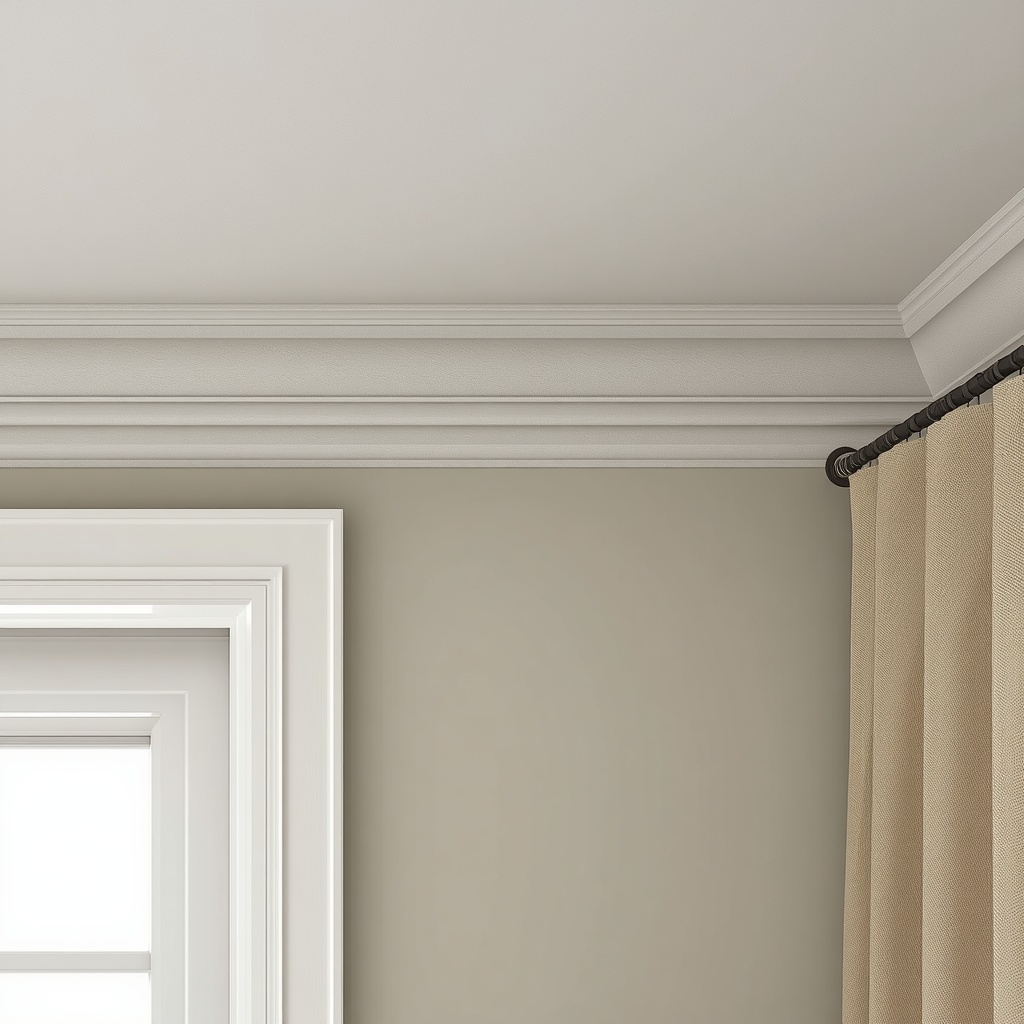
If you already have crown molding, paint it the same color as the ceiling and walls so it blends in. If you are installing new trim, choose a slim profile or skip it entirely. A clean, modern shadow gap can look sleek.
For doors, taller is better. If you are renovating, consider extending interior doors to 8 feet or adding a transom above them. At minimum, paint doors and trim to match the walls to reduce visual breaks.
12. Create a Cohesive, Monochromatic Palette
A monochromatic or tone-on-tone scheme removes visual interruptions and lets the eye glide upward. You do not need to go boring. Layer different textures, such as linen, wool, rattan, matte ceramic, and brushed brass, in varying shades of the same color family.
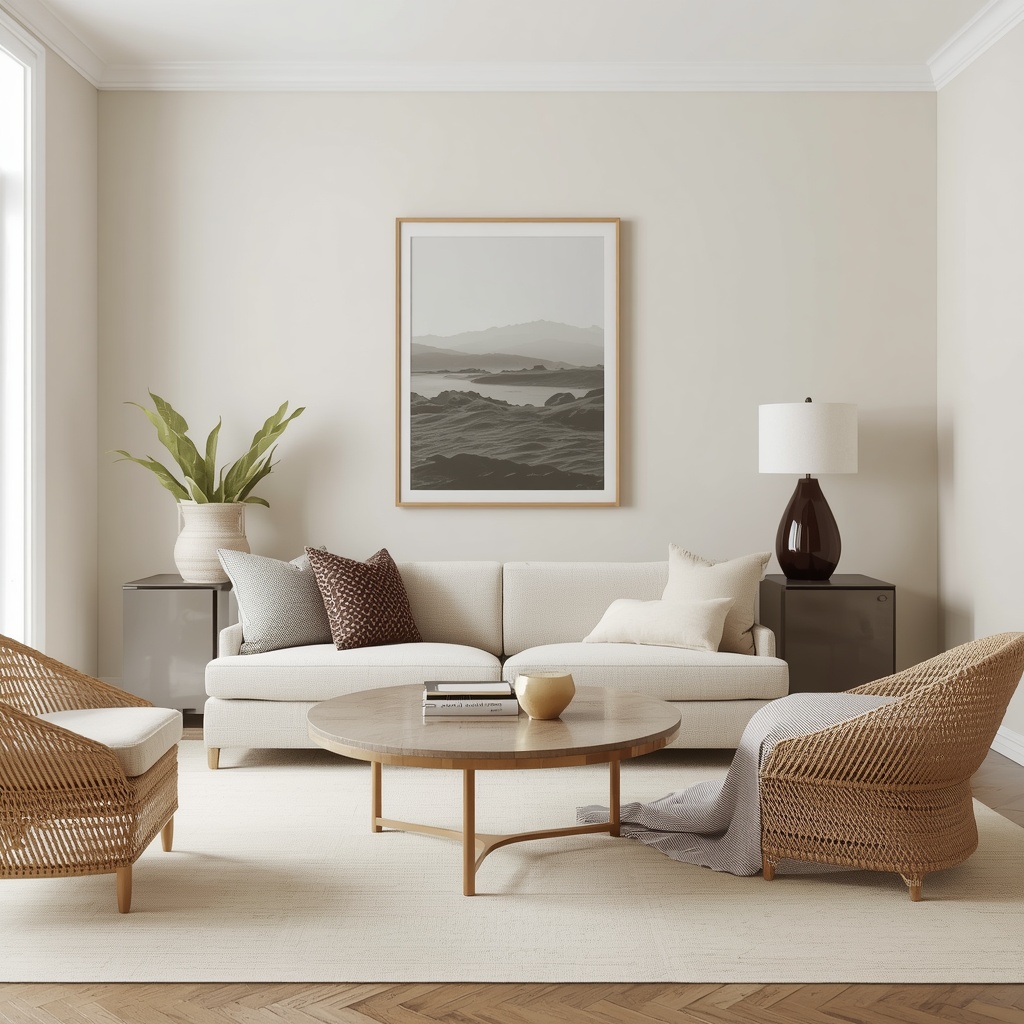
A tight palette of two or three related colors works wonders in living room and bedroom spaces. Add one accent color in small doses, such as pillows, a throw, or artwork, so the room has personality without chopping up the sightline.
13. Consider Architectural Tricks (If You Are Renovating)
If you are planning a remodel, these upgrades make a measurable difference:
- Remove drop ceilings or soffits to reclaim hidden inches
- Expose beams and joists in basements and paint them white or light gray
- Raise windows or install taller windows to draw the eye upward
- Add a skylight or solar tube for overhead natural light
- Open a doorway to a taller adjoining room for a sense of flow
In finished basements, painting exposed ductwork, pipes, and joists the same light color as the ceiling is a budget-friendly hack that makes everything recede. For more on this, see our guide to basement decorating ideas.
14. Style Each Room Type with Height in Mind
Different rooms need different solutions. Here is a quick cheat sheet.
Living Room
Use a low-profile sofa, floor-length curtains hung high, and a tall plant in the corner. Add wall sconces and a floor lamp for layered light.
Bedroom
Choose a platform bed with a slim headboard, hang pendant lights on the sides rather than in the center, and use vertical striped bedding or wall treatments. Our post on small bedroom decorating tips goes deeper.
Kitchen
Take cabinets all the way to the ceiling to eliminate dead space and create a clean vertical line. Use light-colored cabinetry, glossy backsplash tiles laid vertically, and under-cabinet lighting.
Bathroom
Choose large vertical tiles, a frameless glass shower enclosure, and a tall mirror. Keep the ceiling bright white and use recessed lighting.
Entryway and Hallway
Hang a tall mirror, use slim wall sconces, and keep the walls light. A runner with vertical stripes elongates the space.
15. Common Mistakes to Avoid
Even good intentions can backfire. Steer clear of these frequent errors:
- Hanging a heavy chandelier in a room with a ceiling under 8 feet
- Painting only the ceiling a dark color while leaving walls light
- Mounting curtains right above the window frame
- Filling the room with oversized, bulky furniture
- Using busy horizontal patterns such as wide chevron or horizontal stripes
- Adding thick crown molding that visually lowers the walls
- Overcrowding walls with lots of small frames
Pro Tip: Before buying anything, take a photo of your room and look at it on your phone. Photos flatten a space and reveal what the eye is actually seeing, making it easier to spot heavy elements.
A Simple Weekend Plan to Make Your Ceilings Feel Higher
You do not have to do everything at once. Here is a realistic game plan.
Saturday morning: Paint the ceiling a bright, matte white or a lighter tint of your wall color. Touch up trim to match.
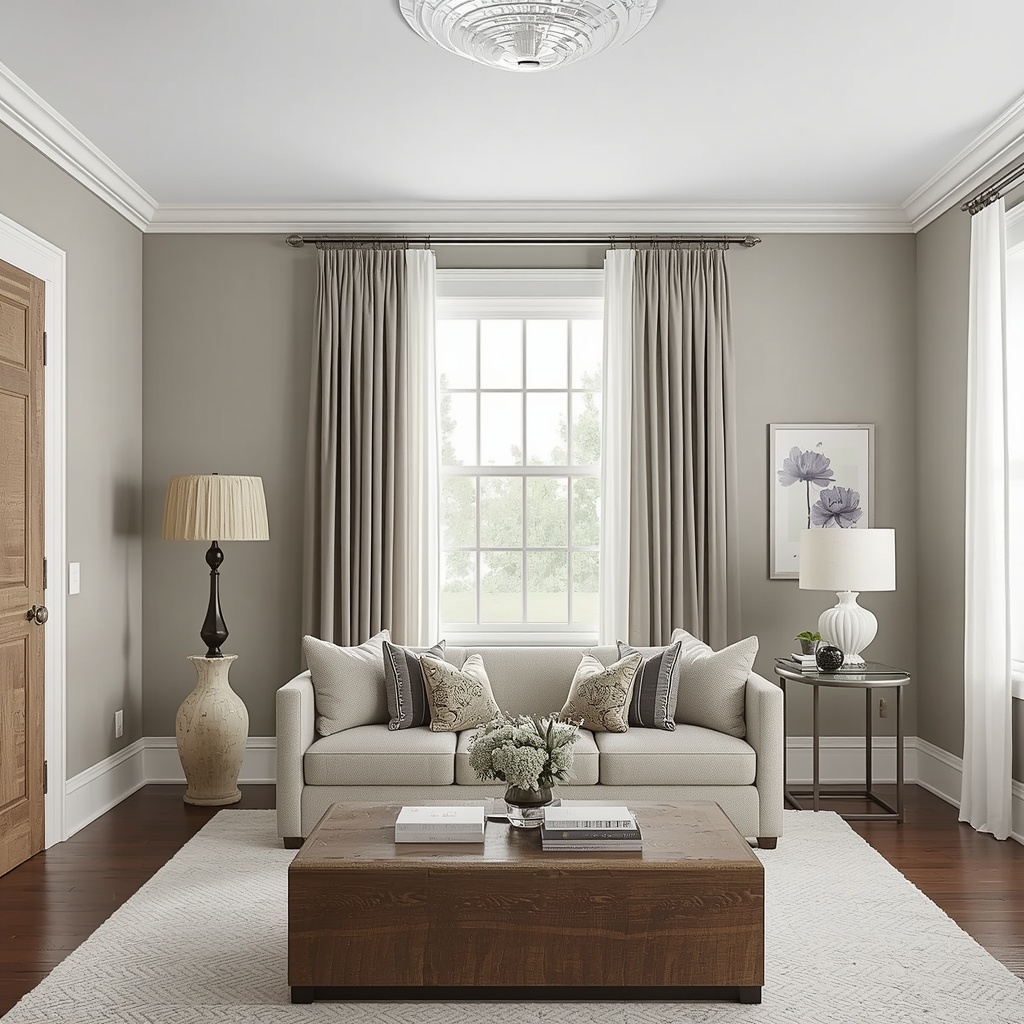
Saturday afternoon: Install curtain rods high and hang floor-length panels.
Sunday morning: Swap bulky fixtures for flush-mount lights or add sconces and a floor lamp.
Sunday afternoon: Edit your decor. Remove clutter, hang one tall piece of art, add a tall plant, and place a large mirror opposite the window.
That is four small projects, and you will feel a noticeable difference by Monday morning.
Final Thoughts: Height Is a Feeling You Can Design
Low ceilings are not a flaw. With the right approach, they can be cozy, intimate, and full of character. The trick is to stop fighting the ceiling and start guiding the eye. Use light colors, tall vertical lines, high-mounted curtains, low-profile furniture, and smart lighting, and your room will feel taller, brighter, and more open.
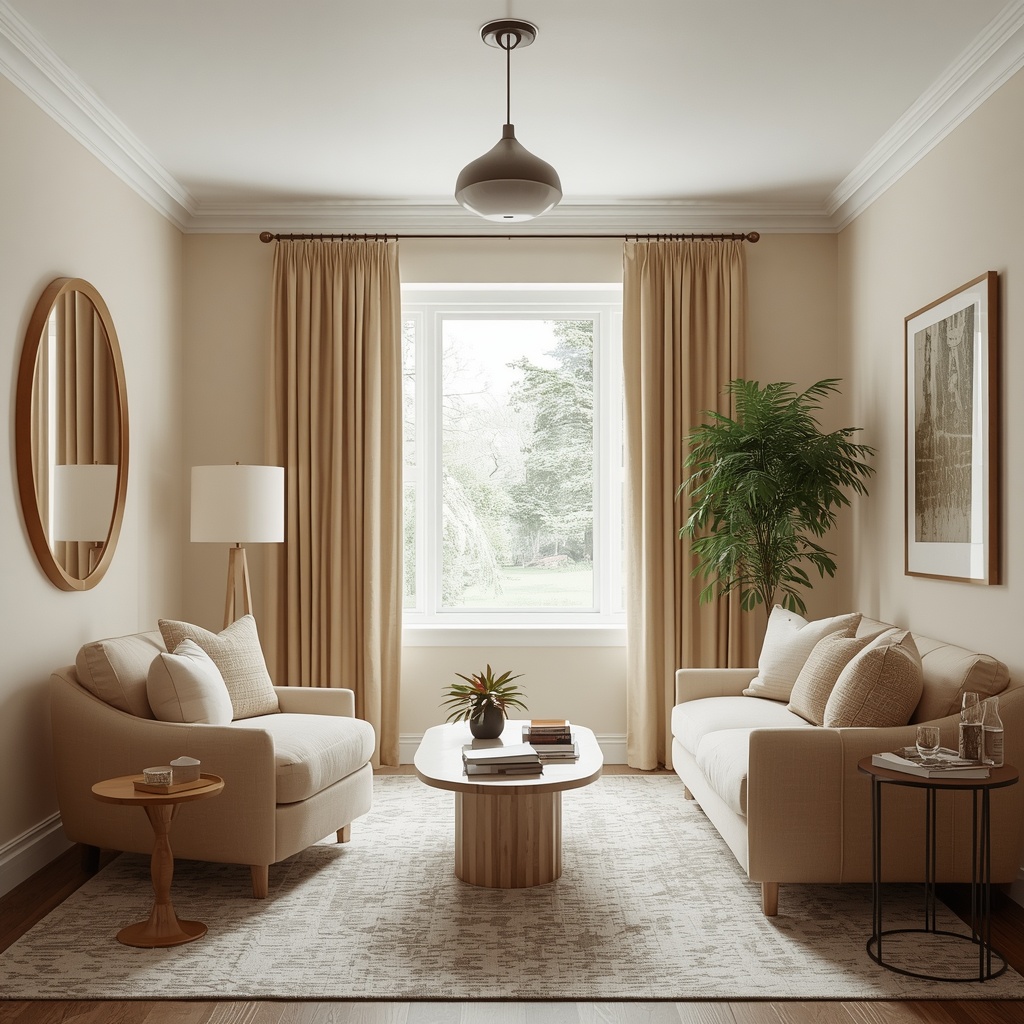
Start with the easiest wins, such as paint and curtains, then layer in lighting, mirrors, and accessories. Each change adds up, and together they transform the entire atmosphere of your home.
Ready to take your space further? Explore our guides on small space decorating ideas and how to choose paint colors for your next project.
Frequently Asked Questions
What color makes a low ceiling look higher? Bright white or a very light tint of your wall color works best. Painting walls and ceiling the same light shade also blurs the corner line and adds perceived height.
Should I paint a low ceiling dark or light? Light is the safest choice. A dark ceiling can look dramatic, but only when walls and ceiling match and lighting is excellent.
How high should I hang curtains in a room with low ceilings? Mount the rod 4 to 6 inches below the ceiling, or at the crown molding, and use floor-length panels to create a strong vertical line.
Can I use a chandelier in a low-ceiling room? Only a very slim, flush or semi-flush style. Keep at least 7 feet of clearance from the floor to the bottom of the fixture in walkways.
Do mirrors really make a room feel taller? Yes. Tall, vertical mirrors reflect light and the ceiling, which expands the room visually.