
Metallic accents have quietly become one of the most reliable tools in an interior designer’s kit. A well-placed brass lamp or a cluster of chrome-framed art can turn a flat, predictable living room into a space that feels curated and intentional. Metallics catch light, add contrast, and bridge the gap between “nice” and “designed.”
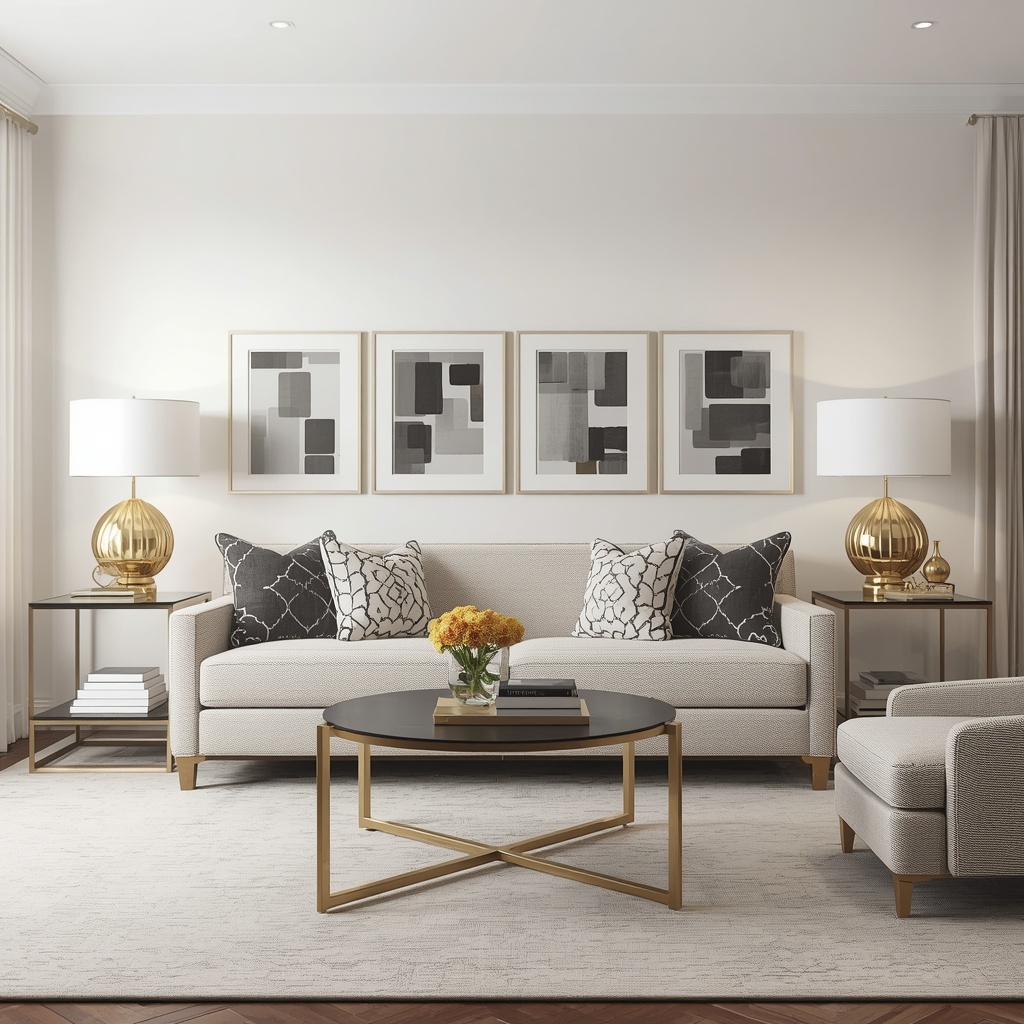
As someone who works with US homeowners across every style — from coastal cottages to downtown lofts — I can tell you the biggest mistake isn’t using too much metal. It’s using it without a plan. Below, I’ll walk you through exactly how to bring metallic accents into your living room in a way that feels polished, not accidental.
Why Metallic Accents Are Having a Moment in Living Room Design
Metallic finishes aren’t a passing fad; they’re a design fundamental that resurfaces in every era, just in different forms. Right now, warm metals like brass, gold, and copper are dominating, replacing the cool chrome and stainless steel that ruled the 2000s.
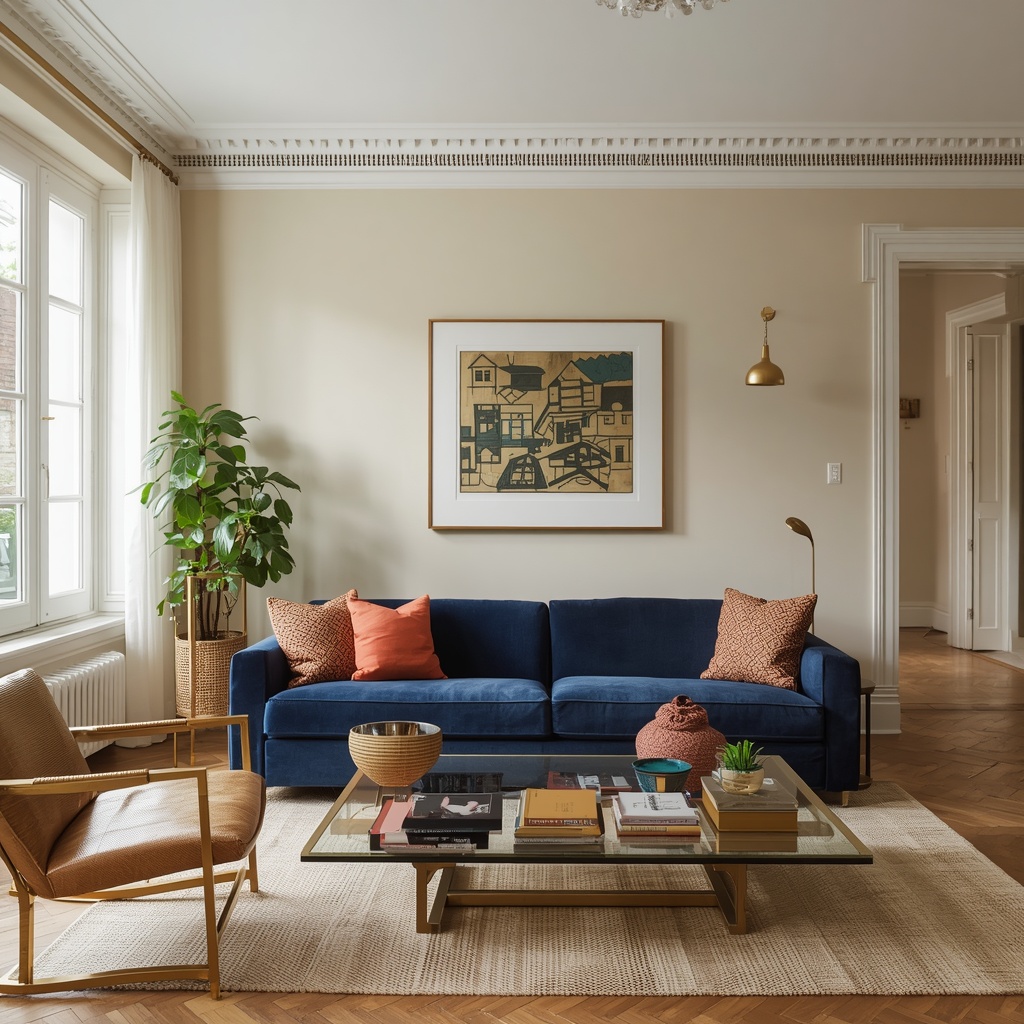
Part of the appeal is practical. Metallic surfaces reflect ambient light, which makes rooms feel brighter and larger — a huge win for the smaller living rooms common in US apartments and starter homes. They also age well; unlike trendy paint colors, a brass sconce or nickel hardware set rarely looks dated within a few years.
There’s also an emotional layer. Metallics read as “finished” details, the kind of small touches that signal a room was thoughtfully put together rather than furnished in one big-box trip. That’s why designers lean on them so heavily during the final styling phase of a project.
Understanding Metallic Finishes: Which One Fits Your Living Room
Before you buy anything, it helps to know your metals. Each finish carries its own undertone and mood, and mixing them up (unintentionally) is the fastest way to a disjointed room.

| Metal Finish | Undertone | Best Paired With | Mood It Creates |
|---|---|---|---|
| Brass (unlacquered) | Warm, golden | Walnut wood, deep green, terracotta | Rich, traditional, inviting |
| Gold (polished) | Warm, bright | White, cream, jewel tones | Glamorous, formal |
| Copper | Warm, reddish | Navy, charcoal, blush pink | Cozy, industrial-chic |
| Chrome | Cool, silvery | Black, gray, cool blues | Sleek, modern, minimal |
| Matte Black | Neutral-cool | Almost everything | Bold, contemporary |
| Brushed Nickel | Cool, soft gray | Soft neutrals, coastal palettes | Understated, transitional |
Knowing your dominant undertone — warm or cool — helps you commit to a direction instead of accidentally buying pieces that fight each other on your shelf.
Where to Add Metallic Accents in a Living Room
You don’t need to renovate to introduce metallics. Some of the most effective touches are small, swappable items you can layer in over a weekend.
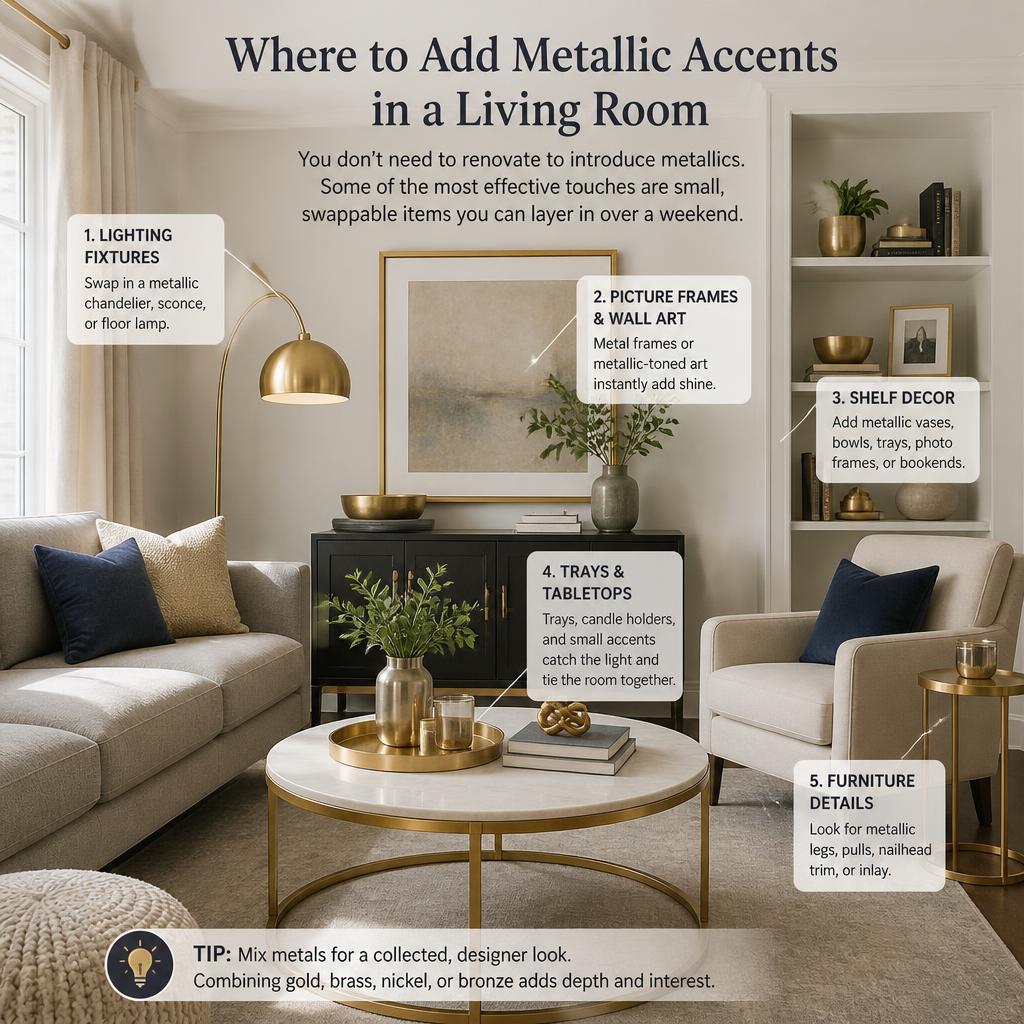
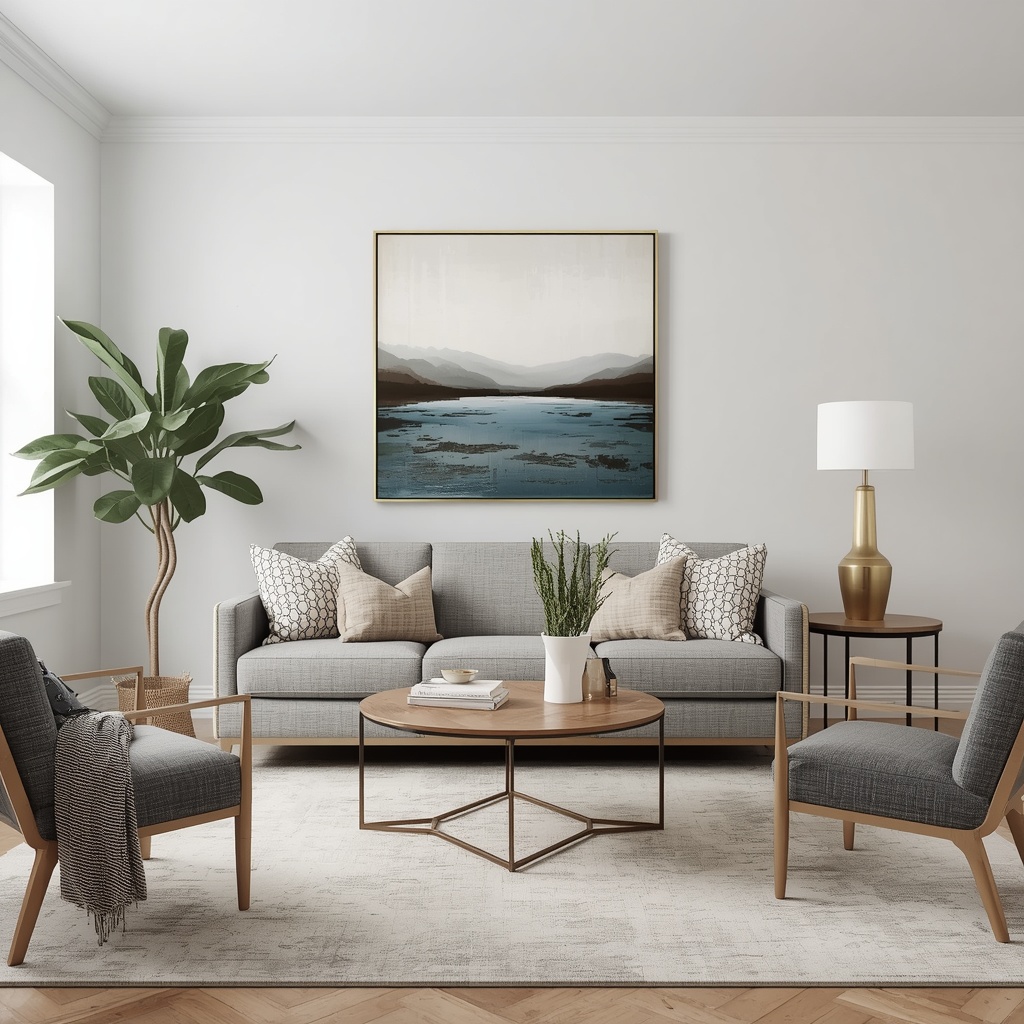
- Lighting fixtures — floor lamps, table lamps, and pendant shades in brass or matte black
- Picture frames and wall art — gallery walls instantly feel curated with mixed metallic frames
- Mirrors — a large metallic-framed mirror doubles as a light-bouncing focal point
- Hardware — drawer pulls on media consoles or side tables
- Coffee table accents — trays, candle holders, bookends, and vases
- Textiles with metallic thread — throw pillows, blankets, or woven baskets
- Furniture legs and frames — accent chairs or side tables with metal bases
- Fireplace surrounds or screens — an easy way to anchor a large focal wall
Layering across two or three of these categories, rather than concentrating metal in one spot, is what creates that “collected over time” look designers aim for.
“The best rooms don’t look like they were bought all at once — they look like they were found, one piece at a time.” This is the philosophy I return to with almost every client: restraint plus repetition beats a single big metallic statement.
Pro Tip: The Rule of Three
Pro Tip: When introducing a new metallic finish to a room, use it in at least three separate spots. One brass lamp can look like an accident; three brass touches — a lamp, a picture frame, and a vase — read as a deliberate design choice. This “rule of three” is one of the simplest ways to make any accent color or finish feel intentional rather than random.
Mixing Metals Without the Mismatch
One of the most common questions I get is whether mixing metals is allowed at all. The short answer: yes, and in fact, an all-one-metal room can feel flat and showroom-like.
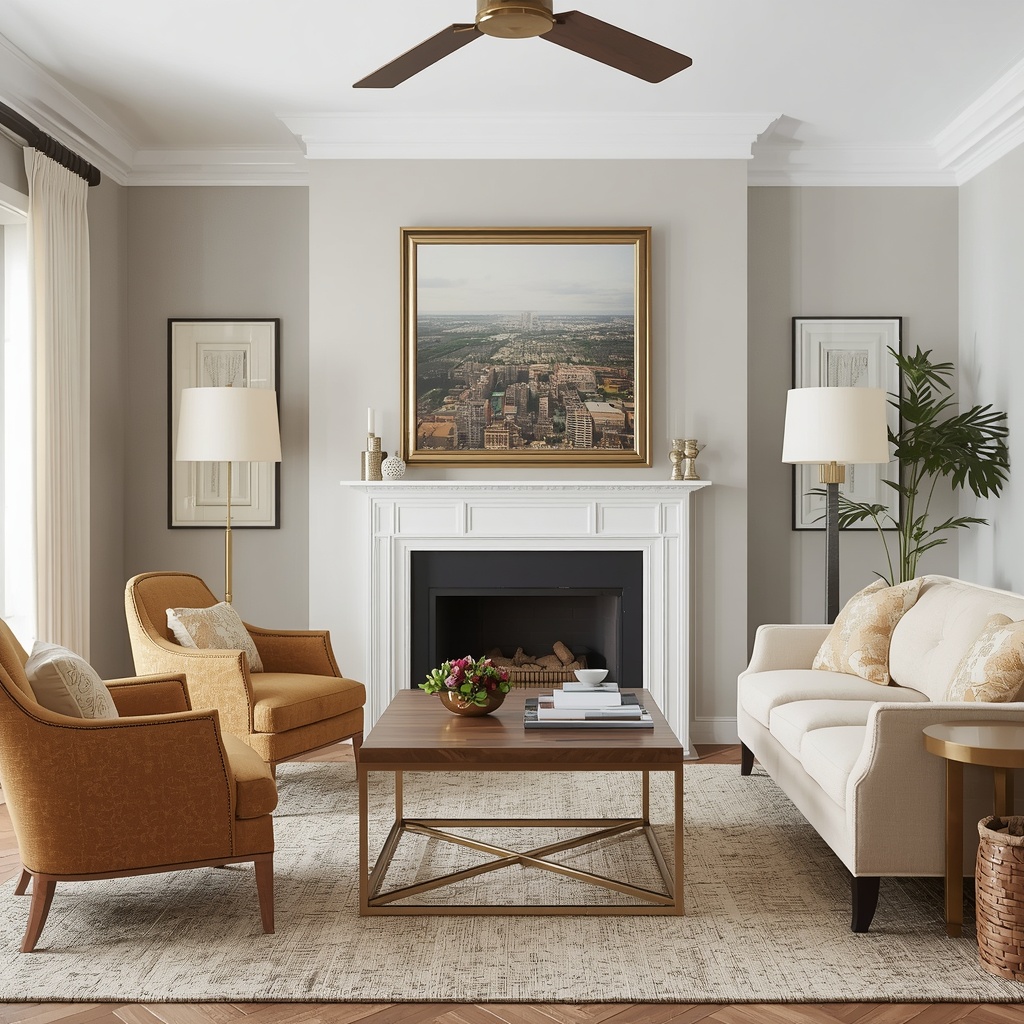
The key is choosing a dominant metal and one or two supporting metals, rather than giving every finish equal weight. For example, a living room might lean 60% brass (lamps, frames, hardware), 30% black metal (window frames, a media console base), and 10% a third accent like brushed nickel on a single lamp switch or picture rail.
Undertone consistency matters more than matching exactly. Warm metals — brass, gold, copper, bronze — generally mix well together. Cool metals — chrome, nickel, stainless steel, matte black — form their own compatible family. Crossing between warm and cool is fine in small doses, but it works best when one clearly dominates the room.
Metallic Accents by Design Style
Different design styles call for different metallic treatments. Here’s a quick reference for matching metal to mood:
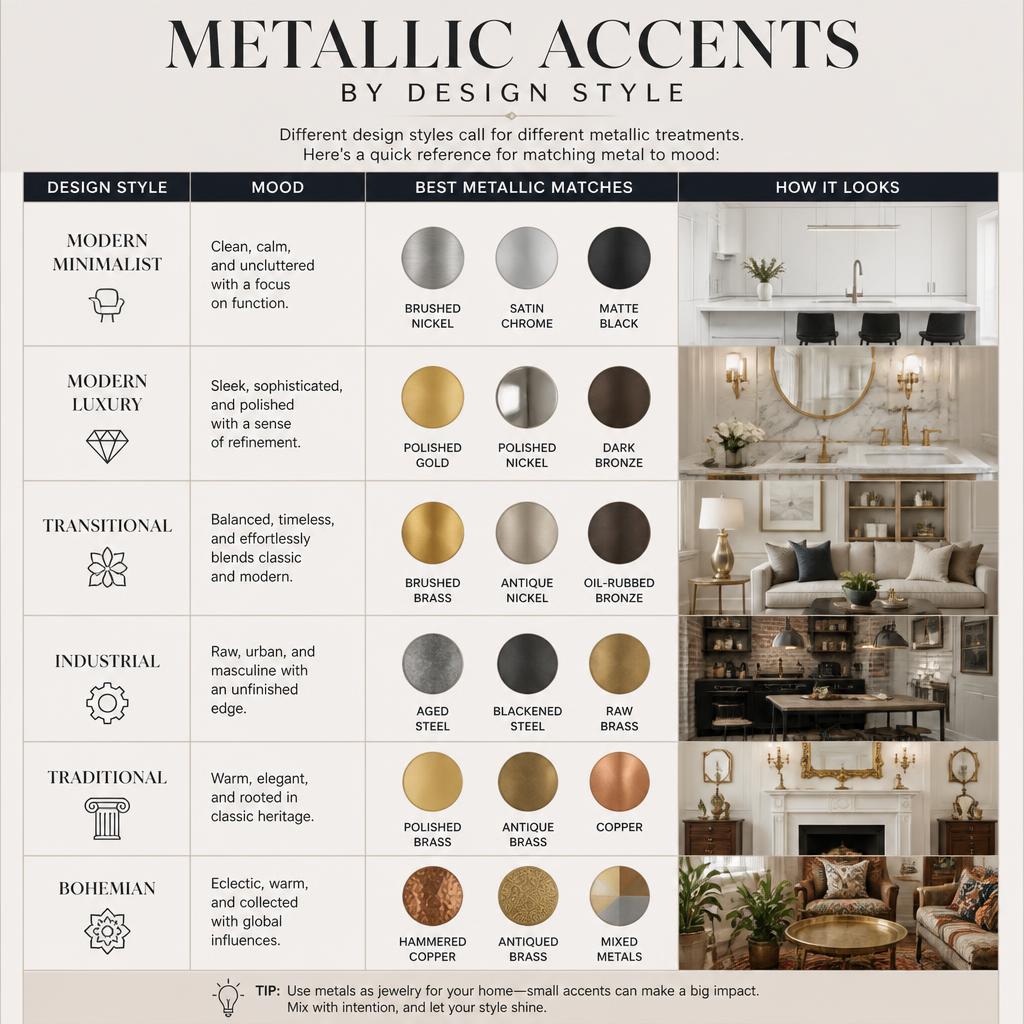
| Design Style | Recommended Metal | Signature Accent Piece |
|---|---|---|
| Modern Farmhouse | Matte black, aged brass | Black metal window frames, brass sconces |
| Mid-Century Modern | Brass, warm gold | Sputnik-style pendant lighting |
| Coastal / Hamptons | Brushed nickel, pewter | Woven metallic-thread throw pillows |
| Industrial Loft | Blackened steel, copper | Exposed pipe shelving, copper pendant lights |
| Glam / Art Deco | Polished gold, mirrored finishes | Mirrored coffee tables, gold-rimmed decor |
| Minimalist / Scandinavian | Brushed steel, soft silver | Simple geometric candle holders |
If you’re unsure which category your living room falls into, look at your existing wood tones and dominant furniture silhouette — that will usually tell you which metal family fits naturally.
Layering Metallics with Texture and Color
Metallic finishes work best when they’re not competing with too many other “loud” elements. Pair them with soft, tactile textures — linen upholstery, chunky knit throws, natural wood, or woven jute rugs — to keep the room feeling warm rather than cold or overly formal.
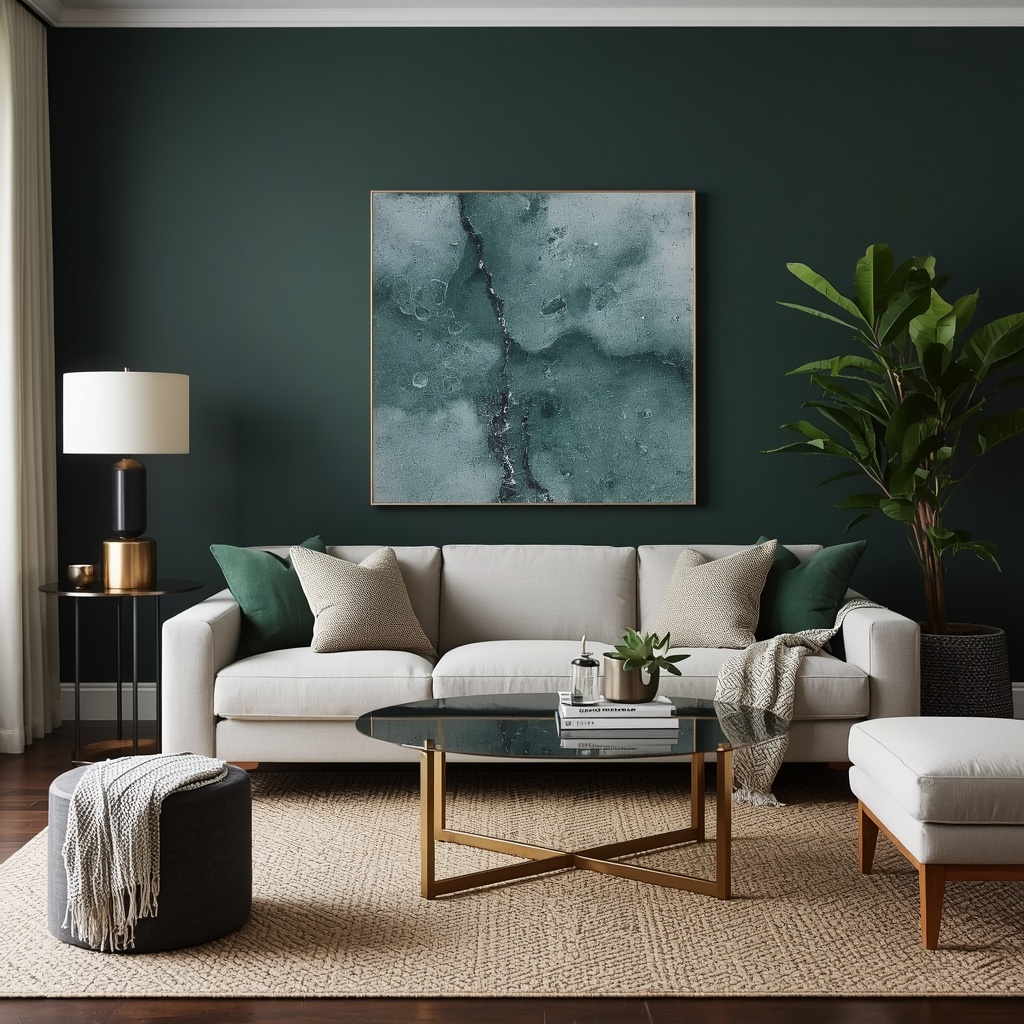
Color palette matters just as much. Deep, saturated wall colors like emerald green, navy, or charcoal make metallics pop dramatically, since the contrast highlights the reflective quality of the finish. On the other hand, softer neutral palettes (cream, oatmeal, warm gray) let metallics act as quiet, sophisticated highlights rather than showstoppers — a better fit if you prefer a calmer living room.
Statement Lighting: The Easiest Metallic Win
If you only make one metallic change this year, make it your lighting. Light fixtures sit at eye level, catch the most natural and artificial light in the room, and are relatively easy to swap without a full renovation.
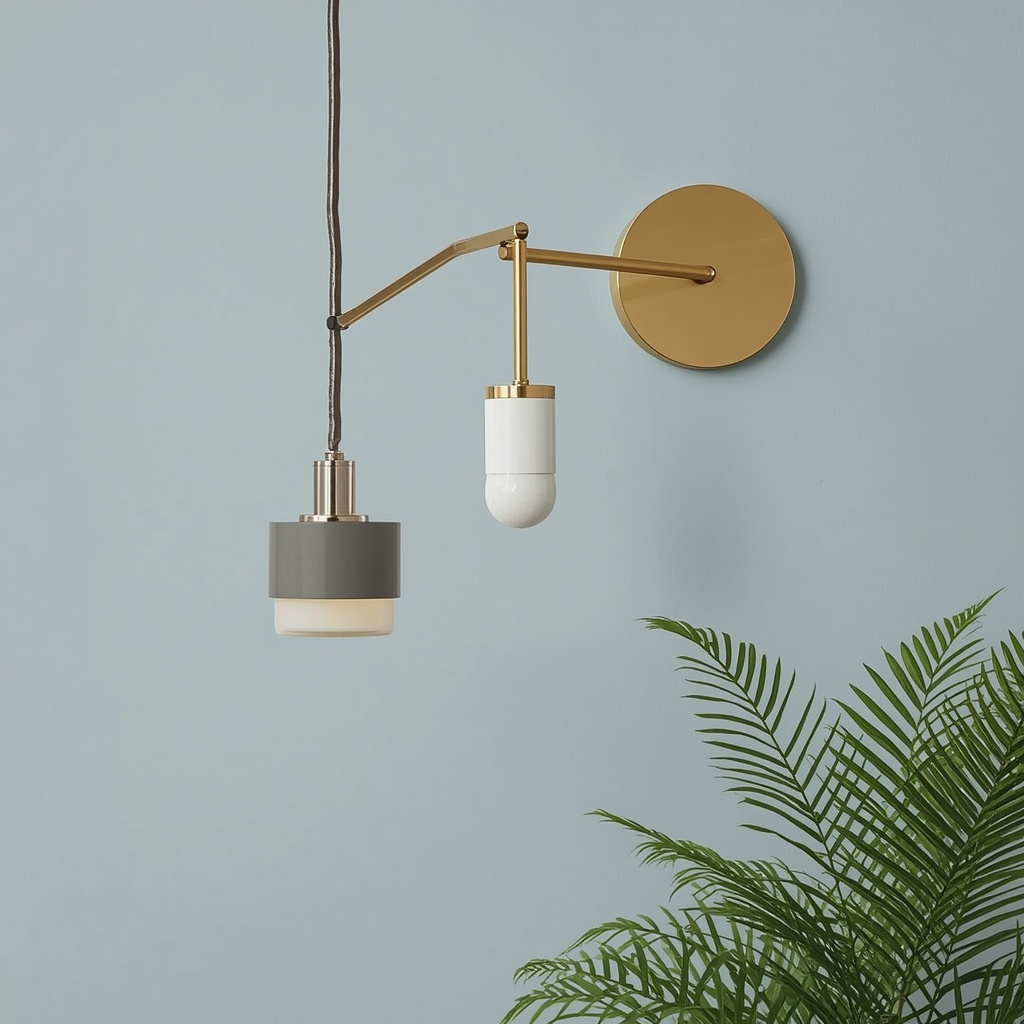
A brass floor lamp beside a reading chair, a black metal chandelier over a seating area, or a set of mixed-metal sconces flanking a media wall can shift the entire feel of a living room in an afternoon. Because lighting fixtures are functional as well as decorative, they also justify a slightly bigger budget than purely decorative accents.
Common Mistakes to Avoid
Even experienced homeowners run into a few predictable pitfalls when adding metallic accents. Watch for these:
- Going too shiny, too fast. An entire room of polished, mirror-like gold can feel more “hotel lobby” than “home.” Balance high-shine pieces with matte or brushed versions of the same metal.
- Ignoring undertones. Combining warm brass with cool chrome in equal amounts, with no clear dominant metal, often reads as unintentional rather than eclectic.
- Overcrowding one surface. A coffee table with five different metallic objects competes with itself. Spread accents across the room instead.
- Forgetting scale. A tiny metallic frame on a huge, empty wall gets lost. Match the size of your accent to the size of the space it’s filling.
- Skipping the “why.” Metal for metal’s sake looks arbitrary. Each metallic piece should tie back to your room’s dominant style, whether that’s industrial, glam, or farmhouse.
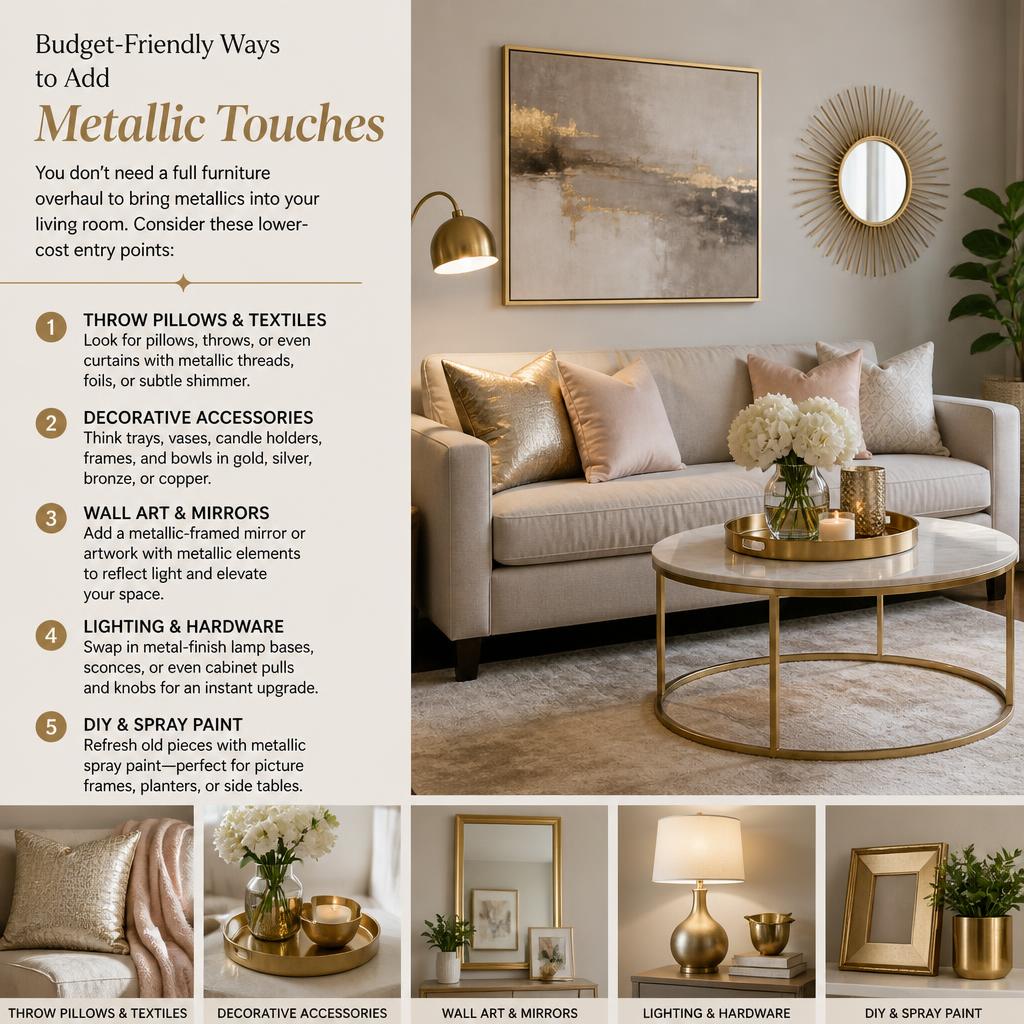
Budget-Friendly Ways to Add Metallic Touches
You don’t need a full furniture overhaul to bring metallics into your living room. Consider these lower-cost entry points:
- Swap out lamp bases or lampshades for metallic-finished versions
- Spray-paint an existing frame, tray, or vase in a matte black or brass finish
- Add metallic drawer pulls to an existing media console or side table
- Introduce a single statement mirror as a focal point
- Layer in metallic-thread throw pillows or a woven metallic basket for storage
- Replace curtain rods and rings with a matching metal finish
Small, inexpensive swaps like these let you test a metallic direction before committing to bigger investment pieces like lighting or furniture.
Where to Shop for Metallic Home Decor
If you’re ready to start sourcing pieces, a few reliable US retailers carry a strong range of metallic living room decor across price points:
- West Elm — mid-century and modern metallic lighting and hardware
- CB2 — sleek, contemporary metallic furniture and accents
- Article — budget-friendly modern pieces with metal detailing
- Wayfair — wide range of price points and finishes for testing ideas
- Etsy — handmade and vintage metallic decor for unique statement pieces
Frequently Asked Questions
Is it okay to mix gold and silver in a living room?
Yes — most designers today embrace mixed metals, as long as one finish clearly dominates and the other plays a supporting role in smaller doses.
What’s the most timeless metallic finish for a living room?
Brushed brass and matte black are currently the most versatile, working across farmhouse, transitional, and modern styles without feeling trend-locked.
How much metallic is too much?
As a general guideline, aim for metallic accents to make up no more than 20-30% of visible surfaces in the room. Beyond that, the space can start to feel like a showroom rather than a home.
Final Thoughts
Metallic accents are one of the lowest-effort, highest-impact upgrades available to any living room. Whether you’re drawn to warm brass, moody matte black, or a soft brushed nickel, the goal is the same: choose a dominant tone, repeat it with intention across a few key pieces, and let it catch the light in a room that already feels like yours.
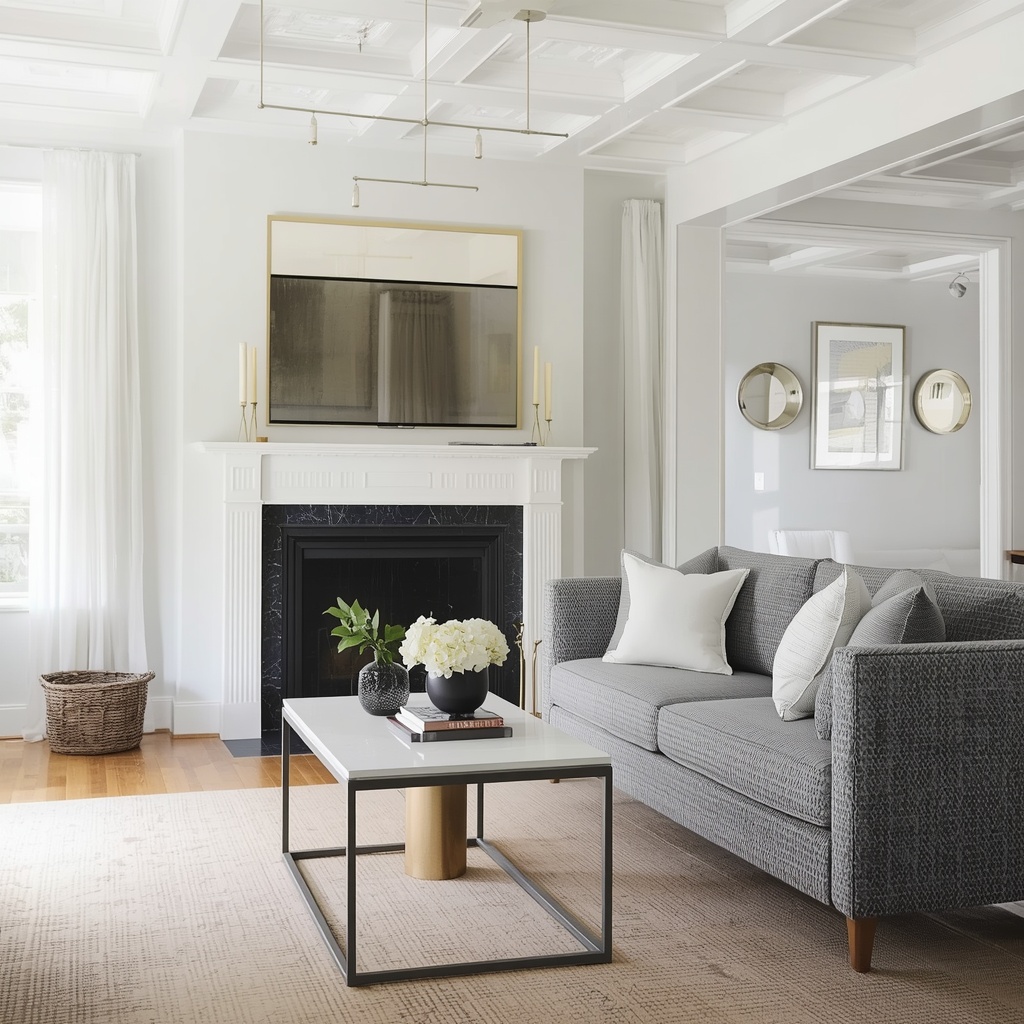
Start small if you need to. A single lamp, a mirror, or a tray on the coffee table is enough to test the waters before you commit to a full metallic refresh.