The world of interior design moves fast. What felt fresh and modern just a few years ago can suddenly feel tired, dated, or just plain wrong for the way we actually live. As a home decor specialist who’s worked with hundreds of American homeowners, I’ve watched trends rise and fall — and right now, there’s a significant shift happening inside our homes.
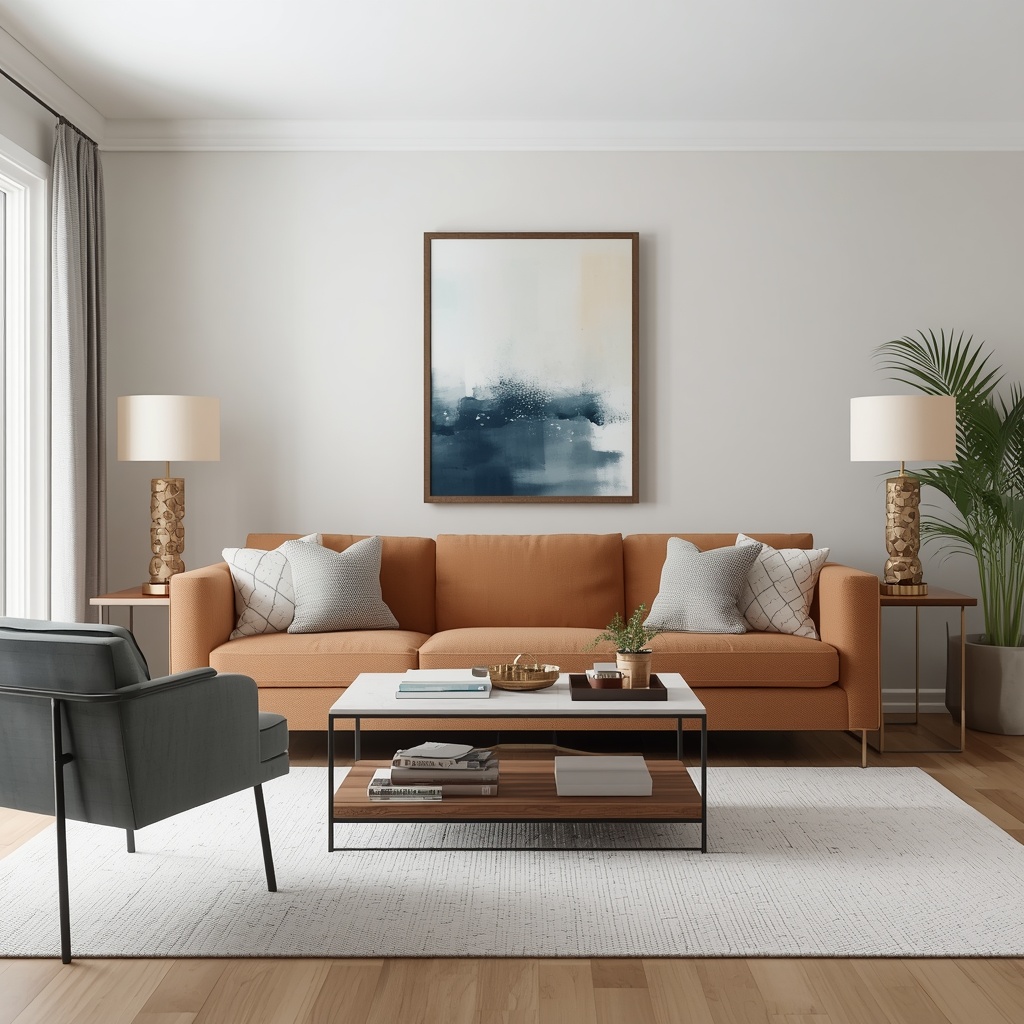
Whether you’re planning a full renovation or just looking to refresh a few rooms, knowing what’s on its way out is just as important as knowing what’s coming in. Let’s dig into the interior design trends that are fading fast and what to do instead.
1. All-White Everything: The Sterile Aesthetic Is Over
For years, the all-white kitchen, all-white living room, and all-white bathroom reigned supreme. It was clean. It was Pinterest-perfect. It photographed beautifully. But it was never truly livable — and Americans are finally admitting it.
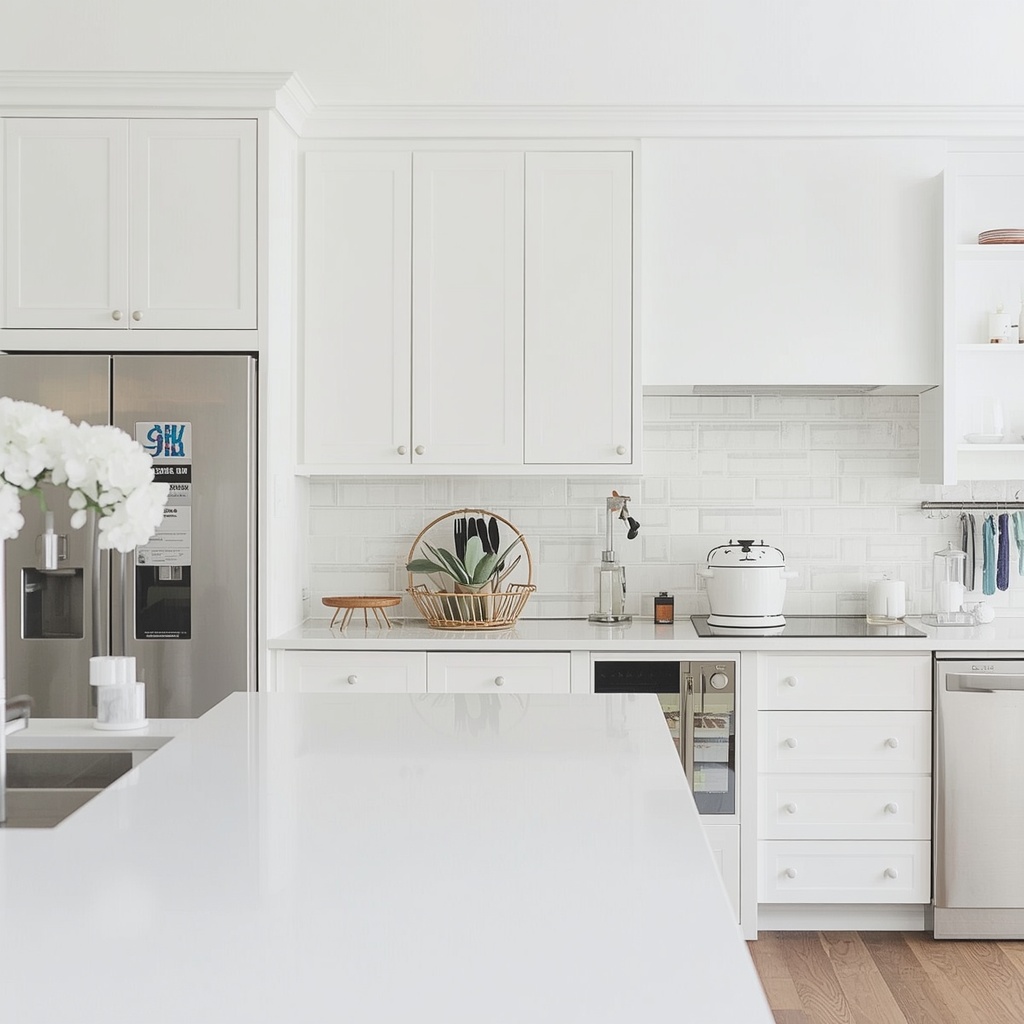
The problem with stark white interiors isn’t just the maintenance (though anyone with kids or pets will tell you it’s a nightmare). It’s that they feel cold, impersonal, and emotionally flat. Our homes should feel like us — warm, layered, full of personality. A room painted entirely in stark white with white furniture and white accessories no longer signals sophistication. It signals a lack of commitment to actual design.
“Design is not just what it looks like and feels like. Design is how it works.” — Steve Jobs
What’s replacing it? Warm, earthy neutrals — think linen, oat, warm greige, terracotta, and dusty clay. These tones have the same visual calm as white but with emotional depth that makes a room feel inhabited and intentional.
Pro Tip: If you love white but don’t want to let go entirely, try layering warm whites (like Benjamin Moore’s “White Dove” or Sherwin-Williams “Alabaster”) with natural wood tones, rattan textures, and warm-toned lighting. The key is contrast and warmth — not clinical uniformity.
2. Open Concept Layouts: America Is Closing Its Doors Again
The open-concept floor plan has been the dominant residential design philosophy in the U.S. for over two decades. Knock down the walls! Merge the kitchen, dining room, and living room! Let it all flow! But in the wake of remote work becoming permanent for millions of Americans, open concept is losing its luster.
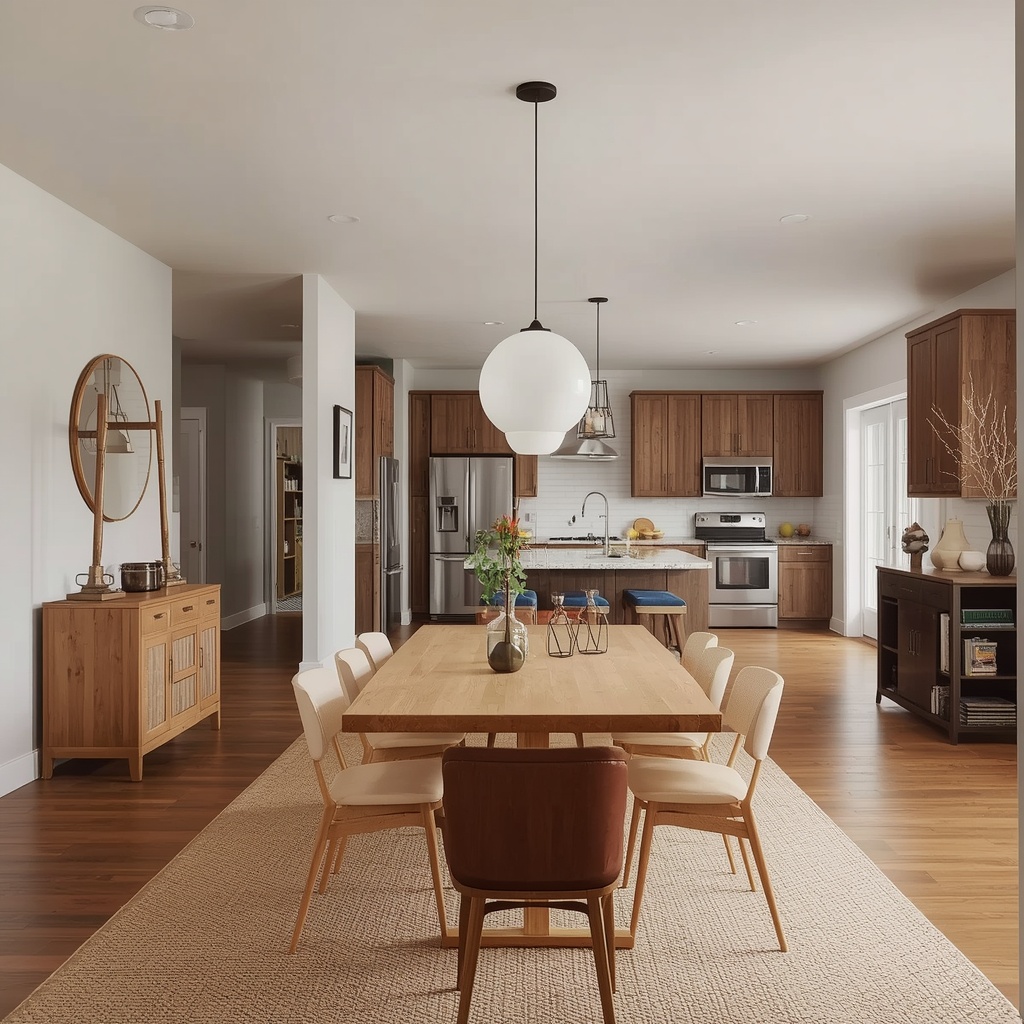
When your home is also your office, your school, and your sanctuary, you need rooms that serve different acoustic and functional purposes. The noise bleed from an open kitchen into a home office, or from a television into a Zoom call, has made people rethink the open-plan dream. Walls — real, actual walls — are making a dramatic comeback.
Designers are now talking about “broken plan” layouts: spaces that are connected but defined by partial walls, arches, built-in shelving, or level changes. You get the light and flow of open concept without the noise and chaos.
| Going Out | Coming In |
|---|---|
| Full open-concept layout | Broken plan with defined zones |
| Removed dining rooms | Formal dining rooms returning |
| Kitchen-living room merge | Separate cozy sitting areas |
| Studio-style main floors | Rooms with distinct identities |
3. Farmhouse Style: The Shiplap Era Is Closing
Chip and Joanna Gaines changed American home decor forever — and we mean that sincerely. But the farmhouse trend they popularized has reached full saturation. Shiplap walls, barn doors, galvanized metal accents, “GATHER” signs, and mason jar everything have become so ubiquitous that they’ve lost all charm and originality.
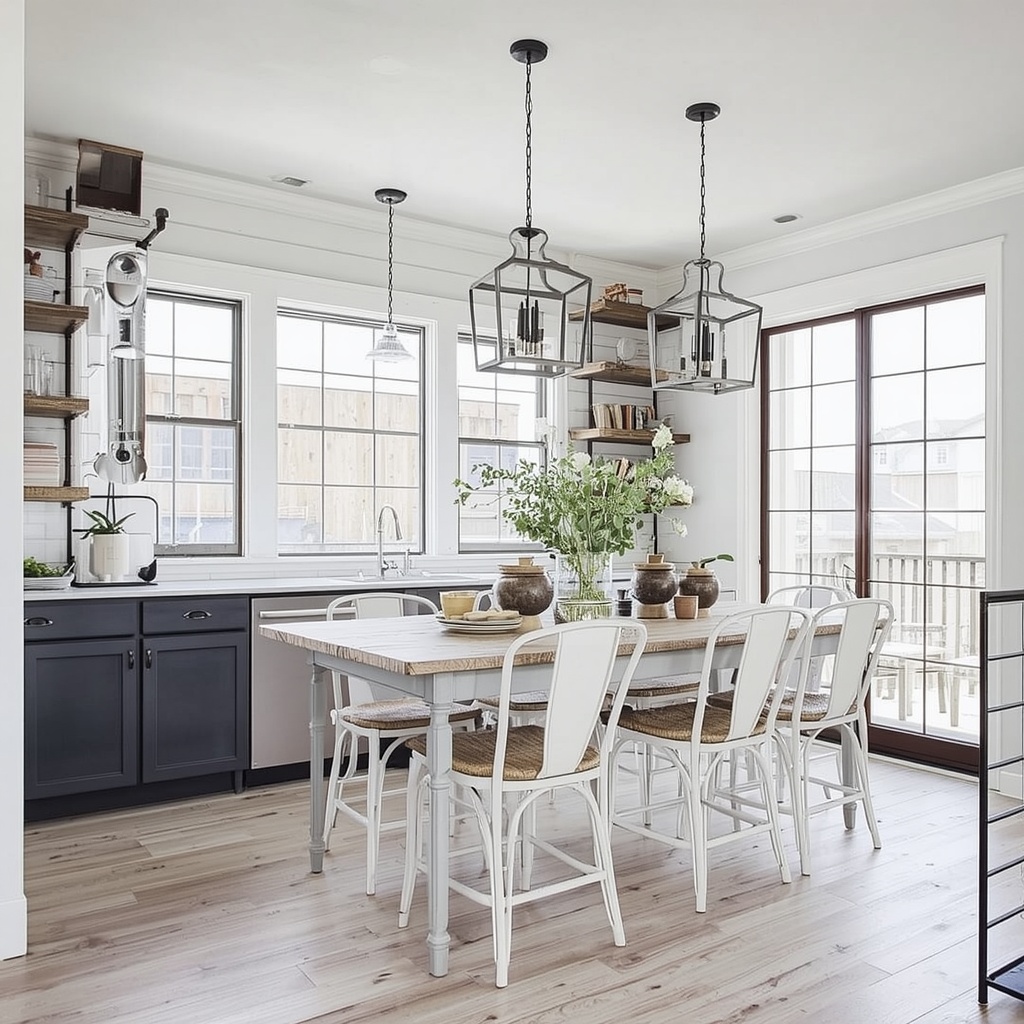
The modern farmhouse look was always at its best when it was rooted in actual regional character — a Texas ranch house, a New England saltbox, a converted Southern barn. What happened instead is that it became a copycat aesthetic plastered across suburban homes from Arizona to Ohio with zero geographic or cultural context.
What’s filling the void? A few directions are emerging:
- Organic modern — clean lines softened by natural materials like stone, linen, and raw wood
- New American Traditional — classic architectural bones with updated color palettes and less fussiness
- Coastal grandmother — relaxed, layered, antique-influenced with a breezy, collected feel
- Global eclectic — mixing influences from different cultures with an intentional, curated hand
“The best rooms have something to say about the people who live in them.” — David Hicks, legendary British interior designer
4. Chevron and Geometric Patterns: The Math Has Left the Room
Chevron tile, herringbone everything, bold geometric wallpaper — these pattern-forward choices dominated the 2010s and early 2020s. And while herringbone hardwood floors still have some life left (it’s a classic for a reason), the aggressive geometric patterns applied to every surface — backsplashes, rugs, accent walls, upholstery — are on their way out.
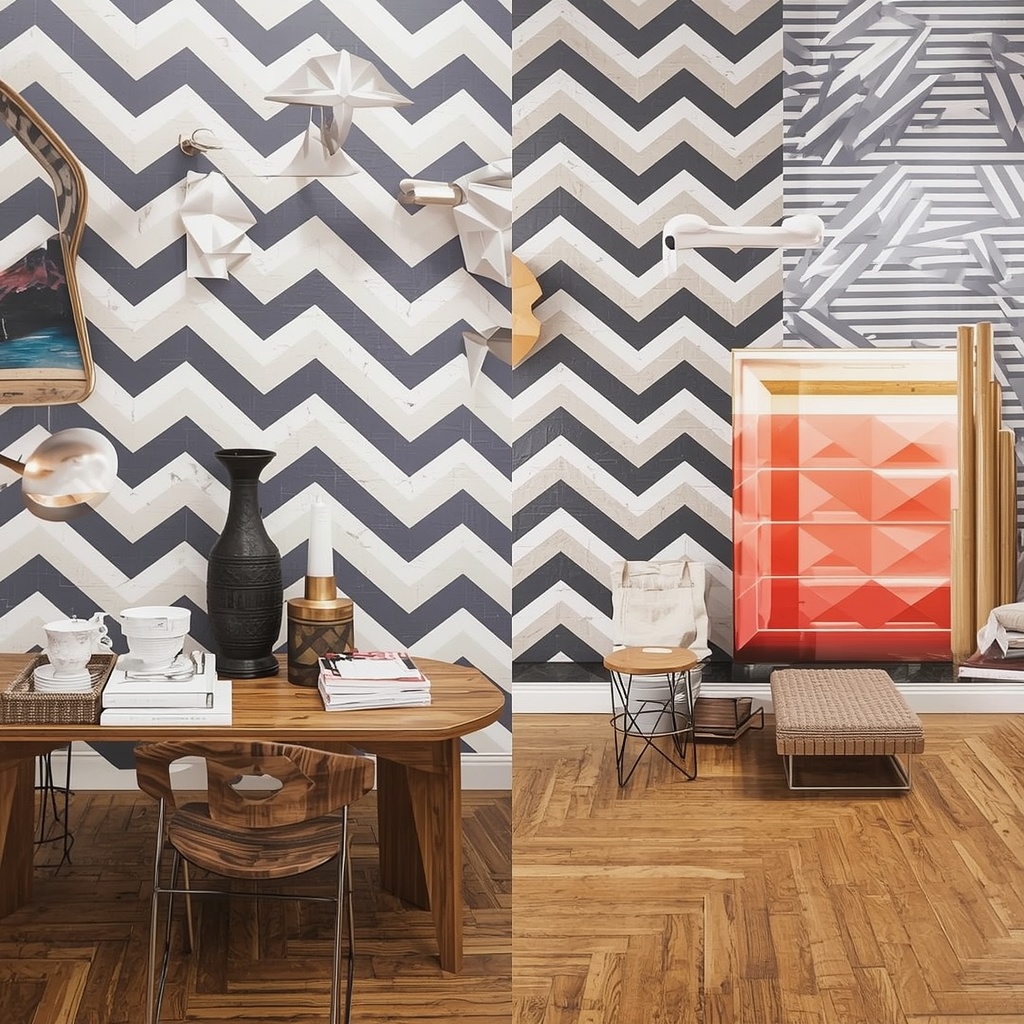
The shift is toward organic, irregular pattern rather than precise, mathematical repetition. Handmade tiles with slight imperfections, abstract brushstroke wallpapers, botanical prints, and nature-inspired textiles are replacing the hard-edged geometric look. The new design conversation is about craft, imperfection, and the human hand — not precision and symmetry.
Pro Tip: If you have geometric tile you’re not ready to rip out, balance it with softer elements: curved furniture, tactile textiles like boucle or velvet, and organic shapes in your accessories. Contrast softens the hard geometry.
5. Industrial Chic: Exposed Pipes and Edison Bulbs Are Done
The industrial interior trend — exposed brick, Edison bulb pendant lights, metal pipe shelving, concrete floors, and reclaimed wood beamed ceilings — exploded in urban lofts and quickly migrated into suburban homes and every restaurant chain in America.
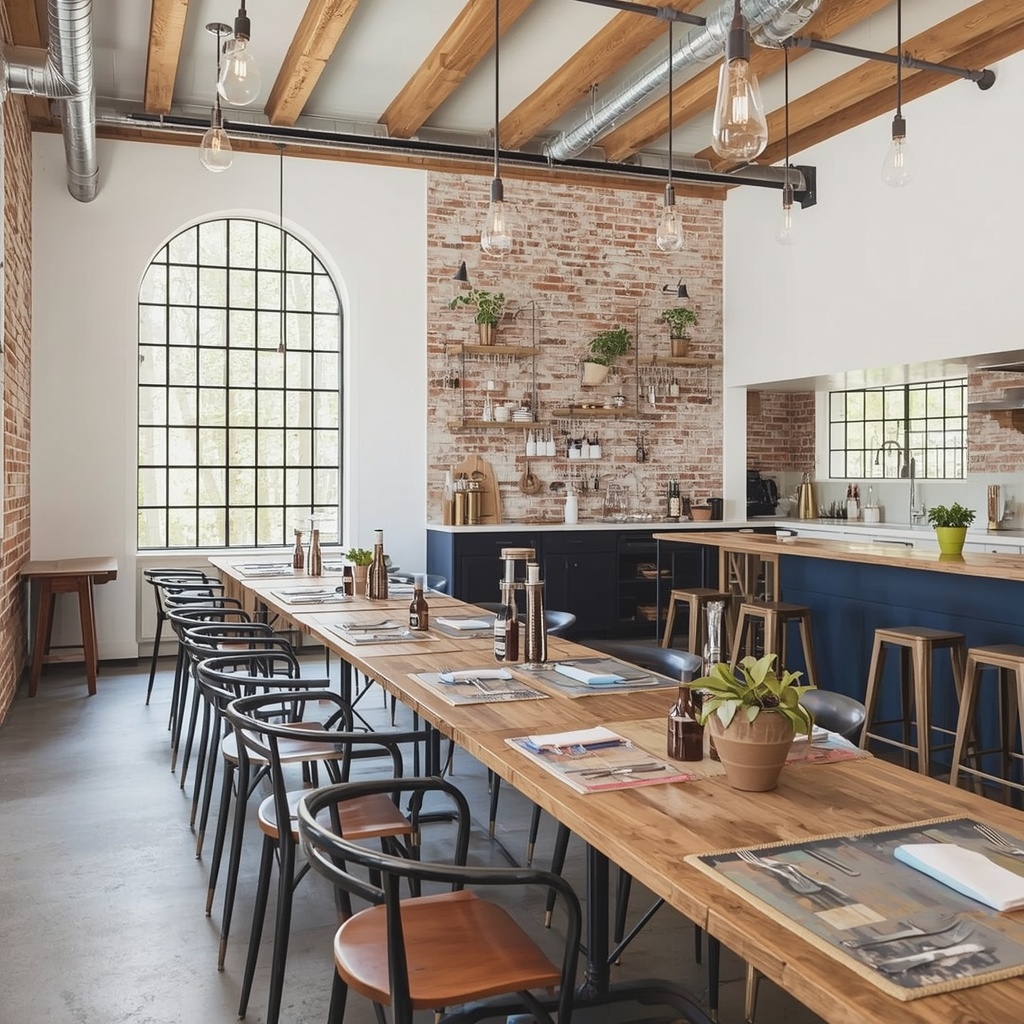
The problem? It peaked. Hard. When your local Applebee’s is sporting exposed ductwork and Edison bulbs, the look has officially trickled too far downstream to remain a design statement in your home.
More importantly, industrial spaces are not particularly comfortable. Raw concrete is cold. Exposed pipes feel unfinished. The aesthetic looks amazing in a converted warehouse; in a ranch-style home in the suburbs of Columbus, Ohio, it just looks like someone stopped the renovation halfway through.
What’s replacing industrial?
- Warm industrial hybrid — pairing raw materials with rich textiles and warm paint tones
- Arts & Crafts revival — handcrafted, artisanal, deeply tactile with natural material focus
- Mediterranean warmth — plaster walls, arched doorways, terracotta, and warm metals like brass and bronze
6. Matchy-Matchy Furniture Sets: The Showroom Look Is Dead
Walking into a living room where the sofa, loveseat, coffee table, end tables, and entertainment center all came from the same furniture collection — in the same finish, same fabric, same design family — used to signal a well-appointed home. Now it signals a showroom floor.
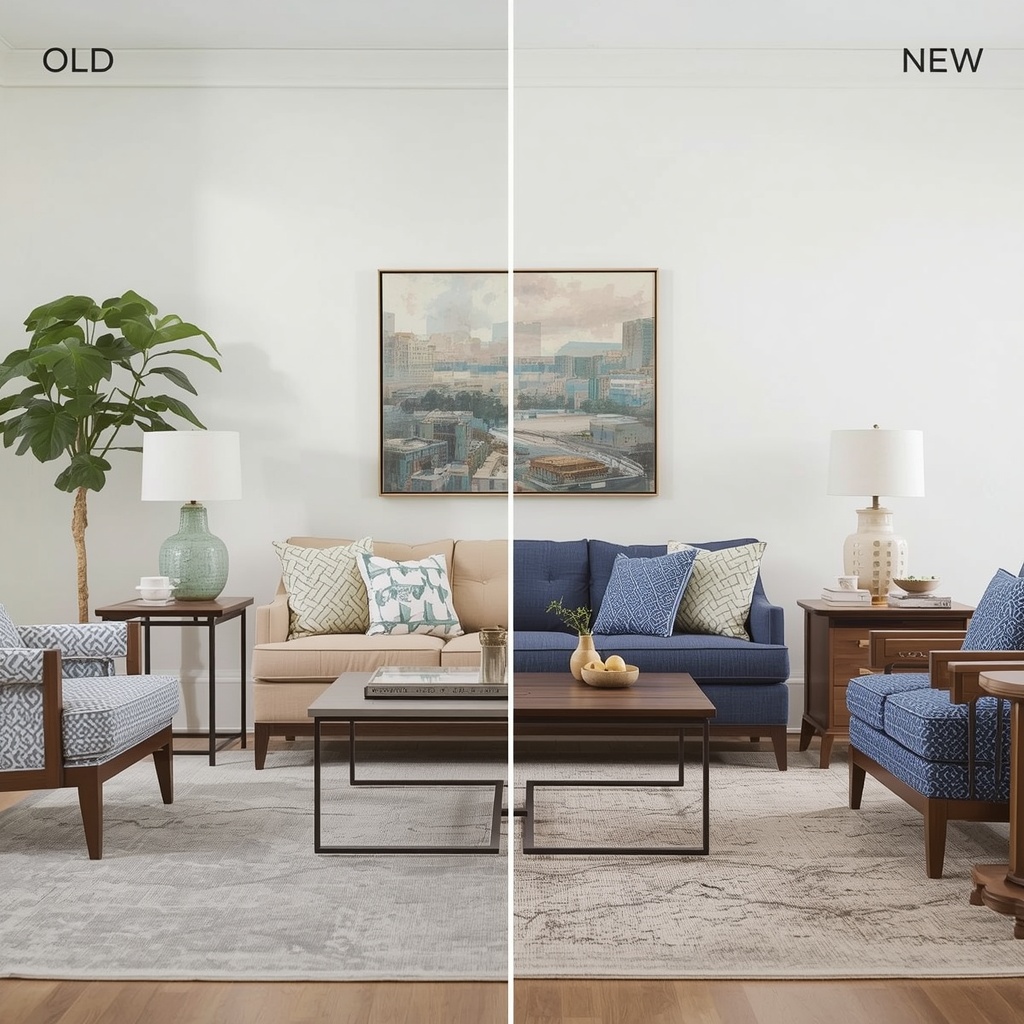
The “curated” look that today’s American homeowners aspire to is intentionally mixed: a vintage sofa reupholstered in a modern fabric, paired with a contemporary coffee table, alongside an inherited side table and a brand-new floor lamp. It looks like the room evolved over time — because the best rooms always do.
This trend extends to the bedroom too. The matching headboard-dresser-nightstand set is rapidly being replaced by mix-and-match pieces that feel personal and collected rather than packaged.
| Old Approach | New Approach |
|---|---|
| Matching furniture suites | Mixed-era, eclectic combinations |
| One store, one collection | Thrift + new + vintage + inherited |
| Uniform finishes throughout | Layered metals and wood tones |
| Symmetrical, predictable rooms | Asymmetry with intentional balance |
7. Word Art and Motivational Signage: “Live, Laugh, Love” Must Go
If there is one trend that has united interior designers in collective exhaustion, it is the era of word art. “Live, Laugh, Love.” “Gather.” “Home is Where the Heart Is.” “Breathe.” Vinyl lettering on walls. Rustic wooden signs with farmhouse fonts. Neon script lights spelling out “Vibes.”
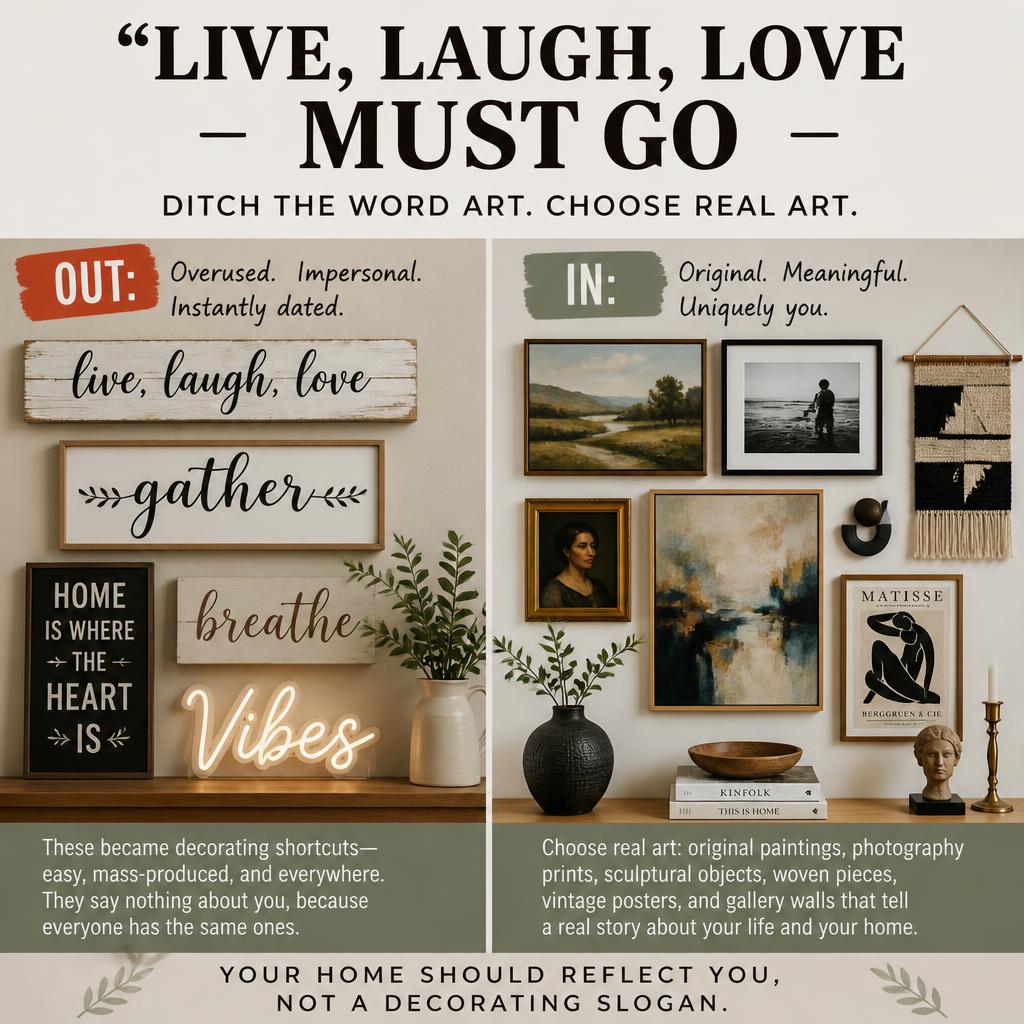
These pieces became decorating shortcuts — a way to add visual interest and express personality without actually committing to real art, real objects, or real design choices. And the irony is they ended up expressing no personality at all, because everyone had the same ones.
The move is toward actual art: original paintings, photography prints, sculptural wall objects, woven textile pieces, vintage posters, and gallery walls that tell a real story about the homeowner.
Pro Tip: Replacing word art doesn’t have to be expensive. Start with Society6 or Minted for affordable artist-direct prints, or explore local art fairs for original works. Even a simple framed vintage botanical illustration elevates a space more than any motivational sign ever could.
8. Accent Walls: One Bold Wall, Zero Personality
The accent wall — painting one wall a dramatically different color from the other three — was a 2000s-era solution to adding visual interest without committing to full color. In 2025, it’s one of the clearest markers of a room that hasn’t been thoughtfully designed.
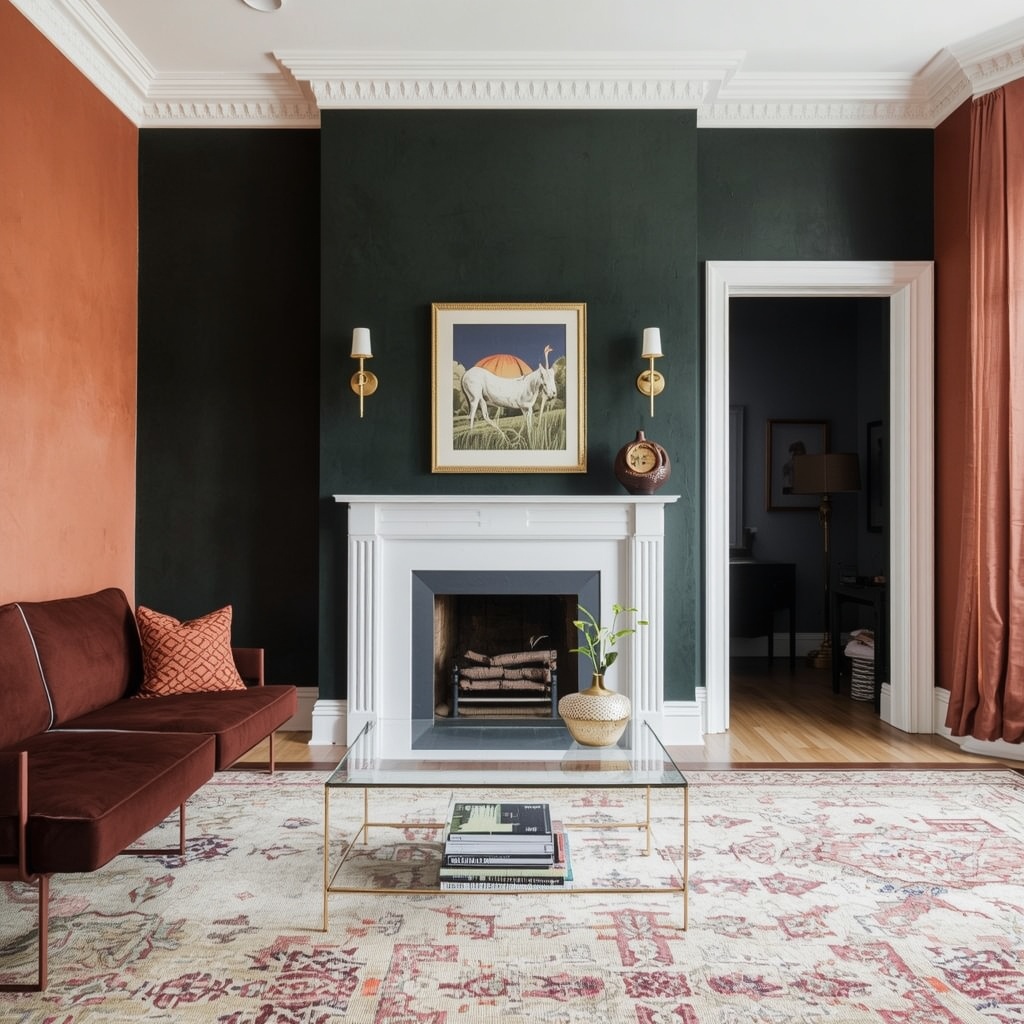
The reason? It looks arbitrary. Unless an accent wall coincides with an actual architectural feature — a fireplace wall, a built-in bookshelf wall, a recessed niche — it just looks like someone ran out of paint. Or courage.
The bold alternative gaining ground: whole-room color commitment. Deep, moody, saturated rooms — navy libraries, forest green bedrooms, terracotta dining rooms — feel intentional, cozy, and sophisticated. Designers call it “color drenching” when you extend the wall color to the ceiling and trim as well, and it’s one of the most transformative and affordable changes you can make to a room.
9. Matching Metal Finishes: All Chrome or All Brass Is Boring
A decade ago, interior designers advised American homeowners to pick one metal finish and stick with it throughout a room — all brushed nickel, or all oil-rubbed bronze, or all chrome. The idea was cohesion. The result was monotony.
The new rule? Mix your metals deliberately. A kitchen can have unlacquered brass cabinet hardware, matte black faucets, and stainless steel appliances — and look sophisticated, not chaotic. The key word is deliberately: choose two or three metals that complement each other, and repeat each one at least twice throughout the space so it looks intentional.
Popular pairings right now:
- Warm brass + matte black
- Brushed gold + aged bronze
- Polished nickel + unlacquered brass
- Champagne bronze + warm chrome
10. Fast Furniture and Disposable Decor: The Throwaway Mentality Is Fading
Perhaps the most meaningful shift in American home decor right now isn’t about a specific aesthetic trend at all — it’s about how we buy and think about our homes. The era of cheap, disposable furniture purchased to match a momentary trend and replaced every few years is giving way to a more thoughtful, investment-minded approach.
Driven partly by sustainability concerns, partly by economic pressure, and partly by a genuine cultural shift toward intentionality, American homeowners are increasingly asking:
- Will this last? Quality over quantity, always.
- Does this mean something to me? Personal history over trend-chasing.
- Is this responsibly made? Materials, labor, and environmental impact matter.
- Can this evolve? Versatile pieces that work across different style directions.
Brands that prioritize craftsmanship, transparency, and longevity — think Vermont Woods Studios, Medley, or sourcing from local craftspeople — are gaining favor over big-box disposable furniture culture.
“Buy less, choose well, make it last.” — Vivienne Westwood
Final Thoughts: Design With Intention, Not Trend
The through-line connecting all of these fading trends is a move away from performative design — decorating to look a certain way for Instagram, guests, or HGTV — toward lived-in design that actually serves the people in the home.
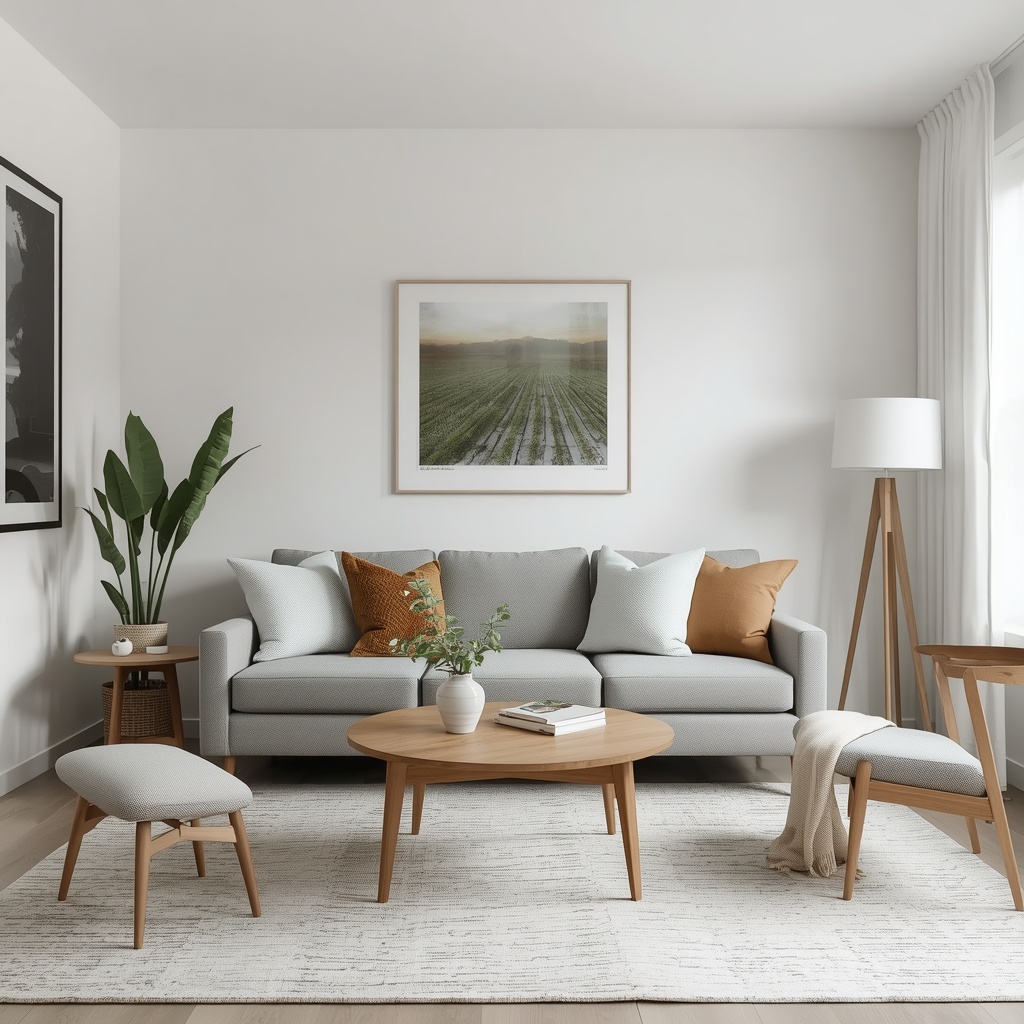
The best interior design has always been personal, layered, and functional. It tells a story. It evolves. It feels warm on a Tuesday evening in February, not just in a staged photo shoot.
So whether you’re ready for a full refresh or just looking to make a few thoughtful updates, let the fading trends be your permission slip: stop decorating for trends and start decorating for your life.
Have questions about your own space? Drop them in the comments below — I’d love to help you figure out what stays, what goes, and what comes next.