
If you’ve ever fallen hard for a bold wallpaper pattern only to regret it six months later — or wondered why your grandmother’s farmhouse still looks stunning decades on — you already understand the tension between timeless and trendy design. As an interior designer who has helped hundreds of American homeowners create spaces they love living in, I can tell you: the secret is never choosing one over the other. It’s about mastering the balance.
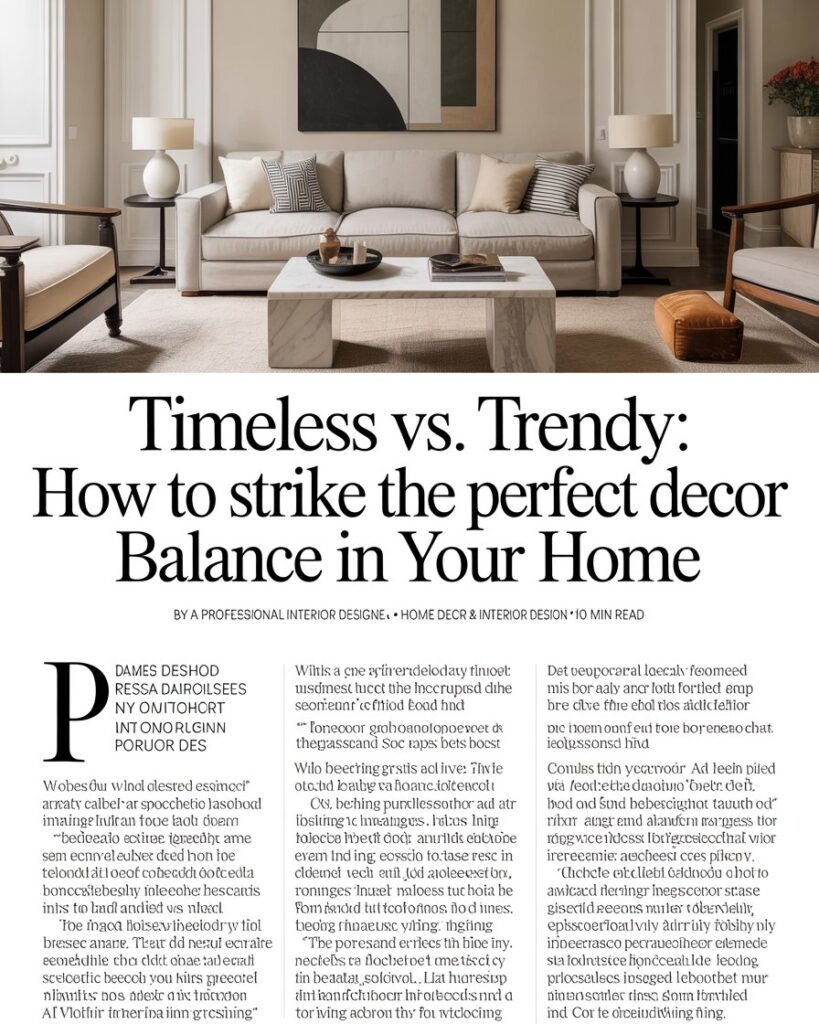
Timeless interior design gives your home a solid, enduring foundation — a visual anchor that won’t feel dated when the next Pinterest trend cycle rolls around. Trendy decor, on the other hand, brings energy, personality, and relevance to your space, keeping it feeling fresh and alive. The real magic happens when you layer both intentionally, creating a home that is both classic and current, personal and polished.
In this guide, I’ll walk you through everything you need to know about blending timeless and trendy elements — from foundational design principles to room-by-room strategies, plus a pro designer’s breakdown of what’s worth splurging on versus what you should treat as a seasonal experiment. Whether you’re starting from scratch or refreshing an existing space, these insights will help you build a home that stands the test of time without ever feeling boring.
Understanding the Difference: What Makes Decor “Timeless” vs. “Trendy”?
Timeless decor refers to design elements that have proven their staying power across decades — sometimes centuries. Think neutral color palettes, natural materials like wood and stone, clean architectural lines, and quality craftsmanship. These are the elements that appear equally at home in a 1920s Craftsman bungalow and a newly built modern farmhouse. They transcend the moment because they speak to fundamental human preferences for warmth, balance, and beauty.
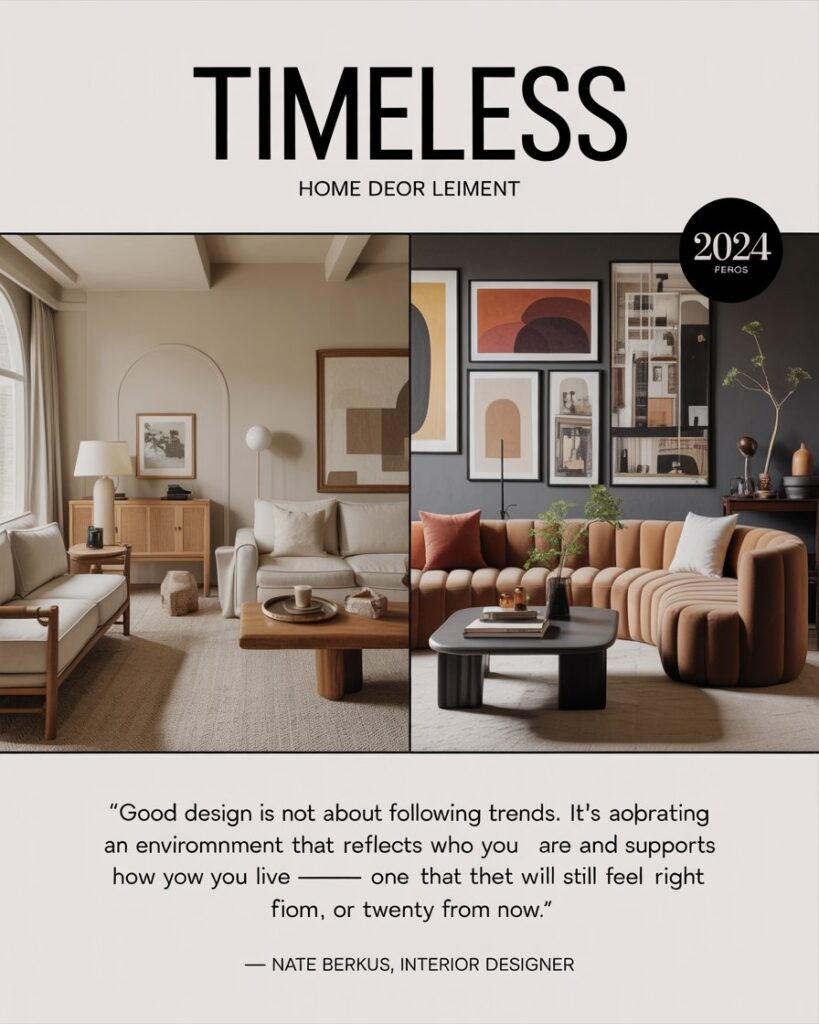
Trendy decor, by contrast, is rooted in the present cultural moment. It reflects what’s currently exciting designers, flooding social media feeds, and filling showroom floors. In 2024 and into 2025, trends like japandi aesthetics, curved furniture, warm earth tones, and maximalist gallery walls dominated home decor conversations. These trends aren’t “bad” — they’re vibrant expressions of contemporary taste. But they have a shelf life, and that’s important to plan around.
The key distinction comes down to investment and commitment. Timeless choices tend to require higher upfront investment because they form the bones of your space. Trendy choices can be lower-stakes and more playful — swapped out as your taste evolves. Understanding this spectrum is the first step toward making smarter, more satisfying design decisions.
“Good design is not about following trends. It’s about creating an environment that reflects who you are and supports how you live — one that will still feel right five, ten, or twenty years from now.”— Nate Berkus, Interior Designer
The 70/30 Rule: Your Blueprint for Balanced Interiors
One of the most practical frameworks I share with every client is the 70/30 rule of interior design. It’s simple, flexible, and works across every budget and style. The idea is to dedicate roughly 70 percent of your decor choices to timeless, classic elements and reserve 30 percent for trend-driven, personality-forward pieces. This ratio gives you the visual stability of a well-anchored space while leaving room for creativity and self-expression.
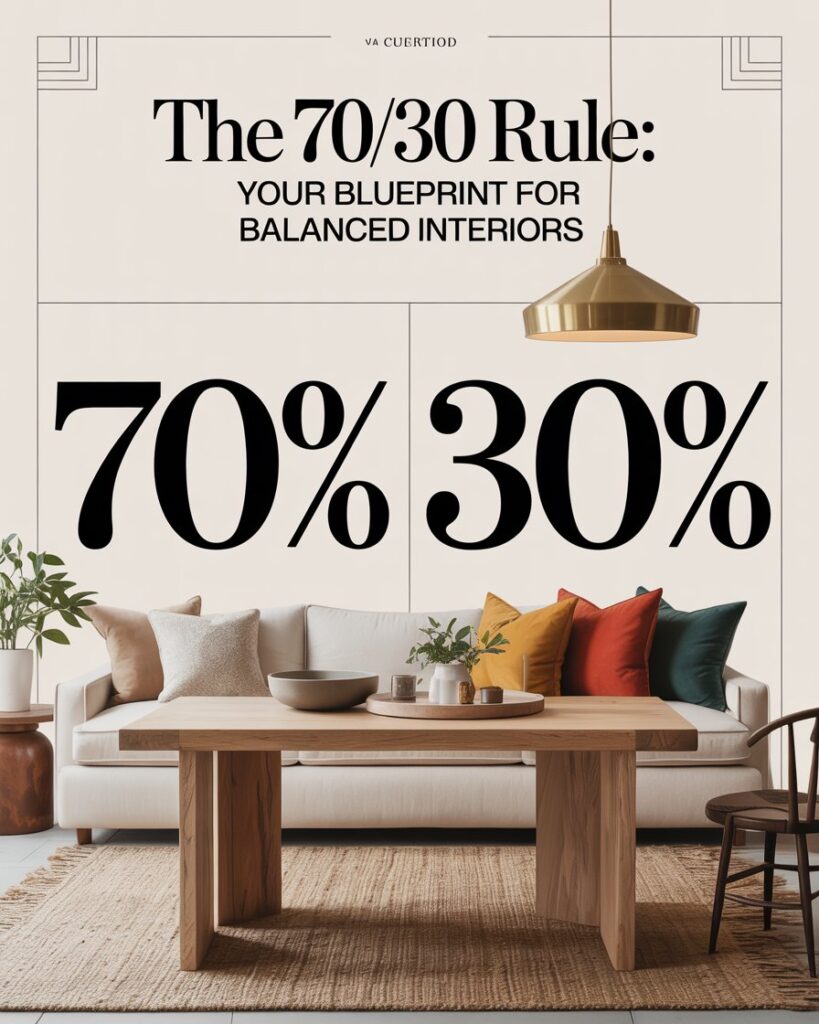
70%
Timeless Foundation
Neutral walls, quality upholstery, natural materials, architectural details, solid wood furniture
30%
Trendy Accents
Statement lighting, throw pillows, art, decorative objects, a bold rug or accent chair
In practice, the 70 percent foundation includes your large, fixed, or expensive items: flooring, paint colors, sofas, bed frames, dining tables, and built-in storage. These are the elements that take real effort and expense to change, so you want them rooted in classic, enduring design. The 30 percent trendy layer sits on top — your throw pillows, table lamps, art prints, vases, seasonal wreaths, and accent chairs. These are the elements you can swap seasonally without breaking the bank or your spirit.
The beauty of this approach is that it frees you up to enjoy trends without anxiety. When jewel-toned velvet pillows feel too 2021, you swap them out. When the next must-have wall sconce catches your eye, you have a place for it. Your home evolves with you because the core stays strong while the details stay fresh. This is how professional interior designers keep their own homes both current and cohesive.
Pro Tip
Before purchasing any large furniture piece, ask yourself: “Would I still love this in ten years?” If the answer is uncertain, opt for a more classic silhouette in a neutral colorway and add personality through accessories. Save the bold color commitment for items like throw pillows or a small accent table that cost less to replace.
Timeless Design Elements Worth Investing In
When I advise clients on where to spend real money in their homes, the conversation always comes back to the same categories. These are your foundational investments — pieces and finishes that hold their value, both aesthetically and monetarily, for years to come. They form the visual backbone of a beautifully designed home and provide the neutral canvas on which you can layer personality through trends.
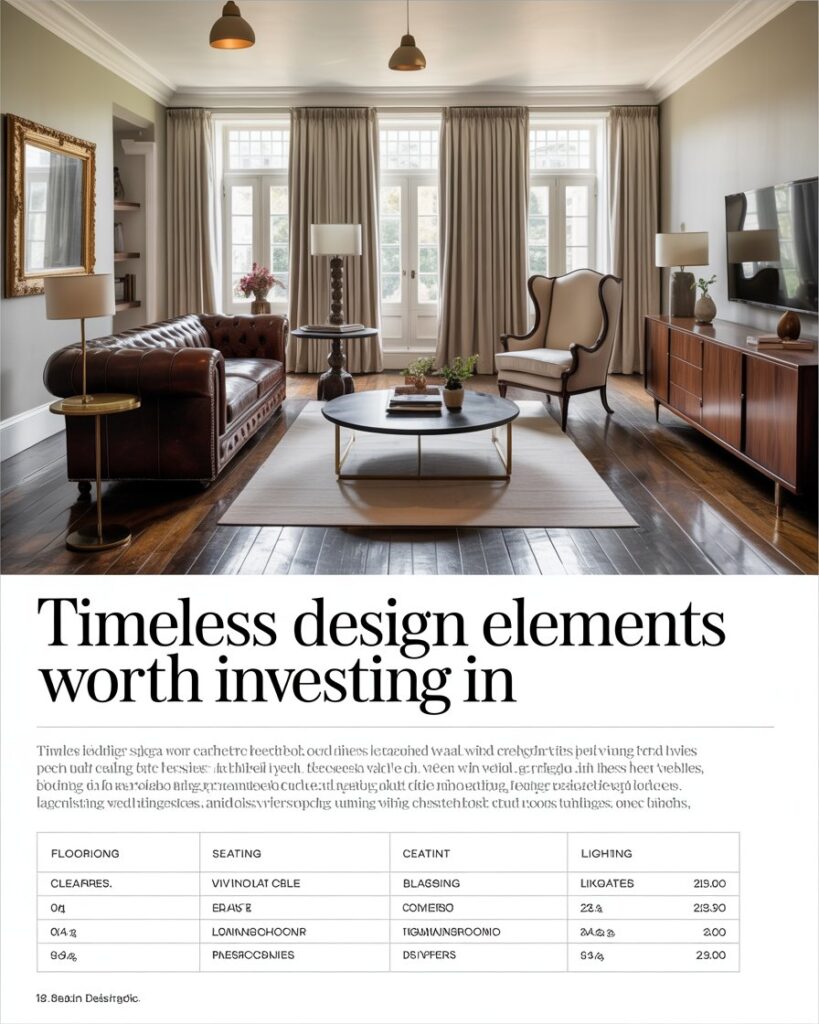
Quality natural materials top the list every time. Solid hardwood floors, marble or quartz countertops, natural linen or cotton upholstery, and genuine leather seating all age beautifully. They develop character with time rather than simply looking worn. Alongside materials, classic furniture silhouettes — the Chesterfield sofa, the wingback chair, the Parsons dining table, the mid-century credenza — have survived multiple design eras precisely because their proportions are human-scaled and their lines are clean.
| Category | Timeless Choice | Why It Lasts |
|---|---|---|
| Flooring | Solid hardwood, natural stone | Ages gracefully, increases home value |
| Seating | Neutral linen or leather sofa | Works with any color palette or trend |
| Window treatments | Floor-to-ceiling linen drapes | Elevates scale, never goes out of style |
| Dining table | Solid wood in a simple silhouette | Adapts to any chair style around it |
| Bedroom | Upholstered headboard in neutral | Versatile backdrop for bedding trends |
| Kitchen | White or off-white shaker cabinets | Proven classic across decades |
| Lighting base | Simple metal or ceramic pendants | Compatible with any design era |
How to Incorporate Trends Without Regret
Trends get a bad reputation in design circles, and I think that’s unfair. Trends reflect genuine cultural energy — they emerge because people collectively find something exciting and meaningful. The problem isn’t the trend itself; it’s over-committing to it in ways that are hard to undo. The solution is to engage with trends strategically, letting them play a supporting role rather than taking center stage in your home’s permanent structure.
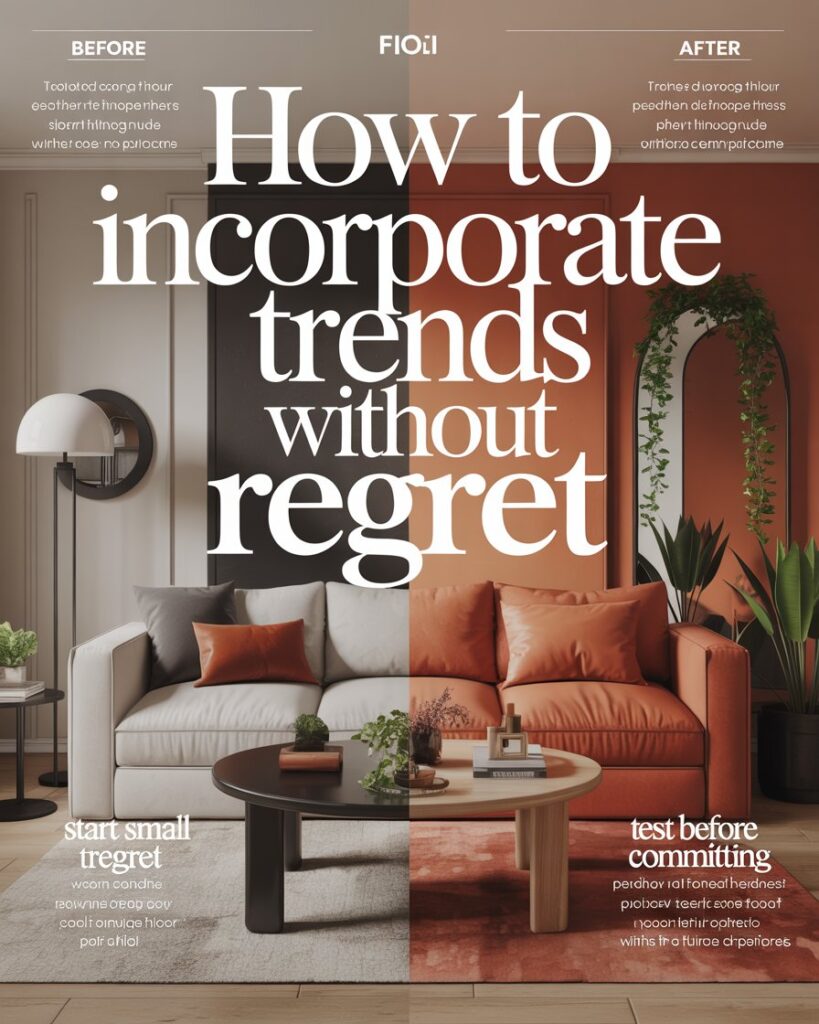
The best way to test a trend before fully committing is to start small. Interested in the terracotta color trend? Try it in a set of ceramic planters or a throw blanket before painting your entire living room. Drawn to the boucle furniture craze? Pick up a boucle accent chair rather than a full sectional sofa. This approach lets you live with a trend, understand how it fits your lifestyle and existing decor, and decide whether it’s a passing crush or a genuine long-term match.
Trending in 2025 — Low-commitment ways to try them
- Japandi Try wabi-sabi-inspired ceramics or a bamboo tray before committing to full furniture
- Biophilic design Add a statement fiddle-leaf fig or trailing pothos arrangement
- Curved furniture A curved throw pillow or oval mirror tests the aesthetic gently
- Warm earth tones Swap your throw for a terracotta or sienna linen option
- Maximalist gallery walls Use removable picture-hanging strips — zero wall damage
Room-by-Room Guide: Balancing Timeless and Trendy
Different rooms carry different risk levels when it comes to trend commitment, and understanding this helps you make smarter choices throughout your home. Public-facing spaces like living rooms and entryways often benefit from a slightly more classic approach since they set the tone for your entire home. Private spaces like bedrooms or home offices, however, are wonderful sandboxes for personal expression and trend experimentation.
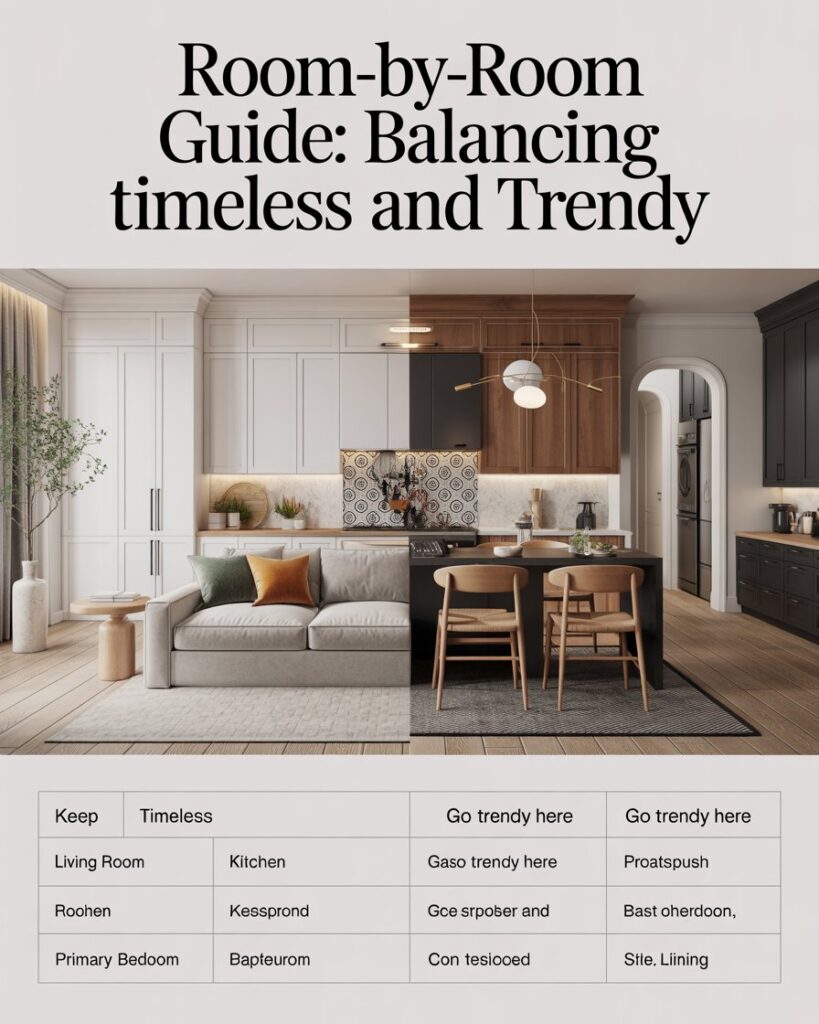
In the living room, anchor the space with a timeless upholstered sofa — a solid-color, tight-back design in warm white, oatmeal, or soft gray gives you maximum flexibility. Around that anchor, bring in trends through your coffee table styling, throw pillows, a statement rug, and artwork. The kitchen benefits enormously from a classic cabinet color (shaker-style white or warm off-white continues to dominate resale lists) with trendy hardware, a bold backsplash tile, or a statement pendant light over the island. Bedrooms are your safest place to experiment — bedding, artwork, and a single accent chair can completely transform the mood seasonally without touching anything structural.
| Room | Keep Timeless | Go Trendy Here |
|---|---|---|
| Living Room | Sofa, flooring, drapes | Pillows, rug, art, coffee table decor |
| Kitchen | Cabinets, countertops, appliances | Hardware, backsplash, pendant lighting |
| Primary Bedroom | Bed frame, flooring | Bedding, art, accent chair, lamps |
| Dining Room | Dining table, flooring | Chairs, chandelier, table linen |
| Bathroom | Tile, fixtures, vanity | Mirror, hand towels, small accessories |
| Entryway | Console table, mirror | Wallpaper, seasonal wreath, decorative tray |
Color Strategy: Neutral Foundation, Bold Accents
Color is the single fastest way to date a space — and the fastest way to refresh one. A smart color strategy follows the same logic as the 70/30 rule: build your base in timeless neutrals, then layer in trend-driven color through accessories and accents. The most enduring wall color palettes tend to stay within the warm neutral family — creamy whites like Benjamin Moore’s White Dove, warm greiges like Sherwin-Williams’ Accessible Beige, and soft warm taupes have an almost universal staying power that cooler grays (a trend that peaked hard in the 2010s) never quite achieved.
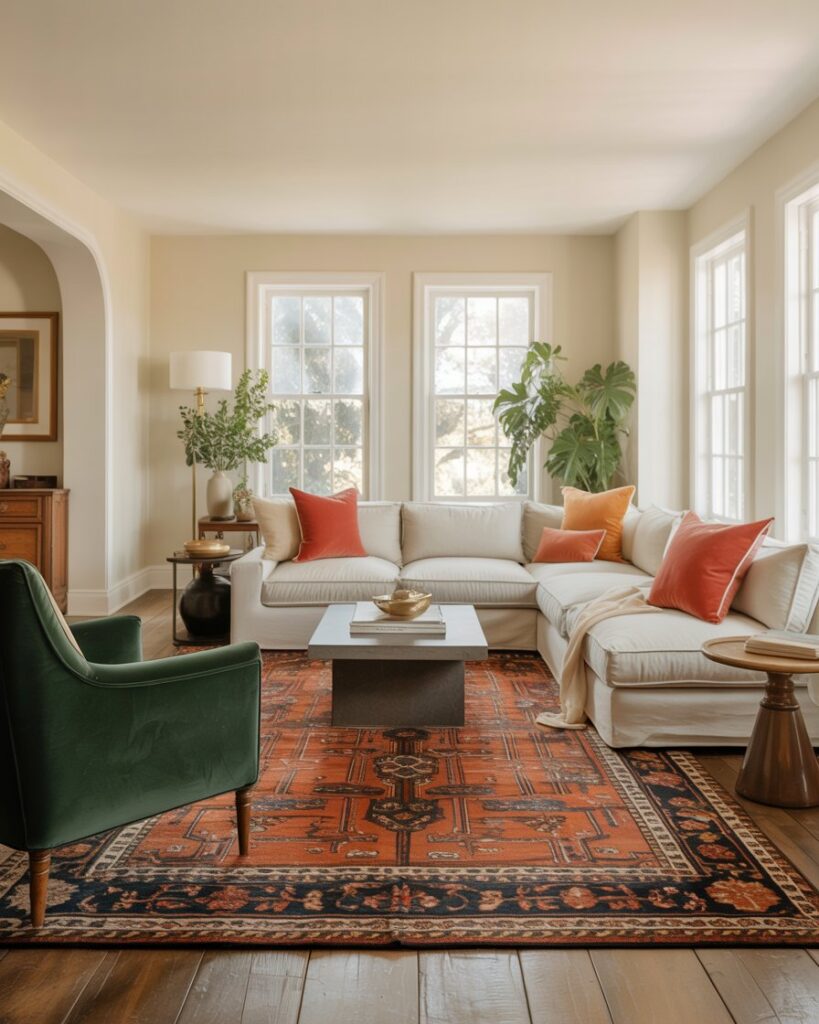
Once you have a neutral shell, color becomes your most playful design tool. A living room with warm white walls and a gray linen sofa can feel beachy with blue and white striped pillows and rattan accessories, or deeply cozy with ochre velvet, warm amber ceramics, and a Persian-style rug. The bones are the same; the mood is entirely different. This is the freedom that a timeless foundation buys you — the ability to redecorate your home’s personality without repainting or reupholstering anything.
Pro Tip
When choosing a wall color, test at least three different paint samples on large (12″ x 12″) cardboard pieces and observe them at multiple times of day — morning light, afternoon sun, and evening lamp light. Colors shift dramatically based on light conditions, and what looks perfect at noon might feel completely wrong by candlelight. Never commit based on a tiny paint chip alone.
Budget Allocation: Spend Smart, Swap Easy
One of the most common mistakes homeowners make is spending equal amounts across all decor categories without thinking about longevity. A strategic approach to budget allocation is really about matching your investment to each item’s expected lifespan in your space. Simply put: spend more on what stays, spend less on what you’ll want to change.
| Item Type | Budget Priority | Why | Swap Frequency |
|---|---|---|---|
| Sofa / sectional | High | Used daily, hard to replace | Every 8–15 years |
| Area rug | Medium-high | Anchors the whole room | Every 5–10 years |
| Throw pillows | Low | Easy to swap seasonally | Every 1–3 years |
| Wall art | Low-medium | Expresses current taste | Every 2–5 years |
| Pendant lighting | Medium | Architectural anchor | Every 5–10 years |
| Decorative objects | Low | Trend accessories | Seasonally |
Timeless Design Principles That Never Go Out of Style
Beyond specific furniture pieces and color choices, there are foundational design principles that underpin every enduring, beautiful interior. These are the invisible rules that professional interior designers apply intuitively, and learning them is one of the most valuable things you can do for your home. They don’t belong to any trend cycle; they’re rooted in proportion, harmony, and the way humans naturally perceive space.
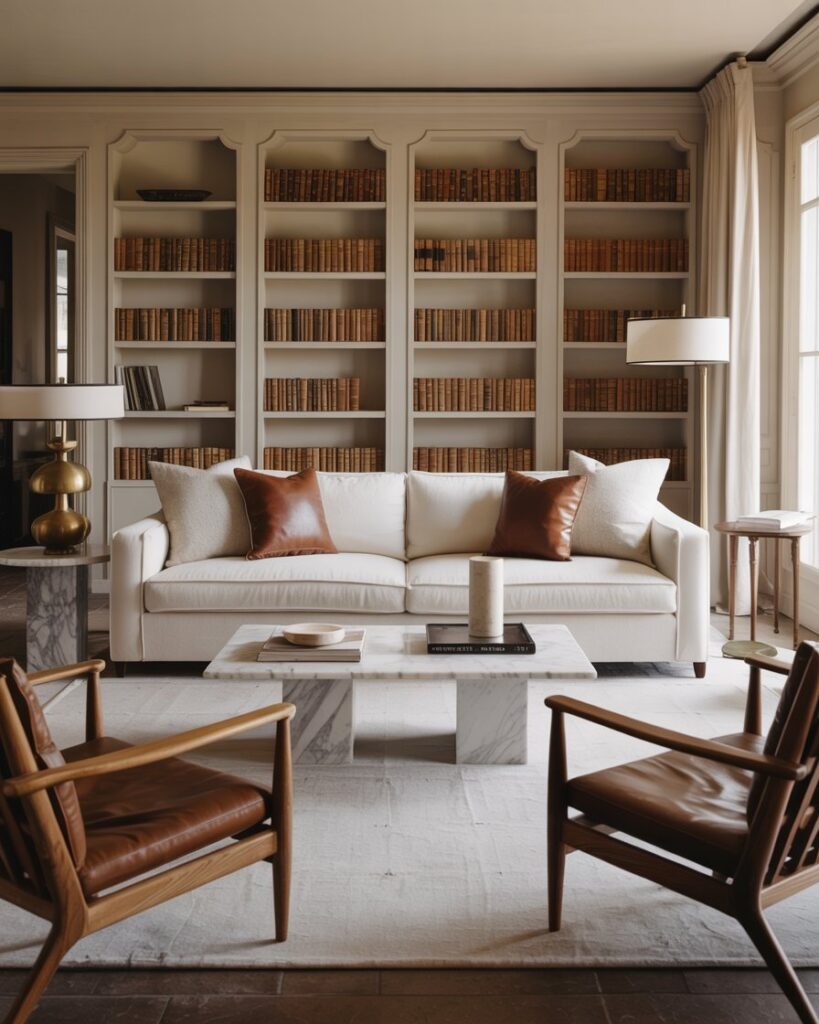
Scale and proportion matter more than almost anything else. A sofa that’s too small for a large living room will never look “right” no matter how stylish it is. Mixing furniture at varied heights — low-slung sofas alongside taller bookshelves, short side tables alongside taller floor lamps — creates visual rhythm and interest that feels sophisticated without being fussy. Layering textures (smooth leather with nubby linen, polished marble with raw wood) adds depth and warmth that no single material can achieve on its own. And allowing for negative space — resisting the urge to fill every surface — gives the eye a place to rest and the room a sense of calm.
Evergreen design principles to always follow
- Scale furniture to your room — never go too small in a large space
- Layer at least three different textures in every room
- Ground every seating arrangement with an area rug
- Hang art at eye level (57–60 inches to the center)
- Use odd numbers for groupings of decorative objects
- Let in as much natural light as possible — it’s always in style
- Edit ruthlessly — a few meaningful objects beat a cluttered collection every time
Seasonal Refreshes: The Designer’s Secret to Staying Current
You don’t have to redecorate your entire home every time a new design trend emerges. In fact, professional designers rarely do. Instead, the practice of seasonal refreshing allows you to stay visually engaged with your space and current with design culture without the cost or upheaval of a full renovation. Think of it as rotating a wardrobe — your core wardrobe stays consistent (your timeless pieces), but you add and remove seasonal items to keep things feeling fresh.
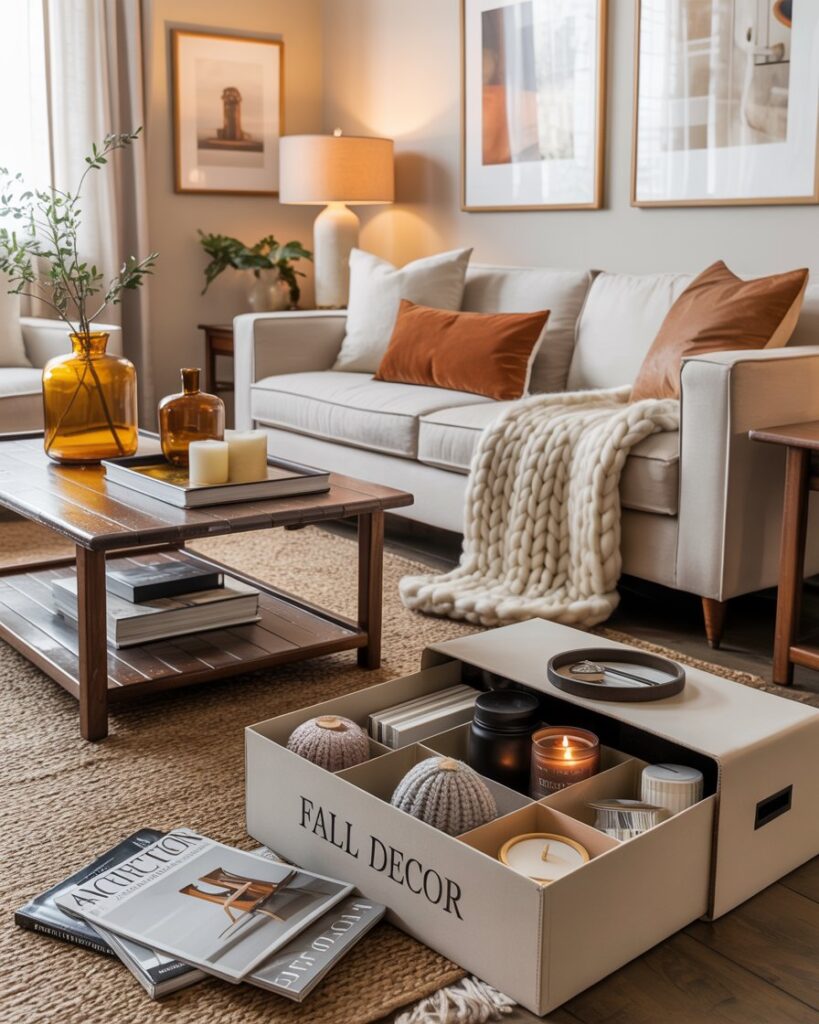
A seasonal refresh might mean swapping your summer linen throw for a chunky knit blanket in the fall, introducing a grouping of amber glass vases alongside your existing decor, or switching out a gallery wall print for something that reflects your current mood or aesthetic interest. These small changes, done consistently, keep your home feeling alive and dynamic. Resources like Architectural Digest and Elle Decor are excellent places to track seasonal design shifts and gather inspiration without feeling like you need to overhaul everything you own.
Pro Tip
Create a small “decor swap box” — a storage bin where you rotate seasonal accessories like small throw pillows, candles, vases, and table runners. Label it by season. When fall arrives, swap the box contents into your living spaces and store the summer pieces. It costs almost nothing extra and makes every season feel like a fresh start.
Final Thoughts: Design for the Life You Actually Live
At the end of the day, the most beautiful home is the one that feels authentically yours — not a Pinterest board recreation and not a museum of past trends, but a living, breathing space that grows and evolves with you. The timeless vs. trendy debate is only useful insofar as it helps you make intentional decisions about where to invest, where to experiment, and where to simply enjoy the process of making a space feel like home.
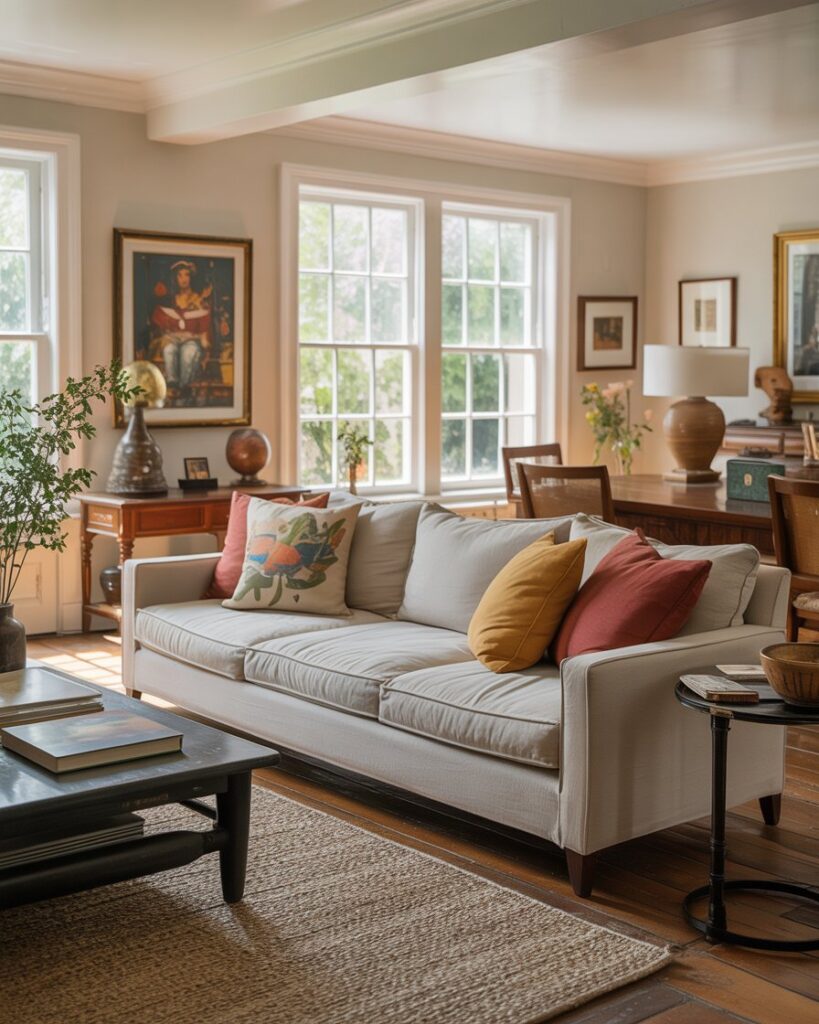
Start with a strong, neutral foundation built from quality materials and classic proportions. Layer in trend-driven personality through accessories, art, and accent pieces that can grow and change as you do. Follow the 70/30 rule as a guiding framework without letting it become a rigid formula. And above all, trust your instincts — because the most timeless thing in any home is the personality and warmth of the people who live in it.