
Designing a home today isn’t just about aesthetics—it’s about intention. As an interior designer specializing in sustainable home decor for U.S. audiences, I’ve seen a powerful shift toward eco-conscious choices that don’t compromise on style. One standout trend? Eco-friendly rugs made from upcycled materials.
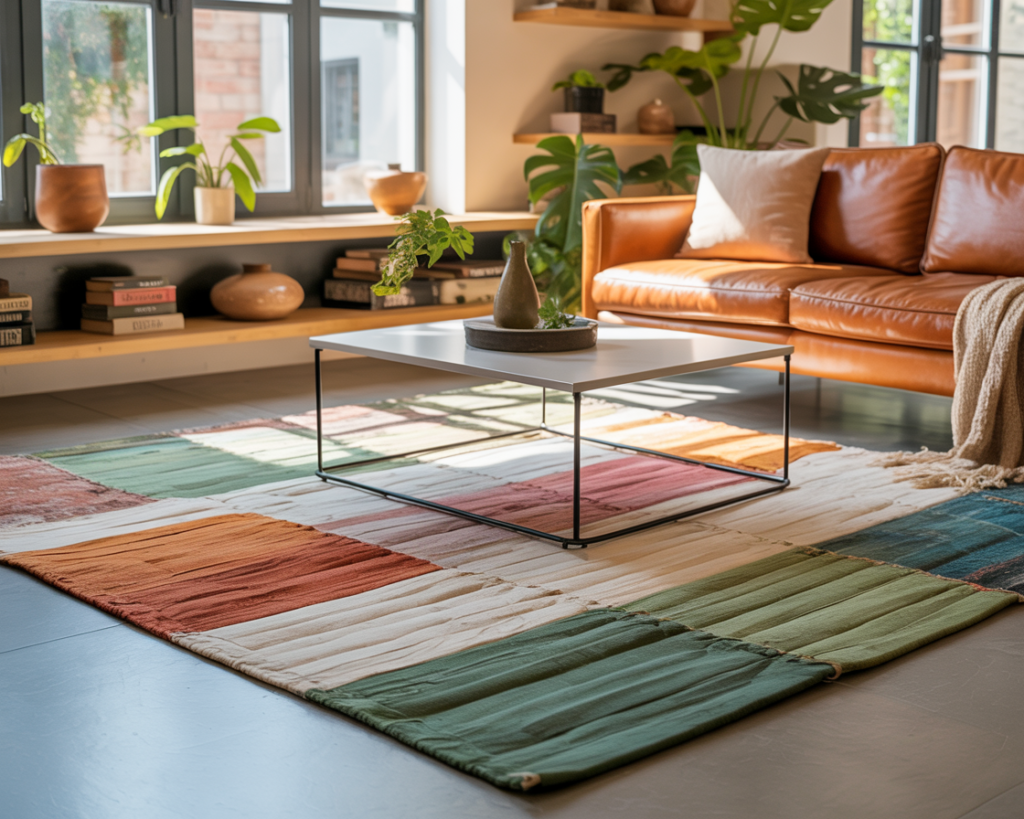
These rugs are not only visually stunning but also carry a story—one of transformation, responsibility, and innovation. Whether you’re refreshing your living room or designing a full eco-conscious home, upcycled rugs are a smart and stylish investment.
What Are Upcycled Rugs?
Upcycled rugs are created from repurposed materials that would otherwise end up in landfills. Unlike recycling, which breaks materials down, upcycling preserves and enhances the original material’s value.
These rugs are often made from:
- Discarded textiles (denim, cotton, wool)
- Plastic bottles (PET fibers)
- Old carpets and fabric scraps
- Industrial waste materials
The result? Unique, durable, and environmentally friendly rugs that bring both texture and meaning into your home.
Why Choose Eco-Friendly Rugs?
When designing interiors for sustainability-focused homeowners, I always recommend starting from the ground up—literally.
1. Environmental Impact
Traditional rug production consumes significant water, energy, and chemicals. Upcycled rugs:
- Reduce landfill waste
- Lower carbon emissions
- Minimize use of virgin resources
2. Unique Aesthetic Appeal
No two upcycled rugs are exactly the same. Their:
- Patchwork designs
- Mixed textures
- Vintage character
…add depth and personality to any room.
3. Durability and Functionality
These rugs are often handcrafted or made with reinforced fibers, making them:
- Long-lasting
- Easy to maintain
- Suitable for high-traffic areas
Popular Materials Used in Upcycled Rugs
Understanding materials helps you choose the perfect rug for your space.
| Material Type | Source | Best For | Key Benefit |
|---|---|---|---|
| Recycled Cotton | Textile waste | Living rooms, bedrooms | Soft and breathable |
| PET (Plastic Fiber) | Recycled plastic bottles | Outdoor, kitchens | Water-resistant, durable |
| Denim Scraps | Old jeans | Casual, boho interiors | Thick and textured |
| Wool Remnants | Leftover wool fibers | Cozy spaces | Warm and insulating |
| Leather Scraps | Industrial waste | Modern interiors | Luxurious and durable |
Design Styles That Work Best with Upcycled Rugs
One of the biggest misconceptions is that eco-friendly rugs only suit rustic or bohemian homes. That’s far from true.
Minimalist Interiors
Choose neutral-toned upcycled cotton or PET rugs with subtle patterns to maintain a clean aesthetic.
Bohemian Spaces
Layer vibrant patchwork rugs made from mixed textiles for a rich, eclectic vibe.
Modern Farmhouse
Opt for braided or woven rugs using recycled wool or cotton for warmth and texture.
Contemporary Homes
Leather patchwork rugs or geometric PET designs can elevate a sleek, modern space.
How to Style Eco-Friendly Rugs in Your Home
Styling is where the magic happens. A rug can define your entire room.
Living Room
- Anchor your seating arrangement
- Use a large upcycled rug to unify furniture
- Layer smaller rugs for depth
Bedroom
- Place a soft cotton rug under the bed
- Let it extend on both sides for comfort
- Choose calming tones for relaxation
Dining Area
- Go for durable PET rugs
- Ensure easy cleaning and stain resistance
- Match rug size to table dimensions
Entryway
- Use bold, textured rugs
- Make a strong first impression
- Choose materials that handle dirt and moisture
Pro Tip: The Designer’s Secret to Rug Layering
Pro Tip:
Layering an upcycled rug over a neutral base rug instantly adds dimension and luxury. Start with a jute or sisal rug, then place a smaller patterned upcycled rug on top.
This technique:
- Enhances visual interest
- Defines zones in open spaces
- Makes your decor feel curated and intentional
Eco-Friendly Rugs vs Traditional Rugs
Let’s break it down for clarity:
| Feature | Eco-Friendly Upcycled Rugs | Traditional Rugs |
|---|---|---|
| Environmental Impact | Low | High |
| Material Source | Recycled/repurposed | Virgin materials |
| Uniqueness | High | Moderate |
| Cost Range | Moderate to premium | Wide range |
| Maintenance | Easy to moderate | Varies |
Where to Buy Eco-Friendly Rugs in the U.S.
When sourcing for clients, I always prioritize brands committed to sustainability.
What to Look For:
- Certifications (Fair Trade, OEKO-TEX)
- Transparent sourcing
- Ethical labor practices
- Durable construction
Popular Retail Options:
- Online sustainable home stores
- Artisan marketplaces
- Eco-conscious interior boutiques
Caring for Your Upcycled Rug
Sustainability also means longevity. Proper care extends the life of your rug.
Maintenance Tips:
- Vacuum regularly (low suction for delicate fibers)
- Spot clean with mild, eco-friendly detergents
- Rotate rugs every few months
- Avoid prolonged exposure to direct sunlight
Deep Cleaning:
For heavily used rugs:
- Professional eco-cleaning services are ideal
- Avoid harsh chemicals
- Use steam cleaning for PET rugs
The Cost Factor: Are They Worth It?
Upcycled rugs can range from budget-friendly to high-end artisan pieces.
What Influences Price?
- Material type
- Craftsmanship
- Brand ethics
- Size and design complexity
Value Perspective:
While some may cost more upfront, they offer:
- Longer lifespan
- Unique design value
- Environmental benefits
Sustainable Living Starts with Small Choices
Choosing an eco-friendly rug might seem like a small step, but it contributes to a larger impact.
“Sustainability isn’t about perfection—it’s about making better choices, one piece at a time.”
By incorporating upcycled materials into your home, you’re:
- Supporting ethical production
- Reducing environmental harm
- Creating a healthier living space
Common Mistakes to Avoid
Even with the best intentions, some design missteps can happen.
Avoid These:
- Choosing style over functionality
- Ignoring rug size proportions
- Mixing too many bold patterns
- Skipping proper maintenance
Future Trends in Eco-Friendly Rugs
The world of sustainable design is evolving rapidly.
What’s Next?
- Smart textiles with recycled fibers
- Biodegradable rug materials
- Increased customization options
- Greater accessibility and affordability
As consumer demand grows, expect even more innovative designs and materials to hit the market.
Final Thoughts
Eco-friendly rugs from upcycled materials are more than just a trend—they’re a reflection of a conscious lifestyle. They bring together design, sustainability, and individuality in a way that few decor elements can.
Whether you’re redesigning a single room or your entire home, these rugs offer a meaningful way to elevate your space while making a positive impact on the planet.
So the next time you’re choosing a rug, think beyond color and texture—think about the story beneath your feet.
Quick Recap Checklist
- ✔ Choose sustainable materials (cotton, PET, wool)
- ✔ Match rug style to your interior theme
- ✔ Prioritize durability and maintenance
- ✔ Support ethical and transparent brands
- ✔ Use layering for a designer look
If you’d like, I can suggest specific eco-friendly rug brands or styles based on your room and budget.