
Upholstered Beds with Natural Fibers: The Designer’s Guide to Earthy, Elegant Bedrooms
How to choose, style, and care for the most sustainable — and stunning — beds on the market right now.
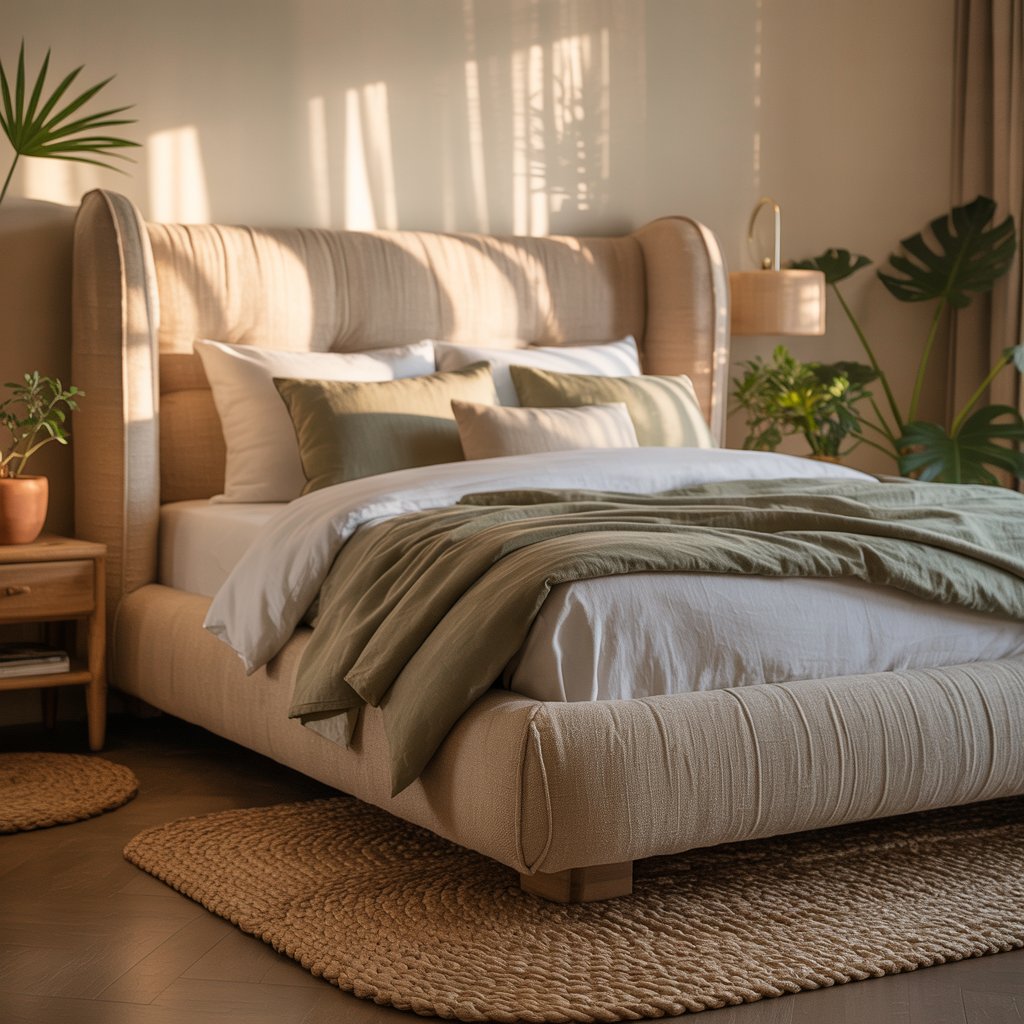
Natural fiber beds upholstered bed frame sustainable bedroom decor organic linen head boar deco-friendly furniture biophilic design.
If your bedroom is starting to feel like every other hotel room you’ve ever stayed in — beige walls, predictable nightstands, forgettable bedding — it might be time to look down. Or rather, look up. Specifically, at your bed frame. Because the single most transformative upgrade you can make to a bedroom isn’t paint or pillows. It’s an upholstered bed wrapped in natural fibers.
As an interior designer who has worked with hundreds of American homeowners, I’ve watched this category explode in popularity over the last few years — and for very good reason. Natural fiber upholstered beds sit at the intersection of sustainability, tactile comfort, and timeless design. They bring a warmth and organic richness into a bedroom that no synthetic fabric can replicate. This guide will walk you through everything you need to know before you buy.
What Are Natural Fiber Upholstered Beds?
An upholstered bed is any bed frame that is covered in fabric — typically on the headboard, footboard, and sometimes the side rails. What sets natural fiber upholstered beds apart is the material used: instead of polyester or synthetic microfiber, these frames are wrapped in fabrics derived from plants or animals. Think linen, cotton, jute, wool, hemp, and even boucle spun from natural yarns.

These materials have been used in textiles for thousands of years. What’s new is their prominence in modern bedroom furniture design. As the biophilic design movement gains momentum — the design philosophy centered on connecting indoor spaces to the natural world — natural fiber beds have become a cornerstone of the organic modern, Japandi, and coastal grandmother aesthetic movements that dominate American home decor.
What makes them genuinely special is that they don’t just look beautiful. They behave differently in a room. Natural fibers absorb and diffuse light rather than reflecting it, creating a softer, more grounded atmosphere. They develop character over time, aging gracefully rather than looking tired. And for the growing number of homeowners who care about the environmental footprint of their furniture choices, they offer a more responsible path forward.
Simply put: a linen-wrapped curved headboard or a chunky wool upholstered platform bed isn’t just furniture. It’s a design statement rooted in something real.
The Most Popular Natural Fibers for Bed Upholstery
Not all natural fibers are created equal — especially when it comes to bedroom furniture. Each has its own texture, durability profile, price point, and visual personality. Here’s a breakdown of the most commonly used options:

🌿
Linen
Breathable, slightly textured, naturally hypoallergenic. The gold standard.
☁️
Organic Cotton
Soft, durable, widely available. Great for families and allergy sufferers.
🪨
Jute
Earthy, rough-textured. More of an accent material; often blended.
🐑
Wool / Boucle
Cozy, sculptural, luxurious. Best for cool climates and statement headboards.
🌱
Hemp
Extremely durable, naturally antimicrobial. The sustainable sleeper’s pick.
| Fiber | Texture | Durability | Best For | Price Range |
|---|---|---|---|---|
| Linen | Slightly rough, softens with use | High | All-around use, warm climates | $$–$$$ |
| Organic Cotton | Smooth to medium | High | Families, allergy-prone | $–$$ |
| Jute Blend | Coarse, rustic | Medium | Accent pieces, boho interiors | $ |
| Wool / Boucle | Fluffy, chunky | Medium-High | Statement headboards, cool climates | $$$–$$$$ |
| Hemp | Slightly coarse, breaks in nicely | Very High | Eco-conscious buyers | $$–$$$ |
★
Pro Tip
When shopping for a linen upholstered bed, look for labels that say “100% European flax linen” — it tends to be softer, more durable, and more sustainably sourced than linen blends. Belgian and French flax are the benchmarks in the industry.
Why Natural Fiber Beds Are Having a Major Moment
American interior design has shifted dramatically over the past decade. The era of matching furniture sets and overly polished aesthetics is giving way to something more intentional, more textural, and more personal. The rise of organic modern design — clean lines paired with warm, earthy materials — has made natural fiber upholstered beds one of the most sought-after bedroom furniture categories in the country.

Sustainability is the other driving force. According to industry data, a growing segment of American consumers, particularly millennials and Gen Z homeowners, actively research the environmental impact of their furniture before purchasing. Natural fibers like organic cotton and linen are biodegradable, require fewer chemical inputs than synthetic fabrics, and often come from more transparent supply chains. When paired with an FSC-certified wood frame, a natural fiber bed can be one of the greenest furniture purchases you make.
“The bedroom is the most intimate room in the home — it deserves materials that feel as good as they look. Natural fibers don’t just photograph beautifully. They make you feel closer to something real.”— Jamie Lennox, Certified Interior Designer
There’s also an undeniable wellness component. Many homeowners report that switching from a synthetic upholstered bed to a natural fiber version — particularly linen or organic cotton — made a noticeable difference in how their bedroom felt temperature-wise. Natural fibers regulate humidity better than synthetics. For hot sleepers and those in humid climates like the American South, this isn’t a minor detail. It’s a genuine quality-of-life upgrade.
Finally, there’s the sheer aesthetic versatility. A flax linen platform bed works equally well in a Malibu beach house, a Brooklyn loft, a farmhouse in Vermont, or a downtown Nashville condo. The neutrality and organic warmth of natural fibers transcend regional design trends in a way that velvet and faux suede simply cannot.
How to Choose the Right Natural Fiber Bed for Your Bedroom
Before you fall in love with a chunky boucle headboard on Instagram, take a step back and think practically. The right natural fiber bed for your space depends on four factors: your climate, your lifestyle, your existing design palette, and your budget. Let me walk you through each one.

Climate matters more than most people realize when choosing upholstery. If you live in a warm, humid region — Florida, Texas, the Gulf Coast — breathable linen or hemp is your best friend. These fibers wick moisture and won’t trap heat the way wool or heavily padded cotton can. In cooler climates like New England or the Pacific Northwest, a thick boucle or wool headboard adds a layer of cozy insulation that genuinely changes how a bedroom feels in winter months.
Your lifestyle factors in heavily too. If you have pets, young children, or a tendency to eat breakfast in bed — and let’s be honest, many of us do — you’ll want a fiber that cleans up well. Tightly woven organic cotton and linen blends are the most forgiving. Loose-weave boucle is gorgeous, but it catches pet hair like velcro and pills with friction. Hemp is surprisingly easy to care for and develops a beautiful patina over time rather than looking worn.
Finally, think about your room’s existing color story. Natural fiber beds tend to read as warm neutrals — creams, taupes, oatmeals, and sandy beiges. If your room leans cool (gray walls, blue tones, chrome hardware), a natural fiber bed will add warmth and balance. If your space already skews very warm, choose a fiber with a lighter, more bleached tone to keep things from feeling heavy. Always order swatches before committing — photos simply don’t capture texture or true tone accurately.
★
Pro Tip
Always ask the retailer for a physical fabric swatch before ordering. Natural fibers photograph very differently than they look in person — a linen that reads as warm ivory online may be much cooler gray in your actual bedroom light.
Styling a Natural Fiber Bed: Designer Tips for Every Aesthetic
The beauty of a natural fiber upholstered bed is that it plays nicely with virtually every bedroom style currently popular in American homes. Here’s how to dress yours for maximum impact:

- Organic Modern: Pair with warm white walls, terracotta ceramics, and textured throw blankets in earthy tones. A linen bed in a warm oat color anchors this look perfectly.
- Japandi (Japanese + Scandinavian fusion): Opt for a low-profile platform bed in natural hemp or undyed linen. Keep bedding minimal — a single linen duvet in off-white or sage is all you need.
- Coastal Grandmother: A curved, boucle-upholstered headboard in cream or pale sand sets the tone. Layer with lightweight cotton quilts, rattan nightstands, and botanical prints.
- Modern Farmhouse: Choose a simple panel headboard in natural cotton canvas. Pair with shiplap or whitewashed wood paneling, galvanized metal accents, and relaxed linen bedding.
- Maximalist / Eclectic: Don’t be afraid of a jute-blend fabric in a deep camel or cognac tone. Layer rugs, drape throw blankets, stack pillows — let the natural texture of the bed anchor the visual chaos beautifully.
Key Styling Principles for Natural Fiber Beds
- Layer textures — combine linen bedding with woven cotton throws and wool accent pillows
- Keep hardware warm — choose brass, aged bronze, or matte black over chrome
- Let the headboard breathe — avoid overcrowding the wall above with art
- Ground the bed with an organic fiber area rug — wool, jute, or sisal all work beautifully
- Use plants and ceramic vases on nightstands to reinforce the natural material story
Caring for Your Natural Fiber Upholstered Bed
One of the most common concerns homeowners have about natural fiber beds is maintenance. And I get it — linen and wool sound precious. But here’s the truth: with a few simple habits, a quality natural fiber bed requires very little upkeep and will actually outlast most synthetic alternatives.
For routine maintenance, vacuum your upholstered headboard and side panels monthly using a soft brush attachment. This removes dust and keeps the fabric from compacting over time. For spot cleaning, use a barely damp cloth with a small amount of mild, natural dish soap. Always work from the outside of a stain inward to prevent spreading, and blot — never rub. Let air dry completely before making the bed to prevent any moisture from being trapped against the fabric.
Linen is particularly low-maintenance. It actually becomes softer and more beautiful with age and use, which is one of the reasons it commands a premium. If your linen bed starts to look a little dusty or dull, a light steam from a garment steamer (held six inches from the surface) will refresh it instantly and release any minor wrinkles or flattening in the weave. Wool and boucle benefit from periodic brushing with a soft fabric brush to restore their texture and lift the pile.
One important caution: keep natural fiber beds away from direct sustained sunlight. UV exposure will fade and weaken natural fibers over time faster than synthetic alternatives. Use blackout or light-filtering curtains if your bedroom windows face east or west. This one habit will dramatically extend the life and visual freshness of your bed.
★
Pro Tip
Treat your natural fiber headboard with a fabric protector spray (look for water-based, non-toxic formulas like Scotchgard Fabric Protector or similar eco-friendly alternatives) when the bed is new. This creates an invisible barrier against spills without affecting texture or breathability — and saves you from a lot of stress down the road.Where to Shop: Best Brands for Natural Fiber Upholstered Beds in the US
The market for natural fiber beds has grown considerably, which is great news for consumers — but it also means you need to know which brands are genuinely committed to quality materials versus those simply using natural fiber as a marketing buzzword. Here are some of the most trusted names in the category:
| Brand | Specialty | Price Range | Known For |
|---|---|---|---|
| Pottery Barn | Linen & cotton canvas beds | $$–$$$ | Wide selection, good customization |
| Crate & Barrel | Organic cotton, linen blends | $$$ | Clean modern silhouettes |
| Avocado Green | Organic cotton, certified sustainable | $$–$$$ | GOTS & GREENGUARD certified |
| West Elm | Linen, boucle, jute blends | $$–$$$ | On-trend designs, Fair Trade |
| Thuma | Natural wood + organic fabric | $$$ | Minimalist, sustainable focus |
| Restoration Hardware | Belgian linen, wool boucle | $$$$ | Luxury feel, heirloom quality |
For more budget-conscious shoppers, Wayfair and Article both carry a growing selection of natural fiber-adjacent beds at accessible price points. Just be sure to read the fabric descriptions carefully — a “linen-look” fabric is usually a polyester blend, not the real thing. For sustainability-certified options, Avocado Green Mattress is currently one of the most transparent brands in the space, with third-party certifications for organic content and indoor air quality.
Final Thoughts: Is a Natural Fiber Upholstered Bed Worth It?
If you’re debating whether to invest in a natural fiber upholstered bed versus a conventional synthetic option, my answer — after years of helping clients design and furnish their most personal spaces — is an unequivocal yes. These beds look better, feel better, age better, and for those who care about it, they represent a more responsible choice for the planet.
The bedroom deserves the same intention we bring to every other room in the home. We spend roughly a third of our lives in it. We wake up in it, decompress in it, and reset in it. The materials that surround us in that space genuinely matter — not in a precious, overthought way, but in the quiet, cumulative way that good design always does. A bed upholstered in real linen or organic cotton doesn’t just look beautiful in morning light. It makes mornings feel a little more beautiful too. And honestly, that’s more than worth the investment.