
Let’s be honest — window treatments are one of those home décor details that can make or break a room. Walk into any beautifully styled space and you’ll notice the windows are dressed intentionally. Now walk into a room that feels “off,” and nine times out of ten, it’s because the curtains are hanging too low, too short, or are simply the wrong fabric for the space. The good news? You don’t need a designer budget to get that polished, high-end look. With the right tricks and a little know-how, even the most budget-friendly curtain panels can look like they came straight out of a Pottery Barn catalog.
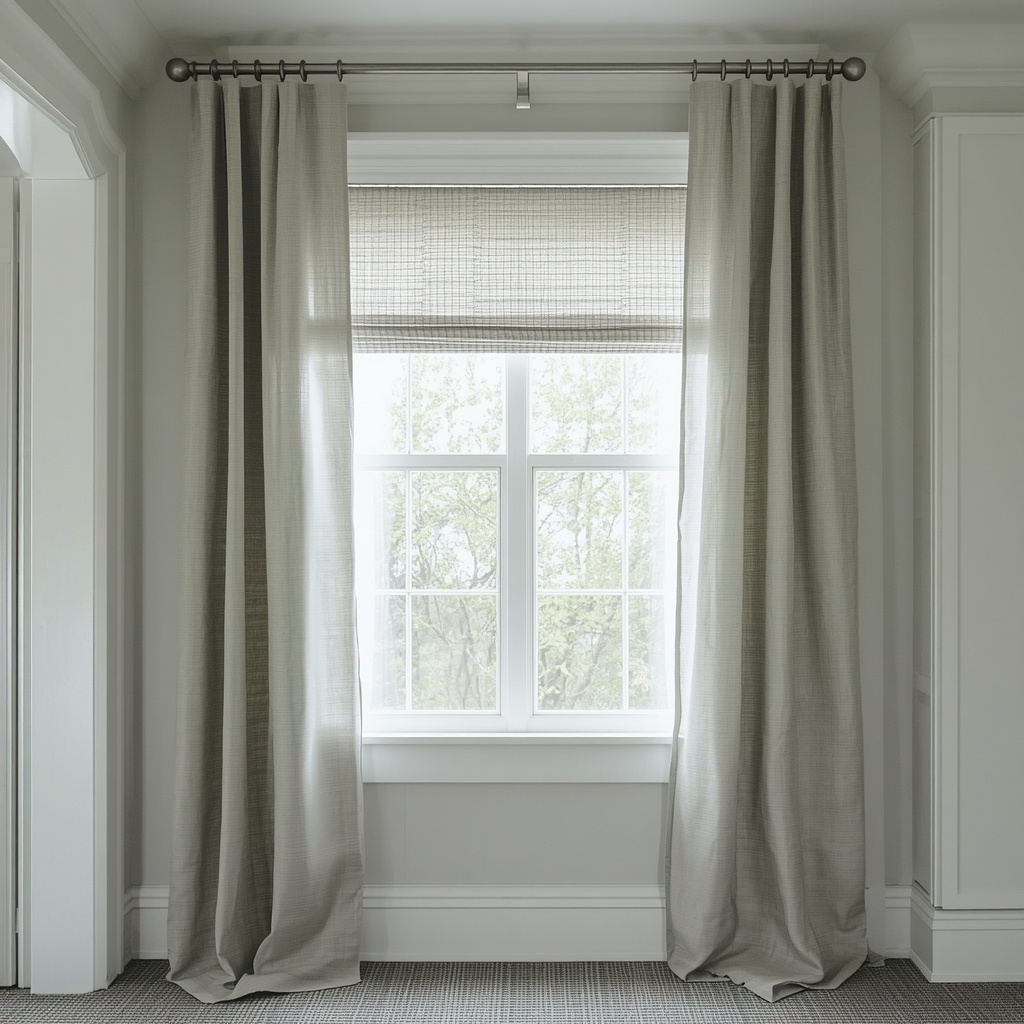
As an interior designer who has styled hundreds of American homes on tight budgets, I’ve learned that luxury is more about how you hang your curtains than how much you spend on them. In this guide, I’m pulling back the curtain (pun intended) on every affordable window treatment trick I use with my own clients — from fabric choices and hanging hardware to DIY blackout lining and layering techniques that scream sophistication.
Why Window Treatments Matter More Than You Think
Window treatments are the unsung heroes of interior design. They frame your view, control natural light, define the scale of a room, and add softness that no piece of furniture can replicate. Yet they’re often the last thing homeowners invest in — and when they do shop, they gravitate toward whatever is cheapest without a plan.
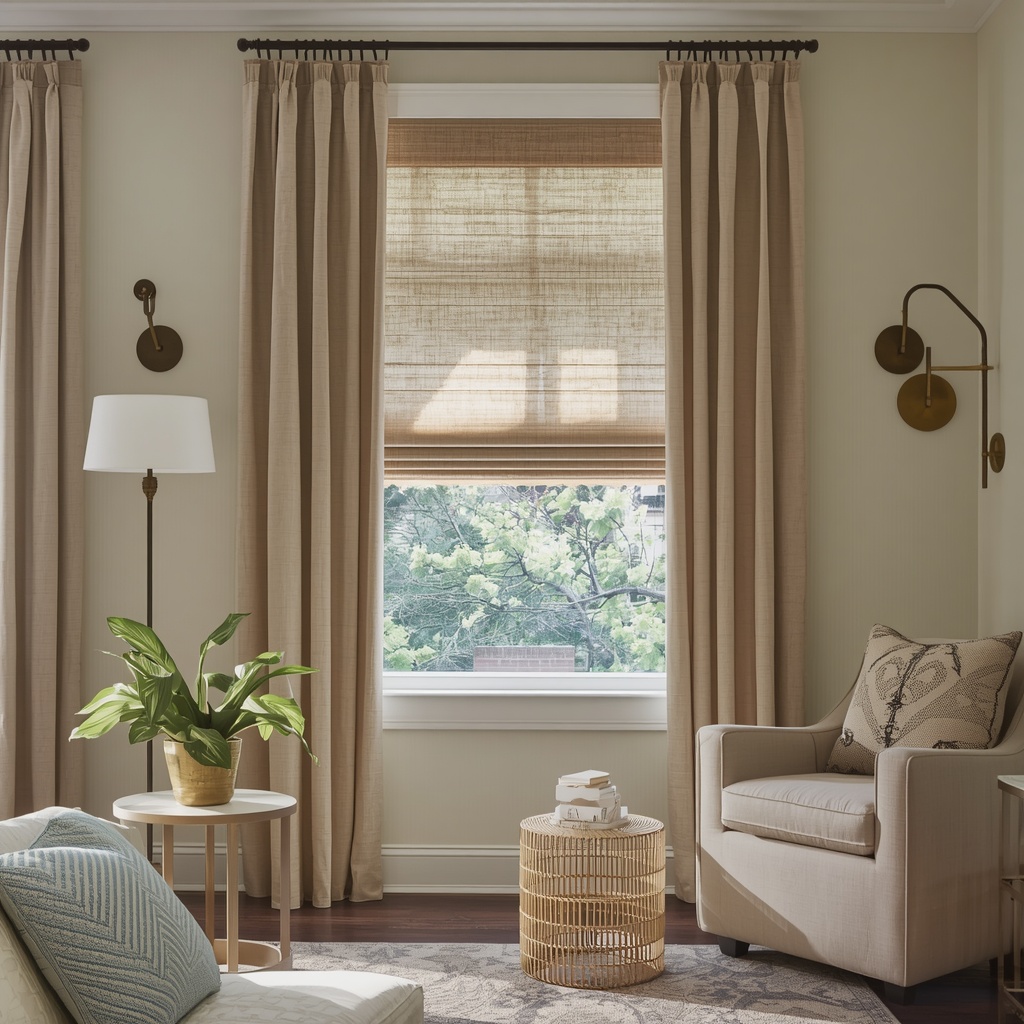
According to the National Kitchen & Bath Association, window treatments rank among the top five interior upgrades that increase perceived home value. That’s not just for high-end homes — it applies to everyday living spaces too. Whether you’re decorating a rental apartment in Chicago or a suburban home in Texas, your window treatments send a visual signal about the overall quality of your space. When they’re done right, every other element in the room looks more intentional.
The goal of this article is simple: help you get a luxury window treatment look on a budget of $50–$150 per window, using strategic shopping, clever installation, and styling techniques that professional designers swear by.
The #1 Mistake People Make with Budget Curtains
Before we get into solutions, let’s talk about the single biggest mistake I see homeowners make: hanging curtains too low and too short.
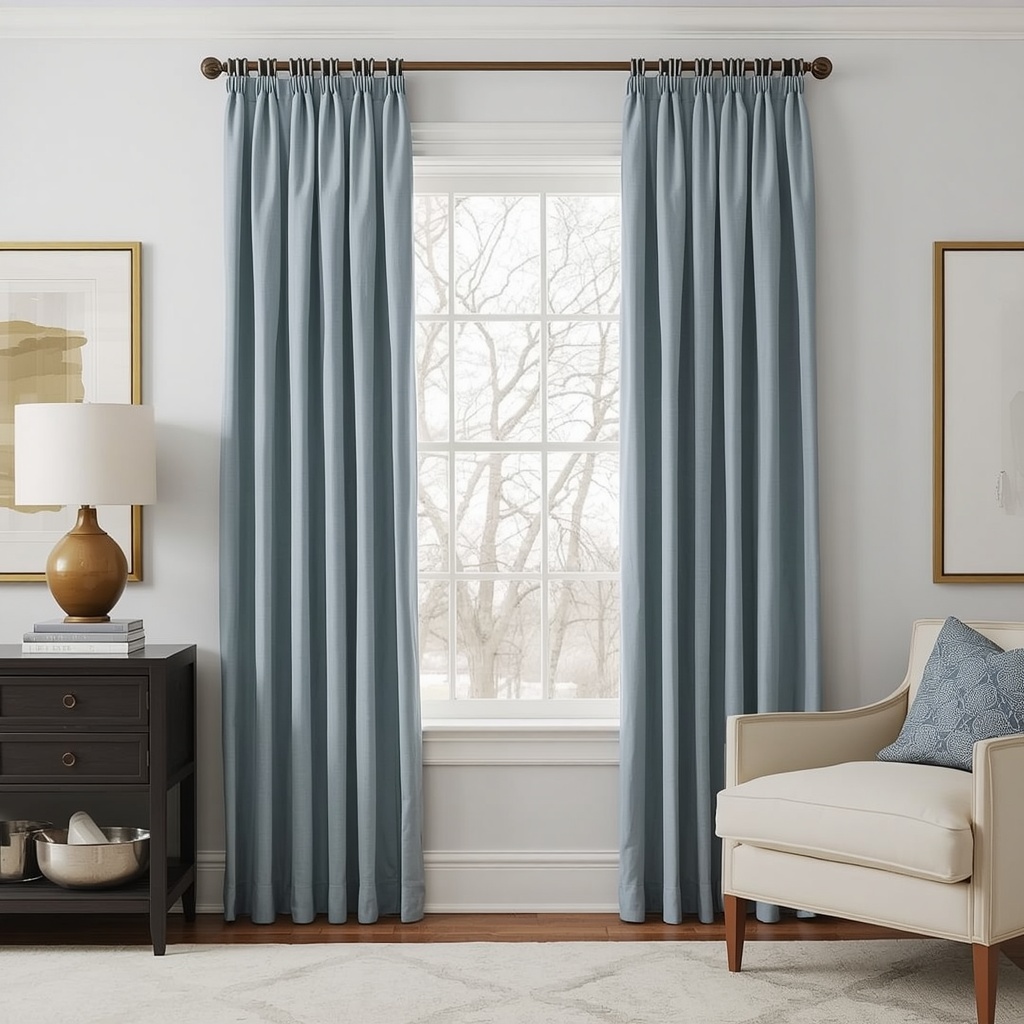
Curtains that hover just above the window frame make ceilings feel lower, windows look smaller, and the entire room feel cramped. It’s the quickest way to make even expensive curtains look cheap. On the flip side, curtains hung close to the ceiling and pooling slightly on the floor instantly create height, drama, and a luxurious, editorial effect.
“The difference between a room that looks put-together and one that looks unfinished is almost always in the drapery. Hang high, hang wide, and let the fabric breathe.” — Interior Design Principle, repeated by designers coast to coast
This one change — hanging your curtain rod 4 to 6 inches below the ceiling, or at minimum 8 to 12 inches above the window frame — costs you nothing extra and makes the single biggest visual impact of any trick in this guide.
Choosing the Right Fabric: What Looks Expensive vs. What Doesn’t
Not all curtain fabrics are created equal, and this is where budget shoppers often go wrong. The fabric you choose will either elevate or undermine everything else you do.
Fabrics That Look Luxurious on a Budget
Linen-look fabrics are the gold standard for achieving a high-end aesthetic without the price tag. They drape beautifully, diffuse light in a warm and airy way, and photograph like a dream. Many retailers like IKEA, Target, and Amazon carry linen-blend curtain panels in the $25–$60 range that genuinely look expensive when styled correctly.
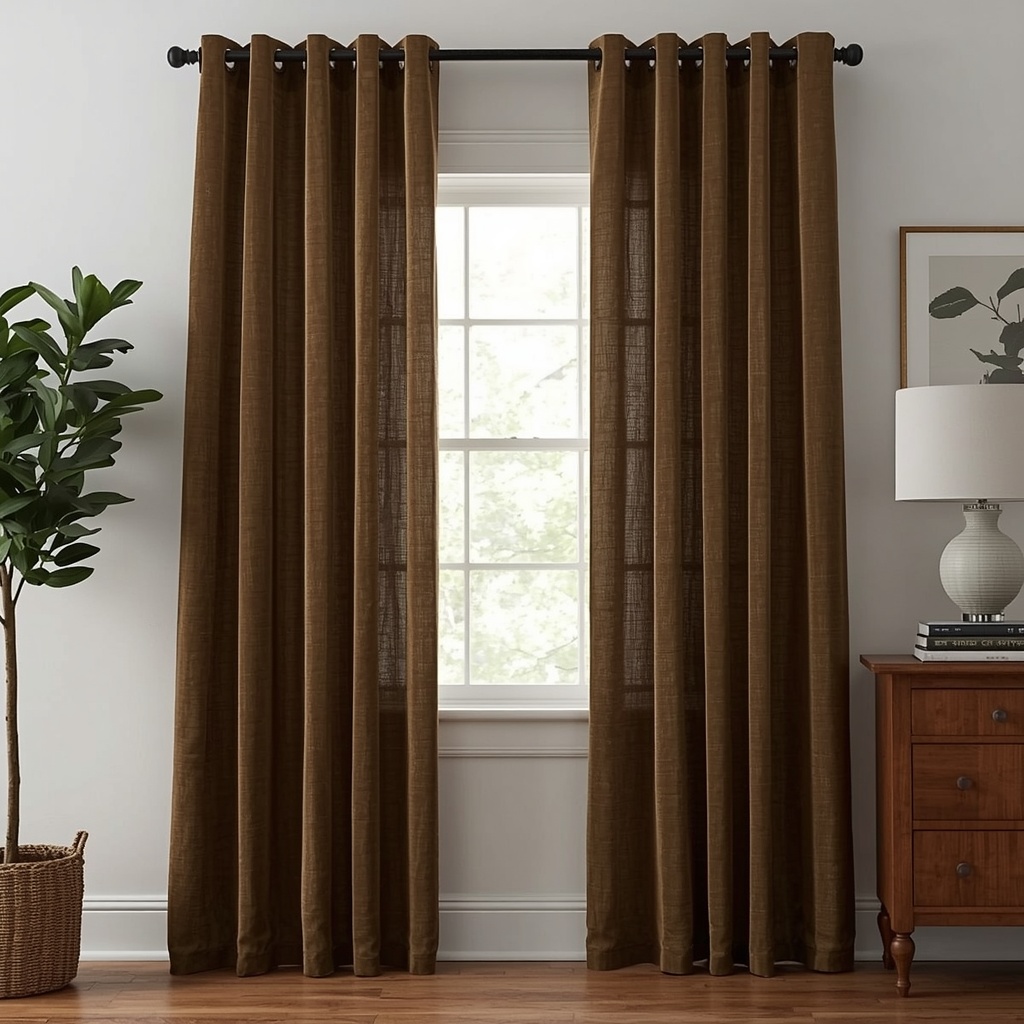
Velvet panels are another surprisingly affordable luxury option. Deep jewel-toned velvet curtains add drama and texture to living rooms and bedrooms, and you can frequently find them at HomeGoods or on Wayfair for under $80 a pair.
Fabrics to Avoid If You’re on a Budget
Shiny polyester — the kind that creates visible wrinkles and looks stiff right out of the package — is the enemy of a luxe look. Avoid anything labeled “taffeta” or highly synthetic unless it’s specifically designed for a formal or theatrical aesthetic.
| Fabric Type | Look | Price Range | Verdict |
|---|---|---|---|
| Linen / Linen-blend | Airy, natural, high-end | $25–$80/panel | ✅ Best budget choice |
| Velvet | Dramatic, rich, cozy | $40–$100/pair | ✅ Excellent value |
| Cotton canvas | Clean, tailored, modern | $20–$60/panel | ✅ Great for minimalists |
| Sheer voile | Light, romantic, layerable | $15–$35/panel | ✅ Use as a layer |
| Shiny polyester | Cheap, wrinkled, flat | $10–$30/panel | ❌ Avoid |
| Stiff taffeta | Formal but plasticky | $15–$40/panel | ❌ Skip it |
How to Make Cheap Curtains Look Expensive: 8 Designer Tricks
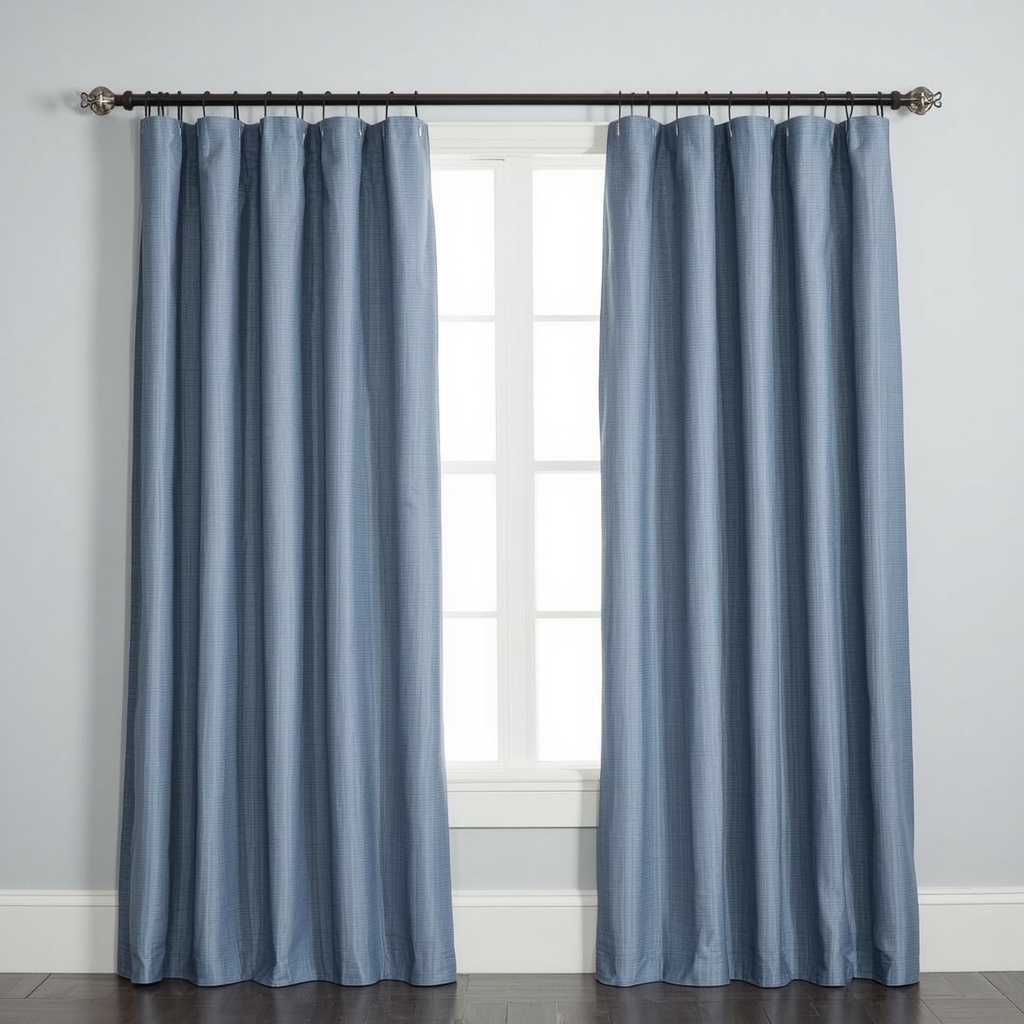
1. Hang Your Curtains High and Wide
As mentioned above, this is rule number one. Mount your curtain rod as close to the ceiling as possible — ideally 2 to 4 inches below the crown molding. Extend the rod 6 to 12 inches beyond each side of the window frame so that when the curtains are open, they frame the window completely without blocking any glass. This technique makes your window appear dramatically larger and fills the wall with vertical, architectural interest.
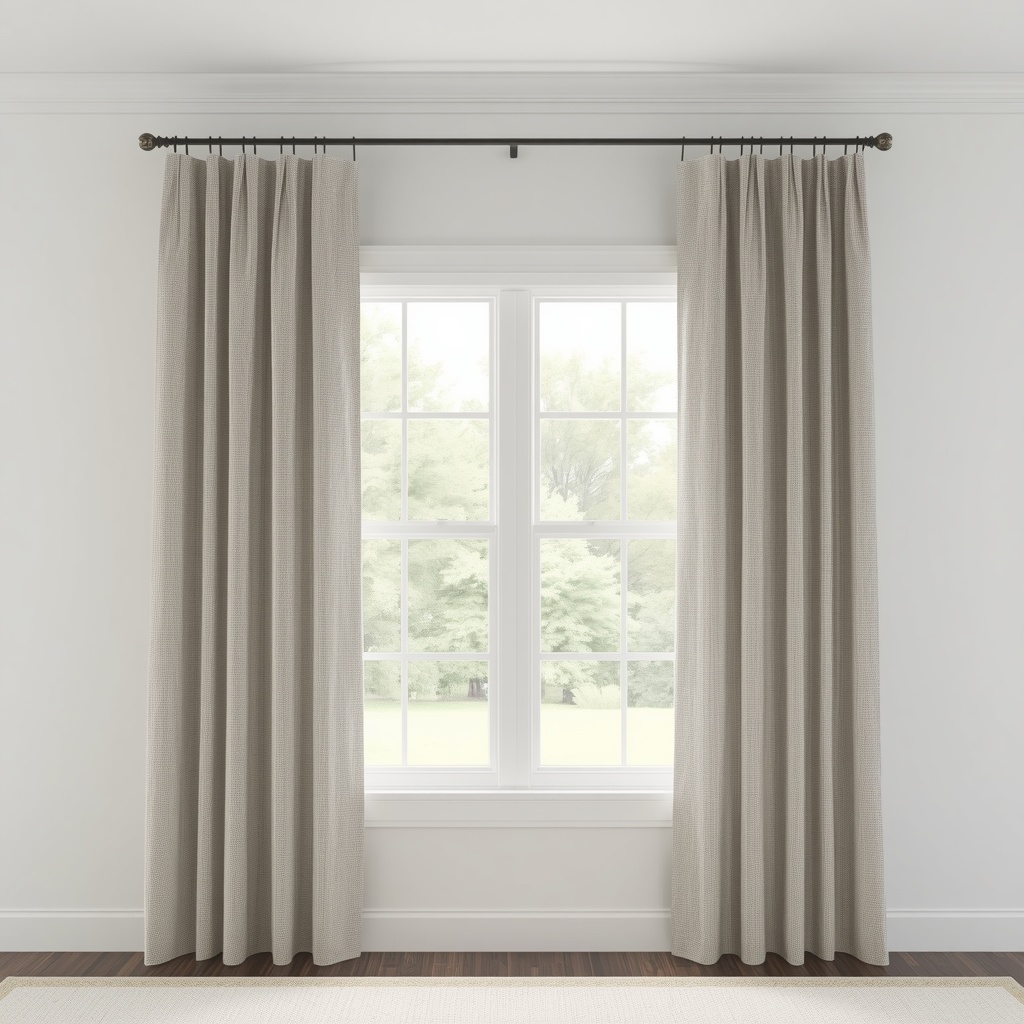
Pro Tip: Use adjustable curtain rods from Target or Amazon (search for “double curtain rod set”) and you can customize the width for any window without paying for custom hardware. A standard 66–120 inch adjustable rod costs $15–$30 and looks identical to a more expensive version.
2. Add Blackout Lining to Cheap Sheer Panels
One of the easiest ways to make inexpensive curtains feel more substantial is to add a blackout liner behind them. You can purchase clip-on blackout lining panels (available on Amazon for $20–$40) that attach to existing curtain panels using small clips or grommets. This instantly adds body, weight, and a structured drape to curtains that would otherwise look flimsy.
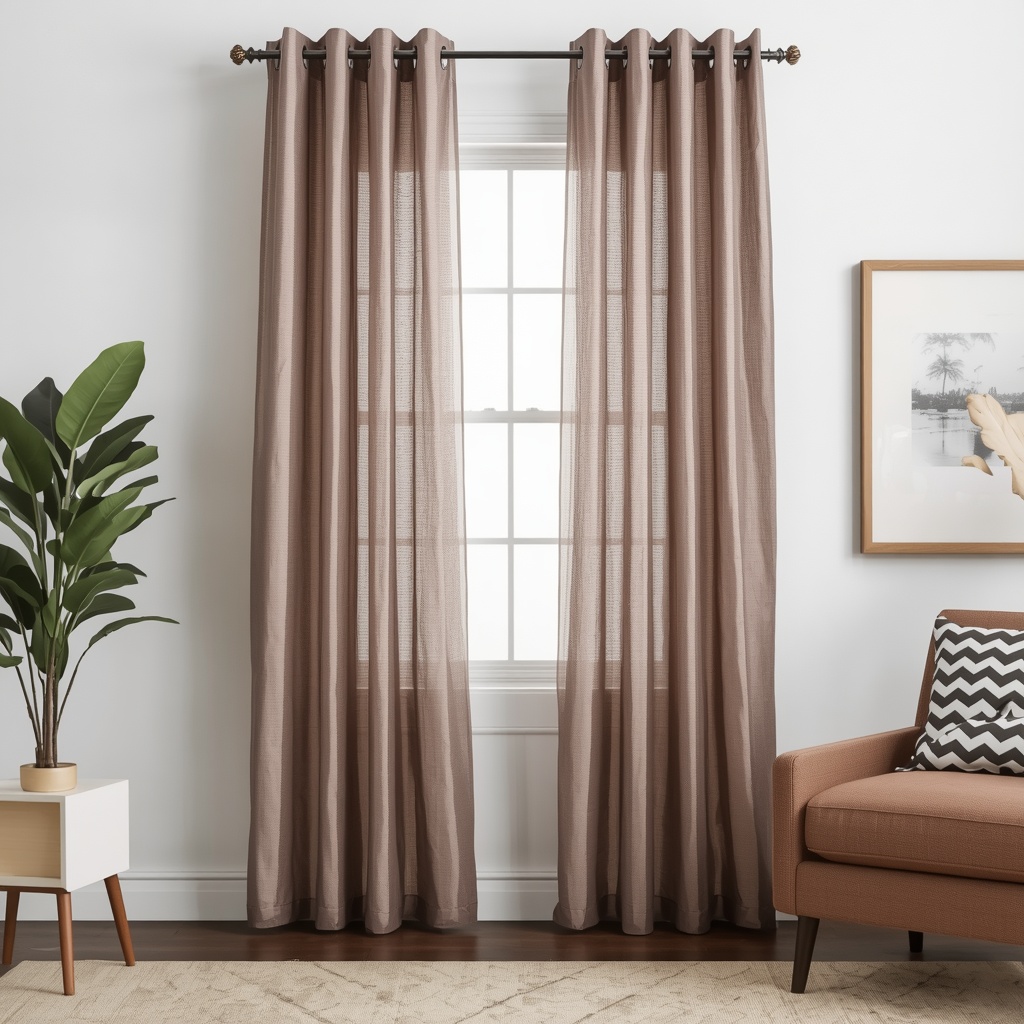
The visual effect is significant: lined curtains hang straighter, pool more dramatically, and appear much more deliberate and high-quality than unlined versions of the same fabric. It’s a trick designers use constantly in model homes and staged spaces.
3. Steam or Iron Your Curtains Before Hanging
This one costs nothing but time — and it makes an enormous difference. Curtains fresh out of the package are usually creased, folded, and wrinkled in ways that scream “I just bought these at Walmart.” Before you hang anything, steam or iron every panel. If you don’t own a steamer, hang the panels in your bathroom while running a hot shower for 20 minutes. The steam relaxes the fabric and allows it to drape naturally.
“A $30 curtain panel that’s been steamed and styled properly will almost always look better than a $150 panel hanging wrinkled and crooked.”
4. Use Curtain Weights in the Hem
Curtain weights are small, inexpensive metal weights (usually sold in packs for under $10) that you slip into the bottom hem of your curtain panels. They keep the fabric hanging straight and prevent it from billowing, twisting, or curling at the corners — all telltale signs of a cheap curtain.
This is particularly useful for lightweight linen-look or sheer panels that tend to move with every breeze from your HVAC. Adding weights gives them the clean, structured fall of a custom-made drape.
5. Layer Sheers with Solid Panels
Layering is one of the most universally used tricks in high-end interior design, and it’s completely budget-friendly. The approach is simple: use a sheer voile panel closest to the window to diffuse light and add privacy, then layer a solid opaque panel in front for drama and color.
This works particularly well with a double curtain rod, which allows two sets of panels to hang on the same hardware at different depths. The layered look adds dimension, texture, and a level of intentionality that makes the overall installation feel very curated and designed.
Affordable layering combinations to try:
- White sheer voile + linen-look ivory panel
- White sheer + velvet navy or emerald panel
- Natural linen sheer + warm white cotton canvas panel
- Sheer blush + solid dusty rose or taupe panel
6. Choose the Right Curtain Header Style
The header — the top of the curtain where it attaches to the rod — dramatically affects how the finished product looks. Grommet-top panels tend to look more modern and contemporary. Rod pocket panels have a more casual, relaxed aesthetic. Pinch pleat and goblet pleat headers are the most formal and traditionally “luxurious” looking, as they create structured, even folds down the length of the panel.
If you purchase inexpensive grommet-top panels but want a more custom look, consider using curtain clip rings instead of feeding the rod directly through the grommets. This allows the fabric to fall in looser, more organic waves and removes the rigid “store-bought” appearance that grommet curtains often have.
7. Let Your Curtains Pool on the Floor
One of the most recognizable signatures of high-end window treatments is the “puddle” — where curtain fabric extends slightly past the floor and pools in a soft, intentional gather. This style works beautifully in formal living rooms, dining rooms, and primary bedrooms.
For a relaxed puddle, allow 2 to 4 extra inches of fabric to rest on the floor. For a more dramatic effect, 6 to 8 inches creates what designers call a “romantic” puddle. Just be mindful of high-traffic areas where puddling can become a tripping hazard or collect pet hair.
If pooling isn’t practical, aim for curtains that just barely kiss the floor — within half an inch to one inch of the surface. This “kissing the floor” length is the second most polished option and works in virtually any room.
8. Upgrade Your Curtain Hardware
Here’s a designer secret: the rod and finials matter just as much as the curtains themselves. A beautiful linen panel hanging on a flimsy, gold-toned plastic rod from a big-box store will always look discount. The same panel on a matte black or brushed brass rod with clean, architectural finials looks intentional and expensive.
You don’t have to spend a fortune on hardware. Amazon, Target’s Threshold line, and IKEA’s RACKA and KVARTAL systems all offer stylish curtain rods in the $20–$60 range. Matte black is currently the most popular finish in American interiors and suits everything from farmhouse to contemporary design.
Best Affordable Curtain Sources for US Shoppers
Here’s a curated list of the best places to buy budget curtains that actually look good:
DIY Upgrades That Cost Under $20
Sometimes the curtains you already own just need a little enhancement. Here are fast, cheap upgrades:
- Add tassel trim to the leading edge — A $10 roll of tassel fringe sewn or ironed onto the inner edge of your curtain panel looks like a designer custom detail.
- Dip-dye the hem — Ombre-dyed curtain bottoms are trending and achievable with fabric dye from any craft store for under $8.
- Paint your curtain rod — Spray paint a basic silver or brass rod in matte black for under $5. This single change modernizes the entire installation.
- Add a monogram or stencil — Use fabric paint and a stencil to add a geometric pattern or monogram to plain white panels for a custom, bespoke look.
Frequently Asked Questions About Budget Window Treatments
Q: What length should curtains be for a standard 8-foot ceiling? For standard 8-foot ceilings, use 96-inch curtain panels hung as high as possible. This creates the illusion of taller ceilings and a more dramatic, polished finish.
Q: How many curtain panels do I need per window? For a full, lush look, use two to three panels per window. A single panel per window almost always looks sparse and unfinished, even with expensive curtains.
Q: Are blackout curtains worth it in a bedroom? Absolutely. Quality sleep is tied to light control, and blackout curtains dramatically improve sleep quality. Many budget-friendly blackout options are available under $50 per pair.
Q: Can I use curtains in a bathroom? Yes — with the right fabric. Moisture-resistant polyester or treated cotton panels work well in bathrooms with proper ventilation. Avoid hanging fabric too close to a shower or bathtub.
Quick Reference: Budget Curtain Checklist
Before you hang your next set of curtains, run through this checklist:
- [ ] Rod is mounted 4–6 inches below ceiling (or 8–12 inches above window frame minimum)
- [ ] Rod extends 6–12 inches beyond window on each side
- [ ] Curtains are steamed or ironed before hanging
- [ ] Fabric weight and drape are appropriate for the room
- [ ] Hardware finish matches other metal tones in the room (doorknobs, light fixtures)
- [ ] Curtain length reaches floor or pools slightly
- [ ] Panels are full enough — at least 2x the window width in total fabric
- [ ] Blackout liner added if privacy or light control is needed
Final Thoughts: Luxury Is in the Details
Making cheap curtains look expensive isn’t about spending more money — it’s about understanding the principles that make window treatments look intentional. Hang high, hang wide, choose natural-looking fabrics, add weight and lining, layer textures, and invest in decent hardware. These steps, taken together, transform even the most basic panel into something that looks like it was designed specifically for your space.
The windows in your home are literally the frames through which you see the world. They deserve a little attention. And with these strategies, you can give them that attention without breaking your budget. Whether you’re decorating a starter apartment, refreshing a family room, or staging a home to sell, these affordable window treatment techniques will make every room feel more finished, more spacious, and more you.